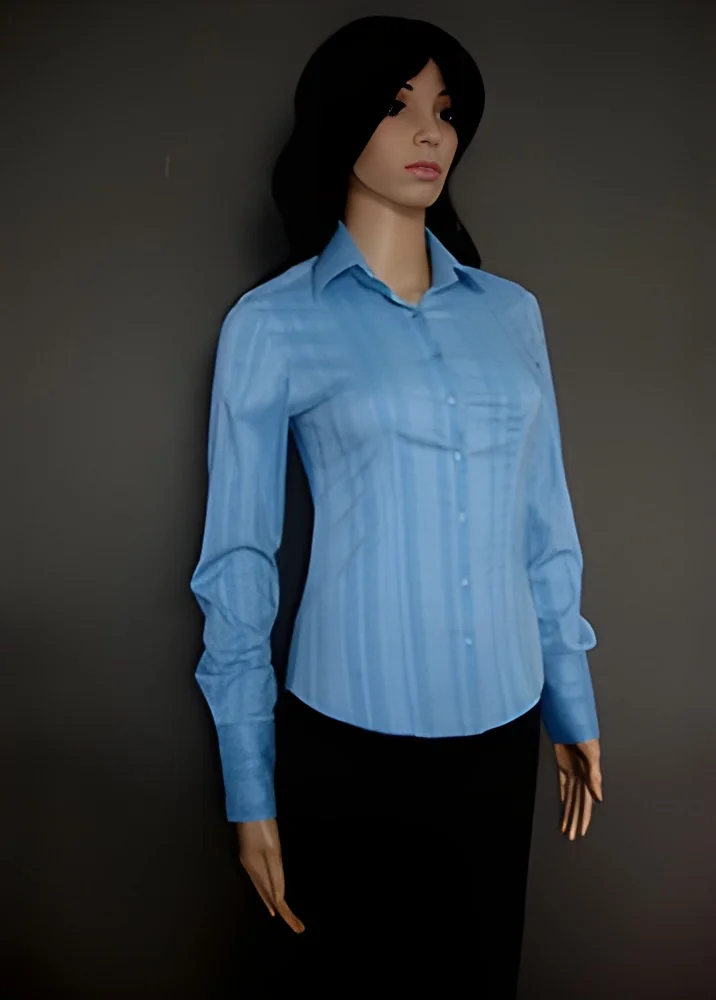
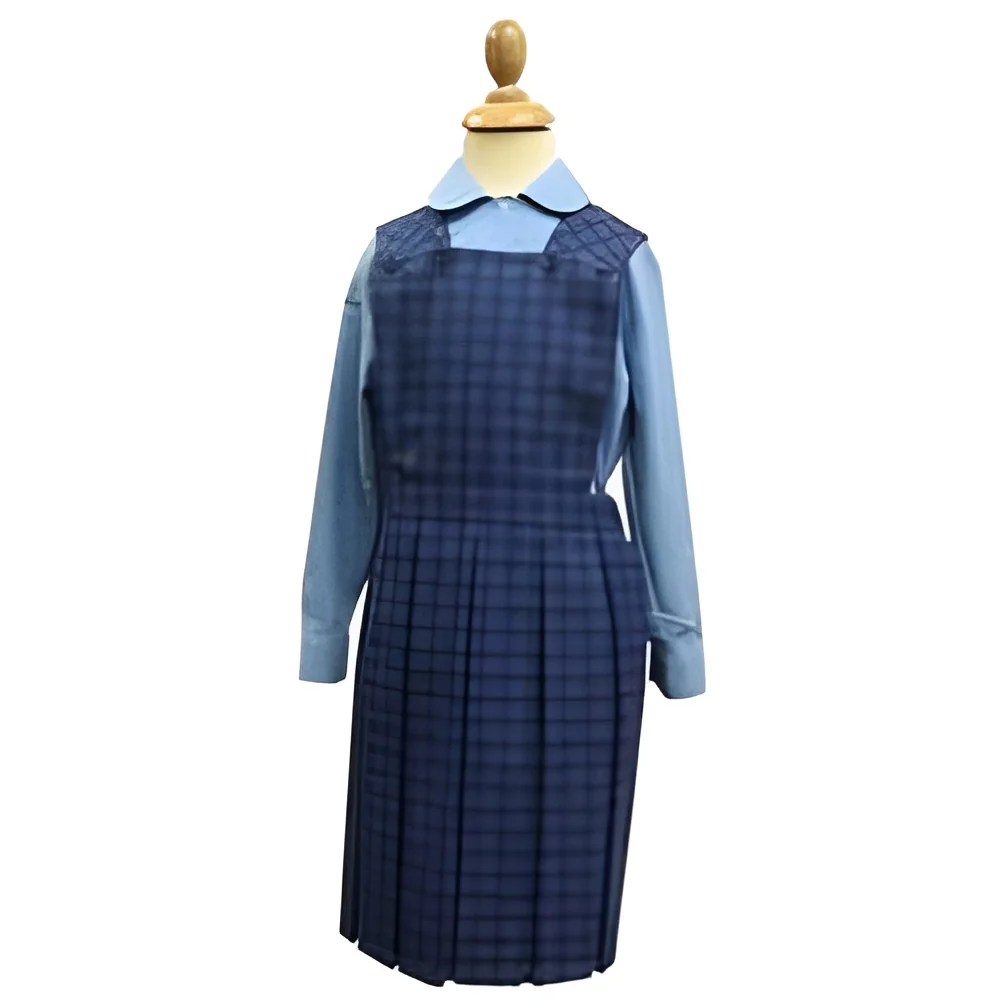
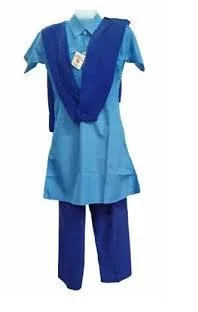
What are Girls' School Uniform Dresses?
Girls' School Uniform Dresses are specially designed outfits intended for female students to wear in academic settings. These dresses are typically characterized by their adherence to specific school uniform guidelines, which often include color schemes, patterns, and styles that reflect the school's identity. Their design prioritizes comfort, functionality, and ease of maintenance, making them suitable for daily wear.
These dresses are primarily used in educational institutions, ranging from elementary schools to high schools. They serve to foster a sense of unity and belonging among students while simplifying the process of getting dressed for school. In the business context, schools, uniform suppliers, and educational institutions play pivotal roles in procuring these dresses, focusing on quality, affordability, and compliance with educational standards.
The market for Girls' School Uniform Dresses is significant, driven by the continuous demand from schools and parents. As educational institutions become more conscious of branding and student comfort, the relevance of these dresses has grown. Suppliers must keep up with trends while ensuring that their products meet the required standards for school uniforms.
Key Features and Specifications
Girls' School Uniform Dresses come with various features that enhance their functionality and appeal. Understanding these specifications is crucial for making informed purchasing decisions.
Key specifications include:
1. Fabric Type
- Commonly made from cotton or polyester blends for comfort and durability
- Typically breathable and easy to wash
2. Design and Style
- Available in various styles such as A-line, pleated, or straight-cut
- Often includes details like collars, pockets, and buttons
3. Size Range
- Sizes typically range from small to extra-large, accommodating different body types
- Custom sizing options may be available for specific needs
4. Color Options
- Usually available in school colors or neutral tones
- Custom branding options for specific schools can be offered
5. Care Instructions
- Machine washable and designed to withstand frequent laundering
- Often wrinkle-resistant for easy maintenance
6. Safety Features
- Non-toxic dyes and materials to ensure safety for students
- May include features like reinforced seams for added durability
7. Price Range
- Pricing typically varies based on fabric quality and design complexity
- Bulk purchase discounts may be available for schools
8. Compliance Standards
- Must adhere to local school uniform regulations and guidelines
- Certifications may include compliance with safety and quality standards
In summary, knowing the key features and specifications helps B2B buyers select the right Girls' School Uniform Dresses that meet their specific requirements while ensuring quality and value.
Common Applications and Use Cases
Girls' School Uniform Dresses serve multiple applications across various sectors.
1. Educational Institutions: These dresses are primarily used in schools as part of the official uniform, promoting a cohesive school identity.
2. Uniform Suppliers: Suppliers utilize these dresses to fulfill contracts with schools, ensuring that students receive quality uniforms that comply with educational standards.
3. Retail Outlets: Some retailers stock these dresses to cater to parents looking for convenient shopping options for their children's school attire.
4. Custom Orders: Schools often place bulk orders for customized dresses that feature their logos or specific design elements, allowing for personalization.
5. Events and Functions: These dresses may also be used for special occasions, such as school events or performances, where a uniform appearance is desired.
6. Sports and Activities: Some dresses are designed to be worn during school sports activities or field trips, ensuring comfort and mobility.
In summary, the versatility of Girls' School Uniform Dresses makes them essential in various contexts, primarily revolving around educational settings.
Product Variants and Subcategories
Girls' School Uniform Dresses come in a range of variants to cater to diverse needs and preferences.
Classic A-Line Dress: This variant features a timeless A-line cut that provides comfort and ease of movement. It is suitable for daily school wear and can be paired with various accessories for a complete look.
Pleated Skirt Dress: This style combines a fitted bodice with a pleated skirt, adding a touch of elegance. It is often chosen for formal school events or ceremonies.
Short Sleeve Dress: Designed for warmer climates, this variant offers short sleeves for breathability while maintaining a polished appearance.
Long Sleeve Dress: Ideal for cooler weather, this dress variant provides additional warmth without compromising style, making it suitable for year-round wear.
In summary, the availability of various styles allows schools and parents to choose dresses that best fit individual preferences and seasonal needs.
Benefits and Advantages
Choosing Girls' School Uniform Dresses offers several advantages for educational institutions and parents.
1. Uniformity: These dresses promote a sense of equality among students, reducing peer pressure related to clothing choices.
2. Convenience: Simplifying the morning routine, uniform dresses eliminate the need for students to choose their outfits daily.
3. Cost-Effectiveness: Purchasing dresses in bulk can lead to significant savings for schools, while parents benefit from reduced costs over time.
4. Quality Assurance: When sourced from reputable suppliers, these dresses often meet quality standards, ensuring longevity and durability.
5. Brand Identity: Customization options allow schools to reinforce their brand identity through uniforms, fostering school pride.
6. Safety: Many dresses are made with non-toxic materials, ensuring the safety of students while they wear them.
In summary, Girls' School Uniform Dresses provide multiple benefits that support educational institutions and enhance the school experience for students.
Buying Guide for B2B Buyers
When sourcing Girls' School Uniform Dresses, B2B buyers should consider several important factors to ensure they make informed decisions.
1. Quality Assessment: Evaluate the fabric quality, stitching, and overall construction of the dresses. Reliable suppliers often provide samples to assess before making bulk purchases.
2. Supplier Verification: Conduct thorough research on potential suppliers. Look for reviews, certifications, and previous client testimonials to ensure their reliability and product quality.
3. Pricing and MOQ: Understand the pricing structure and minimum order quantities (MOQ) of suppliers. This will help in budgeting and planning inventory levels for schools.
4. Delivery and Lead Times: Discuss logistics and expected delivery timelines with suppliers. Timely delivery is essential to ensure that uniforms are available before the school year begins.
5. Compliance Requirements: Ensure that the dresses comply with local educational regulations and safety standards. This may include checking for specific certifications or quality marks.
In summary, thorough consideration of these factors ensures that B2B buyers can source the right Girls' School Uniform Dresses that meet their needs effectively.
Compliance and Certifications
Compliance and certification are crucial aspects of Girls' School Uniform Dresses, ensuring that they meet industry standards for quality and safety.
Relevant quality standards include ISO 9001, which focuses on quality management systems, ensuring that manufacturers maintain consistent quality in their production processes. Compliance with HACCP (Hazard Analysis Critical Control Point) standards may also be relevant, particularly in ensuring that materials used are safe and free from contaminants.
Industry certifications like CE signify that the dresses meet European health, safety, and environmental protection standards. This certification can enhance marketability and reassure buyers about product safety.
Safety and testing requirements are essential, as they ensure that the dresses are free from harmful chemicals and materials. Regular testing by third-party labs can help verify compliance with these standards.
Regional compliance considerations may vary, with different countries having specific regulations regarding children's clothing. It is essential for suppliers to understand and adhere to these local requirements to avoid penalties and ensure market access.
In summary, compliance and certifications play a vital role in the production and sale of Girls' School Uniform Dresses, assuring buyers of safety and quality.
Why Source Girls' School Uniform Dresses from Pepagora?
Pepagora offers a trusted platform for sourcing Girls' School Uniform Dresses, providing several key advantages for B2B buyers.
Verified Supplier Network: Pepagora has established a network of verified suppliers, ensuring that buyers can source products confidently. Each supplier undergoes a thorough vetting process, which includes checking their credentials and product quality.
Streamlined RFQ Process: The Request for Quotation (RFQ) process on Pepagora is designed to be user-friendly, allowing buyers to easily request quotes from multiple suppliers. This saves time and helps in comparing options effectively.
Trade Assurance and Support: Pepagora offers trade assurance, which protects buyers against potential issues related to product quality and delivery. This support provides peace of mind when making purchases.
Regional Coverage: Pepagora serves a broad geographic area, including India, the Gulf Cooperation Council (GCC), and Southeast Asia. This extensive reach allows buyers to connect with local suppliers and streamline logistics.
In summary, sourcing Girls' School Uniform Dresses from Pepagora provides a reliable and efficient avenue for B2B buyers, ensuring quality products and exceptional service.

 IN
IN