What are Housekeeping Uniforms?
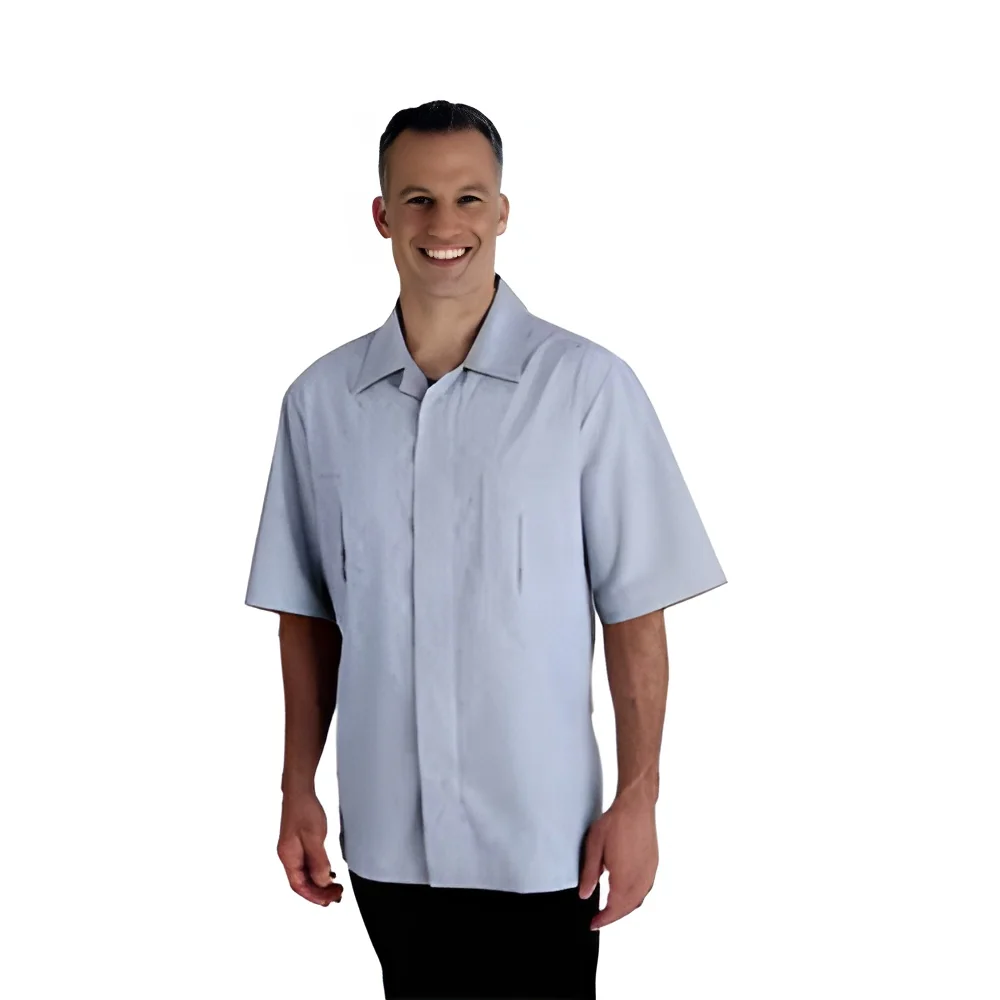
Housekeeping uniforms are specialized garments designed for staff working in cleaning and maintenance roles across various industries. These uniforms serve both functional and professional purposes, ensuring that employees are easily identifiable while also providing comfort and protection throughout their workday. They typically include a range of clothing items, such as shirts, pants, skirts, and dresses, often made from durable and easy-to-clean materials.
The primary uses of housekeeping uniforms span sectors such as hospitality, healthcare, and corporate facilities. In hotels, for example, uniforms help to maintain a professional appearance while enabling staff to perform their duties efficiently. In healthcare settings, they play a crucial role in hygiene and safety, as well as in fostering a sense of trust between staff and patients. Given the increasing emphasis on cleanliness and professionalism in various industries, the market for housekeeping uniforms continues to expand.
As the demand for high-quality housekeeping uniforms grows, manufacturers are leveraging innovative materials and designs to meet industry standards and customer expectations. This evolution is essential in maintaining a competitive edge in a market that values both functionality and aesthetics in workplace attire.
Key Features and Specifications
Housekeeping uniforms are crafted with several essential features that enhance their usability and longevity. When selecting these uniforms, it is important to consider specifications that ensure both comfort and performance.
Key specifications include:
1. Fabric Composition
- Often made from polyester, cotton, or a blend.
- Ensures breathability and ease of care.
2. Design and Fit
- Available in various styles, including tailored and relaxed fits.
- Designed for ease of movement and comfort during long hours.
3. Color Options
- Typically available in a range of colors to reflect brand identity.
- Colors may also be chosen for practicality in hiding stains.
4. Durability
- Fabrics are selected for their ability to withstand frequent washing and wear.
- Features like reinforced stitching enhance durability.
5. Functional Features
- May include pockets, loops, and adjustable elements for practicality.
- Some designs may incorporate moisture-wicking technology.
6. Compliance Standards
- Many uniforms adhere to industry standards for safety and hygiene.
- Certification may include CE marking for certain materials.
7. Size Range
- Uniforms are generally available in a wide range of sizes to accommodate diverse staff.
8. Customization Options
- Businesses often have the option to customize uniforms with logos or names for branding.
These specifications play a vital role in ensuring that housekeeping uniforms meet the demands of the job while also providing a professional appearance.
Common Applications and Use Cases
Housekeeping uniforms are utilized across various industries, each with specific applications that highlight their importance.
1. Hospitality: In hotels and resorts, housekeeping uniforms are essential for staff responsible for cleaning rooms and common areas. They help present a polished image to guests and facilitate efficient work.
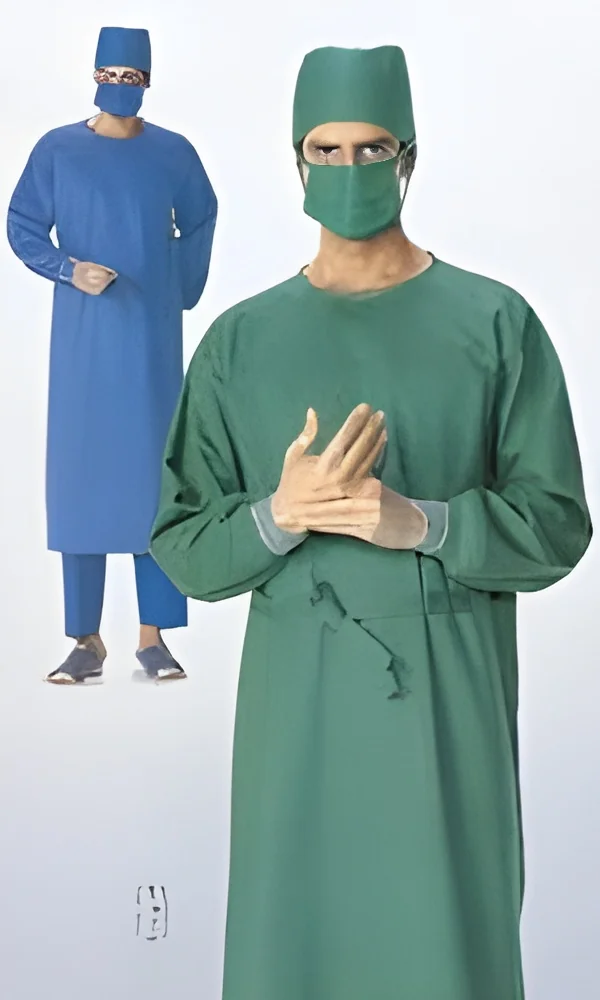
2. Healthcare: In hospitals and clinics, uniforms are critical for maintaining hygiene standards. They help in identifying cleaning staff while providing protection from contaminants.
3. Corporate Offices: In office environments, housekeeping uniforms help maintain cleanliness in shared spaces. They ensure that cleaning personnel are recognized and can perform their duties without disruption.
4. Educational Institutions: Schools and universities often employ housekeeping staff to maintain cleanliness. Uniforms help create a professional appearance while promoting a safe learning environment.
5. Manufacturing and Warehousing: In industrial settings, uniforms serve to protect workers from dust and dirt while ensuring they are identifiable as part of the cleaning crew.
6. Retail: Retail establishments use housekeeping uniforms to keep stores clean and presentable. Uniforms help create a cohesive look among staff responsible for maintaining store appearance.
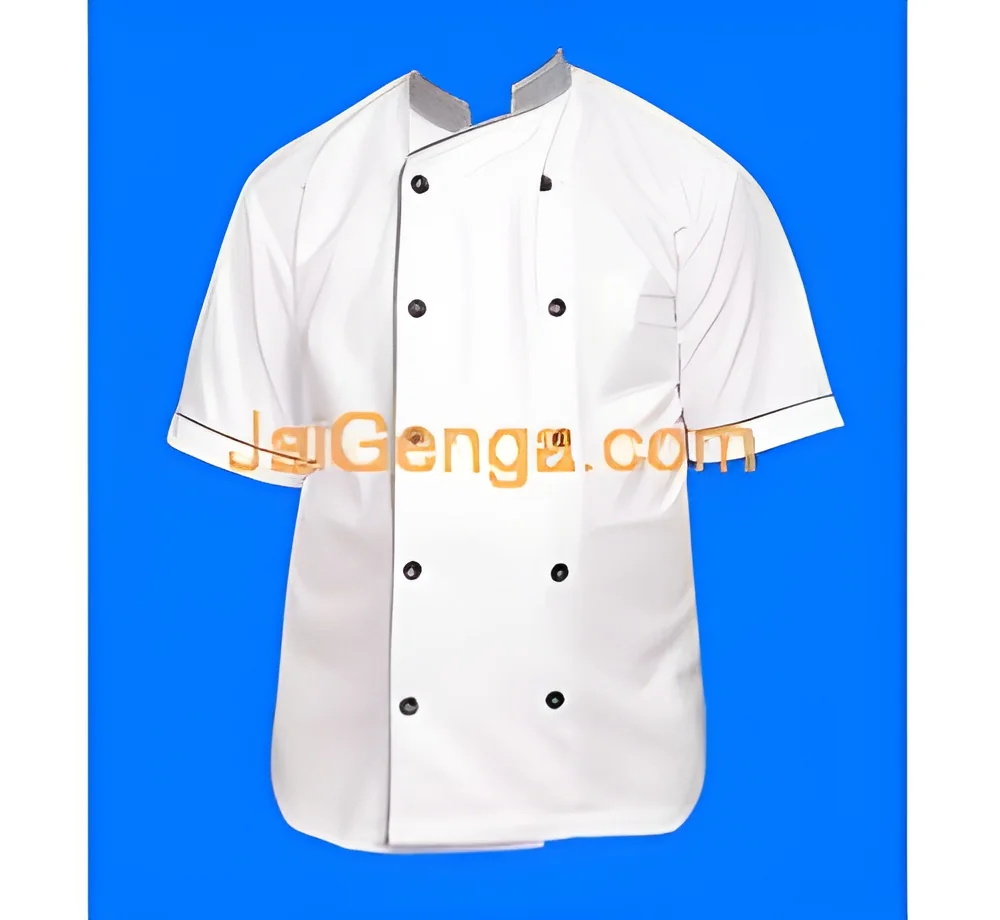
7. Food Service: In restaurants and food production facilities, uniforms ensure that cleaning personnel meet health and safety regulations while presenting a professional image.
Product Variants and Subcategories
Housekeeping uniforms come in various styles and designs to cater to different preferences and operational needs.
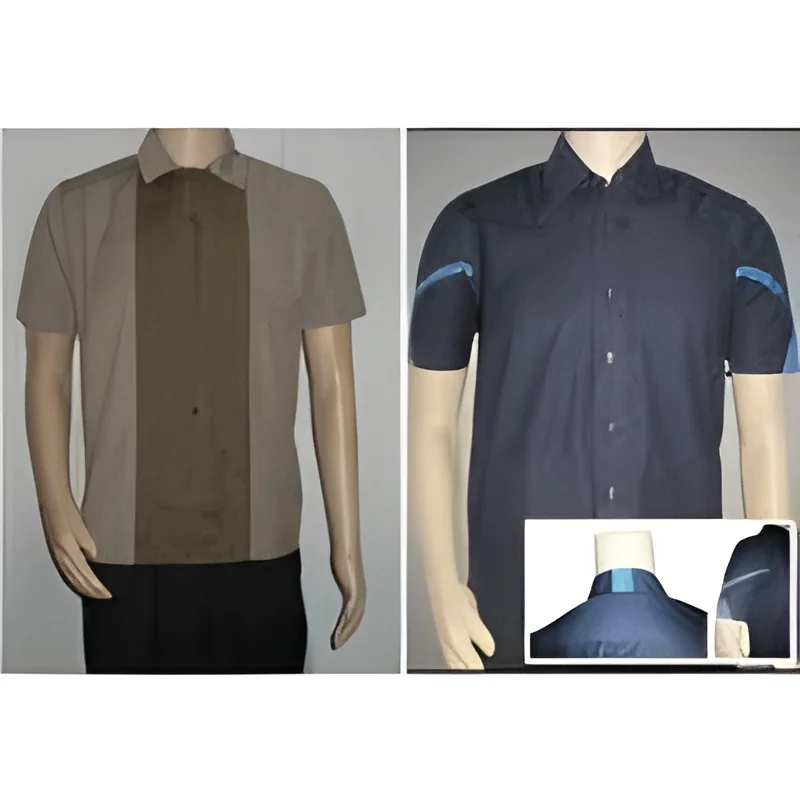
Short-Sleeve Shirts: These are ideal for warm environments and provide ease of movement. They are often made from breathable fabrics and may feature pockets for convenience.
Long-Sleeve Shirts: Suitable for cooler climates, long-sleeve shirts offer additional coverage and protection. They are often designed with roll-up sleeves for versatility.
Pants and Skirts: Available in various cuts, these options provide comfort and practicality. Many have features like elastic waistbands for ease of wear.
Dresses: Some establishments prefer dresses for a more polished look. These often include functional elements like pockets and are designed for easy maintenance.
Benefits and Advantages
Choosing the right housekeeping uniforms offers several benefits that can enhance operational efficiency and employee satisfaction.
1. Professional Appearance: Uniforms create a cohesive look, reinforcing brand identity and professionalism in the workplace.
2. Employee Comfort: High-quality fabrics and thoughtful designs ensure that staff can perform their duties without discomfort, improving productivity.
3. Increased Safety: Many housekeeping uniforms are designed with safety in mind, often incorporating features that protect employees from workplace hazards.
4. Enhanced Hygiene: Uniforms made from easy-to-clean materials promote better hygiene practices, especially in healthcare and food service settings.
5. Boosted Morale: Providing staff with uniforms can enhance their sense of belonging and pride in their work, leading to higher morale.
6. Brand Recognition: Custom branding on uniforms helps in promoting the company and creating a recognizable presence in the market.
Buying Guide for B2B Buyers
When sourcing housekeeping uniforms, it is crucial for B2B buyers to consider several key factors to ensure they make informed purchasing decisions.
1. Quality Assessment: Evaluate the quality of the materials used in the uniforms. Look for durable fabrics that can withstand frequent washing and wear, ensuring longevity.
2. Supplier Verification: Vet suppliers carefully to ensure they meet your quality and service expectations. Check references and reviews to gauge their reliability.
3. Pricing and MOQ: Understand the price range for different styles of uniforms. Be aware of minimum order quantities and how they might affect your purchasing decisions.
4. Delivery and Lead Times: Discuss logistics with suppliers to ensure timely delivery of your order. Confirm lead times to avoid disruptions in your operations.
5. Compliance Requirements: Familiarize yourself with any industry-specific regulations regarding uniforms, such as safety standards and hygiene requirements. Ensure your suppliers comply with these standards.
Compliance and Certifications
Housekeeping uniforms must adhere to various compliance standards and certifications to guarantee quality and safety.
Quality standards such as ISO 9001 focus on maintaining consistent quality in manufacturing processes. These standards help ensure that the uniforms produced meet customer expectations.
Industry certifications, including CE marking, indicate that the products comply with European health, safety, and environmental protection standards. This certification can be crucial for markets requiring stringent regulations.
Safety and testing requirements ensure that the uniforms perform well in various conditions, providing protection against potential hazards. This is especially important in healthcare and food service industries.
Regional compliance considerations may vary, so it is essential for businesses to understand the specific regulations applicable to their location and industry when sourcing uniforms.
Why Source Housekeeping Uniforms from Pepagora?
Pepagora provides a trusted platform for sourcing housekeeping uniforms, offering several key advantages to B2B buyers.
Verified Supplier Network: Pepagora ensures that all suppliers are thoroughly vetted. This process guarantees that buyers have access to reliable and quality products, reducing the risk associated with procurement.
Streamlined RFQ Process: The request for quotation process on Pepagora is designed to be efficient and user-friendly. Buyers can easily compare quotes and make informed decisions based on their specific needs.
Trade Assurance and Support: Pepagora offers buyer protection through trade assurance. This feature provides peace of mind, knowing that transactions are secure and that support is available throughout the purchasing process.
Regional Coverage: With a broad reach across India, the GCC, and Southeast Asia, Pepagora connects buyers with suppliers in various regions, making it easier to find suitable housekeeping uniforms tailored to local market needs.

 IN
IN