What are Chef Coats?
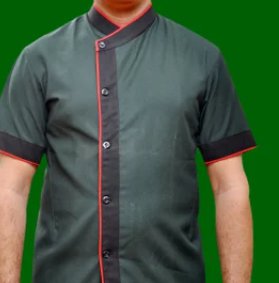
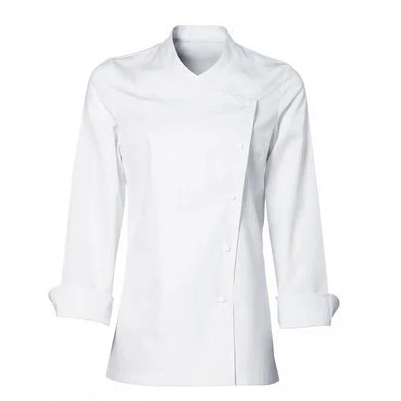
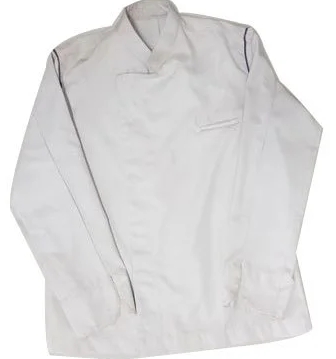
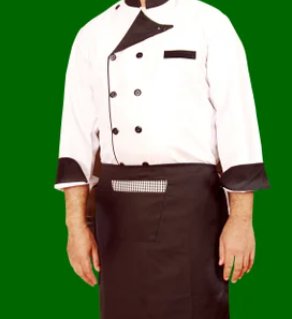
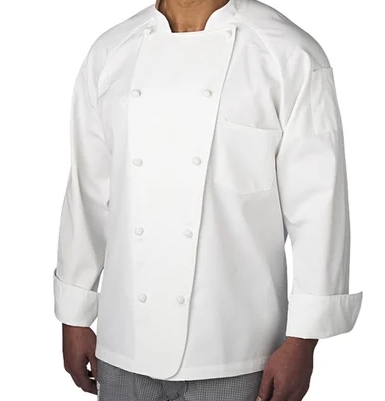
Chef coats are specialized garments worn by culinary professionals in kitchens worldwide. They are designed to provide comfort, protection, and a professional appearance for chefs and kitchen staff. Typically made from durable fabrics, these coats are equipped with features that enhance functionality and safety in a fast-paced kitchen environment. Chef coats often have long sleeves and double-breasted fronts, allowing chefs to adjust their attire based on temperature and personal preference.
The primary uses of chef coats extend beyond mere aesthetics. They serve as a protective barrier against heat, spills, and stains, which are common in any kitchen. In addition to safeguarding the wearer, chef coats help maintain hygiene standards, as they can be easily washed and sanitized. Business applications for chef coats include restaurants, hotels, catering services, and culinary schools, where professional attire is essential for both operational efficiency and brand image.
In the culinary industry, the relevance of chef coats is significant. With an increasing focus on food safety and hygiene, the demand for high-quality chef coats has grown. Market trends show that culinary professionals prioritize functionality and comfort, driving manufacturers to innovate in fabric technology and design. This has led to a diverse range of options available in the market, catering to varied preferences and needs.
Key Features and Specifications
Chef coats come with several features that enhance their usability and comfort for culinary professionals. Understanding these specifications can assist buyers in making informed choices for their kitchen needs.
Key specifications include:
1. Fabric Composition
- Typically made from cotton or a cotton-blend for breathability
- Some variants may include polyester for added durability
2. Sleeve Length
- Available in both long and short sleeves
- Long sleeves provide extra protection, while short sleeves offer comfort in warmer environments
3. Closure Type
- Commonly designed with double-breasted fronts for adjustable fit and ventilation
- Snap buttons or traditional buttons are often used for ease of wear
4. Pocket Configuration
- Features pockets for utility, including thermometer and pen pockets
- Placement is designed for easy access while cooking
5. Color Options
- Typically available in classic white, but can also come in various colors for branding purposes
- Color choices may impact kitchen aesthetics and professionalism
6. Size Range
- Offered in a wide range of sizes to accommodate different body types
- Custom sizing options may be available from some suppliers
7. Temperature Resistance
- Fabrics are often treated for heat resistance to protect against burns
- Specific temperature ratings not available
8. Certification
- Many chef coats comply with safety standards like CE for quality assurance
- Compliance ensures that the coats meet industry safety requirements
In summary, chef coats are designed with specific features that cater to the needs of culinary professionals, ensuring both protection and comfort in the kitchen.
Common Applications and Use Cases
Chef coats are versatile garments used in various culinary applications across multiple industries. Their design and functionality cater to the unique demands of each sector.
1. Restaurants: In the restaurant industry, chef coats serve as a symbol of professionalism. They help maintain cleanliness while providing comfort for chefs during long shifts.
2. Catering Services: Catering professionals rely on chef coats to present a polished appearance at events. Coats with pockets enable easy access to tools while working in dynamic environments.
3. Culinary Schools: In educational settings, chef coats are a standard part of the uniform. Students wear them to learn the fundamentals of cooking while adhering to hygiene protocols.
4. Hotels: Hotel kitchens require staff to maintain a professional appearance. Chef coats help establish a cohesive look for kitchen teams in upscale dining establishments.
5. Food Trucks: Mobile food vendors opt for chef coats to ensure hygiene and professionalism, even in less formal dining settings. They provide a practical solution for fast-paced cooking environments.
6. Bakeries: In bakeries, chef coats protect against flour and other ingredients while offering comfort during long hours of baking.
7. Food Manufacturing: In food production facilities, chef coats help ensure safety and compliance with health regulations. They are crucial in maintaining sanitation in large-scale operations.
Product Variants and Subcategories
Chef coats come in various styles and designs to suit different culinary needs. Each variant offers unique features and applications that cater to specific preferences.
Classic Chef Coat
This variant is characterized by its timeless design and is typically made from a cotton blend. It features long sleeves and a double-breasted front, making it a staple in professional kitchens. Ideal for fine dining establishments, it combines functionality with a traditional aesthetic.
Lightweight Chef Coat
Designed for warmer environments, this variant uses lighter materials for increased comfort. It often features short sleeves and is perfect for chefs working in tropical climates or during summer months. The breathable fabric helps regulate body temperature.
Customizable Chef Coat
This option allows kitchens to brand their attire with logos or specific colors. Customizable chef coats are popular among restaurants and catering services aiming to create a unified team appearance. They maintain the same quality and features as standard coats while providing a personalized touch.
Benefits and Advantages
Chef coats offer numerous benefits to culinary professionals, enhancing both practicality and style in the kitchen environment.
Key benefits include:
1. Professional Appearance: Wearing a chef coat promotes a professional image in any culinary setting. It reflects commitment to the trade and enhances the restaurant's brand.
2. Safety and Protection: Chef coats provide a protective layer against heat, spills, and stains, reducing the risk of burns and injuries during food preparation.
3. Comfort and Breathability: Designed with breathable fabrics, chef coats ensure comfort during long hours in the kitchen, allowing for better focus on culinary tasks.
4. Easy Maintenance: Most chef coats are machine washable and made from durable fabrics, making them easy to maintain and keep clean.
5. Versatility: Chef coats are suitable for various culinary environments, from fine dining to casual food trucks, making them a versatile choice for any kitchen professional.
6. Enhanced Functionality: With features like pockets and adjustable closures, chef coats provide practical solutions to meet the demands of fast-paced cooking.
Buying Guide for B2B Buyers
When sourcing chef coats for your business, several factors should be considered to ensure you select the best options for your culinary team.
1. Quality Assessment: Evaluate the fabric quality and durability of chef coats. Look for materials that withstand daily wear and tear while providing comfort.
2. Supplier Verification: Research potential suppliers to ensure they are reputable and provide high-quality products. Check for reviews, certifications, and previous client testimonials.
3. Pricing and MOQ: Understand the pricing structure and minimum order quantities. Ensure that the costs align with your budget while considering bulk purchasing discounts.
4. Delivery and Lead Times: Confirm the expected delivery times and lead times for orders. This is critical for maintaining inventory levels and ensuring your kitchen is well-equipped.
5. Compliance Requirements: Be aware of any industry-specific compliance requirements related to safety and hygiene. Ensure that the chef coats meet necessary standards.
Compliance and Certifications
Compliance and certifications play a crucial role in ensuring that chef coats meet industry standards for safety and quality. Relevant quality standards include ISO 9001, which outlines requirements for a quality management system. This certification helps ensure that the products consistently meet customer and regulatory requirements.
Additionally, HACCP (Hazard Analysis and Critical Control Points) is important in the food industry for identifying and managing food safety risks. Adherence to HACCP principles in chef coat manufacturing ensures that the garments contribute to maintaining hygiene standards in the kitchen.
Moreover, many chef coats are certified with the CE mark, indicating conformity with European safety, health, and environmental protection standards. This certification assures buyers of the product's safety and reliability.
Regional compliance considerations may vary, so buyers should be informed about local regulations and standards that apply to kitchen apparel within their specific markets.
Why Source Chef Coats from Pepagora?
Pepagora offers a trusted platform for sourcing chef coats, providing numerous advantages to B2B buyers. One of the key benefits is the verified supplier network. Pepagora ensures that all suppliers meet stringent quality and safety standards, giving buyers confidence in their choices.
The platform also features a streamlined RFQ (Request for Quotation) process, allowing businesses to easily request quotes from multiple suppliers. This not only saves time but also helps buyers compare prices and offerings efficiently.
Additionally, Pepagora offers trade assurance and support, protecting buyers throughout the purchasing process. This includes assistance with order fulfillment and addressing any concerns that may arise.
Finally, Pepagora boasts regional coverage across India, the GCC, and Southeast Asia, making it accessible for businesses in various locations. This geographic reach ensures that buyers have access to quality chef coats tailored to their specific needs, regardless of where they operate.

 IN
IN