
 IN
Convex Mirrors
2 products available
What are Convex Mirrors?
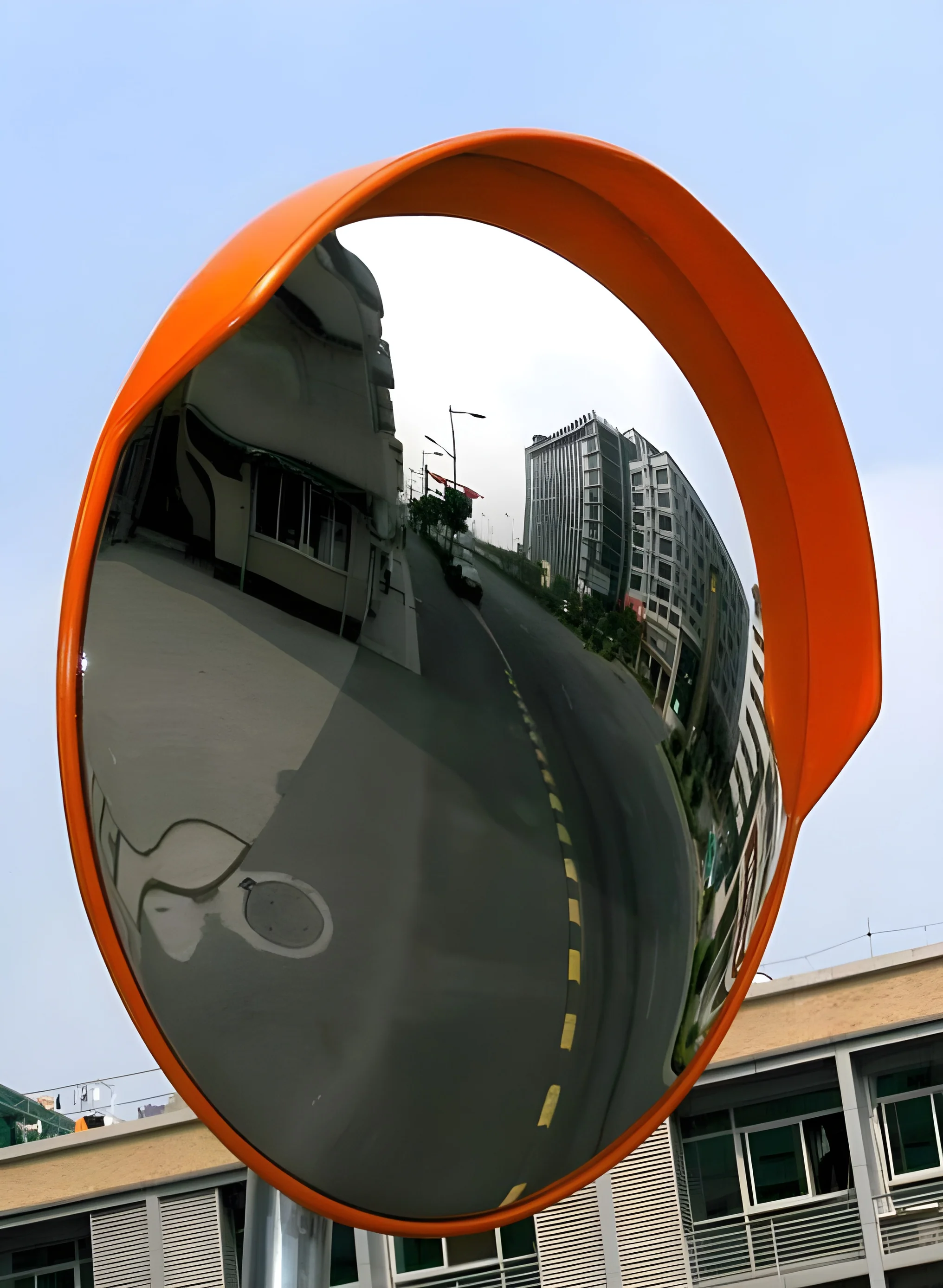
Convex mirrors are reflective surfaces that bulge outward, allowing them to provide a wider field of view compared to flat or concave mirrors. These mirrors are designed to reflect light in a way that enables users to see more of their surroundings. The unique shape of convex mirrors causes light rays to diverge, making objects appear smaller and farther away while increasing visibility of a larger area.
In business applications, convex mirrors are used in various settings for safety and security purposes. They are commonly installed in places like parking lots, warehouses, retail stores, and manufacturing facilities. They help prevent accidents by allowing individuals to see around corners or blind spots. Additionally, these mirrors can enhance surveillance by providing a clear view of commonly trafficked areas. As safety regulations become more stringent across industries, the relevance of convex mirrors continues to grow.
The market for convex mirrors is expanding as industries recognize their importance in improving safety and operational efficiency. With increasing focus on workplace safety and security, manufacturers are exploring innovative designs and materials to enhance the effectiveness of convex mirrors. As a result, the demand for high-quality convex mirrors is on the rise, making them a key product in the industrial sector.
Key Features and Specifications
Convex mirrors come with various features and specifications that make them ideal for different applications. Understanding these specifications is essential for selecting the right mirror for specific needs.
Key specifications include:
1. Material
- Commonly made from acrylic or glass
- Acrylic mirrors are lightweight and shatter-resistant, while glass mirrors provide superior clarity
2. Diameter
- Available in various sizes, typically ranging from 12 inches to 60 inches
- Larger diameters provide a wider field of view
3. Reflectivity
- High reflectivity ensures clear images with minimal distortion
- Important for effective monitoring and safety
4. Mounting Options
- Can be wall-mounted, ceiling-mounted, or freestanding
- Flexibility in installation to suit different environments
5. Indoor and Outdoor Use
- Designed for both indoor and outdoor applications
- Outdoor mirrors often come with weather-resistant features
6. Safety Standards
- Compliance with safety standards such as CE certification
- Ensures quality and reliability in various settings
7. Adjustable Angles
- Some models allow for angle adjustments to optimize visibility
- Enhances usability in dynamic environments
8. Color Options
- Available in different colors to blend with surroundings
- Customization options may be available for branding purposes
In summary, choosing the right convex mirror involves understanding its material, size, reflectivity, and mounting options. These specifications play a crucial role in ensuring that the mirror meets safety and operational needs.
Common Applications and Use Cases
Convex mirrors are versatile tools used across various industries to enhance safety and visibility.
1. Retail: In retail environments, convex mirrors are used to monitor customer activity and deter theft. They are strategically placed to eliminate blind spots, allowing store personnel to keep an eye on multiple areas simultaneously.
2. Warehousing: In warehouses, these mirrors help workers navigate tight spaces and corners safely. They reduce the risk of accidents involving forklifts and pedestrians, improving overall operational efficiency.
3. Manufacturing: Convex mirrors are commonly installed in manufacturing facilities to ensure safe movement of machinery and personnel. They provide a comprehensive view of production lines and reduce the chances of collisions.
4. Parking Lots: In parking areas, convex mirrors enhance safety by allowing drivers to see around obstacles and corners. They help in preventing accidents during parking and maneuvering.
5. Traffic Management: Traffic authorities use convex mirrors at intersections and road bends to improve visibility for drivers. They help in reducing accidents by providing a clear view of oncoming traffic.
6. Hospitals: In healthcare settings, convex mirrors are employed to monitor hallways and patient areas. They enhance safety for both staff and patients by ensuring visibility in high-traffic areas.
7. Schools: Convex mirrors are used in educational institutions to monitor hallways and entrances, ensuring student safety. They aid in supervising large areas effectively.
Product Variants and Subcategories
Convex mirrors come in several variations, allowing businesses to select the best fit for their specific needs.
Acrylic Convex Mirrors: These mirrors are lightweight and shatter-proof, making them ideal for indoor use where safety is a primary concern. They are often used in retail and warehouse settings.
Glass Convex Mirrors: Known for superior clarity, glass mirrors are suitable for outdoor applications. They withstand harsh weather conditions and provide high-quality reflections, which is essential for traffic management.
Adjustable Convex Mirrors: These mirrors feature adjustable angles, allowing users to customize their viewing position. They are beneficial in dynamic environments such as manufacturing and logistics.
Security Convex Mirrors: Designed specifically for surveillance purposes, these mirrors are often used in high-risk areas. They enhance monitoring capabilities in retail and security settings.
Benefits and Advantages
Convex mirrors offer a range of benefits that make them essential for numerous applications.
1. Enhanced Safety: By providing a wider field of view, convex mirrors help prevent accidents and improve safety in various environments.
2. Cost-Effective: Investing in convex mirrors can reduce the likelihood of accidents, which can lead to significant cost savings in terms of insurance and liability.
3. Increased Visibility: These mirrors enhance visibility in blind spots and hard-to-see areas, ensuring that individuals are aware of their surroundings.
4. Versatile Applications: Convex mirrors can be utilized in a variety of settings, from warehouses to retail spaces, making them a flexible solution for safety needs.
5. Easy Installation: Most convex mirrors come with straightforward mounting options, allowing for quick and easy installation in any environment.
6. Customization Options: Some manufacturers offer customization in size, color, and design, enabling businesses to align mirrors with their branding.
Buying Guide for B2B Buyers
When sourcing convex mirrors for your business, several factors should be considered to ensure you make informed decisions.
1. Quality Assessment: Look for mirrors that comply with industry standards such as CE certification. Checking for material quality and durability is crucial to ensure long-lasting performance.
2. Supplier Verification: Vet potential suppliers to ensure they have a good reputation and provide quality products. Consider their history, customer reviews, and service reliability.
3. Pricing and MOQ: Understand the cost structure and minimum order quantities (MOQ) required by suppliers. This knowledge will help in budgeting and managing inventory effectively.
4. Delivery and Lead Times: Discuss logistics with suppliers to understand delivery schedules and lead times. Timely delivery is essential for meeting operational deadlines.
5. Compliance Requirements: Ensure that the mirrors meet relevant safety and regulatory standards applicable in your industry. Compliance is critical for avoiding legal issues and ensuring workplace safety.
Compliance and Certifications
Convex mirrors must adhere to various compliance standards to ensure their quality and safety. Key standards include ISO 9001, which focuses on quality management systems, ensuring consistent quality in manufacturing processes.
Additionally, CE certification is vital for products sold in European markets, signifying compliance with EU safety, health, and environmental protection standards. This certification assures buyers of the product's reliability and safety.
Safety and testing requirements for convex mirrors often involve evaluating their resistance to impact, weather conditions, and overall durability. Companies should also consider regional compliance guidelines that may vary by market, ensuring that their products meet local regulations.
Why Source Convex Mirrors from Pepagora?
Pepagora provides a trusted platform for sourcing convex mirrors, offering several advantages that cater to B2B buyers.
Verified Supplier Network: Pepagora collaborates with a network of verified suppliers. This ensures that buyers have access to high-quality products and reliable service, reducing the risk of sourcing issues.
Streamlined RFQ Process: The platform offers an efficient Request for Quotation (RFQ) process. Buyers can easily obtain quotes from multiple suppliers, enabling them to compare prices and features effectively.
Trade Assurance and Support: Pepagora prioritizes buyer protection through trade assurance. This feature guarantees that buyers can transact with confidence, knowing they are supported throughout the purchasing process.
Regional Coverage: With a strong presence in India, the GCC, and Southeast Asia, Pepagora provides extensive geographic coverage. This reach allows businesses to source convex mirrors from local suppliers, ensuring timely deliveries and localized support.




Frequently Asked Questions
What are Convex Mirrors?
Convex mirrors are reflective surfaces that curve outward, allowing them to capture a wider field of view than flat mirrors. They are commonly used for safety and security purposes in areas where visibility is crucial, such as road intersections, parking lots, and retail stores.
What are the different types of Convex Mirrors?
There are several types of convex mirrors, including outdoor convex mirrors, indoor safety mirrors, and traffic mirrors. Each type is designed for specific applications, ranging from enhancing visibility in parking lots to improving safety at blind corners.
How do I choose the right Convex Mirrors?
To choose the right convex mirror, consider factors such as the intended application, mounting location, and required visibility range. Additionally, evaluate the size, material, and reflective quality to ensure optimal performance in your specific environment.
What are the standard specifications for Convex Mirrors?
Standard specifications for convex mirrors typically include diameter, curvature, material (such as acrylic or glass), and mounting options. It's essential to check the reflective quality and durability ratings to ensure they meet safety standards.
What is the price range for Convex Mirrors?
The price range for convex mirrors can vary widely based on factors such as size, material, and manufacturer. Generally, the cost can range from a few hundred to several thousand Indian Rupees, depending on the quality and specifications.
What quality standards apply to Convex Mirrors?
Convex mirrors should comply with relevant safety and quality standards, such as ISI marking in India. These standards ensure that the mirrors provide adequate visibility and durability under various environmental conditions.
Where can I find Convex Mirrors suppliers in India?
You can find convex mirror suppliers in India through various B2B marketplaces like Pepagora, trade shows, and local manufacturers. It's advisable to compare multiple suppliers to ensure you receive quality products at competitive prices.
Can Convex Mirrors be customized?
Yes, convex mirrors can often be customized based on specific requirements such as size, shape, and mounting options. Many manufacturers offer customization services to meet the unique needs of their clients.
What is the typical minimum order quantity for Convex Mirrors?
The typical minimum order quantity (MOQ) for convex mirrors can vary by supplier and product specifications, but it generally ranges from 10 to 50 units. It's best to confirm the MOQ with the supplier before placing an order.
What is the typical lead time for Convex Mirrors?
The typical lead time for convex mirrors can vary based on factors such as order size and customization requirements. Generally, you can expect lead times to range from 1 to 4 weeks, depending on the supplier's production capacity.
Why Businesses Trust Pepagora
Thousands of companies trust Pepagora to source smarter and sell faster
Expand Your Sales Globally

Source Smarter,Grow Faster
