
 IN
Commercial Passenger Elevators
78 products available
What are Commercial Passenger Elevators?
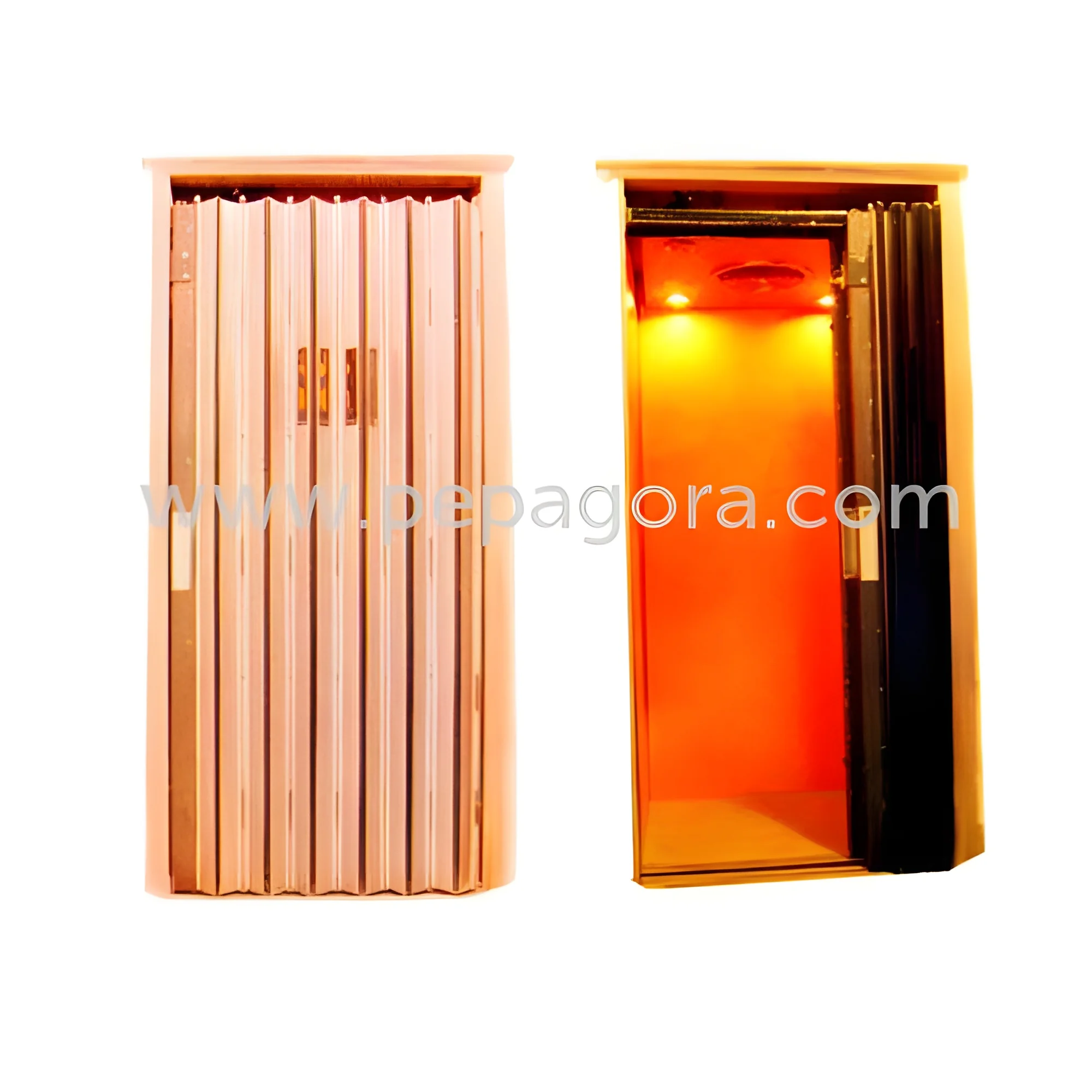
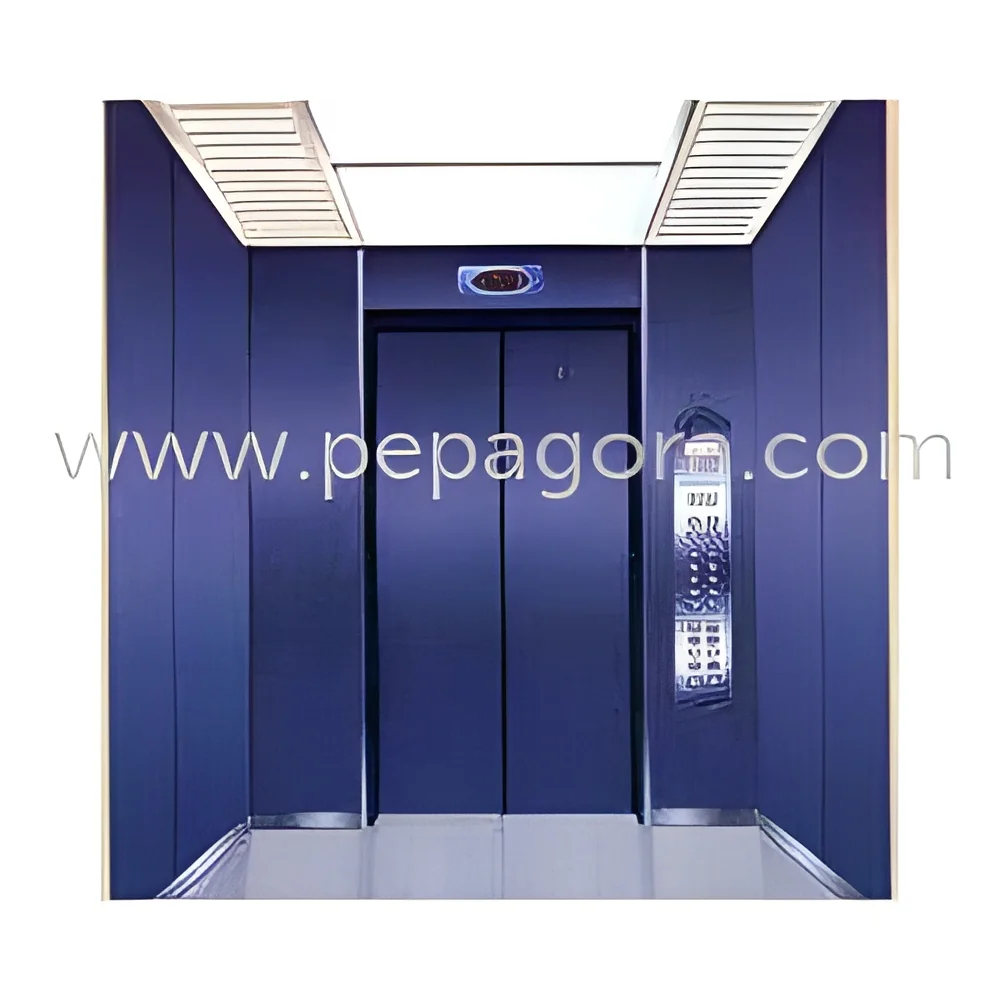
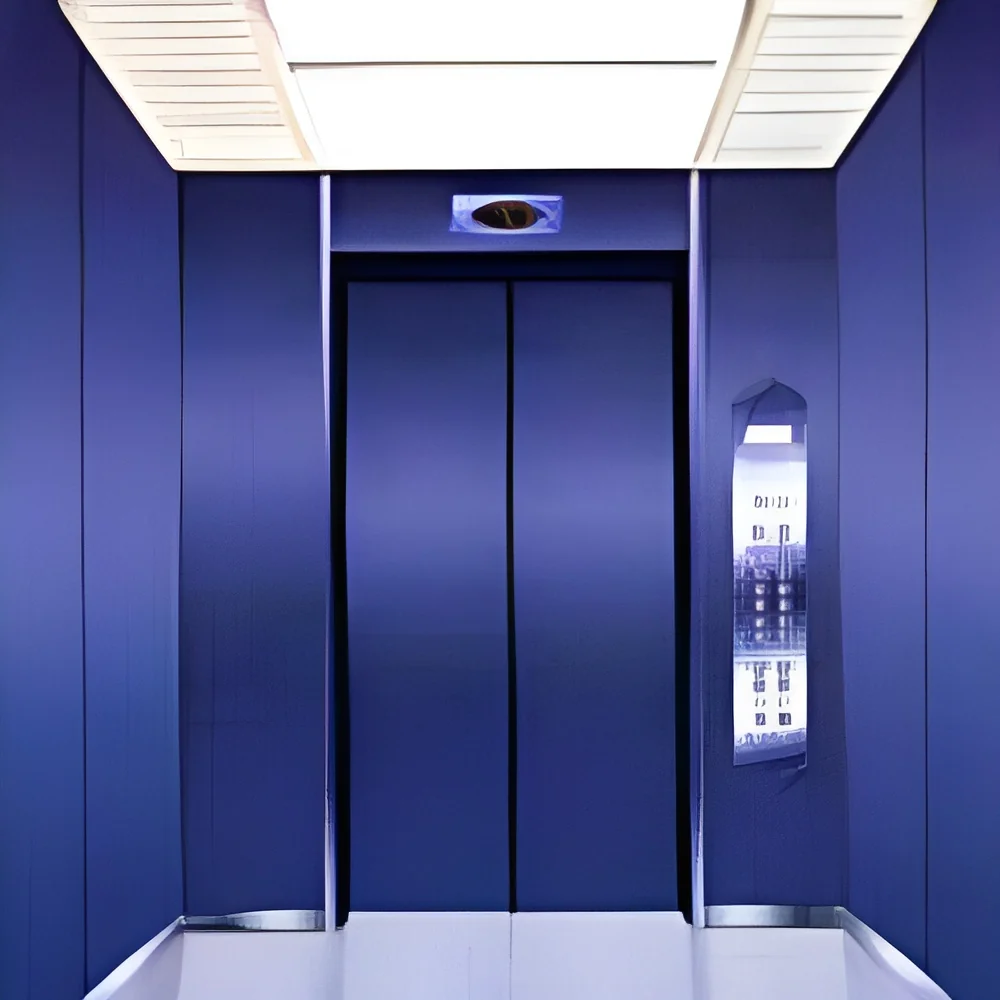
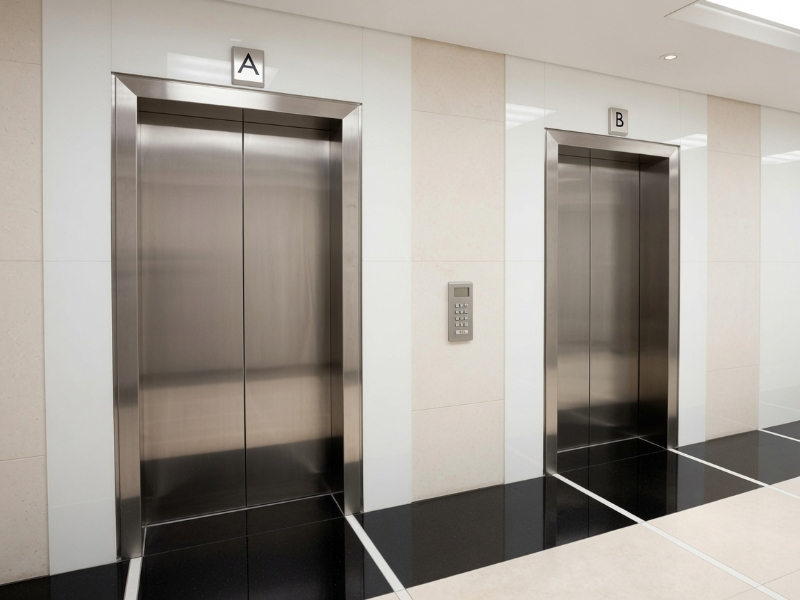
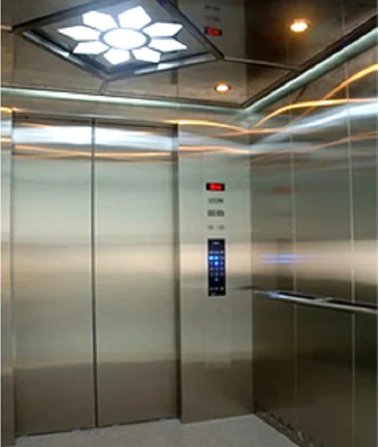
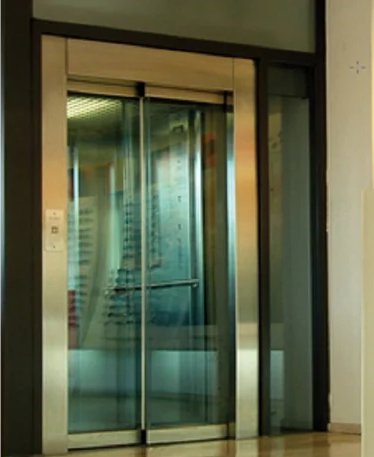
Commercial passenger elevators are vertical transportation systems designed to move people between different floors of buildings. These elevators are essential in multi-story buildings, providing convenient and efficient access to various levels. Unlike residential elevators, commercial passenger elevators are built to accommodate higher volumes of traffic and larger loads, making them suitable for office buildings, shopping malls, hospitals, and hotels.
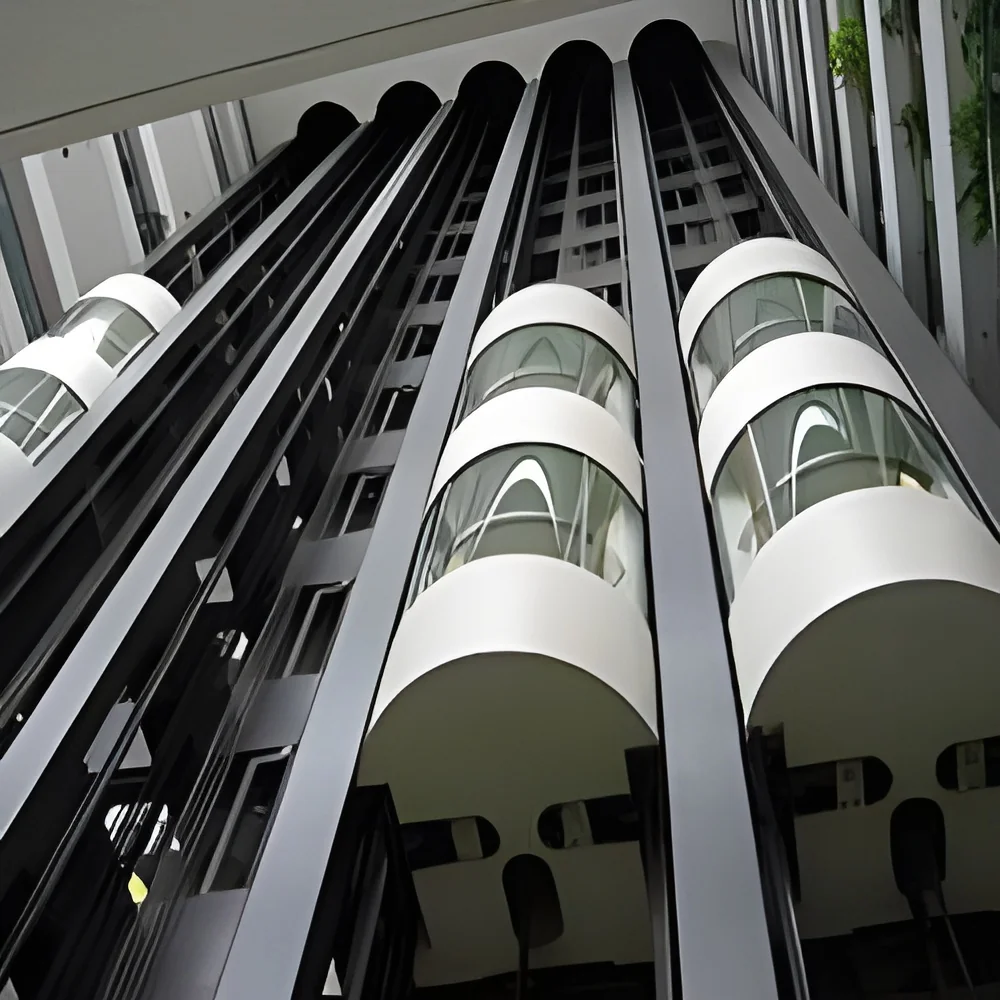
These elevators serve a wide range of business applications, enhancing accessibility in high-rise structures and facilitating the movement of employees, customers, and goods. They are crucial for improving building functionality and ensuring compliance with accessibility standards. In today's competitive market, the demand for reliable and efficient commercial passenger elevators continues to grow, driven by urbanization, population density in cities, and the increasing height of new constructions.
Key Features and Specifications
Commercial passenger elevators come equipped with various features that enhance their functionality and safety. Understanding these specifications is crucial for businesses when selecting the right elevator for their needs.
Key specifications include:
1. Load Capacity
- Typically ranges from 1,000 to 5,000 pounds.
- Designed to accommodate a varying number of passengers based on the elevator size.
2. Speed
- Average speed ranges from 100 to 500 feet per minute.
- Higher speeds are available for taller buildings.
3. Size and Dimensions
- Standard elevator car sizes range from 4 feet by 6 feet to 6 feet by 8 feet.
- Custom sizes can be designed for specific building requirements.
4. Control Systems
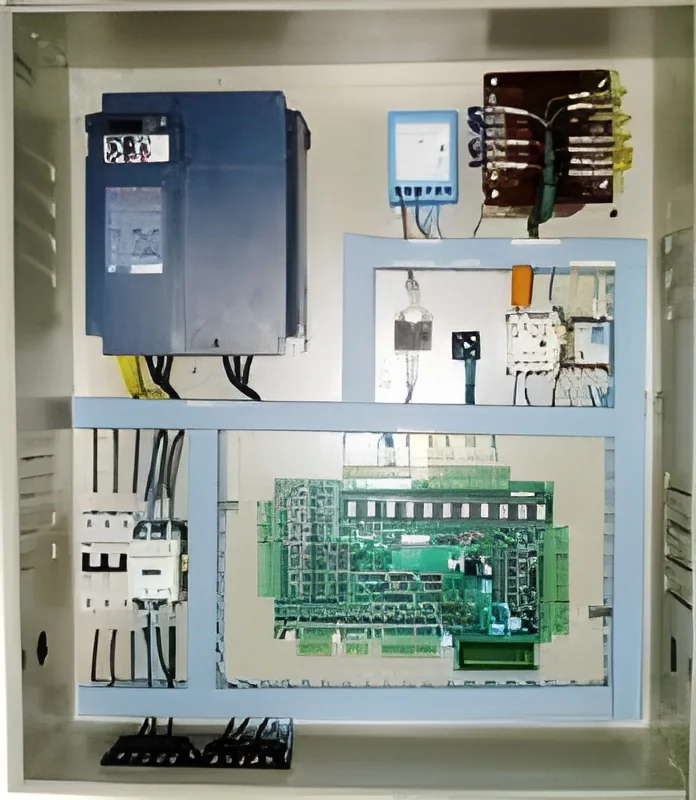
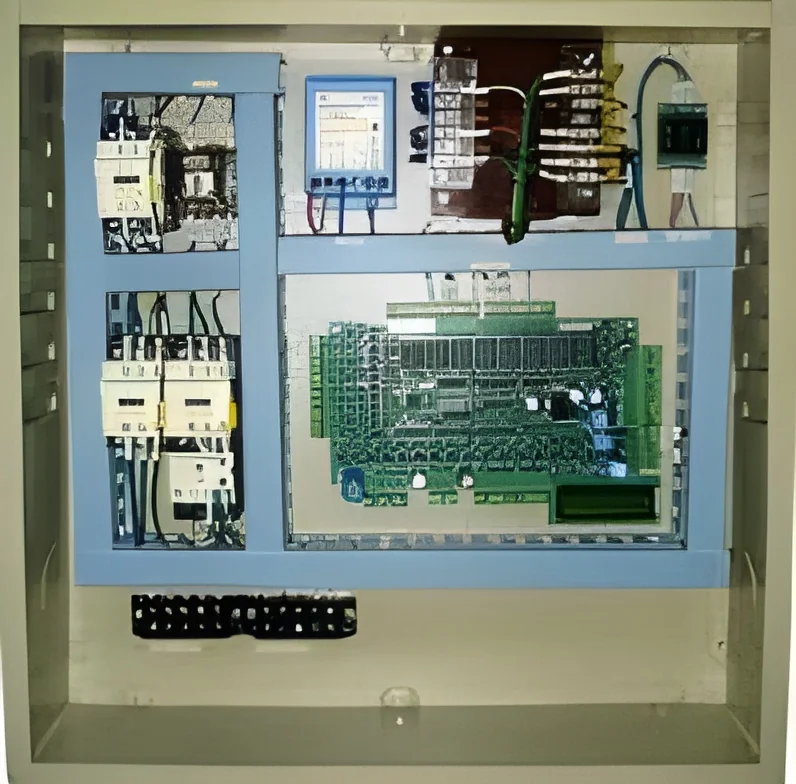
- Options include microprocessor-based controls for improved efficiency.
- Some systems feature destination dispatch technology for optimized passenger flow.
5. Safety Features
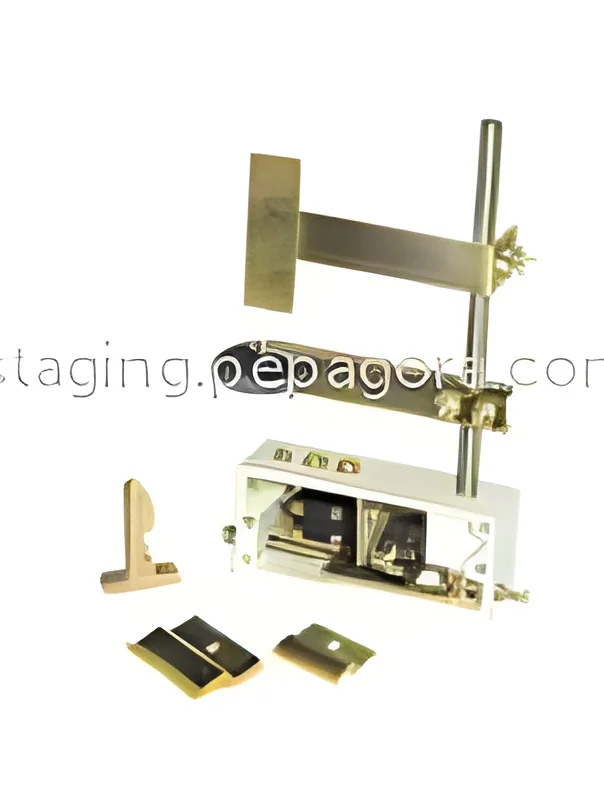
- Includes emergency stop buttons, door sensors, and backup power systems.
- Compliance with safety standards such as EN 81 and ASME A17.1.
6. Energy Efficiency
- Many models are equipped with regenerative drives to reduce energy consumption.
- LED lighting and standby modes contribute to lower operating costs.
7. Design Options
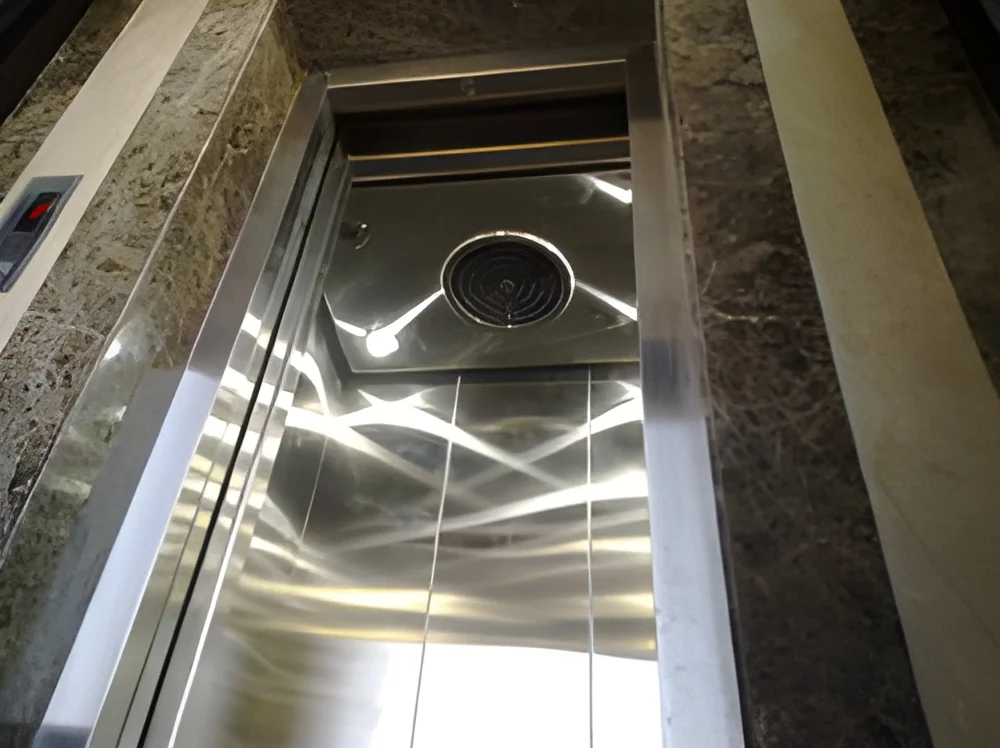
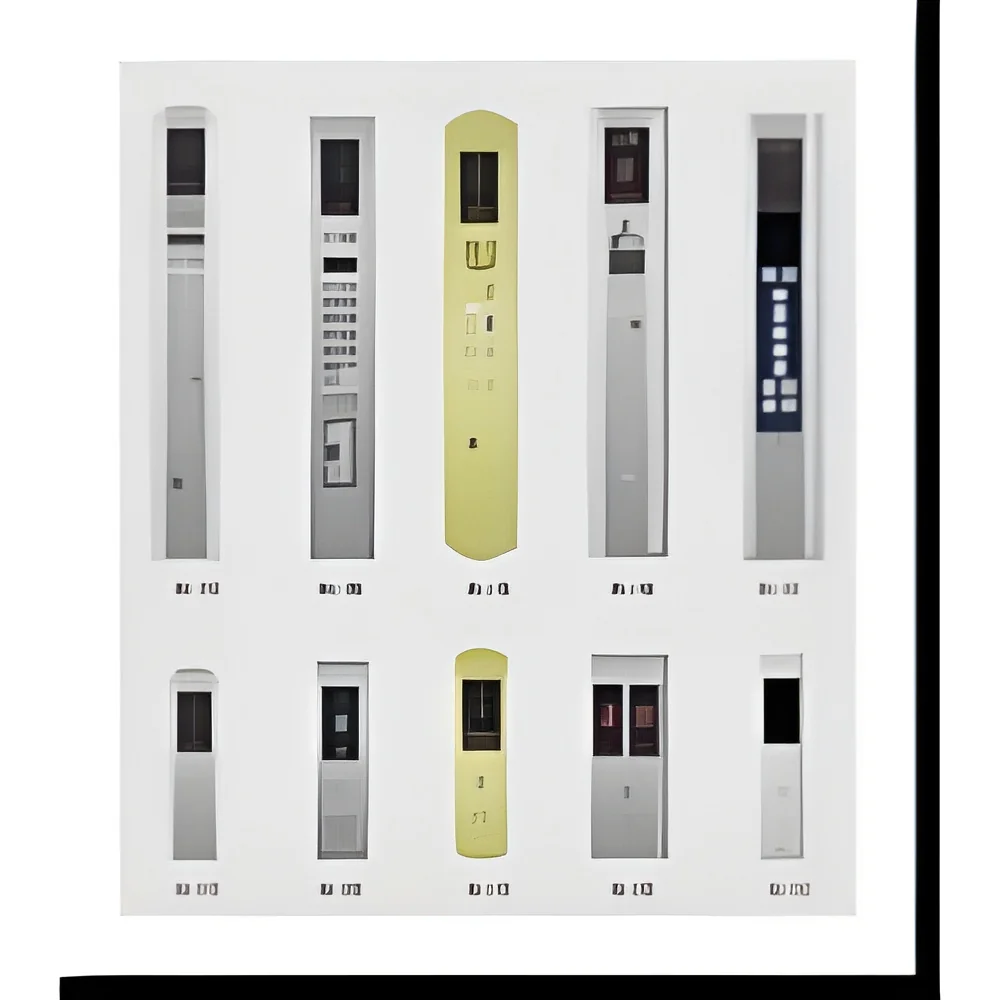
- Various finishes and designs are available to match building aesthetics.
- Customizable interiors can enhance user experience.
8. Maintenance Requirements
- Regular maintenance schedules are essential for operational reliability.
- Some elevators feature self-diagnostic systems for easier upkeep.
In summary, the specifications of commercial passenger elevators are designed to meet the needs of various building types while ensuring safety, efficiency, and modern design.
Common Applications and Use Cases
Commercial passenger elevators are utilized across multiple industries, each requiring specific features and capabilities.
1. Office Buildings: These elevators facilitate the daily movement of employees and visitors, ensuring accessibility to all floors.
2. Retail Spaces: In shopping malls, elevators assist customers in navigating between different levels, improving the shopping experience.
3. Hospitals: Elevators in healthcare settings transport patients, staff, and medical equipment, emphasizing safety and reliability.
4. Hotels: Passenger elevators provide convenient access to guest rooms, amenities, and conference facilities.
5. Educational Institutions: Schools and universities utilize elevators to accommodate students and staff, especially in larger buildings.
6. Residential Complexes: While primarily commercial, some mixed-use developments incorporate these elevators for residential access.
7. Airports: Elevators are essential in airports for efficient passenger movement between terminals and boarding areas.
Product Variants and Subcategories
Commercial passenger elevators come in various designs to cater to different building needs and aesthetics.
Conventional Elevators
These elevators operate using a system of pulleys and cables, suitable for most commercial applications. They offer reliable performance and can be customized for any building design.
Hydraulic Elevators
Hydraulic elevators are powered by a hydraulic system, providing smooth and quiet operation. They are ideal for buildings with lower height requirements and are often used in mid-rise applications.
Machine-Room-Less Elevators
These elevators save space by eliminating the need for a separate machine room. They are suitable for buildings with limited space and offer modern features and efficient operation.
Benefits and Advantages
Investing in commercial passenger elevators provides numerous advantages that enhance building functionality.
1. Increased Accessibility: Elevators ensure that all individuals, including those with disabilities, can access different floors easily.
2. Improved Efficiency: High-capacity elevators reduce wait times and enhance the flow of foot traffic in busy environments.
3. Enhanced Safety: Equipped with advanced safety features, these elevators minimize risks associated with vertical transportation.
4. Space Optimization: Modern designs, including machine-room-less options, maximize usable building space.
5. Energy Savings: Many commercial elevators are designed with energy-efficient technologies that lower operational costs.
6. Customization Options: Businesses can tailor elevator designs and features to align with their branding and aesthetic preferences.
Buying Guide for B2B Buyers
When sourcing commercial passenger elevators, businesses should consider several critical factors to ensure they select the right product for their needs.
1. Quality Assessment: Evaluate the materials, build quality, and performance standards of the elevators. Look for manufacturers who comply with international quality standards.
2. Supplier Verification: Vet suppliers by checking their reputation, certifications, and customer reviews. A reliable supplier will have a track record of delivering high-quality products.
3. Pricing and MOQ: Understand the cost structure, including any minimum order quantities. Ensure that the pricing aligns with your budget while considering the quality offered.
4. Delivery and Lead Times: Assess the supplier's logistics capabilities. Reliable delivery timelines are crucial for project planning and execution.
5. Compliance Requirements: Be aware of local regulations and safety standards that the elevators must meet. Ensuring compliance is essential for operational legality and safety.
Compliance and Certifications
Commercial passenger elevators must adhere to various compliance and certification standards to ensure safety and reliability.
ISO 9001 is a quality management system standard that emphasizes consistent quality in manufacturing processes. Elevators that meet this standard are more likely to perform reliably over time.
Industry certifications, such as CE marking, indicate that the elevators conform to European safety, health, and environmental protection standards. This certification is crucial for elevators used in European markets.
Safety and testing requirements are stringent, ensuring that elevators undergo rigorous testing before being placed in service. This includes load tests, safety mechanism checks, and emergency response tests.
Regional compliance considerations may vary based on local laws and regulations. It is essential for businesses to be aware of and comply with these standards to avoid legal issues and ensure user safety.
Why Source Commercial Passenger Elevators from Pepagora?
Pepagora offers a trusted platform for sourcing commercial passenger elevators, providing numerous advantages that benefit B2B buyers.
Verified Supplier Network: Pepagora collaborates with a network of verified suppliers, ensuring that buyers have access to high-quality products. The verification process helps to eliminate risks associated with sourcing from unreliable sources.
Streamlined RFQ Process: The platform features a user-friendly request for quotation process, allowing businesses to easily compare options and get tailored quotes from multiple suppliers. This efficiency saves time and aids in informed decision-making.
Trade Assurance and Support: Buyers can benefit from trade assurance programs that protect their investments. Pepagora provides support throughout the purchasing process, ensuring that buyers feel secure in their transactions.
Regional Coverage: With a focus on regions such as India, the GCC, and Southeast Asia, Pepagora ensures that businesses can find relevant suppliers in their geographic area. This regional focus helps to facilitate smoother logistics and communication.





Frequently Asked Questions
What are Commercial Passenger Elevators?
Commercial Passenger Elevators are vertical transportation systems designed to carry passengers between different floors in commercial buildings. They are engineered for high traffic and are often equipped with advanced safety features and technologies to ensure smooth and efficient operation.
What are the different types of Commercial Passenger Elevators?
There are several types of Commercial Passenger Elevators, including traction elevators, hydraulic elevators, and machine room-less (MRL) elevators. Each type has unique benefits and is suited for different building specifications and passenger needs.
How do I choose the right Commercial Passenger Elevators?
Choosing the right Commercial Passenger Elevators involves considering factors such as building height, expected passenger traffic, and space availability for installation. Consulting with manufacturers or suppliers can also provide insights into the best options for your specific requirements.
What are the standard specifications for Commercial Passenger Elevators?
Standard specifications for Commercial Passenger Elevators typically include load capacity, travel speed, and car dimensions. Additionally, safety features such as emergency brakes, door sensors, and communication systems are essential components of the specifications.
What is the price range for Commercial Passenger Elevators?
The price range for Commercial Passenger Elevators can vary widely based on factors such as type, specifications, and manufacturer. Generally, prices may start from a few lakhs and can go up to several crores for high-capacity or custom models.
What quality standards apply to Commercial Passenger Elevators?
Commercial Passenger Elevators must adhere to various quality standards, including those set by the Bureau of Indian Standards (BIS) and international safety regulations. Compliance with these standards ensures safety, reliability, and performance in commercial applications.
Where can I find Commercial Passenger Elevators suppliers in India?
You can find Commercial Passenger Elevators suppliers in India through online B2B marketplaces like Pepagora, trade shows, and industry directories. These platforms provide a comprehensive list of manufacturers and suppliers to facilitate your sourcing process.
Can Commercial Passenger Elevators be customized?
Yes, Commercial Passenger Elevators can be customized to meet specific design, size, and functional requirements. Customization options may include car finishes, control systems, and additional features tailored to the needs of the building and its occupants.
What is the typical minimum order quantity for Commercial Passenger Elevators?
The typical minimum order quantity (MOQ) for Commercial Passenger Elevators can vary among manufacturers but often starts at one unit. It's advisable to discuss MOQs directly with suppliers to understand their specific policies.
What is the typical lead time for Commercial Passenger Elevators?
The typical lead time for Commercial Passenger Elevators ranges from a few weeks to several months, depending on factors such as customization, manufacturing schedules, and installation requirements. It's important to confirm lead times with the supplier during the ordering process.
Why Businesses Trust Pepagora
Thousands of companies trust Pepagora to source smarter and sell faster
Expand Your Sales Globally

Source Smarter,Grow Faster
