
 IN
Castor Wheels & Bed Supports
1 products available
What are Castor Wheels & Bed Supports?
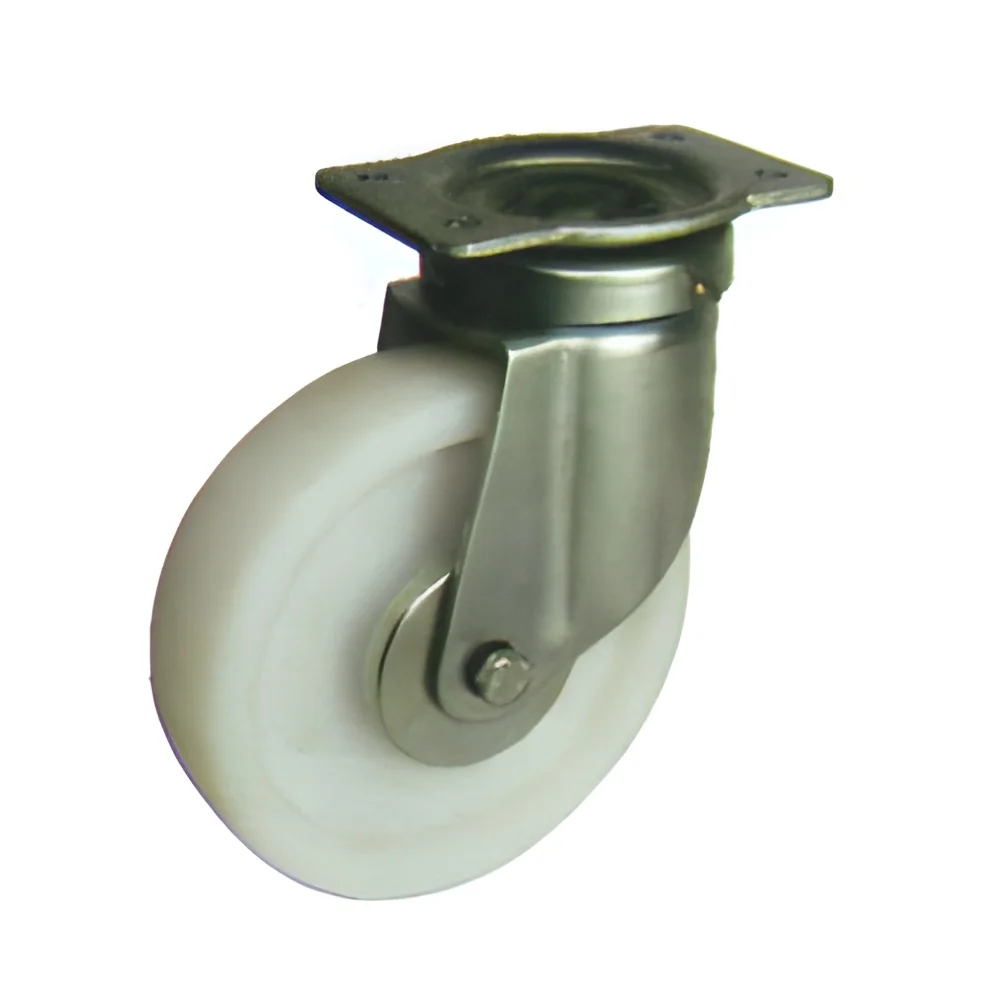
Castor wheels are small, wheeled devices attached to furniture, equipment, or shelving units to enable easy movement and transportation. They can swivel or be fixed in place, allowing for flexibility in mobility and positioning. Bed supports, on the other hand, refer to structural components that provide stability and support to beds, ensuring they can bear weight and withstand regular use without sagging or collapsing.
These products are used across various industries, including manufacturing, logistics, healthcare, and hospitality. Castor wheels facilitate the easy movement of carts, trolleys, and heavy machinery, while bed supports are essential in the construction of beds and mattresses in the furniture industry. Their ability to enhance functionality and efficiency makes them indispensable in many business applications.
The market for castor wheels and bed supports is growing, driven by increasing demands for mobility in industrial settings and the rising need for quality bedding solutions. As businesses focus on optimizing workspace and improving product durability, these components play a crucial role in enhancing operational efficiency and safety.
Key Features and Specifications
Castor wheels and bed supports come with various features and specifications that cater to different applications. Understanding these specifications helps businesses select the right components for their needs.
Key specifications include:
1. Load Capacity
- Indicates the maximum weight the product can support.
- Common load capacities range from 100 kg to 500 kg, depending on the design and material.
2. Wheel Material
- Determines durability and suitability for different surfaces.
- Materials include rubber, polyurethane, and metal, each suited for specific environments.
3. Wheel Diameter
- Affects maneuverability and ease of movement.
- Common diameters range from 50 mm to 200 mm.
4. Swivel or Fixed
- Indicates whether the wheel can rotate 360 degrees or is fixed in one direction.
- Swivel wheels provide better maneuverability, while fixed wheels offer stability.
5. Mounting Type
- Refers to how the wheels or supports are attached.
- Common types include plate mounts, stem mounts, and bolt holes.
6. Bed Support Design
- Refers to the structural framework that supports the bed.
- Options include slatted bases, box springs, or solid platforms.
7. Finish and Coating
- Protects against wear and corrosion.
- Common finishes include powder coating and galvanization.
8. Compliance with Standards
- Indicates adherence to relevant industry standards.
- Products may comply with CE certifications and other safety regulations.
In summary, understanding the key features and specifications of castor wheels and bed supports is essential for selecting the right components for your application.
Common Applications and Use Cases
Castor wheels and bed supports have diverse applications across multiple industries.
1. Manufacturing: In manufacturing, castor wheels are used on assembly line equipment and material handling carts, allowing for efficient transport of goods and materials.
2. Healthcare: Hospitals and clinics utilize castor wheels on medical carts and equipment, ensuring easy mobility for staff and patients while maintaining hygiene standards.
3. Hospitality: In hotels and restaurants, castor wheels are commonly found on service carts and furniture, facilitating quick rearrangement for events and room setups.
4. Warehousing: Castor wheels are essential for pallet jacks and mobile shelving units, enhancing productivity by allowing quick access to stored items.
5. Retail: In retail environments, shopping carts and display units equipped with castor wheels allow customers to easily navigate the store.
6. Furniture: Bed supports are vital in the furniture industry, providing the necessary support for various bed types, enhancing durability and comfort.
7. Logistics: Castor wheels are used on shipping containers and loading equipment, streamlining the loading and unloading process in various logistics operations.
Product Variants and Subcategories
Castor wheels and bed supports come in various forms to suit different needs and applications.
Heavy-Duty Castor Wheels
These wheels are designed for industrial applications where heavy loads are common. They feature robust materials and larger diameters for improved maneuverability in challenging environments.
Locking Castor Wheels
These variants include a locking mechanism that secures the wheel in place when stationary. Ideal for equipment that requires stability during use, such as hospital beds and machinery.
Swivel Castor Wheels
These wheels can rotate 360 degrees, allowing for easy navigation in tight spaces. They are commonly used in trolleys and carts where maneuverability is crucial.
Bed Slats
Bed slats provide support for mattresses and can be made of wood or metal. They are essential for ensuring proper mattress support and airflow, enhancing comfort and durability.
Benefits and Advantages
The use of castor wheels and bed supports offers several key benefits to businesses.
1. Enhanced Mobility: Castor wheels allow for easy movement of equipment, reducing the physical strain on workers and improving efficiency in operations.
2. Improved Stability: Bed supports ensure that beds maintain their shape and integrity, contributing to the overall comfort and safety of the end-user.
3. Versatility: Available in various designs and specifications, these products can be tailored to meet specific operational needs across different industries.
4. Cost-Effectiveness: Investing in quality castor wheels and bed supports can reduce maintenance costs and enhance the lifespan of equipment and furniture.
5. Safety Compliance: Many castor wheels and bed supports come with safety certifications, ensuring that businesses adhere to industry standards.
6. Customization Options: Many suppliers offer customization for specific requirements, allowing businesses to get products that fit their unique needs.
Buying Guide for B2B Buyers
When sourcing castor wheels and bed supports, it is essential for B2B buyers to consider several key factors.
1. Quality Assessment: Evaluate the quality of materials and construction. Look for products that meet industry standards and have a proven track record of performance.
2. Supplier Verification: Research suppliers thoroughly to ensure they have a good reputation and provide reliable products. Request references and check reviews.
3. Pricing and MOQ: Understand the pricing structure and minimum order quantities. Compare quotes from multiple suppliers to find the best deal without compromising quality.
4. Delivery and Lead Times: Assess the supplier's ability to deliver on time. Ensure that they can meet your project timelines to avoid disruptions.
5. Compliance Requirements: Be aware of any regulatory requirements applicable to your industry. Ensure that the products you source comply with necessary safety and quality certifications.
Compliance and Certifications
Compliance with relevant quality standards is crucial for castor wheels and bed supports. Many products meet ISO 9001 standards, which focus on quality management systems, ensuring consistent quality in production processes.
In addition to ISO certification, many castor wheels and bed supports carry CE certification, indicating conformity with European safety standards. This certification is important for businesses operating in or exporting to Europe.
Safety and testing requirements are also paramount. Products are often subjected to rigorous testing to ensure they can withstand the stresses of their intended use. This includes load testing and durability assessments.
Regional compliance considerations may vary, and it is essential for buyers to understand the specific regulations in their market. This ensures that the products sourced are not only safe but also legally compliant.
Why Source Castor Wheels & Bed Supports from Pepagora?
Pepagora provides a trusted platform for sourcing castor wheels and bed supports, offering several key advantages to B2B buyers.
Verified Supplier Network: Pepagora has established a rigorous supplier verification process to ensure that all listed suppliers meet high standards of quality and reliability. This gives buyers confidence in their purchasing decisions.
Streamlined RFQ Process: The platform simplifies the request for quotation (RFQ) process, allowing buyers to easily compare quotes from multiple suppliers. This saves time and helps businesses find the best value for their needs.
Trade Assurance and Support: Pepagora offers trade assurance, providing buyers with protection against potential issues during the purchasing process. This includes support for negotiations and conflict resolution.
Regional Coverage: With a strong presence in India, the GCC, and Southeast Asia, Pepagora provides extensive geographic reach. This ensures that buyers have access to a wide range of products and suppliers, enhancing their sourcing capabilities.


 India
Frequently Asked Questions
What are Castor Wheels & Bed Supports?
Castor wheels are small wheels that can rotate 360 degrees, allowing for easy movement of furniture and equipment. Bed supports refer to the structural components that provide stability and support for beds, ensuring they remain functional and secure.
What are the different types of Castor Wheels & Bed Supports?
Castor wheels come in various types, including swivel, fixed, locking, and heavy-duty castors, each designed for specific applications. Bed supports can also vary in design, including center supports, side rails, and adjustable brackets, tailored for different bed types.
How do I choose the right Castor Wheels & Bed Supports?
When choosing castor wheels, consider factors such as load capacity, wheel material, and the surface on which they will be used. For bed supports, assess the bed size, type, and the level of support required to ensure stability and durability.
What are the standard specifications for Castor Wheels & Bed Supports?
Standard specifications for castor wheels include wheel diameter, load capacity, and material composition, such as rubber, plastic, or metal. Bed supports typically have specifications related to dimensions, weight capacity, and material strength to ensure they can adequately support the bed.
What is the price range for Castor Wheels & Bed Supports?
The price for castor wheels can range from a few hundred to several thousand rupees, depending on the type, size, and material. Bed supports also vary in price, generally starting from a few hundred rupees and going up based on design complexity and materials used.
What quality standards apply to Castor Wheels & Bed Supports?
Quality standards for castor wheels and bed supports may include ISO certifications and compliance with safety regulations. Manufacturers often ensure their products meet industry standards for load capacity, durability, and safety to ensure reliability in use.
Where can I find Castor Wheels & Bed Supports suppliers in India?
Suppliers of castor wheels and bed supports can be found on B2B marketplaces such as Pepagora.com. Additionally, local manufacturers and distributors can be located through industry directories and trade shows.
Can Castor Wheels & Bed Supports be customized?
Yes, many manufacturers offer customization options for castor wheels and bed supports, allowing you to specify dimensions, materials, and load capacities. Custom solutions can help meet specific requirements for unique applications.
What is the typical minimum order quantity for Castor Wheels & Bed Supports?
The minimum order quantity (MOQ) for castor wheels and bed supports typically ranges from 100 to 500 units, depending on the manufacturer. However, some suppliers may offer lower MOQs for smaller businesses or specific orders.
What is the typical lead time for Castor Wheels & Bed Supports?
The lead time for castor wheels and bed supports can vary widely based on the supplier and order size, typically ranging from 1 to 4 weeks. Custom orders may require longer lead times due to manufacturing processes.
Why Businesses Trust Pepagora
Thousands of companies trust Pepagora to source smarter and sell faster
Expand Your Sales Globally

Source Smarter,Grow Faster
