What are Cardio Machines?
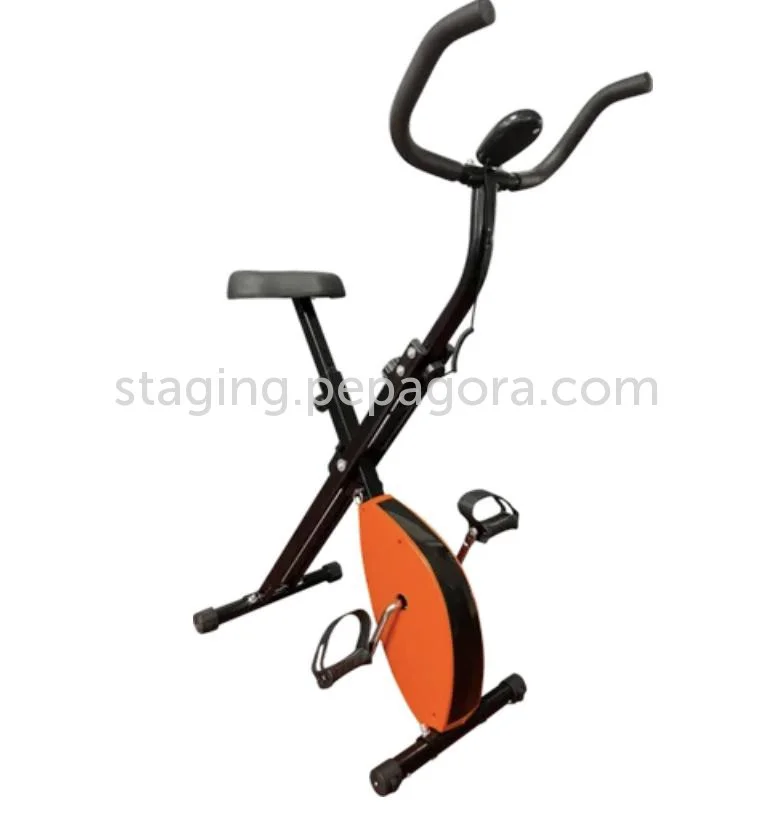
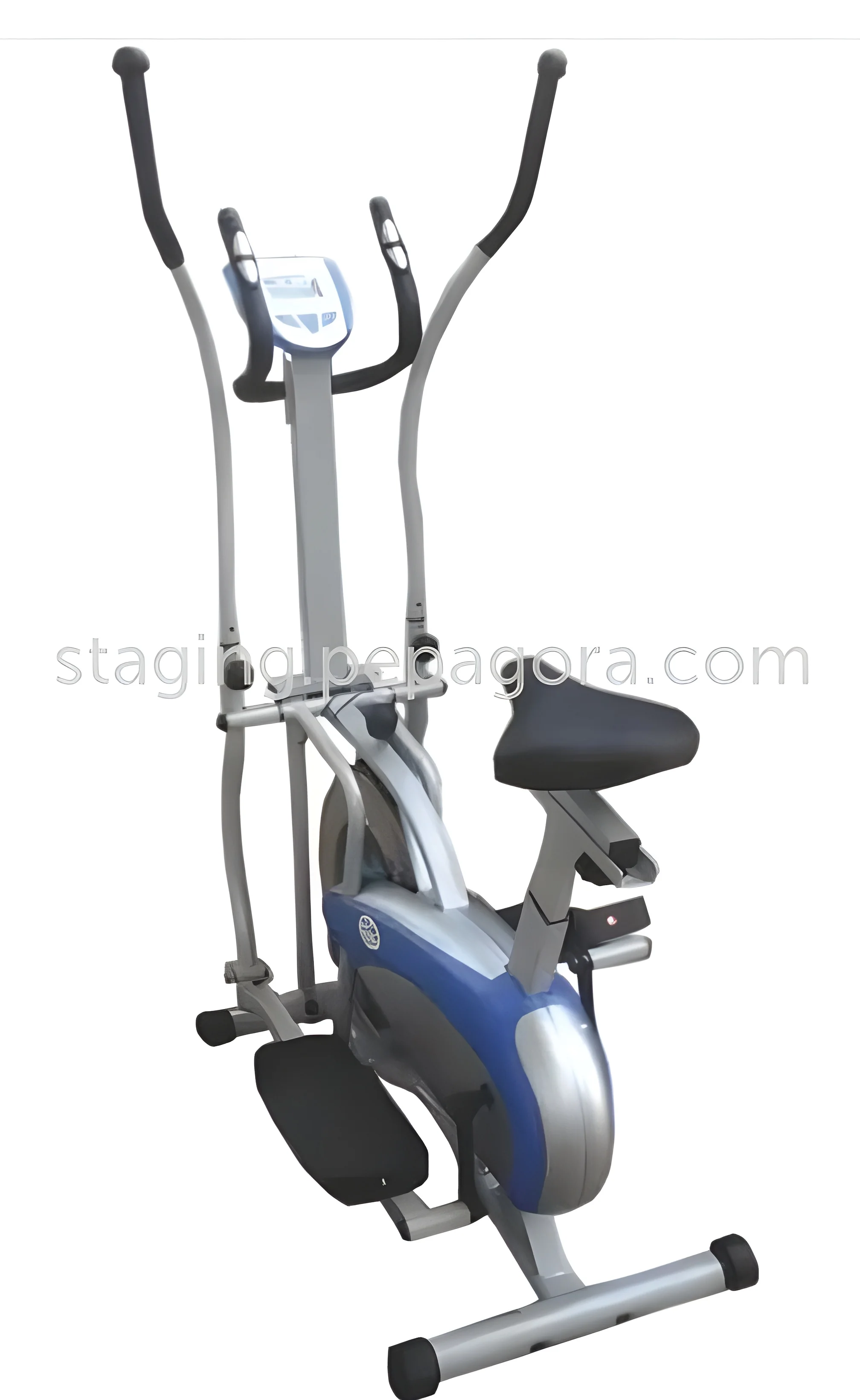
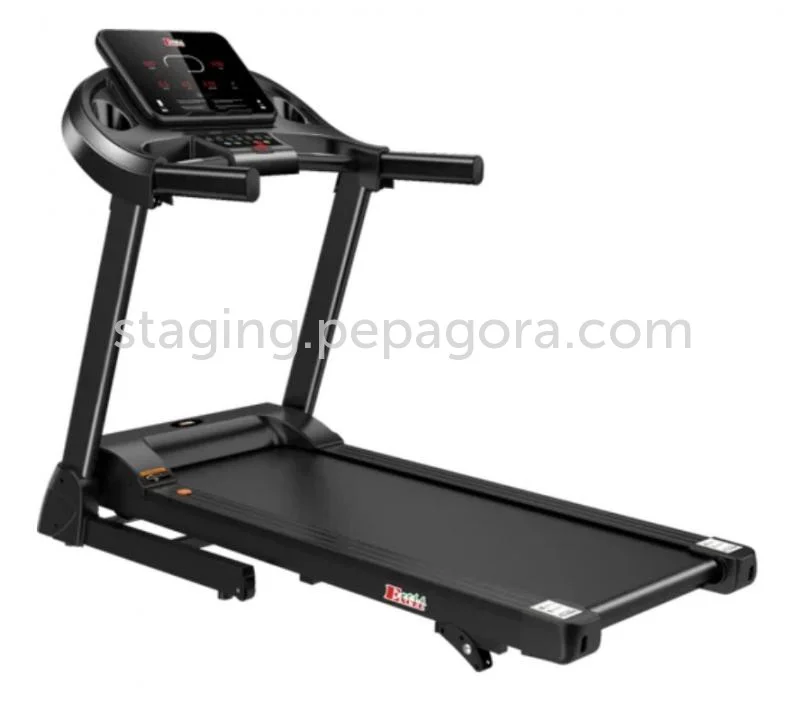
Cardio machines are exercise equipment designed to improve cardiovascular health by promoting aerobic activity. These machines typically include treadmills, elliptical trainers, stationary bikes, and rowing machines. They provide users with a controlled environment to engage in physical activity, often featuring adjustable resistance levels and workout programs. Cardio machines are commonly found in gyms, fitness centers, and rehabilitation facilities.
The primary uses of cardio machines include weight loss, endurance training, and overall fitness improvement. Businesses in the health and wellness sector utilize these machines to offer clients a range of workout options. They also play a crucial role in physical therapy and rehabilitation programs by helping patients recover their strength and stamina. The market for cardio machines has seen significant growth, driven by increasing health awareness and the rise in lifestyle-related diseases.
In the current industry landscape, cardio machines remain essential to fitness regimens and health assessments. As more people prioritize fitness, the demand for high-quality cardio equipment continues to rise. This trend is reflected in the expansion of fitness facilities and the growing popularity of home gym setups.
Key Features and Specifications
Cardio machines come equipped with a variety of features designed to enhance user experience and effectiveness. These specifications can vary significantly based on the type of machine and its intended use.
Key specifications include:
1. Resistance Levels
- Adjustable levels to accommodate various fitness levels and workout intensities.
- Typically ranges from 1 to 20 levels, depending on the machine.
2. Display Monitor
- Provides real-time feedback on user performance metrics such as heart rate, calories burned, and workout duration.
- May include features like touchscreen interfaces or connectivity with mobile apps.
3. Safety Features
- Includes emergency stop buttons and safety key mechanisms to prevent accidents.
- Designed to ensure user safety during workouts.
4. Size and Weight Capacity
- Dimensions vary by machine type, with size considerations for space efficiency.
- Weight capacities generally range from 250 to 500 pounds for different models.
5. Warranty and Maintenance
- Most machines come with warranties ranging from one year to lifetime coverage.
- Regular maintenance requirements can vary, including lubrication and part replacements.
6. Power Source
- Some machines are self-powered, while others require electrical outlets.
- Battery-operated options may be available for convenience.
7. Noise Level
- Many newer models are designed to operate quietly to minimize disruption in shared spaces.
- Noise levels should be considered for home or commercial environments.
8. Connectivity Options
- Integration with fitness apps and Bluetooth for data tracking and sharing.
- May include USB ports for device charging.
In summary, understanding the features and specifications of cardio machines is essential for making informed purchasing decisions. Buyers should assess their specific needs and the intended use of the machines to ensure compatibility with their objectives.
Common Applications and Use Cases
Cardio machines are utilized across various industries to support different fitness and health objectives.
1. Fitness Centers: Gyms use cardio machines as a core component of their offerings, allowing members to engage in cardiovascular workouts for weight loss and endurance training.
2. Rehabilitation Facilities: Physical therapy centers employ cardio machines to assist patients in recovering strength and mobility after injuries or surgeries, providing controlled environments for gradual exercise.
3. Corporate Wellness Programs: Many companies invest in cardio machines for employee wellness initiatives, promoting physical activity to enhance worker health and productivity.
4. Educational Institutions: Schools and universities often include cardio machines in their fitness facilities to encourage student participation in physical fitness activities.
5. Hotels and Spas: Upscale hotels may provide cardio machines in their gyms to enhance guest experiences, offering opportunities for exercise during travel.
6. Home Gyms: With the rise of fitness enthusiasts, many individuals are incorporating cardio machines into their home gym setups for convenient access to cardiovascular workouts.
7. Community Centers: Local community centers often feature cardio machines to promote public health and wellness among residents, encouraging active lifestyles.
Product Variants and Subcategories
Cardio machines come in various types, each designed to serve specific user needs and preferences.
Treadmills
Treadmills are versatile machines that simulate walking or running. They often feature adjustable speed and incline settings, making them suitable for users of all fitness levels.
Stationary Bikes
Stationary bikes provide an excellent low-impact workout option. They come in upright and recumbent styles, catering to different comfort levels and exercise preferences.
Elliptical Trainers
Elliptical trainers offer a full-body workout by combining the motions of running, walking, and stair climbing. They are popular for their low-impact nature, reducing stress on joints.
Rowing Machines
Rowing machines engage multiple muscle groups and provide an effective cardiovascular workout. They are ideal for enhancing endurance and strength while promoting proper rowing techniques.
Benefits and Advantages
Investing in cardio machines offers numerous advantages for businesses and users alike.
Key benefits include:
1. Improved Health Outcomes: Regular use of cardio machines promotes better cardiovascular fitness, leading to reduced risks of chronic diseases.
2. Versatile Workouts: Cardio machines can cater to a wide range of fitness levels, allowing users to customize their workouts according to personal goals.
3. User-Friendly Design: Many cardio machines come with intuitive interfaces, making them accessible for all users, regardless of their fitness experience.
4. Space Efficiency: Compact models are available for smaller facilities or home use, maximizing workout options without requiring extensive space.
5. Enhanced User Engagement: Cardio machines often include entertainment features and connectivity options to keep users motivated during workouts.
6. Recovery Support: For rehabilitation settings, cardio machines play a crucial role in patient recovery, providing controlled exercise environments to facilitate healing.
Buying Guide for B2B Buyers
When considering the purchase of cardio machines for business use, it is essential to evaluate several key factors.
1. Quality Assessment: Look for machines that meet industry standards for durability and reliability. Assessing build quality and materials can prevent future maintenance issues.
2. Supplier Verification: Vet suppliers for credibility and reputation in the industry. Check references and read reviews to ensure they provide reliable products and services.
3. Pricing and MOQ: Understand the pricing structure and minimum order quantities (MOQ) to align with your budget and inventory requirements. Compare quotes from multiple suppliers to find the best value.
4. Delivery and Lead Times: Inquire about shipping logistics and lead times to ensure timely delivery of machines for your facility. Consider the impact of lead times on your operations.
5. Compliance Requirements: Verify that the machines meet relevant safety and regulatory standards. This may include certifications such as CE and adherence to local compliance regulations.
Compliance and Certifications
Compliance and certifications play a vital role in ensuring the quality and safety of cardio machines.
Relevant quality standards such as ISO 9001 ensure that manufacturers maintain consistent quality control throughout the production process. This standard is essential for businesses seeking reliable equipment that meets customer expectations.
Industry certifications, such as CE, indicate that products comply with European safety and health regulations. This certification is particularly important for businesses operating in markets that require adherence to strict safety guidelines.
Safety and testing requirements are critical, as cardio machines must be rigorously tested to prevent accidents and ensure user safety. Compliance with these regulations can protect businesses from liability issues.
Regional compliance considerations may vary, so businesses should be aware of local laws and standards related to fitness equipment. Understanding these regulatory requirements is essential for ensuring safe and effective product use.
Why Source Cardio Machines from Pepagora?
Pepagora provides a trusted platform for sourcing cardio machines, offering several key advantages to B2B buyers.
Verified Supplier Network: Pepagora features a robust network of verified suppliers, ensuring that buyers can access high-quality cardio machines from reputable manufacturers. This network helps mitigate risks associated with sourcing equipment.
Streamlined RFQ Process: The platform simplifies the request for quotation (RFQ) process, allowing buyers to easily compare offers from multiple suppliers. This efficiency saves time and helps secure the best price for necessary equipment.
Trade Assurance and Support: Pepagora offers trade assurance and buyer protection, providing peace of mind during transactions. This support ensures that buyers can confidently invest in cardio machines knowing their interests are safeguarded.
Regional Coverage: With a geographic reach that includes India, GCC, and Southeast Asia, Pepagora connects buyers with suppliers across diverse markets. This regional coverage allows businesses to source cardio machines that meet their specific needs and preferences.

 IN
IN