
 IN
Bone China & Stoneware
3 products available
What are Bone China & Stoneware?
Bone China and Stoneware are two distinct types of ceramic materials widely used in the manufacturing of dinnerware and various other household items. Bone China is a high-quality porcelain made from a mixture of clay, feldspar, and bone ash. It is characterized by its translucent appearance and durability, making it ideal for fine dining experiences. Stoneware, on the other hand, is a denser and more durable ceramic made from a mixture of clay that is fired at high temperatures. It has a rustic appearance and is known for its strength and thermal resistance.
Both materials serve significant roles in various business applications. Bone China is typically utilized in high-end restaurants, hotels, and catering services due to its elegant aesthetic appeal. Stoneware finds its use in both commercial and residential kitchens for everyday dining due to its robust nature and ability to withstand thermal shock. The market for Bone China and Stoneware continues to grow, driven by increasing consumer demand for quality dining experiences and the rising popularity of artisanal tableware.
Key Features and Specifications
Bone China and Stoneware come with a range of features and specifications that cater to various industrial needs. Their unique properties make them suitable for different applications, from fine dining to casual use.
Key specifications include:
1. Material Composition
- Bone China consists of clay, feldspar, and bone ash, resulting in a lightweight and translucent product.
- Stoneware is primarily made from stoneware clay, leading to a heavier and more durable finish.
2. Durability
- Bone China is resistant to chipping and cracking, making it suitable for long-term use.
- Stoneware is highly resistant to thermal shock, allowing it to be used in both ovens and microwaves.
3. Aesthetic Appeal
- Bone China offers a refined appearance with a glossy finish, often featuring intricate designs.
- Stoneware presents a more rustic and handmade look, available in various earthy colors.
4. Weight
- Bone China is lighter in weight, making it easier to handle and stack.
- Stoneware has a heavier weight, providing stability on the table.
5. Firing Temperature
- Bone China is fired at lower temperatures, resulting in its delicate nature.
- Stoneware is fired at higher temperatures, enhancing its strength and durability.
6. Food Safety
- Both materials are generally considered food-safe, with Bone China often being more resistant to staining.
7. Dishwasher and Microwave Safe
- Bone China and Stoneware are typically safe for both dishwasher and microwave use, though care should be taken with extreme temperatures.
In summary, Bone China and Stoneware offer unique features that make them suitable for various applications, catering to different customer preferences and market demands.
Common Applications and Use Cases
Bone China and Stoneware are utilized across various industries due to their durability and aesthetic qualities.
1. Hospitality Industry: Restaurants and hotels use Bone China for fine dining, enhancing the presentation of gourmet dishes.
2. Food Service: Catering businesses prefer Stoneware for its robustness during events, ensuring dishes remain intact during transport.
3. Retail: Retailers offer both Bone China and Stoneware as part of their home goods inventory, appealing to consumers seeking quality tableware.
4. Culinary Arts: Chefs often prefer Stoneware for baking and cooking due to its excellent heat retention properties.
5. Giftware: Bone China items are popular as gifts for weddings and special occasions, thanks to their elegant designs.
6. Home Décor: Stoneware serves as decorative items in homes, often used for serving dishes or as display pieces.
7. Artisanal Markets: Both materials are favored in the artisanal market, where handmade and unique items attract consumers looking for individuality.
Product Variants and Subcategories
Bone China and Stoneware come in various forms and styles to meet diverse customer needs.
Bone China Dinnerware Sets
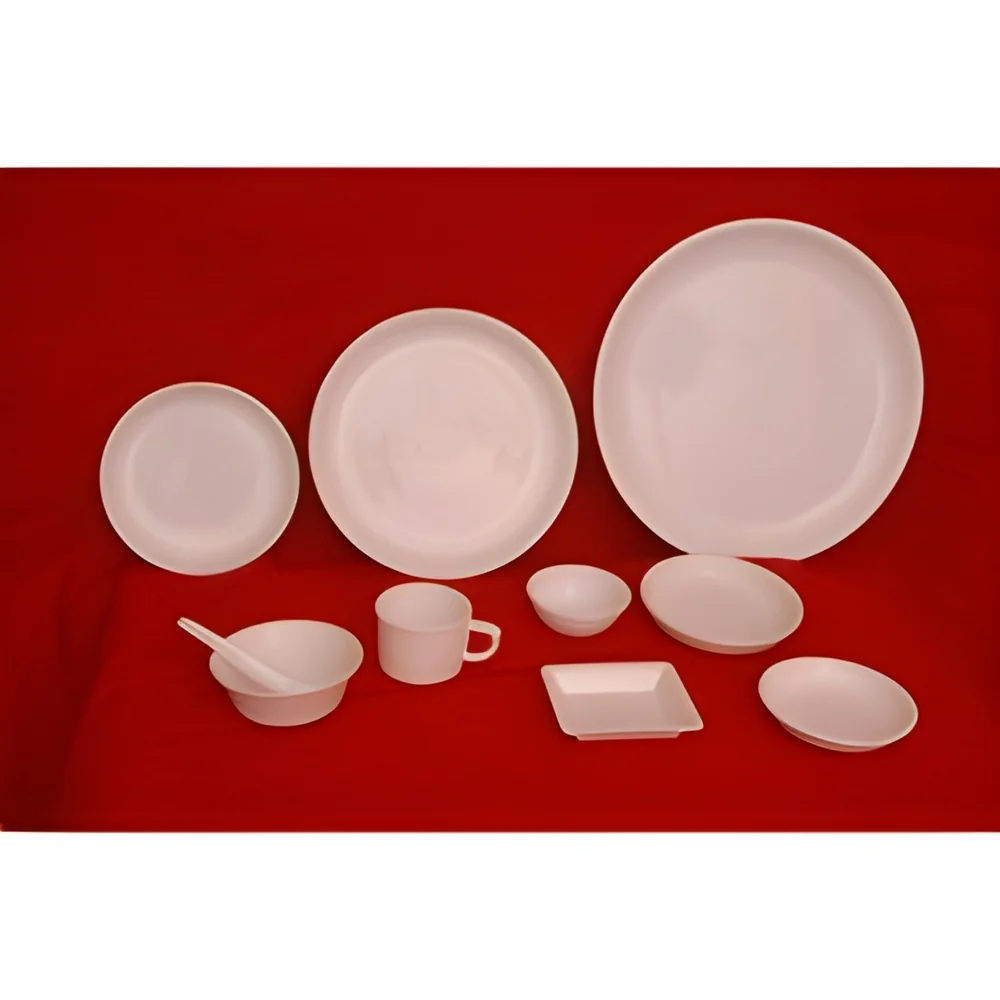
These sets typically include plates, bowls, and cups designed for formal dining. They are characterized by intricate patterns and are suitable for special occasions.
Stoneware Cookware
This variant includes baking dishes, casseroles, and serving vessels known for their thermal resilience. They are ideal for everyday cooking and serving.
Bone China Tea Sets
These elegant tea sets are perfect for afternoon tea or formal gatherings, showcasing fine craftsmanship and delicate designs.
Stoneware Baking Dishes
Durable and versatile, these baking dishes can withstand high temperatures and are perfect for oven-to-table service.
Benefits and Advantages
Choosing Bone China and Stoneware provides several advantages for businesses and consumers alike.
1. Aesthetic Appeal: Bone China offers a refined and elegant look, enhancing the dining experience and presentation for upscale settings.
2. Durability: Stoneware's robust nature ensures it can withstand heavy use, making it ideal for both commercial and home environments.
3. Versatility: Both materials can be used in a variety of settings, from casual dining to fine dining, catering to different market segments.
4. Easy Maintenance: Both Bone China and Stoneware are generally dishwasher and microwave safe, simplifying cleaning and food preparation.
5. Long-Term Investment: The durability of these materials means they can serve businesses and consumers for years, reducing the need for frequent replacements.
6. Customization Options: Many suppliers offer customization for Bone China and Stoneware, allowing businesses to create unique designs tailored to their branding.
Buying Guide for B2B Buyers
When sourcing Bone China and Stoneware, several factors should be considered to ensure a successful purchase.
1. Quality Assessment: Evaluate the materials used and the manufacturing processes. Look for suppliers that adhere to recognized quality standards to ensure durability and safety.
2. Supplier Verification: Vet potential suppliers to confirm their reliability and industry reputation. Check for certifications and customer reviews to assess quality and service.
3. Pricing and MOQ: Understand the pricing structure and minimum order quantities. Compare multiple suppliers to find the best value for your needs without compromising quality.
4. Delivery and Lead Times: Discuss logistics and expected delivery times to ensure timely receipt of products. Consider suppliers with efficient shipping processes.
5. Compliance Requirements: Ensure that the products meet local and international compliance standards. This includes checking for certifications like CE and relevant safety regulations.
Compliance and Certifications
Bone China and Stoneware must adhere to various quality standards and certifications to ensure they are safe for use.
ISO 9001 is a widely recognized standard that outlines quality management principles. Compliance with this standard helps ensure that products are consistently manufactured to meet customer expectations.
HACCP (Hazard Analysis Critical Control Point) is essential for food safety management. This certification is particularly important for products designed for food service applications.
CE marking indicates conformity with health, safety, and environmental protection standards for products sold within the European Economic Area. This certification assures buyers of the product's quality and safety.
Additionally, safety and testing requirements must be met to ensure that both Bone China and Stoneware are safe for food contact. Regional compliance considerations may vary, and it is important to check local regulations regarding ceramic products.
Why Source Bone China & Stoneware from Pepagora?
Pepagora offers a reliable platform for sourcing Bone China and Stoneware, presenting several distinct advantages for B2B buyers.
Verified Supplier Network: Pepagora maintains a rigorous vetting process for suppliers, ensuring that only credible and high-quality manufacturers are listed. This builds trust and confidence for buyers seeking reliable products.
Streamlined RFQ Process: The Request for Quotation (RFQ) system simplifies the procurement process, allowing buyers to easily request quotes from multiple suppliers. This efficiency saves time and helps in making informed purchasing decisions.
Trade Assurance and Support: Pepagora provides trade assurance, protecting buyers against potential risks. This includes support throughout the purchasing process, ensuring that queries are addressed promptly and effectively.
Regional Coverage: With a strong presence in India, the GCC, and Southeast Asia, Pepagora facilitates access to a wide range of suppliers and products. This geographic reach allows buyers to find the best options available to meet their specific needs.

 India

Frequently Asked Questions
What are Bone China & Stoneware?
Bone China is a type of porcelain that is made with bone ash, giving it a unique translucency and strength. Stoneware, on the other hand, is a durable ceramic that is fired at high temperatures, making it suitable for everyday use.
What are the different types of Bone China & Stoneware?
Bone China can be categorized into fine bone china, which is lightweight and translucent, and standard bone china, which is more durable. Stoneware is usually classified based on its finish, such as glazed or unglazed, and can also include decorative elements.
How do I choose the right Bone China & Stoneware?
When choosing Bone China & Stoneware, consider factors like the intended use, design, and durability. It's also important to check for quality certifications and reviews from other buyers to ensure you are selecting reliable products.
What are the standard specifications for Bone China & Stoneware?
Standard specifications for Bone China include a minimum of 30% bone ash content, while Stoneware typically requires a firing temperature of at least 1200°C. Both materials should meet industry standards for chip resistance and thermal shock.
What is the price range for Bone China & Stoneware?
The price of Bone China & Stoneware can vary widely based on quality, design, and brand. Generally, Bone China ranges from ₹500 to ₹5000 per piece, while Stoneware is typically priced between ₹300 to ₹3000.
What quality standards apply to Bone China & Stoneware?
Quality standards for Bone China & Stoneware include ISO 9001 for quality management systems and compliance with food safety regulations. Additionally, products should undergo testing for durability, thermal shock resistance, and lead content.
Where can I find Bone China & Stoneware suppliers in India?
You can find Bone China & Stoneware suppliers in India through online B2B marketplaces like Pepagora.com, industry trade shows, and local directories. It is advisable to check supplier reviews and ratings for better reliability.
Can Bone China & Stoneware be customized?
Yes, many manufacturers offer customization options for Bone China & Stoneware, including personalized designs, shapes, and sizes. Custom orders may require a minimum order quantity and extended lead times.
What is the typical minimum order quantity for Bone China & Stoneware?
The typical minimum order quantity (MOQ) for Bone China & Stoneware varies by supplier but generally ranges from 50 to 500 pieces. It's important to confirm the MOQ with the supplier before placing an order.
What is the typical lead time for Bone China & Stoneware?
The lead time for Bone China & Stoneware can vary depending on the supplier and order size, but it typically ranges from 4 to 12 weeks. Custom orders may require longer lead times due to design and production processes.
Why Businesses Trust Pepagora
Thousands of companies trust Pepagora to source smarter and sell faster
Expand Your Sales Globally

Source Smarter,Grow Faster
