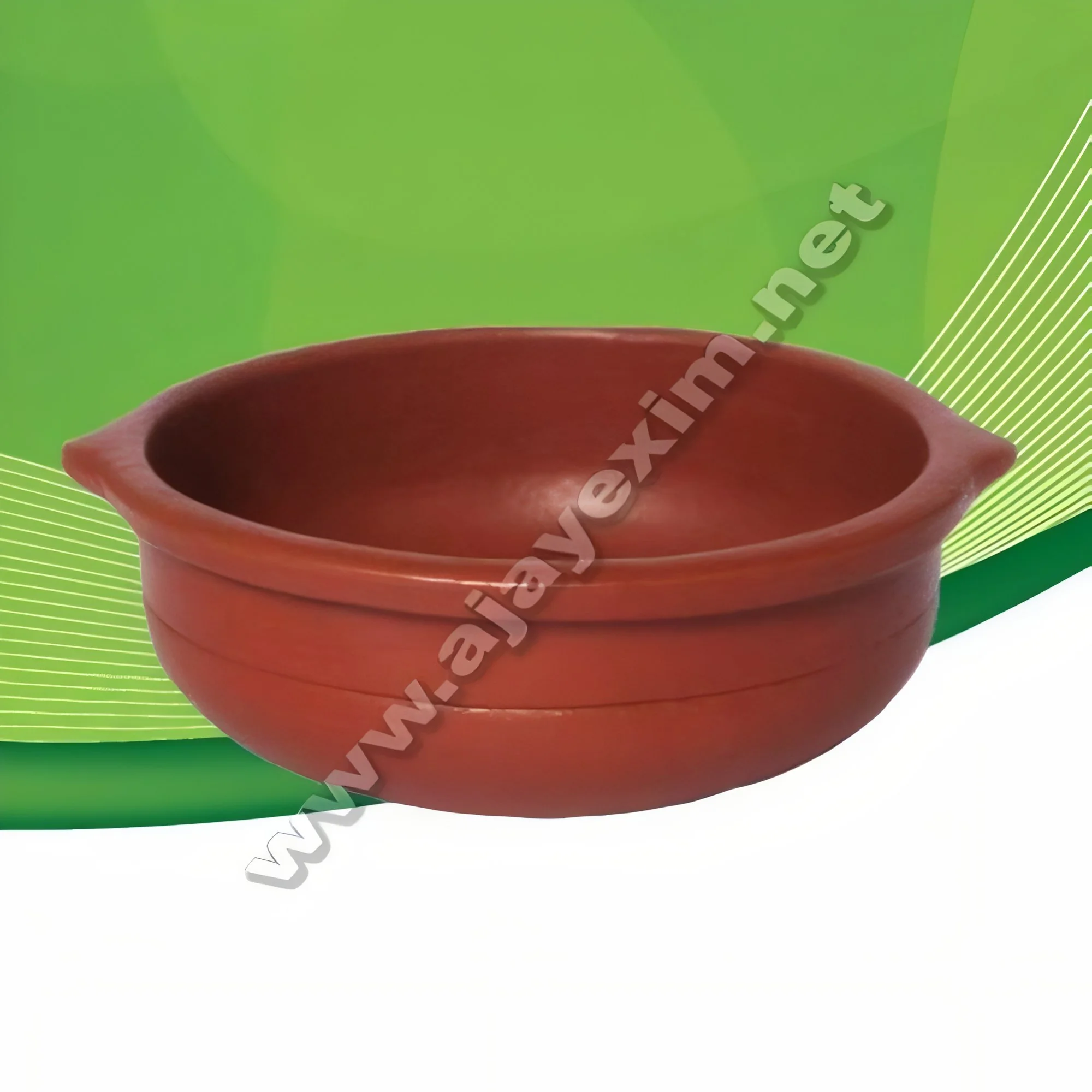
What are Tureens & Soup Pots?
Tureens and soup pots are essential kitchen vessels primarily designed for serving soups, stews, and other liquid-based dishes. Tureens are often more decorative, featuring intricate designs and lids, making them ideal for formal dining settings. Soup pots, on the other hand, are usually more utilitarian, designed for cooking and storing soups and large quantities of liquid foods. Both types of vessels play a critical role in the culinary world, facilitating the presentation and preservation of food.
In professional kitchens and catering environments, tureens and soup pots are indispensable. They are utilized not just for cooking but also for serving, allowing for a seamless transition from kitchen to table. These products are commonly found in restaurants, hotels, and catering businesses, where presentation and functionality are key. Their design often allows for easy handling, pouring, and serving, making them a staple in both commercial and domestic settings.
The market for tureens and soup pots has evolved with trends in dining and food presentation. As culinary practices continue to innovate, the demand for high-quality, aesthetically pleasing, and functional kitchenware remains strong. Businesses are increasingly focused on sourcing durable and stylish options that meet the needs of modern dining experiences.
Key Features and Specifications
Tureens and soup pots come with various features that enhance their usability and aesthetic appeal. These features often cater to both the practical needs of cooking and the visual demands of serving food.
Key specifications include:
1. Material Composition
- Tureens and soup pots are commonly made from materials like stainless steel, ceramic, and porcelain.
- These materials are chosen for their durability, heat retention, and aesthetic qualities.
2. Capacity
- Available in various sizes, typical capacities range from 1 liter to over 10 liters.
- The choice of capacity should reflect the intended use, whether for individual servings or communal dining.
3. Design
- Many tureens feature decorative elements, such as embossed patterns or colored glazes.
- Soup pots are often designed for practicality, with features like pouring spouts and ergonomic handles.
4. Heat Resistance
- These products are designed to withstand high temperatures.
- They can often be used on stovetops or in ovens, depending on the material.
5. Lid Features
- Most tureens come with fitted lids to help retain heat and moisture.
- Some lids may have ventilation features for steam release.
6. Dishwasher and Microwave Safe
- Many options are designed to be dishwasher and microwave safe for easy cleaning and reheating.
- This convenience is a significant factor for both home cooks and professional chefs.
7. Compliance with Safety Standards
- Many tureens and soup pots meet industry safety standards, ensuring they are safe for food contact.
- Certifications such as CE may apply, indicating compliance with relevant regulations.
In summary, the right tureen or soup pot combines functionality and style, meeting the demands of modern culinary practices.
Common Applications and Use Cases
Tureens and soup pots find diverse applications across various industries. Their versatility makes them suitable for numerous culinary tasks.
1. Restaurants: These establishments use tureens and soup pots for both cooking and serving. They are perfect for presenting soups at the table in an elegant manner.
2. Catering Services: Caterers rely on these vessels to transport and serve large quantities of food, ensuring that dishes remain warm and appealing during events.
3. Hotels: In hotel dining areas, tureens are often used for buffet setups, allowing guests to serve themselves from beautifully displayed dishes.
4. Cafeterias: Soup pots are essential in cafeteria settings, where large batches of soup or stews are prepared and served regularly.
5. Food Production Facilities: Manufacturers of soups and packaged meals utilize large soup pots for cooking and blending ingredients efficiently.
6. Home Kitchens: Home cooks appreciate using these vessels for everyday meals, special gatherings, and family dinners.
7. Culinary Schools: Educational institutions use tureens and soup pots in training environments, teaching students about food presentation and cooking techniques.
Product Variants and Subcategories
Tureens and soup pots come in various designs and styles to meet different culinary needs.
Classic Tureen
This variant is often made from porcelain or ceramic, featuring classic designs with ornate details. It is ideal for formal dining settings, enhancing the presentation of soups and stews.
Stainless Steel Soup Pot
Designed for durability and practicality, this variant is perfect for professional kitchens. It often features a heavy bottom for even heat distribution and is easy to clean.
Ceramic Serving Pot
These pots are typically designed for oven-to-table use, combining functionality with aesthetic appeal. They are often used for casseroles and baked dishes as well.
Non-Stick Soup Pot
This variant features a non-stick coating for easy cooking and cleaning. It is suitable for home cooks who frequently prepare soups without the hassle of sticking.
Benefits and Advantages
Choosing the right tureens and soup pots offers numerous benefits that can enhance culinary experiences.
1. Enhanced Presentation: Tureens add an elegant touch to dining tables, making meals more visually appealing.
2. Improved Heat Retention: Many options are designed to keep food warm for extended periods, benefiting both service and enjoyment.
3. Versatile Use: Tureens and soup pots can be used for cooking, serving, and storage, making them multifunctional kitchen tools.
4. Durable Materials: High-quality materials ensure longevity and resistance to wear and tear, providing value over time.
5. Easy Maintenance: Many products are dishwasher safe, simplifying the cleaning process for busy professionals.
6. Safety Compliance: Choosing certified options ensures that products meet safety standards, providing peace of mind for users.
Buying Guide for B2B Buyers
When sourcing tureens and soup pots, businesses should consider several critical factors to ensure they make informed decisions.
1. Quality Assessment: Evaluate the materials and craftsmanship of the products. High-quality options will be more durable and provide better performance in busy environments.
2. Supplier Verification: It is crucial to vet suppliers for reliability and reputation. Look for suppliers with a track record of quality and customer service.
3. Pricing and MOQ: Understand the pricing structures and minimum order quantities. This ensures that the purchase aligns with budget constraints and inventory needs.
4. Delivery and Lead Times: Confirm logistics details, including delivery times and shipping methods. Timely delivery is essential for maintaining operational efficiency.
5. Compliance Requirements: Ensure that the products meet any relevant regulatory standards. This may include food safety certifications and compliance with local regulations.
Compliance and Certifications
Tureens and soup pots must adhere to several compliance and certification standards to ensure safety and quality in food preparation and serving.
Relevant quality standards such as ISO 9001 help guarantee that products are manufactured consistently and meet specific quality benchmarks. This certification assures buyers of the reliability and performance of the products.
Industry certifications like CE indicate that the products meet European safety, health, and environmental protection standards. This is particularly important for businesses that operate in or export to Europe.
Safety and testing requirements involve rigorous assessments to confirm that materials used in the production of tureens and soup pots are safe for food contact. This includes testing for leachability of harmful substances.
Finally, regional compliance considerations may vary based on local regulations, making it essential for buyers to be aware of the specific requirements in their area.
Why Source Tureens & Soup Pots from Pepagora?
Pepagora provides a trusted platform for sourcing tureens and soup pots, offering several key advantages to B2B buyers.
Verified Supplier Network: Pepagora has established a network of verified suppliers, ensuring that buyers have access to high-quality products from reputable manufacturers. This network helps mitigate risks associated with sourcing.
Streamlined RFQ Process: The platform simplifies the request for quotation process, allowing buyers to efficiently compare offers and select the best options based on their needs.
Trade Assurance and Support: Pepagora protects buyers through trade assurance programs, providing security in transactions and support for any issues that may arise during the sourcing process.
Regional Coverage: With a strong presence in India, the GCC, and Southeast Asia, Pepagora offers buyers a wide range of options and sourcing opportunities tailored to their geographical needs. This regional coverage enhances convenience and accessibility for businesses looking to procure tureens and soup pots.

 IN
IN