
 IN
Wooden & Bamboo Tableware
4 products available
What are Wooden & Bamboo Tableware?
Wooden and bamboo tableware refers to utensils, dishes, and serving items made primarily from wood or bamboo materials. These products are not only functional but also environmentally friendly, as both wood and bamboo are renewable resources. Wooden tableware often features a rustic aesthetic, while bamboo tableware is lightweight and durable. Both types are popular for their natural look and feel, making them suitable for a variety of dining settings.
In business applications, wooden and bamboo tableware is widely used in restaurants, catering services, and food packaging industries. Many businesses choose these products to enhance the dining experience, promote sustainability, and showcase their commitment to eco-friendly practices. The growing trend towards sustainable dining solutions has led to an increased demand for wooden and bamboo tableware, making it an essential product in the foodservice sector.
The market for wooden and bamboo tableware is expanding, driven by consumer preferences for sustainable and biodegradable products. Industries are recognizing the value of offering eco-conscious dining options, which aligns with broader environmental goals. As awareness of sustainability grows, so does the relevance of wooden and bamboo tableware within the industry.
Key Features and Specifications
Wooden and bamboo tableware comes with various features that enhance their usability and appeal. These features make them suitable for diverse applications in the foodservice industry.
Key specifications include:
1. Material Quality
- Sourced from high-quality, sustainably harvested wood or bamboo.
- Ensures durability and resistance to wear.
2. Design Variety
- Available in multiple shapes and sizes, including plates, bowls, and utensils.
- Customizable designs to meet specific branding needs.
3. Heat Resistance
- Capable of withstanding moderate temperatures.
- Suitable for serving hot foods without damage.
4. Eco-Friendly
- Biodegradable and compostable materials.
- Reduces environmental impact compared to plastic alternatives.
5. Lightweight
- Easy to handle and transport.
- Ideal for catering and outdoor events.
6. Maintenance
- Typically easy to clean with mild soap and water.
- Some products may be dishwasher safe.
7. Aesthetic Appeal
- Offers a natural and rustic look.
- Enhances the visual presentation of food.
8. Food Safety
- Compliant with food safety standards.
- Non-toxic finishes used in production.
These features make wooden and bamboo tableware a practical choice for businesses seeking quality and sustainability.
Common Applications and Use Cases
Wooden and bamboo tableware serves a broad range of industries, enhancing functionality and aesthetics in various settings.
1. Restaurants: Many restaurants use wooden and bamboo tableware to create a unique dining experience that emphasizes sustainability and elegance.
2. Catering Services: Catering companies often prefer these materials for their lightweight nature, making them easy to transport and present at events.
3. Food Packaging: Eco-conscious brands utilize bamboo and wood tableware for takeout and delivery services, aligning with consumer demand for sustainable options.
4. Events and Parties: Wooden and bamboo tableware is popular for weddings and parties, offering a stylish and environmentally friendly alternative to plastic.
5. Picnic and Outdoor Gear: These materials are favored for outdoor dining products due to their durability and lightweight properties.
6. Home Goods: Many households are adopting wooden and bamboo tableware for everyday use, driven by a desire for natural, sustainable living.
7. Specialty Food Products: Artisanal food producers often package their products in wooden or bamboo containers, enhancing the perceived value of their offerings.
Product Variants and Subcategories
Wooden and bamboo tableware includes a variety of products that cater to different needs and preferences.
Bamboo Plates
These plates are lightweight yet sturdy, making them ideal for serving a variety of dishes. Their natural finish adds a touch of elegance to any table setting.
Wooden Bowls
Available in various sizes, wooden bowls are perfect for salads, snacks, and serving dishes. Their unique grain patterns make each piece distinct.
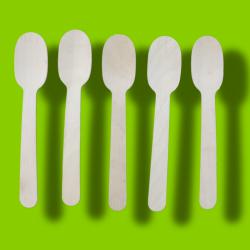
Bamboo Utensils
These utensils are designed for both functionality and style. They are often used in restaurants and cafes for serving or as part of table settings.
Wooden Serving Trays
These trays provide a beautiful way to present food and drinks. They are popular in catering and event settings for their aesthetic appeal and practicality.
Bamboo Cutlery Sets
Ideal for single-use applications, these cutlery sets offer an eco-friendly alternative to plastic utensils, appealing to environmentally conscious consumers.
Benefits and Advantages
Choosing wooden and bamboo tableware offers several advantages for businesses and consumers alike.
Key benefits include:
1. Sustainability: Made from renewable resources, these products minimize environmental impact and promote eco-friendly practices.
2. Aesthetic Value: The natural look of wood and bamboo enhances the dining experience, making meals more appealing.
3. Durability: High-quality wooden and bamboo tableware can withstand regular use, providing long-lasting value.
4. Lightweight: Easy to transport and handle, these products are suitable for various settings, from restaurants to outdoor events.
5. Biodegradable: Unlike plastic, wooden and bamboo tableware breaks down naturally, reducing waste in landfills.
6. Versatility: Available in many forms, these products can be tailored to meet specific needs in different industries.
Buying Guide for B2B Buyers
When sourcing wooden and bamboo tableware, buyers should consider several important factors to ensure they make informed decisions.
1. Quality Assessment: Look for products made from high-quality, sustainably sourced materials. Assess the finish and craftsmanship to ensure durability.
2. Supplier Verification: Vet potential suppliers to confirm their reliability and commitment to sustainability. Check for certifications and customer reviews.
3. Pricing and MOQ: Understand the pricing structure and minimum order quantities. Compare prices across suppliers to find competitive rates.
4. Delivery and Lead Times: Inquire about logistics and delivery schedules to ensure timely supply for your business needs.
5. Compliance Requirements: Be aware of any regulations or certifications required for food safety and environmental standards in your region.
Compliance and Certifications
Wooden and bamboo tableware must adhere to various quality standards and certifications to ensure safety and reliability.
Relevant quality standards include ISO 9001, which ensures that products meet consistent quality management principles. Compliance with HACCP (Hazard Analysis Critical Control Point) is crucial for food safety, ensuring that products are safe for consumption.
Additionally, CE certification confirms that products meet European safety, health, and environmental protection standards. It is important for businesses to ensure that their wooden and bamboo tableware complies with regional regulations, as non-compliance can lead to legal issues.
Testing requirements may include assessments for durability, safety, and potential chemical leaching. Buyers should verify that suppliers have conducted necessary safety tests to assure the quality of their products.
Why Source Wooden & Bamboo Tableware from Pepagora?
Pepagora provides a trusted platform for sourcing wooden and bamboo tableware, offering several key advantages for businesses.
Verified Supplier Network: Pepagora connects buyers with a network of verified suppliers, ensuring that all products meet high quality and sustainability standards. This verification process builds trust and reliability in sourcing.
Streamlined RFQ Process: The platform features a straightforward request for quotation (RFQ) process, allowing buyers to efficiently compare offers from multiple suppliers. This simplifies procurement and helps businesses find the best deals.
Trade Assurance and Support: Pepagora offers trade assurance, providing buyers with protection for their orders. This support includes assistance in case of disputes, ensuring a secure purchasing experience.
Regional Coverage: With a focus on markets in India, the GCC, and Southeast Asia, Pepagora facilitates access to a diverse range of suppliers and products. This regional coverage enhances sourcing options for businesses looking to adopt eco-friendly tableware solutions.



Frequently Asked Questions
What are Wooden & Bamboo Tableware?
Wooden & Bamboo Tableware refers to dining and serving items made from natural wood and bamboo materials. These products are known for their durability, aesthetic appeal, and eco-friendliness, making them popular choices for both home use and commercial settings.
What are the different types of Wooden & Bamboo Tableware?
The different types of Wooden & Bamboo Tableware include plates, bowls, cutlery, serving trays, and chopsticks, among others. Each item can vary in design and size, catering to various dining needs and preferences.
How do I choose the right Wooden & Bamboo Tableware?
When choosing Wooden & Bamboo Tableware, consider factors such as the type of wood or bamboo used, the design, and the intended use. Additionally, assess the size and weight of the items to ensure they meet your specific requirements.
What are the standard specifications for Wooden & Bamboo Tableware?
Standard specifications for Wooden & Bamboo Tableware typically include dimensions, weight capacity, and finish type. It is essential to ensure that the products comply with food safety standards and are suitable for their intended use.
What is the price range for Wooden & Bamboo Tableware?
The price range for Wooden & Bamboo Tableware can vary significantly based on factors such as material quality, design complexity, and brand. Generally, prices can start from a few hundred rupees to several thousand, depending on the specific item.
What quality standards apply to Wooden & Bamboo Tableware?
Quality standards for Wooden & Bamboo Tableware include adherence to food safety regulations and certifications. Products should be free from harmful chemicals and treated to prevent issues like warping or cracking over time.
Where can I find Wooden & Bamboo Tableware suppliers in India?
You can find Wooden & Bamboo Tableware suppliers in India through B2B marketplaces like Pepagora.com, trade shows, and local manufacturer directories. It is advisable to evaluate suppliers based on their product range, pricing, and customer reviews.
Can Wooden & Bamboo Tableware be customized?
Yes, many manufacturers offer customization options for Wooden & Bamboo Tableware. Customizations can include personalized engravings, bespoke designs, and variations in size or shape based on client specifications.
What is the typical minimum order quantity for Wooden & Bamboo Tableware?
The typical minimum order quantity (MOQ) for Wooden & Bamboo Tableware varies by supplier, but it often ranges from 50 to 100 units. It is important to confirm the MOQ with the supplier before placing an order.
What is the typical lead time for Wooden & Bamboo Tableware?
The typical lead time for Wooden & Bamboo Tableware can range from 2 to 8 weeks, depending on the supplier, order size, and customization requirements. It is recommended to discuss timelines with the supplier to ensure timely delivery.
Why Businesses Trust Pepagora
Thousands of companies trust Pepagora to source smarter and sell faster
Expand Your Sales Globally

Source Smarter,Grow Faster
