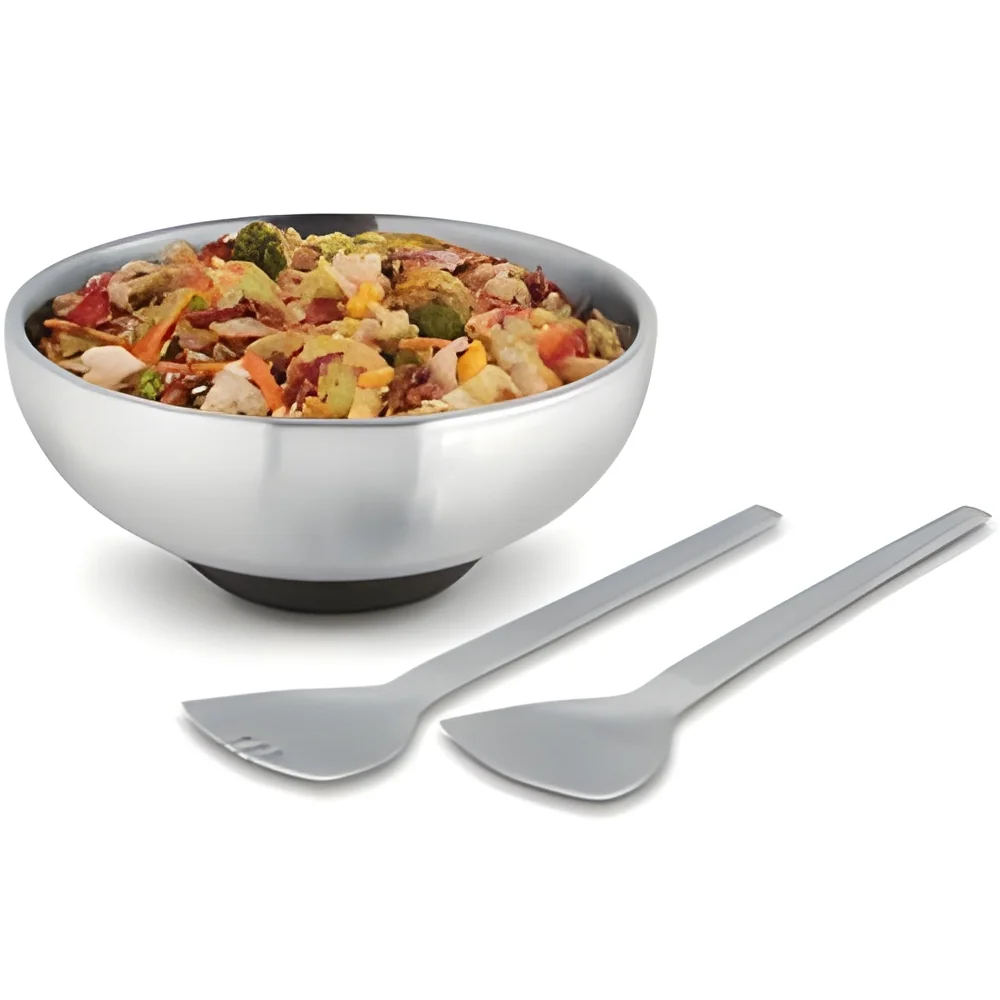
What are Salad Servers?
Salad servers are specialized utensils designed for serving salads and other mixed dishes. Typically composed of two pieces, a large spoon and a fork, they allow users to toss and serve salads efficiently. Made from various materials such as stainless steel, plastic, or wood, salad servers are crafted to withstand the rigors of food service while also being aesthetically pleasing for presentation.
In the food service industry, salad servers play a crucial role in both commercial kitchens and catering events. They are essential for portion control and ensuring that salads are served without damaging the ingredients. Their ergonomic design allows for easy handling and serving, making them a staple in restaurants, buffets, and catering services.
As the demand for fresh and healthy dining options grows, the relevance of quality salad servers increases. The market for these products is expanding, driven by the rise in salad bars and health-conscious eating habits. This creates opportunities for suppliers and manufacturers to innovate and provide a range of products that meet the diverse needs of businesses within the food service sector.
Key Features and Specifications
Salad servers come with various features that enhance their usability and efficiency in food service. Understanding the specifications can help businesses choose the right tools for their needs.
Key specifications include:
1. Material Composition
- Salad servers are often made from stainless steel, plastic, or wood, offering different benefits.
- Stainless steel is durable and resistant to corrosion, while plastic options are lightweight and cost-effective.
2. Size and Dimensions
- Typical lengths range from 10 to 14 inches, suitable for various serving needs.
- The size of the serving spoon and fork can vary, with larger sizes ideal for bulk salad serving.
3. Weight
- Salad servers generally weigh between 100 to 300 grams, ensuring they are easy to handle yet sturdy enough for heavy salads.
4. Heat Resistance
- Many plastic salad servers can withstand temperatures up to 80 degrees Celsius, making them suitable for serving warm salads.
5. Dishwasher Safe
- Most salad servers are dishwasher safe, which simplifies cleaning and maintenance in busy kitchens.
6. Design Features
- Ergonomic handles are common, providing a comfortable grip during use.
7. Aesthetic Appeal
- Many salad servers come in a variety of colors and finishes to match restaurant themes or branding.
8. Customization Options
- Some manufacturers offer custom branding or design features, allowing businesses to personalize their salad servers.
In summary, selecting the right salad servers involves considering various specifications that align with the needs of the food service industry.
Common Applications and Use Cases
Salad servers find applications across several industries, reflecting their versatility and functionality.
1. Restaurants: In dining establishments, salad servers are essential tools for serving salads as part of appetizers or main courses. They help in maintaining presentation while ensuring portion control.
2. Catering Services: Catering companies utilize salad servers during events to serve large quantities of salads efficiently. Their durability and ease of use are critical for fast-paced environments.
3. Buffets: Salad servers are a staple in buffet settings, allowing guests to serve themselves while keeping food hygienic and well-presented.
4. Hospitals and Cafeterias: In institutional settings, salad servers assist in serving healthy food options, promoting nutrition among patients and staff.
5. Food Trucks: Food trucks often use salad servers for quick service, enhancing the speed and efficiency of meal preparation.
6. Meal Prep Services: Companies providing meal prep services rely on salad servers to pack and deliver freshly made salads to clients, ensuring quality and freshness.
7. Schools: Educational institutions use salad servers in cafeterias, encouraging children to eat healthier options during lunch.
Product Variants and Subcategories
Salad servers come in a variety of designs and features, catering to different business needs.
Wooden Salad Servers: These variants are often favored for their natural aesthetic and are ideal for rustic themes in restaurants. They are lightweight yet sturdy and provide a classic look for salad presentations.
Stainless Steel Salad Servers: Known for their durability and elegance, stainless steel variants are perfect for upscale dining settings. They are resistant to corrosion and easy to clean, making them a popular choice for commercial kitchens.
Plastic Salad Servers: Lightweight and cost-effective, plastic salad servers are commonly used in casual dining or outdoor events. They are available in a range of colors and designs, making them fun and versatile.
Benefits and Advantages
Investing in quality salad servers can provide numerous advantages for businesses.
1. Enhanced Efficiency: Quality salad servers streamline the serving process, allowing staff to serve salads quickly and efficiently.
2. Improved Presentation: Well-designed salad servers enhance the visual appeal of salads, contributing to an inviting dining experience.
3. Durability: High-quality materials ensure that salad servers withstand frequent use without damage, providing long-term value.
4. Easy Maintenance: Many salad servers are dishwasher safe, simplifying the cleaning process and reducing labor costs in busy kitchens.
5. Versatility: Salad servers can be used for various dishes beyond salads, making them a multifunctional tool in food service.
6. Custom Branding Opportunities: Businesses can customize salad servers with their logos, enhancing brand visibility during service.
Buying Guide for B2B Buyers
When sourcing salad servers, several critical factors should be considered to ensure the best selection for your business.
1. Quality Assessment: Evaluate the materials and construction of salad servers to ensure they meet durability and hygiene standards. Look for products that are resistant to wear and easy to clean.
2. Supplier Verification: Vet suppliers by checking their reputation, certifications, and customer reviews. A reliable supplier will provide consistent quality and timely delivery.
3. Pricing and MOQ: Understand the pricing structure and minimum order quantities. This can vary significantly based on materials and supplier policies, so compare options to find the best value.
4. Delivery and Lead Times: Confirm the lead times for orders to ensure that you receive your supplies in a timely manner. Consider suppliers that offer flexible delivery options.
5. Compliance Requirements: Ensure that the salad servers meet relevant industry standards and regulations, such as food safety and hygiene requirements. This is crucial for maintaining compliance in food service operations.
Compliance and Certifications
Salad servers must adhere to various quality standards to meet industry requirements. ISO 9001 is a quality management standard that ensures products are consistently manufactured to meet customer expectations. Compliance with HACCP (Hazard Analysis Critical Control Point) is essential for food safety, as it involves identifying and managing food safety risks.
CE certification indicates that the product meets European safety, health, and environmental protection standards. This is particularly important for businesses operating in regions that require CE-marked products.
Additionally, manufacturers should follow safety and testing requirements to ensure that salad servers do not pose any health risks when used with food. Regional compliance considerations may vary, so it is important to stay informed about local regulations and standards that apply to food service equipment.
Why Source Salad Servers from Pepagora?
Pepagora provides a trusted platform for sourcing salad servers, offering several key advantages for buyers.
Verified Supplier Network: Pepagora's extensive network of verified suppliers ensures that businesses receive high-quality products. Each supplier undergoes rigorous vetting to guarantee reliability and performance.
Streamlined RFQ Process: The request for quotation (RFQ) system simplifies the sourcing process, allowing businesses to receive competitive quotes from multiple suppliers quickly. This saves time and helps in making informed purchasing decisions.
Trade Assurance and Support: Pepagora offers trade assurance to protect buyers during transactions. This includes support for resolving issues and ensuring that products meet the specified standards.
Regional Coverage: With a strong presence in India, the Gulf Cooperation Council (GCC), and Southeast Asia, Pepagora connects buyers with local suppliers, enhancing accessibility and reducing shipping costs. This regional focus allows businesses to find the right salad servers tailored to their specific market needs.

 IN
IN