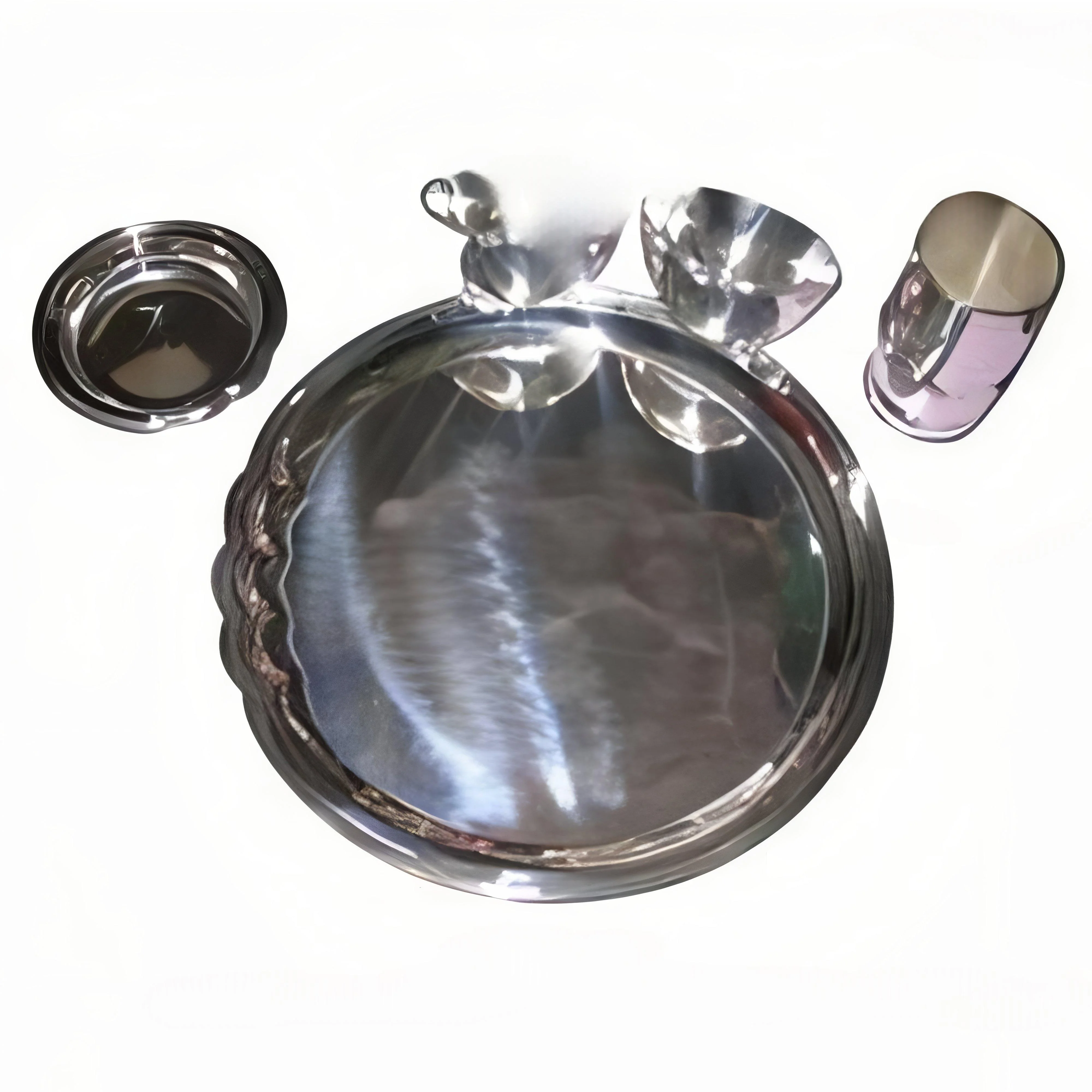
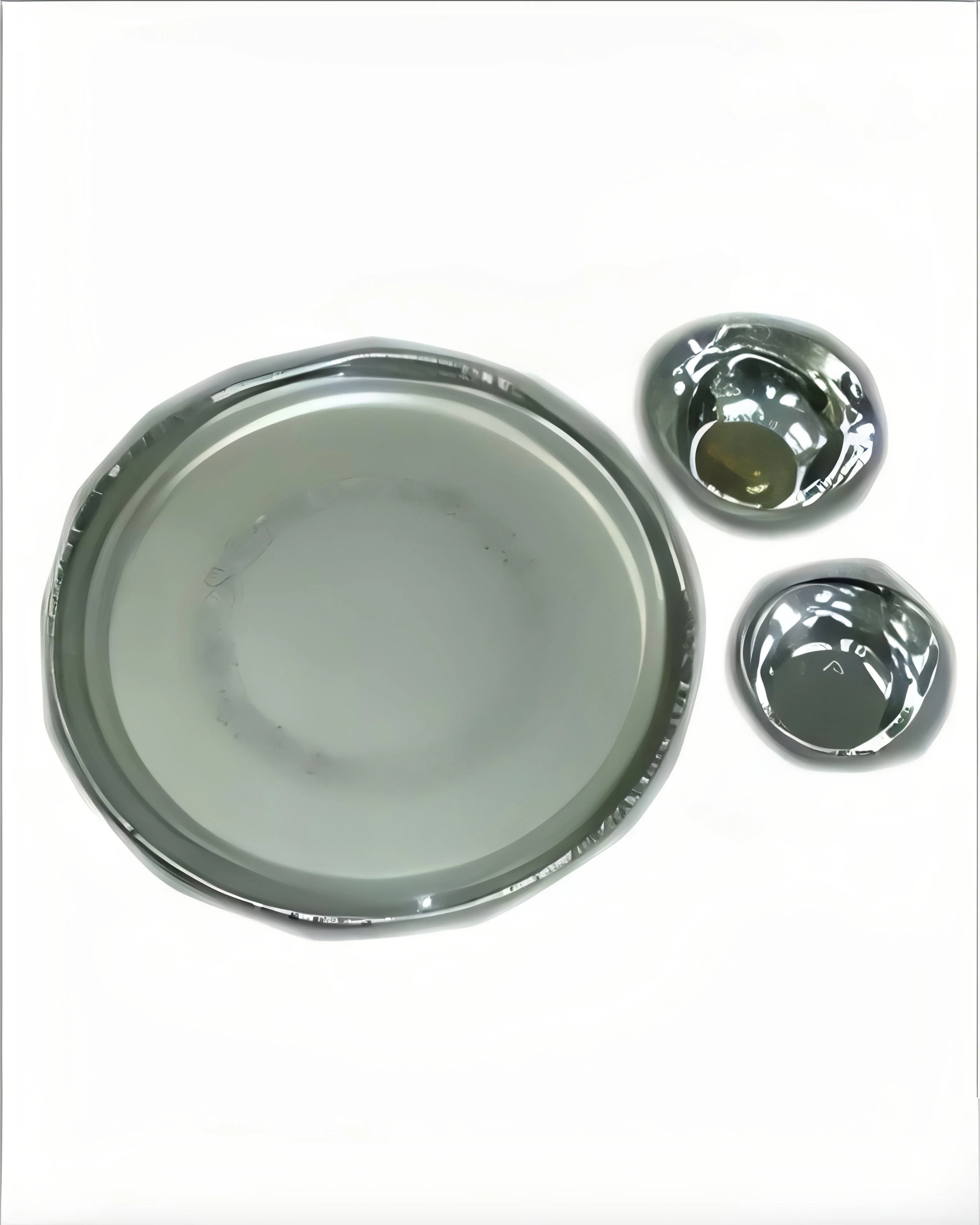
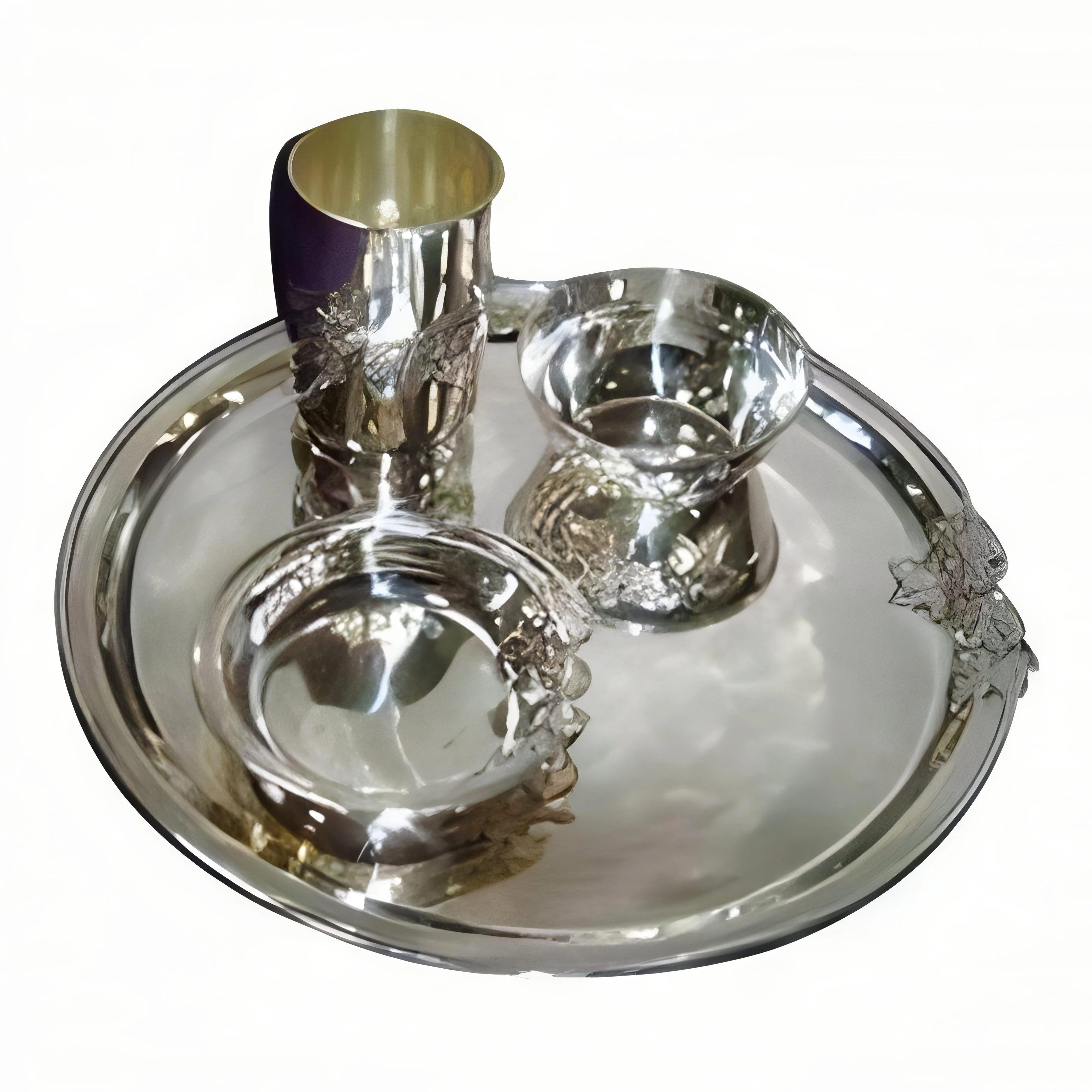
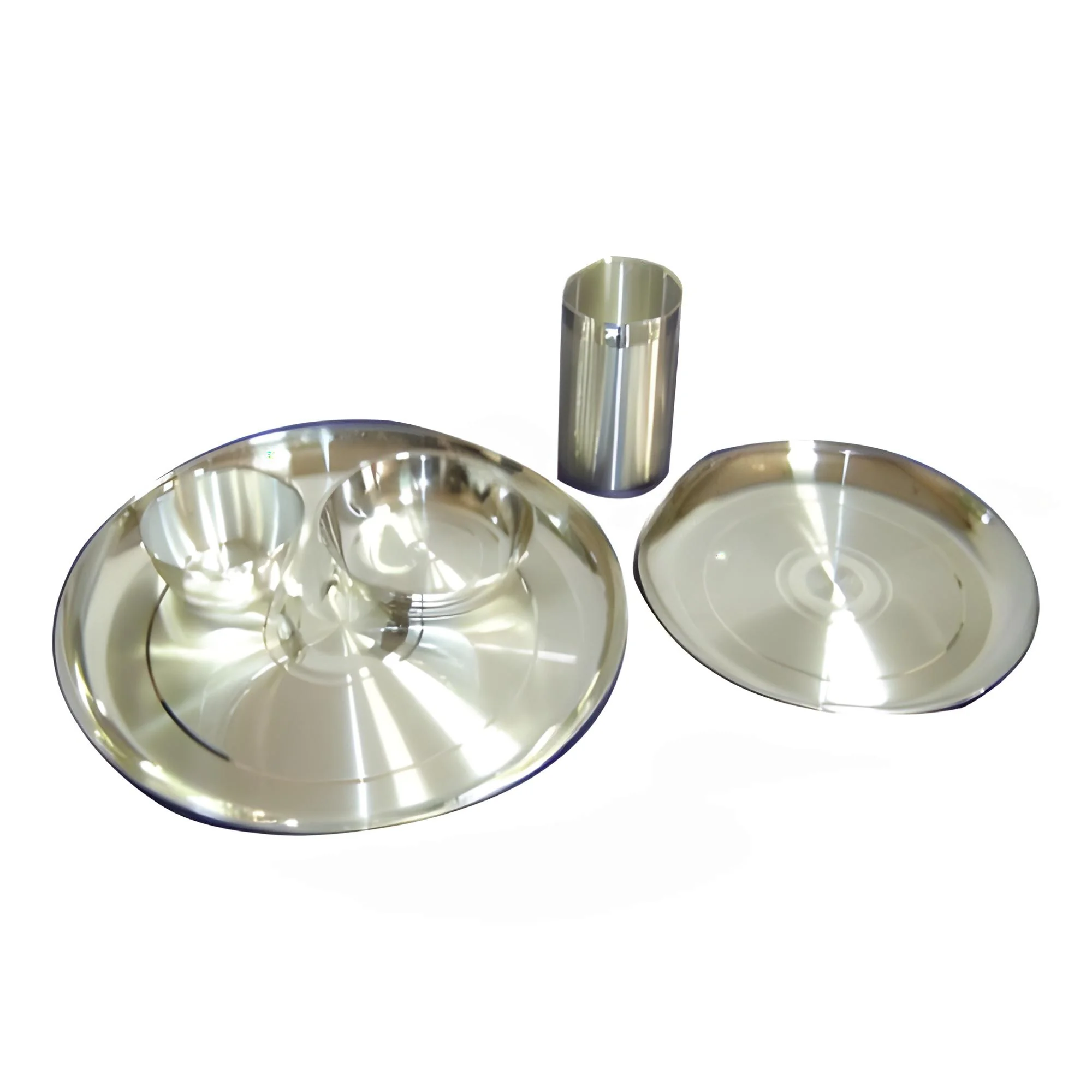
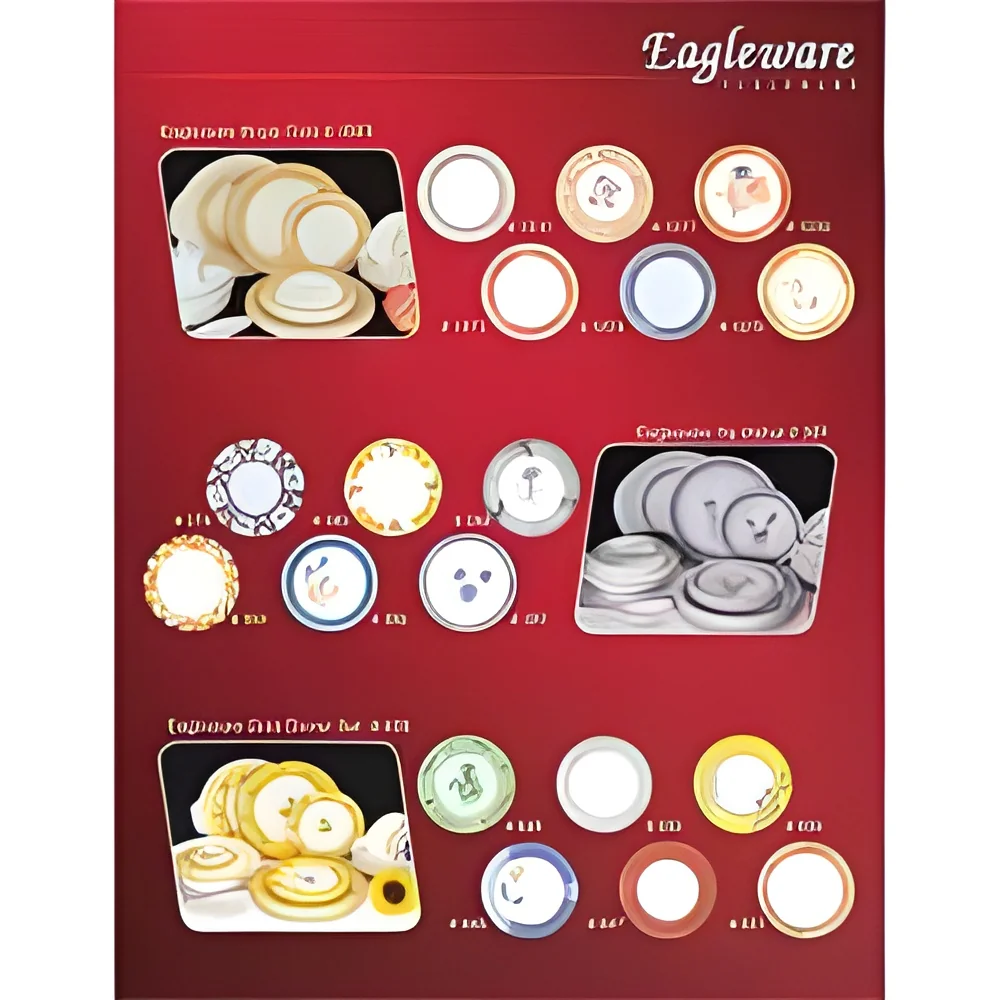
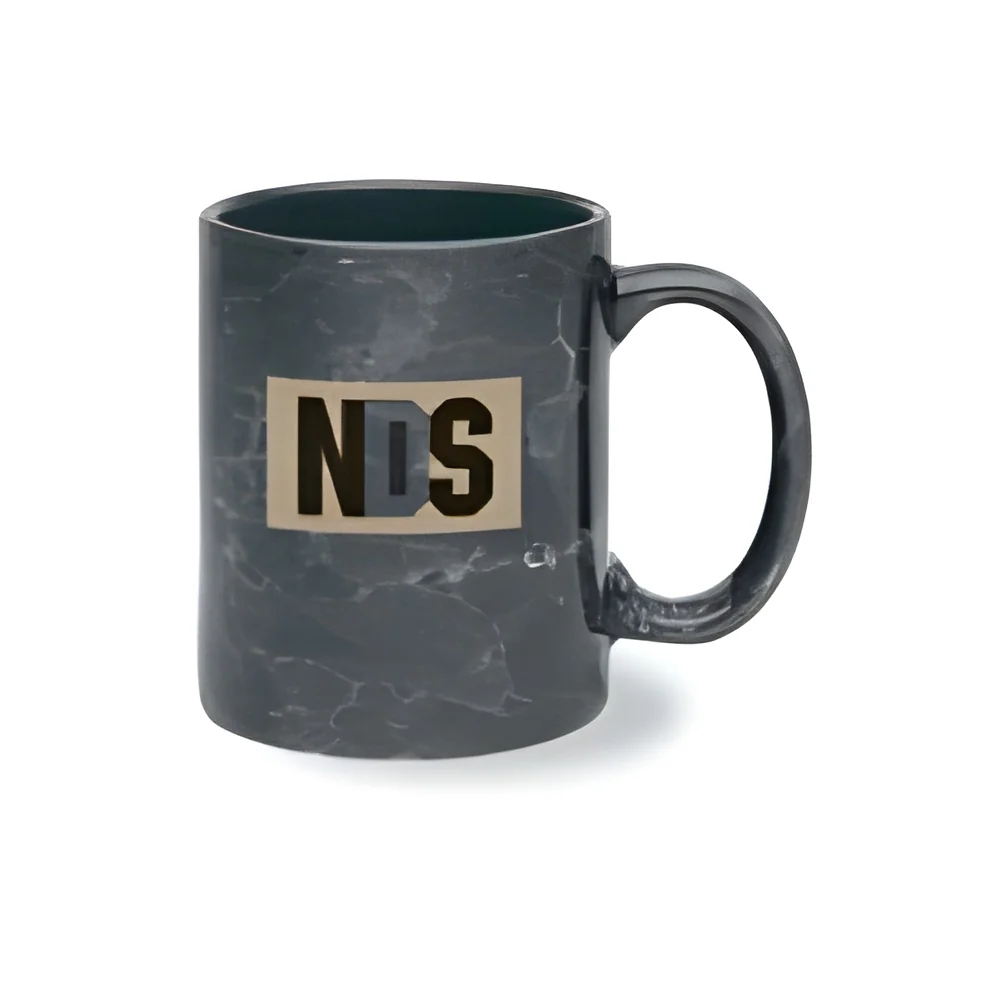
What are Ceramic & Porcelain Tableware?
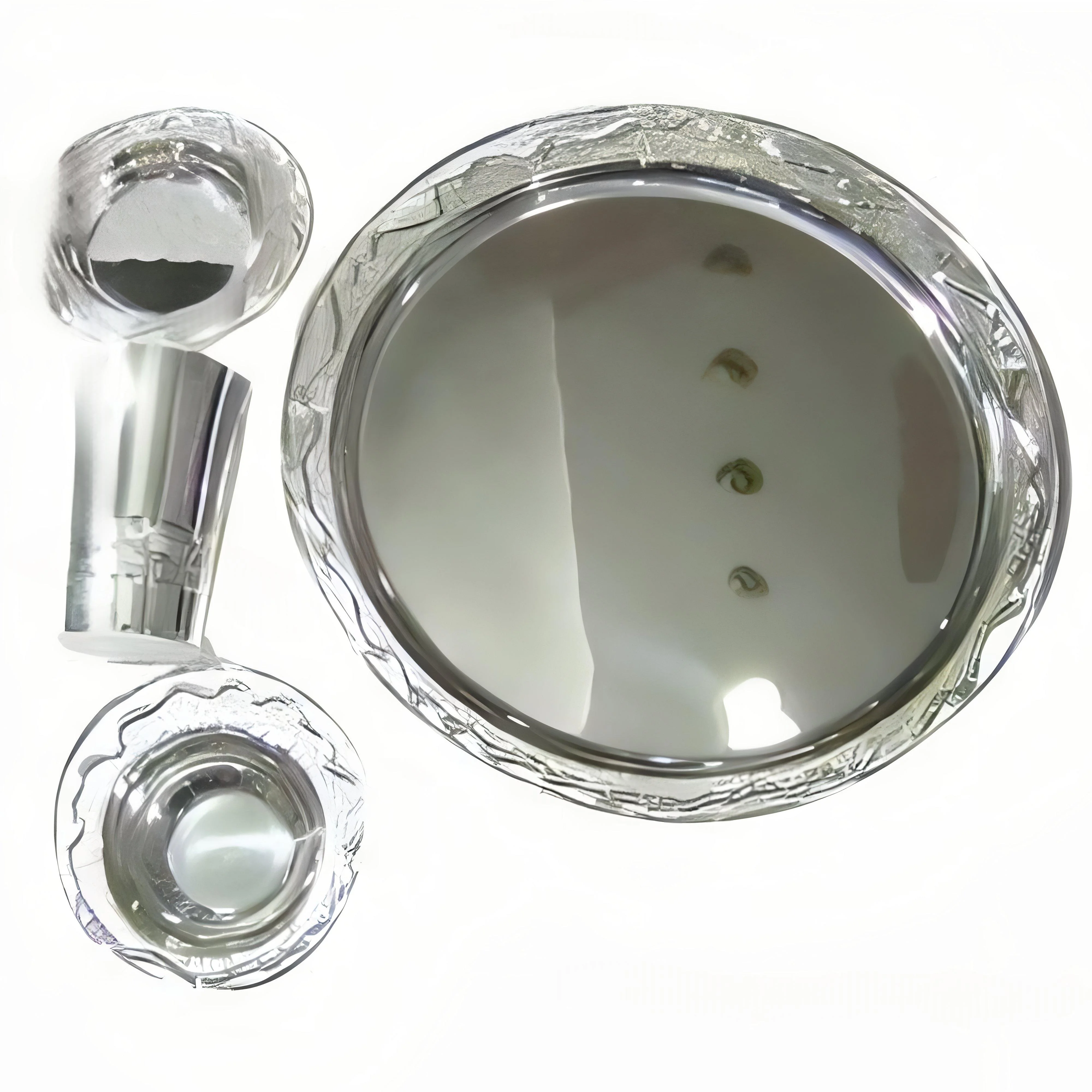
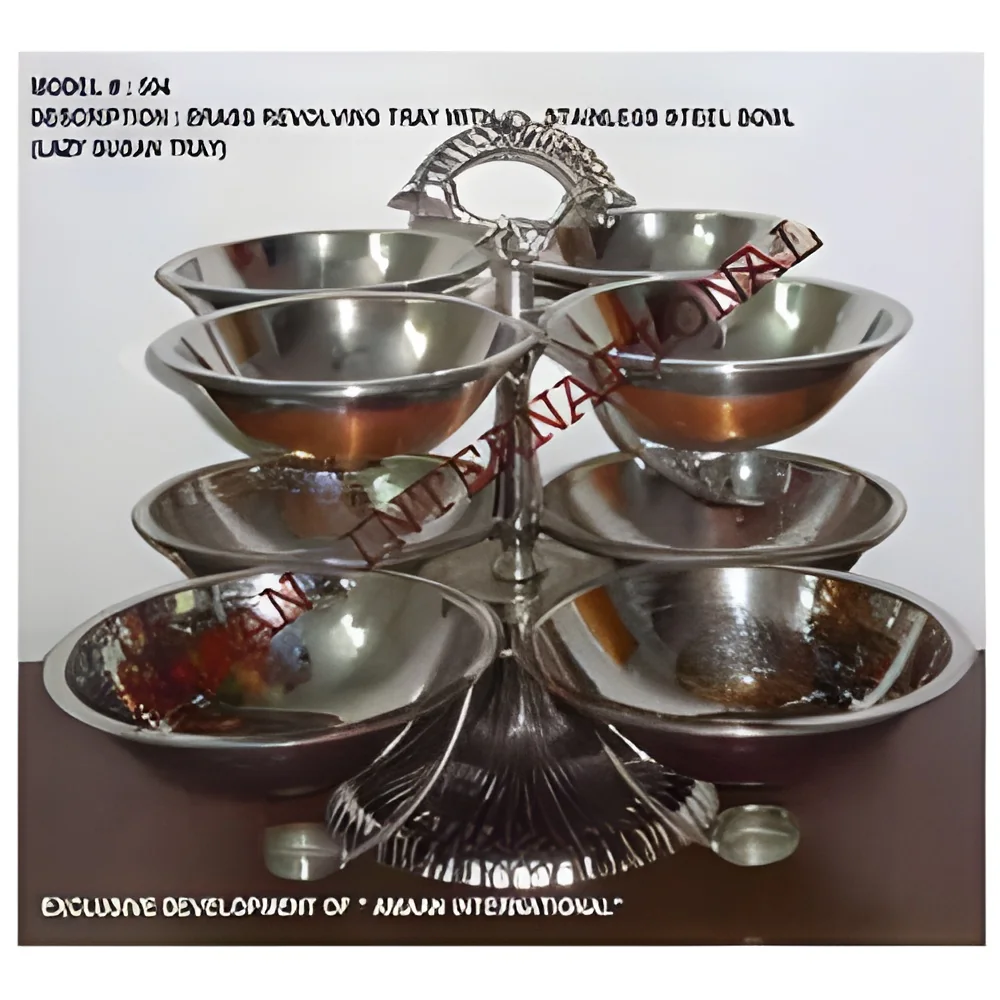
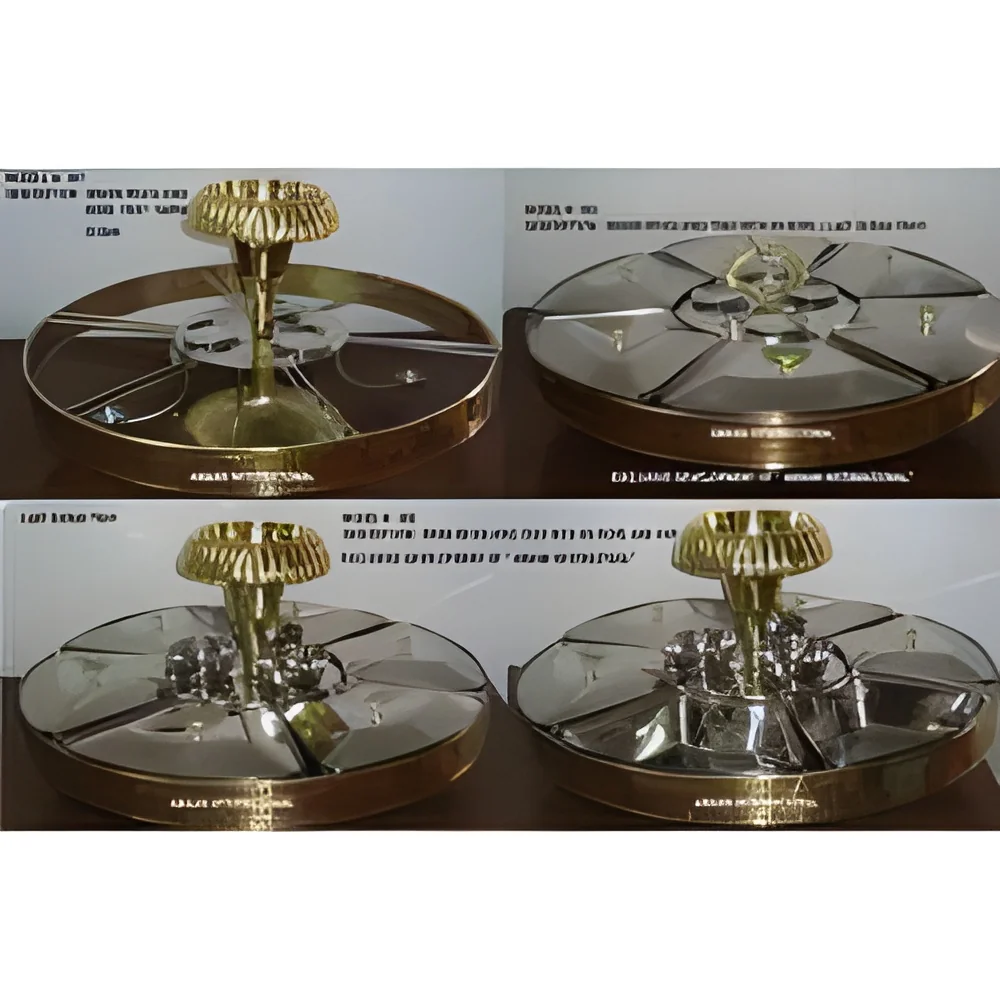
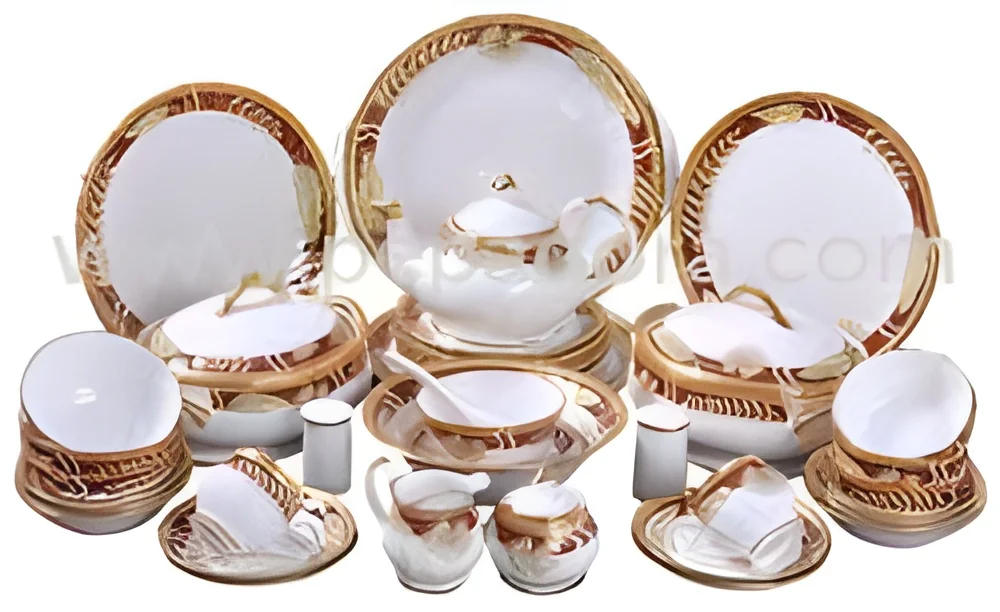
Ceramic and porcelain tableware refers to dishes, plates, bowls, and serving items made from clay and other raw materials, which are fired at high temperatures to create durable and aesthetically pleasing products. Ceramic tableware is typically made from earthenware, stoneware, or porcelain, with porcelain being a finer and more delicate material. These materials allow manufacturers to create a range of products that vary in color, finish, and design, making them suitable for both casual and formal dining settings.
These products are primarily used in restaurants, catering services, and hospitality industries, where presentation and durability are essential. They are often preferred for their ability to withstand high temperatures and their resistance to chipping and scratching. In addition to their functional uses, ceramic and porcelain tableware also serve a decorative purpose, enhancing the overall dining experience with their unique designs. The market for ceramic and porcelain tableware is growing, driven by increasing demand for high-quality dining experiences and environmentally friendly products.
Key Features and Specifications
Ceramic and porcelain tableware come with several key features that make them suitable for various applications. Understanding these specifications is essential for making informed purchasing decisions.
Key specifications include:
1. Material Composition
- Made from high-quality clay and minerals.
- Porcelain has a higher density and is more durable than traditional ceramics.
2. Temperature Resistance
- Can typically withstand high temperatures, suitable for oven and microwave use.
- Resistance range often exceeds 200 degrees Celsius.
3. Aesthetic Variety
- Available in various colors, finishes, and designs.
- Customization options for branding and personalization.
4. Durability
- Resistant to chipping, scratching, and staining.
- Long lifespan with proper care.
5. Weight
- Generally lightweight for easy handling.
- Different weights available based on design and thickness.
6. Dishwasher and Microwave Safe
- Most products are designed to withstand the rigors of dishwashing.
- Safe for use in microwave ovens.
7. Non-Toxic Materials
- Made from safe, lead-free materials.
- Compliance with food safety regulations.
8. Eco-Friendly Production
- Many manufacturers focus on sustainable practices.
- Recyclable materials used in production processes.
In summary, ceramic and porcelain tableware are characterized by their durable materials, aesthetic appeal, and versatility in various culinary applications.
Common Applications and Use Cases
Ceramic and porcelain tableware serve a wide range of industries, reflecting their versatility and functional design.
1. Food Service Industry: Restaurants and cafes use ceramic and porcelain tableware for serving meals, as these materials enhance the dining experience and maintain food temperature.
2. Catering Services: Caterers prefer these items for events due to their elegant designs and durability, ensuring that food presentation remains high quality.
3. Hospitality Sector: Hotels and resorts utilize ceramic tableware to provide guests with a refined dining experience, often opting for custom designs to reflect their brand.
4. Retail: Retailers sell ceramic and porcelain tableware for home use, appealing to consumers looking for stylish and practical dining solutions.
5. Educational Institutions: Schools and universities use this type of tableware in cafeterias, prioritizing durability and safety for students.
6. Event Planning: Event planners often choose ceramic and porcelain options for weddings and banquets, as they add a touch of sophistication to any occasion.
7. Gift and Homeware Industry: These products are popular as gifts, with unique designs appealing to consumers looking for quality homeware.
Product Variants and Subcategories
Ceramic and porcelain tableware presents various product variants catering to different market needs.
Dinnerware Sets
These sets typically include dinner plates, side plates, bowls, and mugs, designed for complete meal service. They are available in various designs to suit different dining styles.
Serving Platters
Larger plates designed for presenting food in family-style or buffet settings. They come in multiple sizes and styles, allowing for versatility in serving options.
Cups and Mugs
Specialized items for beverages, these variants often feature unique designs and can be customized for branding purposes. They are essential in both casual and formal dining.
Specialty Dishware
Includes items like pasta bowls, salad plates, and dessert dishes. These are designed specifically for particular types of meals, enhancing the dining experience.
Benefits and Advantages
Choosing ceramic and porcelain tableware offers numerous benefits that enhance both functionality and aesthetic appeal.
1. Durability: These materials are built to last, providing long-term use in busy environments like restaurants and hotels.
2. Aesthetic Appeal: The variety of colors and designs allows businesses to create visually appealing dining experiences.
3. Heat Retention: Ceramic and porcelain can maintain food temperature, enhancing the quality of served meals.
4. Easy Maintenance: Most items are dishwasher safe, simplifying the cleaning process for busy establishments.
5. Non-Toxic: Made from safe materials, ensuring food safety and health compliance.
6. Customization Options: Many manufacturers offer the ability to customize designs for branding or thematic events, making them versatile for marketing purposes.
Buying Guide for B2B Buyers
When sourcing ceramic and porcelain tableware, it is essential to consider several factors to ensure the best purchasing decisions.
1. Quality Assessment: Evaluate the quality of materials and craftsmanship. Look for items with a solid feel and consistent glazing to ensure durability.
2. Supplier Verification: Vet suppliers by checking reviews, requesting samples, and confirming their production capabilities. Reliable suppliers should have a proven track record.
3. Pricing and MOQ: Understand the pricing structure and minimum order quantities. Assess if the costs align with your budget while considering quality.
4. Delivery and Lead Times: Confirm logistics, including delivery schedules and lead times. Timely delivery is crucial for businesses needing consistent supply.
5. Compliance Requirements: Ensure that the products meet relevant food safety and health regulations. Check for certifications that verify their compliance.
Compliance and Certifications
Ceramic and porcelain tableware must adhere to various quality and safety standards. These standards are crucial for ensuring product reliability and safety in commercial use.
Relevant quality standards include ISO 9001, which ensures consistent quality management systems. This certification helps manufacturers maintain high production standards.
HACCP (Hazard Analysis and Critical Control Points) is an important food safety management system that ensures products are safe for consumption. Compliance with HACCP is particularly crucial for tableware used in food service industries.
CE certification is relevant for products sold in Europe, indicating that they meet health, safety, and environmental protection standards. This certification is essential for market access.
Additionally, manufacturers should adhere to regional compliance considerations, which may vary by country. Understanding local regulations ensures that products are safe and legally compliant for use in specific markets.
Why Source Ceramic & Porcelain Tableware from Pepagora?
Pepagora offers a reliable platform for sourcing ceramic and porcelain tableware, providing numerous advantages to B2B buyers.
Verified Supplier Network: Pepagora ensures that all suppliers are thoroughly vetted, providing buyers with confidence in the quality and reliability of products.
Streamlined RFQ Process: The platform features an efficient request for quotation (RFQ) system that simplifies the purchasing process. Buyers can easily request quotes, compare options, and make informed decisions.
Trade Assurance and Support: Pepagora provides trade assurance, protecting buyers from potential risks in transactions. This support ensures a secure purchasing experience.
Regional Coverage: With a presence in India, the GCC, and Southeast Asia, Pepagora offers extensive regional coverage, making it easy for buyers to access local suppliers and products tailored to their market needs.

 IN
IN