What are Plates (Dinner, Salad, Dessert)?
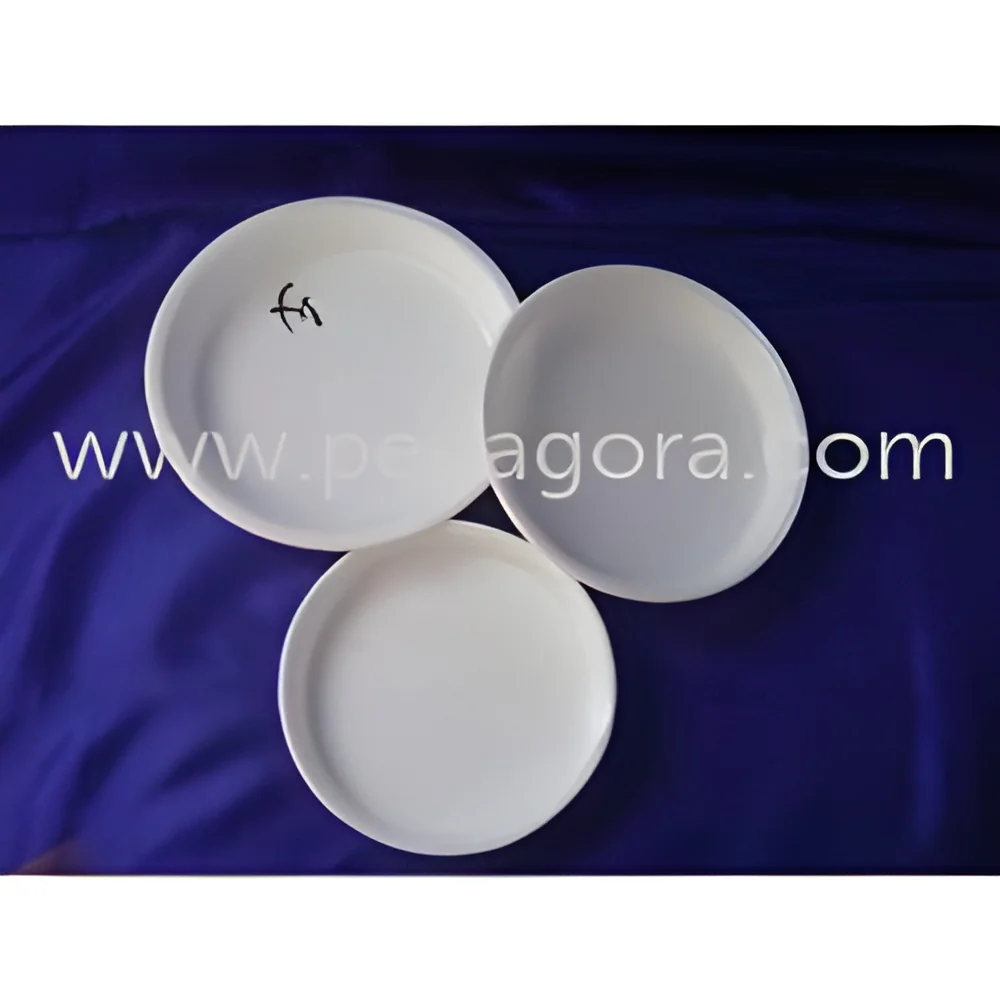
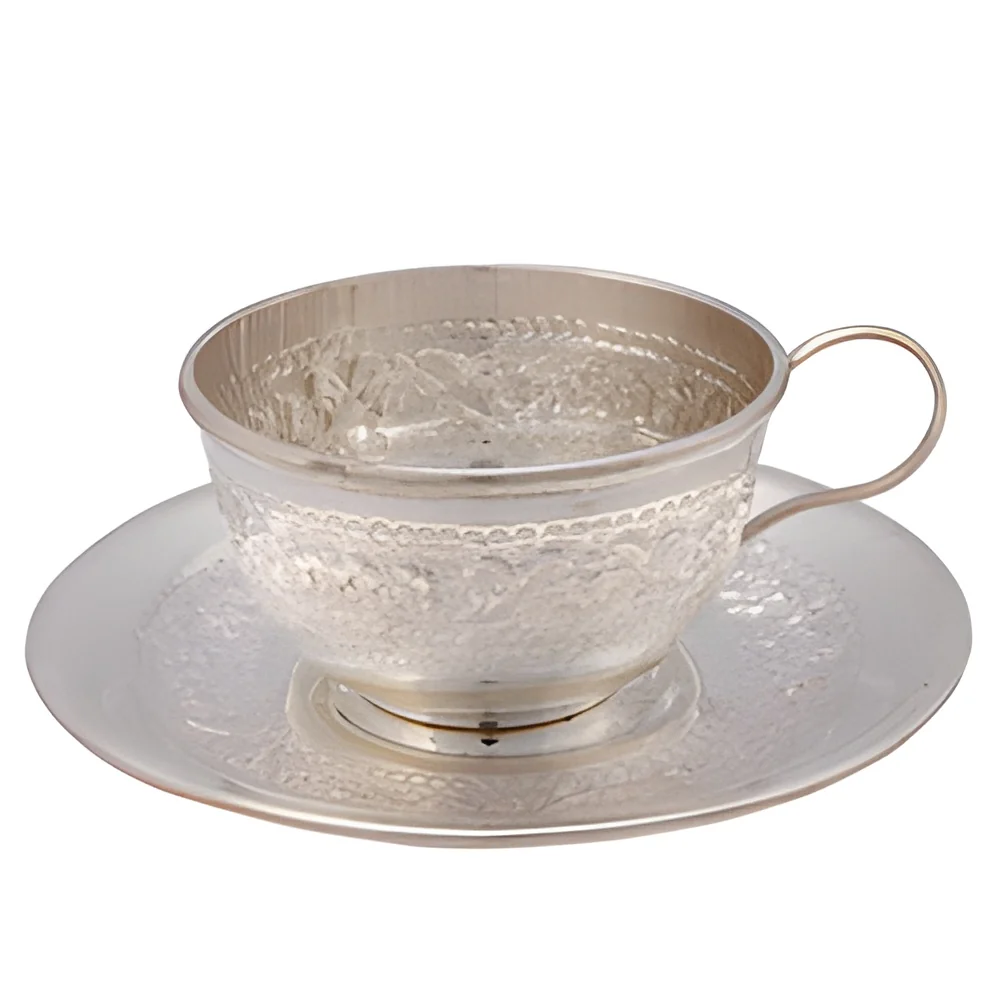
Plates designed for dinner, salad, and dessert are essential tableware items used in various dining settings. These plates come in different shapes, sizes, and materials, catering to specific food types and dining experiences. Dinner plates are typically larger and sturdier to hold main courses, while salad plates are smaller and often used for appetizers or lighter dishes. Dessert plates serve sweet treats and are usually smaller to accommodate portion control.
In the B2B context, these plates are fundamental in restaurants, catering services, hotels, and event venues. They enhance the dining experience and are crucial for food presentation. Businesses require durable, aesthetically pleasing plates to meet customer expectations and maintain operational efficiency. The market for these plates is vast, with manufacturers continuously innovating to meet trends and sustainability demands.
The industry relevance of dinner, salad, and dessert plates is significant. With the rise of the food service industry, the demand for quality tableware has increased. Businesses are looking for reliable suppliers who can provide plates that not only meet functional needs but also align with branding and customer preferences.
๐๐ฒ๐ ๐๐ฒ๐ฎ๐๐๐ฟ๐ฒ๐ ๐ฎ๐ป๐ฑ ๐ฆ๐ฝ๐ฒ๐ฐ๐ถ๐ณ๐ถ๐ฐ๐ฎ๐๐ถ๐ผ๐ป๐
Plates for dinner, salad, and dessert boast various features that enhance their usability and appeal. When sourcing these products, it is essential to understand the specifications that define their quality and performance.
Key specifications include:
1. Material Composition
- Common materials include porcelain, stoneware, melamine, and glass.
- Each material has distinct properties affecting durability and aesthetics.
2. Size and Dimensions
- Dinner plates typically range from 10 to 12 inches in diameter.
- Salad plates are generally 7 to 9 inches, while dessert plates are about 6 to 8 inches.
3. Weight Capacity
- Plates should support various food weights without flexing or breaking.
- Specifications vary by material, with porcelain being the heaviest and most durable.
4. Design and Color Options
- Available in a range of designs, from classic white to vibrant colors and patterns.
- Custom designs can be requested for branding purposes.
5. Heat Resistance
- Many plates are microwave and oven safe, allowing for versatile use.
- Heat resistance varies by material, with ceramic options typically performing better.
6. Dishwasher Safety
- Most plates are dishwasher safe for easy cleaning.
- Some materials may require hand washing to maintain appearance.
7. Stackability
- Plates designed for easy stacking save space in storage and during service.
- This feature is crucial for busy restaurants and catering services.
In summary, understanding these features and specifications helps businesses choose the right plates that align with their operational needs and customer expectations.
๐๐ผ๐บ๐บ๐ผ๐ป ๐๐ฝ๐ฝ๐น๐ถ๐ฐ๐ฎ๐๐ถ๐ผ๐ป๐ ๐ฎ๐ป๐ฑ ๐จ๐๐ฒ ๐๐ฎ๐๐ฒ๐
Plates for dinner, salad, and dessert serve various industries, each benefiting from their specific characteristics.
1. Restaurants: High-quality dinner plates enhance the dining experience and boost presentation, making meals more appealing.
2. Catering Services: Versatile plates are essential for events, allowing caterers to present a range of dishes elegantly.
3. Hotels: Plates play a crucial role in room service and dining areas, requiring durability and aesthetic appeal to match the hotelโs brand.
4. Event Venues: Large gatherings necessitate a variety of plates, ensuring that different courses are served appropriately.
5. Food Trucks: Lightweight and durable plates are ideal for mobile food services, providing convenience without sacrificing quality.
๐๐ฒ๐ป๐ฒ๐ณ๐ถ๐๐ ๐ฎ๐ป๐ฑ ๐๐ฑ๐๐ฎ๐ป๐๐ฎ๐ด๐ฒ๐
Choosing the right plates for dinner, salad, and dessert offers several advantages to businesses.
1. Enhanced Presentation: Quality plates improve the visual appeal of food, enticing customers and enhancing their dining experience.
2. Durability: High-quality materials ensure longevity, reducing replacement costs and improving overall value.
3. Versatility: Plates designed for multiple uses can accommodate different types of food, making them suitable for various occasions.
4. Ease of Cleaning: Dishwasher-safe options save time and labor in busy restaurant settings.
5. Customization: Businesses can create a unique identity by customizing plates with logos or specific designs.
6. Sustainability: Eco-friendly materials are available, allowing businesses to align with environmental goals and consumer preferences.
๐๐๐๐ถ๐ป๐ด ๐๐๐ถ๐ฑ๐ฒ ๐ณ๐ผ๐ฟ ๐๐ฎ๐ ๐๐๐๐ฒ๐ฟ๐
When sourcing plates for dinner, salad, and dessert, several critical factors should guide the buying decision.
1. Quality Assessment: Look for plates made from high-quality materials that can withstand daily use. Check for certifications that assure durability and safety.
2. Supplier Verification: Vet suppliers thoroughly to ensure they have a proven track record of reliability and quality. Consider requesting samples before making bulk orders.
3. Pricing and MOQ: Understand the pricing structure and minimum order quantities. Compare costs across suppliers to ensure competitive pricing while considering quality.
4. Delivery and Lead Times: Evaluate suppliers' logistics capabilities to ensure timely delivery. Consider potential delays and plan accordingly.
5. Compliance Requirements: Ensure that plates meet safety and health standards relevant to your industry. Check for certifications like CE that indicate compliance with European regulations.
๐๐ผ๐บ๐ฝ๐น๐ถ๐ฎ๐ป๐ฐ๐ฒ ๐ฎ๐ป๐ฑ ๐๐ฒ๐ฟ๐๐ถ๐ณ๐ถ๐ฐ๐ฎ๐๐ถ๐ผ๐ป๐
Compliance and certifications are crucial in ensuring that plates for dinner, salad, and dessert meet industry standards. Key quality standards include ISO 9001, which ensures consistent quality management, and HACCP, focusing on food safety. These standards help businesses maintain a high level of safety and quality in food service operations.
Industry certifications, such as CE marking, indicate that products meet European health, safety, and environmental requirements. This certification is essential for businesses serving clients in Europe or adhering to similar standards.
Safety and testing requirements also play a critical role, as plates must withstand various conditions without compromising food safety. Regional compliance considerations may differ, so it is essential to stay informed about local regulations that impact plate usage and sourcing.
Why Source Plates (Dinner, Salad, Dessert) from Pepagora?
Pepagora provides a trusted platform for sourcing plates for dinner, salad, and dessert, offering several key advantages for B2B buyers.
Verified Supplier Network: Pepagora connects buyers with a network of verified suppliers, ensuring reliability and quality in sourcing. This reduces the risk associated with selecting new vendors.
Streamlined RFQ Process: The platform features an efficient request for quotation (RFQ) process, allowing buyers to easily compare offers and make informed decisions based on their specific needs.
Trade Assurance and Support: With trade assurance measures in place, Pepagora protects buyers from potential risks, providing peace of mind throughout the purchasing process.
Regional Coverage: Pepagora covers a wide geographic area, including India, the GCC, and Southeast Asia. This extensive reach allows businesses to find suppliers that cater specifically to their regional requirements and preferences.