Key Features and Specifications
Bowls for soup, curry, and serving come with a range of features and specifications that enhance their usability and appeal. Selecting the right bowl involves understanding these features and how they align with business needs.
Key specifications include:
1. Material
- Common materials include ceramic, glass, stainless steel, and melamine.
- Each material offers distinct benefits such as durability, heat retention, and aesthetic appeal.
2. Size
- Bowls are available in various sizes, typically ranging from 8 to 20 ounces for soup and 12 to 30 ounces for curries.
- Size selection can impact portion control and presentation.
3. Shape
- Common shapes include round, square, and oval.
- Shape may influence serving style and aesthetic presentation.
4. Heat Resistance
- Many bowls are designed to withstand high temperatures, suitable for hot soups and curries.
- Heat resistance varies by material type.
5. Dishwasher and Microwave Safe
- Some bowls are labeled as safe for microwave and dishwasher use, enhancing convenience.
- Check for specific manufacturer guidelines.
6. Customization Options
- Many suppliers offer customization for branding, including logo printing.
- Custom designs can enhance brand visibility in restaurants.
7. Stackability
- Some bowls are designed to be stackable for easy storage.
- Stackability can save space in commercial kitchens.
8. Compliance with Safety Standards
- Many bowls meet food safety regulations, ensuring they are safe to use.
- Look for certifications like CE to ensure product quality.
In summary, understanding these features helps businesses choose the right bowls for their specific needs. Proper selection can enhance customer satisfaction and operational efficiency.
Common Applications and Use Cases
Bowls for soup, curry, and serving find extensive usage across various industries, each with unique applications.
1. Food Service Industry: Restaurants and cafes use these bowls for serving soups and curries as part of their menu offerings. The right bowl can improve presentation and elevate the dining experience.
2. Catering Services: Catering businesses often utilize these bowls for events, providing an easy way to serve large portions of food while maintaining a professional appearance.
3. Food Production: In food processing facilities, bowls may be used for mixing or holding ingredients before packaging. Their durability is essential in high-volume operations.
4. Meal Delivery Services: Many meal kit or food delivery services use these bowls for packaging meals. Their design allows for safe transport while maintaining food temperature.
5. Culinary Schools: Educational institutions incorporate these bowls in training kitchens, teaching students about proper serving techniques and meal presentation.
6. Hotels and Banquets: Hotels use them for buffet setups, allowing guests to serve themselves easily. The right bowl design can enhance the overall look of a buffet display.
7. Home Kitchens: Individuals use these bowls for everyday cooking and serving. The convenience and aesthetics of these bowls make them a staple in residential dining.
Product Variants and Subcategories
Bowls for soup, curry, and serving come in various designs, each catering to specific needs in culinary settings.
Ceramic Bowls
Ceramic bowls are popular for their aesthetic appeal and ability to retain heat. They are ideal for serving hot soups and curries in restaurants and homes. Available in various colors and patterns, they enhance table presentation.
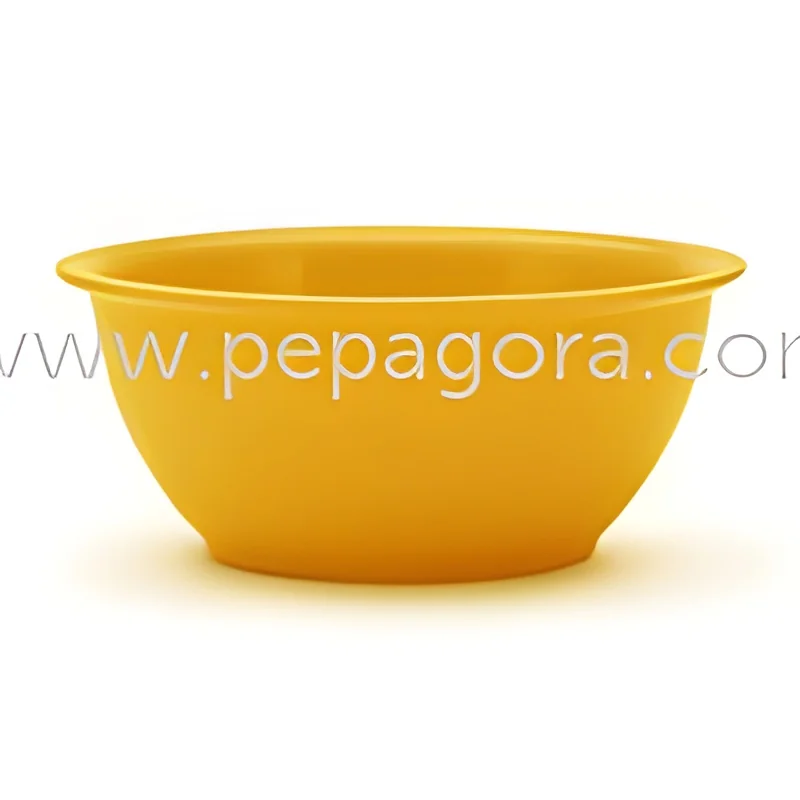
Melamine Bowls
These bowls are made from durable, lightweight plastic, making them ideal for outdoor events and catering. Melamine bowls are resistant to chipping and breaking, ensuring longevity and ease of use in busy environments.
Glass Bowls
Glass bowls offer a modern look and are perfect for showcasing colorful dishes. They are suitable for both serving and food preparation. Many glass bowls are microwave and dishwasher safe, enhancing their functionality.
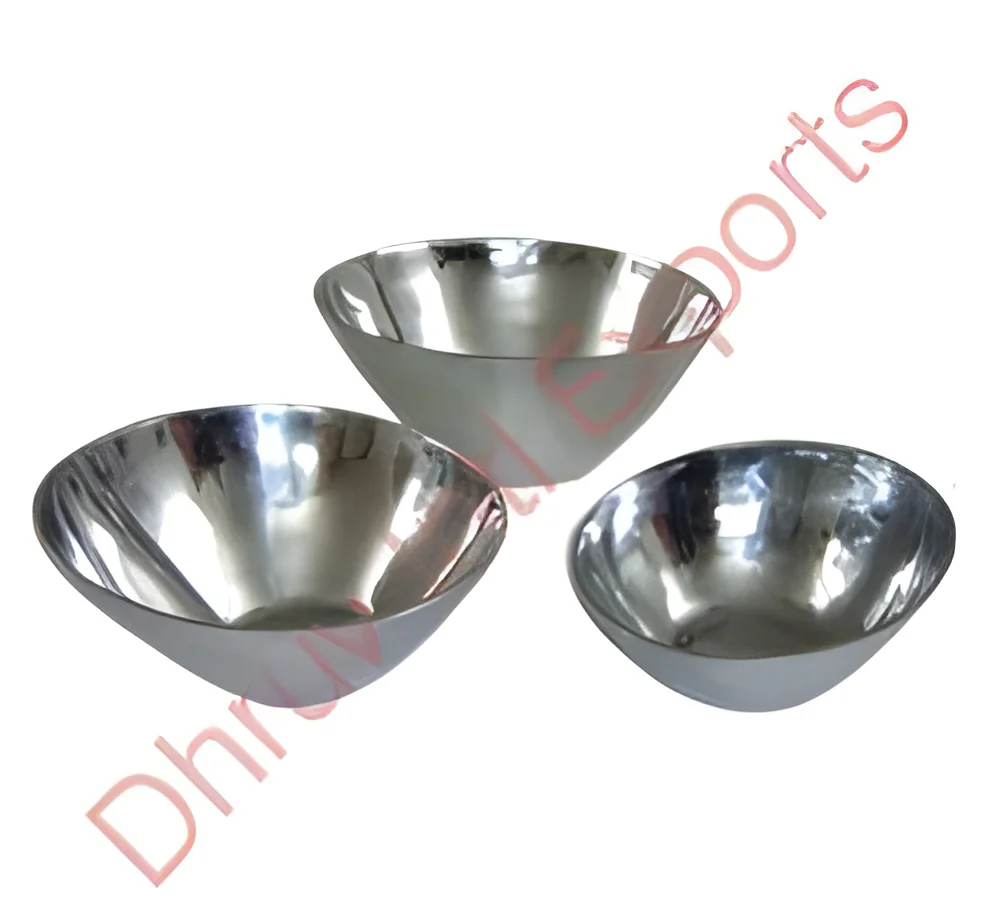
Stainless Steel Bowls
Stainless steel bowls are known for their durability and resistance to corrosion. They are often used in commercial kitchens for both cooking and serving. Their ability to withstand high temperatures makes them suitable for hot dishes.
Benefits and Advantages
Choosing the right bowls for soup, curry, and serving can provide significant benefits to businesses.
1. Enhanced Presentation: Attractive bowls can improve the visual appeal of dishes, making meals more enticing to customers.
2. Durability: High-quality bowls are designed to withstand daily use in busy kitchens. This reduces the need for frequent replacements.
3. Versatility: These bowls can serve multiple purposes, from cooking and serving to storage, enhancing their value to businesses.
4. Easy Maintenance: Many bowls are dishwasher safe, allowing for quick and convenient cleaning, which is critical in fast-paced environments.
5. Temperature Retention: Certain materials retain heat well, keeping soups and curries warm for longer periods, improving customer satisfaction.
6. Customization Options: Custom branding on bowls can boost brand visibility and create a unique dining experience for customers.
Buying Guide for B2B Buyers
When sourcing bowls for soup, curry, and serving, it is essential to consider several key factors to ensure quality and suitability.
1. Quality Assessment: Evaluate the material and construction of the bowls to ensure they meet durability standards for commercial use. Look for reputable brands with positive reviews.
2. Supplier Verification: Vet suppliers to confirm their reliability and track record. Consider checking for certifications and customer testimonials.
3. Pricing and MOQ: Assess pricing structures and minimum order quantities (MOQ). Ensure that the pricing aligns with your budget and expected return on investment.
4. Delivery and Lead Times: Understand the supplier's logistics capabilities. Confirm delivery times and any potential delays to avoid disruptions in service.
5. Compliance Requirements: Ensure that the bowls meet relevant food safety and quality standards. Compliance with regulations like CE can impact product selection.
Compliance and Certifications
Bowls for soup, curry, and serving must adhere to specific quality standards to ensure safety and usability. Relevant standards include ISO 9001, which focuses on quality management systems, ensuring products meet customer and regulatory requirements.
Industry certifications, such as CE marking, indicate compliance with European safety standards. This certification assures buyers that the products meet necessary health and safety regulations.
Safety and testing requirements are paramount in food service applications. Products should be tested for durability, heat resistance, and non-toxicity to ensure they are suitable for food contact.
Regional compliance considerations may vary, so businesses should be aware of local regulations regarding food safety and material use. This ensures that the products sourced are not only effective but also legally compliant.
Why Source Bowls (Soup, Curry, Serving) from Pepagora?
Pepagora offers a trusted platform for sourcing bowls for soup, curry, and serving, providing several key advantages to buyers.
Verified Supplier Network: Our network consists of vetted suppliers who have undergone thorough checks to ensure reliability and quality. This gives buyers confidence in their sourcing decisions.
Streamlined RFQ Process: The request for quotation (RFQ) process is efficient, allowing buyers to receive competitive pricing from multiple suppliers quickly. This saves time and helps in making informed decisions.
Trade Assurance and Support: Buyers benefit from trade assurance, ensuring protection throughout the transaction process. Our support team is available to assist with concerns or queries.
Regional Coverage: Pepagora has a broad geographic reach, serving buyers in India, the GCC, and Southeast Asia. This wide coverage allows businesses to connect with local suppliers and meet their sourcing needs effectively.

 IN
IN