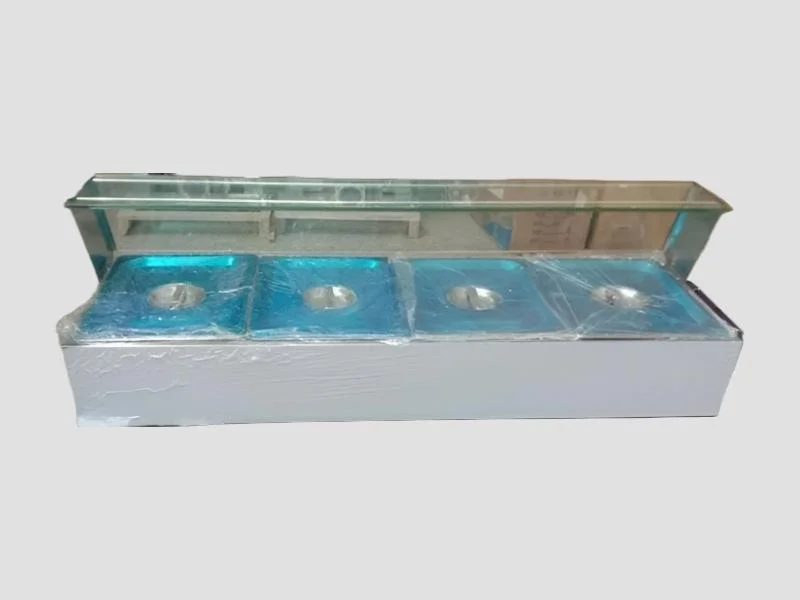
What are Stainless Steel Utensils?
Stainless steel utensils are kitchen tools made from stainless steel, an alloy that provides excellent resistance to corrosion and staining. These utensils are known for their durability and hygiene, making them ideal for various culinary applications. The smooth surface of stainless steel ensures easy cleaning and maintenance, which is crucial in both home and commercial kitchens.
In business applications, stainless steel utensils are widely used in restaurants, catering services, and food processing industries. Their ability to withstand high temperatures and harsh cleaning chemicals makes them suitable for commercial kitchens where efficiency and cleanliness are paramount. Additionally, the non-reactive nature of stainless steel ensures that food flavors remain unaltered, making them a preferred choice for chefs and food manufacturers.
The market for stainless steel utensils has grown significantly in recent years, driven by an increasing focus on food safety and sustainability. As consumers become more health-conscious, the demand for durable and safe kitchen tools continues to rise. This trend underscores the importance of stainless steel utensils in various sectors, reinforcing their relevance in modern culinary practices.
Key Features and Specifications
Stainless steel utensils come with several features and specifications that cater to different needs in the kitchen. Their design and material properties are crucial for ensuring longevity and performance.
Key specifications include:
1. Material Grade
- Commonly made from food-grade stainless steel, such as 304 and 316 grades
- Offers corrosion resistance and strength
2. Finish Type
- Available in various finishes, including polished, brushed, and matte
- Affects aesthetics and ease of cleaning
3. Heat Resistance
- Capable of withstanding high temperatures, making them safe for cooking
- Ideal for use in ovens, stovetops, and grilling
4. Weight
- Varies depending on the utensil type, ensuring balance and control
- Heavier utensils provide sturdiness, while lighter ones offer maneuverability
5. Dishwasher Safe
- Most stainless steel utensils are dishwasher safe
- Ensures convenience in cleaning and maintenance
6. Ergonomic Design
- Many utensils feature ergonomic handles for comfort
- Reduces strain during prolonged use in professional kitchens
7. Non-reactive Surface
- Prevents reactions with acidic or alkaline foods
- Ensures the integrity of food flavors during preparation
8. Customization Options
- Available in various sizes and shapes to meet specific culinary needs
- Many suppliers offer branding options for businesses
In summary, stainless steel utensils are versatile, durable, and designed to meet the demands of both home and professional kitchens. Their various features enhance usability and ensure longevity.
Common Applications and Use Cases
Stainless steel utensils serve various industries, thanks to their durability and hygiene.
1. Food Service Industry: Restaurants and catering services utilize stainless steel utensils for food preparation and serving, ensuring cleanliness and efficiency in high-volume environments.
2. Food Processing: Manufacturers of packaged foods rely on stainless steel utensils for their ability to withstand rigorous cleaning processes and maintain food safety standards.
3. Hospitality: Hotels and banquet facilities use these utensils for both kitchen and dining applications, benefiting from their aesthetic appeal and durability.
4. Healthcare: In hospitals and care facilities, stainless steel utensils are preferred for meal service due to their ease of sanitation and resistance to bacteria.
5. Educational Institutions: Schools and colleges use stainless steel utensils in cafeterias, promoting health and safety among students.
6. Catering: Mobile catering businesses favor stainless steel utensils for their lightweight and durable characteristics, making them easy to transport and clean.
7. Residential Kitchens: Home cooks appreciate stainless steel utensils for everyday cooking, valuing their longevity and ease of maintenance.
Product Variants and Subcategories
Stainless steel utensils come in various forms to cater to different culinary tasks.
Serving Spoons: These utensils are designed for dishing out portions of food. They typically have a broad, shallow bowl, making them perfect for serving soups, salads, and side dishes.
Cooking Utensils: This category includes spatulas, ladles, and tongs, which are essential for cooking and flipping food in pans. Their heat resistance makes them ideal for use on stovetops.
Cutlery: Stainless steel knives, forks, and spoons are popular for both casual and formal dining. Their durability ensures they can withstand daily use without losing their sharpness or shine.
Measuring Tools: Stainless steel measuring cups and spoons are essential for precision in cooking and baking. They are easy to clean and maintain their accuracy over time.
Benefits and Advantages
Stainless steel utensils offer numerous advantages that make them a preferred choice in various settings.
Key benefits include:
1. Durability: Stainless steel utensils are resistant to wear and tear, ensuring they last longer than alternatives made from plastic or wood.
2. Hygiene: Their non-porous surface does not harbor bacteria or odors, making them safe for food handling.
3. Easy Maintenance: Most stainless steel utensils are dishwasher safe, simplifying the cleaning process for busy kitchens.
4. Temperature Resistance: These utensils can withstand high heat, making them suitable for cooking and serving hot foods without warping or melting.
5. Aesthetic Appeal: Stainless steel has a sleek and modern look that complements any kitchen design, enhancing overall presentation.
6. Environmentally Friendly: Stainless steel is recyclable, making these utensils a more sustainable choice compared to single-use plastic products.
Buying Guide for B2B Buyers
When sourcing stainless steel utensils, it is essential to consider several factors to ensure quality and suitability for your needs.
1. Quality Assessment: Evaluate the material grade and construction of the utensils. Look for food-grade stainless steel to ensure safety and durability in food handling.
2. Supplier Verification: Vet suppliers carefully, checking for industry certifications and customer reviews. A reliable supplier will provide quality assurance and timely delivery.
3. Pricing and MOQ: Compare pricing among different suppliers, and be aware of minimum order quantities (MOQ) that may apply. This helps in budgeting and inventory planning.
4. Delivery and Lead Times: Discuss delivery schedules with suppliers to ensure your needs align with their production capabilities. Timely delivery is crucial for maintaining operations.
5. Compliance Requirements: Ensure that the utensils meet relevant safety and quality standards. This may include certifications such as CE and compliance with local regulations.
Compliance and Certifications
Stainless steel utensils must adhere to various industry standards to ensure quality and safety. Relevant quality standards such as ISO 9001 illustrate a commitment to quality management systems in manufacturing.
Certifications like CE indicate that products meet European safety, health, and environmental protection standards. These certifications are essential for businesses operating in regulated markets.
Safety and testing requirements are also critical in ensuring that utensils are free from harmful substances and are safe for food contact. Regular testing for durability and hygiene helps maintain high standards of product quality.
Additionally, regional compliance considerations may vary, so it is important for businesses to understand the specific regulations applicable in their operating regions to avoid legal issues and ensure product acceptance.
Why Source Stainless Steel Utensils from Pepagora?
Pepagora provides a trusted platform for sourcing stainless steel utensils, ensuring that buyers have access to quality products and reliable suppliers.
Verified Supplier Network: Pepagora's extensive network of verified suppliers guarantees that buyers can find reputable sources for stainless steel utensils. This reduces the risk of sourcing from unverified vendors.
Streamlined RFQ Process: The platform offers a user-friendly Request for Quotation (RFQ) process, allowing buyers to easily compare prices and specifications from different suppliers. This efficiency leads to better purchasing decisions.
Trade Assurance and Support: Pepagora provides trade assurance, protecting buyers from potential issues during the procurement process. This support fosters confidence in transactions and promotes a smoother buying experience.
Regional Coverage: With a focus on markets in India, the GCC, and Southeast Asia, Pepagora offers regional coverage that helps buyers connect with local suppliers while ensuring compliance with regional standards and preferences.
By choosing Pepagora, businesses can enhance their sourcing process for stainless steel utensils, benefiting from quality assurance, competitive pricing, and dedicated support.

 IN
IN