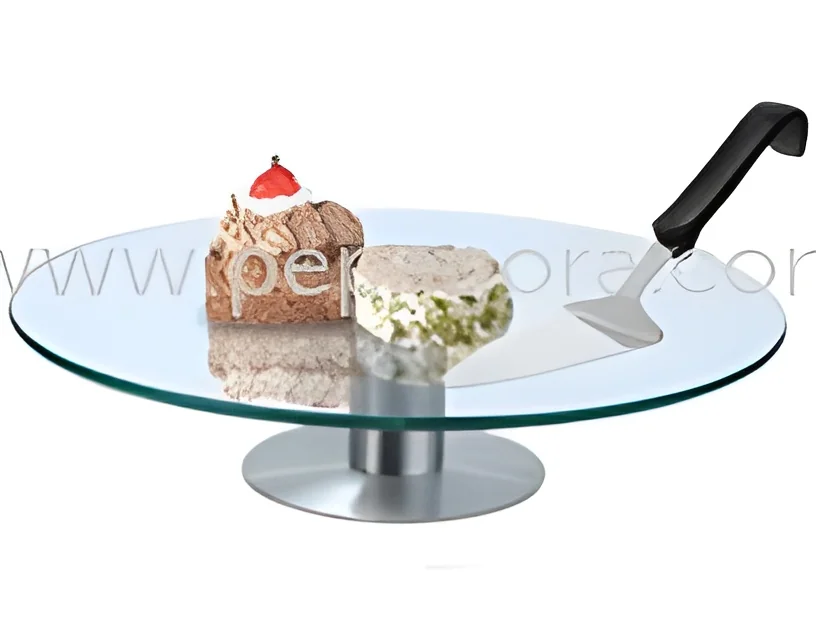
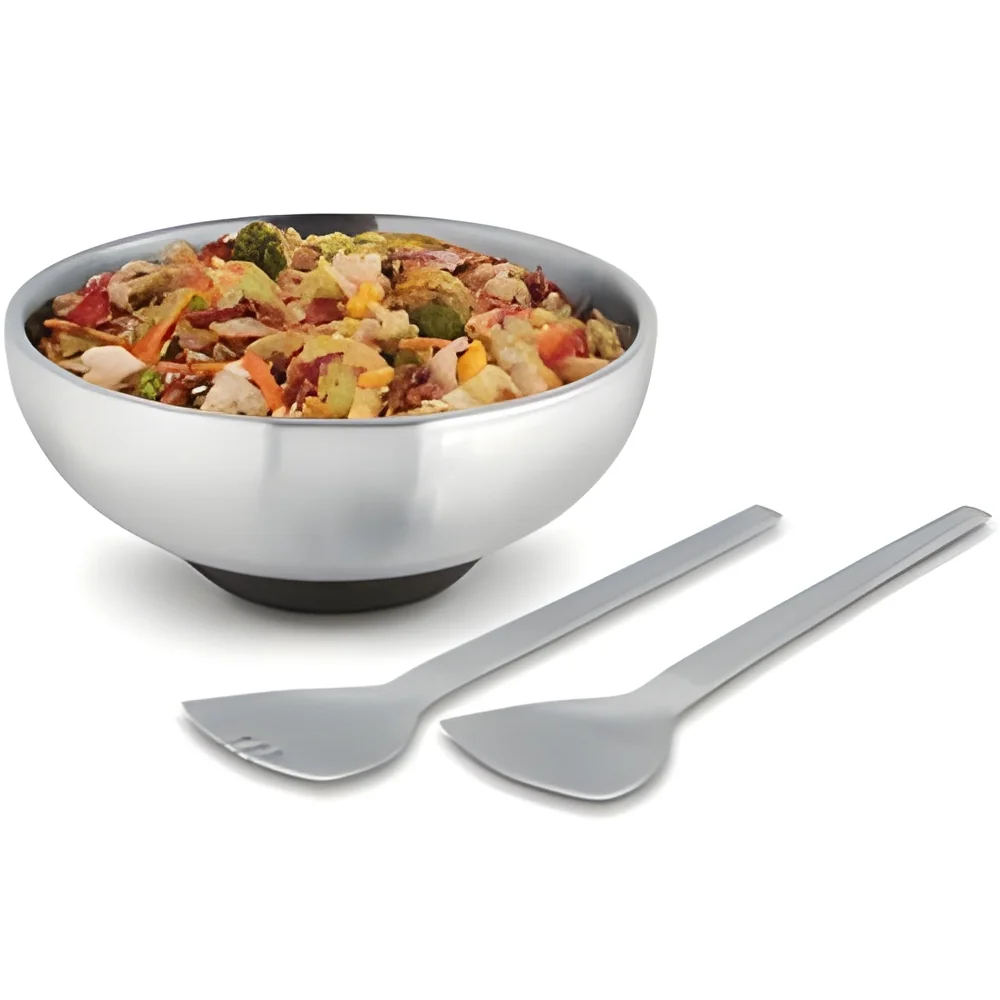
𝗪𝗵𝗮𝘁 𝗮𝗿𝗲 𝗧𝗮𝗯𝗹𝗲𝘄𝗮𝗿𝗲 & 𝗦𝗲𝗿𝘃𝗲𝘄𝗮𝗿𝗲?
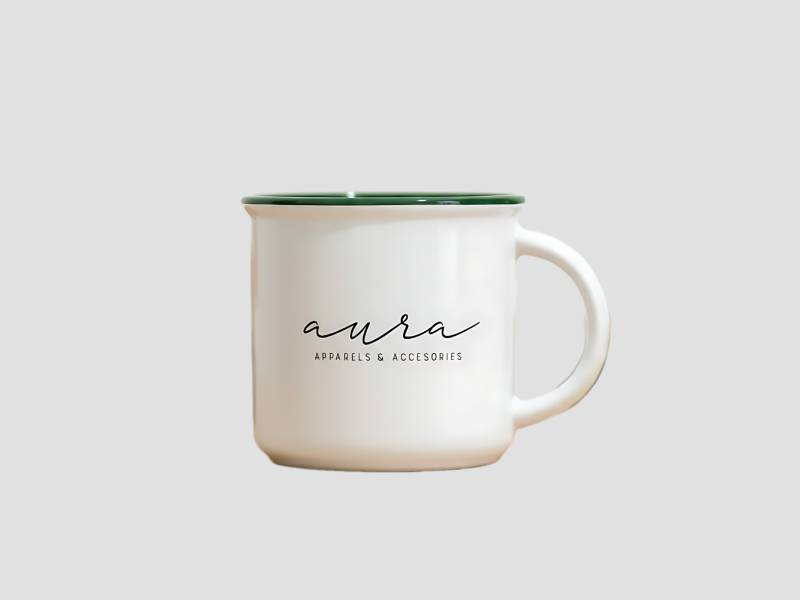
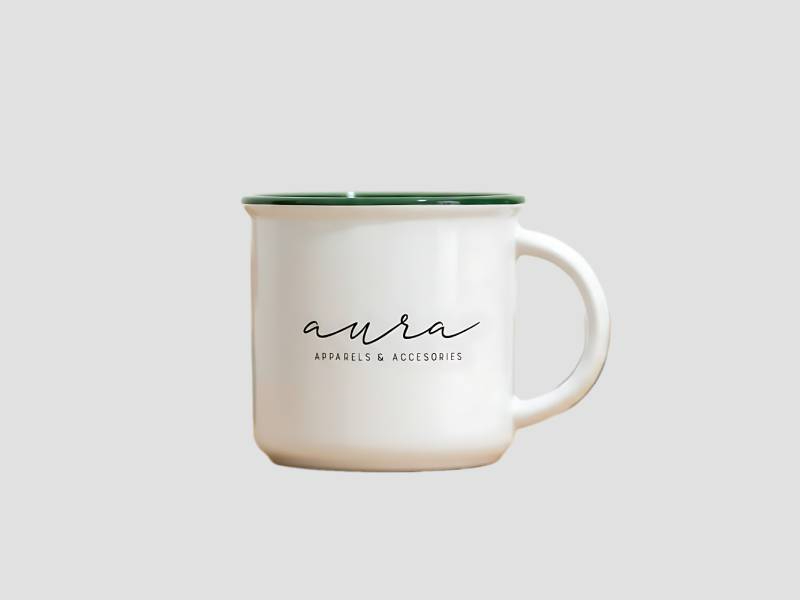
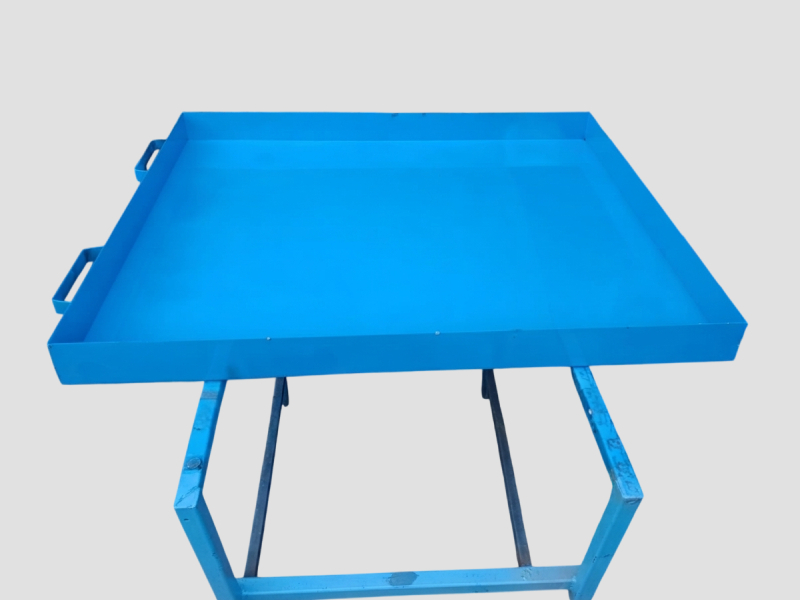
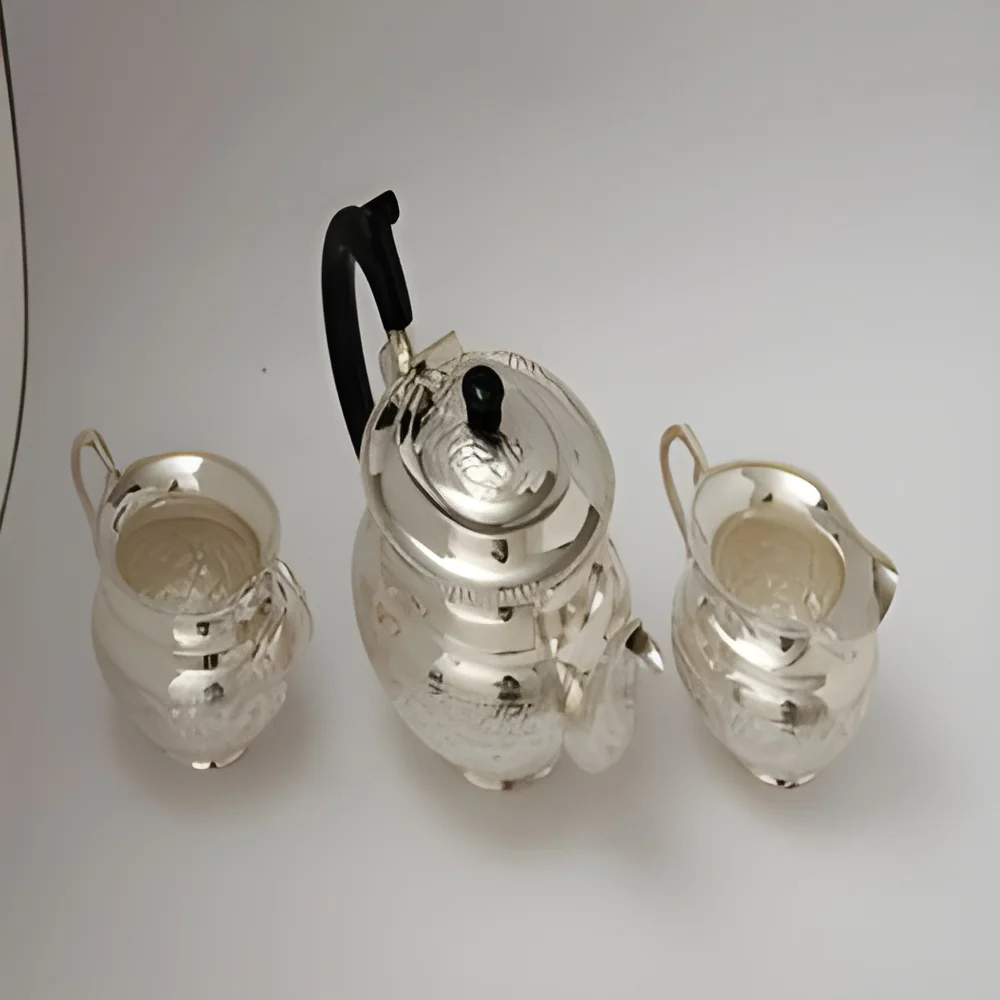
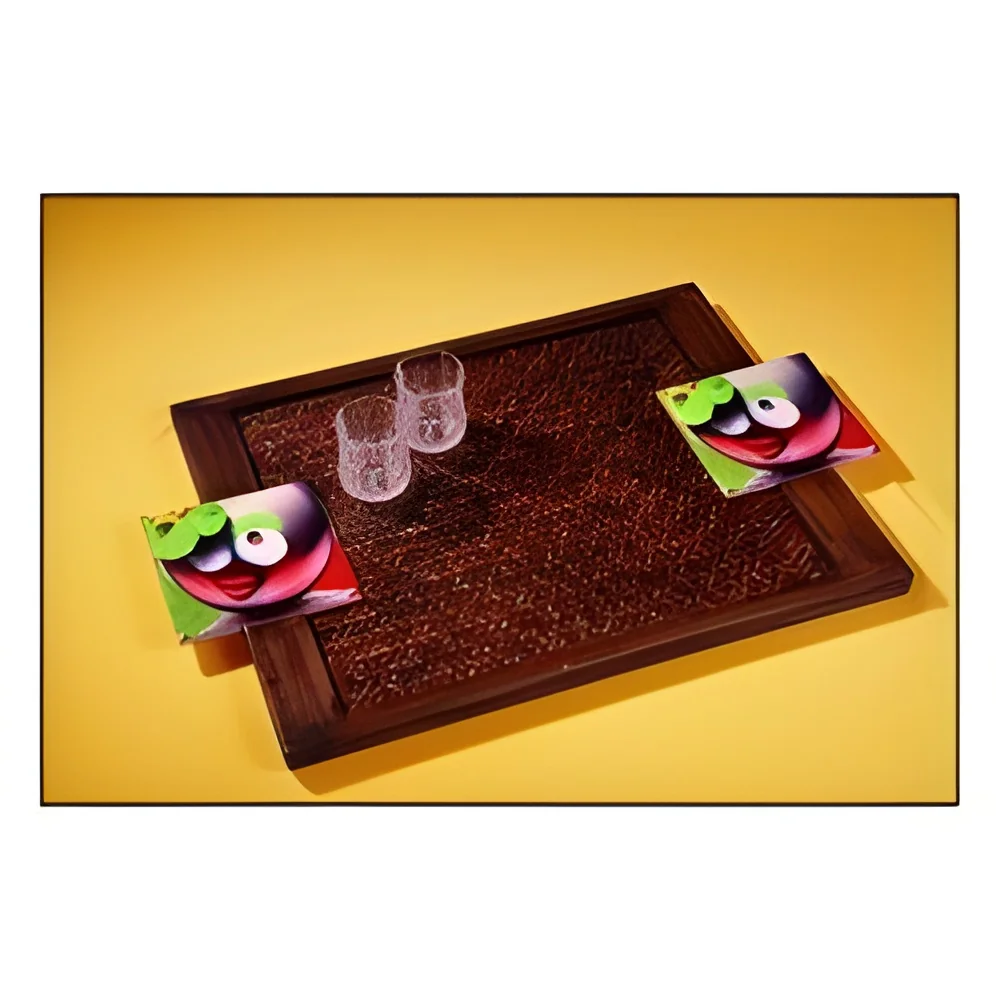
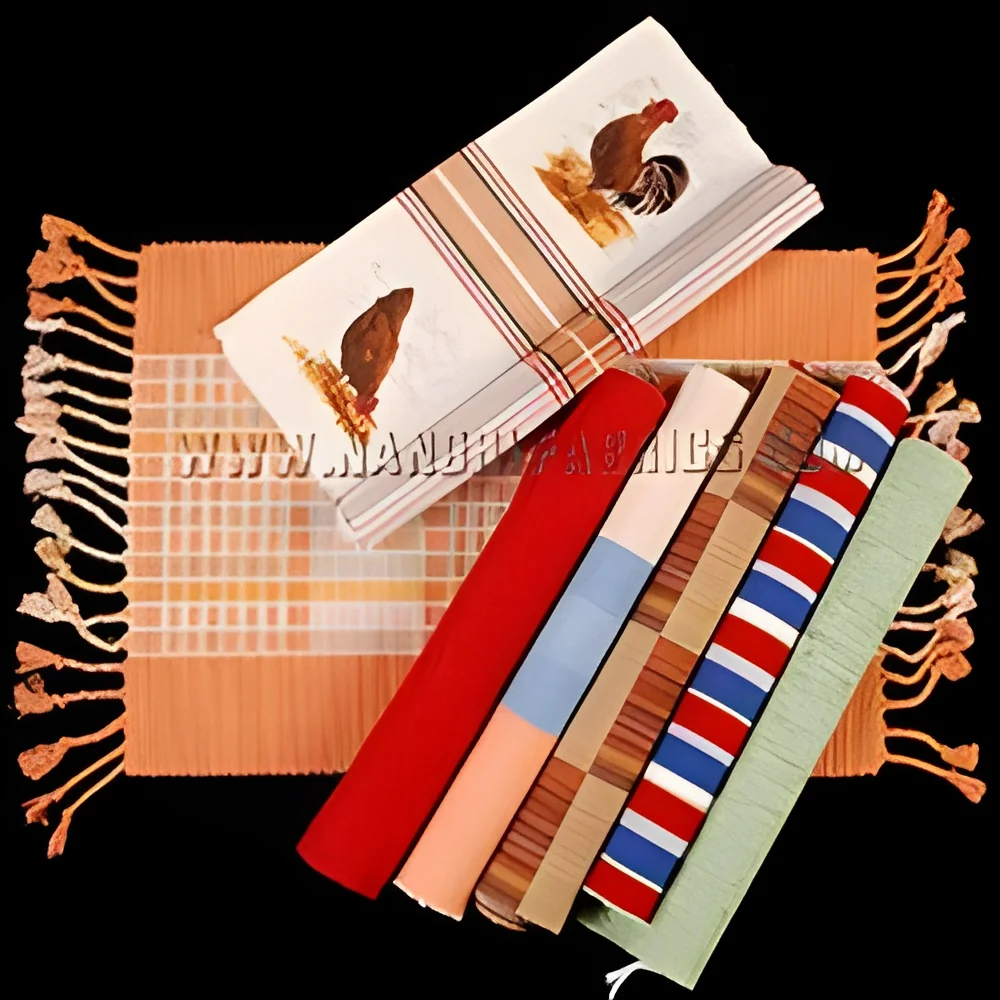
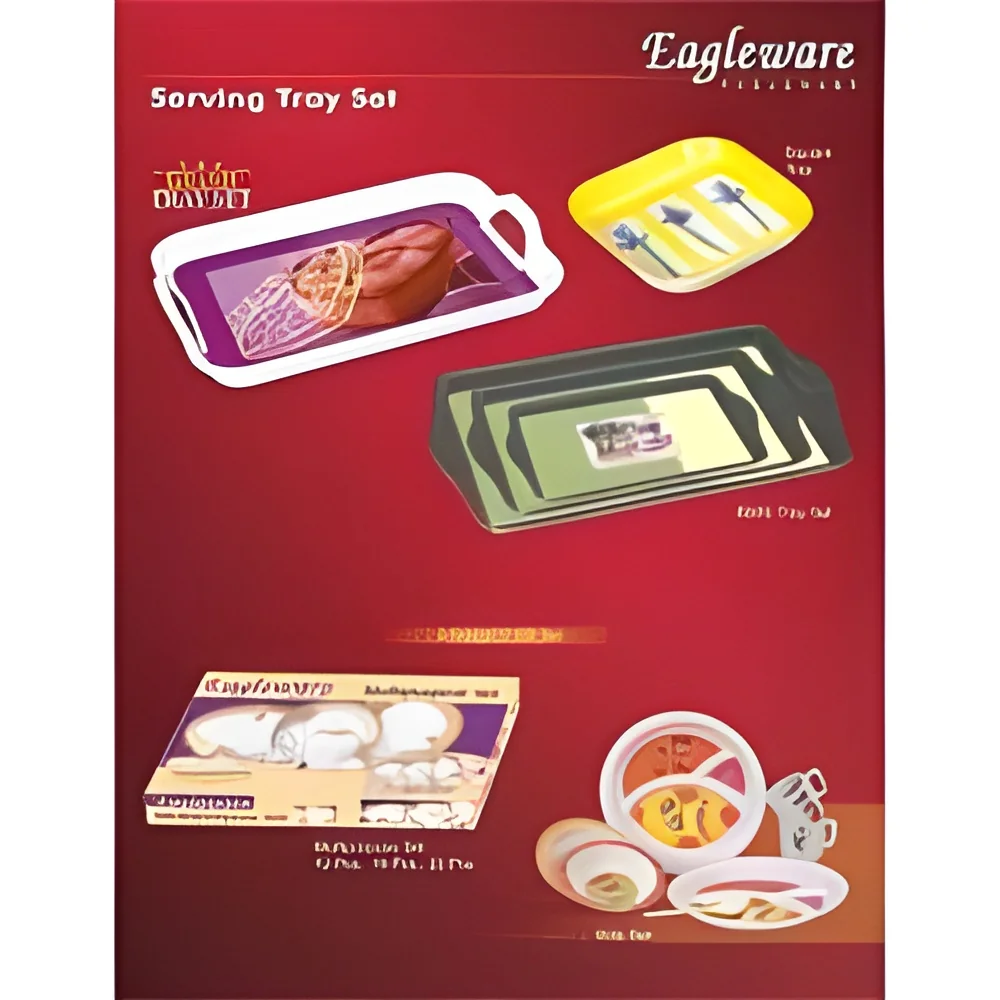
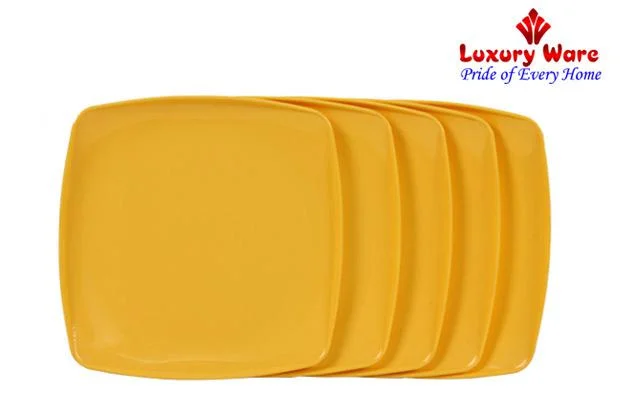
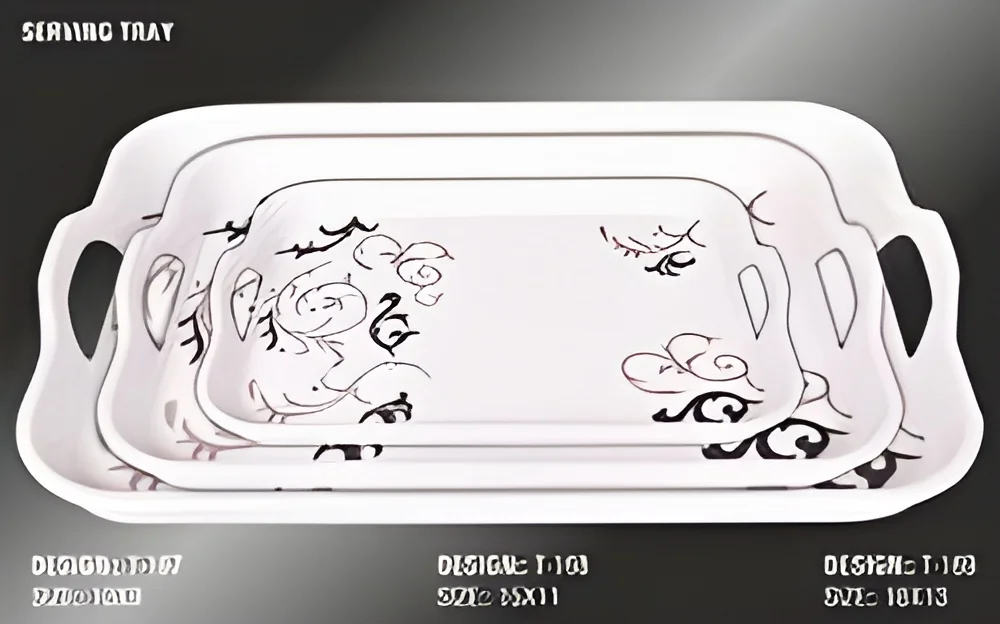
Tableware and serveware encompass a wide range of products designed for dining and food presentation. Tableware generally includes items such as plates, bowls, utensils, and glasses that are used for serving and consuming food. Serveware, on the other hand, refers to larger items used for presenting food, including serving platters, bowls, and trays. Both categories play a crucial role in enhancing the dining experience by ensuring that food is served in an aesthetically pleasing and functional manner.
These products are primarily used in restaurants, hotels, catering services, and other food service establishments. They are essential for creating a professional environment that meets the expectations of customers. High-quality tableware and serveware can significantly influence the dining experience, making it more enjoyable and memorable. With a growing emphasis on presentation in the culinary world, the demand for stylish and durable tableware and serveware is on the rise, making this market highly relevant in today’s hospitality industry.
The tableware and serveware industry is characterized by a diverse array of materials, styles, and designs, catering to various customer preferences. As the market expands, manufacturers are increasingly focusing on sustainability and innovation, developing products that not only meet functional needs but also align with consumer values regarding environmental responsibility.
𝗞𝗲𝘆 𝗙𝗲𝗮𝘁𝘂𝗿𝗲𝘀 𝗮𝗻𝗱 𝗦𝗽𝗲𝗰𝗶𝗳𝗶𝗰𝗮𝘁𝗶𝗼𝗻𝘀
Tableware and serveware come with multiple features and specifications that cater to the needs of various businesses. When selecting these products, it is important to consider factors such as durability, design, and material.
Key specifications include:
1. Material Composition
- Options include ceramic, glass, stainless steel, and plastic.
- Each material offers different levels of durability and aesthetic appeal.
2. Size and Dimensions
- Available in various sizes to accommodate different serving needs.
- Standard sizes for plates and bowls typically range from 6 to 14 inches in diameter.
3. Weight Capacity
- Designed to hold varying weights depending on the type of food.
- Important for ensuring stability during service.
4. Temperature Resistance
- Some products are designed to withstand high temperatures for hot foods.
- Specifications can vary widely based on materials used.
5. Dishwasher and Microwave Safe
- Many items are designed to be safe for dishwasher cleaning and microwave use.
- This feature enhances convenience for food service operators.
6. Customization Options
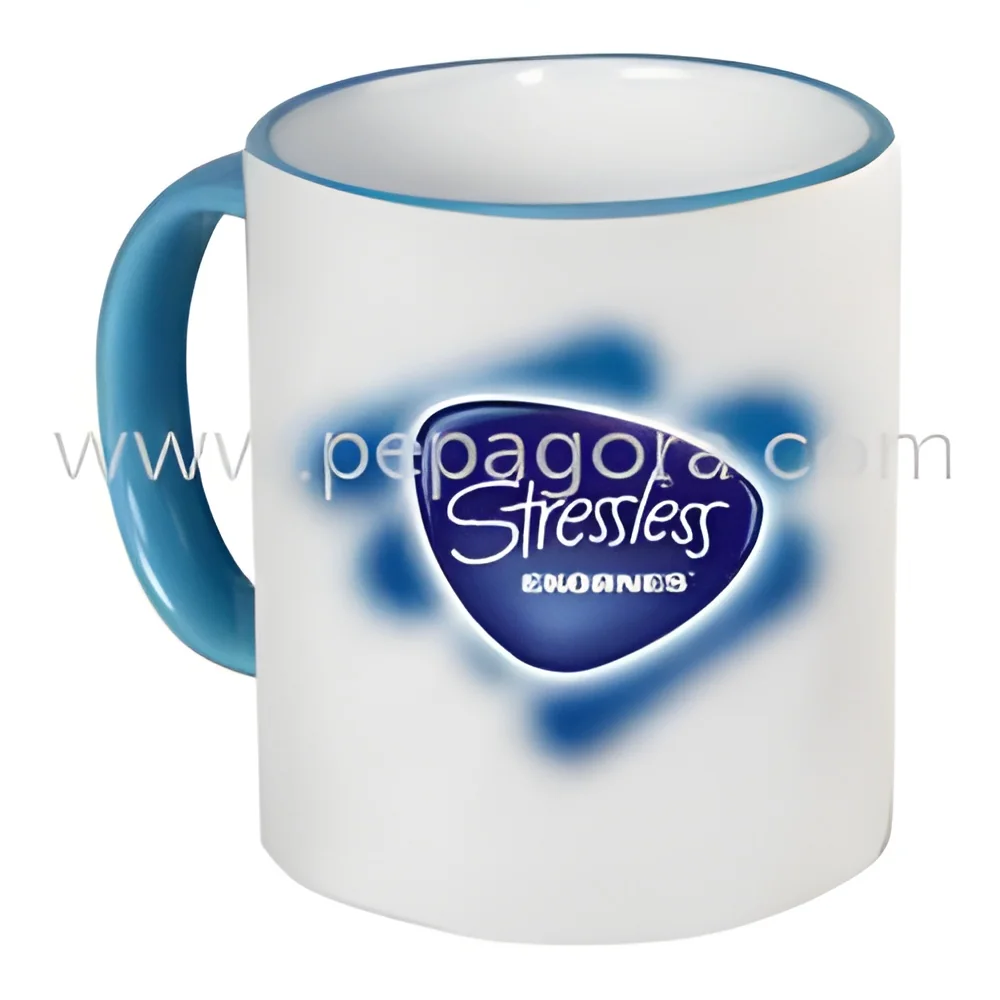
- Many suppliers offer customization, including branding and design modifications.
- Ideal for businesses looking to create a unique dining experience.
7. Color and Design Variations
- Available in a wide range of colors and styles to match different themes.
- Options include classic, modern, and rustic designs.
8. Compliance with Industry Standards
- Many products meet standards such as CE certification.
- Ensures safety and quality for food service usage.
In summary, selecting the right tableware and serveware involves understanding these specifications and choosing products that align with both operational needs and customer expectations.
𝗖𝗼𝗺𝗺𝗼𝗻 𝗔𝗽𝗽𝗹𝗶𝗰𝗮𝘁𝗶𝗼𝗻𝘀 𝗮𝗻𝗱 𝗨𝘀𝗲 𝗖𝗮𝘀𝗲𝘀
Tableware and serveware serve a multitude of industries, each with specific applications that enhance food presentation and service.
1. Restaurants: Restaurants utilize a variety of tableware and serveware to create an appealing dining atmosphere. High-quality plates and utensils can elevate the overall customer experience.
2. Hotels: Hotels use elegant serveware for buffet setups and room service, ensuring that meals are presented attractively to guests.
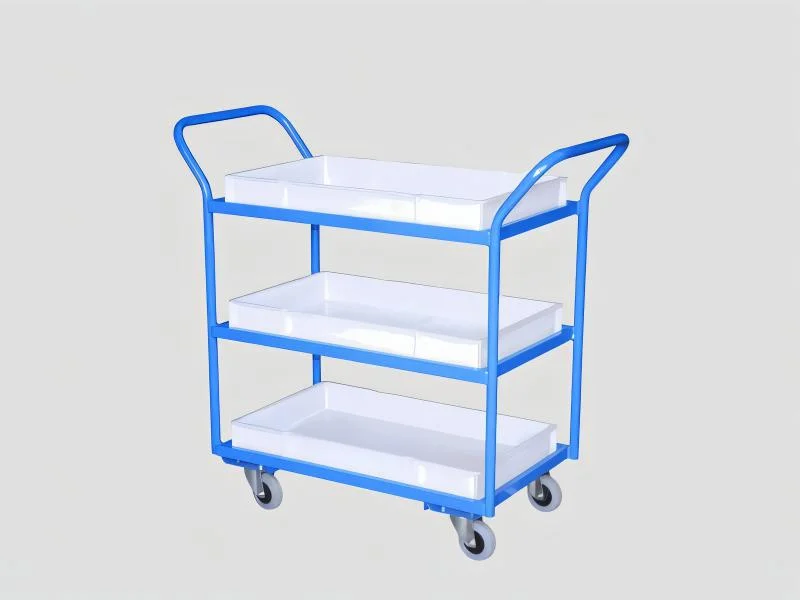
3. Catering Services: Catering companies rely on durable and transportable serveware to deliver meals for events. The right products can enhance the presentation of food at large gatherings.
4. Cafés: Cafés often use unique tableware to establish a distinctive brand identity. Creative designs can attract customers and encourage social media sharing.
5. Banquet Halls: Banquet halls require versatile serveware that can accommodate a range of dishes for events. Customization options can enhance the decor.
6. Food Trucks: Food trucks benefit from practical and lightweight tableware that is easy to transport and clean, allowing for efficient service in mobile settings.
7. Educational Institutions: Schools and universities use durable tableware and serveware that can withstand heavy use while maintaining safety standards.
𝗣𝗿𝗼𝗱𝘂𝗰𝘁 𝗩𝗮𝗿𝗶𝗮𝗻𝘁𝘀 𝗮𝗻𝗱 𝗦𝘂𝗯𝗰𝗮𝘁𝗲𝗴𝗼𝗿𝗶𝗲𝘀
Tableware and serveware are diverse, offering various product variants that cater to different preferences and needs.
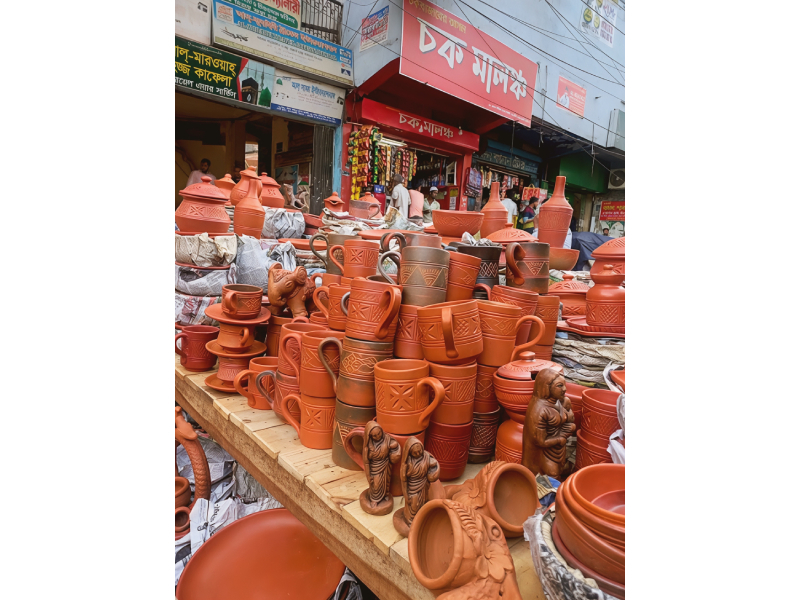
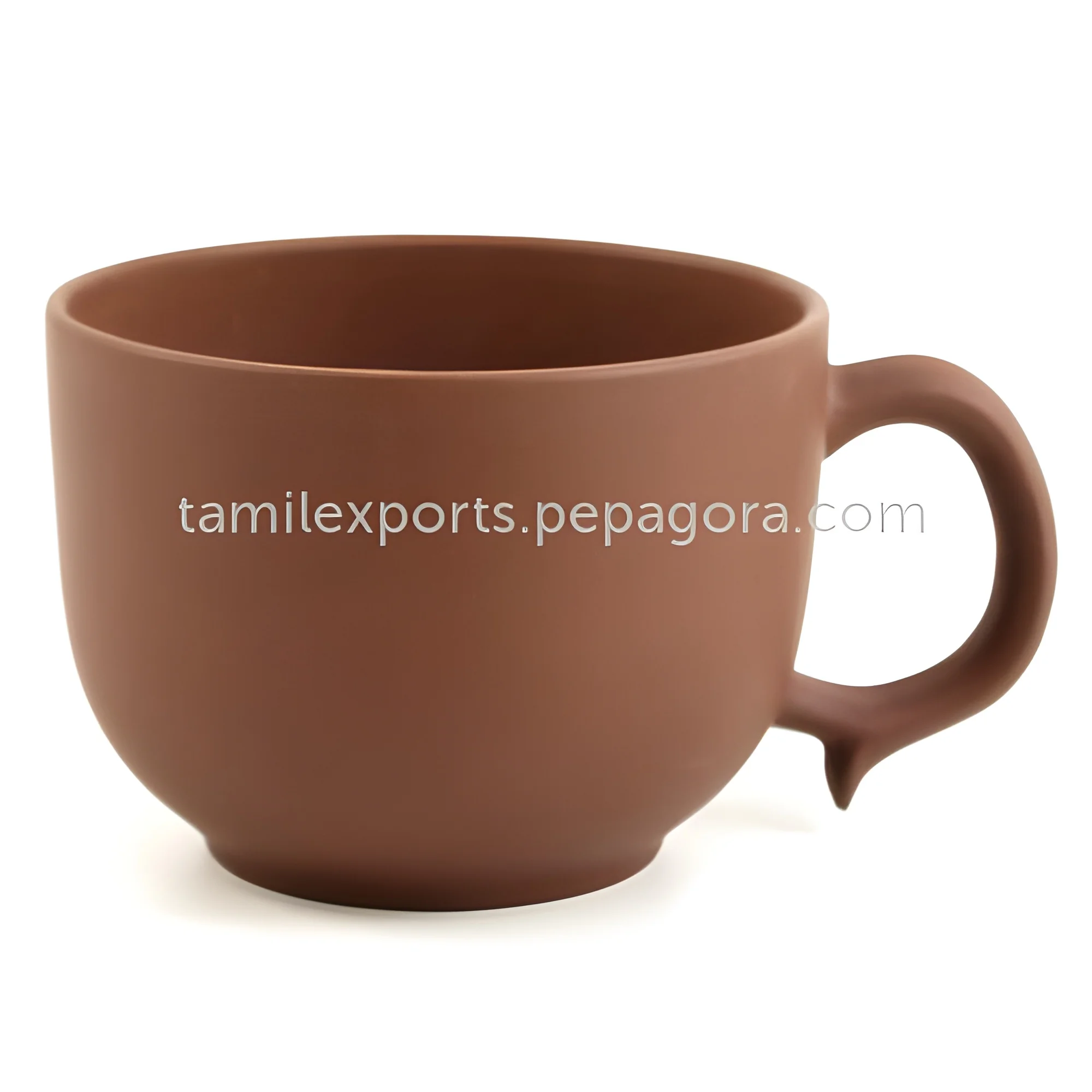
Ceramic Tableware
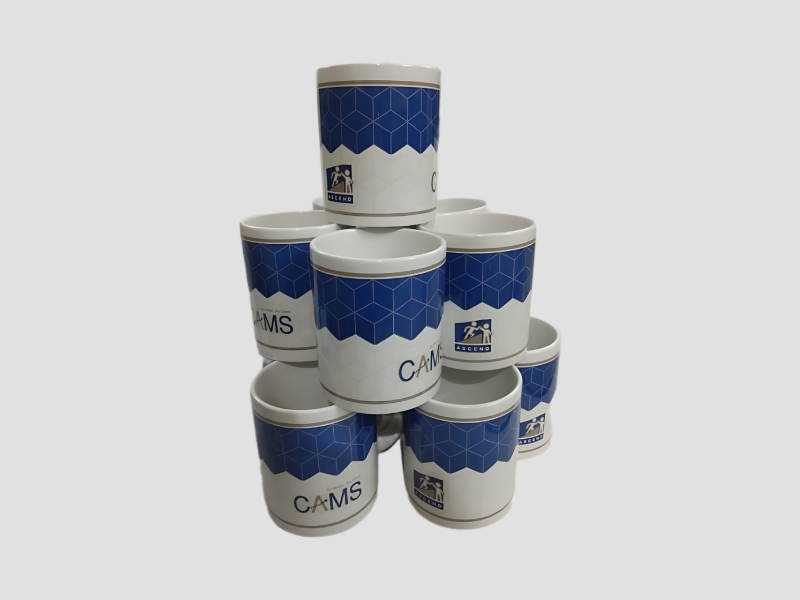
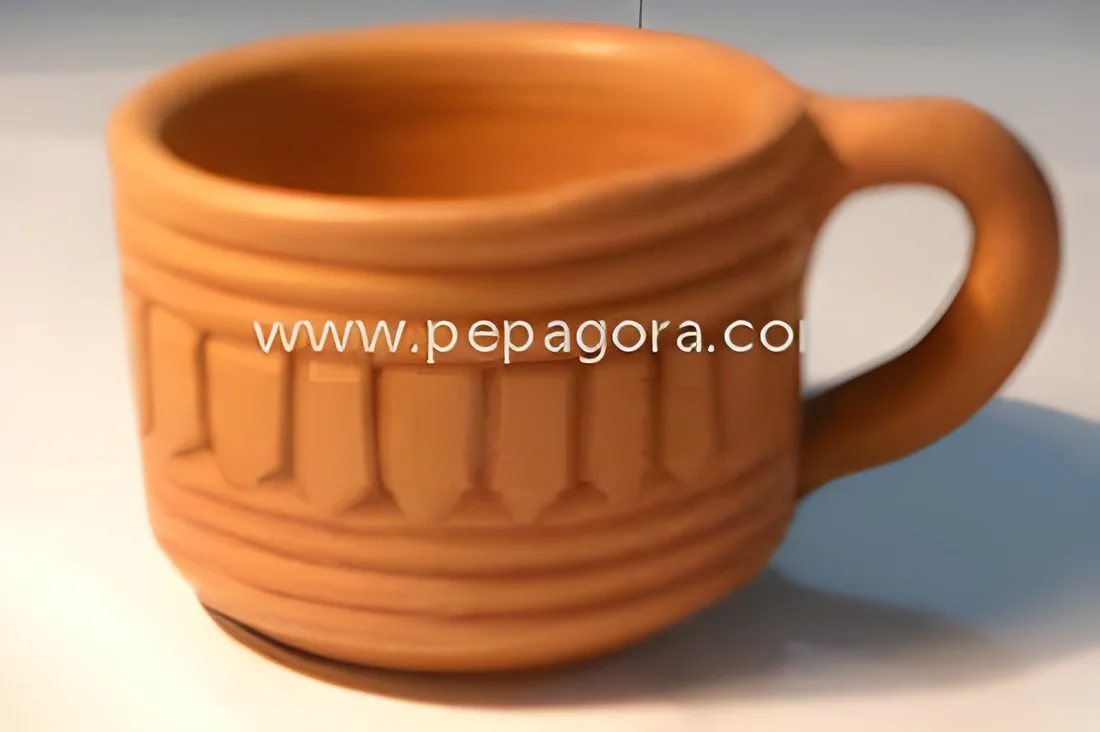
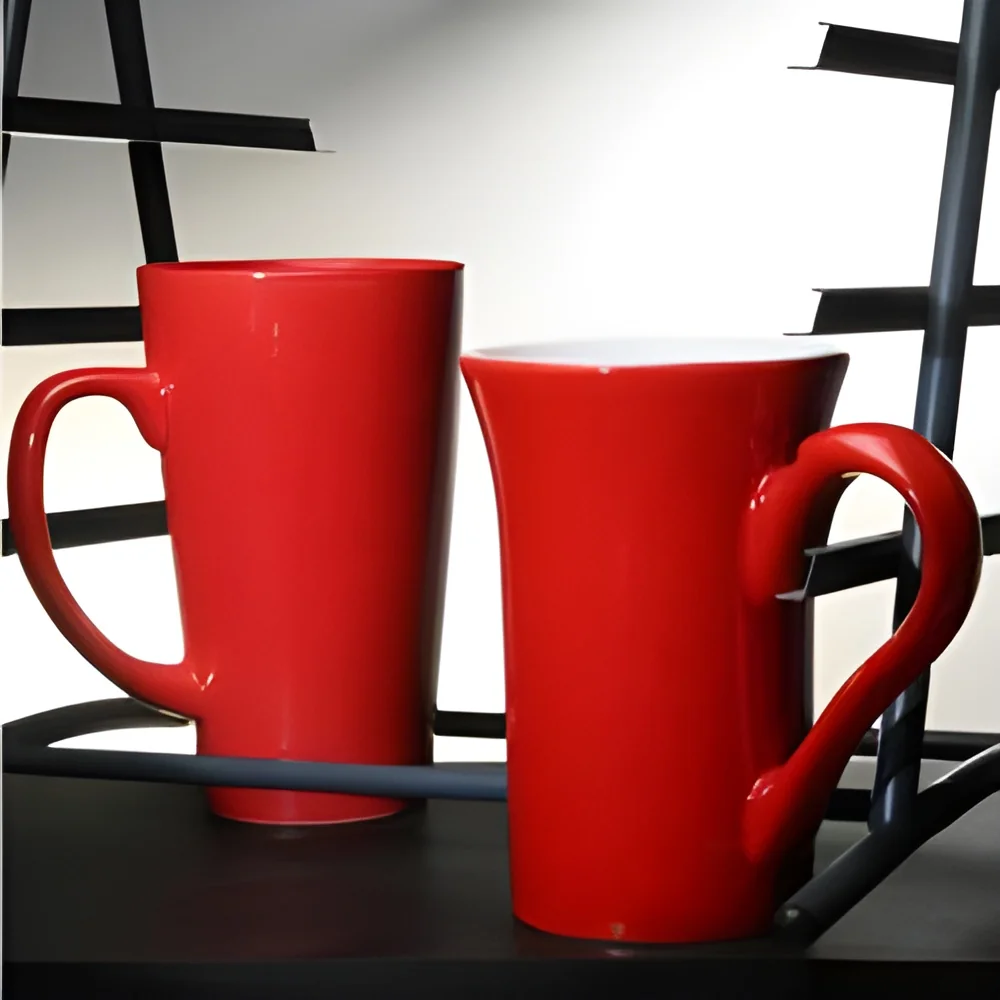
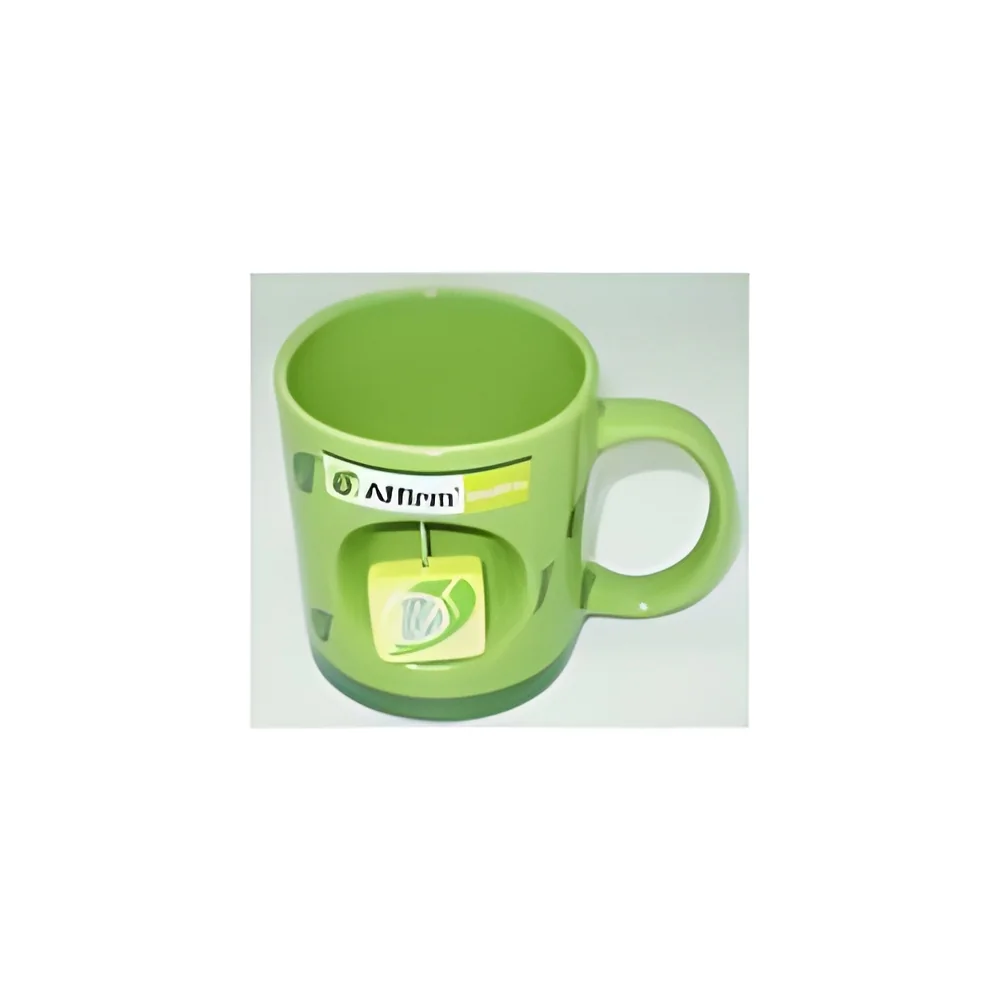
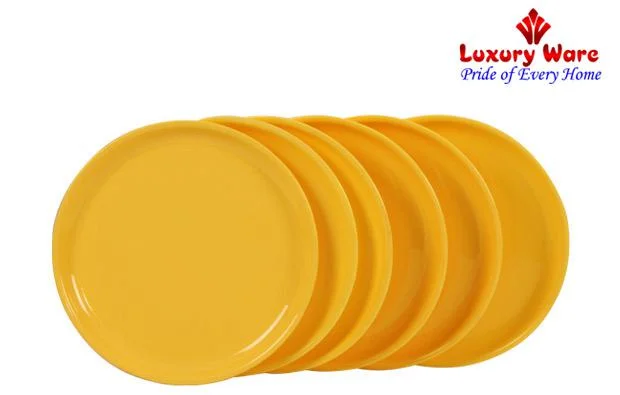
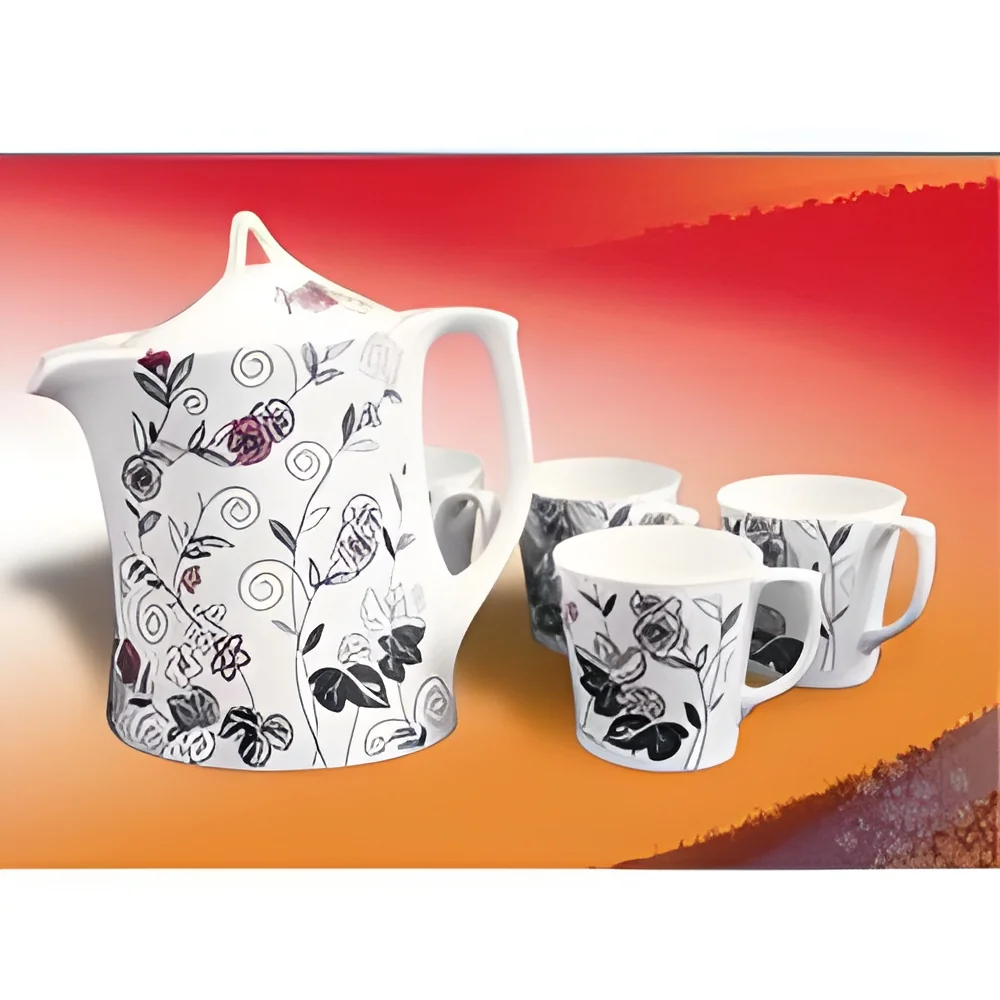
Ceramic tableware is popular for its aesthetic appeal and durability. It is often used in fine dining settings and can be found in an array of colors and patterns.
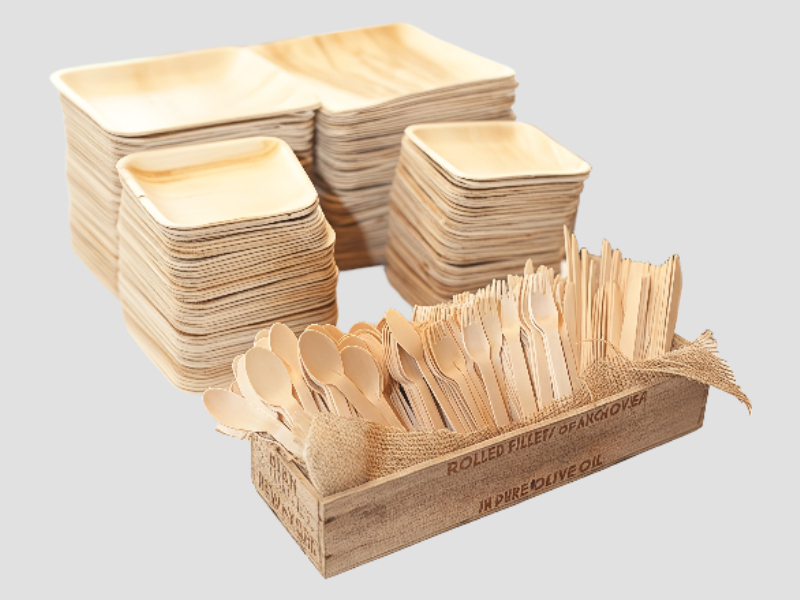
Bamboo Serveware
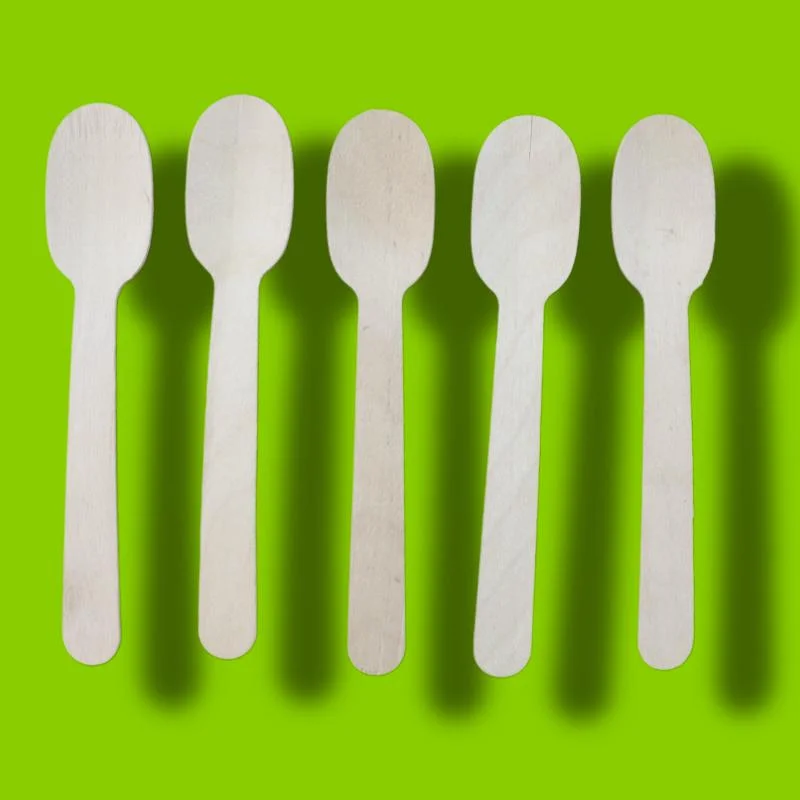
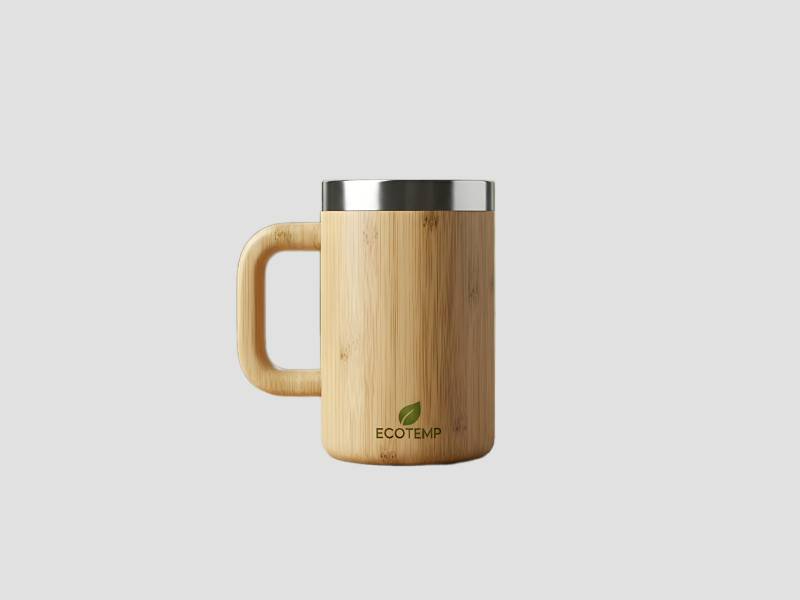
Bamboo serveware is an eco-friendly option that is lightweight and sustainable. It is ideal for casual dining and outdoor events, providing a natural look.
Glass Tableware
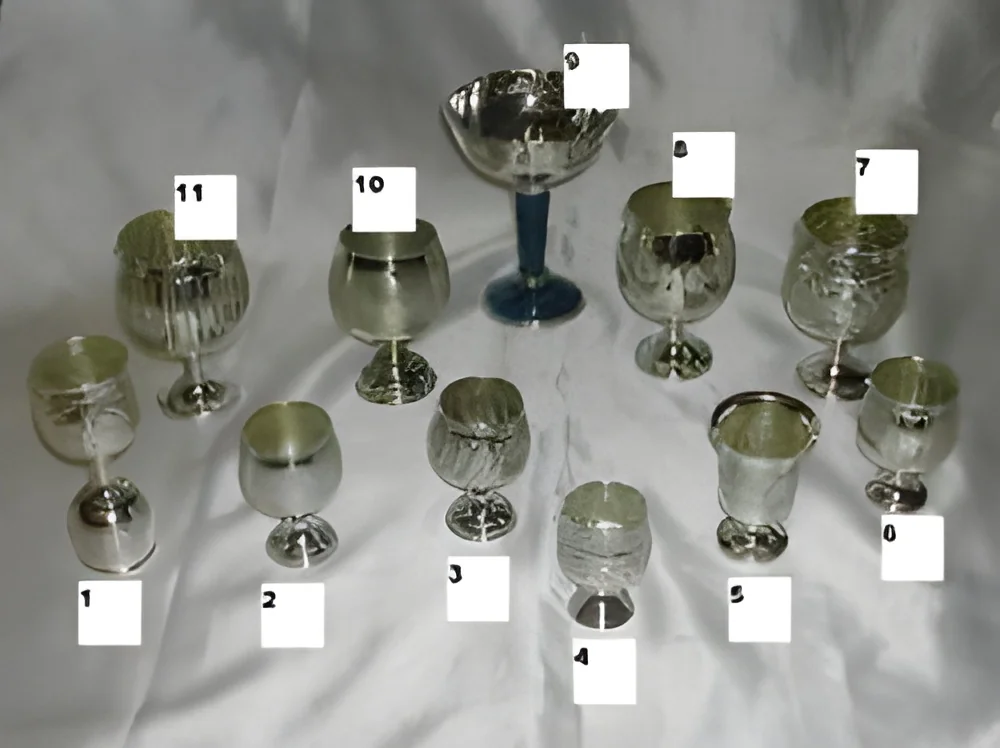
Glass tableware is favored for its elegance and versatility. It is often used in upscale restaurants and events where presentation is key.
Plastic Tableware
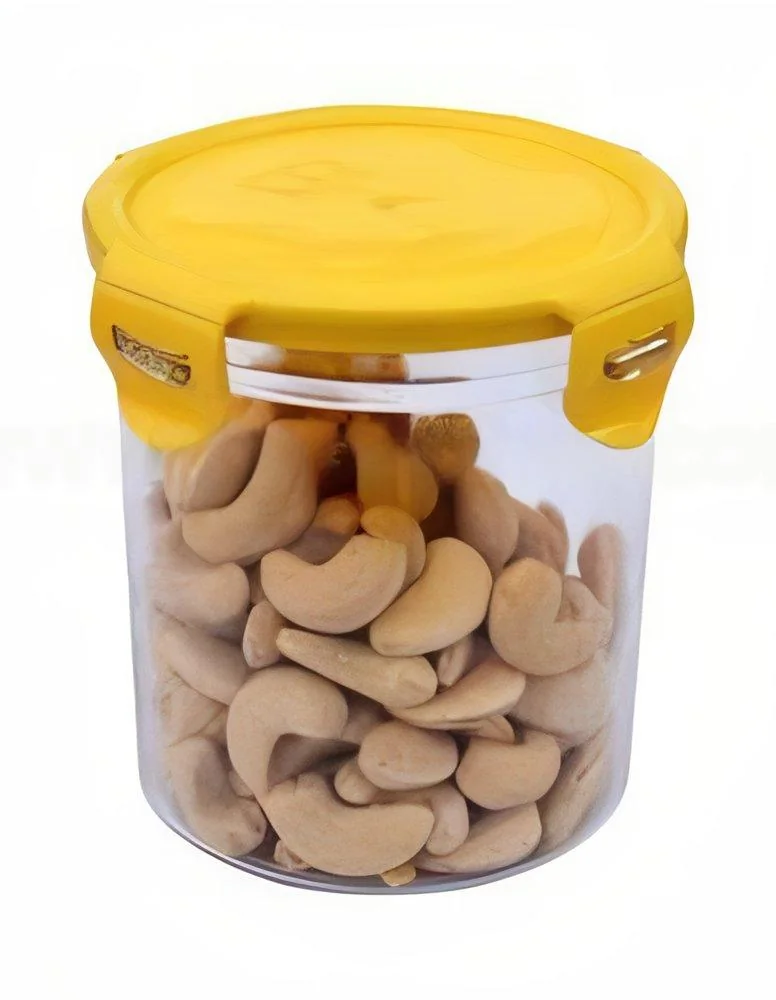
Plastic tableware is a cost-effective solution for casual dining and outdoor settings. It is lightweight and disposable, making it convenient for large gatherings.
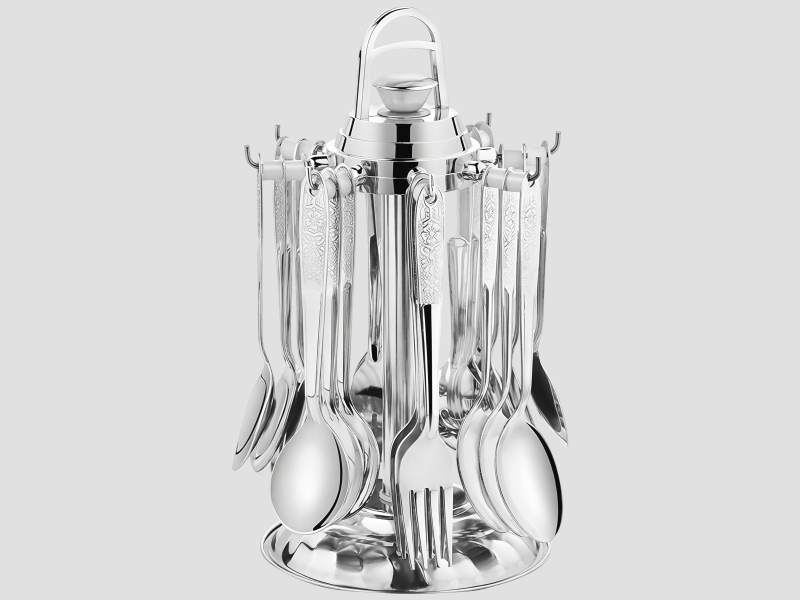
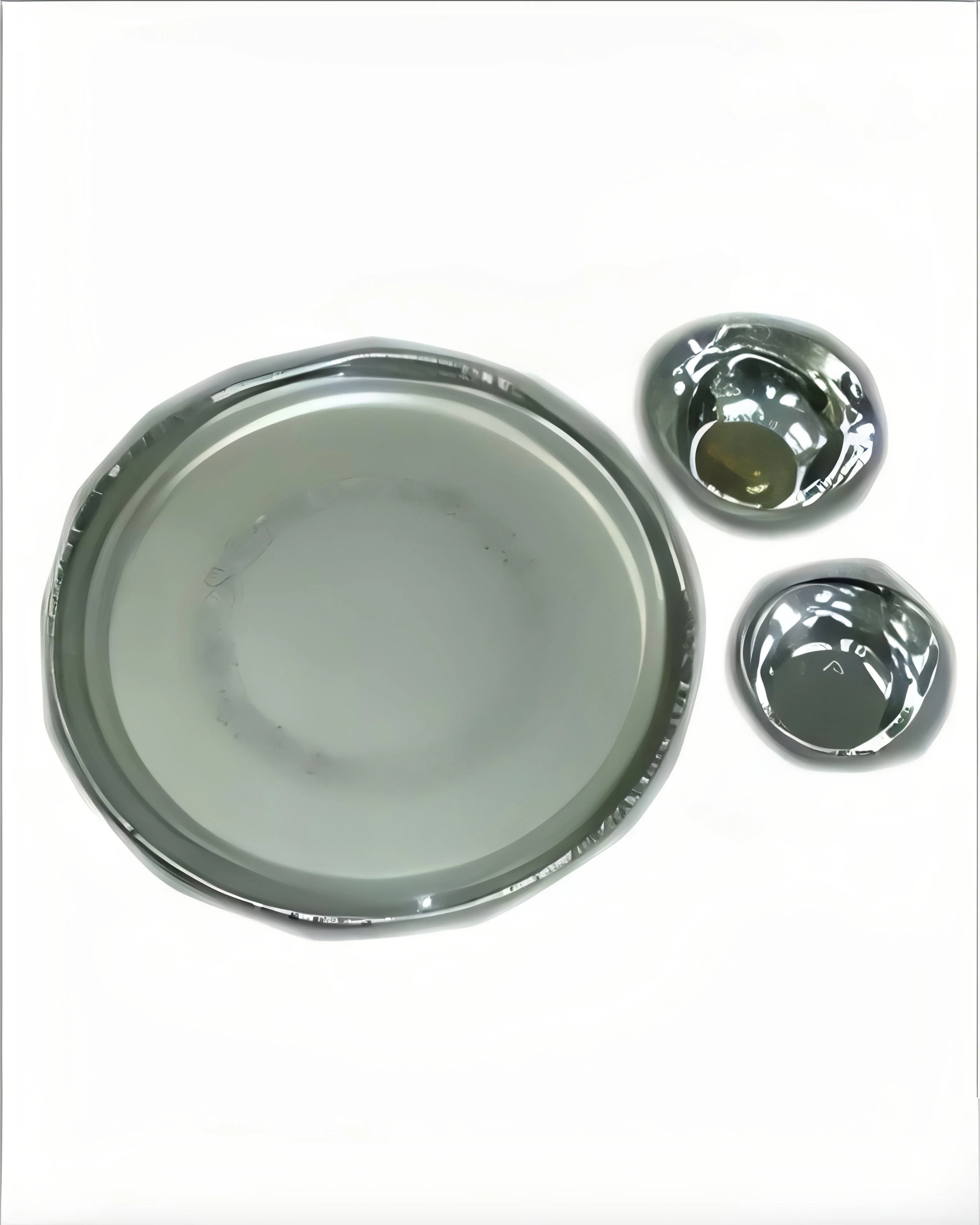
Stainless Steel Serveware
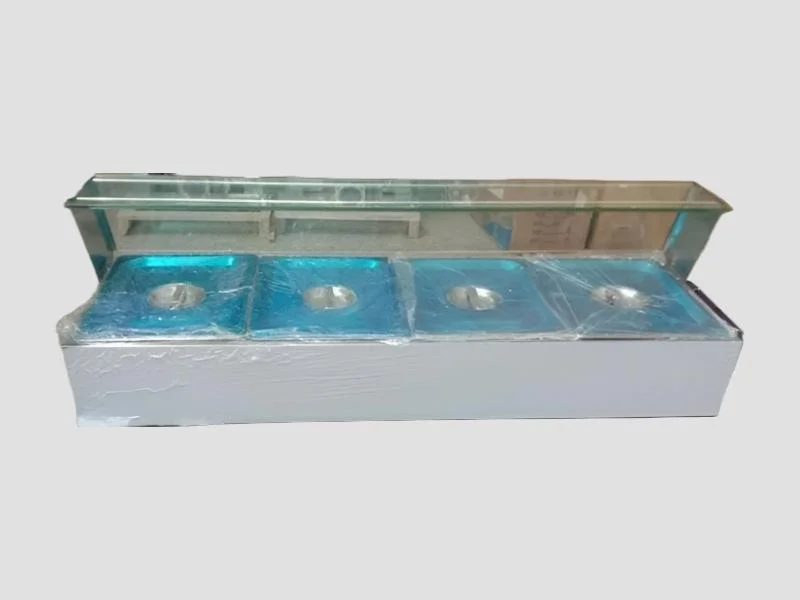
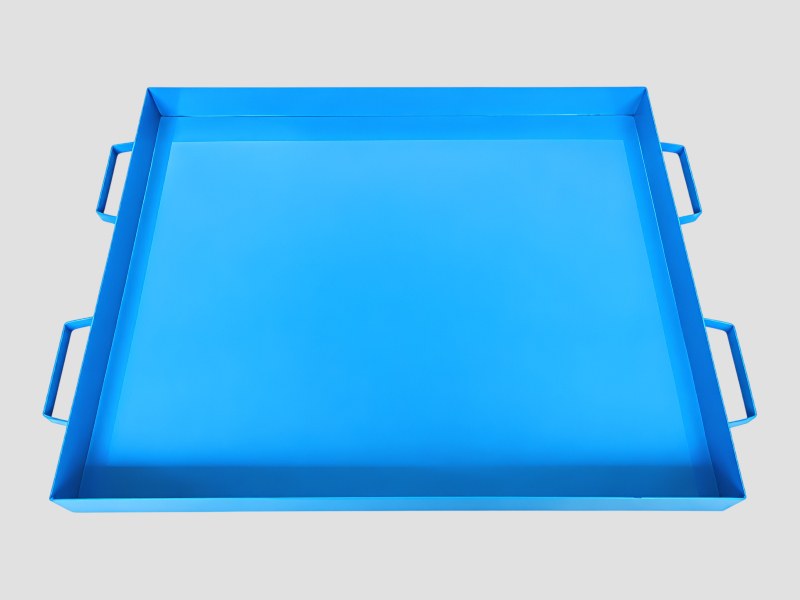
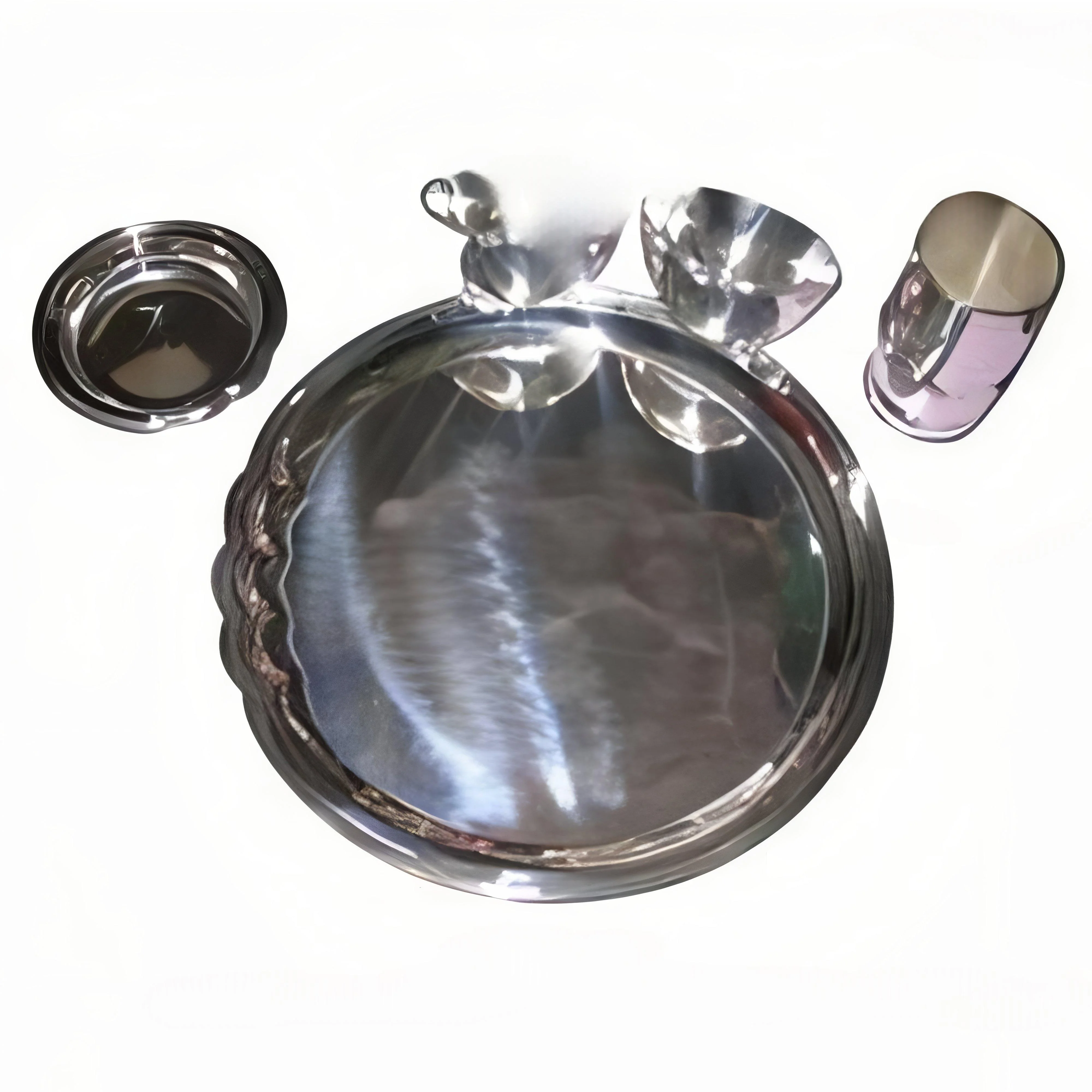
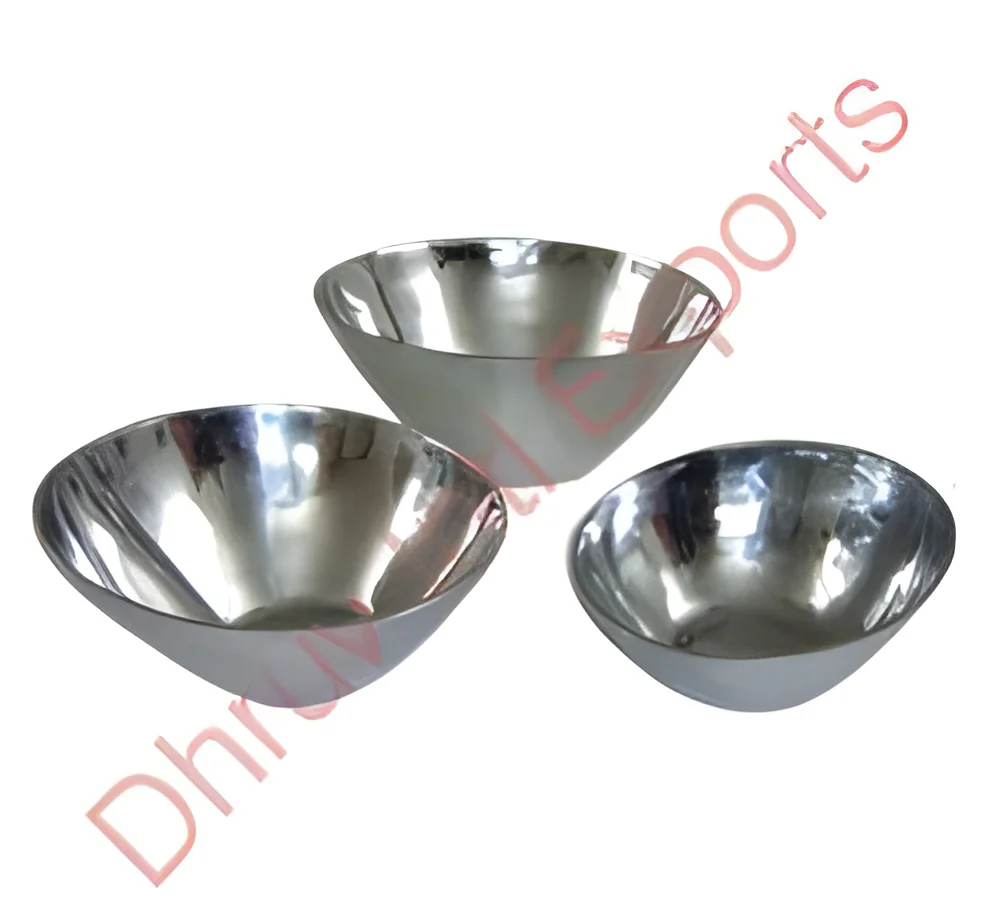
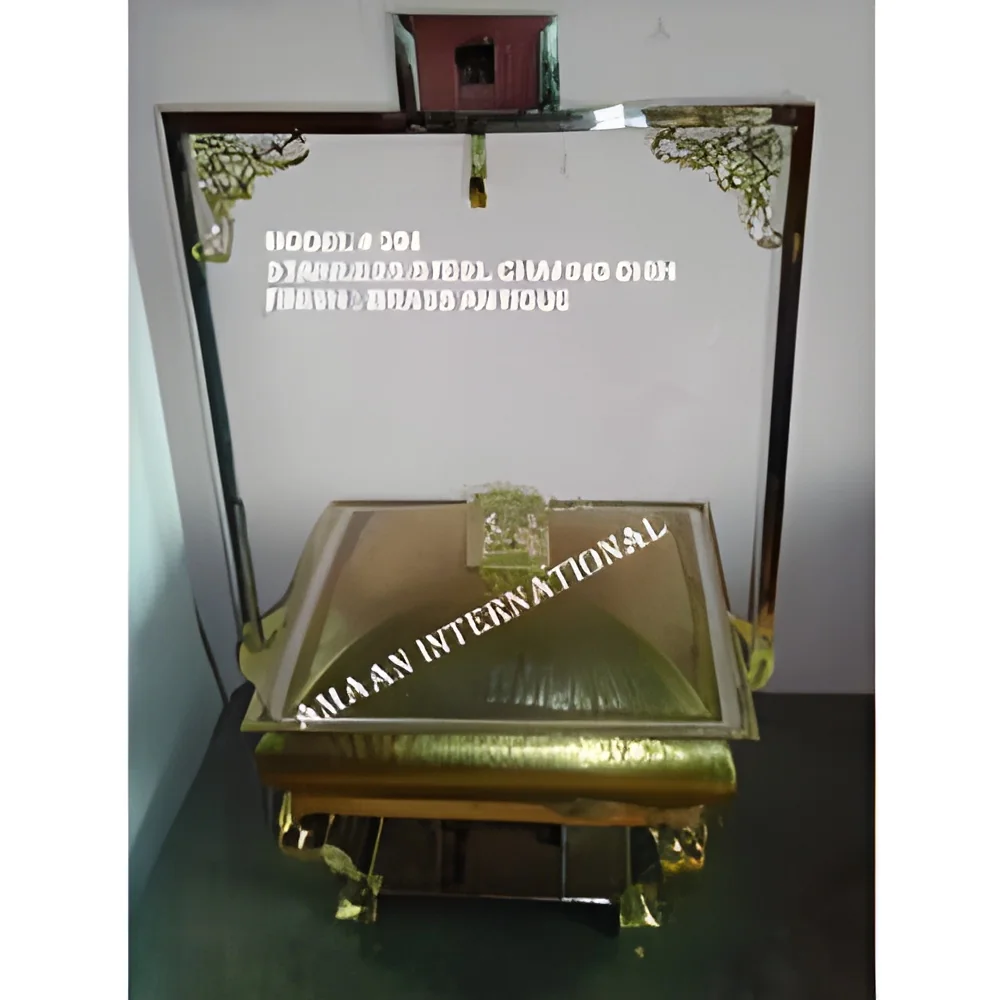
Stainless steel serveware provides durability and a modern look. It is commonly used in buffets and catering services due to its strength and resistance to corrosion.
𝗕𝗲𝗻𝗲𝗳𝗶𝘁𝘀 𝗮𝗻𝗱 𝗔𝗱𝘃𝗮𝗻𝘁𝗮𝗴𝗲𝘀
Investing in quality tableware and serveware offers numerous advantages for businesses in the food service industry.
1. Enhanced Customer Experience: Elegant tableware enhances the overall dining experience, contributing to customer satisfaction and repeat business.
2. Brand Identity: Unique designs and customizable options help businesses establish a strong brand identity, making them memorable to customers.
3. Durability: High-quality materials ensure that tableware and serveware can withstand the rigors of daily use, reducing replacement costs over time.
4. Versatility: A diverse range of products allows businesses to adapt to different service styles and dining environments, from casual to formal.
5. Ease of Maintenance: Many tableware and serveware items are designed to be dishwasher safe, simplifying cleaning processes for food service operators.
6. Compliance with Safety Standards: Sourcing from reputable suppliers ensures that products meet necessary safety standards, providing peace of mind for businesses.
𝗕𝘂𝘆𝗶𝗻𝗴 𝗚𝘂𝗶𝗱𝗲 𝗳𝗼𝗿 𝗕𝟮𝗕 𝗕𝘂𝘆𝗲𝗿𝘀
When sourcing tableware and serveware, it is important for B2B buyers to consider several key factors to ensure they make informed decisions.
1. Quality Assessment: Evaluate the quality of materials and construction. Look for products that resist chipping, cracking, or staining to ensure longevity.
2. Supplier Verification: Vet suppliers for reliability and reputation. Check for certifications and customer reviews to ensure they meet industry standards.
3. Pricing and MOQ: Understand the pricing structure and minimum order quantities (MOQ) that suppliers require. This will help in budgeting and managing inventory.
4. Delivery and Lead Times: Inquire about delivery schedules and lead times to ensure that products arrive when needed. Timely delivery is crucial for maintaining service levels.
5. Compliance Requirements: Be aware of any local or regional compliance requirements related to food safety and product standards. This is essential for maintaining operational integrity.
𝗖𝗼𝗺𝗽𝗹𝗶𝗮𝗻𝗰𝗲 𝗮𝗻𝗱 𝗖𝗲𝗿𝘁𝗶𝗳𝗶𝗰𝗮𝘁𝗶𝗼𝗻𝘀
Compliance and certifications are critical in the tableware and serveware industry to ensure safety and quality. Relevant quality standards include ISO 9001, which focuses on quality management systems, and HACCP, which addresses food safety. These standards help businesses ensure that their products are manufactured under strict quality controls.
Industry certifications such as CE indicate conformity with health, safety, and environmental protection standards within the European Economic Area. Compliance with these certifications not only enhances product credibility but also assures customers of the safety and quality of the tableware and serveware they are purchasing.
In addition, safety and testing requirements must be met to ensure that products are safe for food contact. This includes testing for harmful substances and ensuring materials are suitable for the intended use. Regional compliance considerations may vary, so it is essential for businesses to stay informed about the specific regulations in their operating areas.
𝗪𝗵𝘆 𝗦𝗼𝘂𝗿𝗰𝗲 𝗧𝗮𝗯𝗹𝗲𝘄𝗮𝗿𝗲 & 𝗦𝗲𝗿𝘃𝗲𝘄𝗮𝗿𝗲 𝗳𝗿𝗼𝗺 𝗣𝗲𝗽𝗮𝗴𝗼𝗿𝗮?
Pepagora offers a trusted platform for sourcing tableware and serveware, providing several key advantages for businesses.
Verified Supplier Network: Pepagora maintains a network of verified suppliers, ensuring that buyers have access to quality products from reliable sources. This network helps eliminate the risks associated with sourcing from unknown suppliers.
Streamlined RFQ Process: The Request for Quotation (RFQ) process is designed to be user-friendly, allowing buyers to quickly obtain quotes from multiple suppliers. This efficiency enables businesses to compare options easily and make informed purchasing decisions.
Trade Assurance and Support: Pepagora provides trade assurance and buyer protection, ensuring that transactions are secure. Their support team is available to assist with any concerns or issues that may arise during the sourcing process.
Regional Coverage: With a strong presence in India, the GCC, and Southeast Asia, Pepagora offers broad regional coverage for sourcing tableware and serveware. This allows businesses to tap into local markets and benefit from competitive pricing and availability.

 IN
IN