What are Salt & Pepper Shakers?
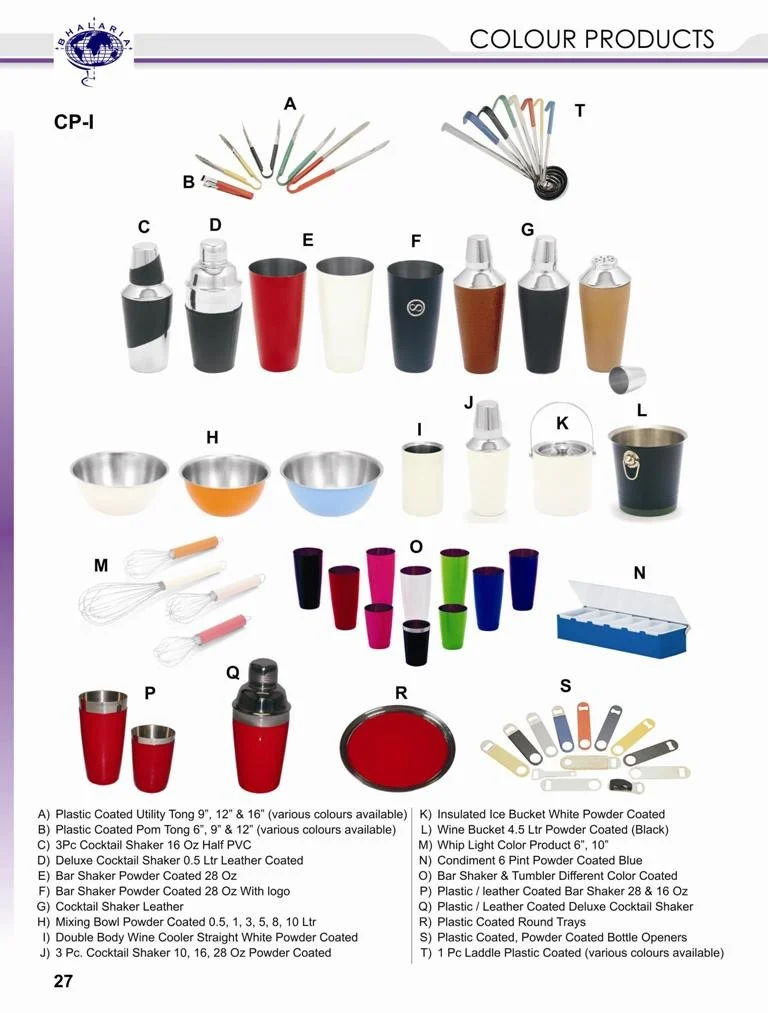
Salt and pepper shakers are essential kitchen tools used to dispense salt and pepper, two of the most common seasonings in culinary practices. Typically made from glass, ceramic, or plastic, these shakers have small holes on their tops to allow controlled distribution of the condiments. The design can vary, with some shakers featuring decorative elements, while others prioritize functionality and ease of use.
In a business context, salt and pepper shakers are commonly found in restaurants, cafes, and catering services. They enhance the dining experience by allowing customers to season their food to their liking. Furthermore, these products are often used in food service industries for both aesthetic appeal and practical utility. In recent years, there has been a growing trend towards custom designs, reflecting branding and thematic elements of the establishments they serve.
The market for salt and pepper shakers is competitive, with diverse options available to meet different needs. This includes considerations for material quality, design, and capacity. As the food service industry continues to evolve, so does the demand for innovative and stylish condiment dispensers, making them an important product in the culinary supply chain.
Key Features and Specifications
Salt and pepper shakers come with various features that enhance their usability and appeal. When selecting these products, it is essential to consider technical specifications that align with business needs.
Key specifications include:
1. Material
- Common materials include glass, ceramic, and stainless steel.
- Each material offers different durability and aesthetic qualities.
2. Capacity
- Shakers typically range from 4 to 12 ounces in capacity.
- A larger capacity may reduce the frequency of refilling.
3. Design
- Available in various shapes and styles to suit different themes.
- Some designs may include built-in grinders for fresh seasoning.
4. Dispensing Mechanism
- Options include shaker tops, pour spouts, or grinder tops.
- The mechanism affects the control over seasoning application.
5. Size Dimensions
- Standard dimensions vary, but most shakers are compact for table settings.
- Height usually ranges from 3 to 6 inches.
6. Customization Options
- Potential for branding through custom logos or designs.
- Customization enhances marketing and customer engagement.
In summary, understanding these specifications can help businesses choose the right salt and pepper shakers that meet both functional and aesthetic requirements.
Common Applications and Use Cases
Salt and pepper shakers serve a wide range of applications across multiple industries.
1. Restaurants: Shakers are commonly placed on dining tables, allowing patrons to season their meals as they desire.
2. Cafes: In casual dining settings, shakers provide convenience for customers looking to enhance their food or beverages.
3. Catering Services: Portable and easy to use, shakers are essential for outdoor events, buffets, and food stations.
4. Food Trucks: Compact shaker options are ideal for mobile food vendors aiming to provide a full dining experience.
5. Hotels: Shakers are often part of breakfast setups in hotel dining areas, enhancing guest satisfaction.
6. Food Retail: Supermarkets may use shakers as part of their prepared food sections, offering customers easy access to seasonings.
7. Home Goods Stores: Retailers offer a variety of shakers for consumers looking to enhance their kitchen tools.
Product Variants and Subcategories
Salt and pepper shakers are available in various designs and styles, catering to diverse preferences and settings.
Classic Glass Shakers: These traditional shakers are made from glass and often feature a stainless steel or plastic top. They are easy to clean and provide a timeless look suitable for any table setting.
Ceramic Shakers: Often hand-painted or designed artistically, ceramic shakers add decorative flair to dining experiences. They are generally heavier and more stable but may require careful handling.
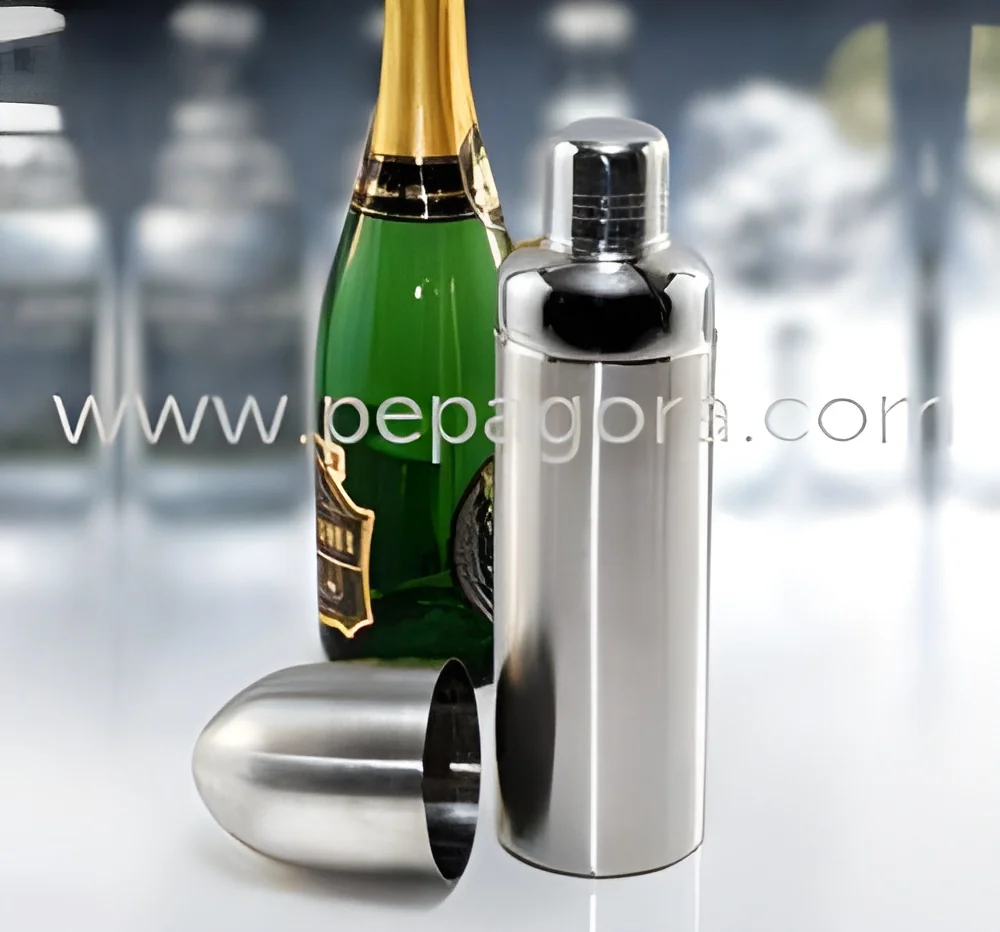
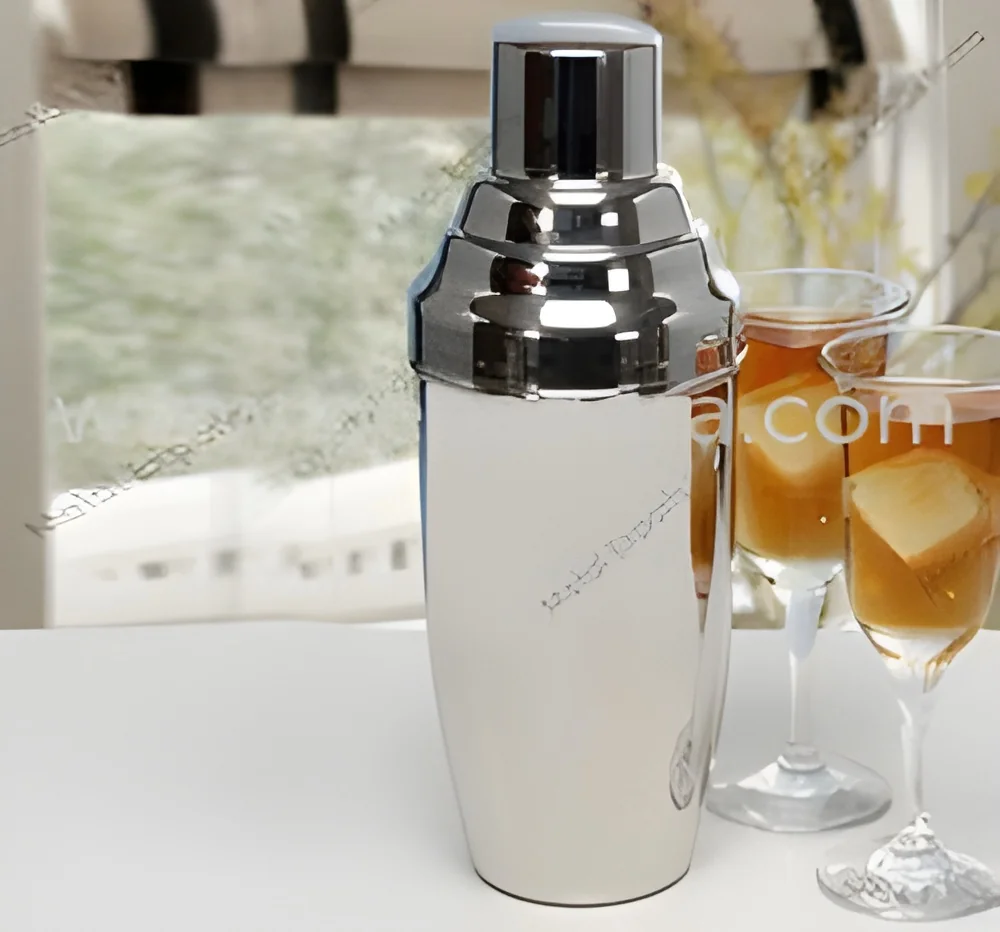
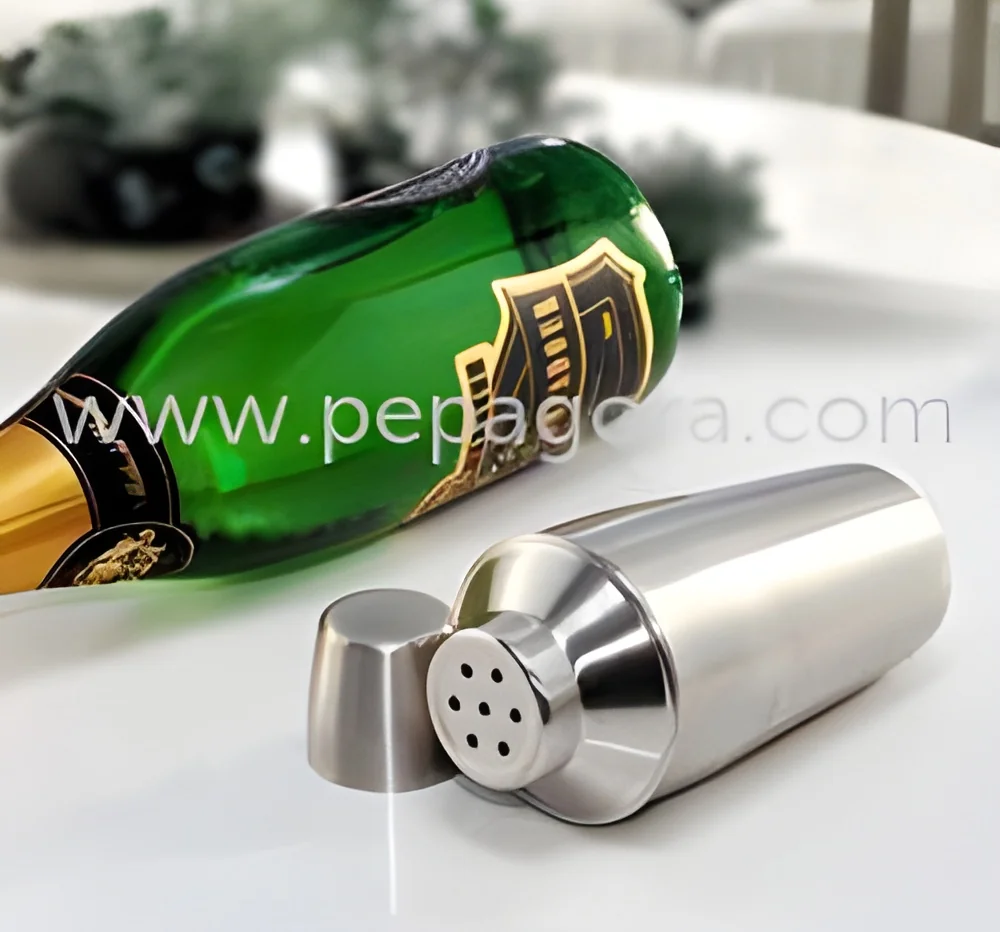
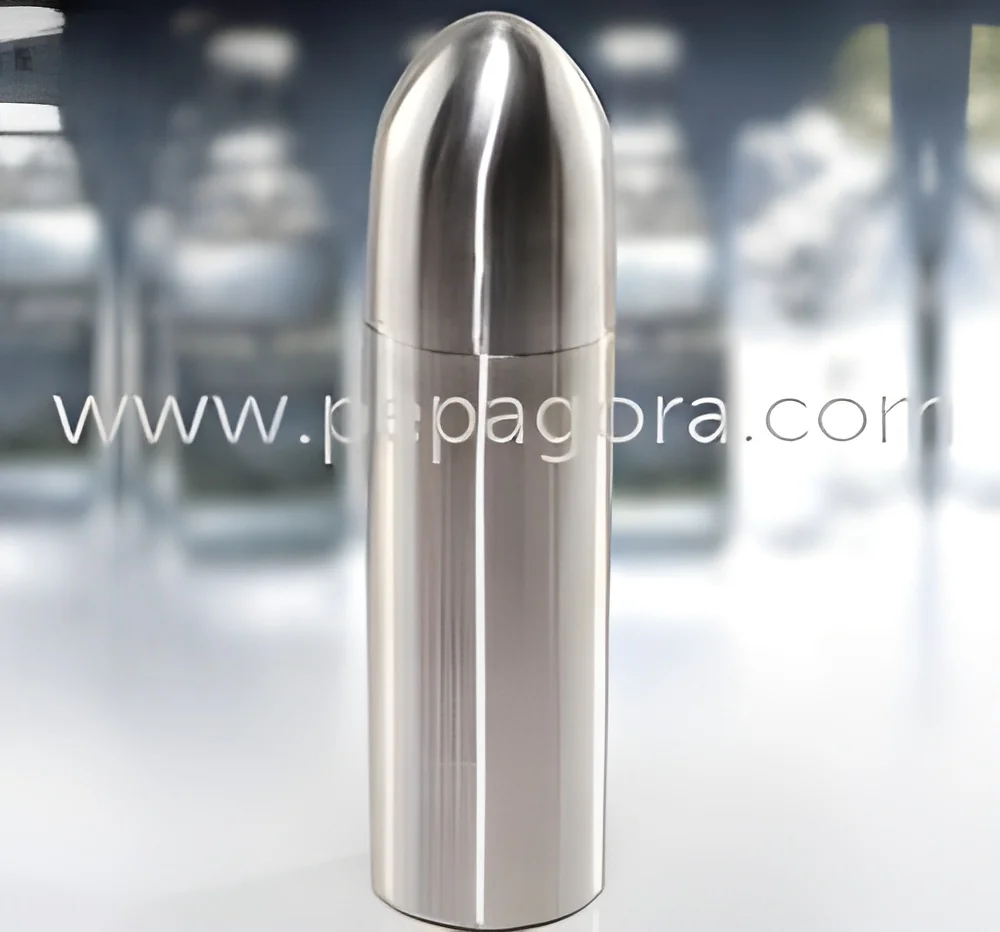
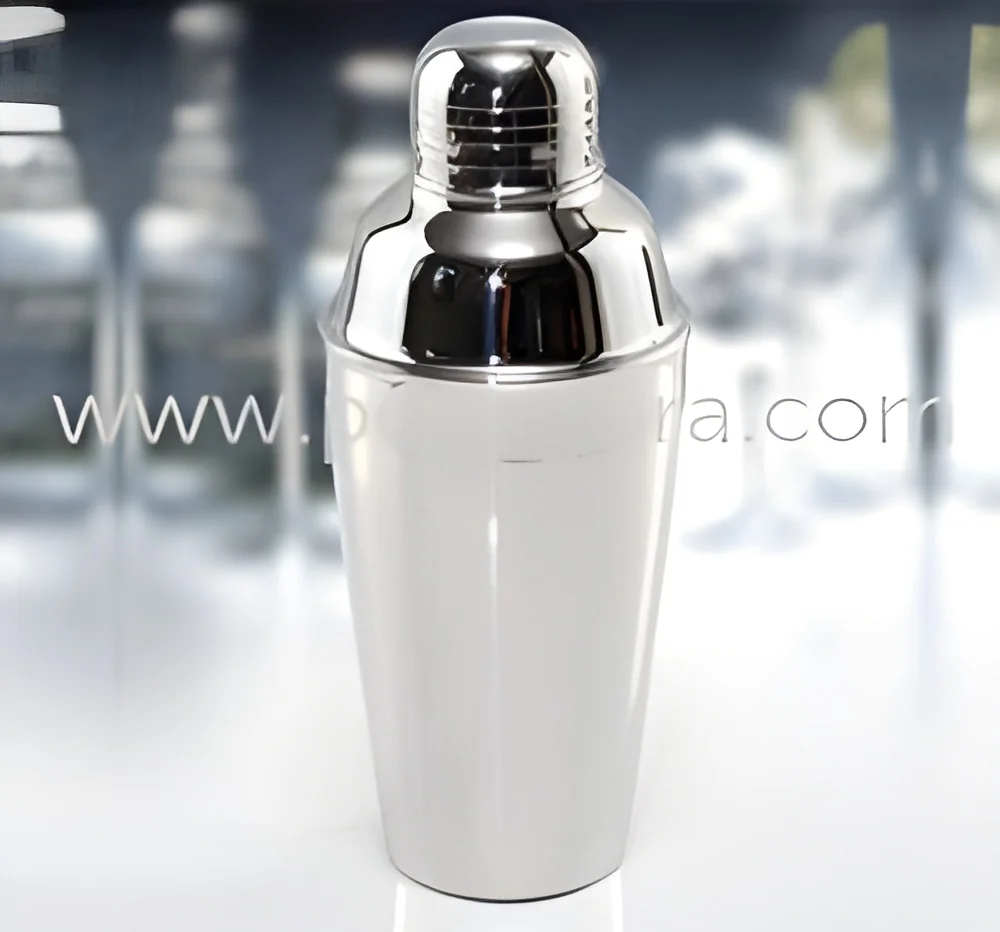
Stainless Steel Shakers: Known for their durability and modern appeal, stainless steel shakers are resistant to breakage and corrosion. They often feature sleek designs that fit contemporary aesthetics.
Customizable Shakers: Available from various suppliers, these shakers can be branded with logos or specific designs, making them ideal for promotional use in restaurants or events.
Benefits and Advantages
Salt and pepper shakers offer several advantages that enhance their appeal in various settings.
1. Convenience: Shakers provide an easy way for users to season food without the need for additional tools.
2. Versatility: They can be used in numerous environments, including homes, restaurants, and outdoor events.
3. Customization: Businesses can personalize shakers to reflect their brand identity, enhancing customer recognition and loyalty.
4. Aesthetic Appeal: Unique designs and materials can improve the overall presentation of dining tables.
5. Cost-Effectiveness: Salt and pepper shakers are generally affordable, providing good value for their functional benefits.
6. Easy Maintenance: Most shakers are simple to clean, ensuring hygiene in food service applications.
Buying Guide for B2B Buyers
When sourcing salt and pepper shakers for business purposes, several key factors should be considered.
1. Quality Assessment: Evaluate the materials and construction quality to ensure durability, especially in high-traffic environments.
2. Supplier Verification: Research and verify potential suppliers to ensure they meet industry standards and have a reliable track record.
3. Pricing and MOQ: Understand the price range and minimum order quantities to align with budget constraints and inventory needs.
4. Delivery and Lead Times: Consider logistics and delivery times to ensure timely availability for operations.
5. Compliance Requirements: Check for any regulatory compliance or safety certifications relevant to food service products.
Compliance and Certifications
Salt and pepper shakers must adhere to specific quality standards and regulations to ensure safety and usability in food-related environments. Relevant quality standards include ISO 9001, which focuses on quality management systems, ensuring manufacturers maintain consistent quality in their products.
Additionally, HACCP (Hazard Analysis Critical Control Point) guidelines are important for identifying and managing food safety hazards, particularly in food service applications.
Some products may also carry the CE mark, indicating compliance with European health and safety standards. It is crucial for businesses to confirm that their selected shakers meet these compliance requirements.
Regionally, businesses should consider local regulations regarding food contact materials to ensure their salt and pepper shakers are safe for use in various markets.
Why Source Salt & Pepper Shakers from Pepagora?
Pepagora offers a reliable and efficient platform for sourcing salt and pepper shakers, providing several significant advantages for buyers.
Verified Supplier Network: Pepagora ensures that all suppliers within its network are thoroughly vetted. This process guarantees that buyers can trust the quality and reliability of the products they source.
Streamlined RFQ Process: The platform features an easy-to-use request for quotation (RFQ) system that simplifies the buying process. Buyers can quickly receive quotes from multiple suppliers, facilitating informed decision-making.
Trade Assurance and Support: Pepagora provides trade assurance, offering buyers peace of mind with protections against potential disputes. This added layer of security enhances the sourcing experience.
Regional Coverage: With a strong presence in India, the GCC, and Southeast Asia, Pepagora enables buyers to access a diverse range of suppliers and products tailored to their regional needs. This broad coverage supports businesses in finding the right solutions for their specific markets.

 IN
IN