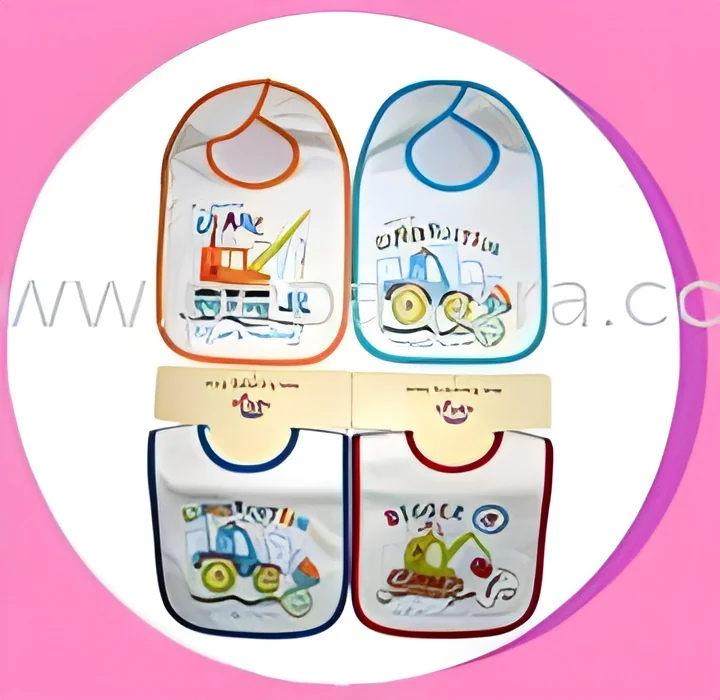
What are Baby Bibs?
Baby bibs are essential garments designed to protect infants' clothing during feeding. They are typically made from absorbent materials to catch spills, drool, and food, ensuring that babies remain clean while eating. Bibs come in various shapes, sizes, and materials, catering to the diverse needs of infants and the preferences of parents.
The primary use of baby bibs is to minimize mess during mealtime, but they also serve a practical function in protecting a baby's delicate skin from irritation caused by food and liquids. In the B2B context, baby bibs are widely used by retailers, nurseries, and daycare facilities that require durable and easily washable products. Their relevance extends to the growing market for baby care products, as parents increasingly seek high-quality items that enhance convenience and safety during feeding.
In an industry where hygiene and functionality are paramount, baby bibs hold significant market relevance. The demand for innovative designs, including waterproof materials and adjustable fits, reflects the evolving needs of consumers. As the baby care sector continues to expand, suppliers and manufacturers are tasked with delivering products that meet both practical and aesthetic demands.
Key Features and Specifications
Baby bibs come with a variety of features designed to enhance usability and comfort. When evaluating baby bibs for business purposes, it is important to consider the specifications that define their quality and suitability for different environments.
Key specifications include:
1. Material Type
- Common materials include cotton, polyester, and silicone.
- Each material offers unique benefits, such as absorbency and ease of cleaning.
2. Size Dimensions
- Bib sizes range from small for newborns to larger options for toddlers.
- Dimensions typically vary from 7 inches to 12 inches in width.
3. Closure Mechanism
- Common closures include Velcro, snaps, and ties.
- Adjustable closures provide better fit and comfort for growing babies.
4. Waterproof Capability
- Some bibs feature waterproof layers to prevent leakage.
- This feature is crucial for minimizing mess during feeding.
5. Design and Style
- Available in various colors and patterns to appeal to different consumer tastes.
- Some bibs come with fun designs or graphics that engage babies.
6. Washability
- Machine-washable and hand-wash options are available.
- Durability after repeated washing is an important consideration.
7. Safety Standards
- Many bibs are tested for safety, ensuring compliance with regulations.
- Look for certifications indicating non-toxic materials.
In summary, understanding the key features and specifications of baby bibs can help businesses select the right products that meet market demands while ensuring safety and functionality.
Common Applications and Use Cases
Baby bibs are utilized across various industries, each with specific applications that cater to the needs of infants and caregivers.
1. Retail: Retailers specializing in baby products stock a variety of bibs to meet consumer preferences, providing options for different age groups and styles.
2. Daycare Facilities: These establishments use bibs as part of their feeding routines to maintain cleanliness and hygiene among infants during meals.
3. Hospitals: In neonatal and pediatric wards, bibs are essential for feeding infants, helping to manage spills and protect hospital gowns.
4. Baby Food Manufacturers: Companies producing baby food may offer branded bibs as promotional merchandise, enhancing their product offerings.
5. Online Marketplaces: E-commerce platforms provide a wide selection of bibs, allowing consumers to compare styles and prices conveniently.
6. Gift Shops: Bibs are popular items in gift bundles for baby showers, appealing to parents looking for practical yet cute baby essentials.
7. Customization Services: Businesses that offer personalized baby products can create custom bibs, catering to parents seeking unique items for their children.
Product Variants and Subcategories
Baby bibs come in various styles and designs to cater to the diverse needs of infants and their caregivers. Understanding these variants allows businesses to better meet customer preferences.
Classic Cotton Bibs
Classic cotton bibs are soft and highly absorbent, making them ideal for everyday use. They are easy to wash and come in various colors and patterns, appealing to parents seeking comfort and style.
Silicone Bibs
Silicone bibs offer a waterproof option that is easy to clean and highly durable. They often feature a built-in food catcher, reducing mess during feeding, and are suitable for older infants and toddlers.
Bandana Bibs
Bandana bibs combine fashion with functionality, providing a trendy option for babies. They are often used for teething infants, as they effectively absorb drool while adding a stylish touch to an outfit.
Disposable Bibs
Disposable bibs are ideal for on-the-go feeding situations. Lightweight and convenient, they are designed for single-use, making them a practical choice for travel and outings.
Benefits and Advantages
Baby bibs offer numerous advantages that make them valuable for both consumers and businesses.
Key benefits include:
1. Hygiene Maintenance: Bibs help keep infants' clothes clean, reducing laundry frequency for parents.
2. Comfort: Soft materials ensure that babies remain comfortable during feeding, preventing skin irritation.
3. Convenience: Easy-to-clean bibs save time for caregivers, especially in busy environments like daycare facilities.
4. Versatility: Bibs can be used for feeding, drooling, and teething, making them multi-functional.
5. Customization Potential: Businesses can offer personalized bibs, enhancing customer engagement and satisfaction.
6. Market Demand: With the growing baby care market, there is a consistent demand for quality baby bibs, providing business opportunities.
Buying Guide for B2B Buyers
When sourcing baby bibs, businesses should consider several key factors to ensure they make informed purchasing decisions.
1. Quality Assessment: Evaluate the materials and construction of the bibs to ensure they meet durability and safety standards. Look for products that can withstand frequent washing without losing their shape or absorbency.
2. Supplier Verification: Vet potential suppliers to ensure they have a solid track record in the industry. Check for reviews, certifications, and their ability to meet delivery commitments.
3. Pricing and MOQ: Understand the price range for different types of bibs and inquire about minimum order quantities. This helps in budgeting and inventory planning.
4. Delivery and Lead Times: Confirm the expected lead times for orders. Reliable delivery schedules are crucial for maintaining stock levels and meeting customer demand.
5. Compliance Requirements: Ensure that the bibs comply with relevant safety and quality standards. This includes checking for certifications like CE and adherence to regulations in the target market.
Compliance and Certifications
In the baby bibs market, compliance with safety and quality standards is essential for protecting consumers and ensuring product reliability. Relevant quality standards, such as ISO 9001, help ensure that manufacturers maintain high production quality.
Industry certifications like CE indicate that products meet European safety requirements, making them suitable for distribution in those markets. Safety testing is crucial, as it verifies that bibs are free from harmful substances and are safe for infants.
Regional compliance considerations also play a significant role in the sourcing process. Different regions may have specific regulations that apply to baby products, so businesses should be aware of these to avoid compliance issues.
Why Source Baby Bibs from Pepagora?
Pepagora provides a trusted platform for sourcing baby bibs, offering several key advantages to B2B buyers.
Verified Supplier Network: Pepagora connects buyers with a network of verified suppliers, ensuring that businesses can source high-quality products from reputable manufacturers. This reduces the risk of subpar products and enhances buyer confidence.
Streamlined RFQ Process: The platform features an efficient request-for-quotation (RFQ) system, allowing buyers to easily obtain quotes from multiple suppliers. This simplifies the procurement process and ensures competitive pricing.
Trade Assurance and Support: Buyers are protected through trade assurance policies, which safeguard their orders and investments. This support helps build trust between buyers and suppliers, facilitating smoother transactions.
Regional Coverage: With a strong presence in India, the GCC, and Southeast Asia, Pepagora offers extensive geographic reach. This allows businesses to tap into diverse markets and cater to a broader customer base, enhancing growth opportunities.

 IN
IN
 India
India