
 IN
Automotive Hand Tools
84 products available
What are Automotive Hand Tools?
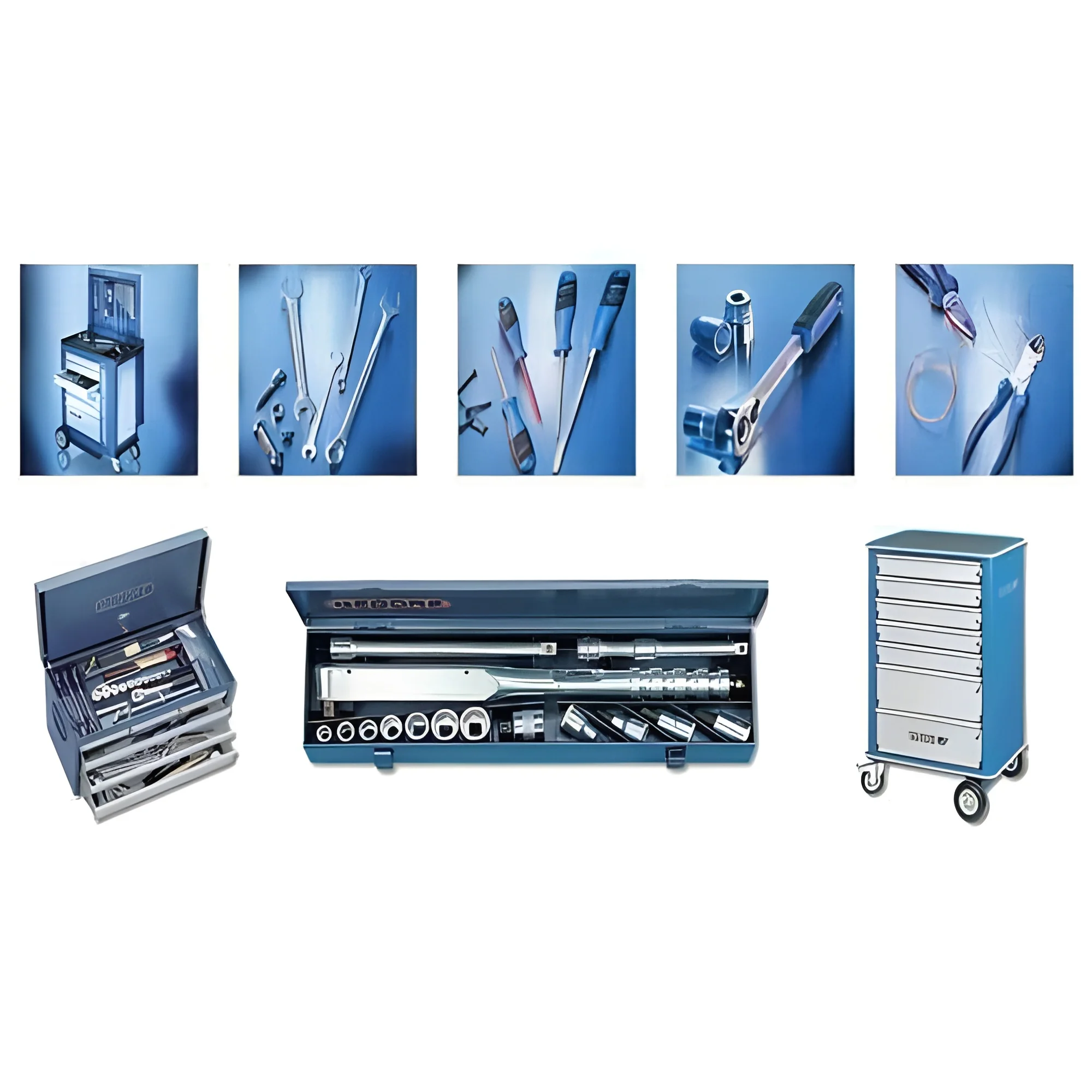
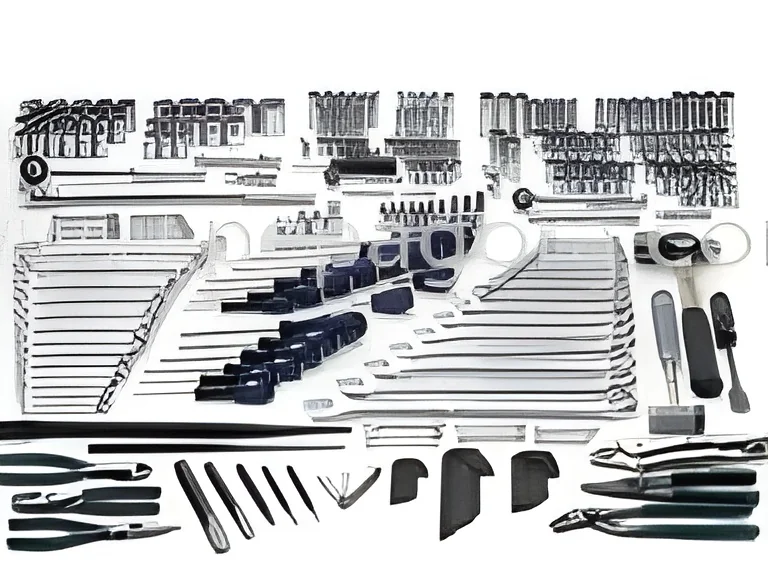
Automotive hand tools are essential implements used in the repair and maintenance of vehicles. These tools assist technicians and mechanics in performing a wide range of tasks, from basic repairs to complex engine overhauls. Automotive hand tools include a variety of devices such as wrenches, screwdrivers, pliers, and sockets, each designed for specific functions to ensure efficiency and precision. These tools are typically made from durable materials to withstand the rigorous demands of automotive work.
In the automotive industry, hand tools are indispensable for both routine maintenance and emergency repairs. They enable professionals to work on different vehicle components, including engines, transmissions, brakes, and electrical systems. The proper use of hand tools not only enhances productivity but also contributes to the safety and reliability of vehicles. Given the increasing complexity of automotive technology, the market for automotive hand tools continues to grow, driven by advancements in vehicle design and an expanding base of automotive repair professionals.
Key Features and Specifications
Automotive hand tools come with a variety of features and specifications that cater to the needs of mechanics and technicians. Understanding these specifications is crucial for selecting the right tools for specific tasks.
Key specifications include:
1. Material Quality
- Tools are typically made from high-carbon steel or chrome vanadium steel to ensure durability and strength.
- Resistance to wear, corrosion, and impact is essential for longevity.
2. Ergonomic Design
- Many hand tools feature ergonomic grips to reduce user fatigue during prolonged use.
- Non-slip surfaces enhance control and safety.
3. Size and Weight
- Tools come in various sizes to accommodate different vehicle components.
- Lighter tools reduce fatigue while handling, improving efficiency.
4. Torque Specifications
- Wrenches may have specific torque ranges for proper fastening without damaging components.
- Calibration is crucial for accuracy in torque applications.
5. Versatility
- Some tools are designed to serve multiple functions, reducing the need for multiple tools.
- Adaptability for various automotive applications is a key feature.
6. Storage Solutions
- Many automotive hand tools come with carrying cases or toolboxes for organized storage.
- Portable designs enhance convenience for mobile mechanics.
7. Safety Features
- Some hand tools include built-in safety mechanisms to prevent injuries.
- Compliance with safety standards is often a requirement for professional tools.
In summary, selecting automotive hand tools requires careful consideration of their features and specifications to ensure they meet the demands of automotive work.
Common Applications and Use Cases
Automotive hand tools serve various industries, each with specific applications.
1. Automotive Repair Shops: These tools are essential for routine vehicle maintenance, diagnostics, and repairs, ensuring vehicles operate safely and efficiently.
2. Manufacturing Facilities: In automotive manufacturing, hand tools are used for assembly processes and quality checks, playing a critical role in production lines.
3. Fleet Management: Companies managing vehicle fleets rely on hand tools for regular maintenance and emergency repairs to minimize downtime and maintain operational efficiency.
4. DIY Enthusiasts: Hobbyists working on personal vehicle projects utilize automotive hand tools for restorations, modifications, and repairs, often using specialized tools for unique tasks.
5. Heavy Equipment Maintenance: Automotive hand tools are also used in maintaining heavy machinery and vehicles, requiring a robust set of tools for diverse applications.
Product Variants and Subcategories
Automotive hand tools encompass a diverse range of products designed for various tasks. While specific subcategories are not available, several notable variants can be highlighted.
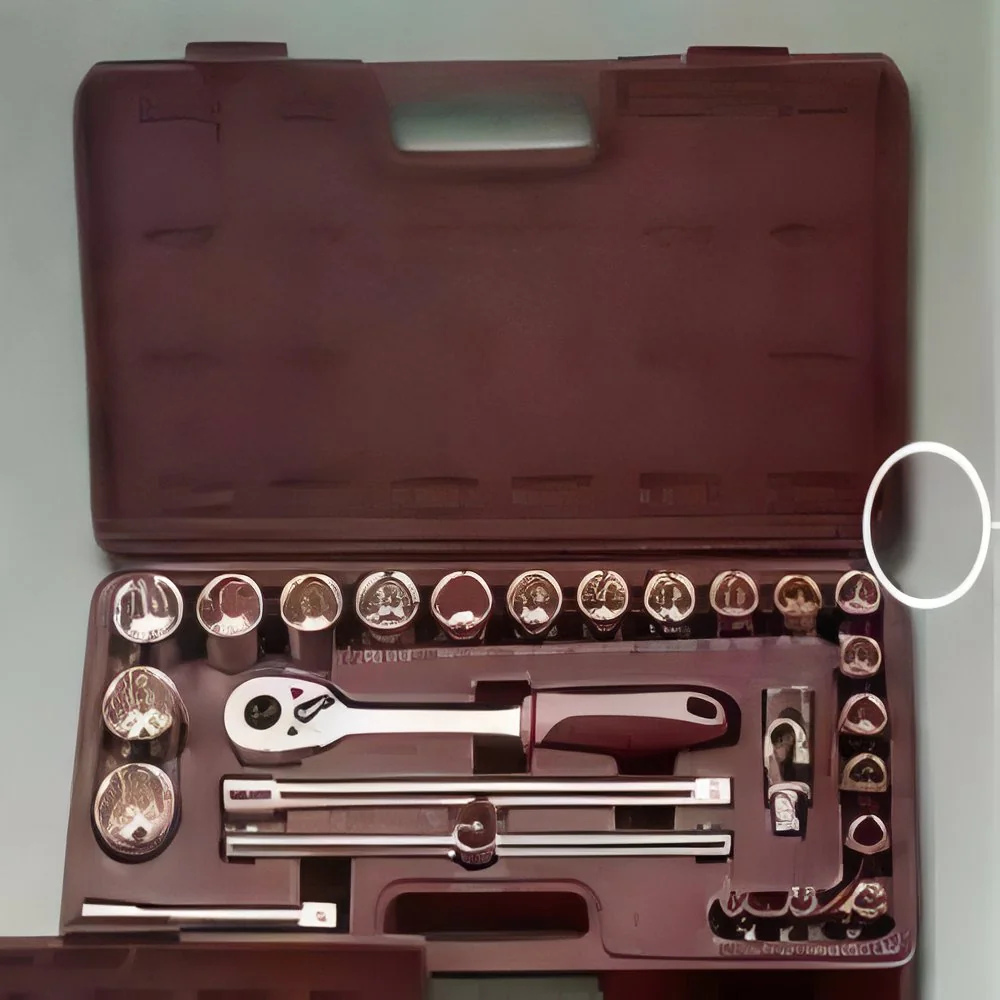
Socket Sets: These sets include various socket sizes and shapes, allowing mechanics to work on different fasteners efficiently. They often come with ratchets and extensions for improved reach.
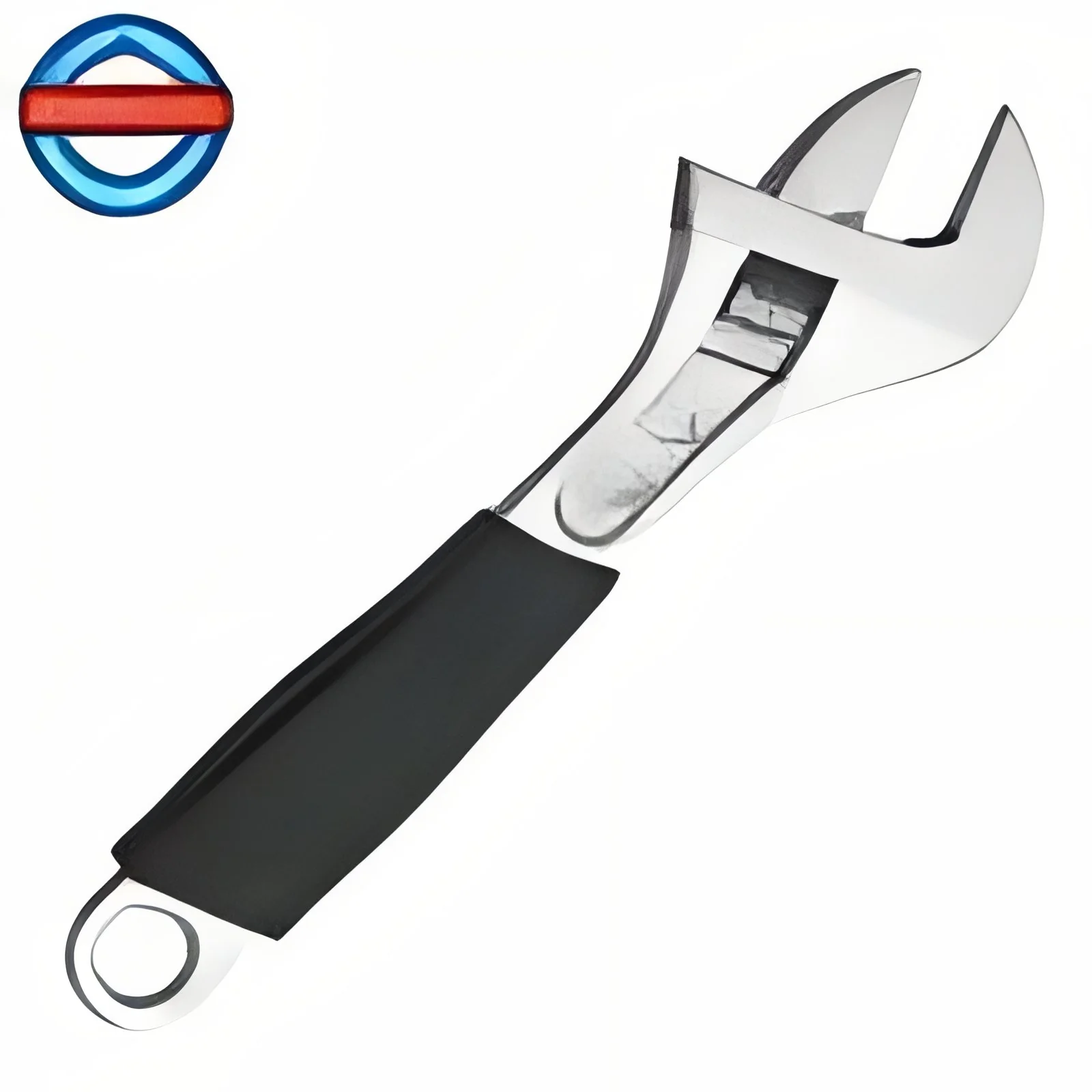
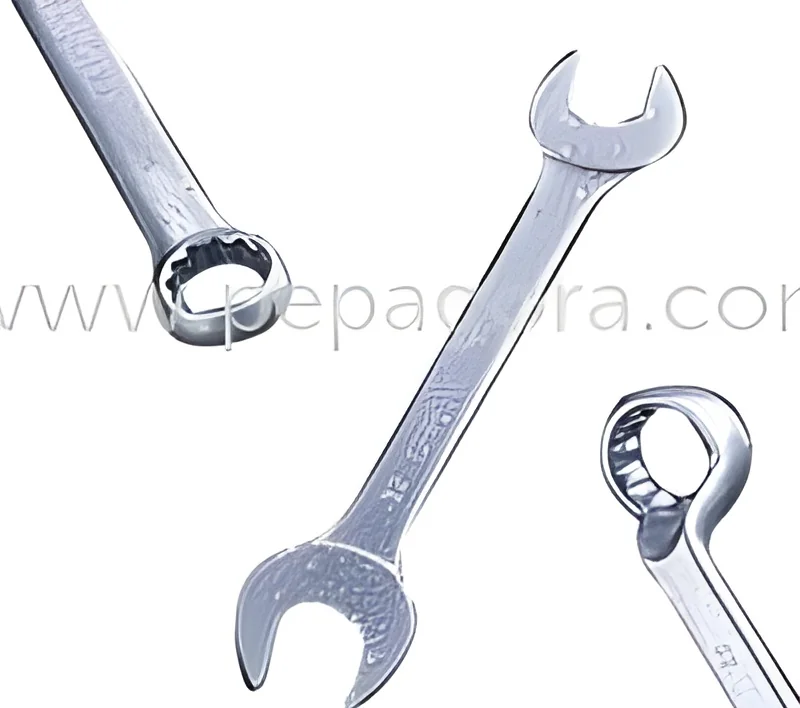
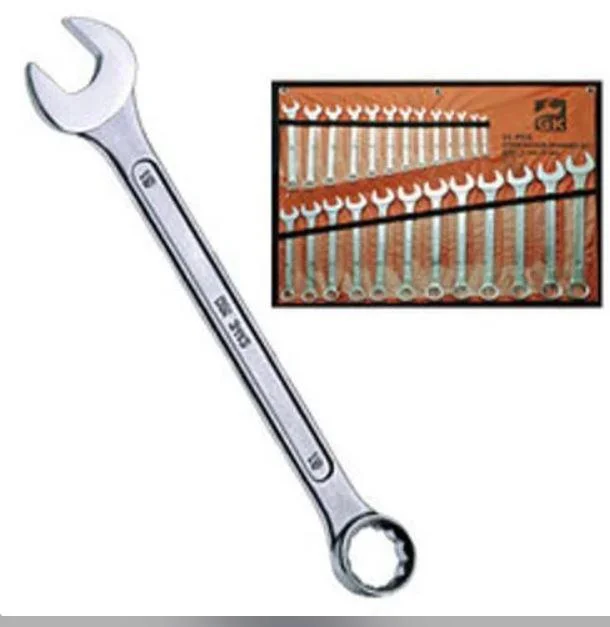
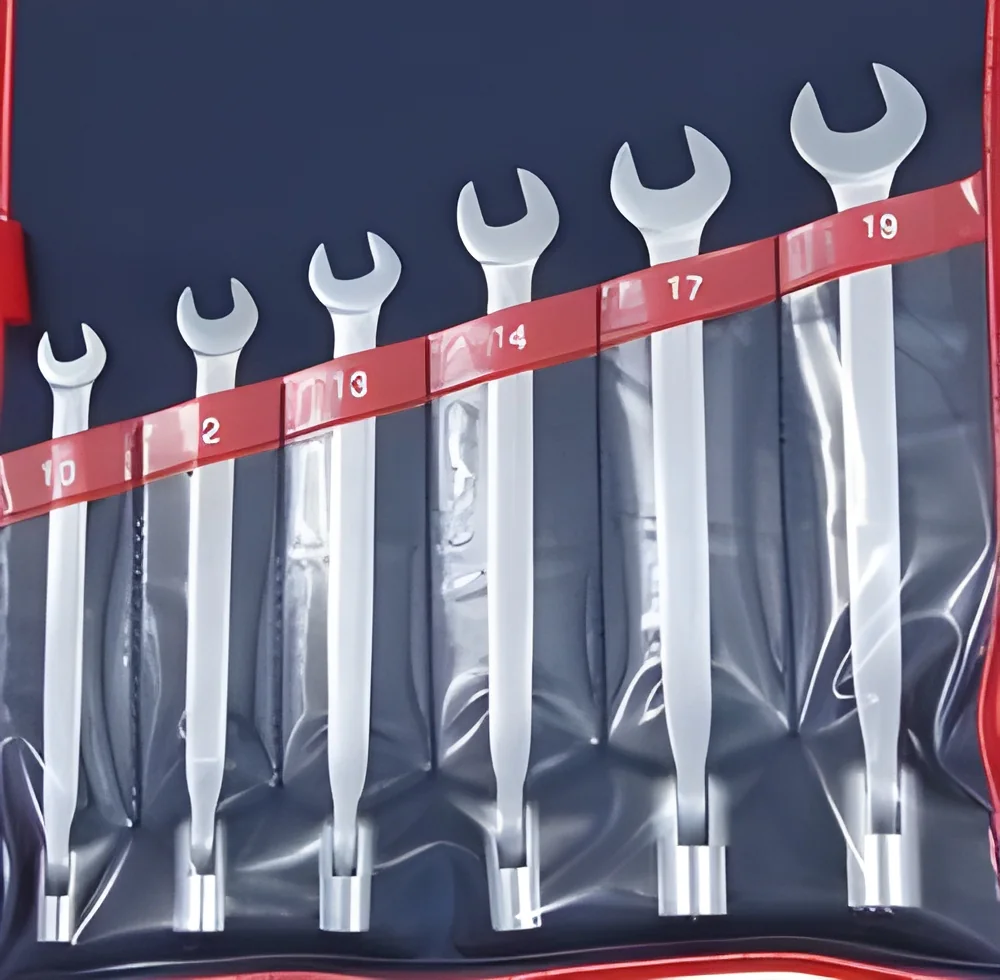
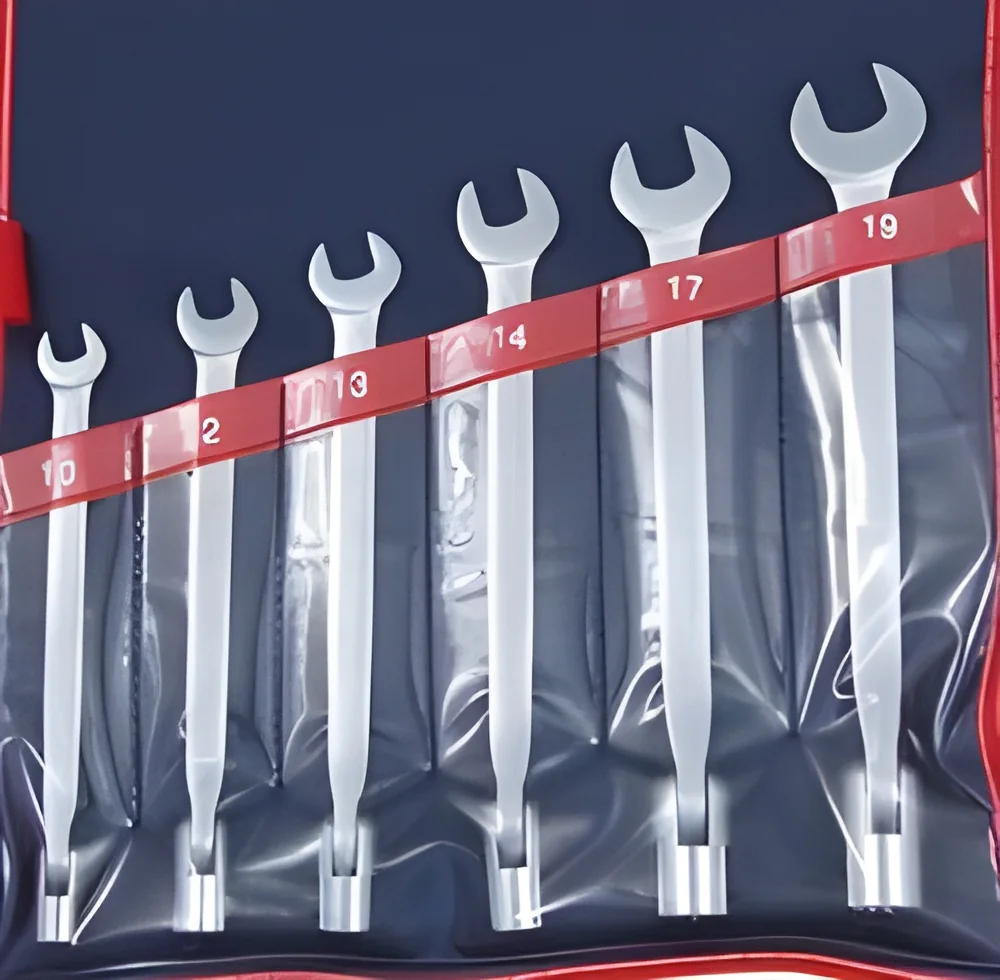
Wrench Sets: Available in both open-end and box-end designs, these wrenches are essential for loosening and tightening nuts and bolts. Adjustable wrenches provide flexibility for various sizes.
Screwdriver Sets: Screwdrivers with different head types, including flathead and Phillips, are vital for working on various automotive components. Precision screwdrivers cater to delicate tasks.
Pliers: A variety of pliers, including needle-nose and locking pliers, are crucial for gripping, twisting, and cutting tasks in automotive repair.
Benefits and Advantages
Investing in automotive hand tools offers numerous advantages for professionals in the automotive sector.
Key benefits include:
1. Enhanced Efficiency: Quality hand tools streamline tasks, allowing mechanics to work faster and more accurately.
2. Durability: High-quality materials ensure tools withstand heavy use, reducing the need for frequent replacements.
3. Improved Safety: Ergonomic designs and safety features help prevent injuries, ensuring a safer working environment.
4. Versatility: Multi-functional tools eliminate the need for multiple items, saving space and costs.
5. Cost-Effectiveness: Investing in reliable hand tools can lead to long-term savings by reducing repair times and improving service quality.
6. Increased Precision: Properly designed tools enhance accuracy in repairs, contributing to better vehicle performance and reliability.
Buying Guide for B2B Buyers
When sourcing automotive hand tools, several critical factors should be considered to make informed purchasing decisions.
1. Quality Assessment: Evaluate the quality of tools based on material specifications, durability, and manufacturer reputation. Look for tools that meet industry standards.
2. Supplier Verification: Vet suppliers to ensure they have a track record of reliability and quality. Check for reviews, references, and certifications.
3. Pricing and MOQ: Understand the pricing structure and minimum order quantities to align with budget constraints and operational needs.
4. Delivery and Lead Times: Assess logistics capabilities, including delivery times, to ensure timely availability of tools for operations.
5. Compliance Requirements: Verify that tools meet regional and industry-specific regulatory standards, such as CE certification, to ensure safety and compliance.
Compliance and Certifications
Automotive hand tools must adhere to relevant quality standards and certifications to ensure safety and performance. Common standards include ISO 9001, which focuses on quality management systems and ensures that manufacturers consistently meet customer and regulatory requirements. Additionally, certifications such as CE indicate that products comply with European health, safety, and environmental protection standards.
Safety and testing requirements are essential for automotive hand tools, as improper use can lead to accidents or vehicle damage. Manufacturers typically conduct rigorous testing to ensure tools can withstand the operational stresses they will encounter. Regional compliance considerations may vary, and businesses must ensure their tools are suitable for the markets they serve.
Why Source Automotive Hand Tools from Pepagora?
Pepagora provides a trusted platform for sourcing automotive hand tools, offering several key advantages to buyers.
Verified Supplier Network: Pepagora connects buyers with a network of verified suppliers, ensuring that all listed products meet high-quality standards. This verification process lowers the risk of purchasing subpar tools.
Streamlined RFQ Process: The platform offers a straightforward request for quotation (RFQ) process, allowing buyers to easily compare pricing and specifications from multiple suppliers. This efficiency saves time and facilitates better decision-making.
Trade Assurance and Support: Pepagora prioritizes buyer protection through trade assurance policies, providing support throughout the purchasing process. This assurance builds confidence in transactions.
Regional Coverage: With a broad geographic reach across India, the GCC, and Southeast Asia, Pepagora connects buyers with local suppliers, enhancing accessibility and reducing shipping times. This regional focus helps businesses find the right tools tailored to their specific market needs.


 India

 India
 India
 India

 India
 India
 India
 India
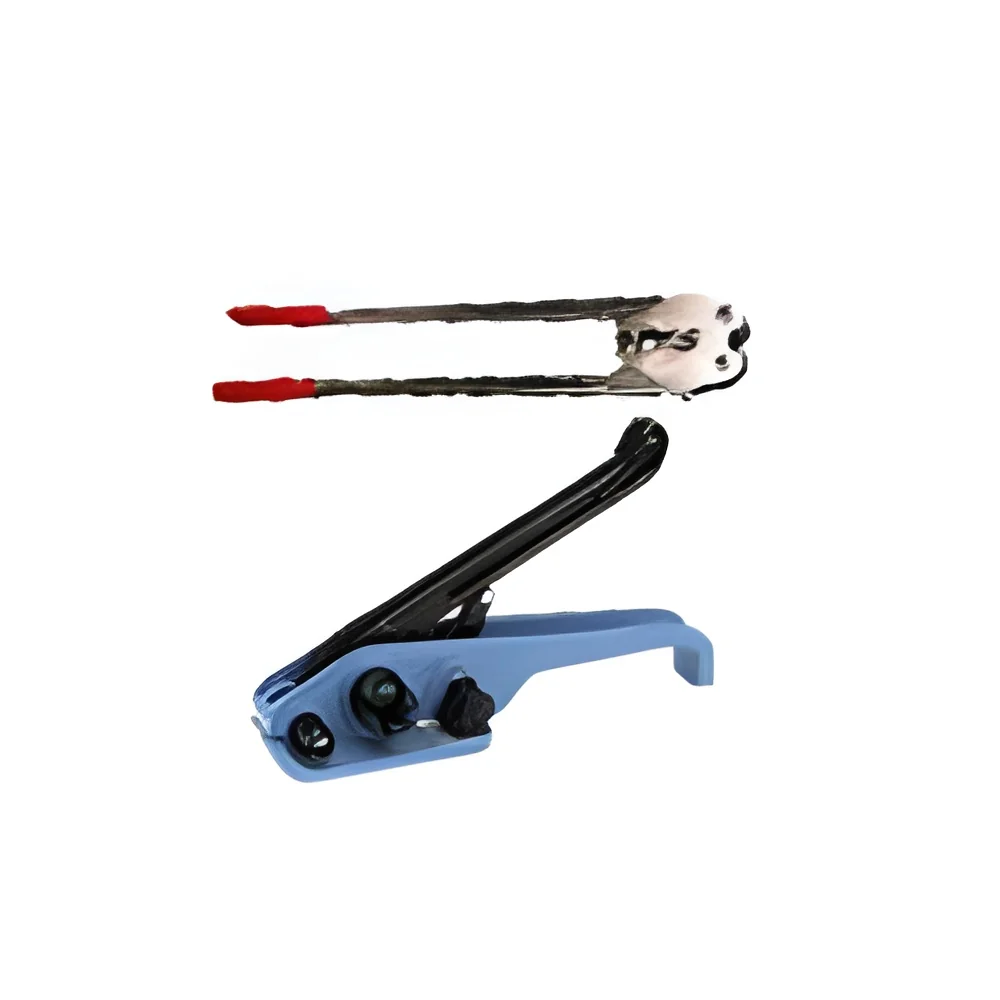 India

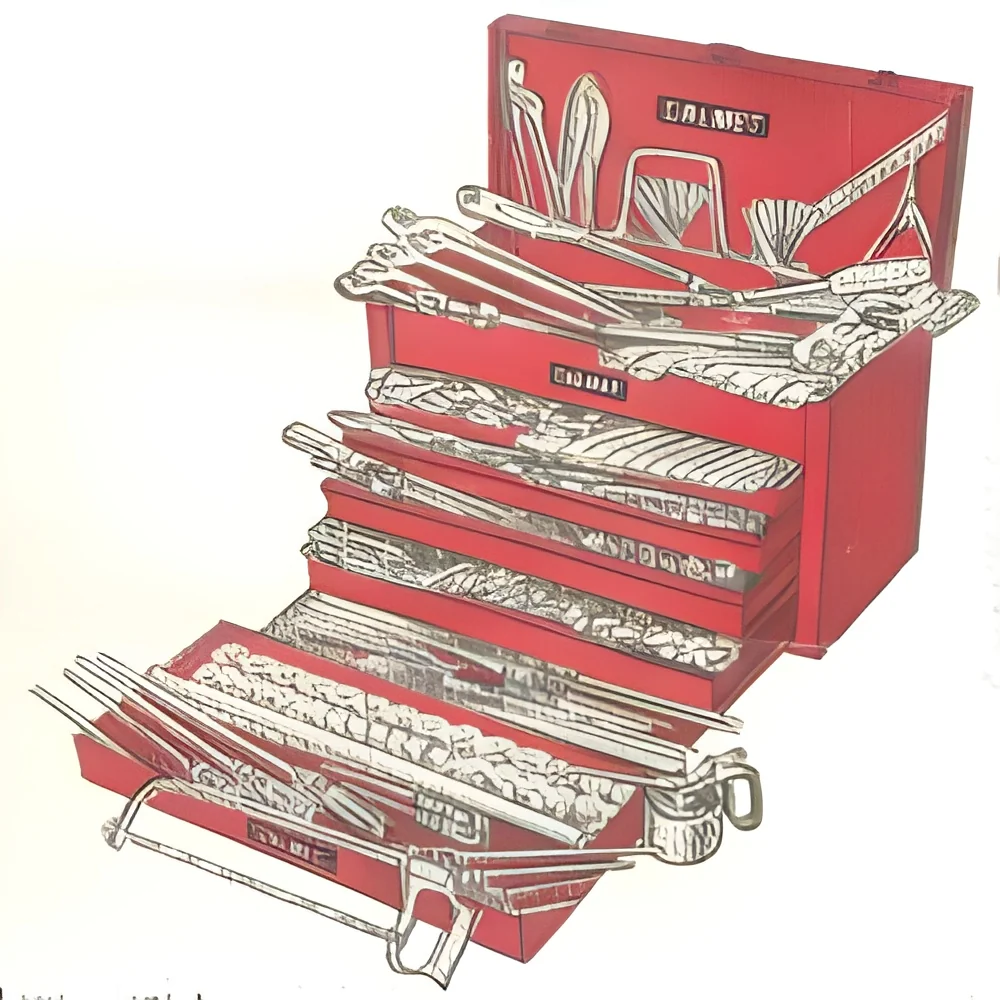
 India
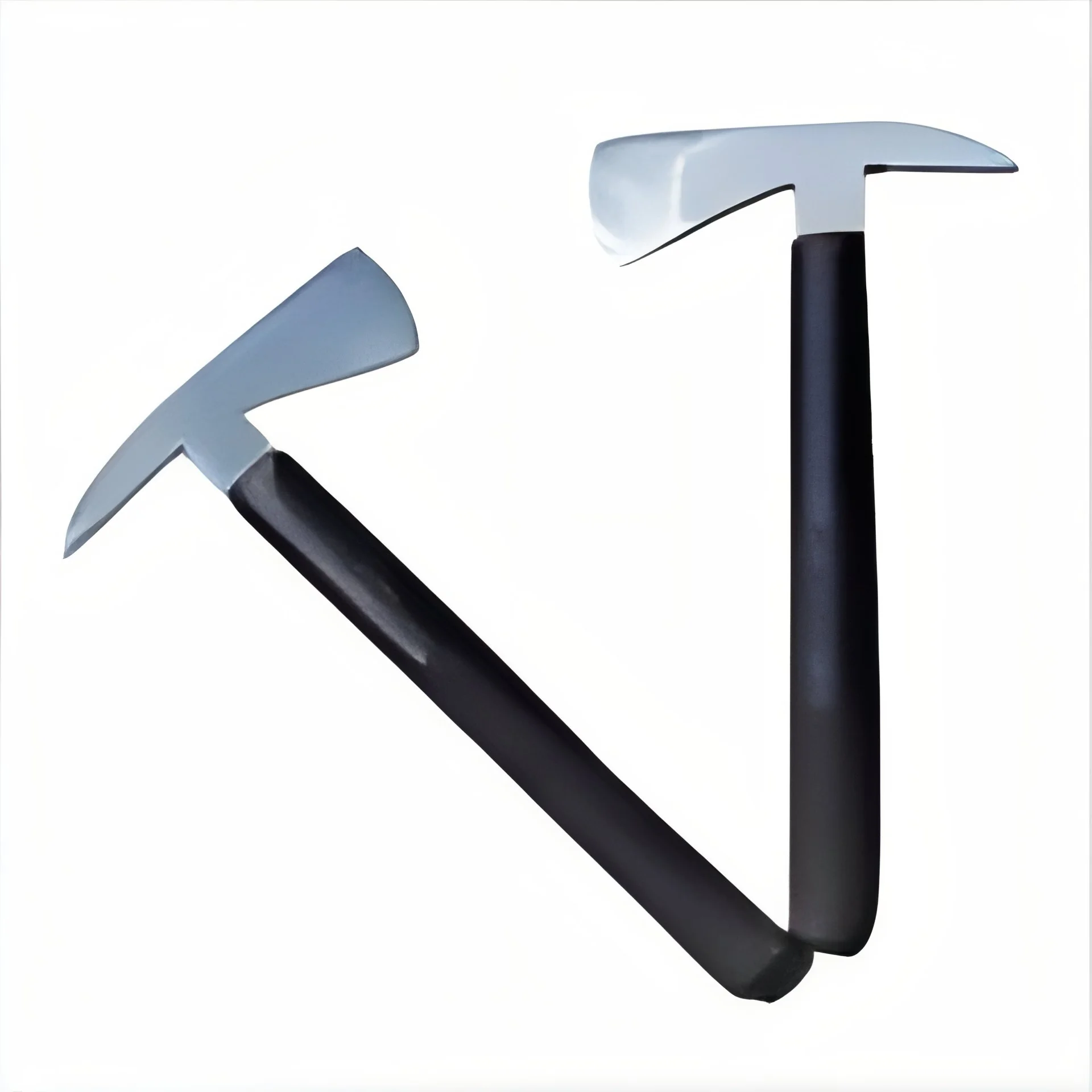 India
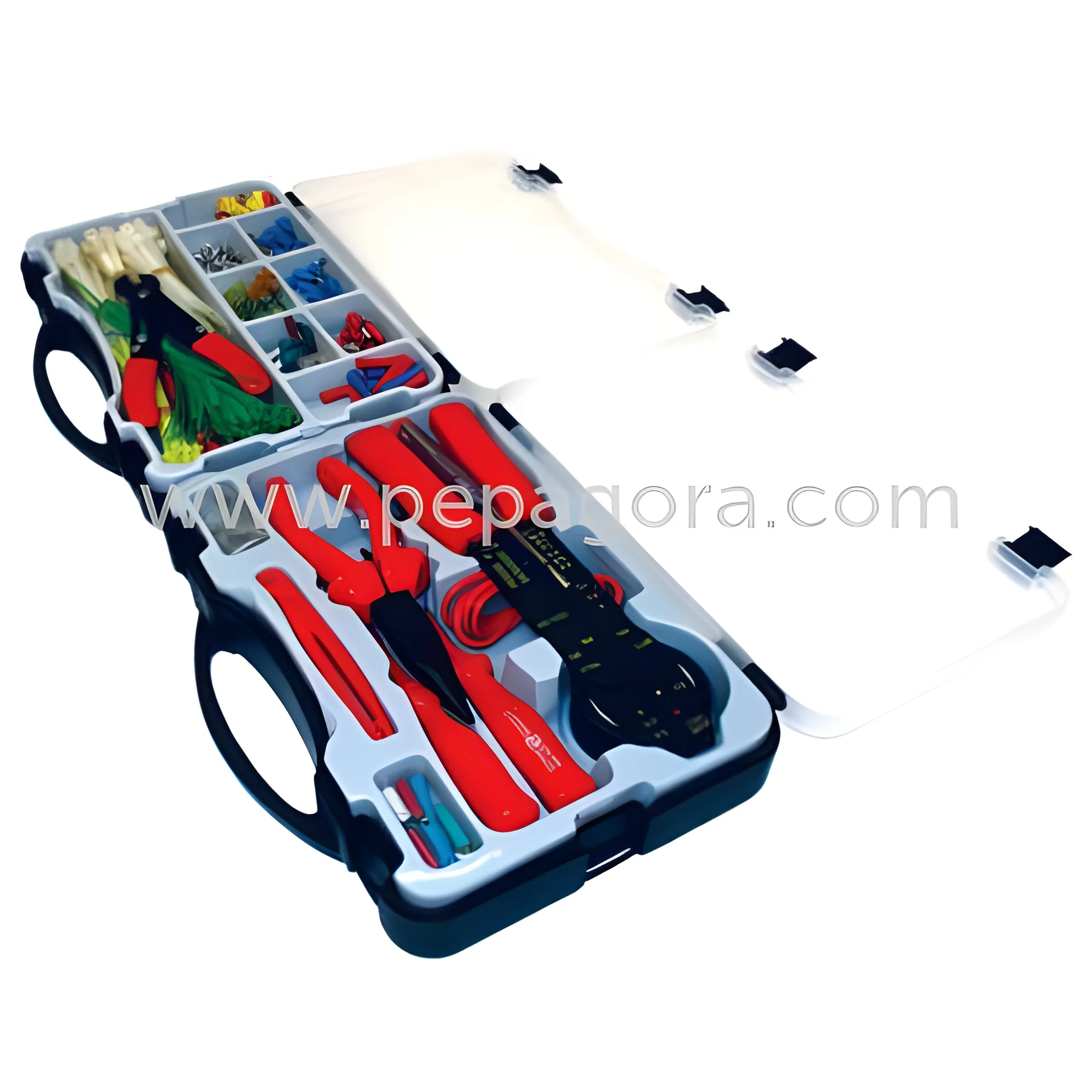
 India
 India
 India


Frequently Asked Questions
What are Automotive Hand Tools?
Automotive hand tools are manual tools used for repairing, maintaining, and servicing vehicles. These tools include wrenches, screwdrivers, pliers, and hammers, which are essential for automotive technicians and DIY enthusiasts.
What are the different types of Automotive Hand Tools?
Automotive hand tools can be categorized into several types, including socket sets, screwdrivers, pliers, wrenches, hammers, and specialty tools. Each type serves a specific purpose, such as tightening bolts or removing components.
How do I choose the right Automotive Hand Tools?
When selecting automotive hand tools, consider factors such as the type of vehicle, the specific repairs needed, and tool durability. It's also important to choose tools that are comfortable to use and offer a good grip.
What are the standard specifications for Automotive Hand Tools?
Standard specifications for automotive hand tools generally include material composition, size, and torque ratings. Tools should meet industry standards for safety and performance, such as those set by organizations like ANSI or ISO.
What is the price range for Automotive Hand Tools?
The price range for automotive hand tools can vary widely based on brand, quality, and type. Basic hand tools may start at a few hundred rupees, while specialized tools or high-end brands can cost several thousand rupees.
What quality standards apply to Automotive Hand Tools?
Automotive hand tools are typically subject to quality standards that ensure safety and reliability. Common standards include those set by the American National Standards Institute (ANSI) and International Organization for Standardization (ISO).
Where can I find Automotive Hand Tools suppliers in India?
Automotive hand tools suppliers in India can be found through various channels, including online marketplaces, trade shows, and industry directories. Websites like Pepagora.com offer a platform to connect with reputable manufacturers and suppliers.
Can Automotive Hand Tools be customized?
Yes, many manufacturers offer customization options for automotive hand tools. Customization can include branding, specific tool sizes, or unique features tailored to meet the needs of a particular business or application.
What is the typical minimum order quantity for Automotive Hand Tools?
The minimum order quantity (MOQ) for automotive hand tools can vary by supplier and product type. Typically, MOQs can range from a small batch of a few pieces to larger orders depending on the manufacturer's policies.
What is the typical lead time for Automotive Hand Tools?
The typical lead time for automotive hand tools can vary based on the supplier and order size. Generally, lead times can range from a few days for stock items to several weeks for custom orders or larger quantities.
Why Businesses Trust Pepagora
Thousands of companies trust Pepagora to source smarter and sell faster
Expand Your Sales Globally

Source Smarter,Grow Faster
