
 IN
Automotive Diagnostic Tools
44 products available
What are Automotive Diagnostic Tools?
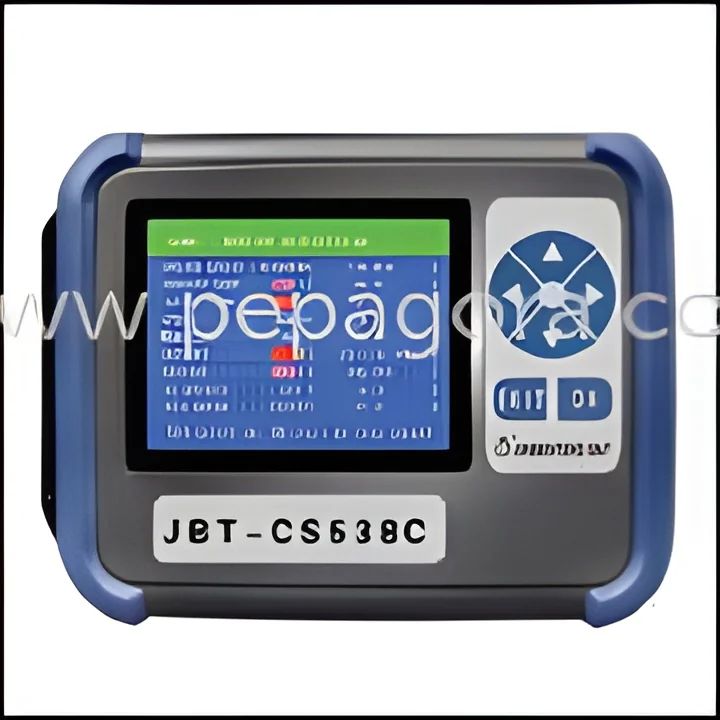
Automotive diagnostic tools are specialized devices used to diagnose and troubleshoot issues in vehicles. These tools interact with the vehicle’s onboard computer systems to retrieve diagnostic trouble codes and other data related to vehicle performance. By analyzing this information, technicians can identify faults, monitor systems, and ensure vehicles are operating efficiently.
The primary uses of automotive diagnostic tools include vehicle maintenance, repair, and performance tuning. They are essential for automotive repair shops, dealerships, and fleet management companies. Businesses use these tools to enhance their service offerings, reduce downtime, and improve customer satisfaction. As vehicles become more technologically advanced, the importance of reliable diagnostic tools has increased, making them a critical component in the automotive industry.
In a market characterized by rapid technological advancements and increasing vehicle complexity, automotive diagnostic tools play a vital role. The demand for these tools continues to grow as more vehicles incorporate advanced electronics and software. Companies that invest in high-quality diagnostic tools are better equipped to handle a wide range of automotive issues, which can lead to increased profitability and competitive advantage.
Key Features and Specifications
Automotive diagnostic tools come with a variety of features designed to enhance usability and performance. Understanding these specifications is crucial for selecting the right tool for specific needs.
Key specifications include:
1. Compatibility
- Tools must be compatible with various vehicle makes and models.
- Support for different protocols such as OBD-II, CAN, and more.
2. Diagnostic Functions
- Ability to perform tasks like read and clear codes, live data streaming, and freeze frame data.
- Advanced features such as component activation and bi-directional control.
3. Display
- A clear and user-friendly display for easy navigation and data visualization.
- Screen size and resolution can affect readability and usability.
4. Software Updates
- Tools should offer regular software updates for new vehicle models and diagnostic protocols.
- Access to a database of repair information and troubleshooting tips.
5. Portability
- Lightweight and compact designs for easy handling and storage.
- Battery-operated options for use in various environments.
6. Connectivity
- Options for wired or wireless connections to vehicles and external devices.
- Compatibility with smartphones and tablets for enhanced functionality.
7. User Interface
- Intuitive user interface that simplifies operation.
- Touchscreen capabilities for ease of use.
8. Warranty and Support
- Length of warranty and availability of customer support services.
- Training resources and documentation to assist users.
In summary, selecting automotive diagnostic tools involves understanding their key features and specifications to match the tools with the needs of the business.
Common Applications and Use Cases
Automotive diagnostic tools serve various industries, each with specific applications.
1. Automotive Repair Shops: These businesses use diagnostic tools for everyday vehicle maintenance and repairs, helping to identify issues quickly and accurately.
2. Fleet Management: Companies managing large fleets utilize these tools to monitor vehicle health and performance, reducing downtime and maintenance costs.
3. Automotive Dealerships: Dealerships rely on diagnostic tools for servicing vehicles and ensuring compliance with manufacturer standards.
4. Insurance Companies: Insurers may use diagnostic tools to assess vehicle conditions during claims processes, aiding in fraud prevention and loss assessment.
5. Vehicle Manufacturers: Manufacturers utilize these tools during quality control processes to ensure that vehicles meet performance and safety standards.
6. Educational Institutions: Automotive training schools use diagnostic tools to teach students about vehicle systems and troubleshooting techniques.
7. Aftermarket Parts Suppliers: Suppliers use diagnostic tools to test and ensure the compatibility of their products with various vehicle models.
Product Variants and Subcategories
Automotive diagnostic tools come in various forms to meet diverse user needs.
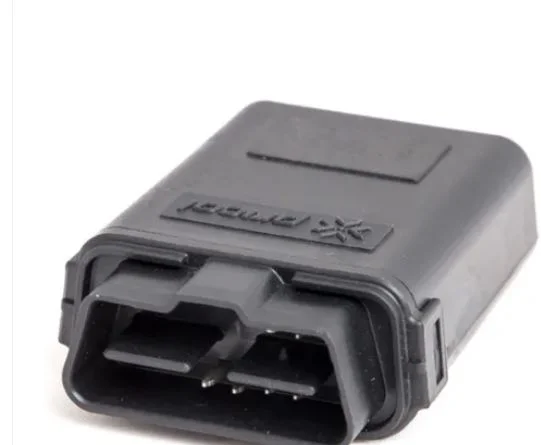
OBD-II Scanners
These are the most common diagnostic tools, designed for basic troubleshooting and code reading. They are user-friendly and ideal for DIY enthusiasts and small repair shops.
Professional Diagnostic Scanners
These advanced tools offer comprehensive vehicle diagnostics, including advanced functions like coding and programming. They are suitable for professional mechanics and larger repair facilities.
Multimeters
While not exclusively diagnostic tools, multimeters are essential for electrical diagnostics. They measure voltage, current, and resistance, helping technicians troubleshoot electrical issues.
Oscilloscopes
These tools provide visual representations of electrical signals, allowing for in-depth analysis of vehicle systems. They are used primarily in high-level diagnostics.
Benefits and Advantages
Automotive diagnostic tools offer numerous benefits for businesses in the automotive sector.
1. Improved Efficiency: These tools streamline the diagnostic process, allowing technicians to identify issues quickly and reduce repair times.
2. Cost Savings: By diagnosing problems early, businesses can avoid costly repairs and parts replacements, leading to overall savings.
3. Enhanced Accuracy: Advanced diagnostic tools provide precise data, reducing the risk of misdiagnosis and improving repair quality.
4. Increased Customer Satisfaction: With faster and more accurate service, customer satisfaction levels rise, leading to repeat business and referrals.
5. Competitive Advantage: Businesses equipped with the latest diagnostic tools can provide superior service, helping them stand out in a competitive market.
6. Training Opportunities: The use of diagnostic tools also facilitates ongoing training for technicians, keeping their skills updated with evolving technologies.
Buying Guide for B2B Buyers
When sourcing Automotive Diagnostic Tools, several factors should be considered to ensure the right choice.
1. Quality Assessment: Evaluate the build quality, reliability, and performance of the tools. Look for brands with a strong reputation for durability and accuracy.
2. Supplier Verification: Conduct thorough research on suppliers to confirm their credibility. Check for reviews, customer feedback, and their history in the market.
3. Pricing and MOQ: Understand the pricing structure and minimum order quantities. Compare prices across suppliers while considering the total cost of ownership.
4. Delivery and Lead Times: Assess the expected delivery times and logistics. Timely delivery is crucial for maintaining workflow in automotive businesses.
5. Compliance Requirements: Ensure that the diagnostic tools meet relevant industry standards and certifications. This may include safety regulations and quality assurance protocols.
Compliance and Certifications
Automotive diagnostic tools must adhere to various compliance and certification standards to ensure quality and safety.
ISO 9001 is a widely recognized quality management standard that ensures products meet customer and regulatory requirements consistently.
CE certification indicates that a product meets European safety and environmental protection standards. This certification is crucial for tools sold in the European market.
Safety and testing requirements vary by region and application, ensuring that tools are safe to use and perform as expected under typical conditions.
Additionally, regional compliance considerations may include local regulations that govern automotive repairs and equipment safety, making it essential for businesses to stay informed about applicable laws.
Why Source Automotive Diagnostic Tools from Pepagora?
Pepagora provides a trusted platform for sourcing Automotive Diagnostic Tools, offering several key advantages for B2B buyers.
Verified Supplier Network: Pepagora boasts a network of verified suppliers, ensuring that buyers can find quality products from reputable manufacturers. This verification process helps mitigate risks associated with sourcing.
Streamlined RFQ Process: The platform simplifies the request for quotation (RFQ) process, allowing buyers to quickly compare offers from multiple suppliers. This efficiency saves time and enhances decision-making.
Trade Assurance and Support: Pepagora offers trade assurance to protect buyers, ensuring that transactions are secure and that support is available throughout the purchasing process.
Regional Coverage: With a strong presence in regions like India, the GCC, and Southeast Asia, Pepagora provides buyers with access to a wide range of automotive diagnostic tools tailored to local market needs. This geographic reach facilitates easier sourcing and logistics for businesses.

 India

 India
 India
 India
 India
 India
 India
 India
 India

 India
 India

 India

 India
 India
 India
Frequently Asked Questions
What are Automotive Diagnostic Tools?
Automotive Diagnostic Tools are devices used to diagnose and troubleshoot issues in vehicles. They analyze data from various vehicle systems to identify faults, helping technicians and mechanics maintain and repair vehicles efficiently.
What are the different types of Automotive Diagnostic Tools?
There are several types of Automotive Diagnostic Tools, including OBD-II scanners, multimeters, oscilloscopes, and scanning tools. Each type serves a specific purpose, such as reading error codes, measuring electrical parameters, or analyzing vehicle performance.
How do I choose the right Automotive Diagnostic Tools?
To choose the right Automotive Diagnostic Tools, consider the type of vehicles you will be servicing and the specific diagnostic needs. Evaluate the features, compatibility with different vehicle models, and ease of use to ensure you select a tool that meets your requirements.
What are the standard specifications for Automotive Diagnostic Tools?
Standard specifications for Automotive Diagnostic Tools include compatibility with various vehicle protocols, data reading capabilities, and user interface features. Most tools should support OBD-II protocols and have the ability to read diagnostic trouble codes, live data, and perform system tests.
What is the price range for Automotive Diagnostic Tools?
The price range for Automotive Diagnostic Tools can vary widely based on the type and features. Basic OBD-II scanners may start around INR 2,000, while advanced diagnostic tools with extensive features can cost upwards of INR 50,000 or more.
What quality standards apply to Automotive Diagnostic Tools?
Automotive Diagnostic Tools should adhere to industry standards such as ISO/IEC for electronic equipment and specific automotive standards. Quality certifications like CE and RoHS can also indicate compliance with safety and environmental regulations.
Where can I find Automotive Diagnostic Tools suppliers in India?
You can find Automotive Diagnostic Tools suppliers in India through B2B marketplaces like Pepagora.com. Additionally, industry trade shows, automotive expos, and online directories can connect you with reputable manufacturers and suppliers.
Can Automotive Diagnostic Tools be customized?
Yes, many manufacturers offer customization options for Automotive Diagnostic Tools. Customization can include branding, specific software features, or hardware modifications to better suit particular diagnostic needs.
What is the typical minimum order quantity for Automotive Diagnostic Tools?
The typical minimum order quantity (MOQ) for Automotive Diagnostic Tools varies by supplier and product type. Generally, MOQs can range from 10 to 100 units, depending on the manufacturer and the tool's complexity.
What is the typical lead time for Automotive Diagnostic Tools?
The typical lead time for Automotive Diagnostic Tools can vary based on the supplier and the order size. Generally, you can expect a lead time of 2 to 6 weeks for standard orders, while customized tools may take longer.
Why Businesses Trust Pepagora
Thousands of companies trust Pepagora to source smarter and sell faster
Expand Your Sales Globally

Source Smarter,Grow Faster
