
 IN
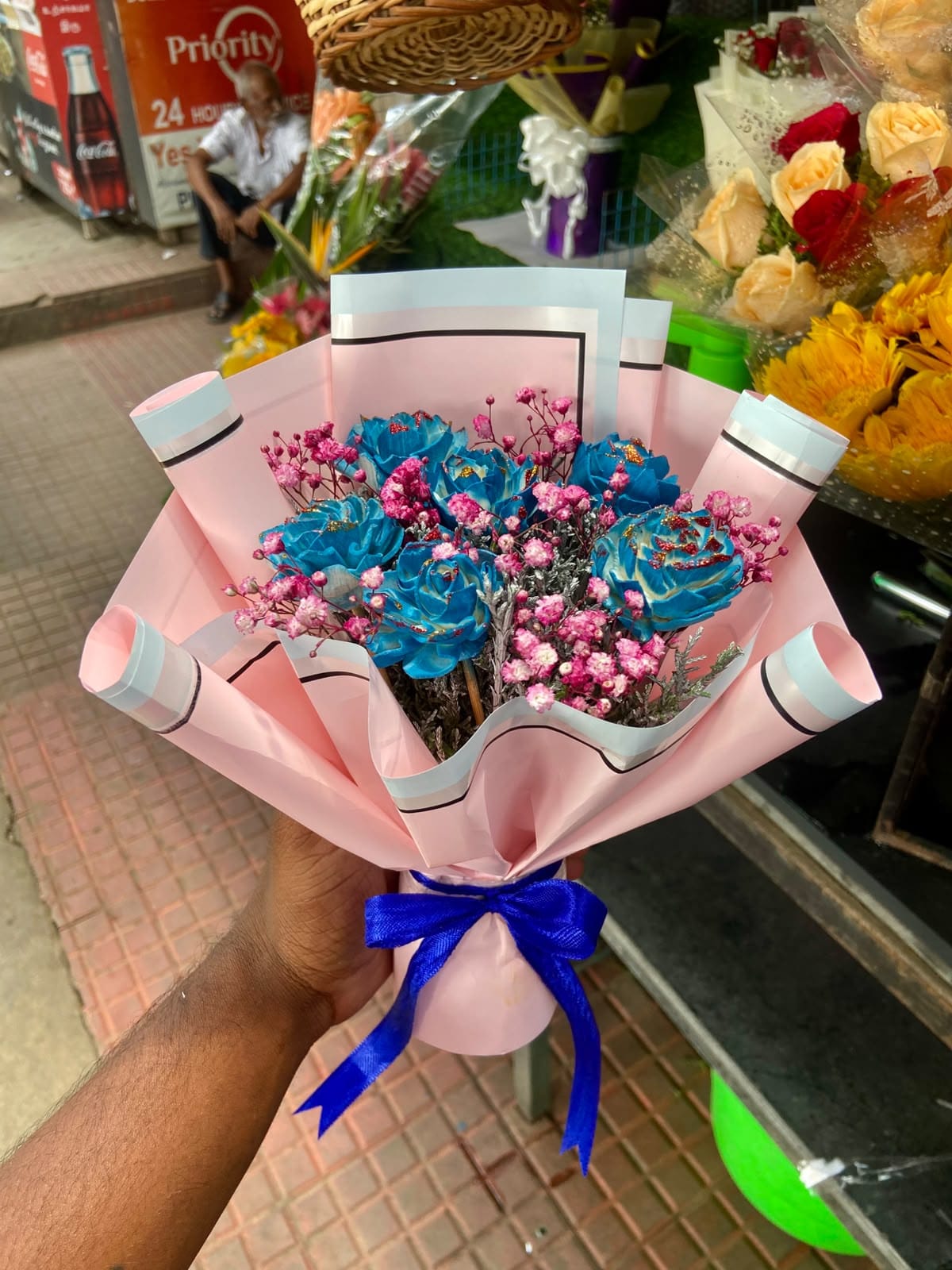
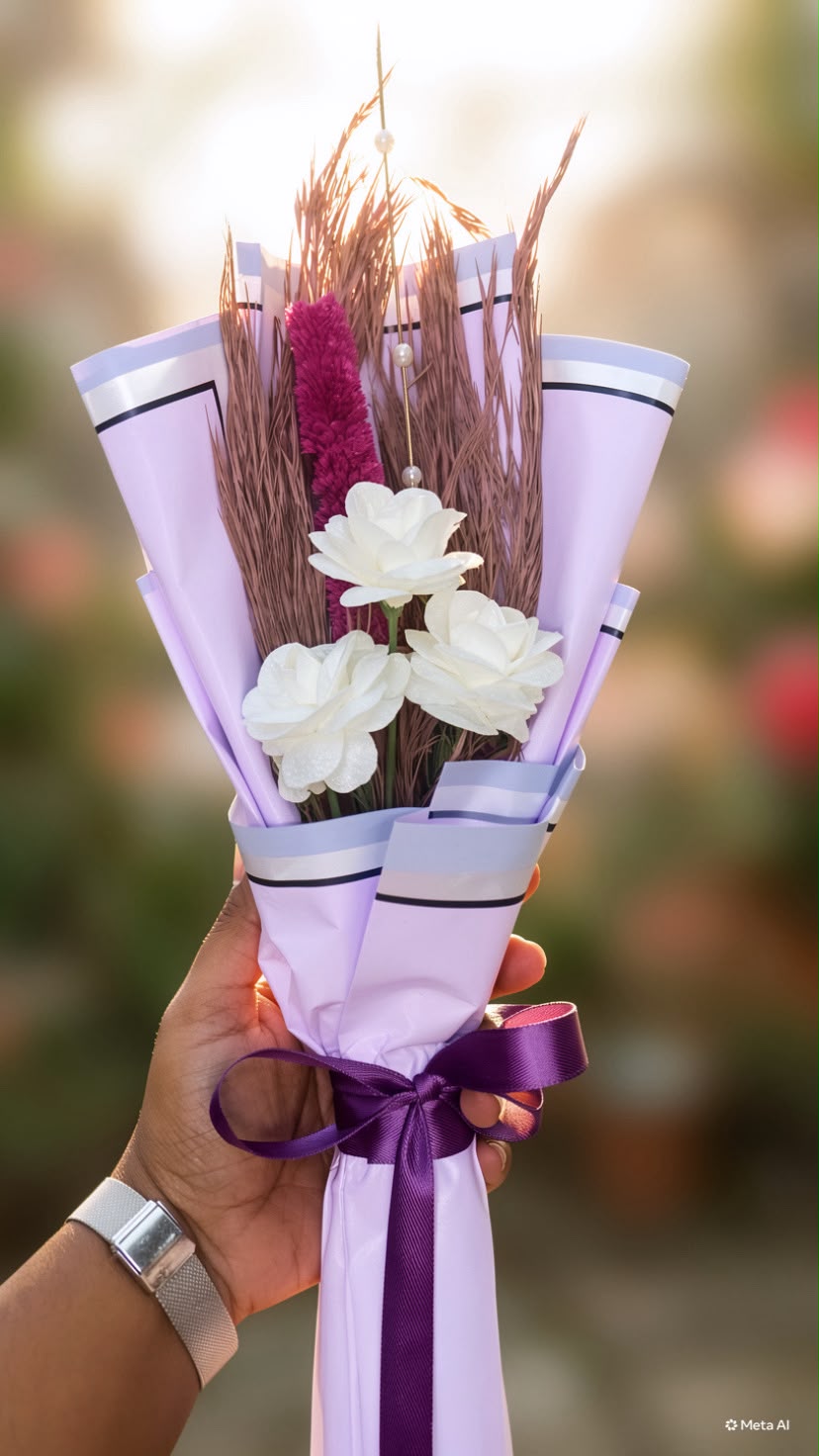
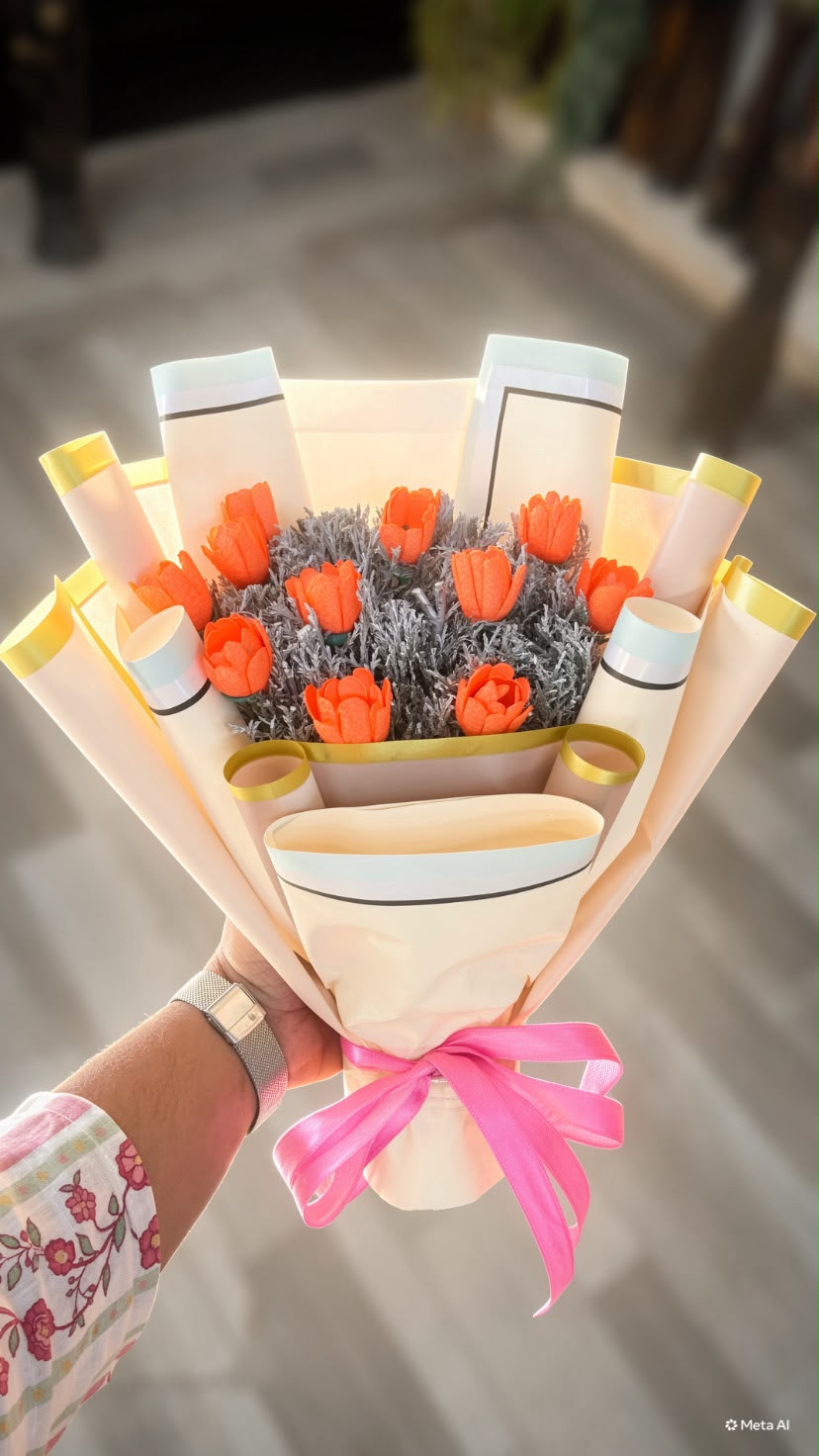
Artificial Roses & Bouquets
7 products available
What are Artificial Roses & Bouquets?
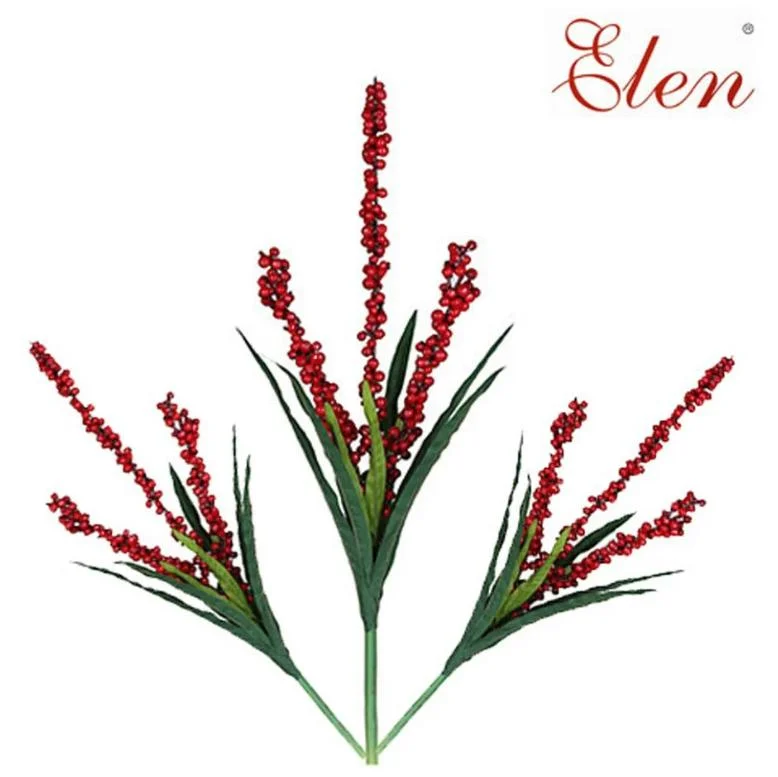
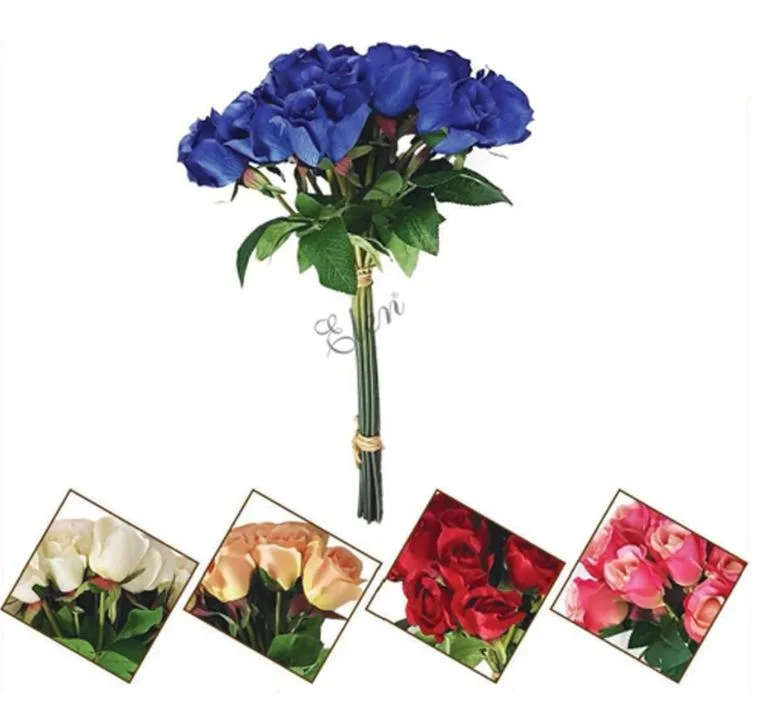
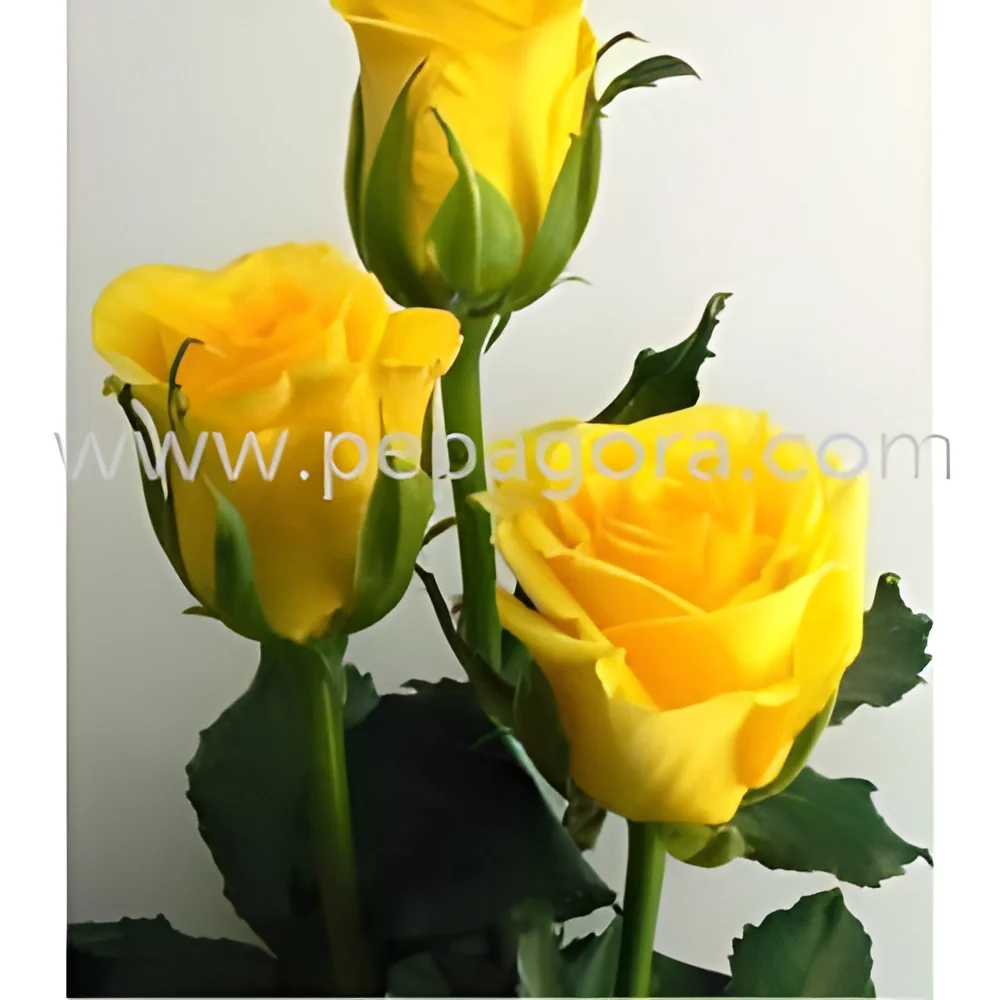
Artificial roses and bouquets are synthetic floral arrangements designed to imitate the appearance of real flowers. Made from materials such as silk, plastic, or latex, these products offer a long-lasting alternative to fresh flowers. They are available in a variety of colors, sizes, and styles, making them suitable for various occasions and settings. The craftsmanship involved in creating artificial roses ensures that they closely resemble their natural counterparts, providing aesthetic appeal without the need for maintenance.
Businesses often utilize artificial roses and bouquets for decorative purposes, events, and retail displays. They are popular in sectors such as hospitality, event planning, and retail, where a consistent and lasting floral presentation is desired. Additionally, these products are favored for their durability and cost-effectiveness. With an increasing demand for sustainable and low-maintenance décor options, artificial flowers have gained relevance in the market, fitting into the broader trend of eco-conscious consumerism.
Key Features and Specifications
Artificial roses and bouquets come with a range of features that contribute to their popularity in various business applications. Understanding these specifications can help buyers make informed decisions.
Key specifications include:
1. Material Composition
- Typically made from silk, plastic, or a blend of synthetic materials.
- Offers durability and a lifelike appearance.
2. Color Options
- Available in various colors to meet diverse aesthetic preferences.
- Custom color matching may be available for branding purposes.
3. Size Variability
- Comes in multiple sizes from small single stems to large bouquets.
- Enables versatility in placement and design.
4. Maintenance Requirements
- No watering or sunlight needed, making them easy to maintain.
- Simple cleaning with a damp cloth is usually all that is required.
5. Lifespan
- Designed to last for years without wilting or fading.
- Resistant to damage from UV exposure.
6. Weight
- Lightweight options are available for easy transport and arrangement.
- Heavier models may provide more stability in windy environments.
7. Customization Options
- Many suppliers offer customization in terms of bouquet design and arrangement.
- Personalization for special events or branding can be arranged.
In summary, understanding the key features and specifications of artificial roses and bouquets equips buyers with the knowledge needed to choose the right products for their needs.
Common Applications and Use Cases
Artificial roses and bouquets serve various industries, providing versatile solutions for floral decoration and presentation.
1. Hospitality Industry: Hotels and resorts often use artificial flowers in their lobbies and guest rooms to create a welcoming atmosphere without the upkeep of live plants.
2. Event Planning: Wedding planners frequently incorporate artificial bouquets for bridal arrangements and centerpieces, ensuring durability and consistency throughout the event.
3. Retail: Stores utilize artificial flowers for window displays and merchandising, as they maintain their appearance without fading or wilting.
4. Interior Design: Interior decorators use artificial arrangements to enhance the aesthetic appeal of residential and commercial spaces, providing long-lasting beauty.
5. Film and Theater: Productions often rely on artificial flowers for set design, as they can withstand repeated use without deterioration.
6. Education: Schools and universities may use artificial bouquets in classrooms and common areas to enhance the environment while minimizing maintenance.
7. Funeral Services: Artificial arrangements are commonly used in memorial services and graveside decorations, providing lasting tributes.
Product Variants and Subcategories
Artificial roses and bouquets come in diverse variants to cater to different market needs.
Classic Roses: These are traditional rose designs made from high-quality silk or polyester. They are often used for weddings and formal events, providing an elegant touch without the need for upkeep.
Mixed Bouquets: These arrangements combine various types of flowers, including artificial roses, lilies, and daisies. They are perfect for home décor or as gifts, offering a vibrant and colorful option.
Seasonal Collections: Vendors often create seasonal-themed artificial flower arrangements, such as spring florals or holiday bouquets. These collections allow businesses to refresh their décor according to the time of year.
Benefits and Advantages
Artificial roses and bouquets offer numerous benefits that make them an attractive choice for businesses.
1. Cost-Effective: They provide a long-term solution that eliminates the need for regular flower purchases, saving businesses money over time.
2. Zero Maintenance: Unlike fresh flowers, artificial arrangements require no watering, trimming, or sunlight, making them hassle-free.
3. Consistent Quality: Artificial flowers maintain their appearance year-round, ensuring a consistent look for any event or display.
4. Versatility: They can be used in a variety of settings, from casual to formal, and can be easily rearranged or customized for different needs.
5. Allergy-Friendly: Artificial arrangements do not produce pollen, making them suitable for environments where allergies may be a concern.
6. Eco-Friendly Options: Many artificial flowers are made from recyclable materials, aligning with sustainability goals for businesses.
Buying Guide for B2B Buyers
When sourcing artificial roses and bouquets, it is essential for buyers to consider several critical factors to ensure they make the right choice.
1. Quality Assessment: Evaluate the materials used in the flowers, ensuring they are durable and closely resemble real flowers. Check for craftsmanship and attention to detail.
2. Supplier Verification: It is crucial to vet suppliers for reliability and quality. Look for reviews, certifications, and customer testimonials.
3. Pricing and MOQ: Understand the pricing structure and minimum order quantities. Compare costs among suppliers to find the best value for your needs.
4. Delivery and Lead Times: Confirm the expected delivery timelines and logistics involved. Ensure that suppliers can meet your deadlines.
5. Compliance Requirements: Be aware of any regional regulations or certifications that may apply to artificial flowers, such as safety standards.
Compliance and Certifications
Artificial roses and bouquets may be subject to various compliance and certification requirements that ensure product quality and safety.
ISO 9001 is a relevant quality standard that applies to manufacturers of artificial flowers. This standard ensures consistent quality management processes are in place.
CE certification may also be applicable, indicating that products meet European safety, health, and environmental protection standards. This certification is essential for businesses looking to export to European markets.
Safety and testing requirements may vary by region, and it is advisable to check with suppliers to ensure their products meet local regulations.
Regional compliance considerations are also important, as different countries may have unique standards for floral products. Understanding these requirements helps businesses avoid legal issues and ensures customer safety.
Why Source Artificial Roses & Bouquets from Pepagora?
Pepagora provides a trusted platform for sourcing artificial roses and bouquets, offering numerous advantages to buyers.
Verified Supplier Network: All suppliers on the Pepagora platform undergo a thorough verification process. This ensures that buyers have access to reputable manufacturers and distributors in the industry.
Streamlined RFQ Process: Pepagora simplifies the request for quotation process, allowing buyers to receive competitive pricing quickly. This efficiency helps businesses make timely purchasing decisions.
Trade Assurance and Support: Pepagora offers buyer protection through trade assurance policies. This provides peace of mind for businesses making significant investments in artificial floral products.
Regional Coverage: With a strong presence in India, the GCC, and Southeast Asia, Pepagora connects buyers with suppliers across these regions. This extensive network facilitates easy sourcing and distribution of artificial roses and bouquets.
By choosing Pepagora, businesses can ensure they are sourcing quality artificial flowers while benefiting from a platform designed to enhance the buying experience.


 India

Frequently Asked Questions
What are Artificial Roses & Bouquets?
Artificial Roses & Bouquets are synthetic floral arrangements made to resemble real roses and other flowers. They are crafted from materials such as silk, plastic, or foam and are designed to provide a long-lasting alternative to fresh flowers.
What are the different types of Artificial Roses & Bouquets?
There are various types of Artificial Roses & Bouquets, including single stem roses, mixed bouquets, and themed arrangements. They can vary in size, color, and design, catering to different decorative needs and preferences.
How do I choose the right Artificial Roses & Bouquets?
Choosing the right Artificial Roses & Bouquets involves considering factors such as the intended use, color scheme, and design style. Additionally, assess the quality of materials and craftsmanship to ensure durability and realism.
What are the standard specifications for Artificial Roses & Bouquets?
Standard specifications for Artificial Roses & Bouquets typically include dimensions, material composition, and colorfastness. Other factors may include UV resistance for outdoor use and the overall weight of the arrangement.
What is the price range for Artificial Roses & Bouquets?
The price range for Artificial Roses & Bouquets can vary widely based on quality, design complexity, and brand. Generally, prices can start from a few hundred rupees for simple arrangements to several thousand rupees for premium, custom designs.
What quality standards apply to Artificial Roses & Bouquets?
Quality standards for Artificial Roses & Bouquets include durability, color retention, and realistic appearance. Many manufacturers adhere to industry standards to ensure that their products are safe and environmentally friendly.
Where can I find Artificial Roses & Bouquets suppliers in India?
You can find Artificial Roses & Bouquets suppliers in India through B2B marketplaces like Pepagora, trade shows, and industry directories. Additionally, local craft stores and online retailers may also provide a variety of options.
Can Artificial Roses & Bouquets be customized?
Yes, many suppliers offer customization options for Artificial Roses & Bouquets. This can include alterations in size, color, and design to meet specific customer requirements or event themes.
What is the typical minimum order quantity for Artificial Roses & Bouquets?
The typical minimum order quantity (MOQ) for Artificial Roses & Bouquets can vary by supplier, but it usually ranges from 50 to 100 units. It's advisable to check with specific suppliers for their MOQ policies.
What is the typical lead time for Artificial Roses & Bouquets?
The typical lead time for Artificial Roses & Bouquets depends on factors such as order size and customization requirements. Generally, it can range from a few days to several weeks, so it's important to confirm with suppliers beforehand.
Why Businesses Trust Pepagora
Thousands of companies trust Pepagora to source smarter and sell faster
Expand Your Sales Globally

Source Smarter,Grow Faster
