
 IN
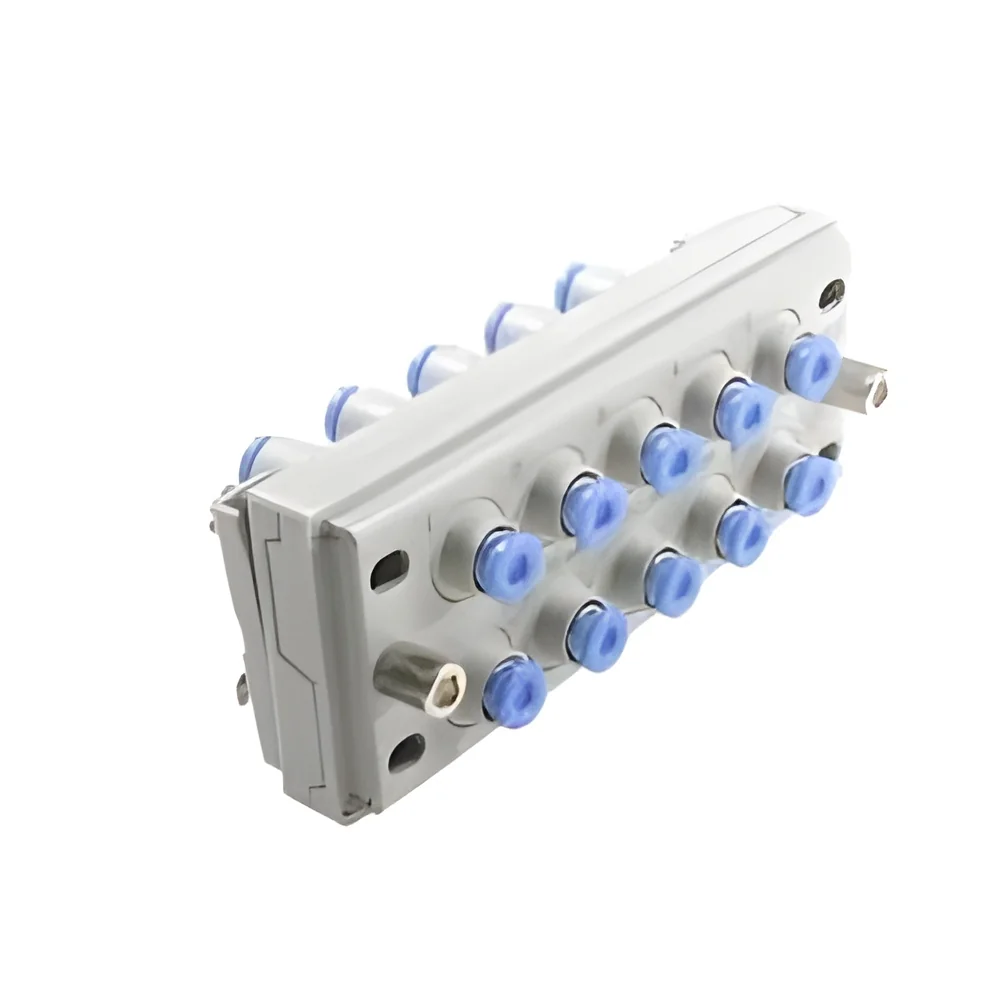
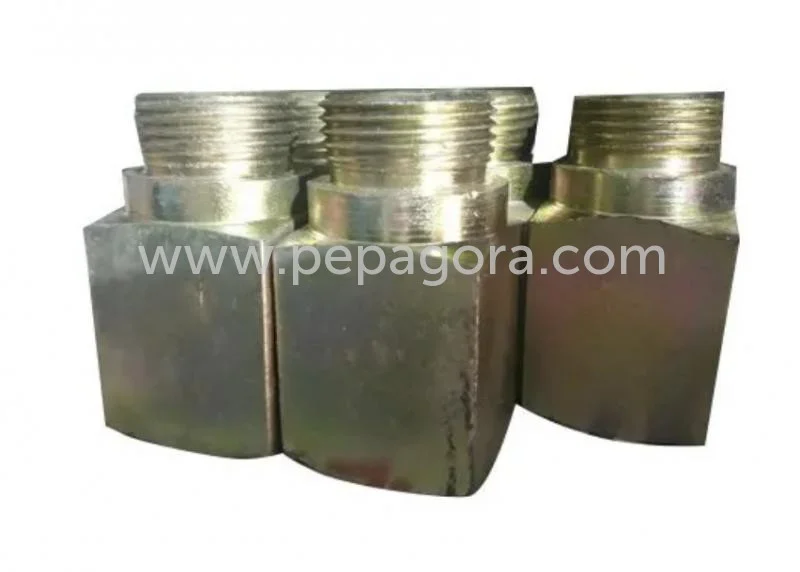
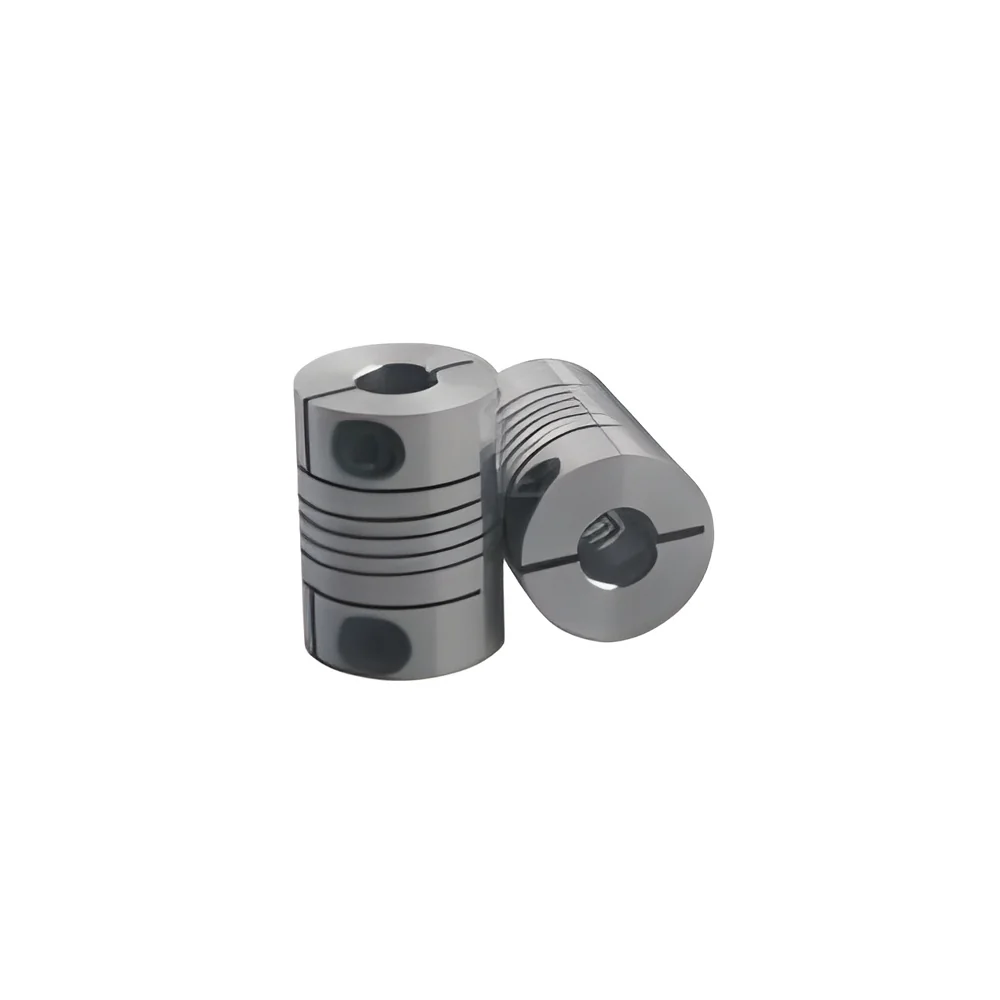
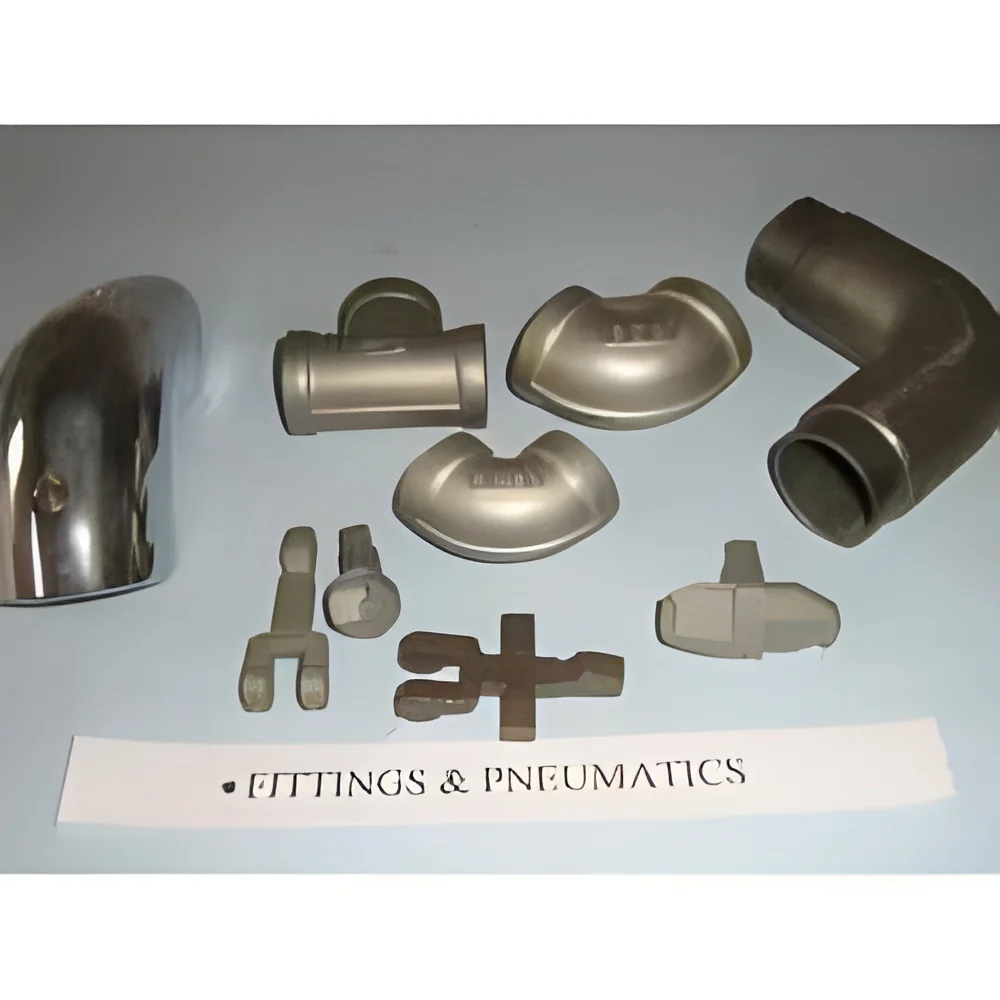
Air Tool Fittings & Couplers
7 products available
What are Air Tool Fittings & Couplers?
Air tool fittings and couplers are essential components that facilitate the connection between pneumatic tools and air supply systems. They are designed to create a secure, leak-free connection, allowing for efficient operation of air tools in various applications. These fittings and couplers come in different sizes and styles, tailored to accommodate a range of air pressure requirements and tool types.
The primary uses of air tool fittings and couplers span various industries, including manufacturing, automotive, construction, and maintenance services. They are commonly employed to connect air hoses to tools such as nail guns, impact wrenches, and air drills. This connectivity is crucial for ensuring that tools receive a consistent flow of compressed air, enabling optimal performance in demanding environments. As industries evolve, the relevance of these fittings continues to grow, driven by the need for efficient, reliable pneumatic solutions.
In today's market, air tool fittings and couplers play a vital role in ensuring productivity and safety across multiple sectors. With an increasing focus on automation and advanced manufacturing processes, the demand for high-quality fittings is on the rise. Businesses are seeking solutions that not only enhance operational efficiency but also meet rigorous industry standards.
Key Features and Specifications
Air tool fittings and couplers offer a variety of features that are essential for optimal performance and safety. Understanding these specifications is crucial for selecting the right components for specific applications.
Key specifications include:
1. Material Composition
- Typically made from durable materials such as brass, aluminum, or steel.
- Provides resistance to wear, corrosion, and pressure.
2. Pressure Rating
- Rated to handle specific pressure levels, usually ranging from 90 PSI to 300 PSI.
- Ensures safe and efficient operation of pneumatic tools.
3. Connection Type
- Available in different types, such as quick-connect, threaded, or push-to-connect.
- Facilitates easy and secure connections.
4. Size Compatibility
- Offered in various sizes to match different hose diameters and tool requirements.
- Common sizes include 1/4 inch, 3/8 inch, and 1/2 inch.
5. Flow Rate
- Designed to accommodate specific flow rates, affecting tool performance.
- Flow rates typically range from 20 CFM to 40 CFM.
6. Temperature Tolerance
- Operating temperatures can vary, generally between -20°F to 250°F.
- Ensures functionality in diverse environments.
7. Safety Features
- Some couplers include safety locks or valves to prevent accidental disconnection.
- Enhances user safety during operation.
8. Compliance Standards
- Many fittings meet industry standards such as CE certification.
- Ensures reliability and safety in industrial applications.
With these specifications in mind, businesses can make informed decisions that enhance their pneumatic tool performance and overall operational efficiency.
Common Applications and Use Cases
Air tool fittings and couplers are versatile components utilized across numerous industries.
1. Manufacturing: In manufacturing settings, these fittings facilitate the connection of air-powered machinery, ensuring efficient operation and reduced downtime.
2. Automotive: Air tool fittings are vital in automotive repair shops, where they connect tools like impact wrenches and air ratchets to compressed air sources.
3. Construction: In construction, these fittings are used with pneumatic tools such as nail guns and air hammers, allowing for quick assembly and demolition tasks.
4. Maintenance Services: Air tool fittings play a significant role in maintenance operations, connecting tools that perform essential tasks in facilities management or equipment servicing.
5. Woodworking: In woodworking shops, air tool couplers connect pneumatic saws and sanders, enhancing precision and speed in crafting projects.
6. Agriculture: Farmers use air tool fittings to power pneumatic equipment for tasks such as planting and harvesting, improving efficiency in agricultural processes.
7. HVAC: In HVAC applications, fittings are essential for connecting air compressors to tools used in installation and maintenance of heating and cooling systems.
Product Variants and Subcategories
Air tool fittings and couplers come in various forms to meet specific needs and applications.
Quick-Connect Couplers
These couplers allow for fast and easy connection and disconnection of air tools. They are designed for high efficiency, enabling users to switch tools rapidly, which is essential in dynamic work environments.
Threaded Fittings
Threaded fittings provide a secure, permanent connection between hoses and tools. They are ideal for applications where a constant air supply is required, ensuring no air leaks occur during operation.
Push-to-Connect Fittings
These fittings offer a convenient way to connect air hoses without the need for additional tools. Their design allows for simple engagement and disengagement, making them perfect for users who frequently change tools.
Barbed Fittings
Barbed fittings are designed to create a tight seal with the hose, making them suitable for lower-pressure applications. They are often used in situations where flexibility and ease of installation are important.
Benefits and Advantages
Utilizing air tool fittings and couplers offers numerous benefits for businesses.
1. Enhanced Efficiency: These fittings ensure a steady air supply to tools, maximizing their performance and reducing downtime.
2. Improved Safety: High-quality couplers include safety features that minimize the risk of accidental disconnections, protecting workers during operations.
3. Cost-Effectiveness: Investing in reliable fittings can lead to long-term savings by reducing maintenance costs and tool damage.
4. Versatility: The wide range of fittings available allows for compatibility with various tools and equipment, making them suitable for multiple applications.
5. Easy Installation: Quick-connect and push-to-connect options simplify the process of connecting tools, reducing labor time.
6. Quality Assurance: Sourcing from reputable suppliers ensures that fittings meet industry standards, contributing to overall operational safety and reliability.
Buying Guide for B2B Buyers
When sourcing air tool fittings and couplers, buyers should consider several key factors to ensure they select the right products for their needs.
1. Quality Assessment: It is important to evaluate the quality of materials used in the fittings. Look for brands that adhere to industry standards and provide reliable performance.
2. Supplier Verification: Vetting suppliers is crucial to ensure their credibility. Check for certifications and customer reviews to confirm their reputation in the market.
3. Pricing and MOQ: Understand the pricing structure and minimum order quantities (MOQ) required. This helps in budgeting and ensures the supplier can meet your volume needs.
4. Delivery and Lead Times: Consider the logistics of delivery. Ensure that the supplier can provide timely shipping to avoid project delays.
5. Compliance Requirements: Verify that the fittings meet necessary regulatory standards and certifications for your industry, ensuring they are safe and reliable for use.
Compliance and Certifications
Air tool fittings and couplers must meet various compliance and certification standards to ensure safety and quality in their applications.
ISO 9001 is a widely recognized quality management standard that ensures manufacturers maintain high quality in their processes. Compliance with this standard guarantees that fittings are produced consistently to meet customer requirements.
The CE marking indicates conformity with European health, safety, and environmental protection standards. This certification is crucial for fittings sold in Europe, assuring users of their safety and reliability.
Safety and testing requirements are essential to maintaining operational integrity. Manufacturers must conduct rigorous testing to validate the performance and durability of fittings under various conditions.
Regional compliance considerations should also be taken into account, as different regions may impose specific regulations regarding material use and safety standards. Understanding these requirements helps businesses remain compliant while sourcing air tool fittings.
Why Source Air Tool Fittings & Couplers from Pepagora?
Pepagora serves as a trusted platform for sourcing air tool fittings and couplers, providing numerous advantages to B2B buyers.
Verified Supplier Network: Pepagora connects buyers with a network of verified suppliers. This ensures that all suppliers meet stringent quality standards, giving buyers confidence in their purchases.
Streamlined RFQ Process: The platform simplifies the request for quotation (RFQ) process, allowing buyers to easily compare options and select the best fit for their needs. This efficiency saves time and enhances decision-making.
Trade Assurance and Support: Pepagora offers trade assurance, protecting buyers from potential risks during transactions. Their dedicated support team is available to assist with any inquiries or issues that may arise.
Regional Coverage: With a focus on markets in India, the GCC, and Southeast Asia, Pepagora provides extensive geographic reach. This accessibility allows businesses in these regions to find suitable suppliers quickly and efficiently.

 India
 India
 India
 India

Frequently Asked Questions
What are Air Tool Fittings & Couplers?
Air Tool Fittings & Couplers are components used to connect air tools to air hoses or compressors. They facilitate the quick and secure connection and disconnection of air-powered tools, ensuring efficient operation.
What are the different types of Air Tool Fittings & Couplers?
There are several types of Air Tool Fittings & Couplers, including plug types, socket types, and quick-release couplers. Each type is designed for specific applications and air pressure requirements, providing versatility for various air tools.
How do I choose the right Air Tool Fittings & Couplers?
To choose the right Air Tool Fittings & Couplers, consider the compatibility with your air tools and hoses, the required pressure rating, and the material used for durability. Additionally, ensure that the fitting type aligns with your specific application needs.
What are the standard specifications for Air Tool Fittings & Couplers?
Standard specifications for Air Tool Fittings & Couplers include dimensions, pressure ratings, and materials such as brass, steel, or plastic. Compliance with industry standards ensures reliability and safety during operation.
What is the price range for Air Tool Fittings & Couplers?
The price range for Air Tool Fittings & Couplers can vary widely based on type, material, and brand. Generally, prices can range from a few hundred to several thousand Indian Rupees, depending on the specifications and features.
What quality standards apply to Air Tool Fittings & Couplers?
Air Tool Fittings & Couplers should comply with industry quality standards such as ISO, ASTM, or local safety regulations. Adhering to these standards ensures that the fittings are safe, durable, and reliable for use in various applications.
Where can I find Air Tool Fittings & Couplers suppliers in India?
You can find Air Tool Fittings & Couplers suppliers in India through online B2B marketplaces like Pepagora, trade shows, and industry directories. Additionally, local hardware stores may also stock these components.
Can Air Tool Fittings & Couplers be customized?
Yes, many manufacturers offer customization options for Air Tool Fittings & Couplers to meet specific requirements. Customization may include variations in size, material, and design to suit particular applications.
What is the typical minimum order quantity for Air Tool Fittings & Couplers?
The typical minimum order quantity (MOQ) for Air Tool Fittings & Couplers can vary by supplier and product type. Generally, MOQs can range from 50 to 100 pieces, but it's advisable to check with individual suppliers for their specific requirements.
What is the typical lead time for Air Tool Fittings & Couplers?
The typical lead time for Air Tool Fittings & Couplers depends on the supplier and the complexity of the order. Generally, lead times can range from a few days to several weeks, especially for custom orders.
Why Businesses Trust Pepagora
Thousands of companies trust Pepagora to source smarter and sell faster
Expand Your Sales Globally

Source Smarter,Grow Faster
