
 IN
AC Gas Charging Equipment
2 products available
What are AC Gas Charging Equipment?
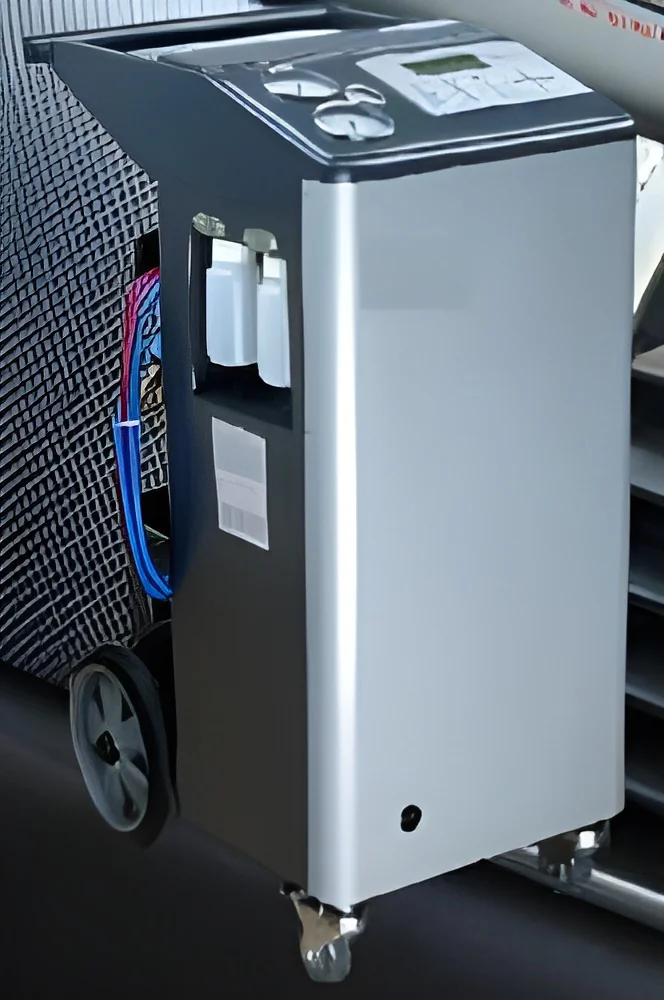
AC Gas Charging Equipment is specialized machinery designed to charge air conditioning systems with refrigerant gas. These systems ensure that air conditioning units operate efficiently by maintaining the correct level of refrigerant. The equipment is vital for both the installation and maintenance of HVAC systems, ensuring optimal performance and longevity.
Primarily, AC Gas Charging Equipment is used in various settings, including automotive, commercial, and industrial applications. Technicians use this equipment to add or recover refrigerant from AC systems during service. Its effectiveness directly impacts the cooling efficiency and energy consumption of the HVAC units, making it an essential tool in the industry.
In the context of market trends, the demand for AC Gas Charging Equipment is growing, driven by increasing HVAC installations and the need for regular maintenance. As businesses focus on energy efficiency and sustainable practices, the significance of this equipment continues to rise, emphasizing its role in the wider HVAC sector.
Key Features and Specifications
AC Gas Charging Equipment comes with several features that enhance its usability and effectiveness. These features are essential for technicians, making the charging process more efficient and accurate.
Key specifications include:
1. Refrigerant Compatibility
- Supports various refrigerants, including R-134a, R-410A, and R-22
- Ensures versatility in applications
2. Pressure Gauge Accuracy
- High-precision pressure gauges for accurate readings
- Range typically from 0 to 300 psi
3. Hose Length
- Standard hose lengths of 5 to 10 feet for flexibility
- Allows easy access to different AC system locations
4. Recovery Rate
- Recovery rates usually between 1 to 3 pounds per minute
- Enhances efficiency in refrigerant recovery
5. Digital Display
- Provides clear and easy-to-read digital readouts
- Facilitates quick monitoring of pressure and refrigerant levels
6. Portability
- Lightweight and compact design for easy transport
- Ideal for on-site service calls
7. Safety Features
- Includes safety shut-off valves and pressure relief mechanisms
- Protects both the user and the equipment during operation
8. Power Source
- Typically powered by standard electrical outlets or battery-operated
- Ensures accessibility in various working environments
In summary, AC Gas Charging Equipment is designed with key features that promote efficiency, safety, and usability, making it a crucial tool for HVAC professionals.
Common Applications and Use Cases
AC Gas Charging Equipment is utilized across multiple industries, catering to a variety of applications.
1. Automotive: In the automotive industry, technicians use this equipment to recharge car air conditioning systems, ensuring optimal performance during hot weather.
2. Commercial HVAC: Businesses rely on AC Gas Charging Equipment to maintain and service their HVAC systems, providing a comfortable environment for employees and customers.
3. Industrial Refrigeration: In industrial settings, this equipment is essential for maintaining large refrigeration systems used in food processing and storage.
4. Residential HVAC: Home service technicians use gas charging equipment to service residential air conditioning units, ensuring they run efficiently and effectively.
5. Marine Applications: The marine industry employs AC Gas Charging Equipment for maintaining onboard cooling systems, crucial for passenger comfort and equipment reliability.
6. Pharmaceutical: AC systems in pharmaceutical environments require precise temperature control, making regular maintenance with gas charging equipment vital to compliance and product integrity.
7. Data Centers: Data centers depend on efficient cooling systems, and AC Gas Charging Equipment is used to ensure these systems operate at peak performance.
Product Variants and Subcategories
AC Gas Charging Equipment comes in various models tailored to different applications and user needs.
Portable Charging Units
These compact units are designed for fieldwork, allowing technicians to easily transport them from one job site to another. They typically feature user-friendly interfaces and essential functionalities for efficient gas charging.
Digital Charging Stations
These advanced stations come equipped with digital displays and automated functions. They are ideal for workshops and service centers, enhancing efficiency and accuracy in charging and recovery processes.
High-Pressure Charging Equipment
This variant is specifically designed for systems that operate under high pressure. It includes reinforced hoses and components to safely handle the increased pressure levels found in certain HVAC systems.
Recovery Machines
Designed primarily for refrigerant recovery, these machines can also charge AC systems. They are essential for technicians focusing on environmentally responsible refrigerant handling.
Benefits and Advantages
Investing in AC Gas Charging Equipment provides several advantages for businesses and technicians.
1. Enhanced Efficiency: This equipment allows for precise charging of refrigerants, improving HVAC system efficiency and reducing energy consumption.
2. Cost Savings: Regular maintenance using gas charging equipment can prevent costly repairs and extend the lifespan of HVAC systems.
3. Environmental Compliance: Proper refrigerant handling and recovery help businesses comply with environmental regulations, minimizing their ecological footprint.
4. User-Friendly Operation: Many models feature simple interfaces and clear instructions, making them accessible for both experienced technicians and newcomers.
5. Increased Safety: Built-in safety features reduce the risk of accidents, protecting both users and the equipment from potential hazards.
6. Versatility: With compatibility for various refrigerants, this equipment can be used across multiple applications, increasing its utility for service providers.
Buying Guide for B2B Buyers
When sourcing AC Gas Charging Equipment, several key factors should be considered to ensure a favorable purchase.
1. Quality Assessment: Evaluate the quality of the equipment by checking for certifications and customer reviews. High-quality equipment ensures reliability and durability in use.
2. Supplier Verification: It is essential to vet suppliers for their reputation and reliability. Look for established suppliers with a proven track record in the industry.
3. Pricing and MOQ: Consider the pricing structure and minimum order quantities offered by suppliers. Compare different options to find the best value for your investment.
4. Delivery and Lead Times: Assess the delivery options and lead times provided by suppliers. Timely delivery is crucial for maintaining service schedules.
5. Compliance Requirements: Ensure that the equipment meets relevant industry standards and compliance regulations. This is vital for legal and operational reasons.
Compliance and Certifications
AC Gas Charging Equipment must adhere to various quality standards and certifications to ensure safety and reliability in operation.
ISO 9001 is a widely recognized standard that ensures consistent quality management systems. Equipment meeting this standard is typically more reliable and efficient.
CE certification indicates that the equipment complies with European safety, health, and environmental protection standards. This certification is crucial for businesses operating within or exporting to the European market.
Safety and testing requirements are essential for AC Gas Charging Equipment. Regular testing ensures that the equipment operates safely and effectively, reducing the risk of accidents during use.
Regional compliance considerations may vary. It is vital for businesses to be aware of local regulations and standards that apply to AC Gas Charging Equipment in their respective markets.
Why Source AC Gas Charging Equipment from Pepagora?
Pepagora offers a trusted platform for sourcing AC Gas Charging Equipment, providing several key advantages to buyers.
Verified Supplier Network: Pepagora has established a network of verified suppliers, ensuring that buyers can find reliable partners for their equipment needs. This verification process helps mitigate risks associated with sourcing.
Streamlined RFQ Process: The Request for Quotation (RFQ) process on Pepagora is designed to be user-friendly and efficient. Buyers can quickly receive quotes from multiple suppliers, facilitating informed decision-making.
Trade Assurance and Support: Pepagora provides trade assurance, offering protection for buyers throughout the purchasing process. This support builds confidence in transactions and fosters long-term buyer-supplier relationships.
Regional Coverage: With a strong presence in India, the GCC, and Southeast Asia, Pepagora connects buyers with suppliers across these regions, enhancing accessibility and market reach. This broad coverage ensures that businesses can source AC Gas Charging Equipment that meets their specific needs.

 India
 India
Frequently Asked Questions
What are AC Gas Charging Equipment?
AC Gas Charging Equipment refers to tools and devices used to refill or recharge the refrigerant gas in air conditioning systems. These tools ensure that the correct amount of gas is injected into the system for optimal performance.
What are the different types of AC Gas Charging Equipment?
The main types of AC Gas Charging Equipment include manual charging kits, electronic charging scales, and automatic charging machines. Each type serves specific applications and varies in complexity and functionality.
How do I choose the right AC Gas Charging Equipment?
Choosing the right AC Gas Charging Equipment depends on your specific needs, such as the type of air conditioning systems you work with and the volume of work. Consider factors like the equipment's accuracy, ease of use, and compatibility with different refrigerants.
What are the standard specifications for AC Gas Charging Equipment?
Standard specifications for AC Gas Charging Equipment typically include pressure ranges, hose lengths, and the types of refrigerants supported. It's essential to verify that the equipment meets the requirements of the systems you will service.
What is the price range for AC Gas Charging Equipment?
The price of AC Gas Charging Equipment can vary widely depending on the type and features, ranging from a few thousand to several tens of thousands of Indian Rupees. Basic manual kits tend to be less expensive, while advanced electronic systems may cost more.
What quality standards apply to AC Gas Charging Equipment?
AC Gas Charging Equipment should comply with various industry standards, including ISO and CE certifications. These standards ensure safety, reliability, and performance in the handling of refrigerants.
Where can I find AC Gas Charging Equipment suppliers in India?
You can find AC Gas Charging Equipment suppliers in India through various online B2B marketplaces, industry trade shows, and local distributors. Websites like Pepagora.com can help connect you with reputable manufacturers and suppliers.
Can AC Gas Charging Equipment be customized?
Yes, many manufacturers offer customization options for AC Gas Charging Equipment to meet specific requirements. Custom features may include tailored pressure gauges, hose lengths, and branding options.
What is the typical minimum order quantity for AC Gas Charging Equipment?
The typical minimum order quantity (MOQ) for AC Gas Charging Equipment can vary by supplier, but it generally ranges from 1 to 10 units. It's best to check with individual suppliers for their specific MOQ policies.
What is the typical lead time for AC Gas Charging Equipment?
The typical lead time for AC Gas Charging Equipment can vary based on the manufacturer and order size, generally ranging from 1 to 4 weeks. Factors such as customization requests and stock availability may also influence delivery times.
Why Businesses Trust Pepagora
Thousands of companies trust Pepagora to source smarter and sell faster
Expand Your Sales Globally

Source Smarter,Grow Faster
