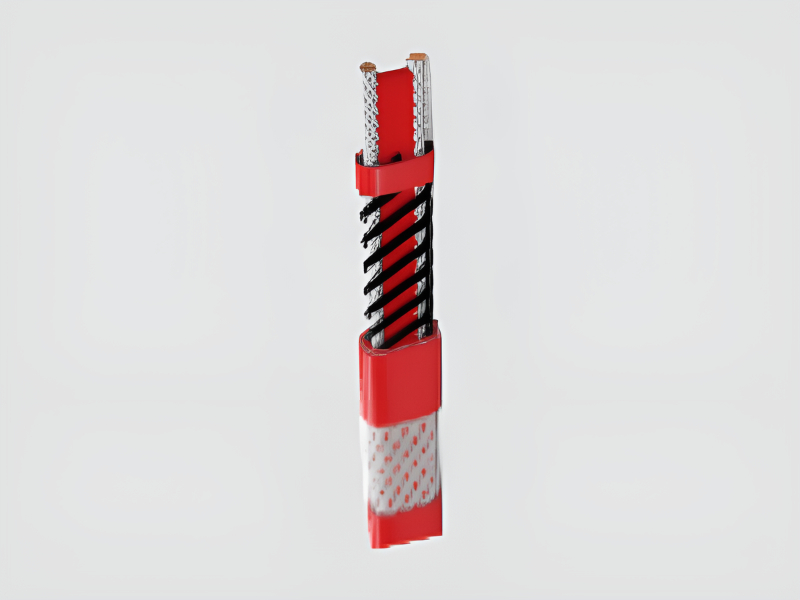
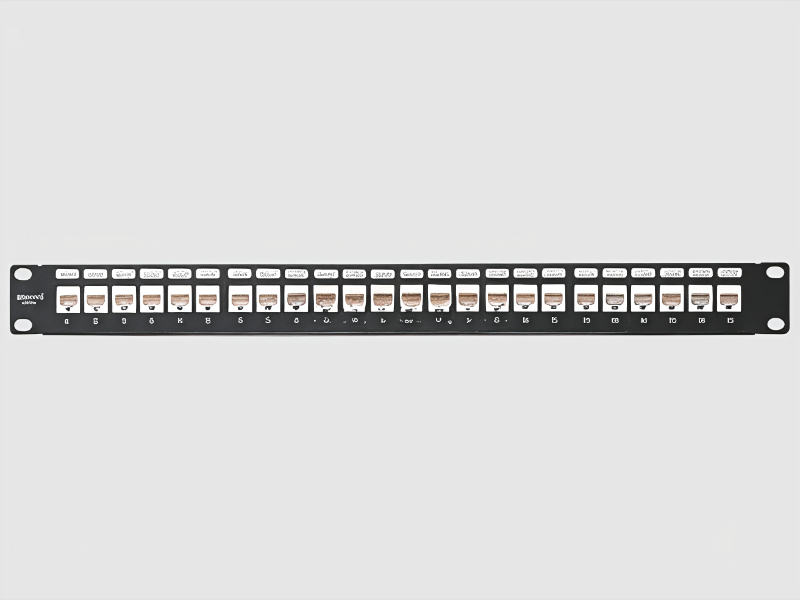
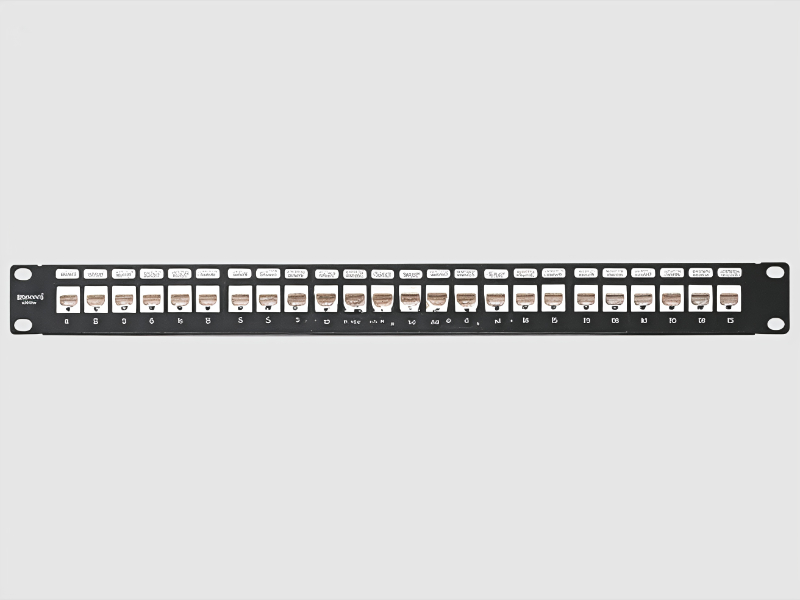
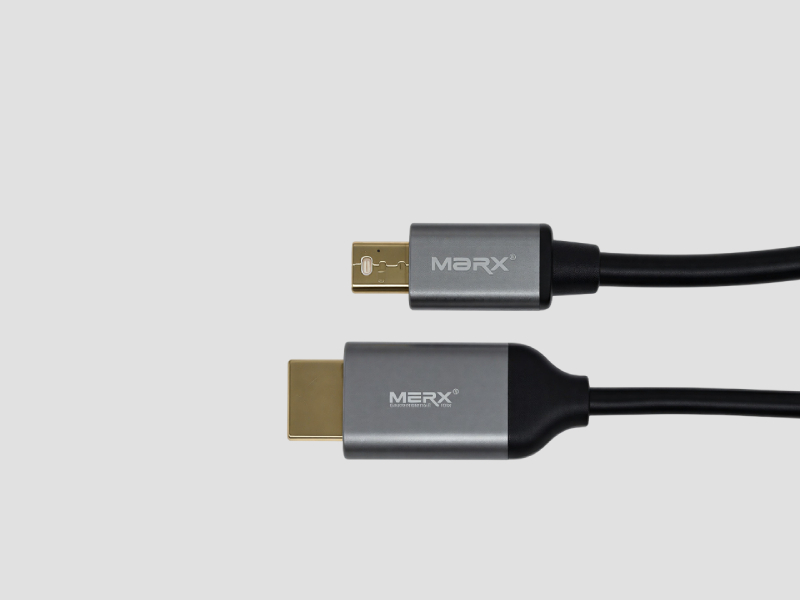
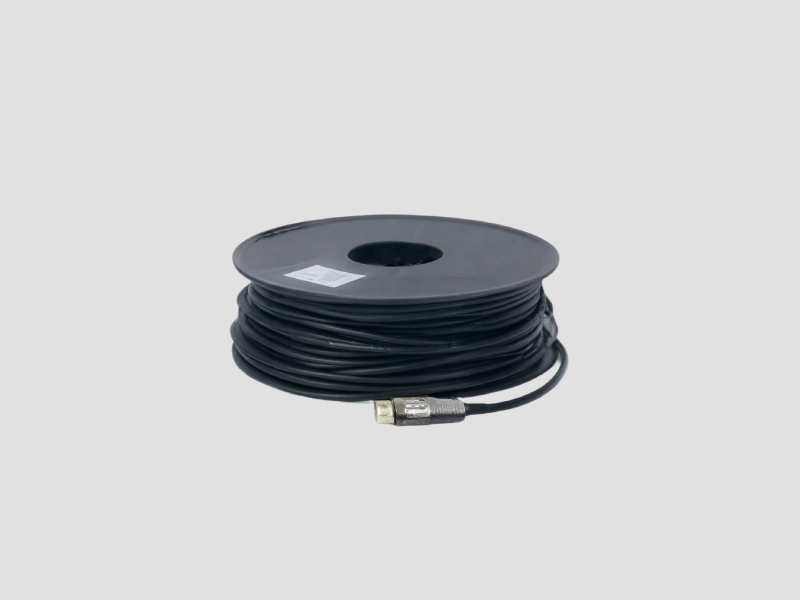
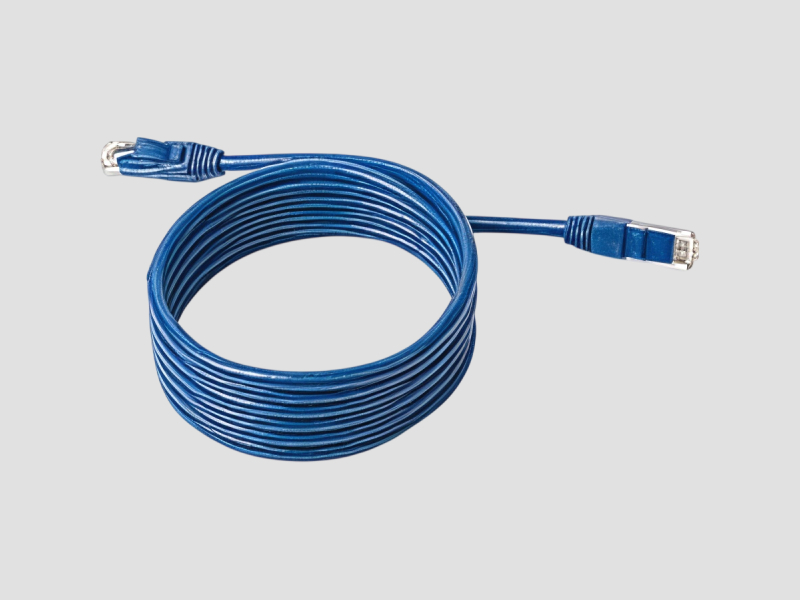
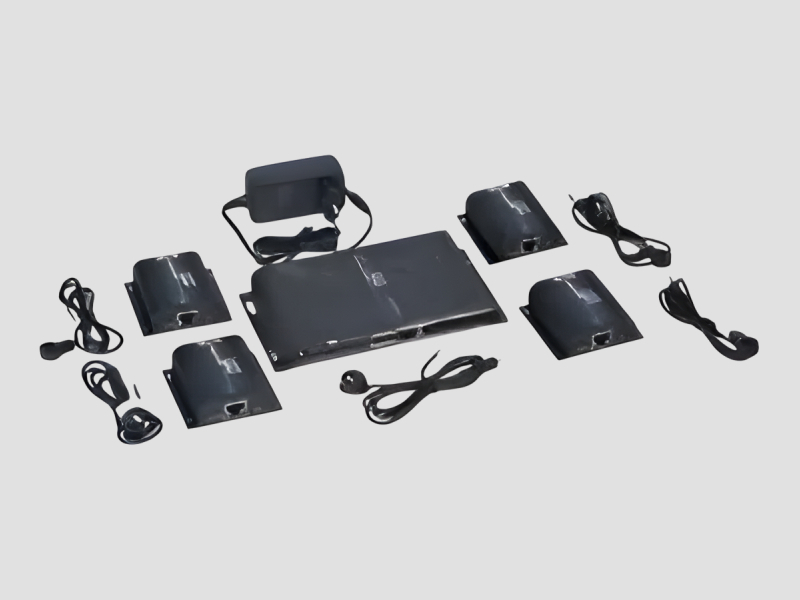
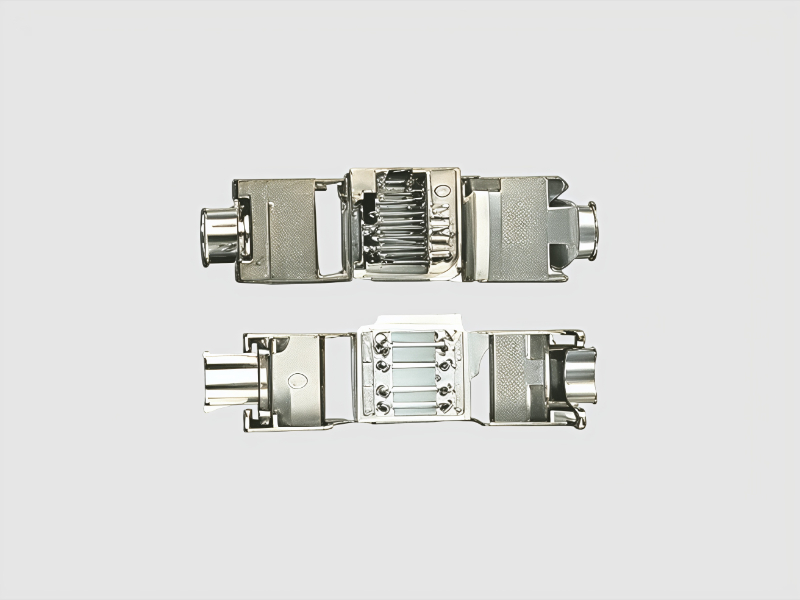
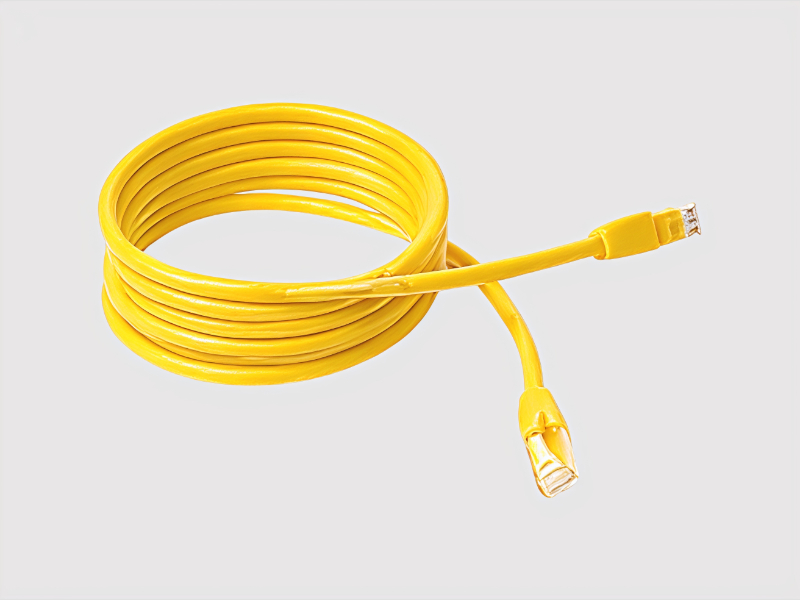
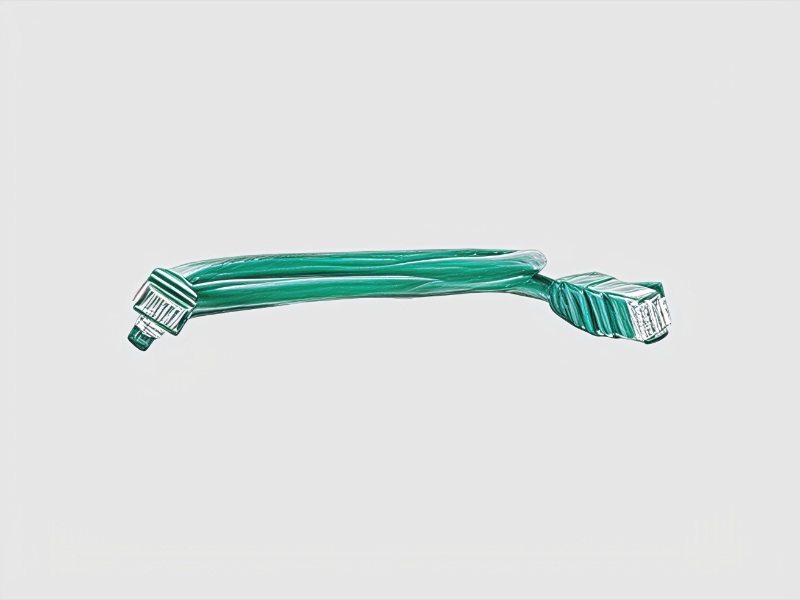
𝗪𝗵𝗮𝘁 𝗮𝗿𝗲 𝗪𝗶𝗿𝗲𝘀 & 𝗖𝗮𝗯𝗹𝗲𝘀?
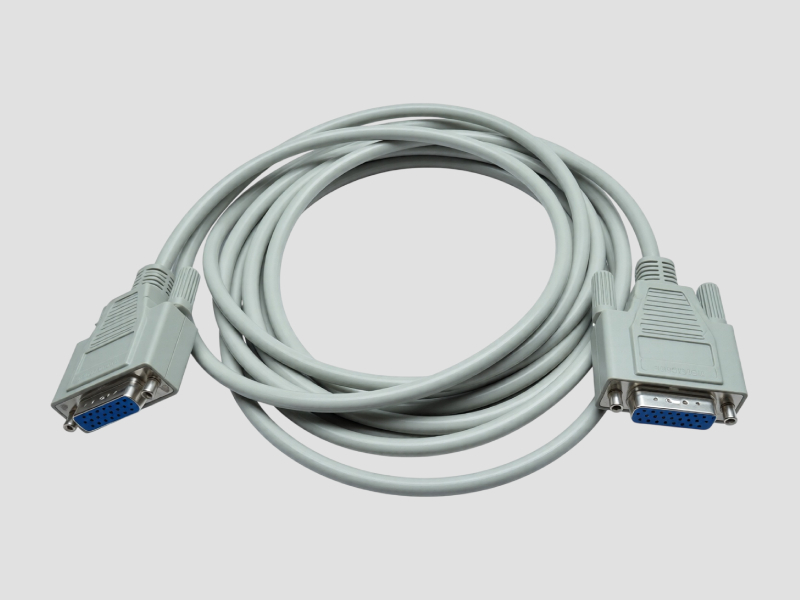
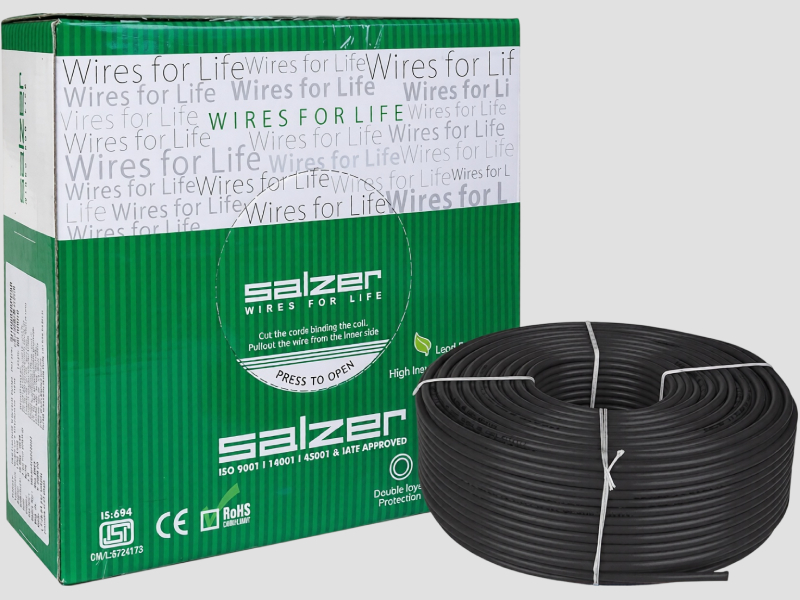
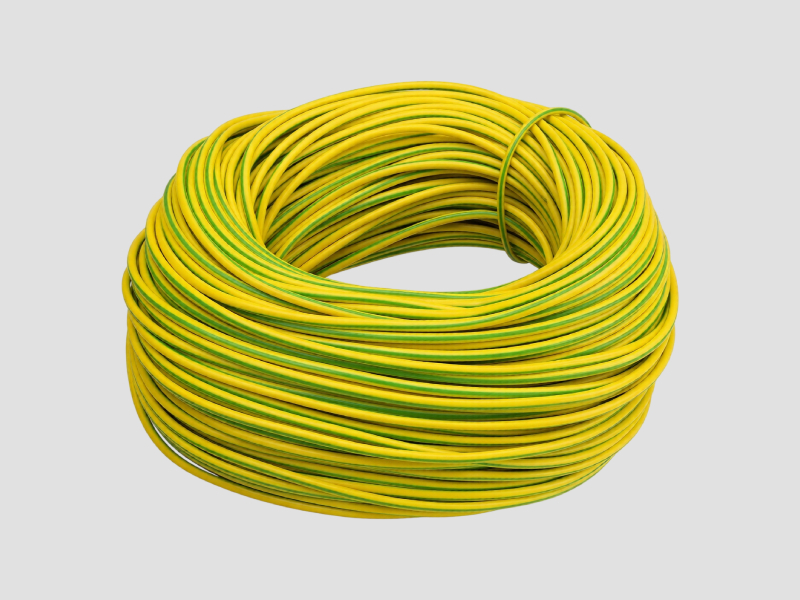
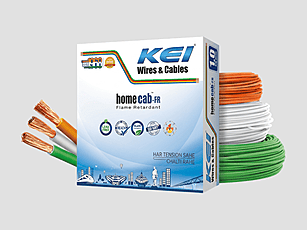
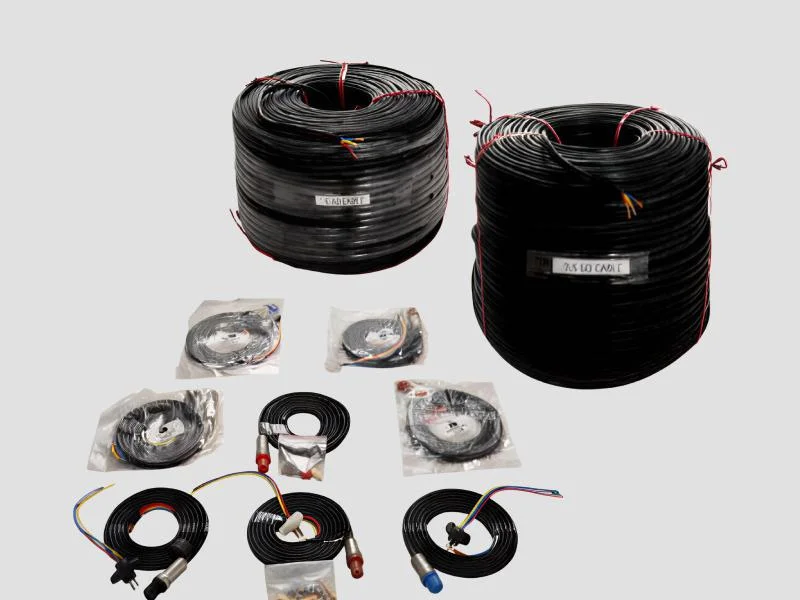
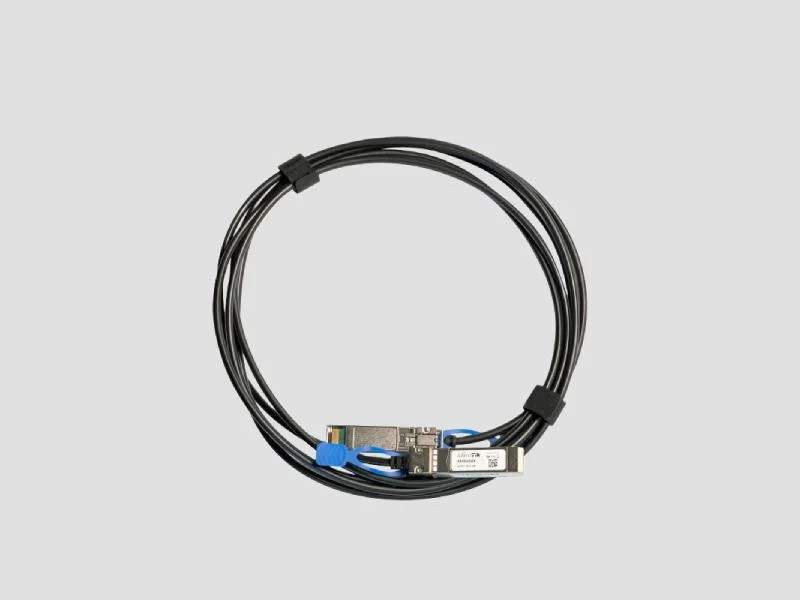
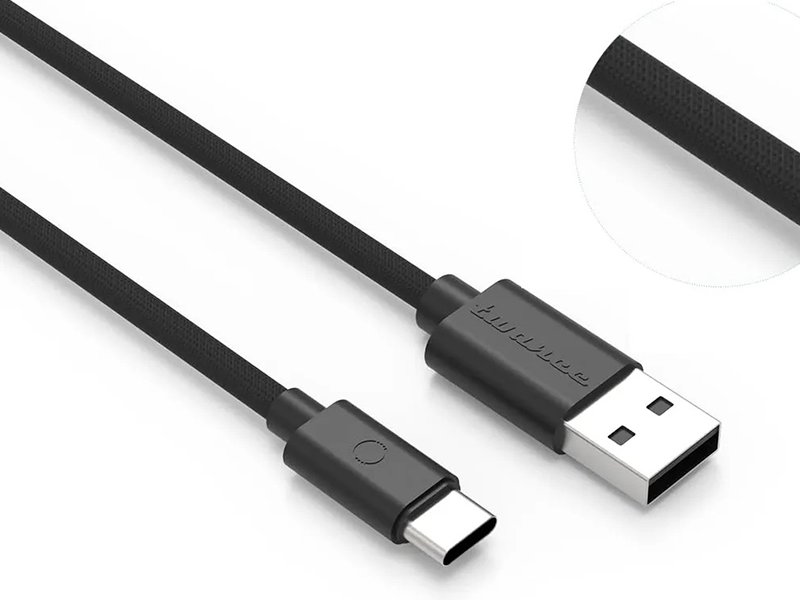
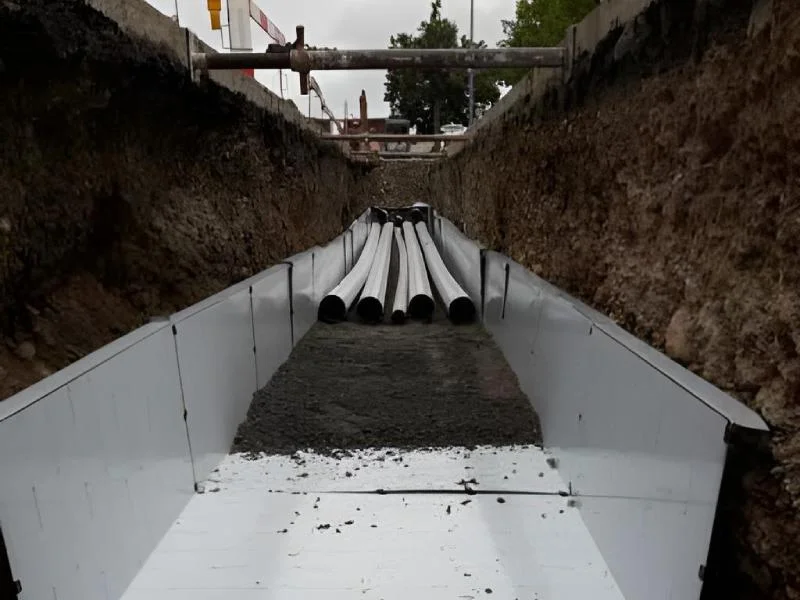
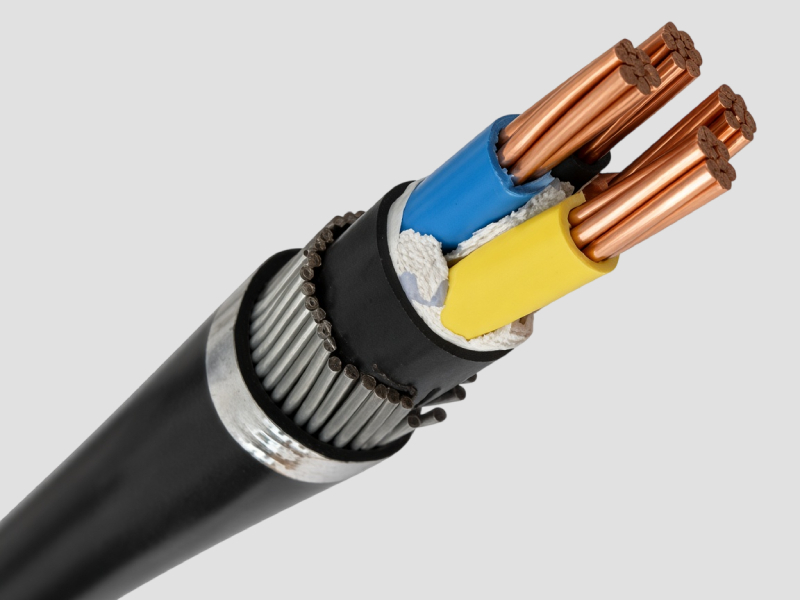
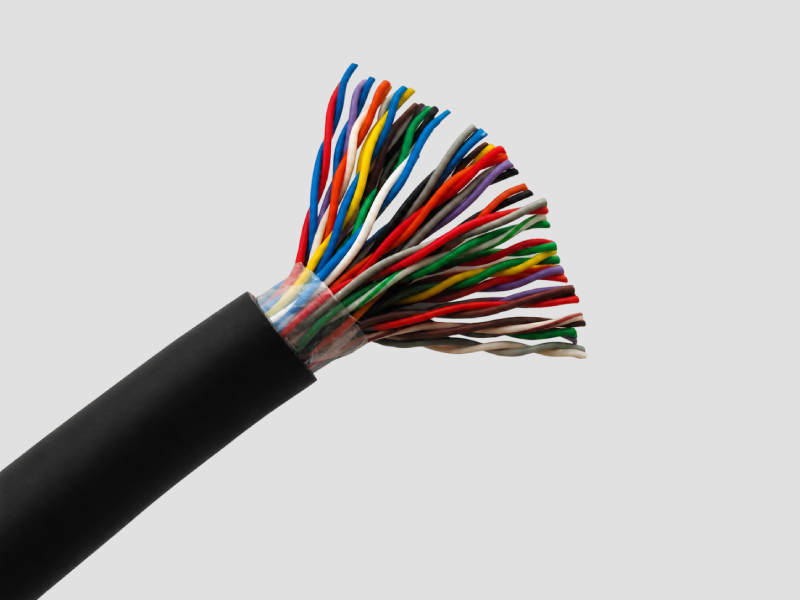
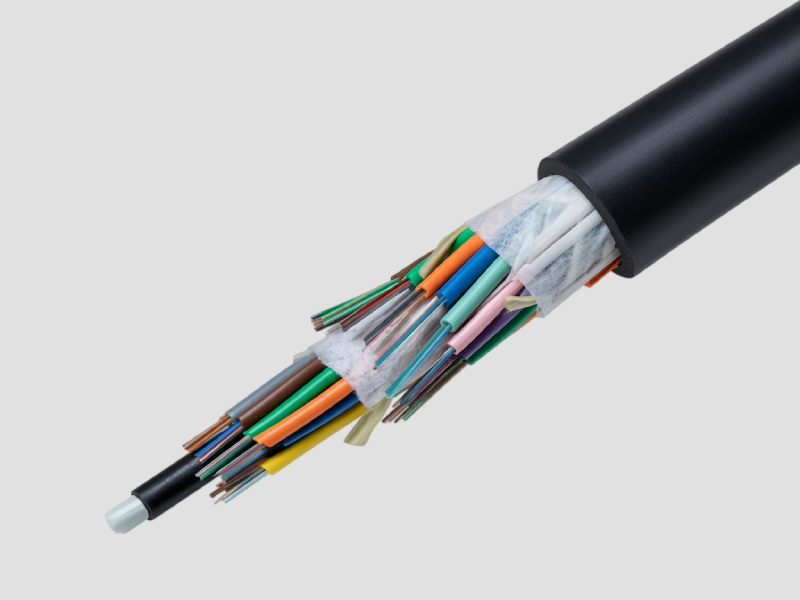
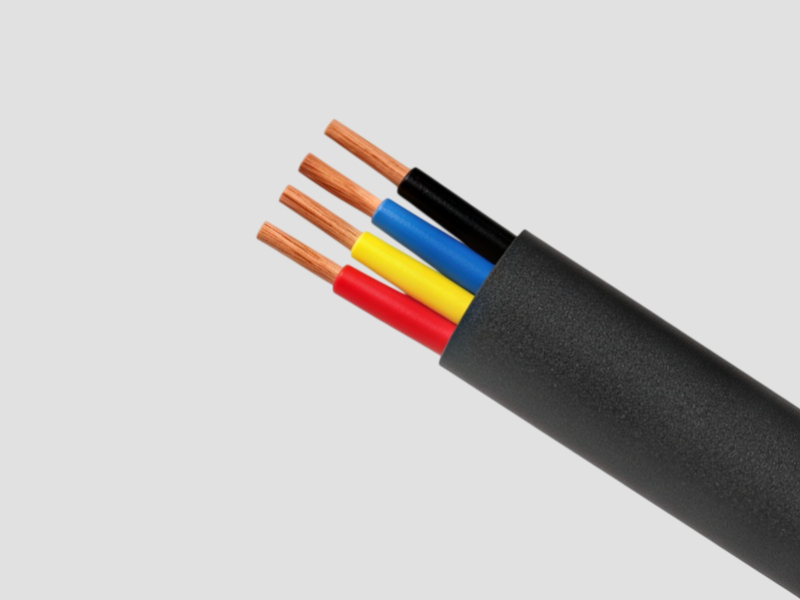
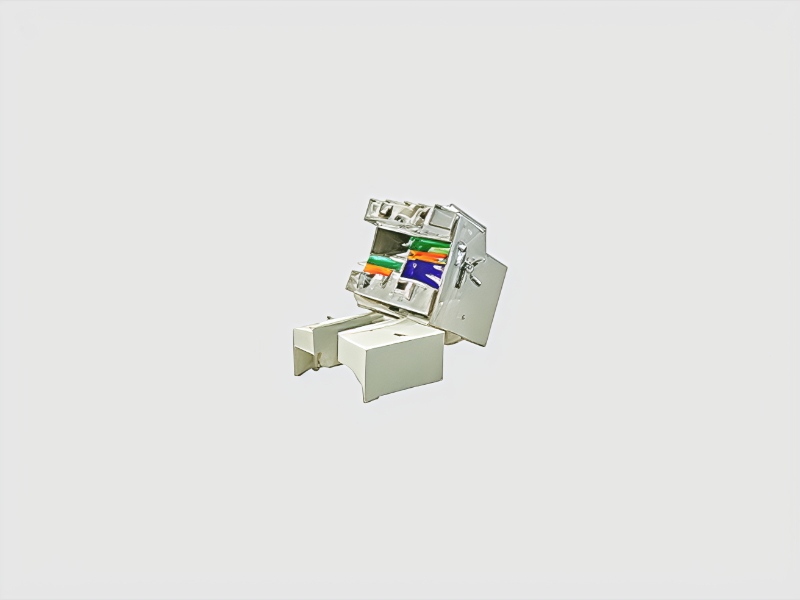
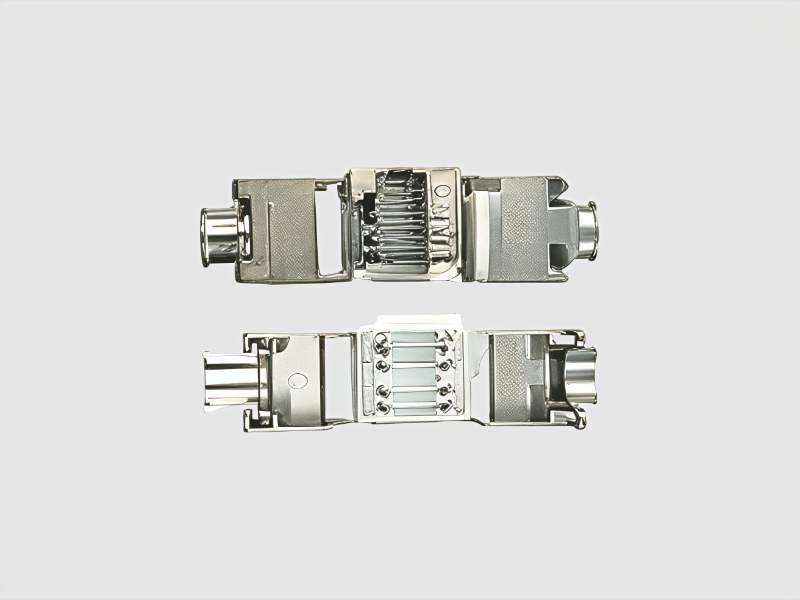
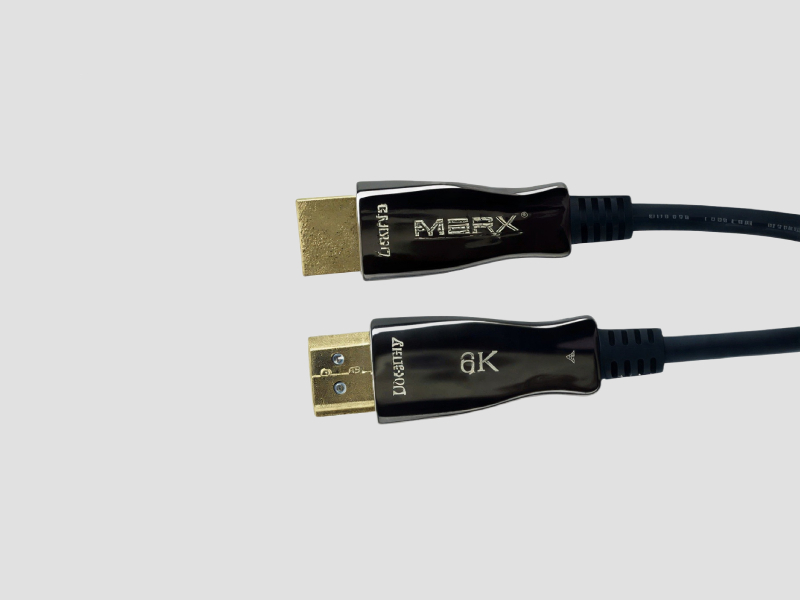
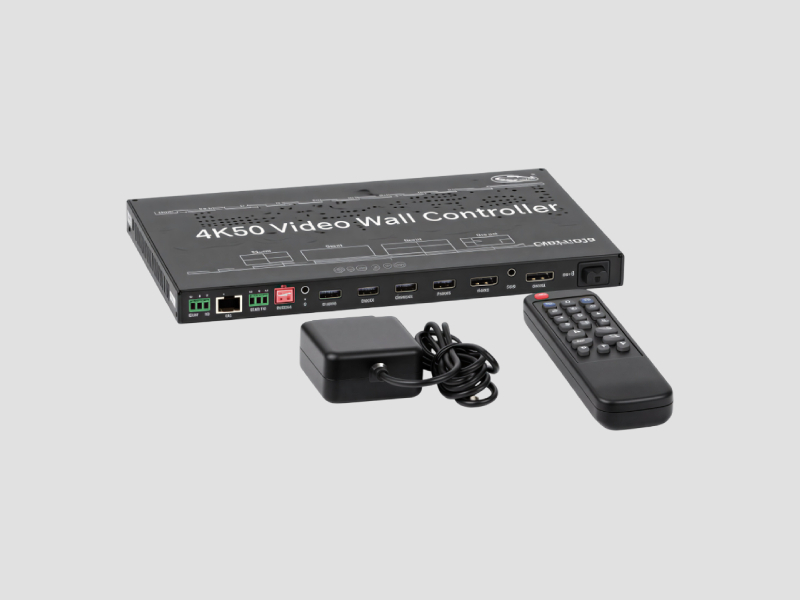
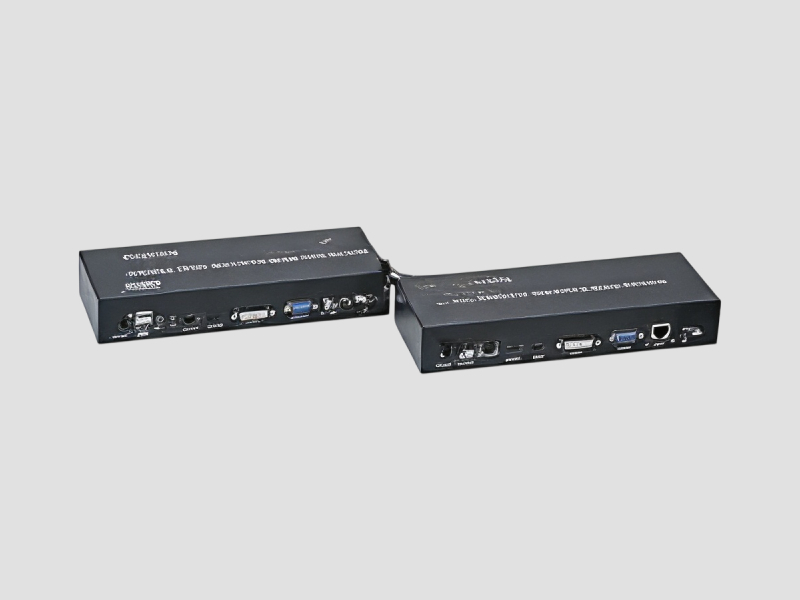
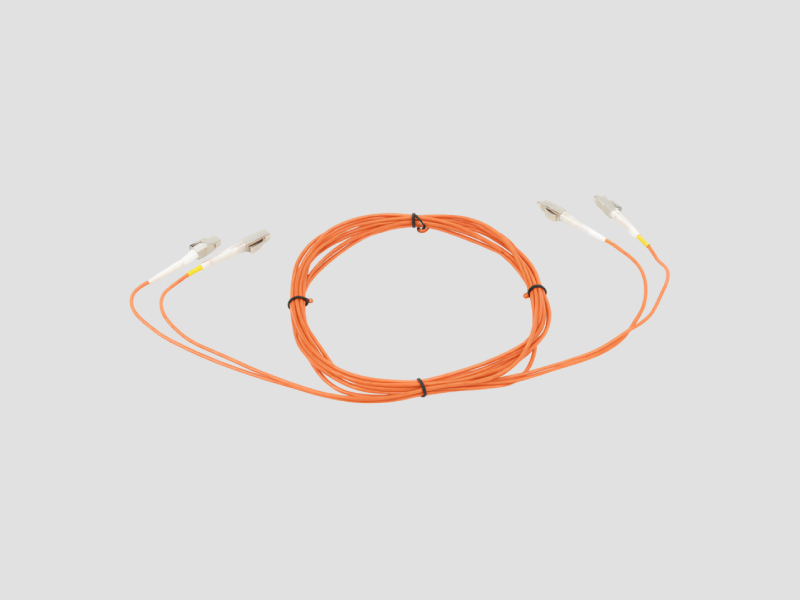
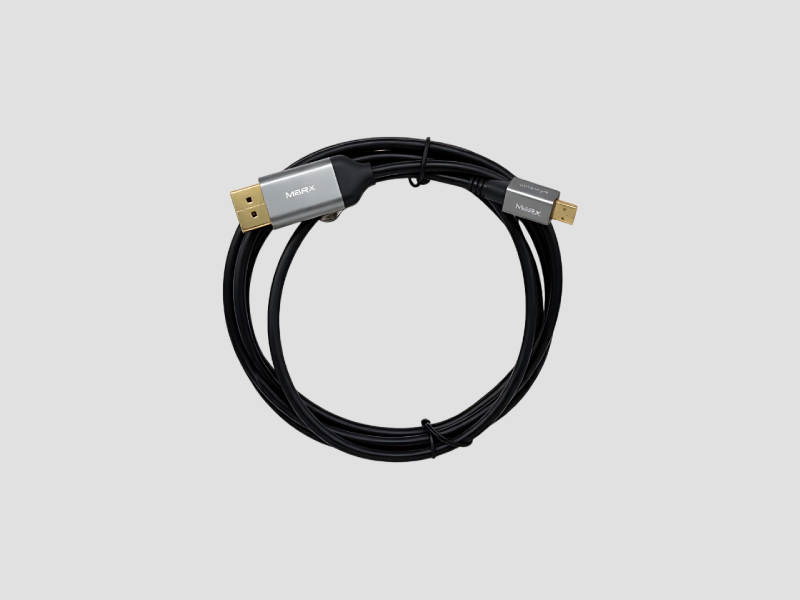
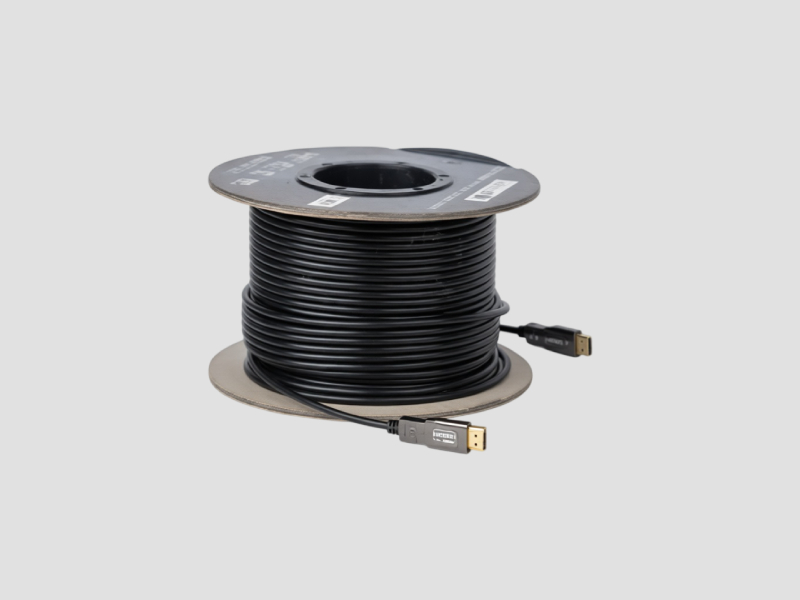
Wires and cables are essential components used in electrical systems for the transmission of electrical power and data. A wire typically consists of a single conductor, while a cable contains multiple conductors bundled together, often with insulation and protective sheathing. These products serve to conduct electricity or signals between different devices, ensuring efficient communication and power distribution.
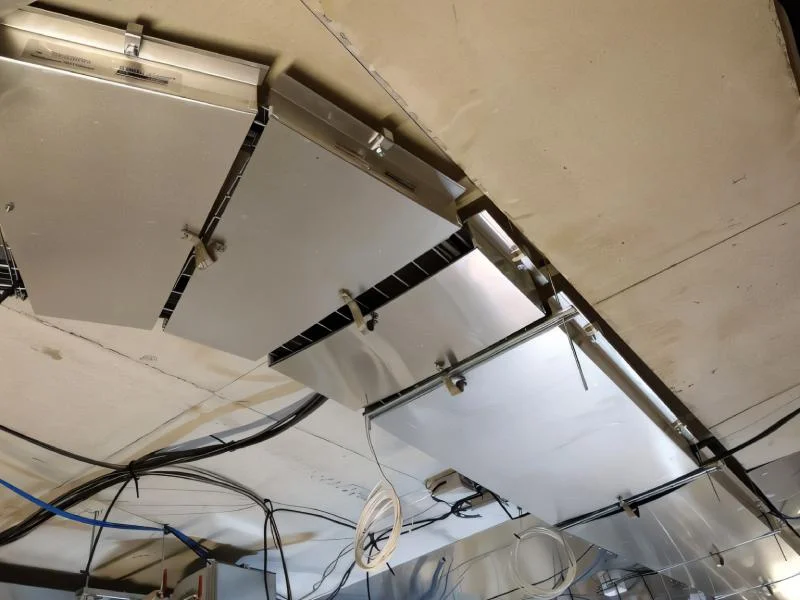
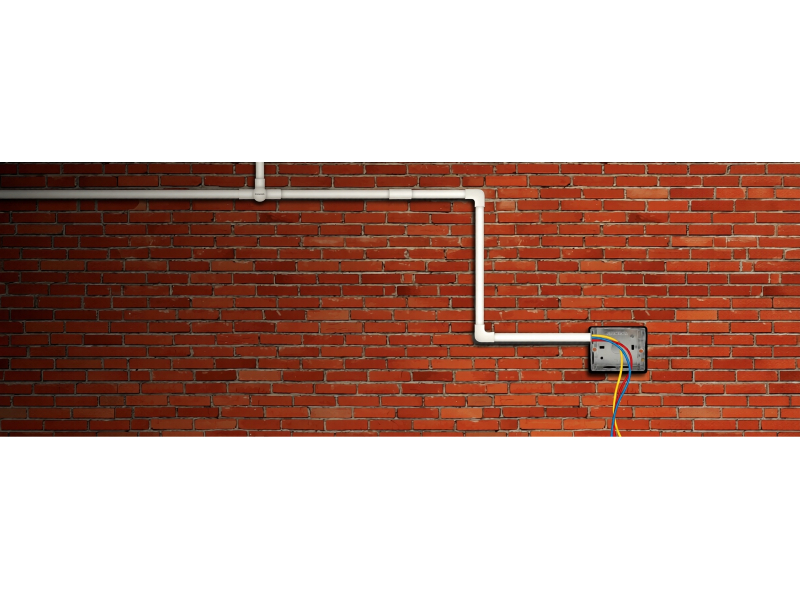
In business applications, wires and cables are utilized across various sectors including construction, telecommunications, and manufacturing. They facilitate connections within electrical panels, power lines, and electronic devices. The versatility of wires and cables makes them vital in both residential and industrial settings, where they ensure functionality and safety in electrical installations.
The wires and cables market is significant due to the ongoing demand for electricity and communication technologies. Industries are continuously evolving, leading to innovations in wire and cable designs. This growth is driven by increasing infrastructure development, the rise of renewable energy solutions, and the need for advanced communication networks.
𝗞𝗲𝘆 𝗙𝗲𝗮𝘁𝘂𝗿𝗲𝘀 𝗮𝗻𝗱 𝗦𝗽𝗲𝗰𝗶𝗳𝗶𝗰𝗮𝘁𝗶𝗼𝗻𝘀
Wires and cables come with a variety of features and specifications that cater to different industrial needs. Understanding these specifications is crucial for selecting the appropriate product.
Key specifications include:
1. Conductor Material
- Typically made from copper or aluminum
- Provides conductivity and durability
2. Insulation Material
- Common materials include PVC, rubber, and Teflon
- Determines heat resistance and electrical insulation properties
3. Voltage Rating
- Indicates the maximum voltage the wire or cable can handle
- Ranges typically vary from low voltage (up to 1,000V) to high voltage (above 1,000V)
4. Temperature Rating
- Specifies the range of temperatures the cable can endure
- Common ratings include -40°C to 90°C
5. Cable Configuration
- Refers to the arrangement of conductors within the cable
- Options include twisted pairs, multi-conductor, and coaxial designs
6. Fire Resistance
- Indicates the cable’s ability to withstand fire exposure
- Important for safety in building applications
7. Compliance Standards
- Products may meet international standards like IEC or UL
- Ensures reliability and performance in various applications
8. Length Options
- Available in various lengths to accommodate different installation needs
- Custom lengths may be available upon request
These specifications help ensure that the selected wires and cables meet both safety and performance criteria for their intended applications.
𝗖𝗼𝗺𝗺𝗼𝗻 𝗔𝗽𝗽𝗹𝗶𝗰𝗮𝘁𝗶𝗼𝗻𝘀 𝗮𝗻𝗱 𝗨𝘀𝗲 𝗖𝗮𝘀𝗲𝘀
Wires and cables have a broad range of applications across various industries.
1. Construction: Wires and cables are used for electrical wiring in buildings, connecting lighting fixtures, outlets, and appliances.
2. Telecommunications: These products enable data transmission through networks, supporting internet connectivity and telephone systems.
3. Automotive: Wires and cables are critical for vehicle electrical systems, connecting components such as batteries, sensors, and control systems.
4. Manufacturing: Used extensively for machinery and equipment, ensuring power supply and operational efficiency in production lines.
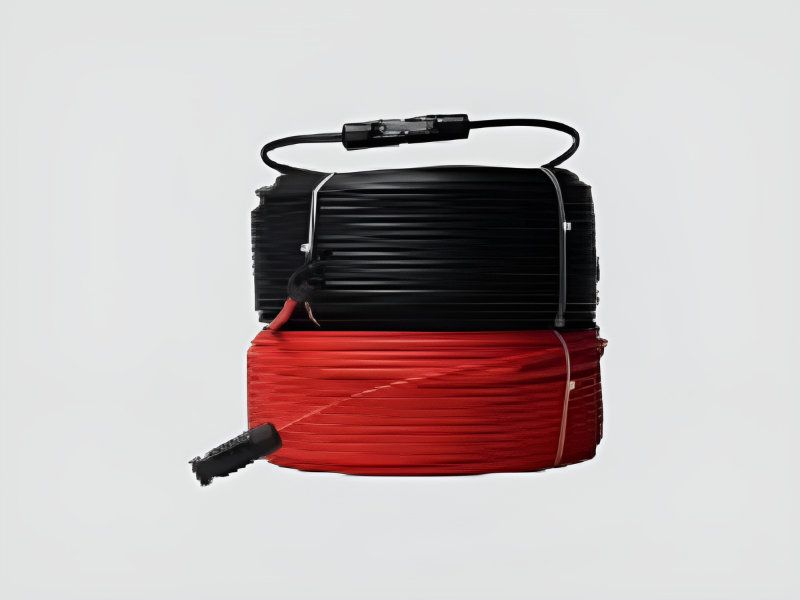
5. Renewable Energy: Wires and cables play a vital role in solar power systems, connecting solar panels to inverters and batteries.
6. Aerospace: In this industry, specialized cables are used for avionics and communication systems within aircraft.
7. Marine: Wires and cables are essential for navigation, communication, and power systems in ships and offshore installations.
𝗣𝗿𝗼𝗱𝘂𝗰𝘁 𝗩𝗮𝗿𝗶𝗮𝗻𝘁𝘀 𝗮𝗻𝗱 𝗦𝘂𝗯𝗰𝗮𝘁𝗲𝗴𝗼𝗿𝗶𝗲𝘀
Wires and cables come in various forms to meet specific needs.
Thermoplastic Wires
These wires feature a plastic insulation that can withstand high temperatures. They are widely used in applications requiring flexibility and durability.
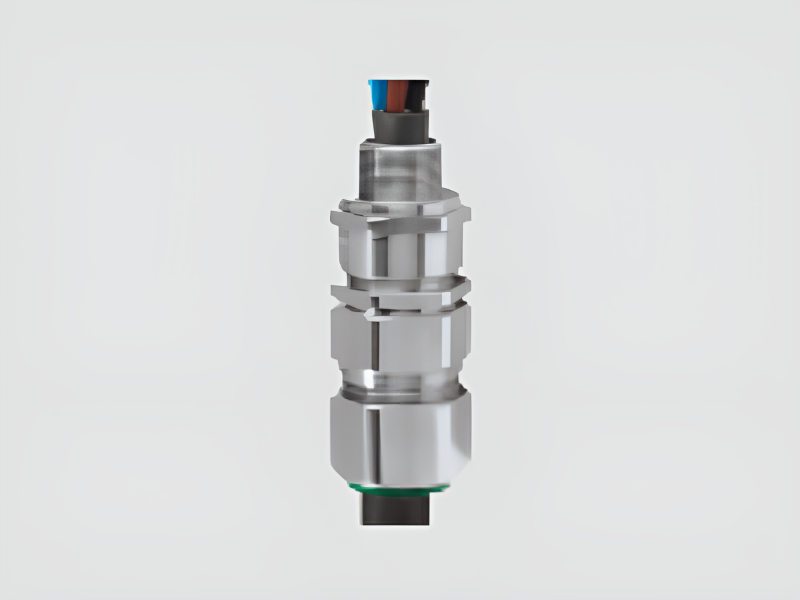
Armored Cables
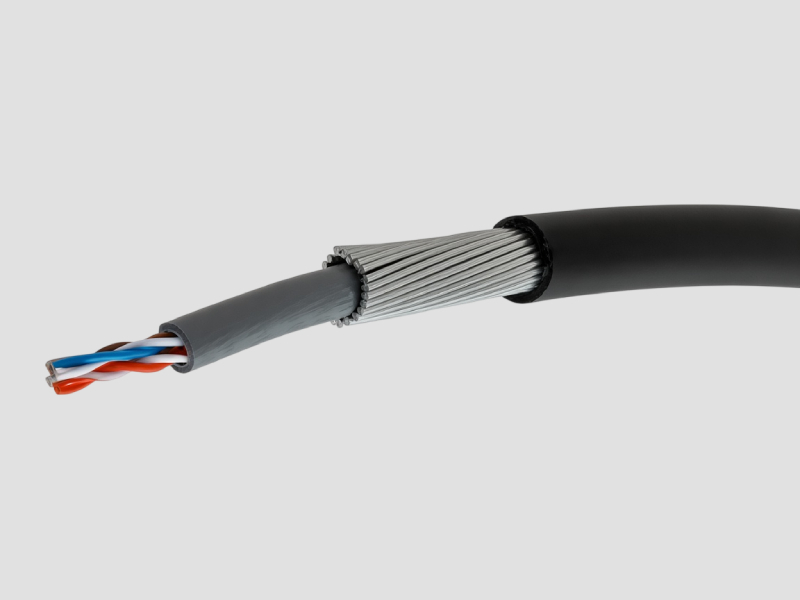
These cables have a protective layer of steel or aluminum to prevent physical damage. They are ideal for outdoor and industrial environments where exposure to mechanical stress is a concern.
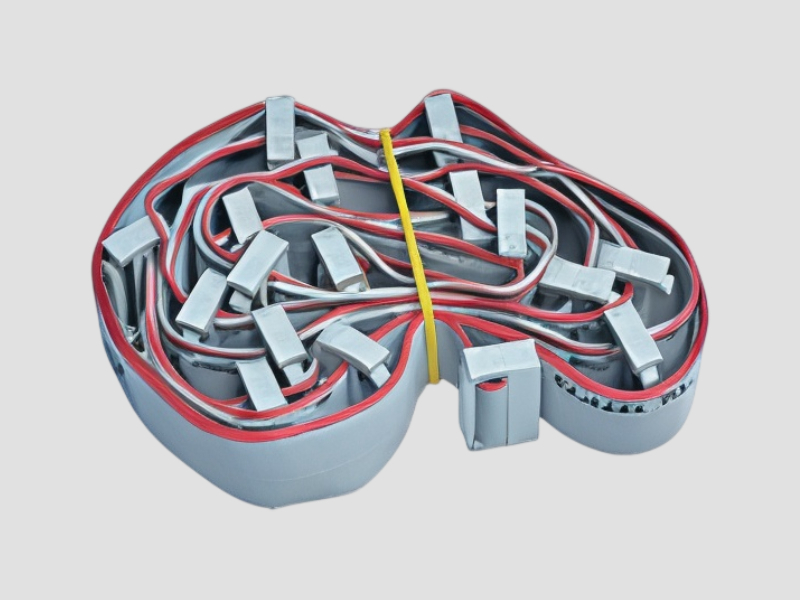
Flat Cables
Flat cables are designed for space-saving applications. They are often used in tight spaces and are popular in consumer electronics.
Coaxial Cables
These cables are used for high-frequency signal transmission. They are commonly found in television and internet applications.
𝗕𝗲𝗻𝗲𝗳𝗶𝘁𝘀 𝗮𝗻𝗱 𝗔𝗱𝘃𝗮𝗻𝘁𝗮𝗴𝗲𝘀
Wires and cables offer several key benefits that make them indispensable in various applications.
1. High Conductivity: Wires made from materials like copper ensure excellent electrical conductivity, minimizing energy loss.
2. Versatility: Available in various types and configurations, they can be used in a wide range of applications across multiple industries.
3. Safety: Many cables are designed with fire-resistant materials and features, enhancing safety in electrical installations.
4. Durability: Wires and cables are built to withstand harsh environmental conditions, providing long-lasting performance.
5. Customization: Many manufacturers offer customization options to meet specific requirements, ensuring that businesses get exactly what they need.
6. Compliance: Wires and cables that meet industry standards provide assurance of quality and reliability, which is crucial for regulatory compliance.
𝗕𝘂𝘆𝗶𝗻𝗴 𝗚𝘂𝗶𝗱𝗲 𝗳𝗼𝗿 𝗕𝟮𝗕 𝗕𝘂𝘆𝗲𝗿𝘀
When sourcing wires and cables, businesses should consider several critical factors to ensure they make informed purchasing decisions.
1. Quality Assessment: It is essential to evaluate the quality of wires and cables by checking certifications and compliance with relevant standards.
2. Supplier Verification: Vetting suppliers is crucial to ensure they have a strong reputation and a history of delivering reliable products.
3. Pricing and MOQ: Understanding the pricing structure and minimum order quantities (MOQ) can help businesses manage budgets effectively.
4. Delivery and Lead Times: Knowing the expected lead times for delivery can assist in planning and project management.
5. Compliance Requirements: Ensure that the products meet all regulatory requirements specific to the industry and region.
𝗖𝗼𝗺𝗽𝗹𝗶𝗮𝗻𝗰𝗲 𝗮𝗻𝗱 𝗖𝗲𝗿𝘁𝗶𝗳𝗶𝗰𝗮𝘁𝗶𝗼𝗻𝘀
Wires and cables must adhere to various quality standards to ensure safety and performance. Relevant standards include ISO 9001, which focuses on quality management systems, and CE certification, which indicates conformity with health, safety, and environmental protection standards in Europe.
Safety and testing requirements are critical in this industry, as cables must undergo rigorous testing to verify their performance under different conditions. This includes assessments for fire resistance, electrical insulation, and other physical properties.
Regional compliance considerations are also important, as different regions may have specific regulations governing electrical installations. Understanding these requirements can help businesses avoid legal issues and ensure the safe use of wires and cables.
𝗪𝗵𝘆 𝗦𝗼𝘂𝗿𝗰𝗲 𝗪𝗶𝗿𝗲𝘀 & 𝗖𝗮𝗯𝗹𝗲𝘀 𝗳𝗿𝗼𝗺 𝗣𝗲𝗽𝗮𝗴𝗼𝗿𝗮?
Pepagora provides a trusted platform for sourcing wires and cables, offering several key advantages that benefit B2B buyers.
Verified Supplier Network: Pepagora connects buyers with a network of verified suppliers, ensuring that each vendor meets strict quality and reliability standards.
Streamlined RFQ Process: The platform simplifies the request for quotation (RFQ) process, allowing buyers to receive competitive quotes from multiple suppliers quickly.
Trade Assurance and Support: Pepagora offers buyer protection through trade assurance programs, providing peace of mind during transactions.
Regional Coverage: With a presence in key markets including India, the GCC, and Southeast Asia, Pepagora facilitates access to a diverse array of wires and cables suited to various regional requirements.

 IN
IN