
 IN
Workwear / Uniforms
314 products available
𝗪𝗵𝗮𝘁 𝗮𝗿𝗲 𝗪𝗼𝗿𝗸𝘄𝗲𝗮𝗿 / 𝗨𝗻𝗶𝗳𝗼𝗿𝗺𝘀?
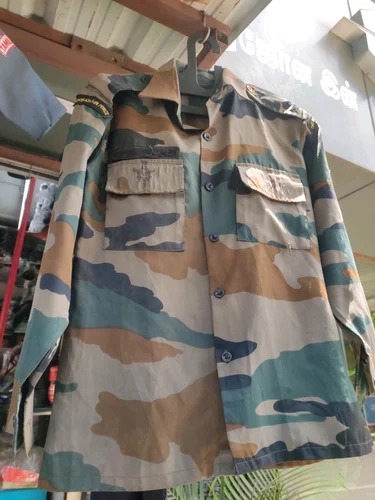
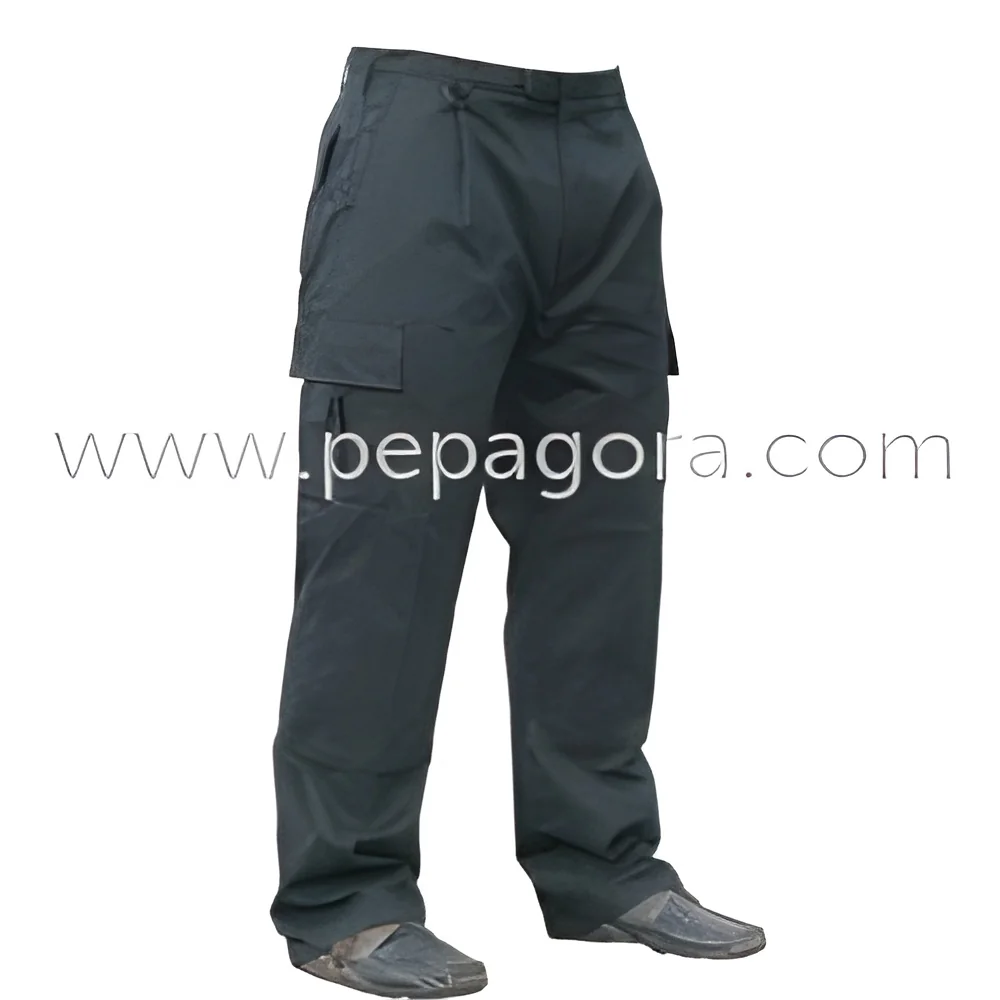
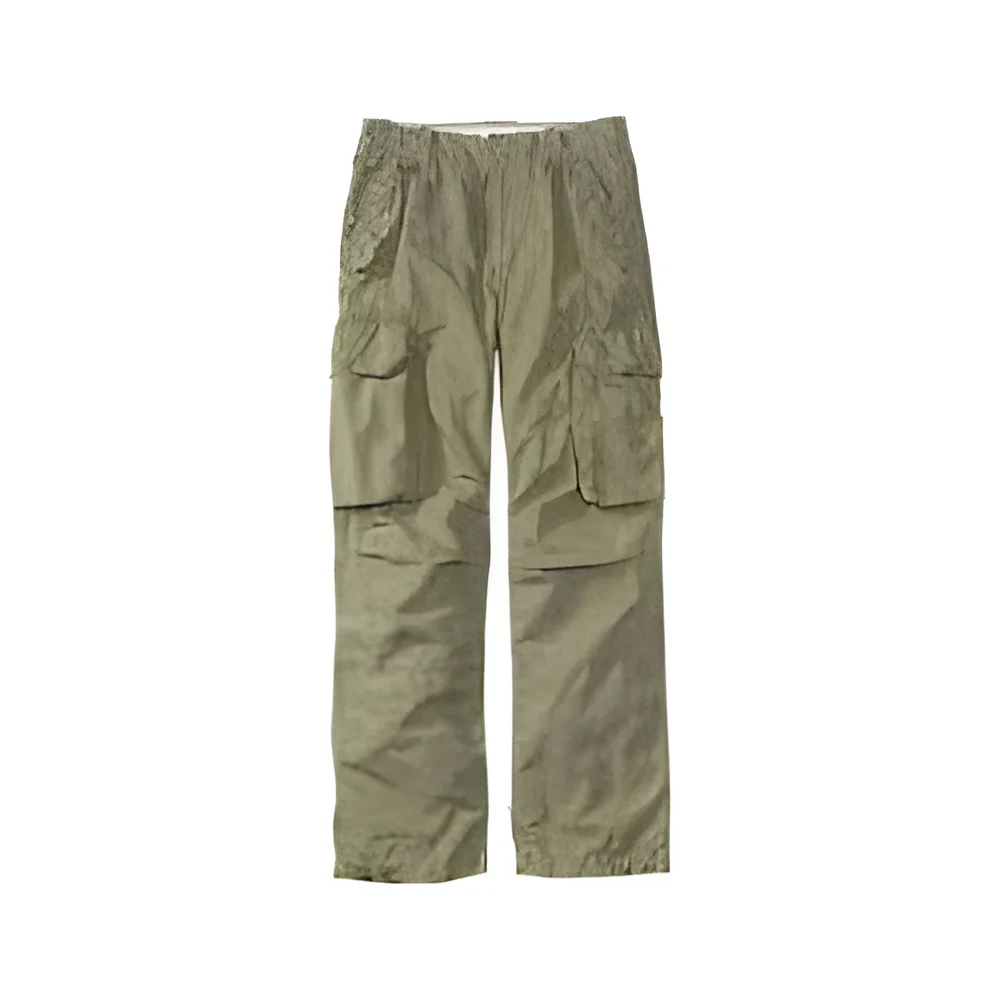
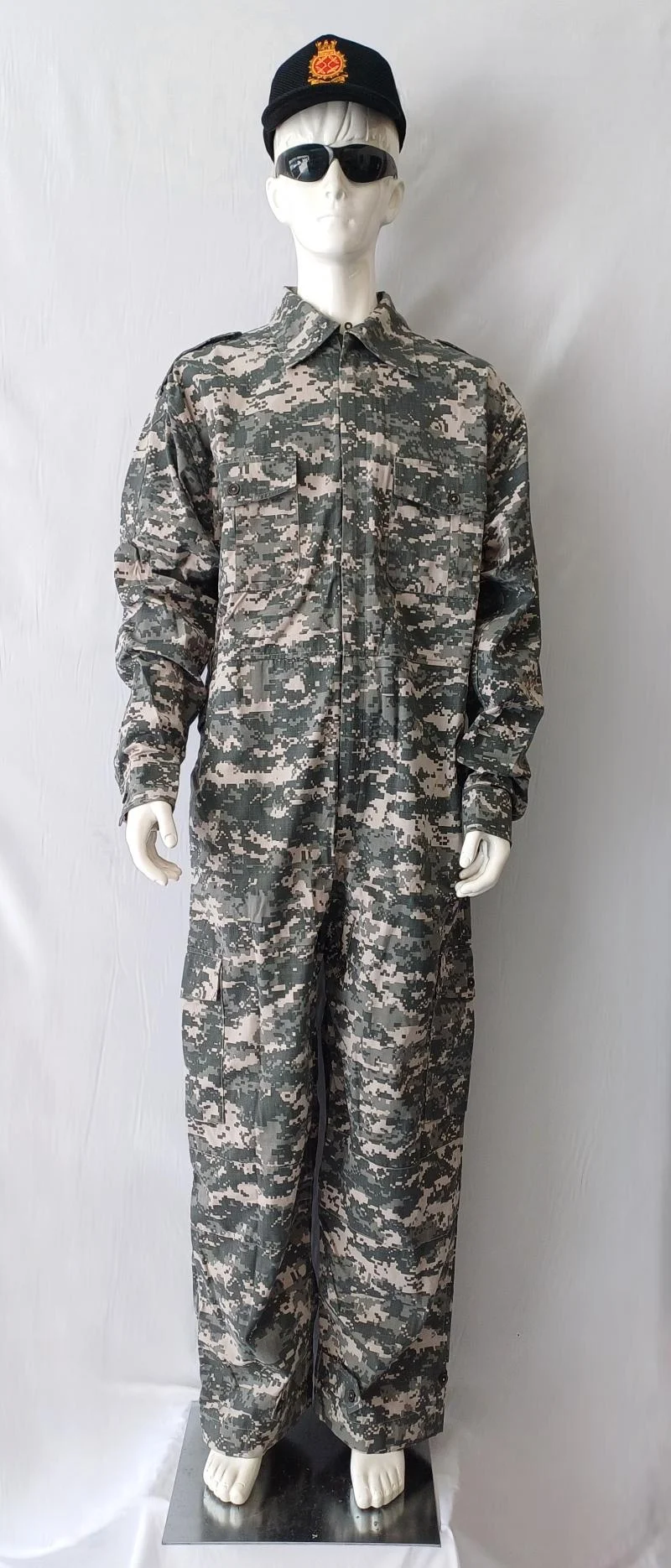
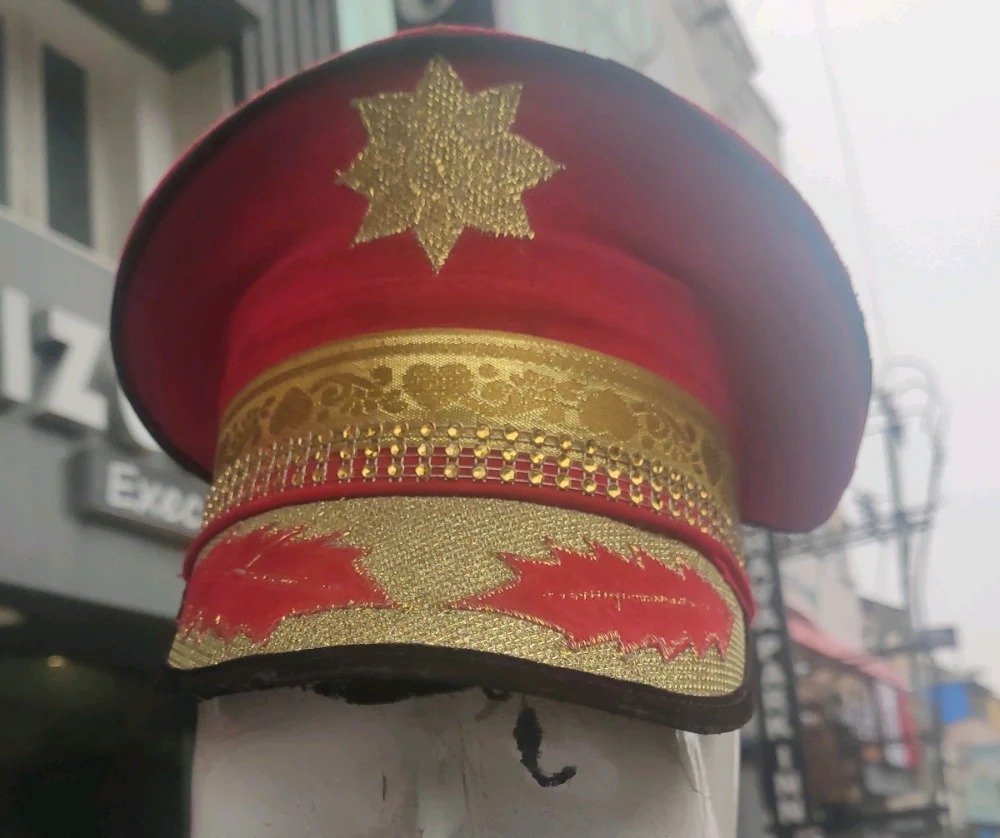
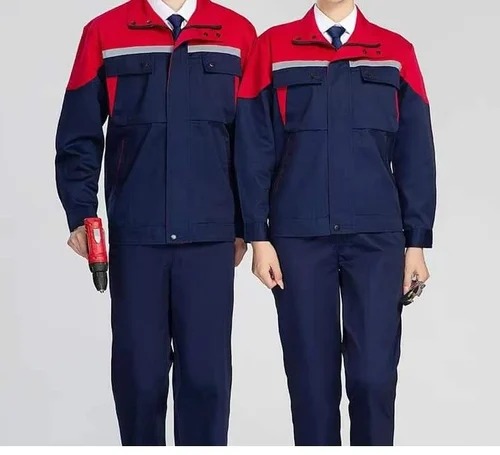
Workwear and uniforms are specialized clothing designed for specific occupations or industries. They serve multiple purposes, including providing safety, comfort, and a professional appearance. These garments are often made from durable materials to withstand the rigors of various work environments. Workwear may include items such as shirts, pants, jackets, and safety gear, while uniforms typically refer to standardized attire worn by employees in particular roles or organizations.
The primary applications of workwear and uniforms are in industries such as manufacturing, construction, healthcare, hospitality, and transportation. Businesses use these garments to enhance employee safety, promote brand identity, and ensure compliance with industry regulations. Uniforms can also foster team cohesion and a sense of belonging among employees. As market demands evolve, the relevance of workwear continues to grow, with businesses increasingly recognizing the importance of durable and functional clothing.
In today’s competitive landscape, the workwear and uniform market is expanding. Companies are investing in high-quality and customizable options to meet their specific needs. This trend underscores the significance of workwear in promoting professionalism and operational efficiency across various sectors.
𝗞𝗲𝘆 𝗙𝗲𝗮𝘁𝘂𝗿𝗲𝘀 𝗮𝗻𝗱 𝗦𝗽𝗲𝗰𝗶𝗳𝗶𝗰𝗮𝘁𝗶𝗼𝗻𝘀
When selecting workwear and uniforms, several key features and specifications are essential to consider. These aspects ensure that the garments meet the necessary standards for durability, safety, and comfort.
Key specifications include:
1. Material Quality
- Fabrics used may include cotton, polyester, or blends designed for durability and breathability.
- Technical parameters may involve weight, stretchability, and moisture-wicking capabilities.
2. Safety Standards
- Compliance with industry safety regulations such as CE marking for safety equipment.
- Technical parameters may include resistance to fire, chemicals, or specific hazards.
3. Design and Functionality
- Ergonomic designs to enhance movement and comfort during work tasks.
- Features such as pockets, zipper closures, and adjustable elements for practicality.
4. Customization Options
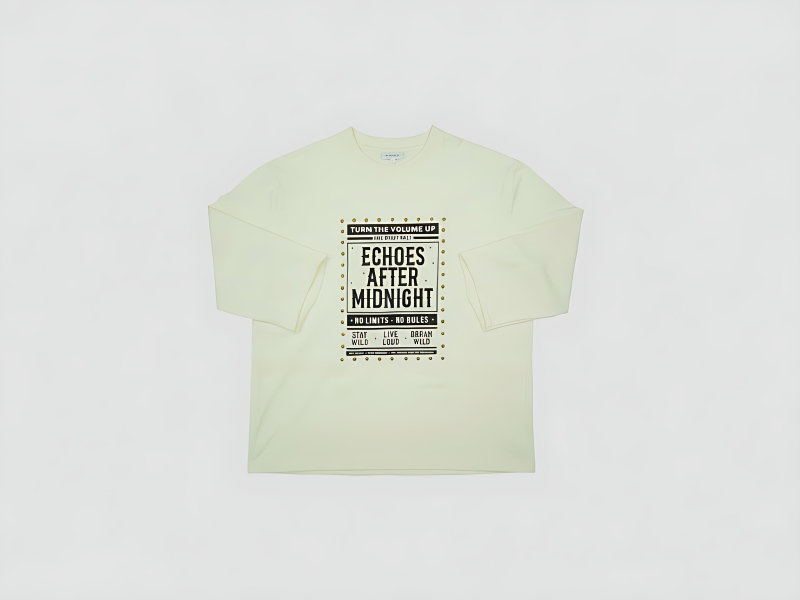
- Ability to add logos, names, or specific colors to align with company branding.
- Various printing and embroidery techniques available for personalization.
5. Size Range
- Availability of sizes from small to plus sizes to accommodate all employees.
- Consideration for gender-specific fits to ensure comfort and professionalism.
6. Care Instructions
- Guidelines for washing and maintaining the garments to prolong their lifespan.
- Options for easy-care fabrics that resist stains and wrinkles.
7. Cost Efficiency
- Competitive pricing structures to suit various budgets without compromising quality.
- Options for bulk purchasing to reduce overall costs.
In summary, understanding these features and specifications is crucial for businesses looking to invest in workwear and uniforms that meet their operational needs and regulatory requirements.
𝗖𝗼𝗺𝗺𝗼𝗻 𝗔𝗽𝗽𝗹𝗶𝗰𝗮𝘁𝗶𝗼𝗻𝘀 𝗮𝗻𝗱 𝗨𝘀𝗲 𝗖𝗮𝘀𝗲𝘀
Workwear and uniforms are utilized across numerous industries, each with specific applications that enhance functionality and safety in the workplace.
1. Manufacturing: Workwear in this sector often includes heavy-duty uniforms designed to protect workers from machinery hazards, chemicals, and physical injuries.
2. Construction: Construction workers require durable, high-visibility clothing that allows them to be easily seen on-site, enhancing safety and compliance with regulations.
3. Healthcare: Medical professionals wear scrubs and lab coats made from breathable fabrics that allow for comfort and hygiene while adhering to strict safety standards.
4. Hospitality: Hotel staff and restaurant employees often wear uniforms that reflect the brand's identity while ensuring comfort and ease of movement throughout their shifts.
5. Transportation: Drivers and logistics personnel benefit from uniforms that are designed for safety and practicality, including features like reflective materials for visibility.
6. Retail: Employees in the retail sector wear uniforms to create a cohesive brand image while providing comfort during long hours of service.
7. Food Service: Chefs and kitchen staff wear specialized uniforms that resist stains and heat, ensuring safety and hygiene in food preparation environments.
𝗣𝗿𝗼𝗱𝘂𝗰𝘁 𝗩𝗮𝗿𝗶𝗮𝗻𝘁𝘀 𝗮𝗻𝗱 𝗦𝘂𝗯𝗰𝗮𝘁𝗲𝗴𝗼𝗿𝗶𝗲𝘀
Workwear and uniforms come in various forms to meet the diverse needs of different industries. Each variant is designed with specific features tailored to enhance performance and safety.
Corporate Uniforms
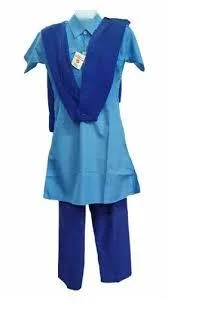
These uniforms are designed for office environments, often focusing on professional appearance and comfort. They may include dress shirts, blouses, and tailored pants, promoting a unified company image.
Safety Gear
This variant includes high-visibility jackets, helmets, and protective clothing designed for hazardous environments. Safety gear is essential in construction, manufacturing, and emergency response scenarios.
Chef Wear
Chef uniforms typically consist of jackets, pants, and aprons made from heat-resistant and stain-resistant fabrics. These garments ensure that kitchen staff maintain hygiene while providing comfort during busy shifts.
Medical Scrubs
Medical scrubs are designed for healthcare professionals, emphasizing ease of movement and cleanliness. They come in various colors and patterns, allowing for some personalization while adhering to hygiene standards.
Industrial Workwear
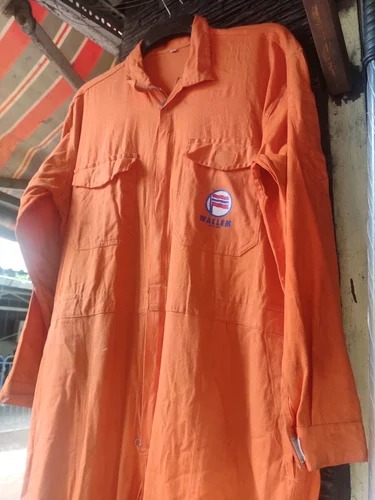
This category includes heavy-duty garments made for industrial jobs, often incorporating features like reinforced seams and protective coatings to withstand harsh environments.
𝗕𝗲𝗻𝗲𝗳𝗶𝘁𝘀 𝗮𝗻𝗱 𝗔𝗱𝘃𝗮𝗻𝘁𝗮𝗴𝗲𝘀
Investing in workwear and uniforms offers multiple benefits for businesses and employees alike. These advantages can enhance performance and improve workplace morale.
1. Enhanced Safety: Workwear is designed to protect employees from workplace hazards, reducing the likelihood of injuries and accidents.
2. Professional Image: Uniforms promote a professional appearance, reinforcing brand identity and fostering customer trust.
3. Employee Comfort: High-quality materials and ergonomic designs ensure that employees are comfortable throughout their shifts, leading to increased productivity.
4. Team Cohesion: Uniforms create a sense of belonging among employees, encouraging teamwork and collaboration in achieving organizational goals.
5. Compliance with Regulations: Proper workwear ensures that businesses meet industry safety standards, avoiding potential legal issues and fines.
6. Customization Options: Businesses can tailor uniforms to reflect their brand identity, enhancing marketing efforts and employee pride.
𝗕𝘂𝘆𝗶𝗻𝗴 𝗚𝘂𝗶𝗱𝗲 𝗳𝗼𝗿 𝗕𝟮𝗕 𝗕𝘂𝘆𝗲𝗿𝘀
When sourcing workwear and uniforms for your organization, it is essential to consider several factors to ensure you make informed purchasing decisions.
1. Quality Assessment: Evaluate the quality of materials and construction to ensure durability and comfort. Look for certifications that guarantee adherence to safety and quality standards.
2. Supplier Verification: Vet suppliers by checking their credentials, reviews, and previous work to ensure reliability and quality in their offerings.
3. Pricing and MOQ: Understand the pricing structures and minimum order quantities (MOQ) to ensure they align with your budget and operational needs.
4. Delivery and Lead Times: Assess logistics capabilities to ensure timely delivery of orders, especially for bulk purchases or customizations.
5. Compliance Requirements: Familiarize yourself with industry-specific regulations regarding workwear to ensure that your uniforms meet safety and compliance standards.
𝗖𝗼𝗺𝗽𝗹𝗶𝗮𝗻𝗰𝗲 𝗮𝗻𝗱 𝗖𝗲𝗿𝘁𝗶𝗳𝗶𝗰𝗮𝘁𝗶𝗼𝗻𝘀
Compliance and certifications are critical aspects of workwear and uniforms, ensuring that products meet industry standards for safety and quality. Relevant quality standards, such as ISO 9001, emphasize the importance of maintaining consistent quality in manufacturing processes.
Certifications like CE marking are essential for garments that provide safety features. This certification indicates that the products have been tested and meet European safety standards, ensuring they are appropriate for use in hazardous environments.
Safety and testing requirements may include evaluations for flame resistance, chemical protection, and high visibility. Meeting these criteria is crucial for industries such as construction and manufacturing, where risks are prevalent.
Regional compliance considerations also play a significant role, as different countries may have varying regulations regarding workwear. Businesses must ensure that their uniforms comply with local laws to avoid fines and legal issues.
𝗪𝗵𝘆 𝗦𝗼𝘂𝗿𝗰𝗲 𝗪𝗼𝗿𝗸𝘄𝗲𝗮𝗿 / 𝗨𝗻𝗶𝗳𝗼𝗿𝗺𝘀 𝗳𝗿𝗼𝗺 𝗣𝗲𝗽𝗮𝗴𝗼𝗿𝗮?
Pepagora provides a trusted platform for sourcing workwear and uniforms, offering several key advantages to B2B buyers.
Verified Supplier Network: Pepagora connects buyers with verified suppliers to ensure high-quality products and reliable service. Each supplier undergoes a thorough vetting process to maintain standards.
Streamlined RFQ Process: The request for quotation (RFQ) system simplifies the sourcing process, allowing buyers to receive competitive quotes from multiple suppliers quickly and efficiently.
Trade Assurance and Support: Buyers benefit from trade assurance, ensuring that their orders are protected and that they receive support throughout the purchasing process. This added layer of security fosters confidence in transactions.
Regional Coverage: Pepagora has a broad geographic reach, covering markets in India, the Gulf Cooperation Council (GCC), and Southeast Asia. This allows businesses to source workwear and uniforms tailored to their regional needs while benefiting from local market knowledge.


Frequently Asked Questions
What are Workwear / Uniforms?
Workwear / Uniforms are specialized clothing designed for specific job roles and industries. They provide employees with a professional appearance while ensuring safety and comfort during their work activities.
What are the different types of Workwear / Uniforms?
Different types of Workwear / Uniforms include safety uniforms, corporate attire, healthcare scrubs, industrial workwear, and hospitality uniforms. Each type is tailored to meet the specific needs and safety requirements of various industries.
How do I choose the right Workwear / Uniforms?
Choosing the right Workwear / Uniforms involves considering the specific job requirements, industry standards, and comfort levels. Additionally, factors such as fabric durability, functionality, and branding should be taken into account.
What are the standard specifications for Workwear / Uniforms?
Standard specifications for Workwear / Uniforms typically include material composition, breathability, moisture-wicking properties, and safety features like reflectivity. Compliance with industry regulations and certifications is also essential.
What is the price range for Workwear / Uniforms?
The price range for Workwear / Uniforms varies widely based on the type, material, and customization options. Generally, prices can range from a few hundred to several thousand Indian Rupees per piece.
What quality standards apply to Workwear / Uniforms?
Quality standards for Workwear / Uniforms include adherence to safety regulations, durability, and performance specifications. Certifications such as ISO and ASTM may also apply, depending on the industry.
Where can I find Workwear / Uniforms suppliers in India?
You can find Workwear / Uniforms suppliers in India through online B2B marketplaces like Pepagora.com, trade shows, and industry directories. Local manufacturers and wholesalers are also valuable resources.
Can Workwear / Uniforms be customized?
Yes, Workwear / Uniforms can be customized to meet specific branding requirements, including colors, logos, and designs. Customization options may vary by supplier, so it's advisable to discuss your needs directly with them.
What is the typical minimum order quantity for Workwear / Uniforms?
The typical minimum order quantity (MOQ) for Workwear / Uniforms can range from 50 to 100 pieces, depending on the supplier and customization requirements. It's important to verify MOQs before placing an order.
What is the typical lead time for Workwear / Uniforms?
The typical lead time for Workwear / Uniforms can vary based on the order size and customization options, but it usually ranges from 2 to 6 weeks. Suppliers will provide specific timelines upon order confirmation.
Why Businesses Trust Pepagora
Thousands of companies trust Pepagora to source smarter and sell faster
Expand Your Sales Globally

Source Smarter,Grow Faster
