
 IN
Locks, Latches & Security Hardware
104 products available
𝗪𝗵𝗮𝘁 𝗮𝗿𝗲 𝗟𝗼𝗰𝗸𝘀, 𝗟𝗮𝘁𝗰𝗵𝗲𝘀 & 𝗦𝗲𝗰𝘂𝗿𝗶𝘁𝘆 𝗛𝗮𝗿𝗱𝘄𝗮𝗿𝗲?
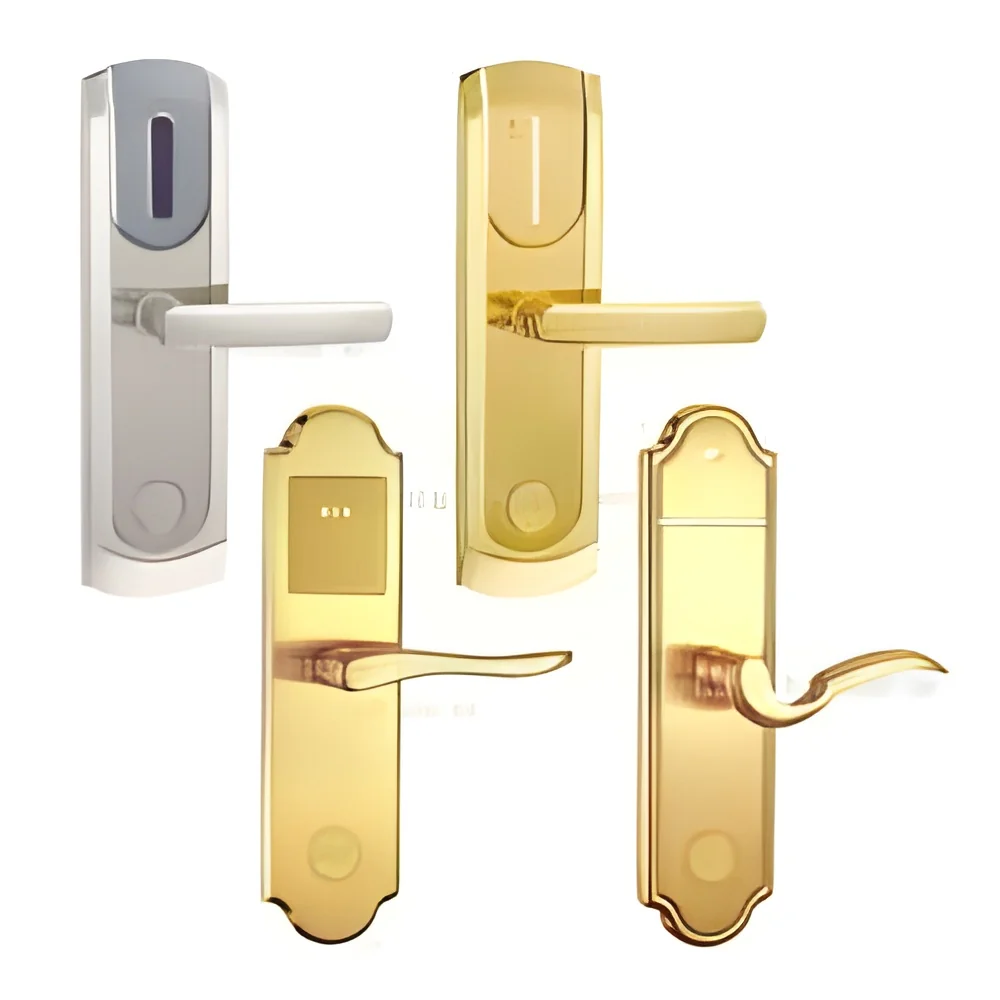
Locks, latches, and security hardware are essential components used to secure doors, windows, and various access points in both residential and commercial applications. They are designed to provide safety and protection against unauthorized entry. Locks are typically mechanisms that require a key or combination to operate, while latches are simpler devices that hold doors closed without needing a key. Security hardware encompasses a range of products including deadbolts, padlocks, electronic locks, and additional devices that enhance the security of an entry point.
These products find applications across a wide array of industries, including construction, manufacturing, and retail. Businesses utilize locks and security hardware to protect valuable assets, ensure employee safety, and comply with regulatory requirements. The increasing focus on security in both public and private sectors has led to a growing demand for high-quality and reliable locking mechanisms.
The lock and security hardware market is evolving with advancements in technology and increased awareness around safety. Industry players are constantly innovating to meet changing customer needs while addressing concerns such as cyber security in electronic locks. This dynamic market context highlights the importance of selecting the right products for specific applications to ensure maximum security.
𝗞𝗲𝘆 𝗙𝗲𝗮𝘁𝘂𝗿𝗲𝘀 𝗮𝗻𝗱 𝗦𝗽𝗲𝗰𝗶𝗳𝗶𝗰𝗮𝘁𝗶𝗼𝗻𝘀
Locks, latches, and security hardware come equipped with various features that cater to different security needs. Understanding these specifications is crucial for businesses when making purchasing decisions.
Key specifications include:
1. Material Composition
- Typically made from steel, brass, or zinc alloys
- Ensures durability and resistance to wear and corrosion
2. Locking Mechanism Type
- Includes key-operated, combination, and electronic options
- Offers flexibility based on security requirements
3. Security Rating
- Rated on a scale to indicate strength and resistance to tampering
- Higher ratings indicate better security performance
4. Size and Dimensions
- Available in various sizes to fit standard door and window frames
- Proper sizing ensures compatibility with existing installations
5. Installation Method
- Can be surface-mounted or mortised into doors
- Installation style affects ease of use and aesthetic appearance
6. Weather Resistance
- Some locks and latches are designed for outdoor use
- Features such as sealants or coatings protect against elements
7. Warranty and Lifespan
- Varies by manufacturer, indicating product reliability
- Longer warranties often signal higher quality
In summary, understanding the features and specifications of locks, latches, and security hardware is essential for businesses to select the right products that meet their security needs and ensure longevity.
𝗖𝗼𝗺𝗺𝗼𝗻 𝗔𝗽𝗽𝗹𝗶𝗰𝗮𝘁𝗶𝗼𝗻𝘀 𝗮𝗻𝗱 𝗨𝘀𝗲 𝗖𝗮𝘀𝗲𝘀
Locks, latches, and security hardware play a vital role in numerous industries, ensuring safety and security in various environments.
1. Construction: Used in buildings to secure doors and access points, ensuring safety during and after construction.
2. Manufacturing: Protects machinery and sensitive areas from unauthorized access, enhancing operational security.
3. Retail: Secures storefronts and inventory areas, helping to prevent theft and unauthorized entry.
4. Education: Locks are utilized in schools to ensure student and staff safety, controlling access to sensitive areas.
5. Healthcare: Critical for securing medical facilities, ensuring patient safety and compliance with health regulations.
6. Hospitality: Hotels and resorts use advanced locking mechanisms for guest room security and access control.
7. Transportation: Locks secure vehicles and cargo, protecting valuable goods during transport.
𝗣𝗿𝗼𝗱𝘂𝗰𝘁 𝗩𝗮𝗿𝗶𝗮𝗻𝘁𝘀 𝗮𝗻𝗱 𝗦𝘂𝗯𝗰𝗮𝘁𝗲𝗴𝗼𝗿𝗶𝗲𝘀
Locks, latches, and security hardware come in various forms to cater to different security needs and applications. This diversity ensures that businesses can find the right solution for their specific requirements.
Mechanical Locks
These traditional locks operate using keys and are known for their reliability. They are widely used in residential and commercial settings for their simplicity and effectiveness.
Electronic Locks
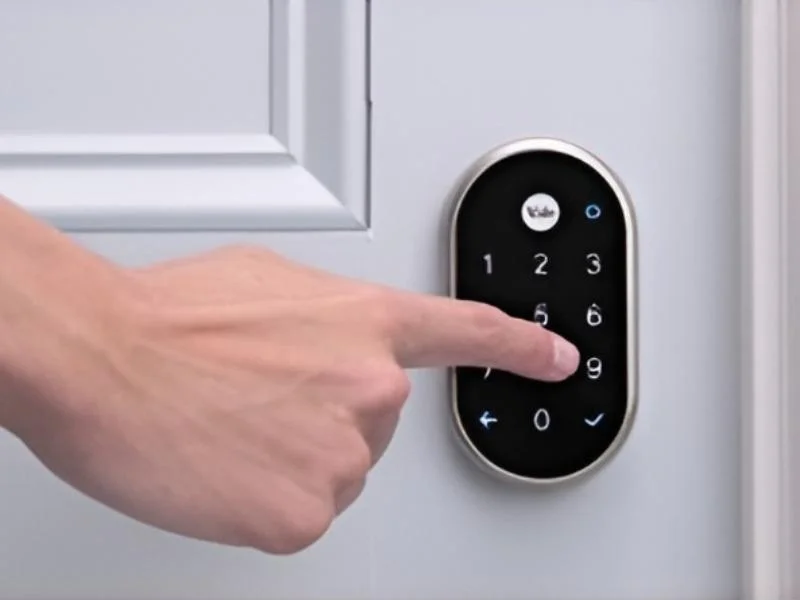
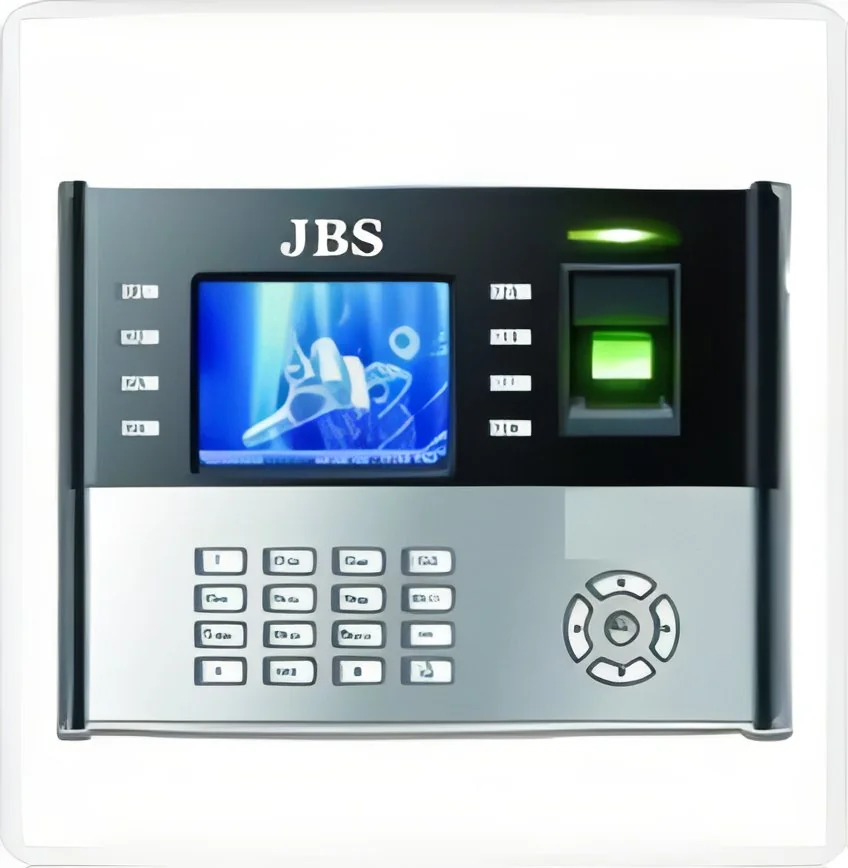
Utilizing keypads or biometric systems, electronic locks offer advanced security features. They are ideal for businesses that require access control and monitoring.
Deadbolts
These locks provide enhanced security compared to standard locks. They are commonly used in residential settings to secure entry points against forced entry.
Padlocks
Portable and versatile, padlocks are used in various applications, from securing gates to lockers. They come in different sizes and security levels, offering flexibility for users.
Smart Locks
Integrated with smart technology, these locks allow remote access and monitoring through apps. They are increasingly popular in modern homes and offices for their convenience and advanced features.
𝗕𝗲𝗻𝗲𝗳𝗶𝘁𝘀 𝗮𝗻𝗱 𝗔𝗱𝘃𝗮𝗻𝘁𝗮𝗴𝗲𝘀
Investing in high-quality locks, latches, and security hardware provides several key benefits that enhance security and peace of mind.
1. Enhanced Security: Reliable locks deter unauthorized access, protecting assets and ensuring safety.
2. Versatility: A range of products is available to meet various security needs across different industries.
3. Ease of Use: Many modern locks are designed for simple operation, ensuring quick access for authorized users.
4. Cost-Effectiveness: Durable materials and construction reduce the need for frequent replacements and repairs.
5. Compliance: Quality locks help businesses meet regulatory requirements for safety and security.
6. Technological Advancements: Electronic and smart locks offer innovative features that improve security management and monitoring.
𝗕𝘂𝘆𝗶𝗻𝗴 𝗚𝘂𝗶𝗱𝗲 𝗳𝗼𝗿 𝗕𝟮𝗕 𝗕𝘂𝘆𝗲𝗿𝘀
When sourcing locks, latches, and security hardware, businesses should consider several essential factors to ensure they make informed purchasing decisions.
1. Quality Assessment: Evaluate the quality of materials and construction to ensure durability and reliability. Look for products that meet industry standards and certifications.
2. Supplier Verification: Vet potential suppliers to ensure they have a reliable track record and provide quality products. Reviews and testimonials can offer valuable insights.
3. Pricing and MOQ: Understand pricing structures and minimum order quantities to align with budget and inventory needs. Compare multiple suppliers to find the best value.
4. Delivery and Lead Times: Consider logistics and delivery timelines to ensure timely availability of products. Factor in lead times when planning for projects.
5. Compliance Requirements: Ensure that products meet relevant regulations and standards in your industry, which can vary by region and application.
𝗖𝗼𝗺𝗽𝗹𝗶𝗮𝗻𝗰𝗲 𝗮𝗻𝗱 𝗖𝗲𝗿𝘁𝗶𝗳𝗶𝗰𝗮𝘁𝗶𝗼𝗻𝘀
Locks, latches, and security hardware must adhere to various quality standards and certifications to ensure safety and reliability. Compliance with standards such as ISO 9001 demonstrates a commitment to quality management principles.
Industry certifications like CE signify that products meet European safety standards, offering assurance to buyers regarding their reliability. Additionally, safety and testing requirements are critical for manufacturers to ensure that their products perform as expected under various conditions.
Regional compliance considerations can vary significantly. Businesses should be aware of local regulations regarding security hardware, especially in industries like healthcare and education where compliance is strictly enforced.
𝗪𝗵𝘆 𝗦𝗼𝘂𝗿𝗰𝗲 𝗟𝗼𝗰𝗸𝘀, 𝗟𝗮𝘁𝗰𝗵𝗲𝘀 & 𝗦𝗲𝗰𝘂𝗿𝗶𝘁𝘆 𝗛𝗮𝗿𝗱𝘄𝗮𝗿𝗲 𝗳𝗿𝗼𝗺 𝗣𝗲𝗽𝗮𝗴𝗼𝗿𝗮?
Pepagora offers a trusted platform for sourcing locks, latches, and security hardware with several key advantages that cater to B2B buyers.
Verified Supplier Network: Pepagora connects buyers to a network of verified suppliers, ensuring quality and reliability. This helps businesses find trustworthy partners for their security needs.
Streamlined RFQ Process: The platform simplifies the request for quotation process, allowing buyers to compare options quickly. This efficiency saves time and enhances decision-making.
Trade Assurance and Support: Pepagora provides buyer protection through trade assurance, ensuring that transactions are secure and reliable. This support builds confidence in sourcing decisions.
Regional Coverage: With a presence in India, the GCC, and Southeast Asia, Pepagora offers widespread access to suppliers and products. This geographic reach enables businesses to tap into various markets for their security hardware needs.


 India



 India
 India
 India


 India
 India
 India
 India
 India
 India
 India
 India
 India
 India
 India
 India
 India
 India
 India
 India
 India
 India
 India
 India

 India
 India
 India
 India
 India

 India
 India
 India
 India


 India
 India
 India
Frequently Asked Questions
What are Locks, Latches & Security Hardware?
Locks, Latches & Security Hardware refer to a range of devices used to secure doors, windows, cabinets, and other entry points. They are essential for ensuring safety and preventing unauthorized access to properties and valuables.
What are the different types of Locks, Latches & Security Hardware?
There are several types of Locks, Latches & Security Hardware, including padlocks, deadbolts, electronic locks, sliding door locks, and latch bolts. Each type serves specific security needs and is designed for different applications, from residential to commercial use.
How do I choose the right Locks, Latches & Security Hardware?
Choosing the right Locks, Latches & Security Hardware involves assessing the security needs of your property, considering the types of doors or windows they will be used on, and evaluating the level of security required. It's also important to factor in durability, ease of use, and compatibility with existing fixtures.
What are the standard specifications for Locks, Latches & Security Hardware?
Standard specifications for Locks, Latches & Security Hardware typically include material composition, size, weight, locking mechanism type, and security rating. These specifications ensure that the hardware meets industry standards for strength and durability.
What is the price range for Locks, Latches & Security Hardware?
The price range for Locks, Latches & Security Hardware varies widely depending on the type, brand, and features. Generally, prices can start from a few hundred rupees for basic models to several thousand rupees for high-security commercial locks.
What quality standards apply to Locks, Latches & Security Hardware?
Quality standards for Locks, Latches & Security Hardware often include certifications like ISI, ANSI, and UL. These standards ensure that the products meet specific performance and safety criteria, providing assurance to consumers about reliability and durability.
Where can I find Locks, Latches & Security Hardware suppliers in India?
Locks, Latches & Security Hardware suppliers in India can be found through various channels, including online marketplaces like Pepagora, local hardware stores, and specialized security hardware suppliers. It is advisable to research and compare different suppliers for quality and pricing.
Can Locks, Latches & Security Hardware be customized?
Yes, many manufacturers offer customization options for Locks, Latches & Security Hardware to meet specific customer requirements. This can include variations in size, finish, locking mechanisms, and additional features to enhance security.
What is the typical minimum order quantity for Locks, Latches & Security Hardware?
The typical minimum order quantity (MOQ) for Locks, Latches & Security Hardware varies by supplier and product type. Generally, MOQs can range from 10 to 100 units, depending on the manufacturer and the specific item being ordered.
What is the typical lead time for Locks, Latches & Security Hardware?
The typical lead time for Locks, Latches & Security Hardware can range from a few days to several weeks. Factors such as the type of product, order size, and supplier location can influence the delivery time.
Why Businesses Trust Pepagora
Thousands of companies trust Pepagora to source smarter and sell faster
Expand Your Sales Globally

Source Smarter,Grow Faster
