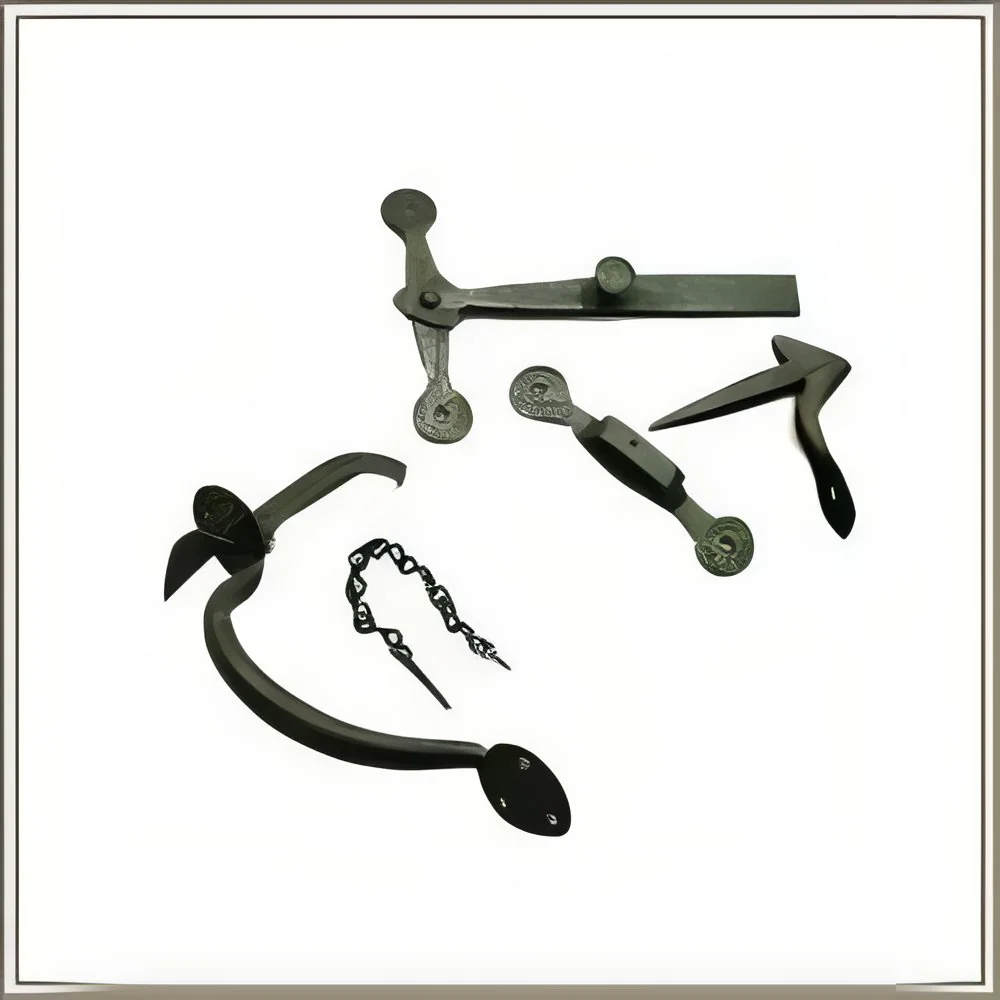
What are Sliding Door Locks?
Sliding door locks are specialized locking mechanisms designed to secure sliding doors, which are commonly used in both residential and commercial settings. These locks operate by engaging a latch or bolt into the frame or track of the door, preventing unauthorized access while allowing for smooth operation of the door itself. The design of sliding door locks can vary, but they typically include features that enhance security and ease of use.
The primary uses of sliding door locks include securing patio doors, glass doors, closet doors, and storage units. Businesses often utilize these locks in settings such as retail stores, warehouses, and office buildings to ensure the safety of premises and assets. In recent years, the demand for sliding door locks has increased due to a growing emphasis on security and the rising number of sliding door installations across various sectors.
In the current market context, sliding door locks are relevant not only for their functional purpose but also for their integration with smart home and security systems. As industries adapt to new technologies, the evolution of sliding door locks continues to be a focal point for manufacturers and suppliers aiming to meet the diverse needs of customers.
Key Features and Specifications
Sliding door locks come with a range of features and specifications that cater to different security needs. Understanding these specifications is crucial for businesses looking to invest in reliable locking solutions.
Key specifications include:
1. Locking Mechanism Type
- Options include single point, multi-point, and electronic locking mechanisms.
- Each type offers varying levels of security and ease of use.
2. Material Composition
- Common materials used include stainless steel, aluminum, and zinc alloy.
- These materials contribute to durability and resistance against wear and tear.
3. Security Rating
- Locks are often rated according to industry standards for security.
- A higher rating indicates enhanced resistance to forced entry.
4. Size Dimensions
- Available in various sizes to fit different sliding door profiles.
- Typical dimensions may range from standard residential sizes to larger commercial specifications.
5. Installation Method
- Lock systems may be surface-mounted or mortised into the door frame.
- The choice of installation affects the complexity and security of the lock.
6. Weather Resistance
- Many sliding door locks are designed to withstand environmental factors.
- Resistance to corrosion and moisture is essential in outdoor applications.
7. Compliance with Standards
- Locks may comply with industry standards such as CE certifications.
- Compliance ensures reliability and adherence to safety norms.
8. Warranty and Support
- Many manufacturers offer warranties that cover defects and performance issues.
- Support services can also be a factor in choosing a supplier.
In summary, selecting the right sliding door lock involves understanding these key features and specifications to ensure that the product meets security, durability, and compliance requirements.
Common Applications and Use Cases
Sliding door locks find applications across a variety of industries due to their versatility and security features.
1. Residential: Homeowners use sliding door locks primarily for patio doors and sliding glass doors, providing security while enhancing the aesthetic appeal of their homes.
2. Retail: Stores often employ sliding door locks for display cases and entry points, ensuring the safety of merchandise and preventing unauthorized access after hours.
3. Warehousing: Sliding door locks are utilized in warehouses to secure storage areas and loading docks, protecting valuable inventory from theft or damage.
4. Hospitality: Hotels and resorts implement sliding door locks in guest rooms and pool areas to maintain privacy and security for guests.
5. Healthcare: Sliding door locks are essential in hospitals for securing medication storage areas and ensuring patient safety.
6. Offices: In commercial buildings, these locks are used for securing conference rooms and supply closets, helping to manage access control.
7. Transportation: Sliding doors on vehicles and cargo containers often require specialized locks to enhance security during transit.
Product Variants and Subcategories
Sliding door locks are available in various designs to cater to specific needs and preferences. Each variant offers different features tailored to specific applications.
Standard Sliding Door Locks
These locks are the most common type, designed for basic security needs in residential and light commercial applications. They provide reliable performance and ease of use.
Multi-Point Locking Systems
These advanced locks engage multiple points along the door frame, offering enhanced security. They are ideal for high-risk areas, such as commercial buildings and high-end residential properties.
Smart Sliding Door Locks
Integrating technology, smart locks allow remote access and control via smartphones or keypads. These are increasingly popular in modern homes and businesses looking to enhance security through automation.
Electronic Locks
These locks use keypads or biometric systems for entry, eliminating the need for traditional keys. They are suitable for environments where access control and tracking are essential.
Benefits and Advantages
Investing in sliding door locks offers numerous benefits that enhance security and convenience.
1. Enhanced Security: Sliding door locks provide reliable protection against unauthorized access, making them essential for both residential and commercial properties.
2. Versatile Applications: These locks are suitable for a wide range of sliding doors, from patio doors to industrial applications, ensuring flexibility in use.
3. Increased Convenience: Many locks are designed for easy operation, allowing users to secure and access doors with minimal effort.
4. Durability: High-quality materials ensure that sliding door locks withstand wear and tear over time, reducing the need for frequent replacements.
5. Customization Options: Businesses can often customize locks to meet specific security requirements and design preferences.
6. Support and Warranty: Many manufacturers offer support services and warranties, providing peace of mind for buyers regarding their investment.
Buying Guide for B2B Buyers
When sourcing sliding door locks, it is essential for businesses to consider several factors to ensure they make informed decisions.
1. Quality Assessment: Evaluate the lock’s materials, security ratings, and compliance with industry standards. High-quality locks typically offer better durability and performance.
2. Supplier Verification: Conduct thorough research to verify suppliers’ credibility. Look for established manufacturers with positive reviews and a track record of reliable service.
3. Pricing and MOQ: Understand the pricing structure and minimum order quantities (MOQ) required by suppliers. This can impact your overall budget and procurement strategy.
4. Delivery and Lead Times: Consider logistics and the expected lead times for delivery. Timely delivery is crucial for maintaining project schedules and operational continuity.
5. Compliance Requirements: Ensure that the locks comply with relevant regulations and safety standards in your region. This is particularly important for commercial and industrial applications.
Compliance and Certifications
Compliance with industry standards and certifications is critical for sliding door locks to ensure safety and effectiveness. Many locks adhere to recognized quality standards such as ISO 9001, which focuses on quality management systems. This certification demonstrates that the manufacturer meets international quality assurance norms.
Additionally, CE certification is commonly associated with sliding door locks, indicating compliance with European health and safety regulations. This certification assures buyers that the products have been rigorously tested for safety and performance.
Safety and testing requirements play a vital role in the manufacturing process. Many sliding door locks undergo thorough assessments to ensure they can withstand various security threats. Regional compliance considerations may include local regulations that dictate specific security features or testing protocols.
Why Source Sliding Door Locks from Pepagora?
Pepagora offers a trusted platform for sourcing sliding door locks with several key advantages that cater to B2B buyers.
Verified Supplier Network: Pepagora connects buyers with verified suppliers, ensuring that all manufacturers meet strict quality and reliability standards. This reduces the risks associated with sourcing.
Streamlined RFQ Process: The platform features an easy-to-use request for quotation (RFQ) process, allowing buyers to quickly compare pricing and specifications from multiple suppliers. This efficiency helps in making informed purchasing decisions.
Trade Assurance and Support: Buyers benefit from trade assurance, offering protections against issues such as product quality and delivery delays. This support adds an extra layer of security to transactions.
Regional Coverage: Pepagora has a broad geographic reach, serving markets in India, the GCC, and Southeast Asia. This extensive network allows businesses to find local suppliers and access a diverse range of products tailored to regional needs.

 IN
IN