What are Latches & Hasps?
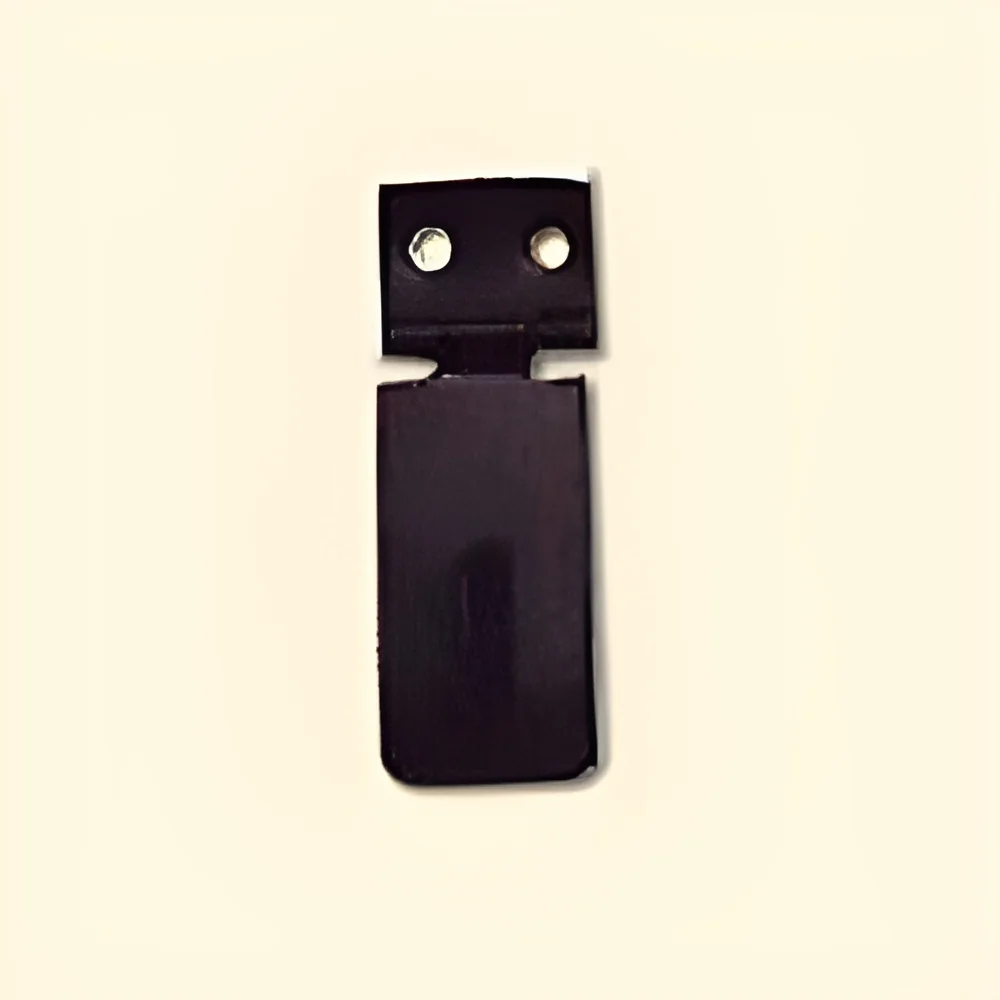
Latches and hasps are essential hardware components used to secure doors, gates, and containers. A latch typically consists of a mechanism that secures an object in place, while a hasp is a hinged strap that fits over a staple and is secured with a padlock. Together, they create a reliable locking system that helps prevent unauthorized access.
These products find extensive use across various industries, including construction, manufacturing, and logistics. They are commonly employed in securing storage units, toolboxes, and gates. In commercial settings, latches and hasps contribute to overall security and safety, making them vital components in a range of applications.
In today's market, the demand for high-quality latches and hasps is driven by the need for enhanced security solutions. As businesses prioritize safety, manufacturers are producing innovative designs that cater to specific industry requirements. Understanding the importance and functionality of these products is crucial for businesses seeking reliable security solutions.
Key Features and Specifications
Latches and hasps come with several important features that enhance their functionality and usability. When selecting these components, it is essential to consider their specifications, which can vary based on the manufacturer and intended use.
Key specifications include:
1. Material Composition
- Often made from steel, stainless steel, or brass
- Offers durability and resistance to corrosion
2. Size and Dimensions
- Available in various sizes to fit different applications
- Typically includes measurements for both latch and hasp components
3. Locking Mechanism
- Can feature different types of locking systems, including padlock compatibility
- Ensures secure closure
4. Finish Options
- Available in various finishes, including galvanized, painted, or plated
- Enhances aesthetic appeal and can provide additional corrosion resistance
5. Weight Capacity
- Rated for specific weight limits
- Important for ensuring the latch or hasp can withstand the intended use
6. Mounting Style
- Options include surface-mounted or recessed designs
- Influences installation method and application versatility
7. Operating Temperature Range
- Designed to function effectively within specific temperature limits
- Ensures performance in various environmental conditions
8. Security Rating
- Some models may come with a security rating based on industry standards
- Provides assurance of the product's effectiveness in preventing unauthorized access
In summary, understanding the key features and specifications of latches and hasps is crucial for businesses looking to implement effective security solutions.
Common Applications and Use Cases
Latches and hasps serve a wide array of industries, each with unique applications that leverage their security capabilities.
1. Construction: In construction sites, latches and hasps are used to secure temporary structures, gates, and storage containers, ensuring tools and materials are protected from theft.
2. Manufacturing: Factories often utilize latches and hasps to secure machinery covers, lockers, and storage units, promoting workplace safety and preventing unauthorized access.
3. Transportation and Logistics: These components are commonly found on shipping containers and transport vehicles, helping to secure goods during transit and storage.
4. Agriculture: Farmers use latches and hasps to secure barns, tool sheds, and livestock enclosures, safeguarding equipment and animals.
5. Retail: Retail establishments may use latches and hasps on display cases and storage areas to protect valuable merchandise from theft.
6. Residential: Homeowners often install latches and hasps on gates, sheds, and toolboxes to enhance security around their properties.
7. Military: In military applications, robust latches and hasps secure sensitive equipment and ensure operational security.
In conclusion, latches and hasps are versatile hardware solutions that support security across numerous sectors.
Product Variants and Subcategories
Latches and hasps come in a variety of designs to meet different security needs. Each variant offers unique features suited for specific applications.
Slide Latch
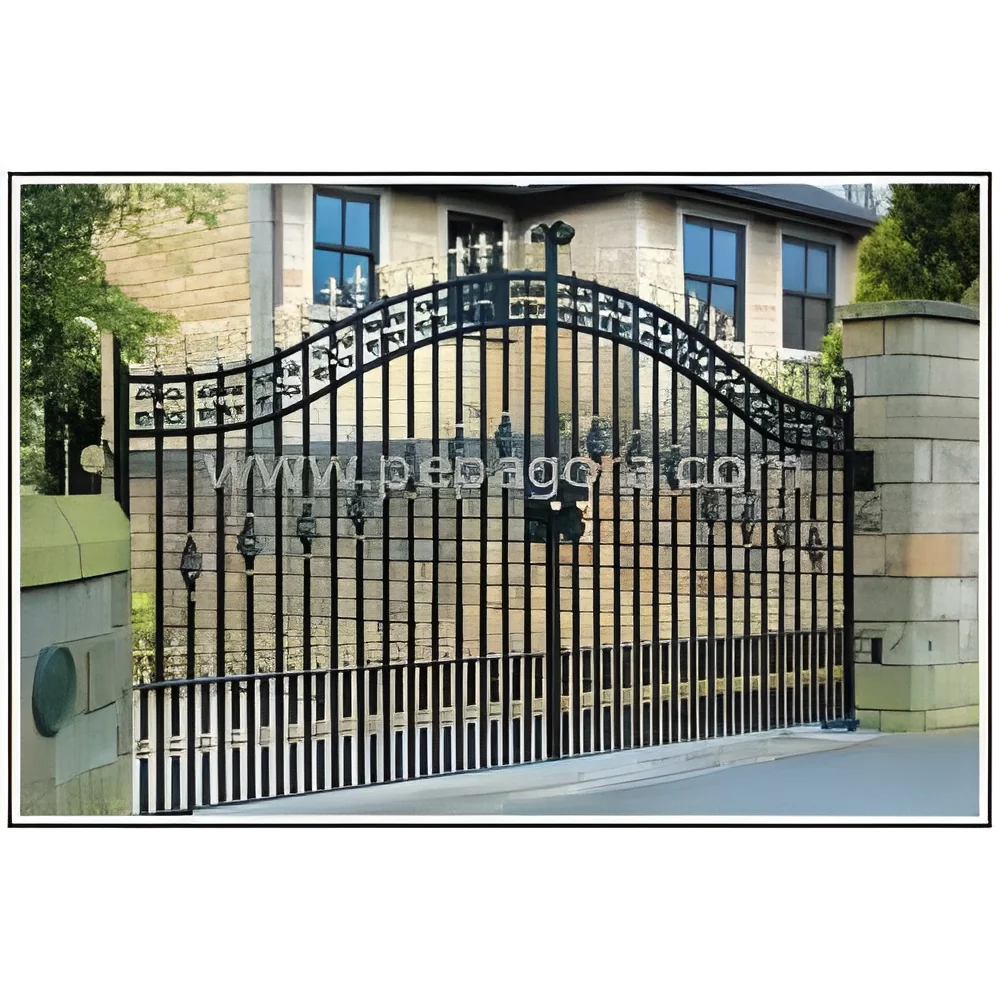
Slide latches are commonly used in gates and doors. They provide an easy, one-handed operation while ensuring a secure closure. Their simple design makes them suitable for both residential and commercial applications.
Hasp Lock
Hasp locks are designed to work with padlocks, providing robust security for doors and storage units. They are often made from heavy-duty materials, making them ideal for environments where security is a priority.
Spring Latch
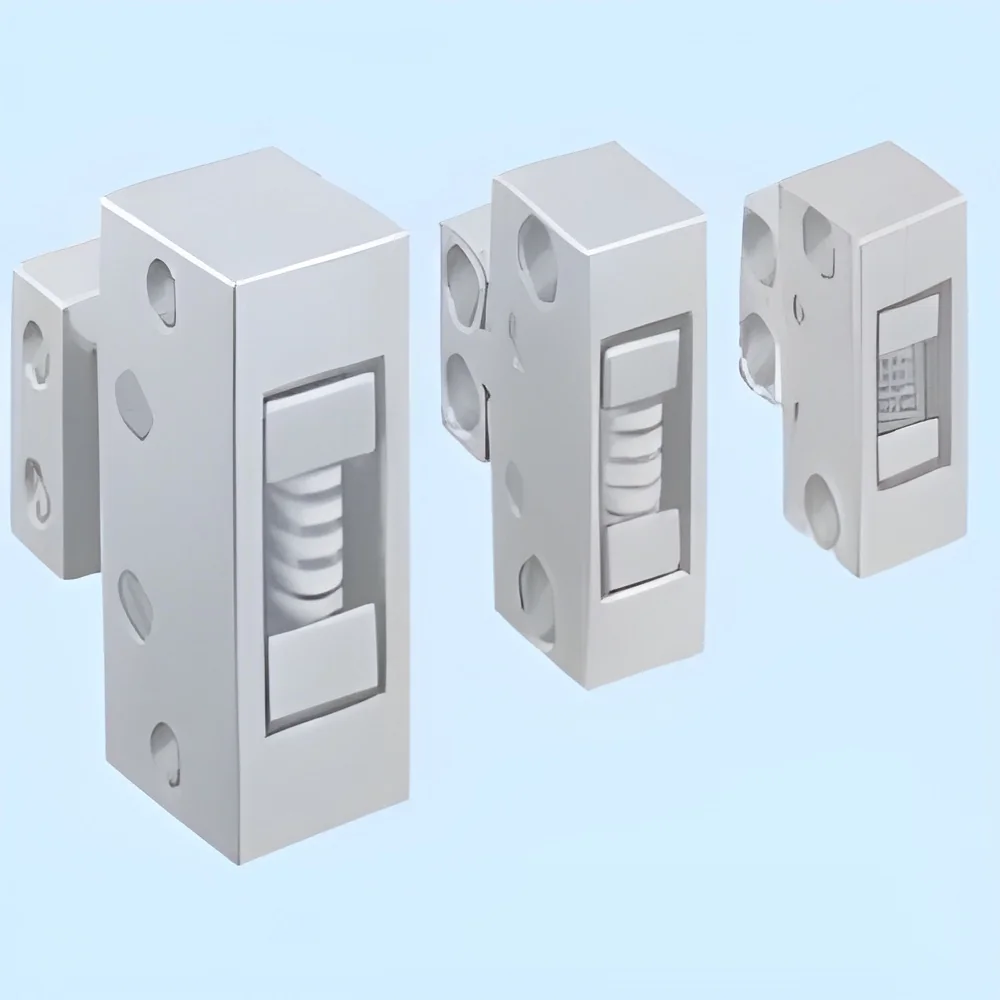
Spring latches offer automatic locking when the door or gate is closed. Their design ensures ease of use and quick access, making them popular in high-traffic areas where security and convenience are essential.
Heavy-Duty Latch
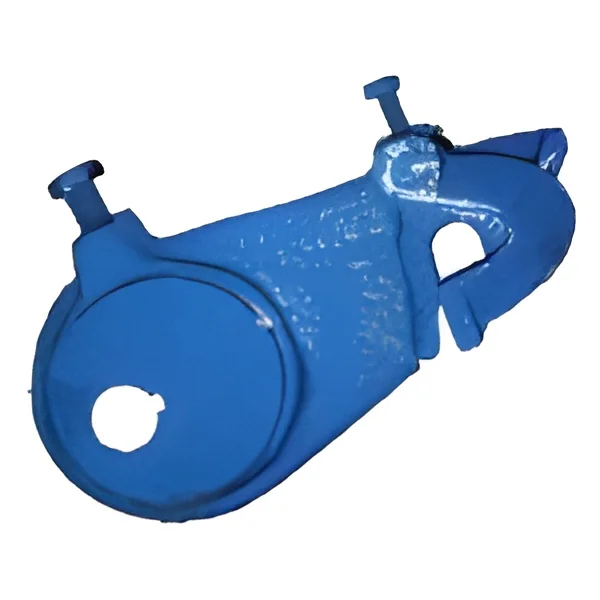
Heavy-duty latches are built for extreme durability, often used in industrial applications. They can withstand harsh environmental conditions and high levels of wear and tear.
Benefits and Advantages
Investing in quality latches and hasps provides numerous advantages for businesses seeking enhanced security.
1. Enhanced Security: A reliable latch and hasp system significantly reduces the risk of unauthorized access, protecting valuable assets.
2. Durability: High-quality materials ensure that latches and hasps endure the rigors of daily use, providing long-lasting performance.
3. Versatility: Available in various designs and sizes, they can be used across multiple applications, making them suitable for diverse industries.
4. Easy Installation: Many latches and hasps come with straightforward installation instructions, allowing for quick and efficient setup.
5. Cost-Effectiveness: Investing in durable latches and hasps can reduce maintenance costs over time, as fewer replacements are needed.
6. Aesthetic Appeal: With various finishes available, latches and hasps can complement the overall design of a building or product.
In summary, the benefits of using latches and hasps extend beyond mere security, contributing to the overall efficiency and longevity of business operations.
Buying Guide for B2B Buyers
When sourcing latches and hasps, it is essential for B2B buyers to consider several factors to ensure they select the right products for their needs.
1. Quality Assessment: Evaluate the materials and construction quality of latches and hasps. Look for products that meet industry standards for durability and security.
2. Supplier Verification: Vet suppliers to ensure they have a reputable track record. Check for reviews, certifications, and their capability to meet your specific demands.
3. Pricing and MOQ: Consider the overall cost, including any minimum order quantities (MOQ). Balance quality with budget constraints to find the best value.
4. Delivery and Lead Times: Discuss delivery options and lead times with suppliers. Ensure they can meet your project timelines without compromising quality.
5. Compliance Requirements: Be aware of any regulatory standards applicable to your industry. Ensure that the latches and hasps you choose meet these compliance needs.
In conclusion, a careful and informed purchasing process will help B2B buyers secure the best latches and hasps for their operational requirements.
Compliance and Certifications
When sourcing latches and hasps, businesses must consider compliance and certification to ensure product reliability and safety. Various quality standards apply to these products, including ISO 9001, which focuses on maintaining quality management systems. Adhering to such standards helps manufacturers ensure their products meet customer expectations consistently.
Additionally, industry certifications such as CE mark demonstrate compliance with European safety and health regulations. This certification is crucial for businesses looking to market their products in Europe, as it indicates that the latches and hasps conform to essential health and safety requirements.
Safety and testing requirements are also a significant aspect of compliance. Latches and hasps should undergo rigorous testing to verify their performance under various conditions, ensuring they can withstand environmental factors such as temperature extremes and humidity. Regional compliance considerations may vary, so it is vital for businesses to be aware of local regulations governing the use of security hardware.
Why Source Latches & Hasps from Pepagora?
Pepagora provides a trusted platform for sourcing latches and hasps, offering several key advantages for B2B buyers. The verified supplier network ensures that you can connect with reputable manufacturers who prioritize quality and customer satisfaction. This verification process adds a level of trust that is essential in securing reliable products.
The streamlined RFQ process simplifies the quotation system, allowing buyers to request and receive competitive pricing from multiple suppliers efficiently. This feature helps businesses make informed purchasing decisions based on clear comparisons of available options.
Additionally, Pepagora offers trade assurance and support, providing buyers with a layer of protection during transactions. This support helps ensure that you receive the products as described and delivered on time, minimizing potential risks in the purchasing process.
Finally, Pepagora's regional coverage extends to India, the Gulf Cooperation Council (GCC) countries, and Southeast Asia. This geographic reach allows businesses in these regions to access a diverse range of latches and hasps tailored to their specific needs, ensuring they can find the right solutions for their operations.

 IN
IN