What are Biometric Fingerprint Locks?
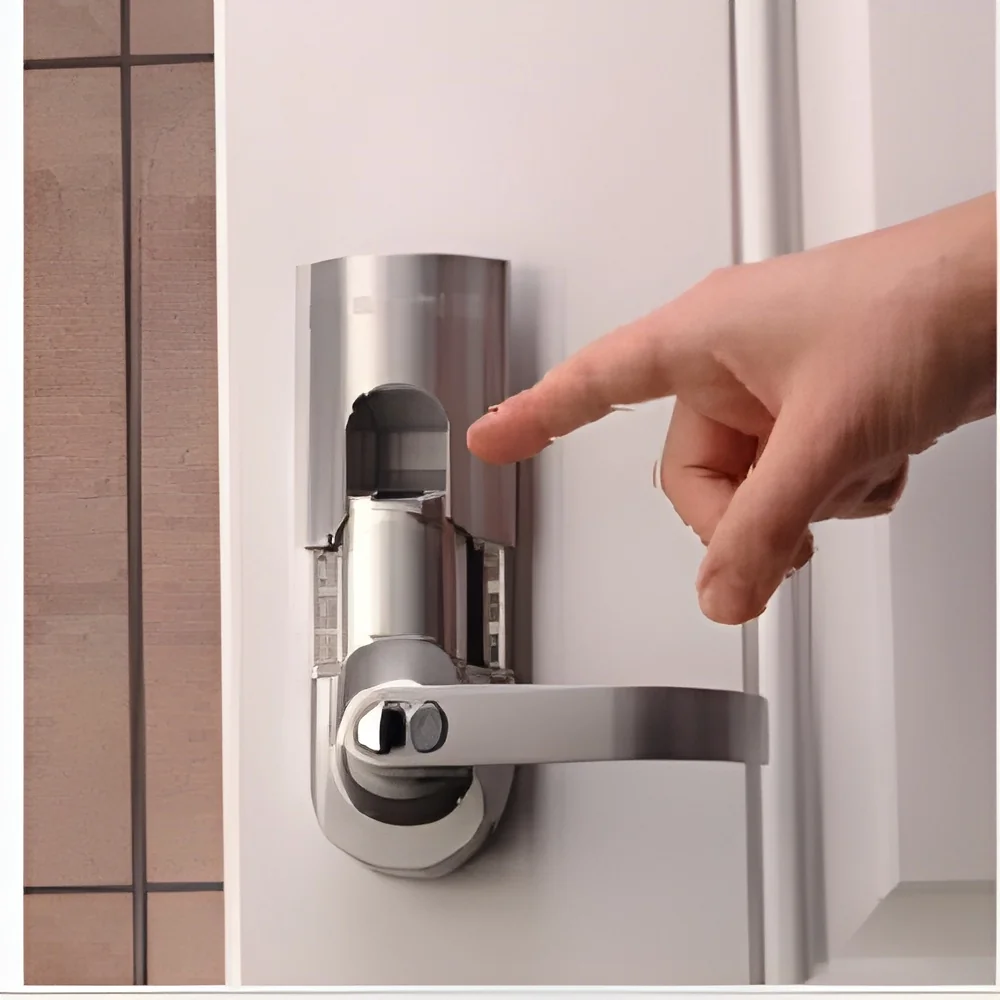
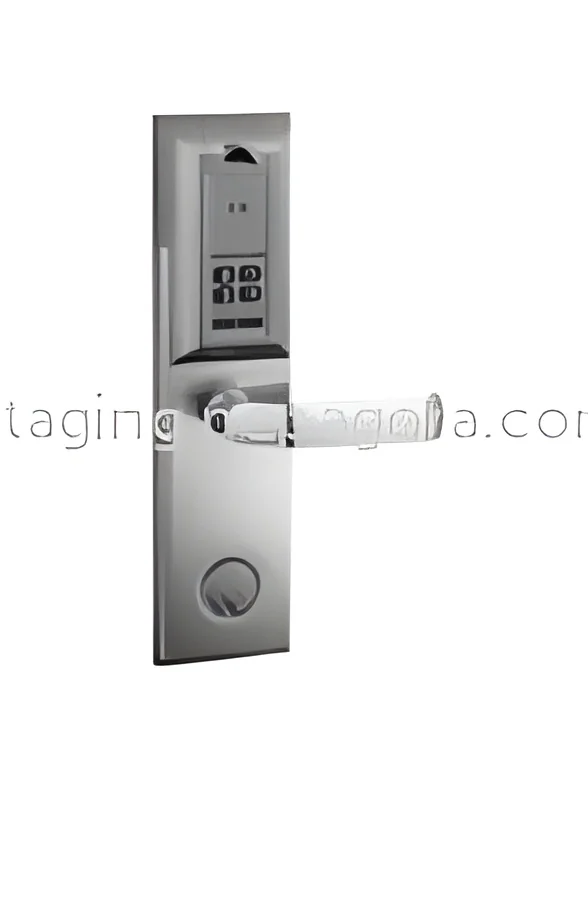
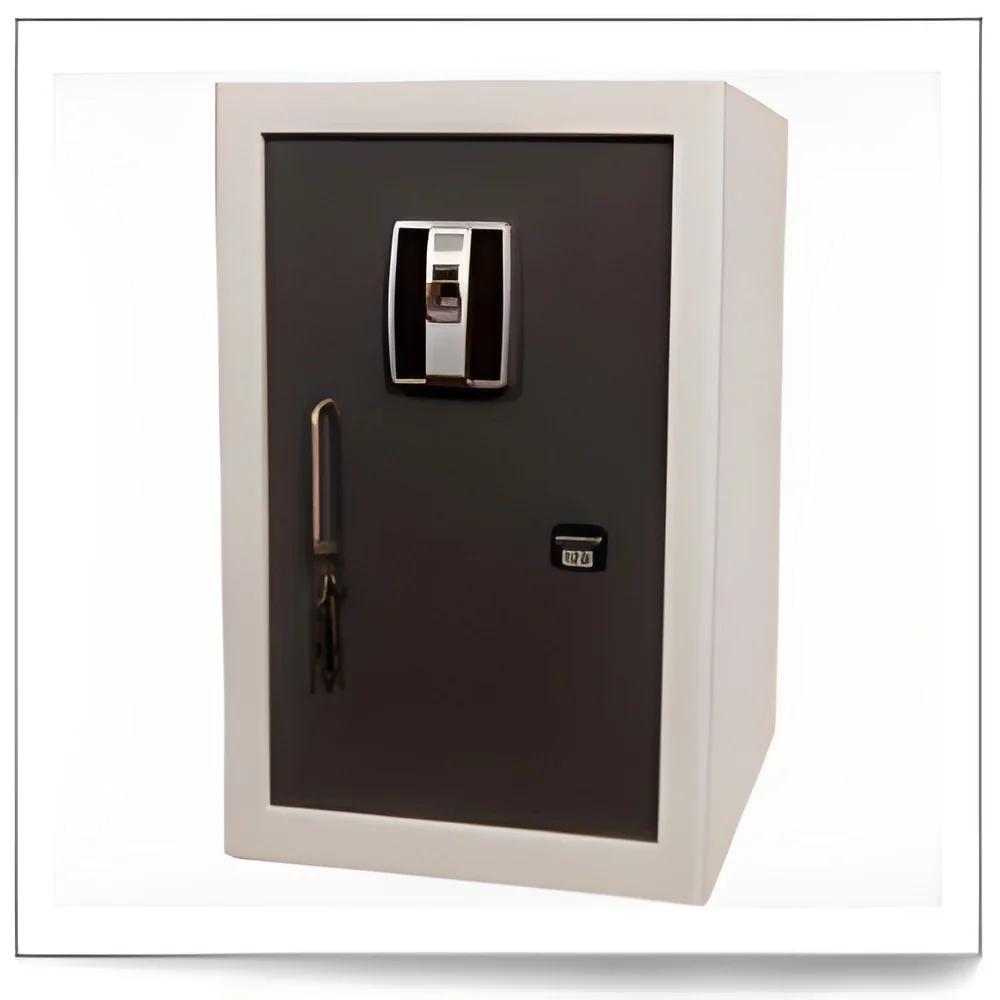
Biometric fingerprint locks are advanced security devices that utilize unique fingerprint patterns to grant access to secured areas. These locks operate by scanning and recognizing the fingerprints of authorized users, ensuring that only individuals with registered fingerprints can gain entry. This technology eliminates the need for traditional keys or access cards, providing a more secure and convenient solution for safeguarding property and sensitive information.
These locks are primarily used in commercial and industrial environments, including offices, warehouses, and sensitive government facilities. They offer a reliable way to control access to restricted areas, enhance security protocols, and reduce the risk of unauthorized entries. The increasing demand for advanced security measures has made biometric fingerprint locks a popular choice among businesses looking to modernize their security infrastructure.
As security concerns continue to rise globally, the market for biometric fingerprint locks is expanding. Industries are increasingly adopting these locks due to their effectiveness in preventing unauthorized access and their ability to streamline access control. The integration of biometric technology into security systems reflects a broader trend towards automation and enhanced security, making biometric fingerprint locks a relevant choice in today's market.
Key Features and Specifications
Biometric fingerprint locks come equipped with several features designed to enhance security and user experience. The technology behind these locks allows for quick fingerprint recognition and allows for the registration of multiple users, making them suitable for various applications. Below are some key specifications that highlight the capabilities of biometric fingerprint locks.
Key specifications include:
1. Fingerprint Capacity
- The number of fingerprints that can be stored in the system, typically ranging from 100 to 300 fingerprints.
2. Recognition Speed
- The time taken to recognize a fingerprint, usually within 1-2 seconds for efficient access.
3. Power Supply
- Commonly powered by batteries or an AC adapter, ensuring continuous operation even during power outages.
4. Material Composition
- Locks are generally constructed from durable materials such as stainless steel or zinc alloy for increased longevity.
5. Security Features
- Enhanced security mechanisms may include tamper alarms and encryption protocols to protect stored data.
6. Installation Method
- These locks can be surface-mounted or mortised, offering flexibility in installation.
7. User Interface
- Many models feature LED indicators and audible alerts for user feedback during operation.
8. Backup Access
- Some locks provide backup keys or mobile app access for emergencies, ensuring accessibility even when biometric recognition fails.
These specifications underscore the advanced technology and user-centric design of biometric fingerprint locks, making them a practical choice for businesses.
Common Applications and Use Cases
Biometric fingerprint locks find applications across various industries, enhancing security and efficiency in many contexts.
1. Corporate Offices: In corporate settings, these locks are used to secure sensitive areas such as executive offices, data centers, and meeting rooms. They help prevent unauthorized access and protect confidential information.
2. Educational Institutions: Schools and universities implement biometric fingerprint locks to control access to laboratories, libraries, and administrative offices, ensuring a safe environment for students and staff.
3. Healthcare Facilities: Hospitals and clinics utilize these locks to restrict access to sensitive areas like pharmacies and patient records, maintaining compliance with privacy regulations.
4. Government Buildings: Biometric locks are deployed in government facilities to secure areas with classified information, enhancing national security measures.
5. Manufacturing Plants: In industrial environments, these locks can control access to hazardous areas, ensuring that only trained personnel can enter.
6. Retail Stores: Retailers use biometric fingerprint locks to secure stockrooms and cash areas, safeguarding valuable inventory and cash assets.
7. Residential Properties: Homeowners can also benefit from biometric locks, providing an added layer of security to entry points in their homes.
Product Variants and Subcategories
Biometric fingerprint locks are available in various models, each designed for specific applications and user needs. This diversity allows businesses to select locks that best fit their requirements.
Smart Fingerprint Lock
This variant features Bluetooth connectivity, allowing users to unlock doors via a mobile app. It includes additional features such as remote access and activity logging, ideal for tech-savvy environments.
Heavy-Duty Fingerprint Lock
Designed for industrial use, this variant is built with reinforced materials to withstand harsh conditions. It offers high fingerprint capacity and advanced features for enhanced security in manufacturing settings.
Portable Biometric Lock
This version is designed for temporary applications, such as securing equipment or personal belongings. Its lightweight design and ease of use make it ideal for mobile security needs.
Benefits and Advantages
Biometric fingerprint locks offer numerous advantages that enhance security and operational efficiency for businesses.
Key benefits include:
1. Enhanced Security: By using unique fingerprint patterns, these locks significantly reduce the risk of unauthorized access compared to traditional key systems.
2. Convenience: Users can quickly gain access without the need for keys or cards, streamlining entry and exit processes.
3. Cost-Effectiveness: Over time, biometric locks can reduce the costs associated with lost keys, rekeying, and replacement of access cards.
4. Multi-User Capability: Many models allow multiple fingerprints to be stored, making them suitable for organizations with several employees needing access.
5. Audit Trails: Some biometric locks provide logging features that record access events, assisting with security audits and monitoring.
6. Minimal Maintenance: Biometric systems generally require less maintenance than mechanical locks, leading to long-term reliability.
Buying Guide for B2B Buyers
When sourcing biometric fingerprint locks, several factors should be considered to ensure the best fit for your business needs.
1. Quality Assessment: Evaluate the quality of materials and technology used in the locks. Look for reputable brands with positive customer reviews and proven reliability.
2. Supplier Verification: Vet suppliers for their credentials, certifications, and track record in the industry to ensure you are partnering with a trustworthy manufacturer.
3. Pricing and MOQ: Understand the pricing structure and minimum order quantities (MOQ) that suppliers impose. This helps in budgeting and ensures that you are getting value for your investment.
4. Delivery and Lead Times: Inquire about lead times for delivery. Timely access to products is crucial to prevent delays in your security upgrades.
5. Compliance Requirements: Ensure the locks meet relevant compliance and regulatory standards for your industry, which may include safety certifications and quality assurance processes.
Compliance and Certifications
Biometric fingerprint locks must adhere to various compliance standards and certifications to ensure safety and reliability.
Relevant quality standards include ISO 9001, which governs quality management systems and ensures consistent product quality.
Industry certifications, such as CE marking, indicate that the product meets European health, safety, and environmental protection standards.
Safety and testing requirements may include rigorous evaluations of the locks' durability, functionality, and security features to prevent tampering or unauthorized access.
Additionally, regional compliance considerations should be taken into account, as different markets may have specific regulations regarding electronic security devices.
Why Source Biometric Fingerprint Locks from Pepagora?
Pepagora offers a reliable platform for sourcing biometric fingerprint locks, providing several key advantages to B2B buyers.
Verified Supplier Network: Pepagora maintains a network of verified suppliers, ensuring that buyers can access high-quality products from reputable manufacturers. This helps mitigate risks associated with sourcing.
Streamlined RFQ Process: The platform features a user-friendly Request for Quotation (RFQ) system that simplifies the procurement process. Buyers can easily compare quotes from multiple suppliers to find the best deal.
Trade Assurance and Support: Pepagora provides trade assurance measures that protect buyers during transactions, offering peace of mind when making purchases. This support includes assistance with any issues that may arise during the sourcing process.
Regional Coverage: With a broad geographic reach across India, the GCC, and Southeast Asia, Pepagora connects buyers with suppliers in these regions, facilitating smooth and efficient transactions and local support.

 IN
IN