What are Door Locks (Mortise, Deadbolt, Rim)?
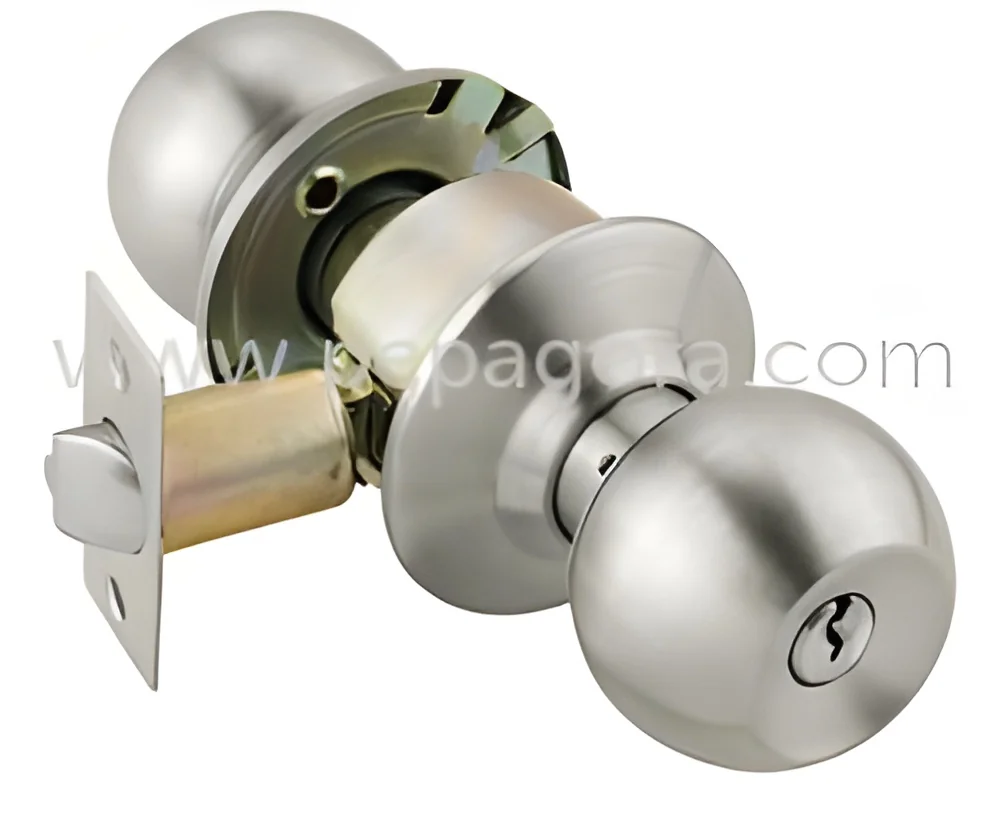
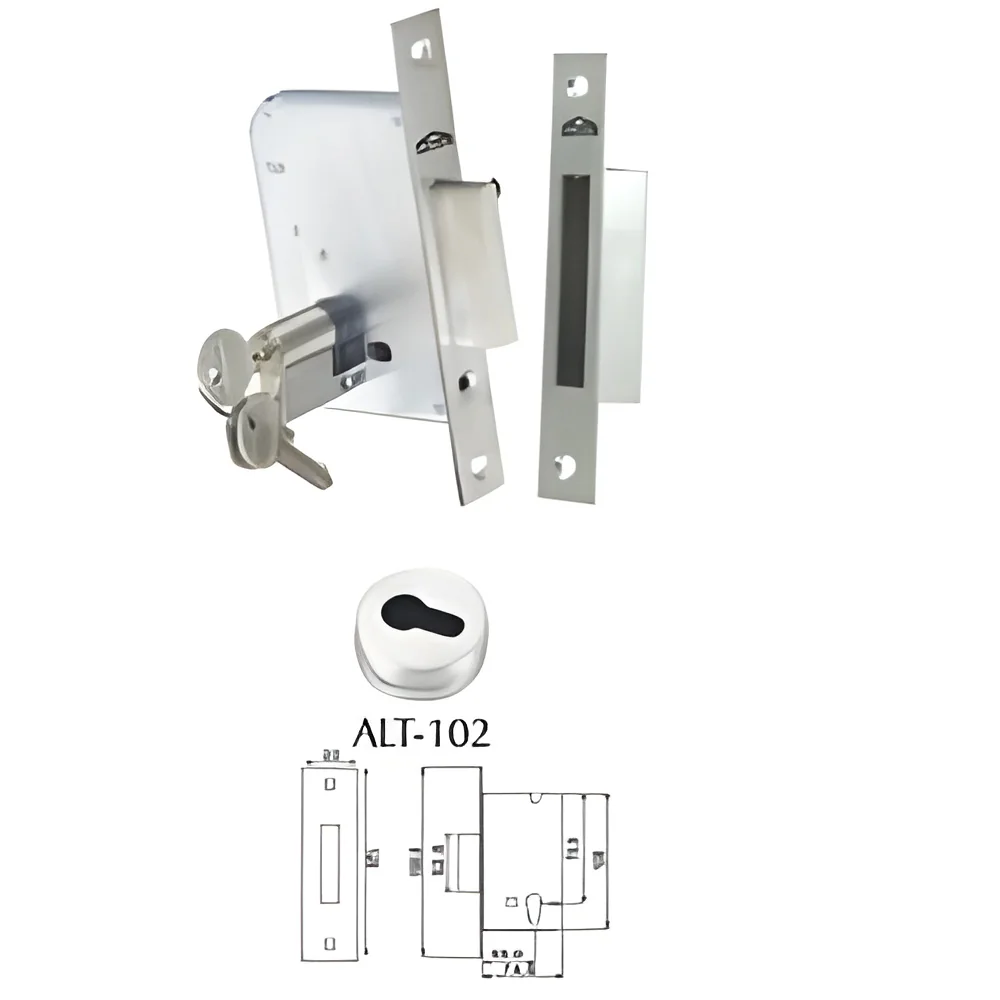
Door locks are essential security devices used to secure doors in various settings. They come in several types, including mortise, deadbolt, and rim locks, each designed to offer different levels of security and functionality. Mortise locks are installed within the door itself, providing a robust locking mechanism. Deadbolt locks are known for their strength, as they use a solid metal bolt that extends into the door frame when locked. Rim locks are mounted on the surface of the door, making them easier to install and ideal for certain applications.
These door locks are widely used in both residential and commercial sectors. Businesses often utilize mortise and deadbolt locks for their enhanced security features, which are crucial for protecting valuable assets. Rim locks may be favored in scenarios where quick access is needed, such as in schools or hospitals. The demand for reliable door locks continues to rise, driven by increased awareness of security needs and advancements in lock technology.
In the current market, door locks play a vital role in the overall security landscape. With the growing focus on safety and security, it is essential for businesses to choose high-quality locking solutions. As industries evolve, manufacturers are innovating to meet the changing requirements of security standards, making door locks a significant factor in building safety and structural integrity.
šš²š šš²š®šššæš²š š®š»š± š¦š½š²š°š¶š³š¶š°š®šš¶š¼š»š
Door locks, whether mortise, deadbolt, or rim, come with various features that cater to specific security needs. Understanding these features is crucial for making informed purchasing decisions.
Key specifications include:
1. Lock Type
- Mortise locks provide a built-in mechanism for enhanced security.
- Deadbolts offer robust locking with a solid bolt.
- Rim locks are surface-mounted for easy installation.
2. Material
- Typically made from durable materials such as stainless steel or brass.
- Corrosion-resistant finishes are available for longevity.
3. Security Rating
- Rated according to standards, often indicating resistance to forced entry.
- Higher ratings imply better protection.
4. Keying Options
- Standard key, master key, or electronic keying options are available.
- Keyless entry mechanisms can enhance convenience.
5. Size Variations
- Different sizes available to fit various door thicknesses.
- Adjustable backsets for flexible fitting.
6. Installation Method
- Mortise locks require specific cutouts in the door.
- Deadbolts can typically be installed with basic tools.
- Rim locks are easier to install on existing doors.
7. Warranty Coverage
- Varies by manufacturer, often indicating the quality and reliability of the product.
8. Compliance Certifications
- Many locks comply with industry standards like CE certification for quality assurance.
Selecting the right door lock depends on understanding these features and specifications, ensuring that security needs are met effectively.
šš¼šŗšŗš¼š» šš½š½š¹š¶š°š®šš¶š¼š»š š®š»š± šØšš² šš®šš²š
Door locks serve multiple industries with various applications to enhance security.
1. Commercial Buildings: Mortise and deadbolt locks are commonly used in offices and retail spaces to provide secure access to sensitive areas.
2. Residential Properties: Homeowners often opt for deadbolt locks for main entry points to ensure higher security levels.
3. Educational Institutions: Rim locks are frequently used in schools for ease of access while maintaining secure environments.
4. Healthcare Facilities: Hospitals and clinics utilize various lock types to secure patient areas and sensitive information.
5. Industrial Settings: Warehouses and factories may require high-security locks to protect valuable equipment and inventory.
6. Hospitality Industry: Hotels use a mix of mortise and electronic locks to provide secure and convenient access for guests.
7. Government Buildings: High-security deadbolt locks are standard in government offices to protect sensitive information.
š£šæš¼š±šš°š š©š®šæš¶š®š»šš š®š»š± š¦ššÆš°š®šš²š“š¼šæš¶š²š
Door locks come in various types, catering to different security needs and preferences.
Mortise Locks: These locks are known for their durability and security. Installed within the door, they provide a robust locking mechanism ideal for commercial settings.
Deadbolt Locks: Renowned for their strength, deadbolt locks feature a solid bolt that extends into the door frame. They are commonly used in residential applications for enhanced security.
Rim Locks: Surface-mounted for easy installation, rim locks are often chosen for their accessibility. They are suitable for quick access areas such as schools and offices.
šš²š»š²š³š¶šš š®š»š± šš±šš®š»šš®š“š²š
Investing in quality door locks provides several key advantages.
1. Enhanced Security: Strong locking mechanisms protect against unauthorized entry and theft.
2. Durability: High-quality materials ensure longevity and reliability, reducing the need for frequent replacements.
3. Versatility: Various types of locks cater to different security needs, making them suitable for diverse applications.
4. Easy Installation: Many locks, particularly rim locks, can be installed with minimal tools, saving time and costs.
5. Customization Options: Different keying options and finishes allow for tailored solutions to meet specific requirements.
6. Compliance Assurance: Many locks meet industry standards, ensuring they are suitable for regulatory requirements.
šššš¶š»š“ ššš¶š±š² š³š¼šæ šš®š šššš²šæš
When sourcing Door Locks (Mortise, Deadbolt, Rim), it is important to consider several factors to make informed purchasing decisions.
1. Quality Assessment: Ensure that the locks meet stringent quality criteria. Look for materials that provide durability and resistance to wear and tear.
2. Supplier Verification: Vet suppliers thoroughly to confirm their reliability and reputation. Consider their track record in delivering quality products.
3. Pricing and MOQ: Understand the pricing structure and minimum order quantities. This helps in budgeting and ensures that you get the best value for your investment.
4. Delivery and Lead Times: Evaluate logistics and delivery schedules to avoid delays in securing your premises. Timely delivery is crucial for maintaining safety.
5. Compliance Requirements: Be aware of regulatory needs specific to your industry. Ensure that the locks you choose comply with necessary standards to avoid legal issues.
šš¼šŗš½š¹š¶š®š»š°š² š®š»š± šš²šæšš¶š³š¶š°š®šš¶š¼š»š
Compliance and certifications are critical factors in selecting door locks. Relevant quality standards such as ISO 9001 ensure that manufacturing processes meet international quality requirements.
Additionally, industry certifications like CE signify that products adhere to safety and environmental standards. These certifications provide assurance that the locks have undergone rigorous testing for performance and reliability.
Safety and testing requirements often involve assessments for durability, resistance to tampering, and overall effectiveness in securing premises. It is essential to consider regional compliance aspects as regulations may vary from one location to another.
By ensuring that door locks meet these compliance standards, businesses can protect their investments and enhance their security measures.
Why Source Door Locks (Mortise, Deadbolt, Rim) from Pepagora?
Pepagora offers a trusted platform for sourcing Door Locks (Mortise, Deadbolt, Rim), providing several key advantages for B2B buyers.
Verified Supplier Network: Pepagora connects buyers with verified suppliers who have a proven track record in delivering high-quality locking solutions. This network ensures reliability and peace of mind.
Streamlined RFQ Process: The platform features an easy-to-use Request for Quotation (RFQ) system, allowing buyers to obtain competitive pricing and select the best options for their needs quickly.
Trade Assurance and Support: Pepagora offers buyer protection through trade assurance, ensuring that your transactions are secure and that you receive the products as promised. This support fosters confidence in the purchasing process.
Regional Coverage: With a strong presence in India, the GCC, and Southeast Asia, Pepagora provides extensive geographic reach, making it easier for businesses in these regions to access quality door locks efficiently.