IN
IN₹
Apparel & Fashion
Description
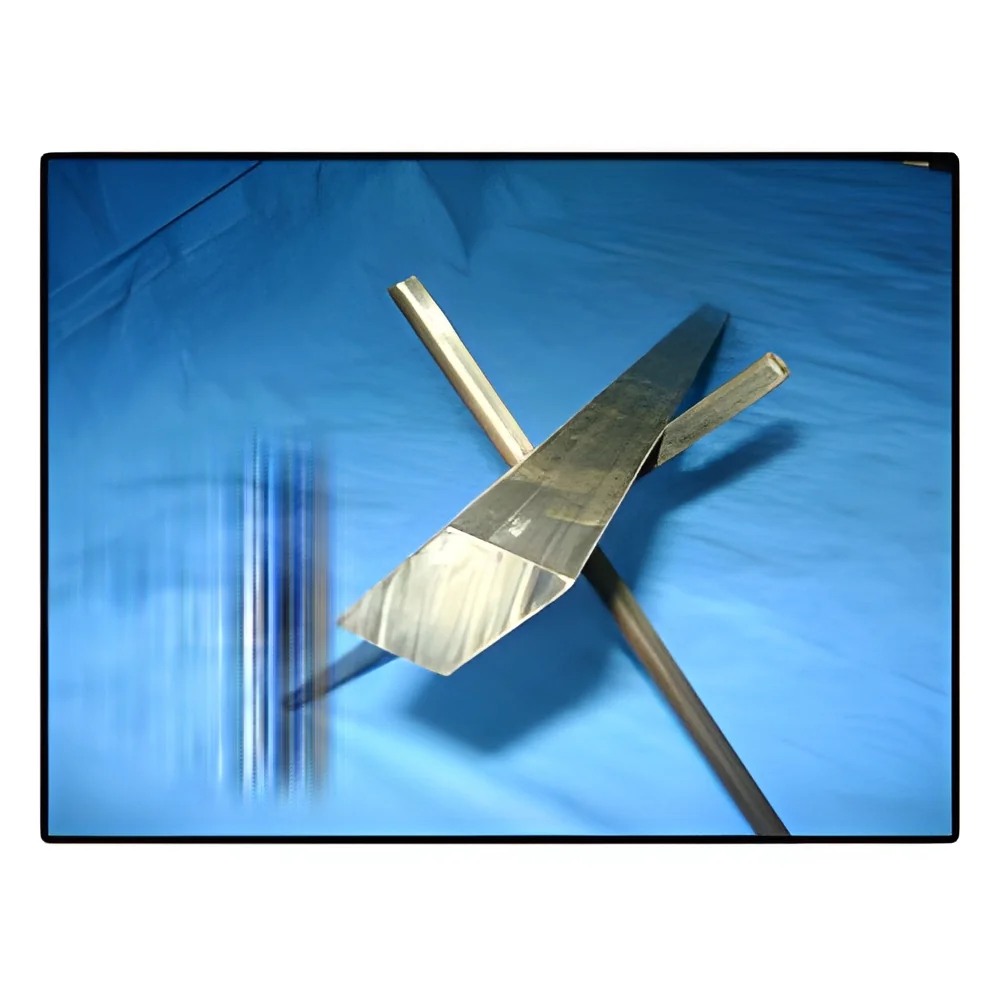
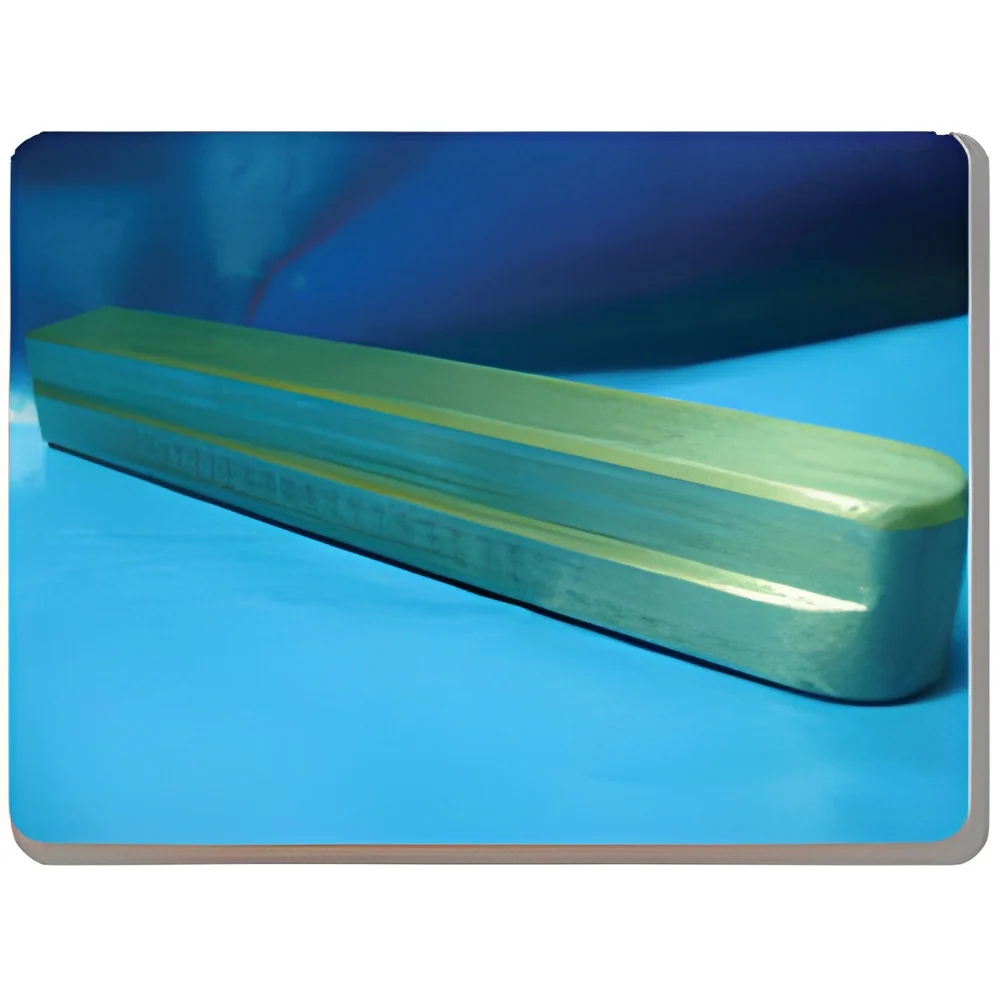
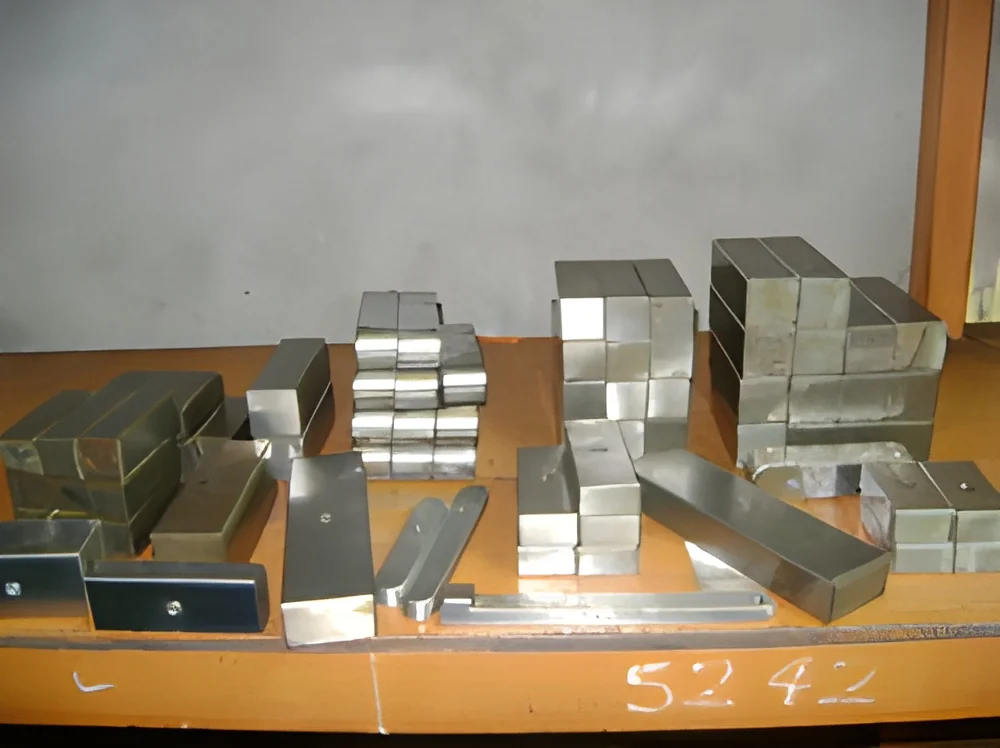
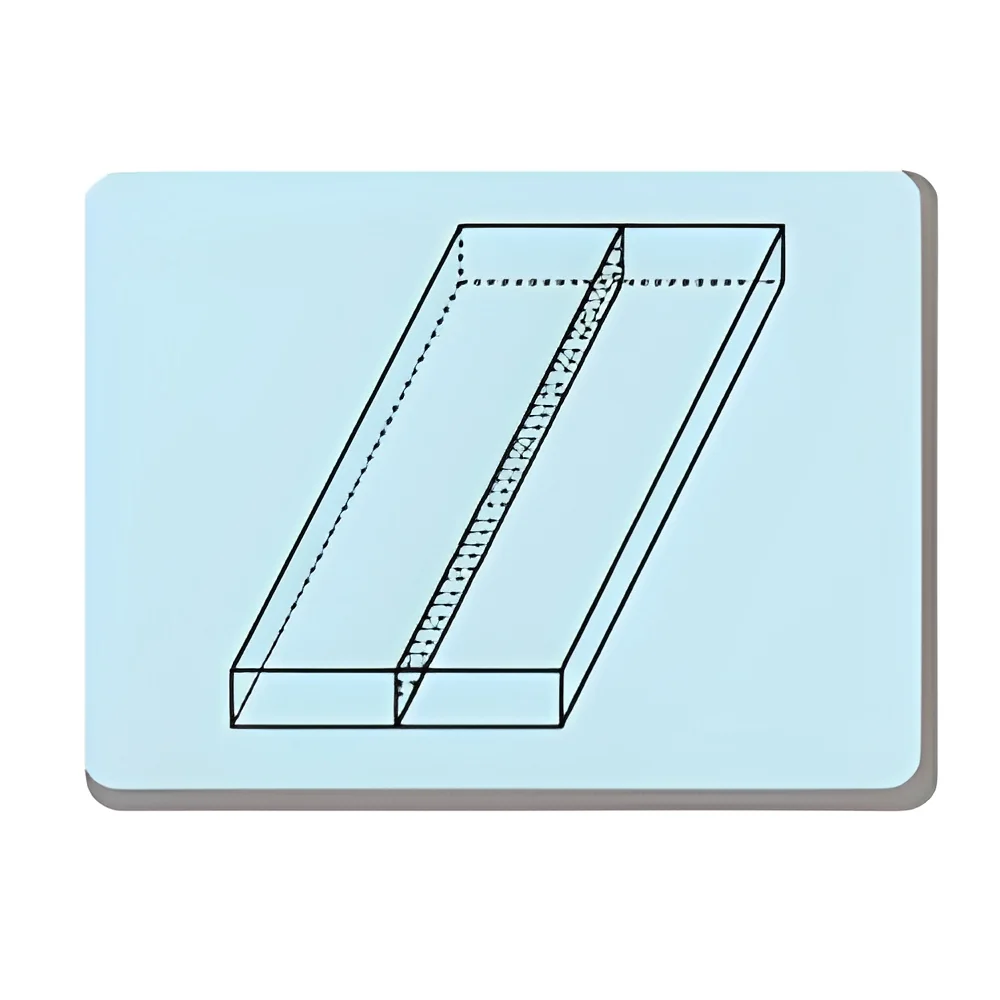
Industrial Machinery Tangential Keys represent precision-engineered mechanical components designed for superior power transmission in demanding industrial applications. These specialized keys consist of two mating rectangular bodies that work in tandem to create exceptionally secure connections between shafts and hubs. Unlike traditional single keys, the tangential design provides dual contact surfaces that distribute mechanical stress more evenly, significantly enhancing load-bearing capacity and rotational stability. This innovative approach ensures reliable torque transmission even under extreme operational conditions, making these components essential for machinery where performance reliability is critical. The precision manufacturing guarantees perfect mating between the two key pieces, resulting in seamless installation and optimal performance across various industrial environments.

These high-performance tangential keys find extensive application across multiple industrial sect...
Industrial Machinery Tangential Keys represent precision-engineered mechanical components designed for superior power transmission in demanding industrial applications. These specialized keys consist of two mating rectangular bodies that work in tandem to create exceptionally secure connections between shafts and hubs. Unlike traditional single keys, the tangential design provides dual contact surfaces that distribute mechanical stress more evenly, significantly enhancing load-bearing capacity and rotational stability. This innovative approach ensures reliable torque transmission even under extreme operational conditions, making these components essential for machinery where performance reliability is critical. The precision manufacturing guarantees perfect mating between the two key pieces, resulting in seamless installation and optimal performance across various industrial environments.

These high-performance tangential keys find extensive application across multiple industrial sectors including manufacturing, automotive, aerospace, heavy machinery, and power generation. In manufacturing facilities, they secure critical components in conveyor systems and production equipment where consistent performance is essential. The automotive industry relies on them for transmission systems and engine components where reliable torque transmission directly impacts vehicle performance and safety. Aerospace applications utilize these keys in critical flight control systems and landing gear mechanisms where failure is not an option. Heavy machinery manufacturers incorporate them into construction equipment, agricultural machinery, and mining equipment where they withstand extreme vibrations and shock loads. Power generation facilities depend on these components in turbines, generators, and pump systems where uninterrupted operation is paramount to operational success.

The value proposition of premium tangential keys extends beyond mechanical performance to encompass long-term operational reliability and cost efficiency. These components deliver exceptional return on investment through reduced maintenance requirements, extended equipment lifespan, and minimized operational downtime. Their superior design prevents common failure points associated with standard keys, particularly in applications involving reverse rotation or variable loading conditions. The reliability of these tangential keys translates to consistent production output and reduced operational risks for businesses. The precision engineering ensures compatibility with existing equipment specifications while providing optimal performance that meets the rigorous demands of modern industrial applications.

Key Features:
- Dual rectangular mating bodies for enhanced load distribution
- Precision manufacturing for perfect fit and seamless installation
- High-grade materials ensuring durability and wear resistance
- Superior torque transmission capability for heavy-duty applications
- Even stress distribution preventing rotational slippage

Benefits:
- Enhanced operational reliability in demanding conditions
- Reduced maintenance requirements and extended equipment lifespan
- Consistent performance under variable loading conditions
- Minimized downtime through reliable power transmission
- Superior stress distribution for increased component longevity
Specifications
| Additional Information | |
|---|---|
| Country of Origin | India |
Application
Tangential keys provide superior power transmission solutions for industrial machinery requiring secure shaft-hub connections. Their unique two-piece rectangular design ensures even stress distribution and prevents rotational slippage, making them ideal for high-torque environments where standard single keys would fail. These precision components maintain reliable performance under extreme mechanical loads and demanding operational conditions across various industries.
These robust tangential keys serve critical functions in manufacturing, automotive, aerospace, and heavy machinery sectors. Their construction withstands challenging conditions including frequent start-stop cycles, reverse rotation, and variable loading patterns. The precision engineering ensures easy installation and long-term reliability, reducing maintenance downtime while providing consistent performance in the most demanding industrial applications.
- Securing gears to transmission shafts in industrial gearboxes and power transmission systems
- Mounting pulleys to drive shafts in conveyor systems and manufacturing equipment
- Connecting flywheels and couplings to engine crankshafts in power generation units
- Fastening impellers to pump shafts in water treatment and processing plants
- Installing braking systems and wheel assemblies in heavy machinery and automotive applications
Trade Details
| Available Stock | In Stock |
| Sample Availability | No |
Payment Terms
| Payment Terms |
|
Company Profile
Bharat Industrial, West Bengal
 West Bengal, India
West Bengal, IndiaTools & Hardware•Manufacturer•Distributor / Wholesaler
Factory Details
Factory SizeBelow 1000 sqm
Annual Production Capacity0
Industrial Machinery Tangential Keys Pair For High Torque Transmission
Industrial Machinery Tangential Keys Pair for high torque transmission applications. Premium quality components ensure secure shaft-hub connections in heavy-duty machinery with reliable performance and stress distribution capabilities.
Min. Order Quantity: 1 unit
Shipping
Shipping fee and delivery date to be negotiated. Contact supplier now for more details.
Bharat Industrial
 West Bengal, India
West Bengal, IndiaTools & HardwareManufacturer