
 IN
Electronic Door Locks
5 products available
What are Electronic Door Locks?
Electronic door locks are advanced locking mechanisms that utilize electronic components instead of traditional keys. These locks typically operate using keypads, smart cards, or biometric recognition, providing enhanced security and convenience. Unlike conventional locks, electronic door locks can be programmed for multiple users, allowing for easy access management and monitoring.
Businesses commonly use electronic door locks in various settings, including offices, hotels, and retail stores. Their primary applications include secure access control, visitor management, and integration with security systems. As industries increasingly prioritize security and efficiency, electronic door locks have become essential in modern infrastructure. The market for these devices continues to grow as organizations seek innovative solutions to enhance safety and streamline operations.
Key Features and Specifications
Electronic door locks offer a range of features that enhance their functionality and usability. These features cater to diverse business needs, making them suitable for various applications.
Key specifications include:
1. Access Method
- Options include keypad entry, smart card access, and biometric fingerprint recognition.
- Provides flexibility in user access and management.
2. Power Source
- Typically powered by batteries, with some models offering hardwired options.
- Battery life can vary, usually lasting several months to years depending on usage.
3. Connectivity
- Many electronic door locks feature Wi-Fi or Bluetooth connectivity for remote access and control.
- Enables integration with smart home systems and security applications.
4. Security Standards
- Locks are designed to meet industry security standards, including encryption protocols.
- Ensures protection against unauthorized access and hacking attempts.
5. User Capacity
- Can support multiple users, with options for temporary access for guests or visitors.
- Facilitates easy access management for businesses.
6. Durability and Weather Resistance
- Designed to withstand harsh environmental conditions, with some models offering IP ratings for water and dust resistance.
- Ensures longevity and reliable performance.
7. Alarm Features
- Some locks come with built-in alarms that activate during unauthorized access attempts.
- Enhances security by providing immediate alerts.
8. Emergency Override
- Many models include a mechanical key override for emergency situations.
- Provides an additional layer of security and access control.
These features make electronic door locks a robust solution for enhancing security in various environments.
Common Applications and Use Cases
Electronic door locks are versatile and can be applied across multiple industries.
1. Hospitality: Hotels use electronic door locks to provide guests with keyless entry options, enhancing convenience and security during their stay.
2. Corporate Offices: Businesses implement these locks to control access to sensitive areas, ensuring only authorized personnel can enter.
3. Retail Stores: Retailers use electronic locks to secure stockrooms and back offices, allowing for customized access levels for employees.
4. Educational Institutions: Schools and universities employ electronic door locks for dormitories and administrative buildings to enhance student safety.
5. Healthcare Facilities: Hospitals use electronic locks to secure patient rooms and medication storage, ensuring only authorized staff have access.
6. Warehousing: Distribution centers implement these locks for controlling access to storage areas and managing inventory security.
7. Residential Communities: Gated communities utilize electronic door locks to manage entry points and enhance overall security for residents.
Product Variants and Subcategories
Electronic door locks come in various forms to meet specific security needs.
Keypad Locks: These locks allow users to enter a code on a keypad to gain access. They are ideal for businesses that require frequent access changes, as codes can easily be updated.
Smart Lock Systems: These locks connect to mobile devices via Bluetooth or Wi-Fi, allowing users to unlock doors remotely. They are perfect for tech-savvy businesses looking for enhanced control and monitoring.
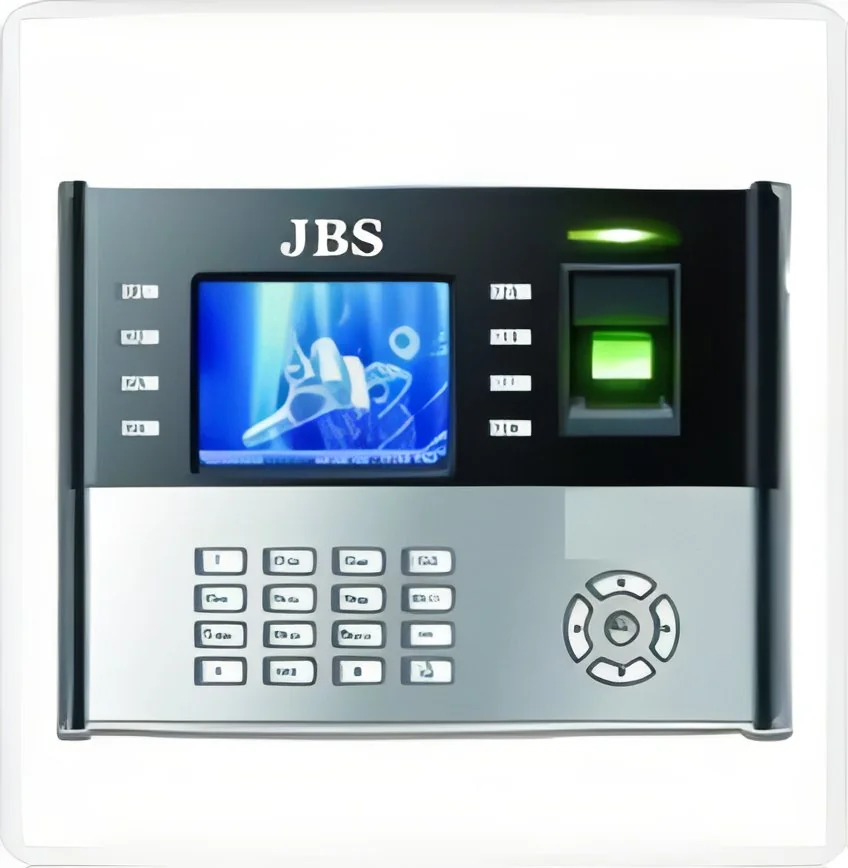
Biometric Locks: Utilizing fingerprint or facial recognition technology, biometric locks provide a high level of security. They are suitable for high-security areas where access control is critical.
Mortise Locks: These locks are designed to fit into a pocket within the door, providing a robust and tamper-resistant option. They are often used in commercial buildings for added security.
Deadbolt Locks: Electronic deadbolts provide an additional layer of security and are commonly used in conjunction with standard locks in residential and commercial properties.
Benefits and Advantages
Electronic door locks offer numerous advantages for businesses seeking to enhance their security measures.
1. Enhanced Security: The advanced technology reduces the risk of unauthorized access, ensuring greater protection for facilities.
2. Access Management: Businesses can easily manage user access, allowing for temporary codes or cards for visitors and contractors.
3. Audit Trails: Many electronic locks provide access logs, enabling businesses to monitor who enters and exits premises at all times.
4. Convenience: Keyless entry eliminates the need for physical keys, allowing for easier access without the risk of losing keys.
5. Customization: Businesses can tailor electronic locks to their specific needs, including varying access levels and user rights.
6. Cost-Effective: Over time, electronic door locks can reduce costs associated with lost keys and rekeying, making them a financially sound investment.
Buying Guide for B2B Buyers
When sourcing electronic door locks, businesses should consider several important factors.
1. Quality Assessment: Evaluate the quality of the locks by reviewing manufacturer specifications and customer feedback to ensure reliability and durability.
2. Supplier Verification: Vet potential suppliers by checking for industry certifications, quality assurance processes, and customer service records.
3. Pricing and MOQ: Compare prices and minimum order quantities (MOQ) from different suppliers to find a competitive and feasible option for your business needs.
4. Delivery and Lead Times: Understand the logistics involved in delivery, including estimated lead times, to ensure timely access to products.
5. Compliance Requirements: Ensure that the selected electronic door locks meet relevant local and international compliance standards to avoid regulatory issues.
Compliance and Certifications
Electronic door locks must adhere to various quality standards to ensure safety and reliability.
ISO 9001 certification is often a requirement, indicating that the manufacturer follows effective quality management practices. This standard helps ensure consistency in product quality and customer satisfaction.
Additionally, many electronic door locks are CE certified, confirming compliance with European safety and health regulations. This certification is crucial for businesses operating within or exporting to the European market.
Safety testing requirements may also apply, depending on the specific use case and environment in which the locks will be installed. Manufacturers often conduct rigorous testing to meet these standards.
Moreover, regional compliance considerations can vary, so it is essential to confirm that locks meet local regulations where they will be installed, especially in sensitive environments like healthcare or educational facilities.
Why Source Electronic Door Locks from Pepagora?
Pepagora offers a reliable platform for sourcing electronic door locks that benefits B2B buyers in multiple ways.
Verified Supplier Network: Pepagora maintains a network of verified suppliers, ensuring that businesses can trust the quality and reliability of the products they purchase.
Streamlined RFQ Process: The request for quotation (RFQ) system simplifies the procurement process, allowing buyers to receive competitive quotes from multiple suppliers quickly.
Trade Assurance and Support: Pepagora provides trade assurance, offering buyers protection against potential issues with their orders, thus enhancing confidence in their purchases.
Regional Coverage: With a presence in India, the GCC, and Southeast Asia, Pepagora supports businesses across various markets, ensuring accessibility to quality electronic door locks tailored to specific regional needs.


Frequently Asked Questions
What are Electronic Door Locks?
Electronic Door Locks are locking mechanisms that use electronic components to secure doors, offering enhanced security features compared to traditional locks. They can be operated through various methods such as keypads, biometric sensors, or smartphone applications.
What are the different types of Electronic Door Locks?
There are several types of Electronic Door Locks, including keypad locks, smart locks, biometric locks, and remote control locks. Each type has distinct features and functionalities, catering to different security needs.
How do I choose the right Electronic Door Locks?
When choosing Electronic Door Locks, consider factors like the level of security required, installation type, compatibility with existing door hardware, and additional features such as remote access or app control. Evaluating your specific needs and budget will help you make an informed decision.
What are the standard specifications for Electronic Door Locks?
Standard specifications for Electronic Door Locks typically include power supply options, locking mechanism type, connectivity features, and resistance to environmental factors. It's essential to review the manufacturer's specifications to ensure the lock meets your requirements.
What is the price range for Electronic Door Locks?
The price range for Electronic Door Locks varies widely based on features and technology, typically ranging from INR 2,000 to INR 20,000 or more. Higher-end models with advanced features may cost significantly more.
What quality standards apply to Electronic Door Locks?
Electronic Door Locks are subject to various quality standards, including durability, safety, and electrical performance. Manufacturers often adhere to international standards such as ISO or local regulations to ensure reliability and safety.
Where can I find Electronic Door Locks suppliers in India?
You can find Electronic Door Locks suppliers in India through B2B marketplaces like Pepagora, trade shows, and industry directories. Researching online platforms can help you connect with reputable manufacturers and suppliers.
Can Electronic Door Locks be customized?
Yes, many manufacturers offer customization options for Electronic Door Locks to meet specific security needs or aesthetic preferences. Customizations may include tailored features, finishes, and sizes.
What is the typical minimum order quantity for Electronic Door Locks?
The typical minimum order quantity (MOQ) for Electronic Door Locks can vary by manufacturer but often ranges from 10 to 50 units. It's advisable to confirm MOQs with your chosen supplier to ensure they meet your purchasing needs.
What is the typical lead time for Electronic Door Locks?
The typical lead time for Electronic Door Locks can range from 2 to 6 weeks, depending on the supplier and the complexity of the order. Factors such as customization and shipping can also impact delivery times.
Why Businesses Trust Pepagora
Thousands of companies trust Pepagora to source smarter and sell faster
Expand Your Sales Globally

Source Smarter,Grow Faster
