
 IN
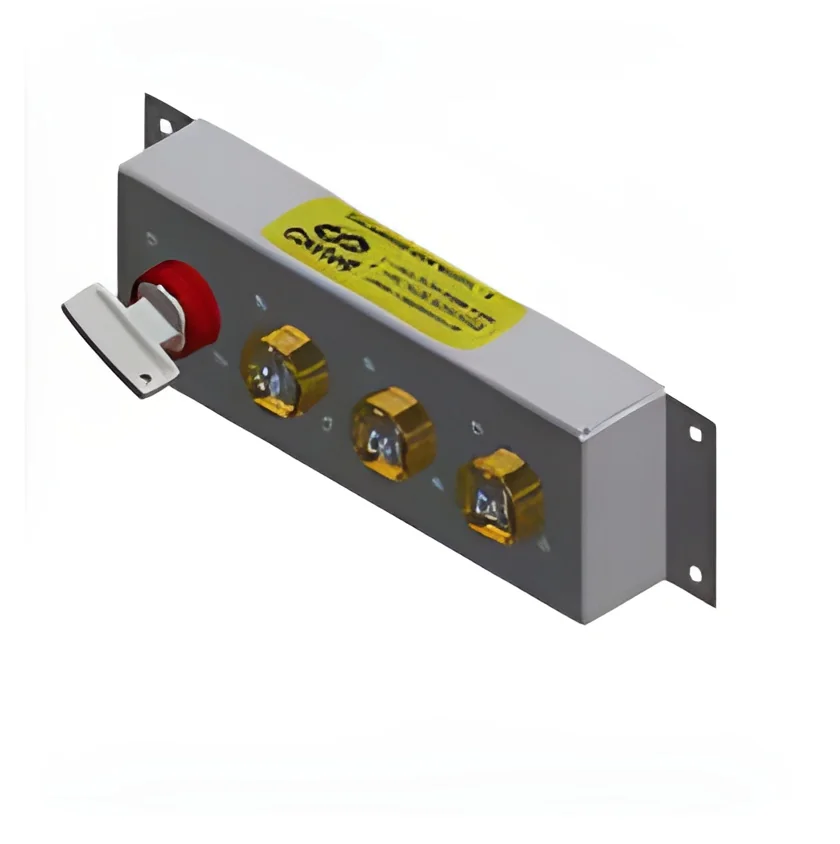
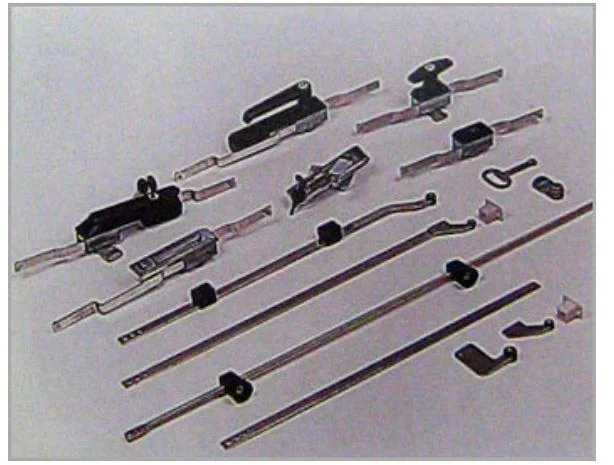
Heavy-Duty Industrial Locks
42 products available
What are Heavy-Duty Industrial Locks?
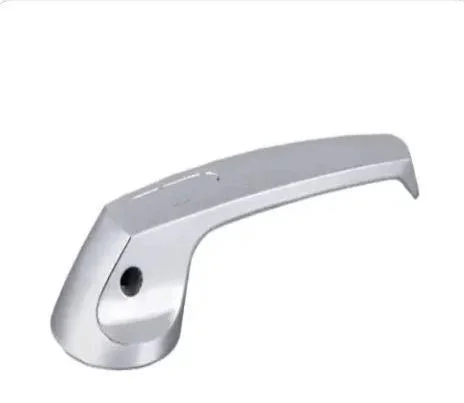
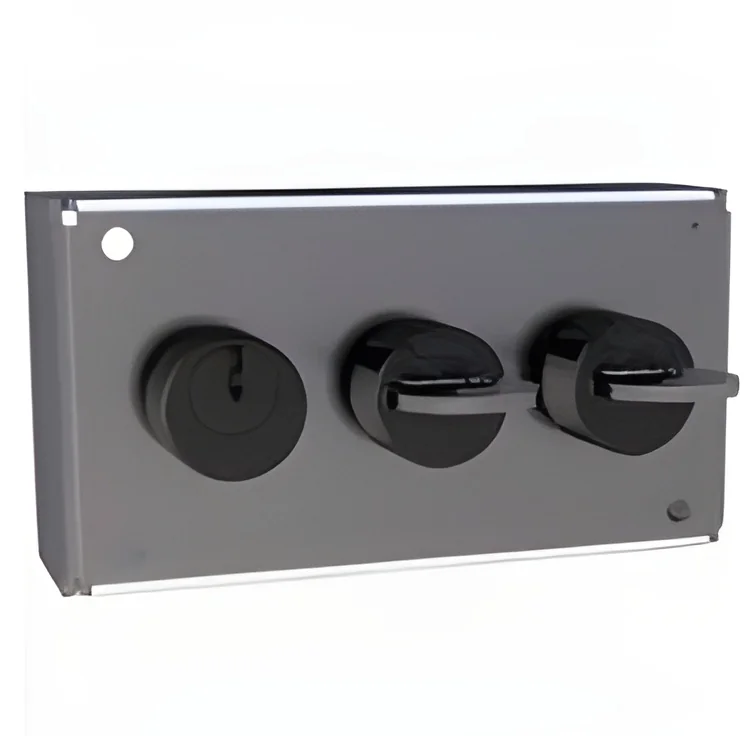
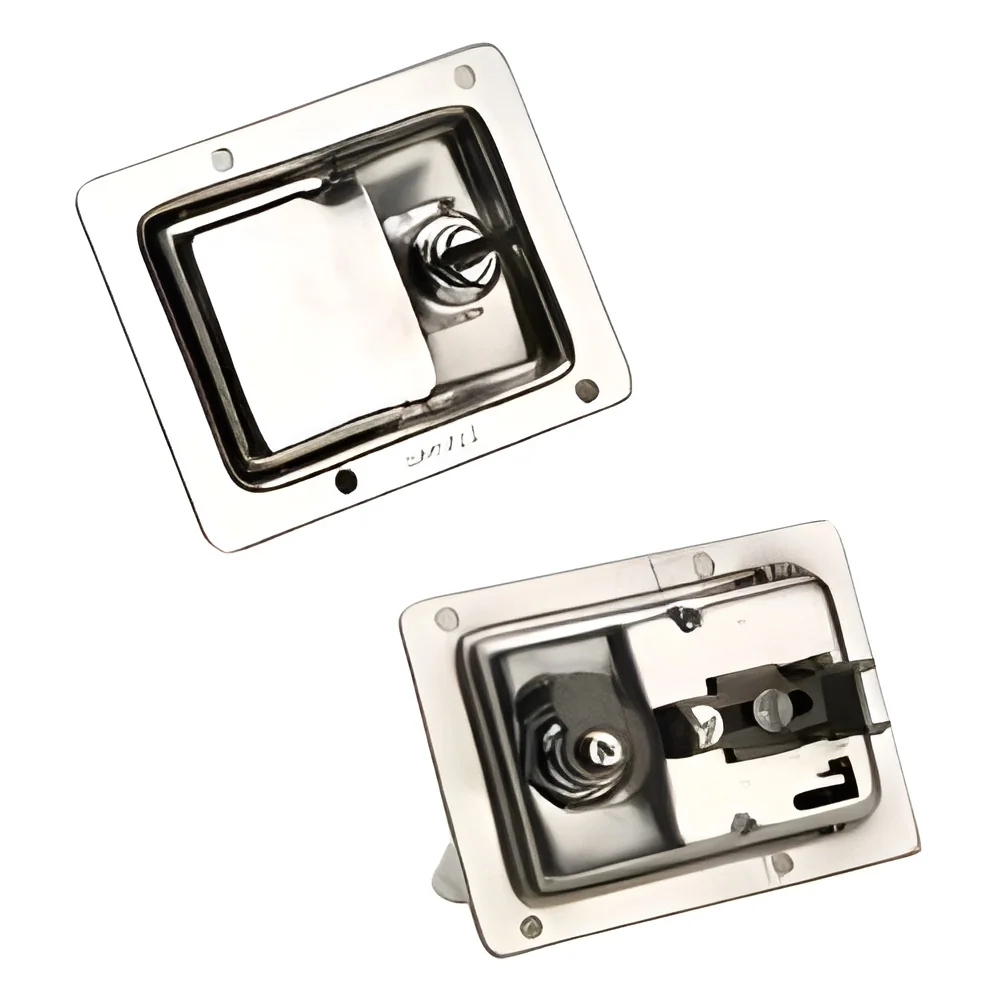
Heavy-duty industrial locks are specialized locking mechanisms designed to provide robust security in demanding environments. These locks are engineered to withstand extreme conditions, including high levels of wear and tear, exposure to harsh chemicals, and varying weather conditions. They are typically made from durable materials such as hardened steel or reinforced alloys, ensuring long-lasting performance and reliability.
These locks find primary applications across various sectors, including manufacturing, logistics, construction, and transportation. Businesses utilize heavy-duty industrial locks to secure valuable assets, equipment, and facilities, thus minimizing the risk of theft or unauthorized access. Given their strength and durability, these locks are essential in environments where traditional locks may fail to provide adequate protection. The growing need for enhanced security measures in industrial settings has led to increased demand for heavy-duty locks, making them a critical component in the industrial security landscape.
Key Features and Specifications
Heavy-duty industrial locks are characterized by several key features that enhance their security and usability. Understanding these specifications is vital for selecting the right lock for specific applications.
Key specifications include:
1. Material Composition
- Typically made from hardened steel or reinforced alloys
- Provides resistance to cutting, drilling, and tampering
2. Locking Mechanism
- Can include pin tumbler, disc detainer, or electronic systems
- Varies in complexity and security level
3. Weather Resistance
- Designed to withstand harsh environmental conditions
- Often coated or treated to resist rust and corrosion
4. Size and Dimensions
- Various sizes available to fit different applications
- Custom sizes can be requested based on project needs
5. Security Rating
- Complies with industry standards for strength and durability
- Rated based on factors like resistance to forced entry
6. Key Control System
- Advanced options include restricted keyways or electronic access
- Enhances security by limiting key duplication
7. Compliance Certifications
- Often certified to CE standards for quality assurance
- Meets various industry requirements for safety and performance
8. Warranty and Support
- Typically comes with manufacturer warranties
- Support available for installation and maintenance queries
In summary, understanding the key features and specifications of heavy-duty industrial locks is essential for making informed purchasing decisions. These locks offer a range of options tailored to meet diverse security needs.
Common Applications and Use Cases
Heavy-duty industrial locks are utilized in numerous industries where security is paramount.
1. Manufacturing: In manufacturing plants, these locks protect machinery and tools from theft, ensuring operational continuity.
2. Logistics: Warehouses and distribution centers employ heavy-duty locks to secure inventory and transportation vehicles, safeguarding valuable goods.
3. Construction: On construction sites, these locks secure tools and equipment, reducing the risk of loss during project phases.
4. Transportation: Heavy-duty locks are essential for securing trailers and shipping containers, providing peace of mind during transit.
5. Utilities: Utility companies use these locks to protect access to critical infrastructure, such as power stations and water treatment facilities.
6. Agriculture: In agricultural settings, these locks secure storage facilities for crops and equipment, preventing unauthorized access.
7. Military: Heavy-duty locks are employed in military applications to safeguard sensitive equipment and secure installations.
The versatility of heavy-duty industrial locks makes them a vital security component across various sectors.
Product Variants and Subcategories
Heavy-duty industrial locks come in various forms to accommodate different security needs and environments.
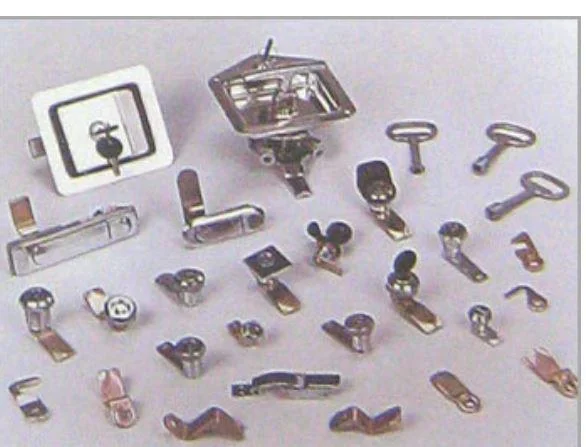
Padlocks: These versatile locks are available in various sizes and security ratings. They can be used for securing gates, storage units, and equipment.
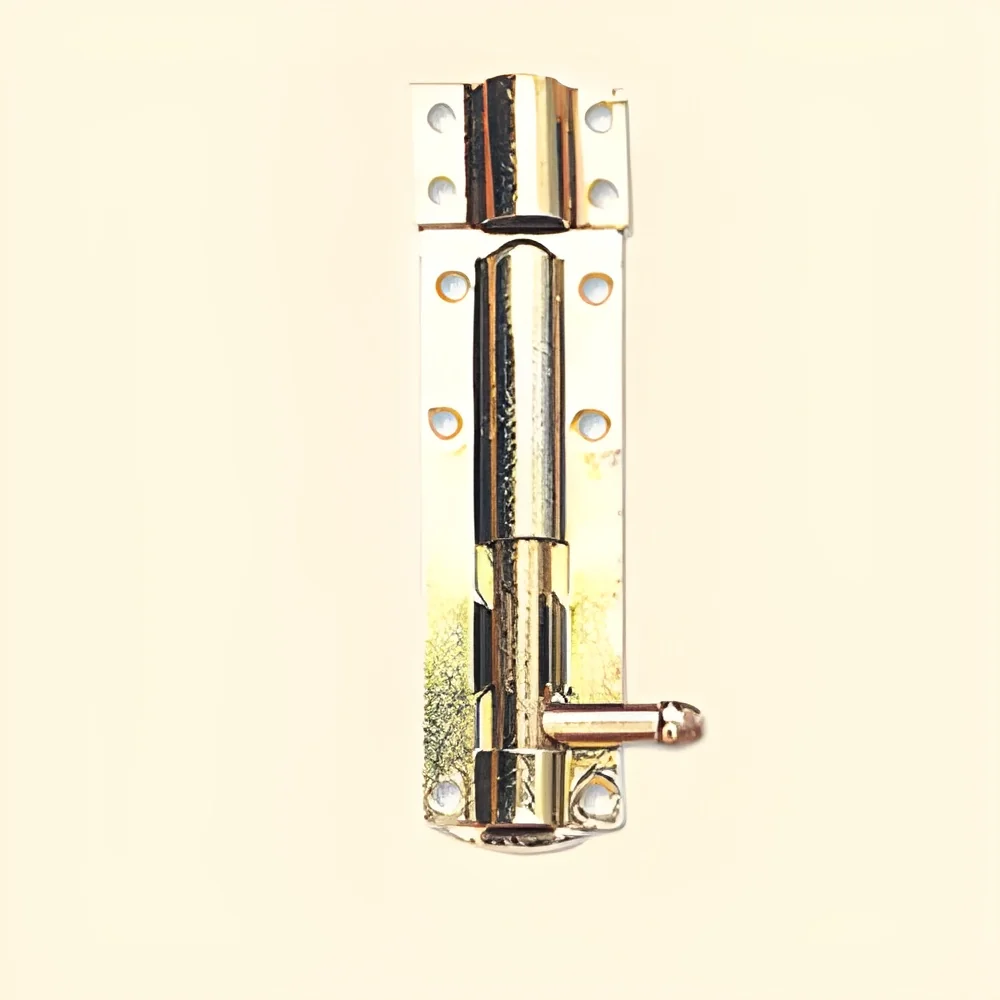
Bolt Locks: Designed for high-security applications, bolt locks provide enhanced protection for doors and gates, often featuring complex locking mechanisms.
Electronic Locks: Suitable for modern security systems, electronic locks offer keyless entry and advanced access control features, ideal for facilities requiring high levels of security.
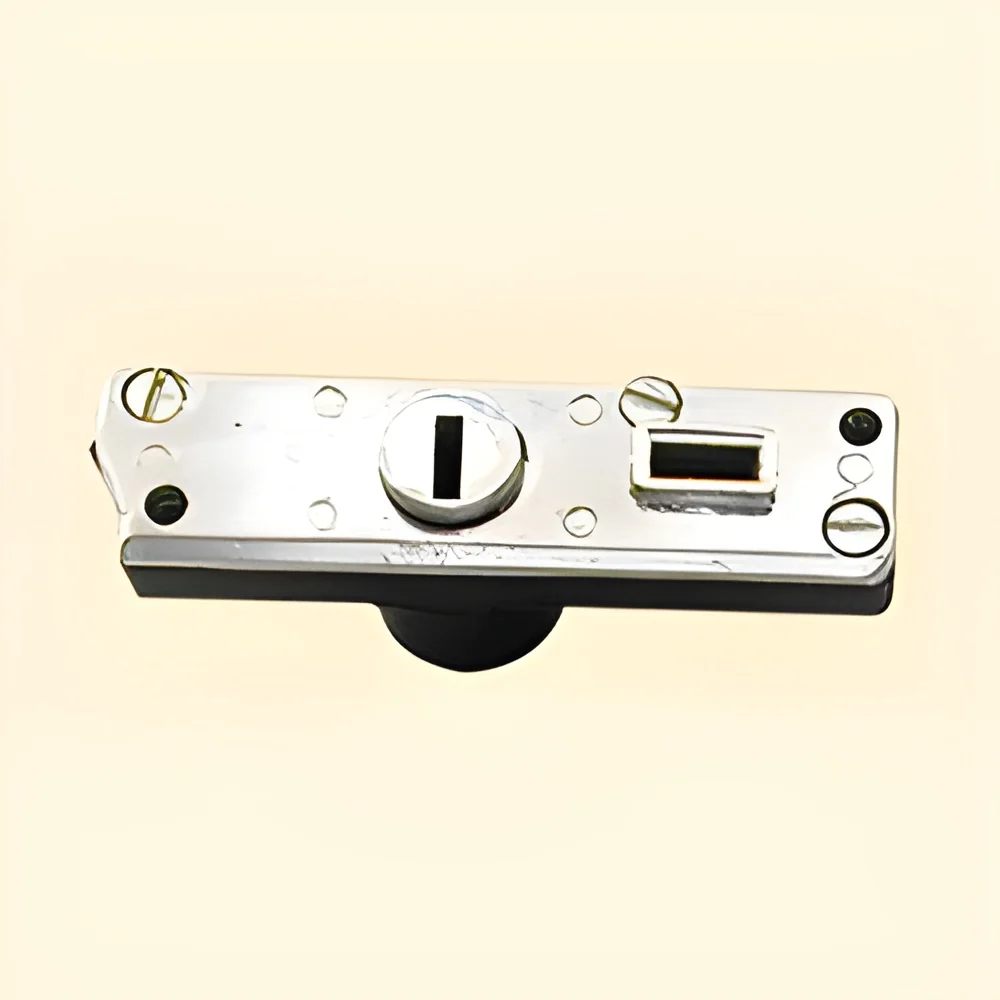
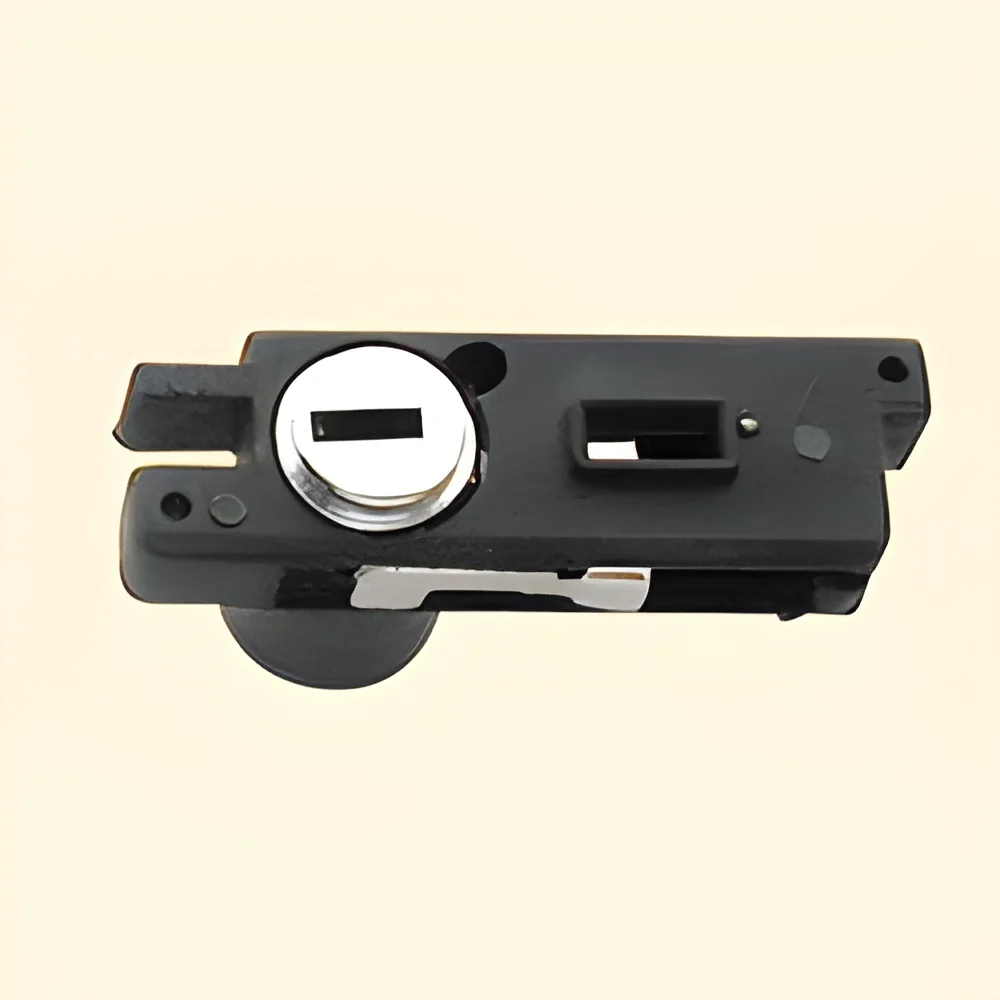
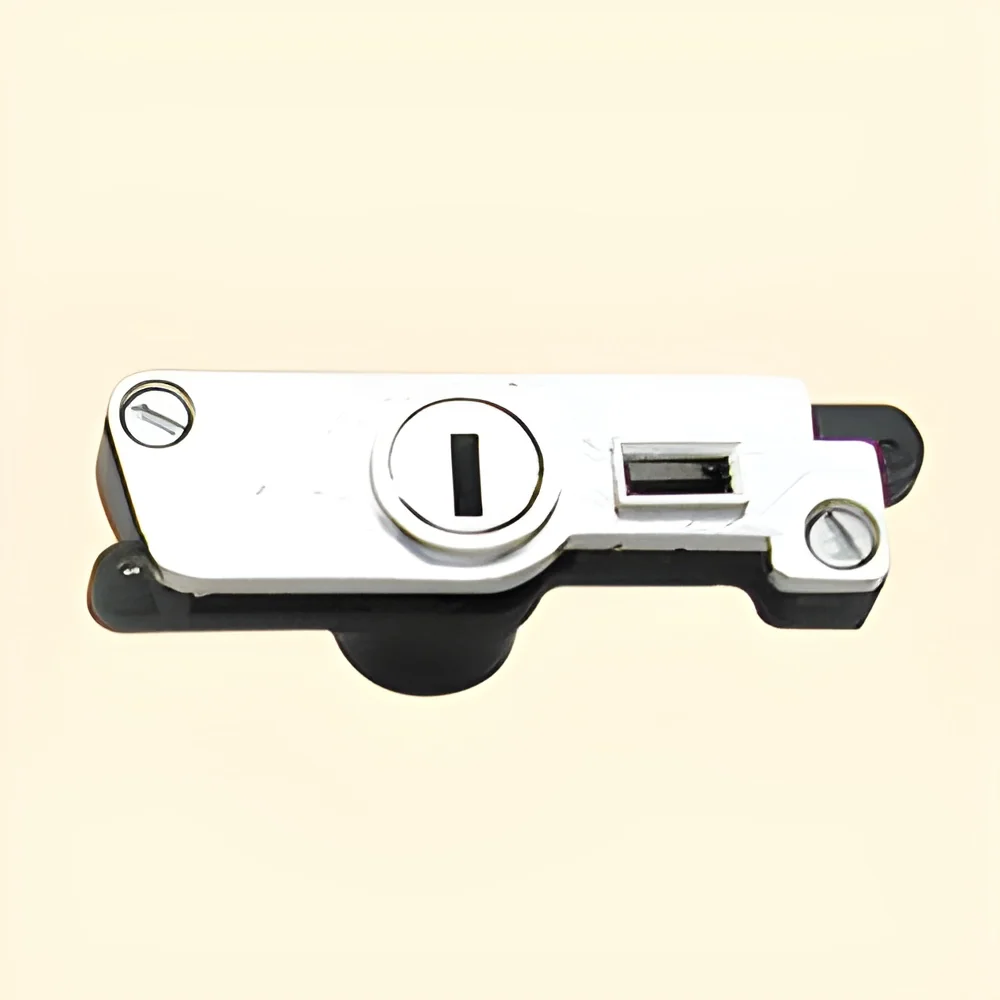
Cam Locks: Commonly used in cabinetry and lockers, cam locks offer a compact solution for securing small storage areas.
Deadbolts: Known for their strength, deadbolts are often used in conjunction with traditional locks to provide an additional layer of security for doors.
Benefits and Advantages
Heavy-duty industrial locks offer numerous benefits that enhance security and operational efficiency.
1. Enhanced Security: These locks provide superior protection against unauthorized access, deterring potential intruders.
2. Durability: Constructed from robust materials, heavy-duty locks are built to withstand harsh environments, ensuring long-term reliability.
3. Versatility: Available in various types and configurations, they can be tailored to meet the specific security needs of different applications.
4. Cost-Effectiveness: Investing in heavy-duty locks can reduce losses associated with theft and damage, ultimately saving businesses money.
5. Easy Installation: Most heavy-duty locks are designed for straightforward installation, reducing labor costs and time.
6. Compliance: Many heavy-duty locks meet industry standards and regulatory requirements, ensuring peace of mind for businesses.
Buying Guide for B2B Buyers
When sourcing heavy-duty industrial locks, several factors should be considered to ensure the best purchase decision.
1. Quality Assessment: Evaluate the materials and construction methods used in the locks. Look for certifications and compliance with industry standards, such as CE.
2. Supplier Verification: Vet potential suppliers by reviewing their reputation, customer feedback, and previous projects to ensure reliability.
3. Pricing and MOQ: Understand the pricing structure and minimum order quantities. Compare prices across suppliers while considering long-term value.
4. Delivery and Lead Times: Assess the supplier's ability to meet delivery schedules and lead times, especially for urgent projects.
5. Compliance Requirements: Ensure that the locks meet any specific regulatory standards that apply to your industry, which may vary by region.
Compliance and Certifications
Heavy-duty industrial locks must adhere to various quality standards and certifications to guarantee their reliability and performance. ISO 9001 is a widely recognized standard that emphasizes quality management systems, ensuring that products meet customer expectations consistently. Compliance with HACCP (Hazard Analysis and Critical Control Points) is crucial in industries where safety is paramount, such as food production.
Many heavy-duty locks also hold the CE certification, indicating that they meet European safety, health, and environmental protection standards. This certification assures users that the products have undergone rigorous testing and quality assurance processes.
Safety and testing requirements are critical, as they ensure that these locks can withstand attempts of tampering or forced entry. Regional compliance considerations should also be taken into account, as different areas may have specific regulations governing security devices.
Why Source Heavy-Duty Industrial Locks from Pepagora?
Pepagora offers a trusted platform for sourcing heavy-duty industrial locks, providing businesses with several key advantages.
Verified Supplier Network: Pepagora ensures that all suppliers undergo a thorough verification process, which helps businesses find reliable manufacturers and distributors.
Streamlined RFQ Process: The platform simplifies the request for quotation process, allowing buyers to receive competitive offers from multiple suppliers quickly.
Trade Assurance and Support: Pepagora provides trade assurance, protecting buyers from potential issues with orders. This added layer of support fosters confidence in sourcing decisions.
Regional Coverage: With a broad geographic reach, including India, the GCC, and Southeast Asia, Pepagora connects buyers with suppliers who can meet diverse regional needs.
In summary, sourcing heavy-duty industrial locks from Pepagora not only streamlines the purchasing process but also ensures access to high-quality products from verified suppliers.






Frequently Asked Questions
What are Heavy-Duty Industrial Locks?
Heavy-Duty Industrial Locks are robust locking mechanisms designed to provide enhanced security for industrial applications. They are typically made from high-strength materials to withstand harsh environments and resist tampering.
What are the different types of Heavy-Duty Industrial Locks?
There are several types of Heavy-Duty Industrial Locks, including padlocks, deadbolts, cam locks, and electronic locks. Each type serves different security needs and can be used in various industrial settings.
How do I choose the right Heavy-Duty Industrial Locks?
Choosing the right Heavy-Duty Industrial Locks involves assessing your security needs, the environment where they will be used, and the level of access control required. Consider factors such as durability, lock type, and compatibility with existing systems.
What are the standard specifications for Heavy-Duty Industrial Locks?
Standard specifications for Heavy-Duty Industrial Locks typically include material type, lock size, resistance to corrosion, and security rating. Many locks also have specific weight ratings and operational temperature ranges.
What is the price range for Heavy-Duty Industrial Locks?
The price range for Heavy-Duty Industrial Locks can vary significantly based on type, material, and brand. Generally, prices can start from a few hundred rupees and go up to several thousand rupees for advanced locking systems.
What quality standards apply to Heavy-Duty Industrial Locks?
Heavy-Duty Industrial Locks often conform to international quality standards such as ISO 9001 for manufacturing quality and ANSI/BHMA standards for security performance. It is important to check for certifications when sourcing locks.
Where can I find Heavy-Duty Industrial Locks suppliers in India?
You can find Heavy-Duty Industrial Locks suppliers in India through B2B marketplaces like Pepagora.com, industrial supply stores, and specialized manufacturers. Online platforms provide a wide range of options and supplier comparisons.
Can Heavy-Duty Industrial Locks be customized?
Yes, many manufacturers offer customization options for Heavy-Duty Industrial Locks to meet specific security requirements or design preferences. Customization can include unique sizing, branding, or additional security features.
What is the typical minimum order quantity for Heavy-Duty Industrial Locks?
The typical minimum order quantity (MOQ) for Heavy-Duty Industrial Locks varies by supplier and product type, often ranging from 10 to 100 units. It is advisable to check with individual suppliers for their specific MOQs.
What is the typical lead time for Heavy-Duty Industrial Locks?
The typical lead time for Heavy-Duty Industrial Locks can range from a few days to several weeks, depending on the supplier, order size, and whether any customization is required. Always confirm lead times during the ordering process.
Why Businesses Trust Pepagora
Thousands of companies trust Pepagora to source smarter and sell faster
Expand Your Sales Globally

Source Smarter,Grow Faster
