What are Lock Cylinders & Cores?
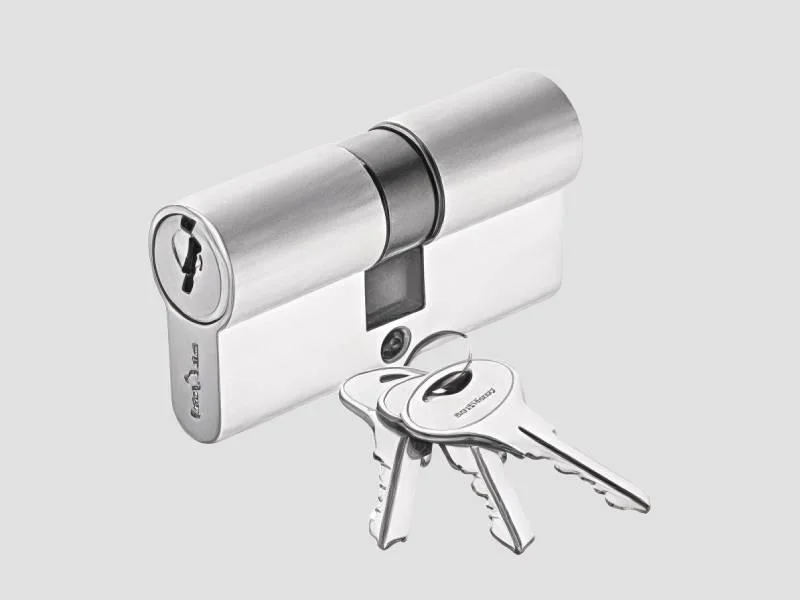
Lock cylinders and cores are essential components in various locking mechanisms used across industries. A lock cylinder is typically the part of the lock where the key is inserted, while the core refers to the replaceable element that contains the locking mechanism. Together, they provide security by controlling access to physical spaces, such as doors, cabinets, and safes.
These products find widespread applications in commercial, industrial, and residential settings. Businesses use lock cylinders and cores to secure their premises, equipment, and sensitive information. Additionally, they are widely utilized in sectors such as construction, automotive, and manufacturing, where security needs are paramount. With the growing emphasis on safety and security in today’s market, the relevance of lock cylinders and cores continues to increase.
Key Features and Specifications
Lock cylinders and cores come with various features and specifications that cater to diverse security needs. Understanding these specifications helps businesses choose the right products for their applications.
Key specifications include:
1. Material Composition
- Typically made from brass, stainless steel, or zinc alloy.
- Offers durability and resistance to corrosion.
2. Security Ratings
- Rated according to industry standards, often ranging from basic to high security.
- Higher security ratings indicate better resistance to tampering and unauthorized access.
3. Keying Options
- Available in standard, master key, or interchangeable core configurations.
- Enables flexibility in access control.
4. Cylinder Sizes
- Various sizes to fit different lock types, including single, double, and Euro profiles.
- Compatible with a wide range of door thicknesses.
5. Weather Resistance
- Some variants are designed for outdoor use, featuring weather-resistant finishes.
- Protects against environmental factors such as moisture and temperature fluctuations.
6. Ease of Installation
- Many lock cylinders and cores are designed for simple installation.
- Reduces labor costs and ensures quick deployment.
7. Customization Options
- Many manufacturers offer customization in terms of size, finish, and keying.
- Allows businesses to tailor products to their specific security needs.
In summary, the specifications of lock cylinders and cores are crucial for ensuring they meet the desired security standards and application requirements.
Common Applications and Use Cases
Lock cylinders and cores serve various industries, addressing specific security challenges.
1. Commercial Buildings: Used in office complexes and retail stores to control access and protect assets.
2. Manufacturing Facilities: Essential for securing equipment and sensitive areas within factories.
3. Residential Properties: Commonly found in homes to provide security for entrances and garages.
4. Educational Institutions: Utilized in schools and universities to ensure the safety of students and staff.
5. Healthcare Facilities: Critical for safeguarding sensitive areas like pharmacies and medical records.
6. Transportation: Employed in vehicles and freight containers to secure cargo and prevent theft.
7. Government Buildings: Vital in ensuring access control and security within public sector facilities.
Product Variants and Subcategories
Lock cylinders and cores come in a variety of designs to meet different security needs.
Standard Lock Cylinders
These are the most common types used in residential and commercial applications. They provide basic security and are easy to install.
High-Security Lock Cylinders
Designed to offer enhanced protection against picking and drilling. These are often used in areas requiring tight security, such as banks and data centers.
Interchangeable Core Systems
These systems allow for quick and easy key changes without replacing the entire lock. They are ideal for facilities with frequent changes in access requirements.
Smart Lock Cylinders
Integrating technology, these cylinders offer electronic access options and can be controlled via mobile devices. They are increasingly popular in modern security systems.
Benefits and Advantages
Lock cylinders and cores provide several key benefits to businesses.
1. Enhanced Security: They offer robust protection against unauthorized access, reducing the risk of theft and vandalism.
2. Versatility: Available in various designs and configurations, making them suitable for a wide range of applications.
3. Cost-Effective: Durable materials and competitive pricing make them a valuable investment for long-term security solutions.
4. Ease of Maintenance: Many models allow for easy key replacement or rekeying, minimizing downtime.
5. Improved Access Control: Options like master key systems enhance management of access to restricted areas.
6. Compliance with Standards: Many lock cylinders and cores meet industry-specific regulations, ensuring your security measures are up to par.
Buying Guide for B2B Buyers
When sourcing lock cylinders and cores, it is essential to consider several critical factors.
1. Quality Assessment: Look for products that meet industry standards, ensuring reliability and durability. Consider certifications such as CE for quality assurance.
2. Supplier Verification: Vet potential suppliers by checking their reputation, customer reviews, and compliance with relevant manufacturing standards.
3. Pricing and MOQ: Understand the cost structure and minimum order quantities to ensure they align with your budget and needs.
4. Delivery and Lead Times: Assess logistics and delivery schedules to avoid delays in securing your premises or projects.
5. Compliance Requirements: Ensure the products meet necessary regulatory standards for your industry, which can vary by region.
Compliance and Certifications
Lock cylinders and cores are subject to various compliance standards and certifications to ensure they meet safety and quality requirements. Notably, ISO 9001 is a recognized standard for quality management systems, ensuring that products are manufactured consistently and meet customer expectations.
Additionally, CE certification indicates compliance with European safety standards, which is crucial for products sold in the European market.
Safety and testing requirements are also critical, as many manufacturers conduct rigorous testing to verify the performance of their locking systems under different conditions.
Regional compliance considerations can vary, and businesses should be aware of specific regulations that apply in their operational areas to avoid legal and operational challenges.
Why Source Lock Cylinders & Cores from Pepagora?
Pepagora provides a trusted platform for sourcing lock cylinders and cores, offering several key advantages to B2B buyers.
Verified Supplier Network: Pepagora ensures that all suppliers are thoroughly vetted, providing access to only reputable manufacturers. This verification process gives buyers confidence in the quality and reliability of their purchases.
Streamlined RFQ Process: The platform simplifies the request for quotation process, allowing businesses to easily obtain competitive pricing and terms from multiple suppliers. This efficiency helps buyers make informed decisions quickly.
Trade Assurance and Support: Pepagora offers buyer protection measures, ensuring that transactions are secure and that buyers receive the products they expect. This support enhances trust in the purchasing process.
Regional Coverage: With a focus on markets in India, the GCC, and Southeast Asia, Pepagora connects buyers with suppliers that understand local needs and regulations, facilitating smoother transactions and compliance with regional standards.

 IN
IN