𝗪𝗵𝗮𝘁 𝗮𝗿𝗲 𝗟𝗮𝗯𝗼𝗿𝗮𝘁𝗼𝗿𝘆 𝗚𝗹𝗮𝘀𝘀𝘄𝗮𝗿𝗲 & 𝗖𝗼𝗻𝘁𝗮𝗶𝗻𝗲𝗿𝘀?
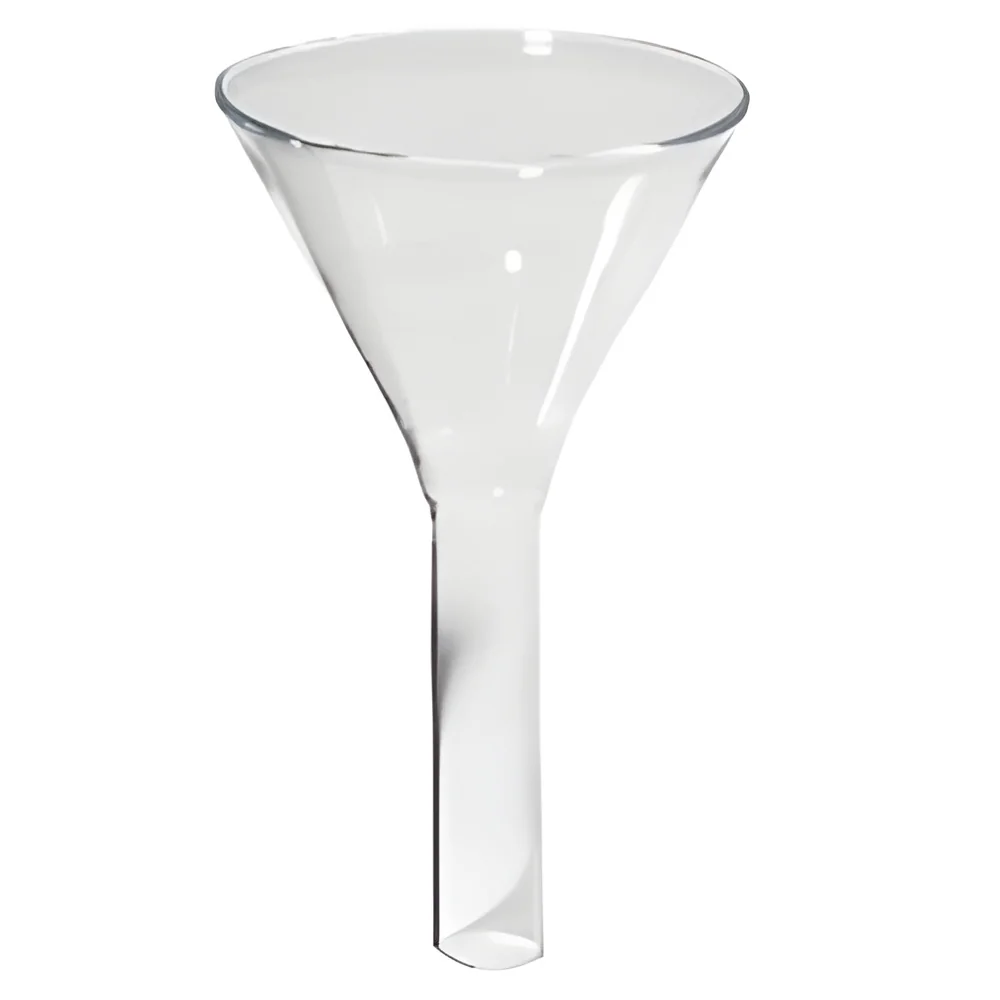
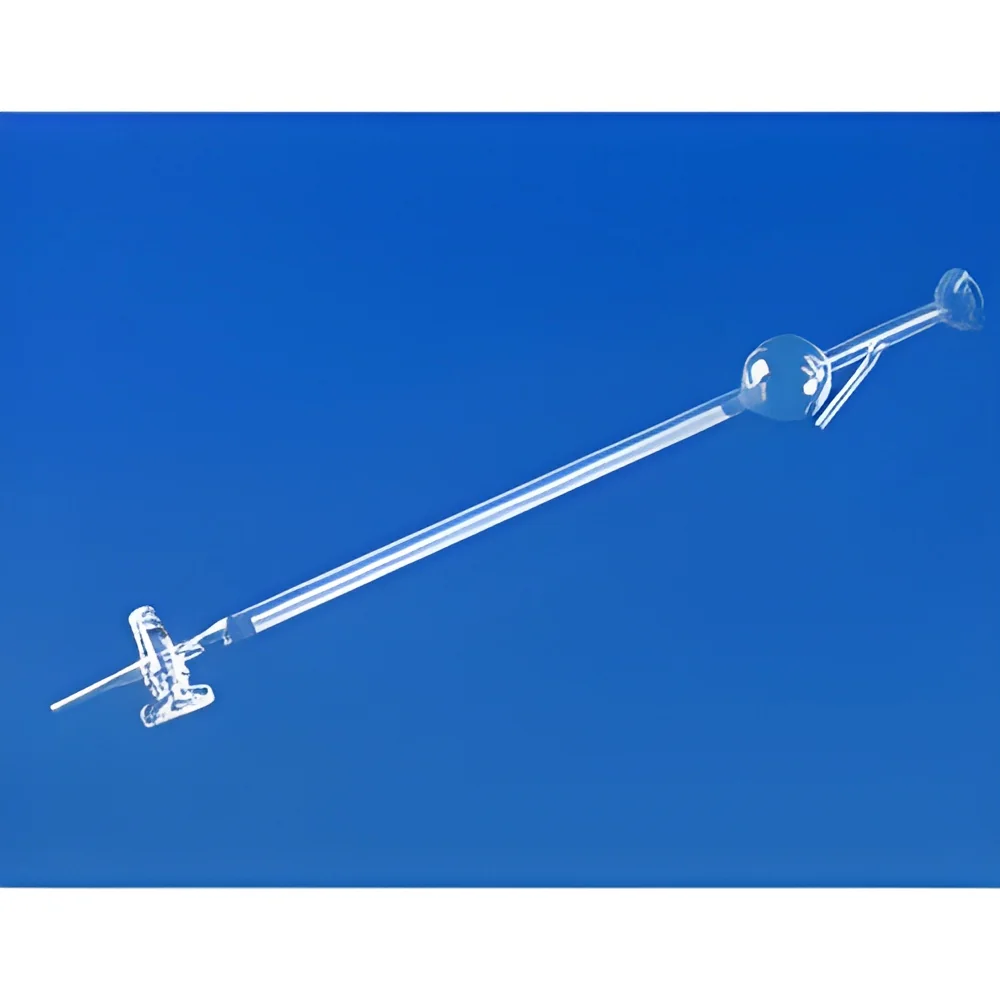
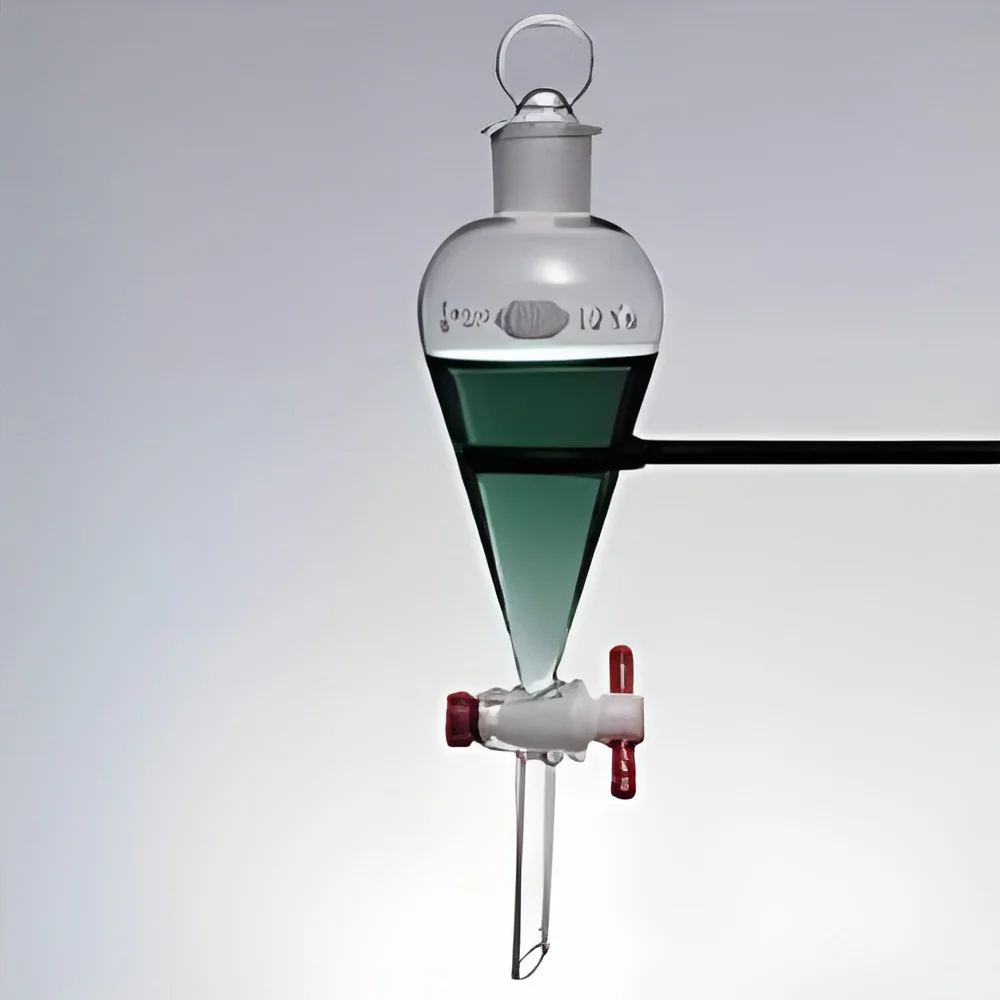
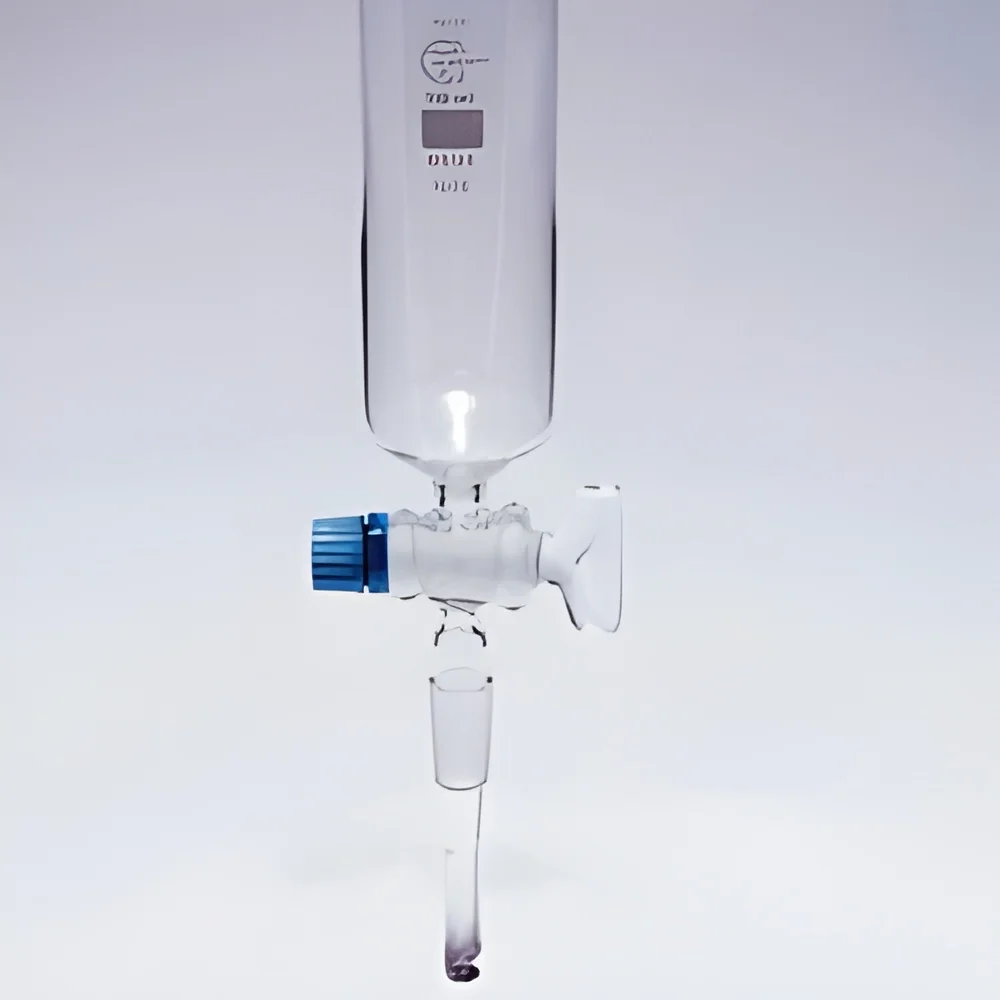
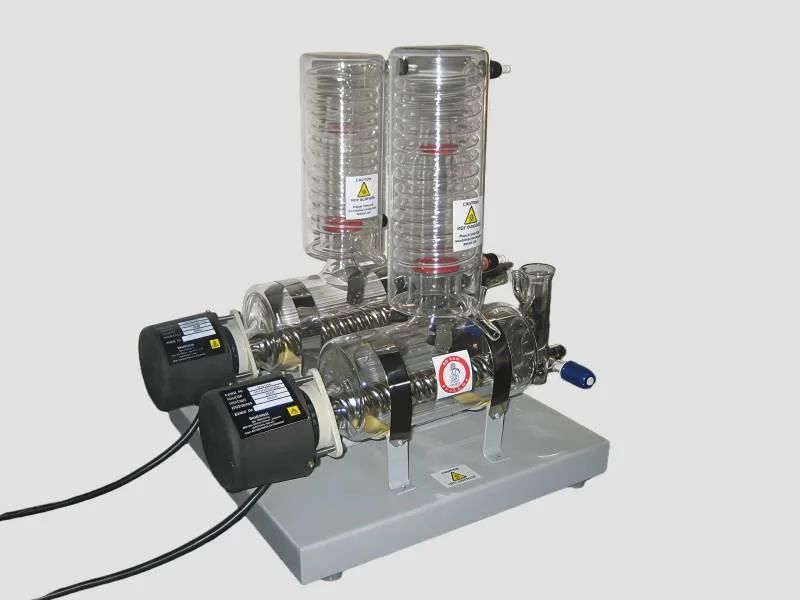
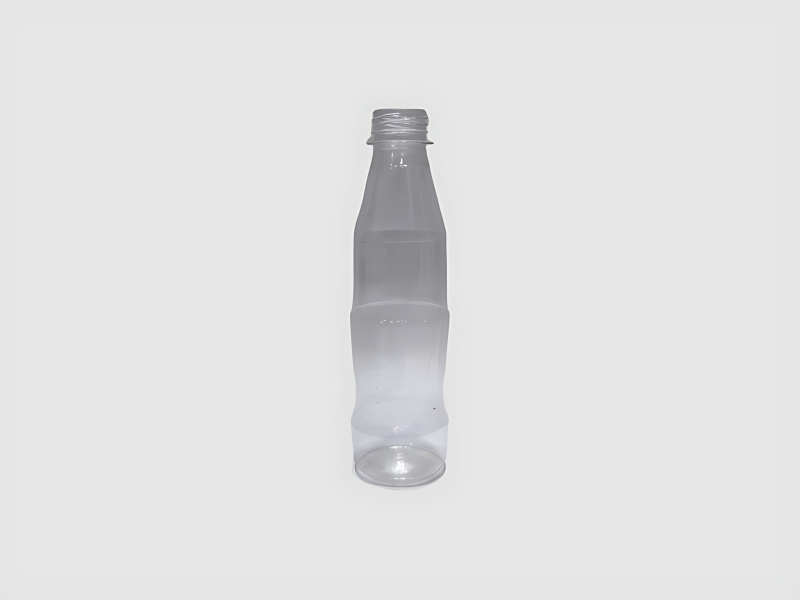
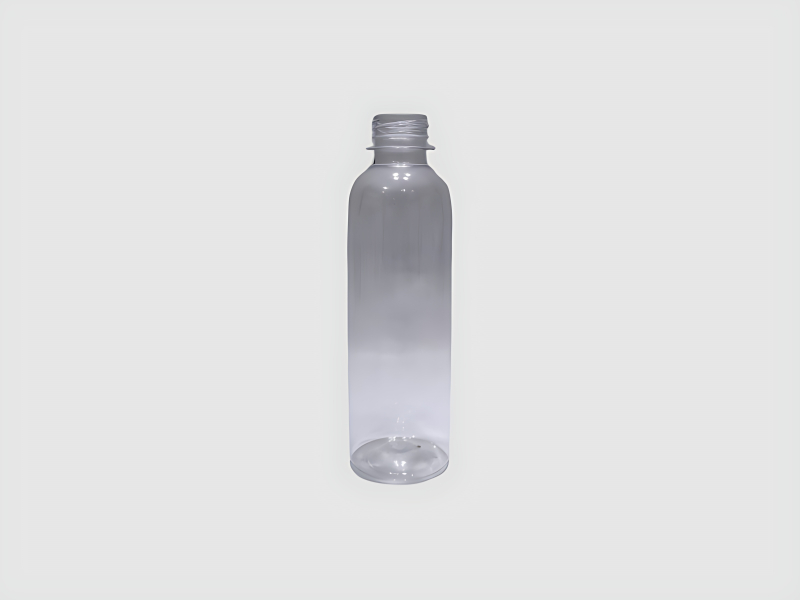
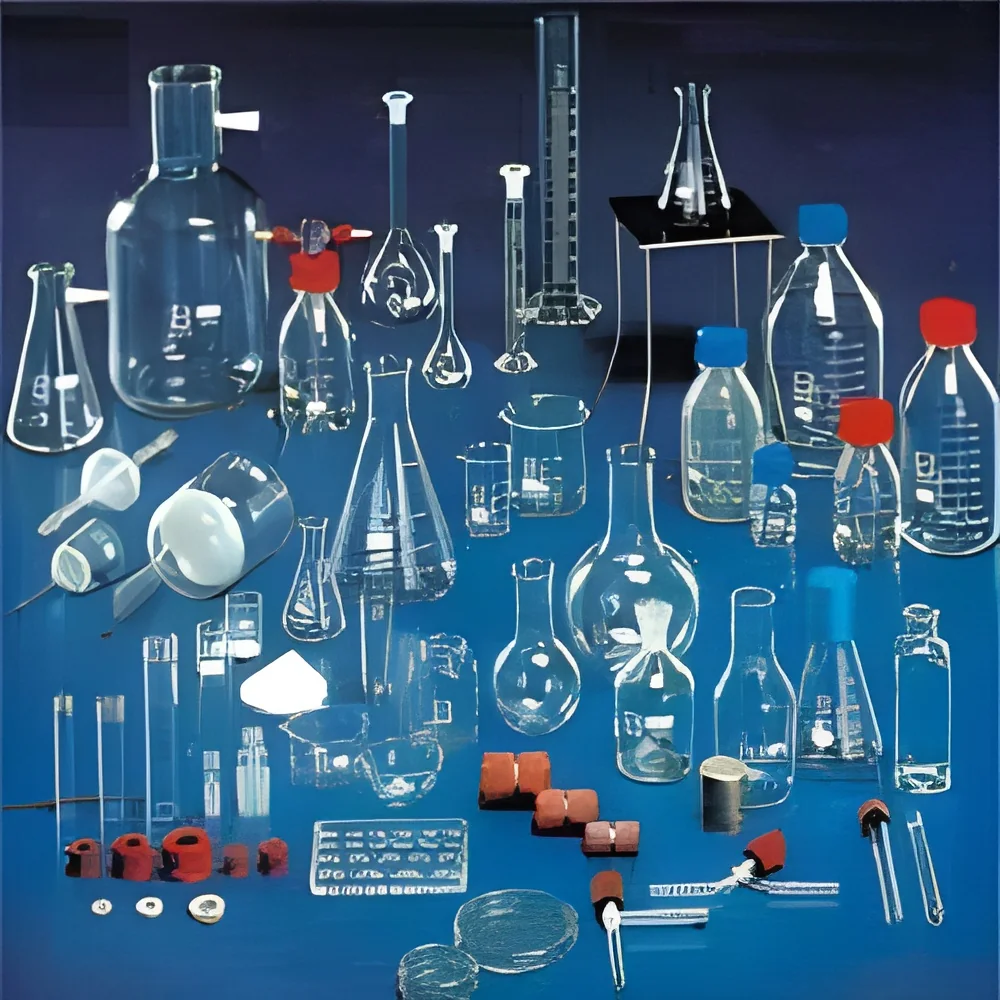
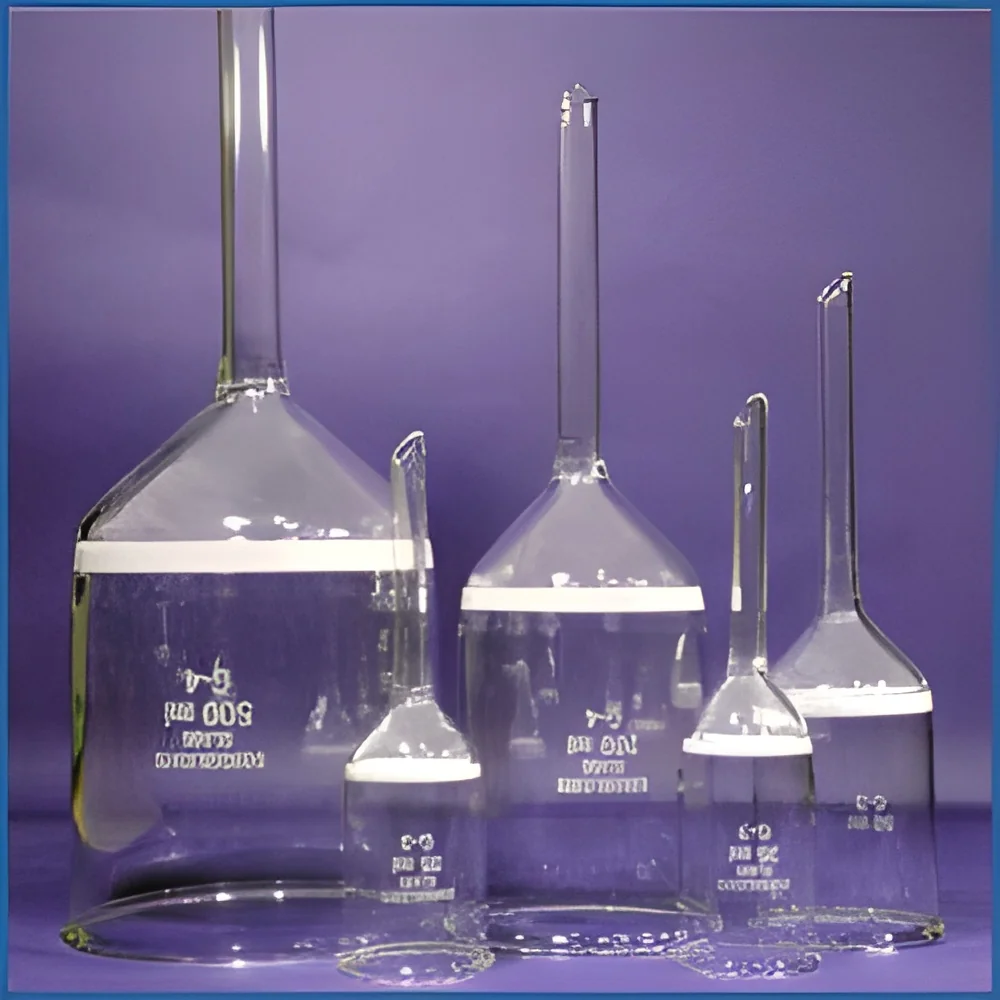
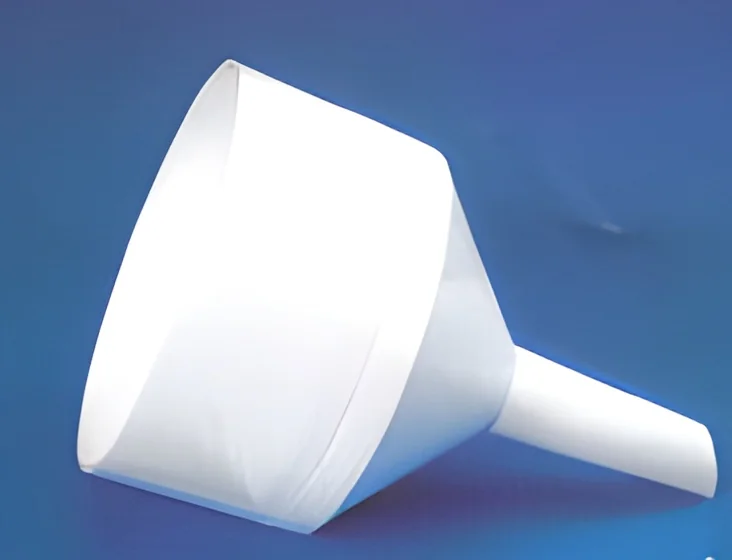
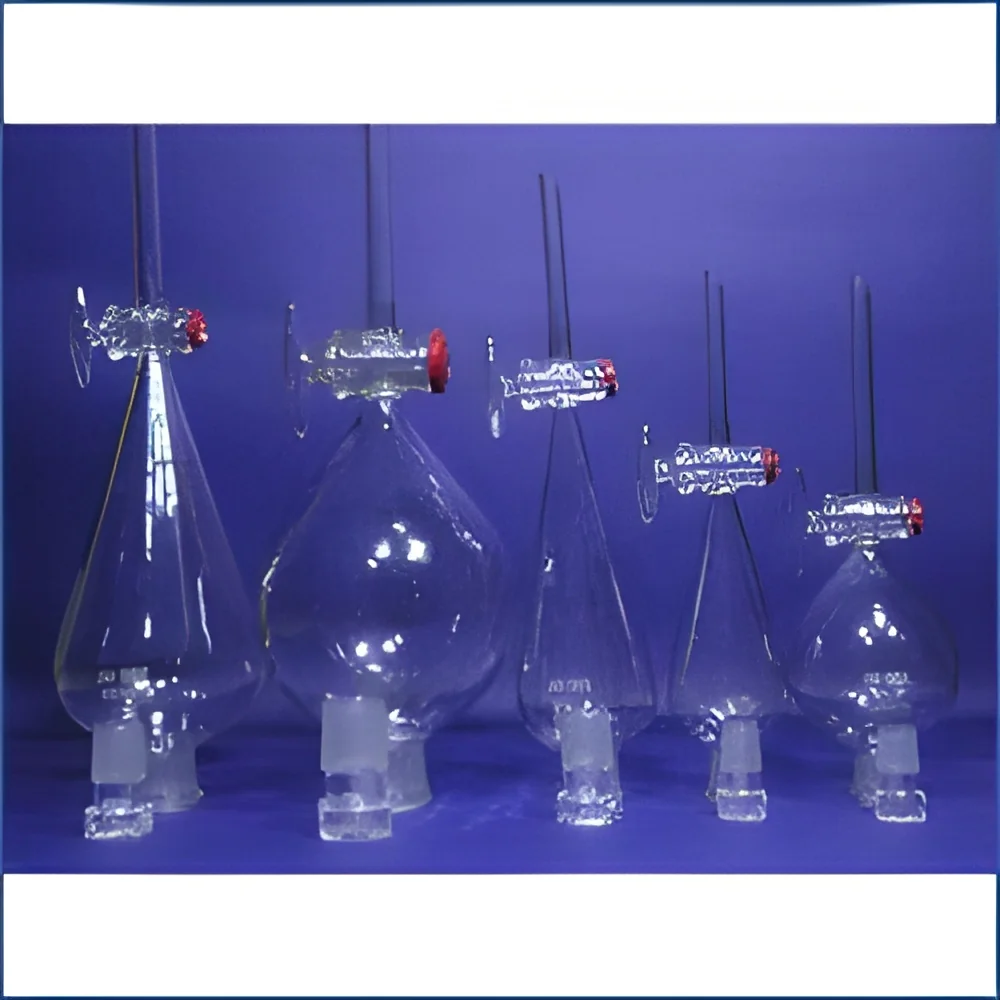
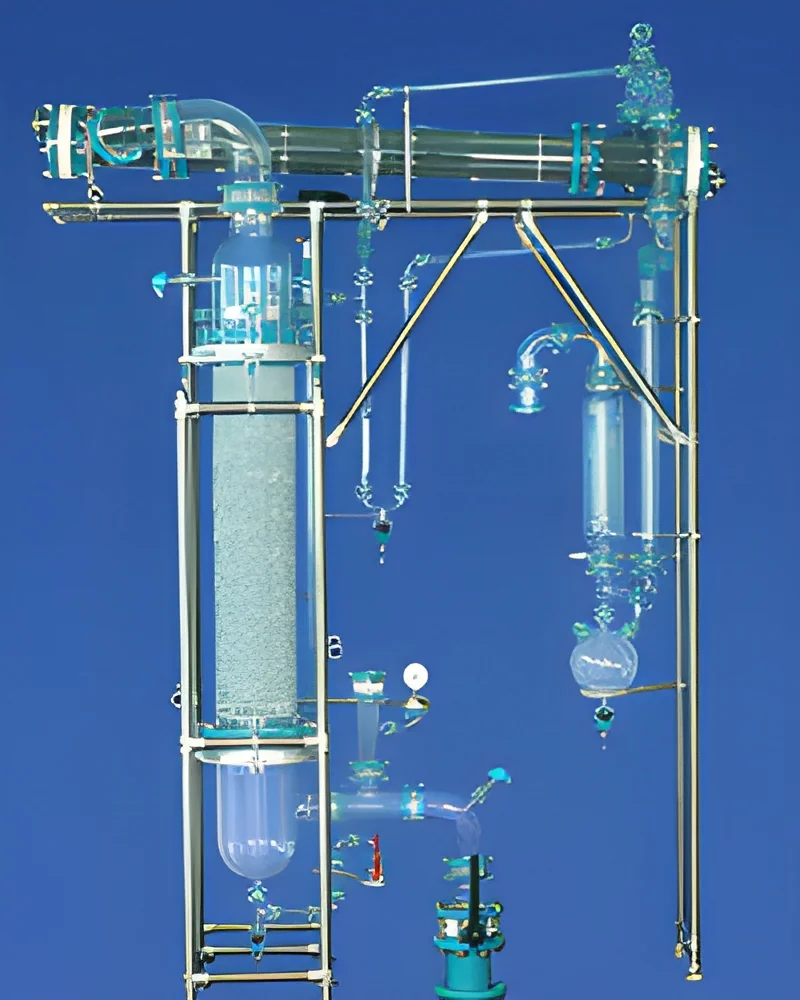
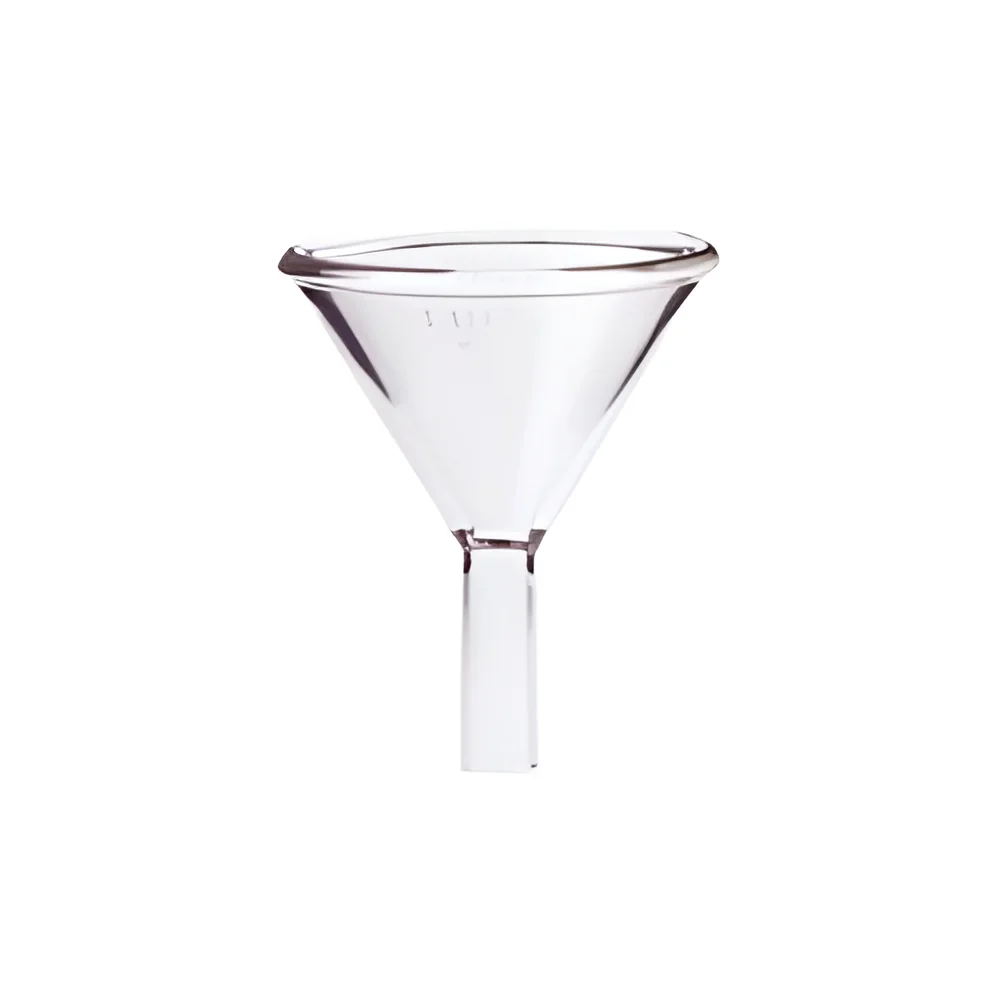
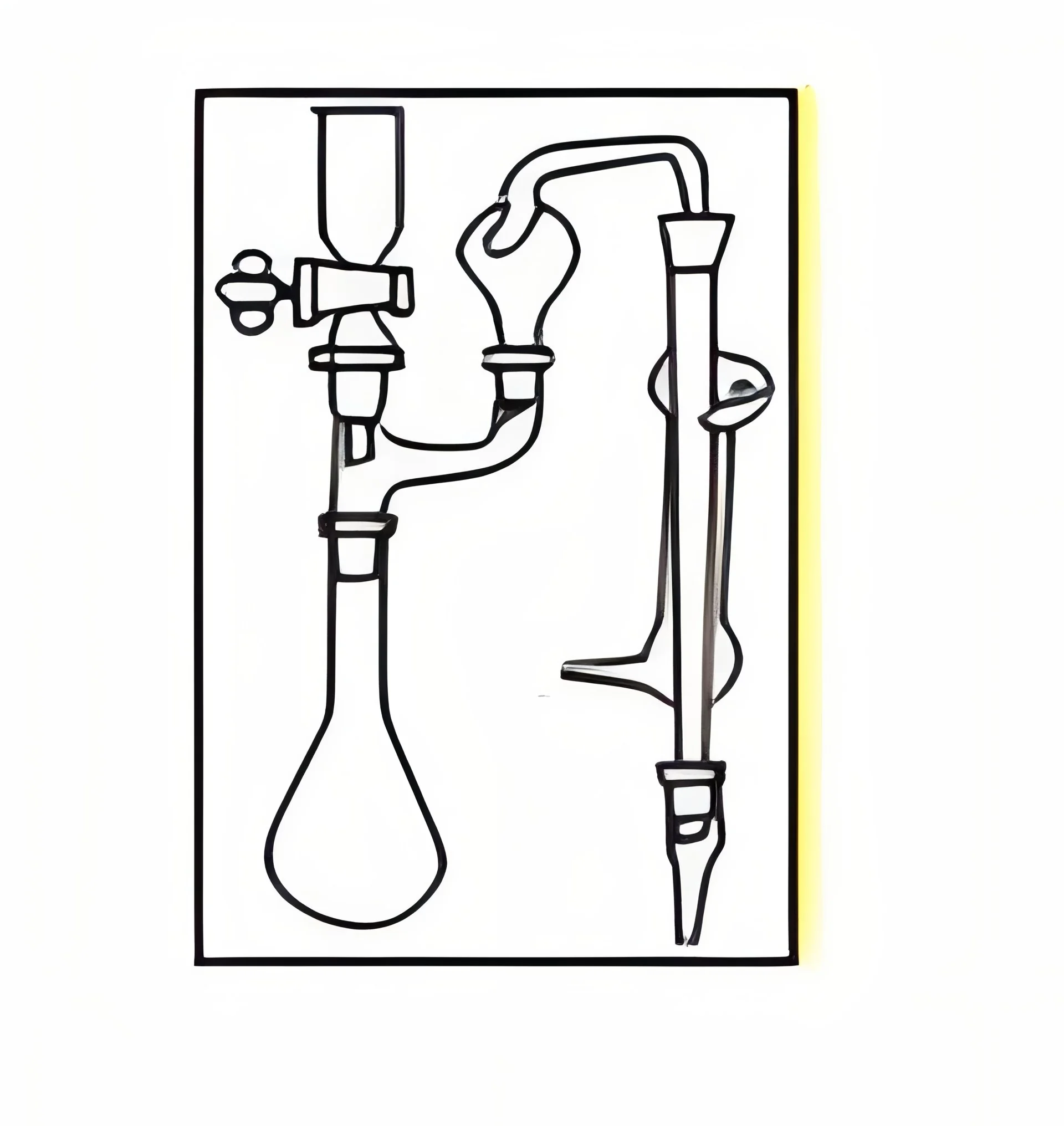
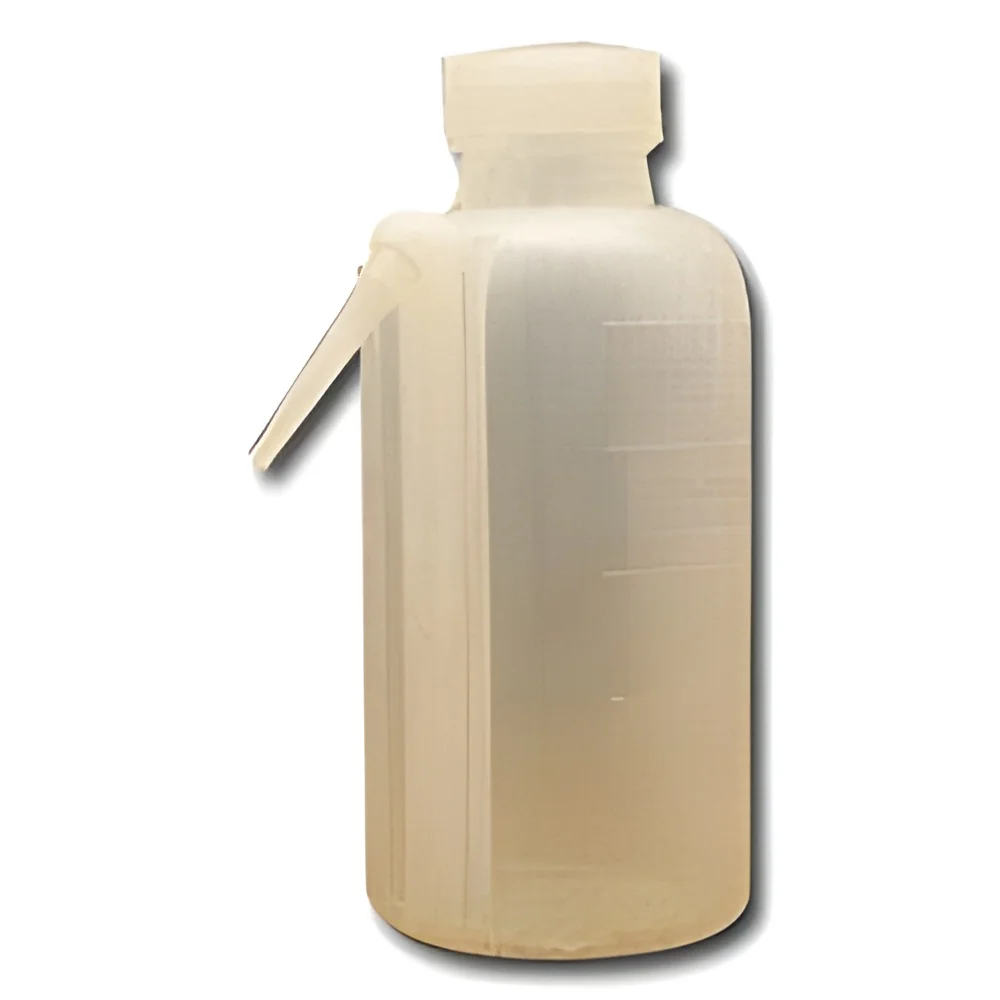
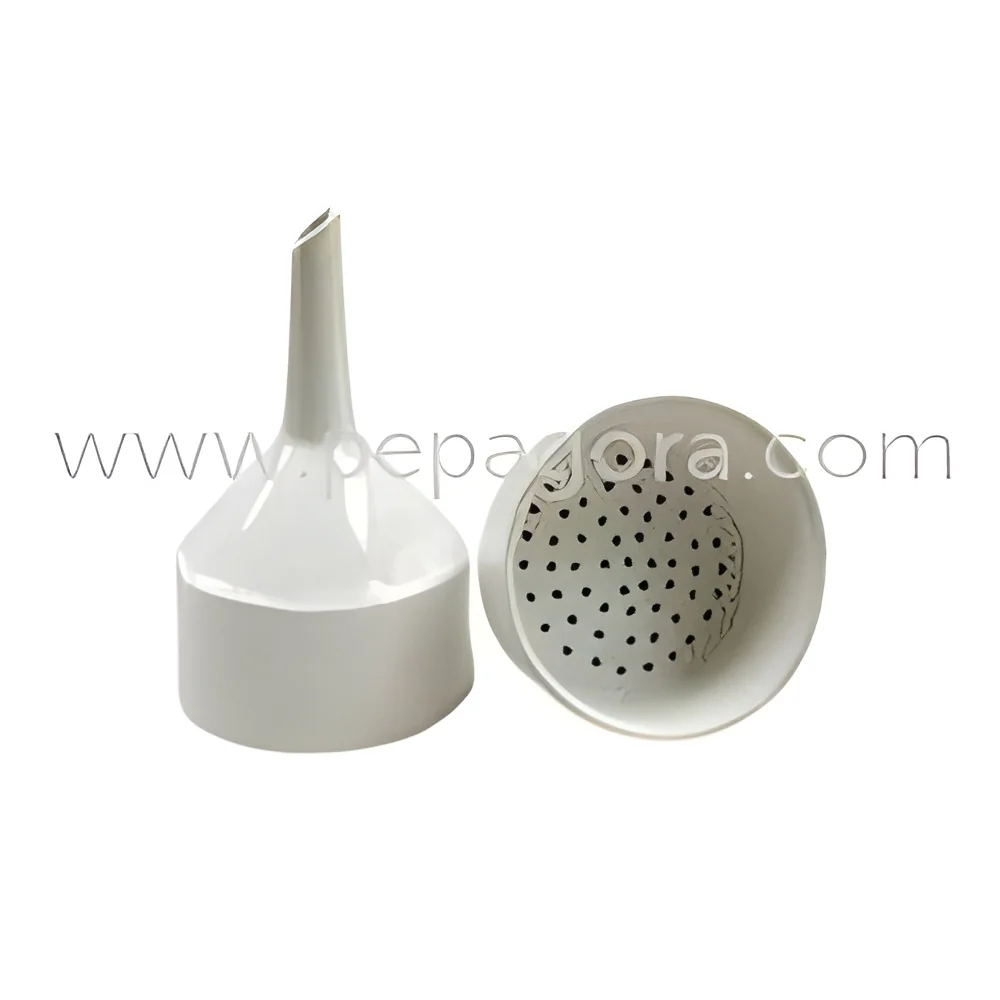
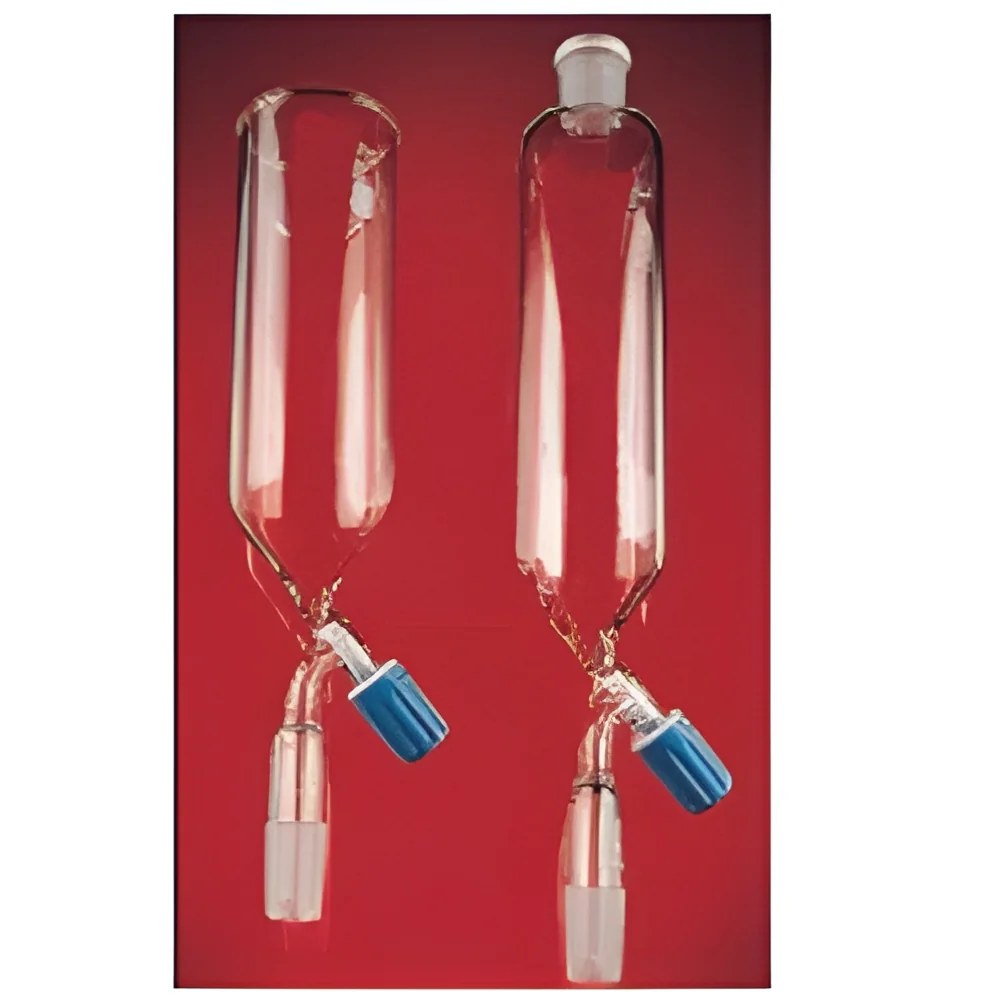
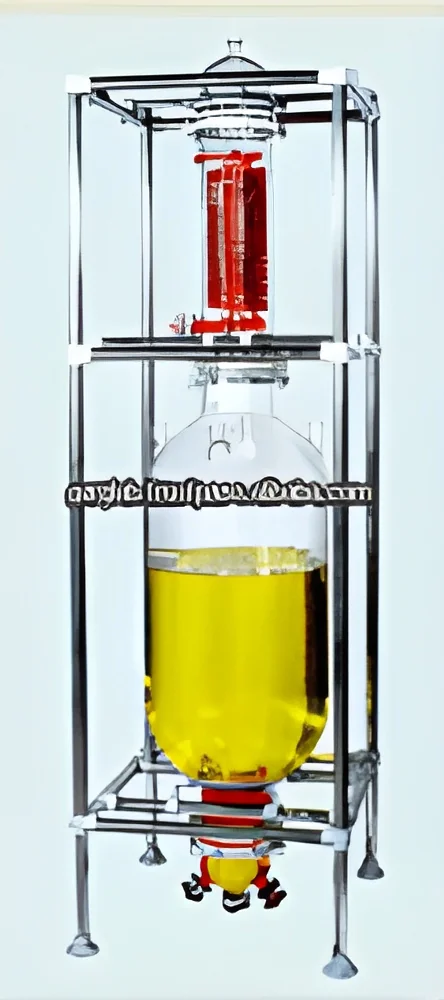
Laboratory glassware and containers are essential tools used in scientific and industrial laboratories for a variety of purposes. They are typically made from high-quality glass, designed to withstand chemical reactions, high temperatures, and various laboratory conditions. Common types include beakers, flasks, test tubes, pipettes, and Petri dishes, each serving specific functions in laboratory processes.
These products are primarily used for tasks such as mixing, measuring, heating, and storing chemicals and biological samples. Industries such as pharmaceuticals, biotechnology, food and beverage, and environmental testing rely heavily on laboratory glassware and containers for research and quality control. The relevance of these products in the market is significant, as they ensure precision and safety in laboratory practices, thus supporting innovation and compliance in various scientific fields.
𝗞𝗲𝘆 𝗙𝗲𝗮𝘁𝘂𝗿𝗲𝘀 𝗮𝗻𝗱 𝗦𝗽𝗲𝗰𝗶𝗳𝗶𝗰𝗮𝘁𝗶𝗼𝗻𝘀
Laboratory glassware and containers come with several key features and specifications that cater to different laboratory needs. Understanding these specifications is crucial for selecting the right products for specific applications.
Key specifications include:
1. Material Composition
- Generally made from borosilicate glass or soda-lime glass.
- Borosilicate glass offers better thermal resistance and chemical durability.
2. Volume Capacity
- Available in various capacities ranging from a few milliliters to several liters.
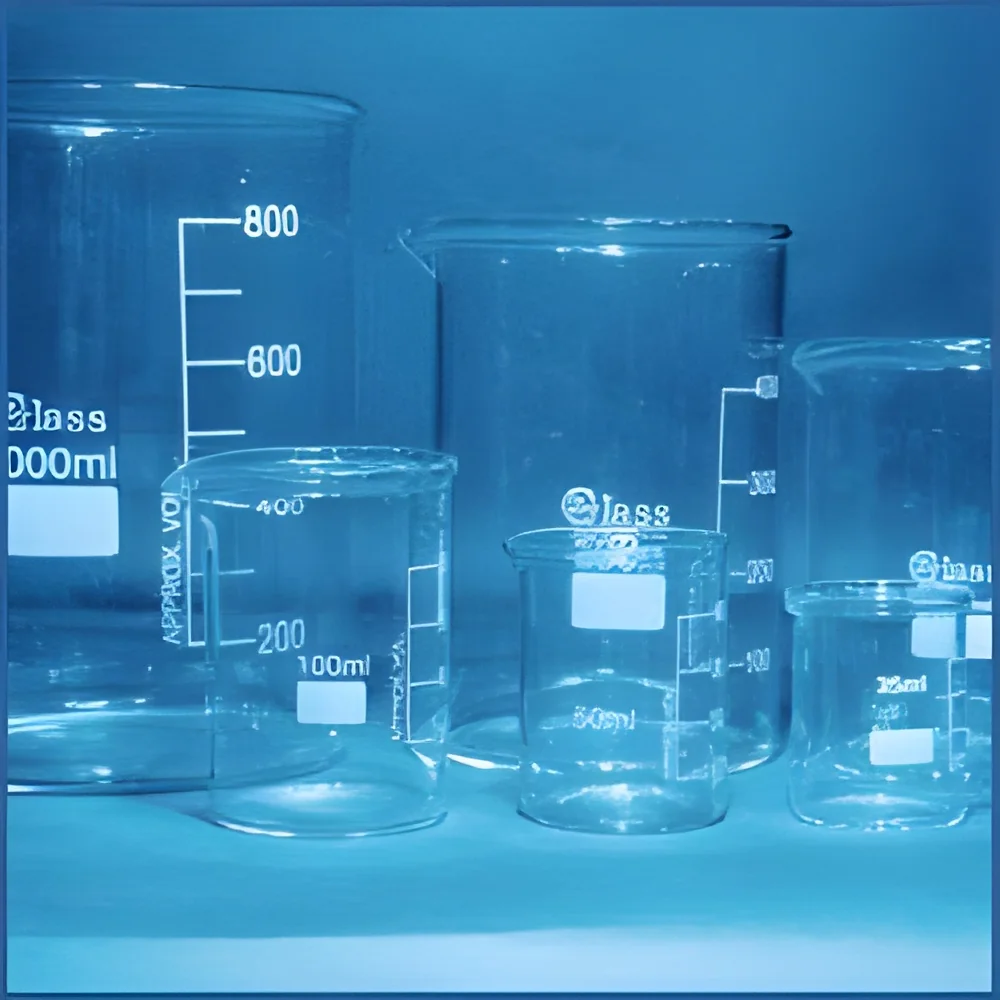
- Common sizes include 50ml, 100ml, 250ml, and 1L.
3. Calibration Marks
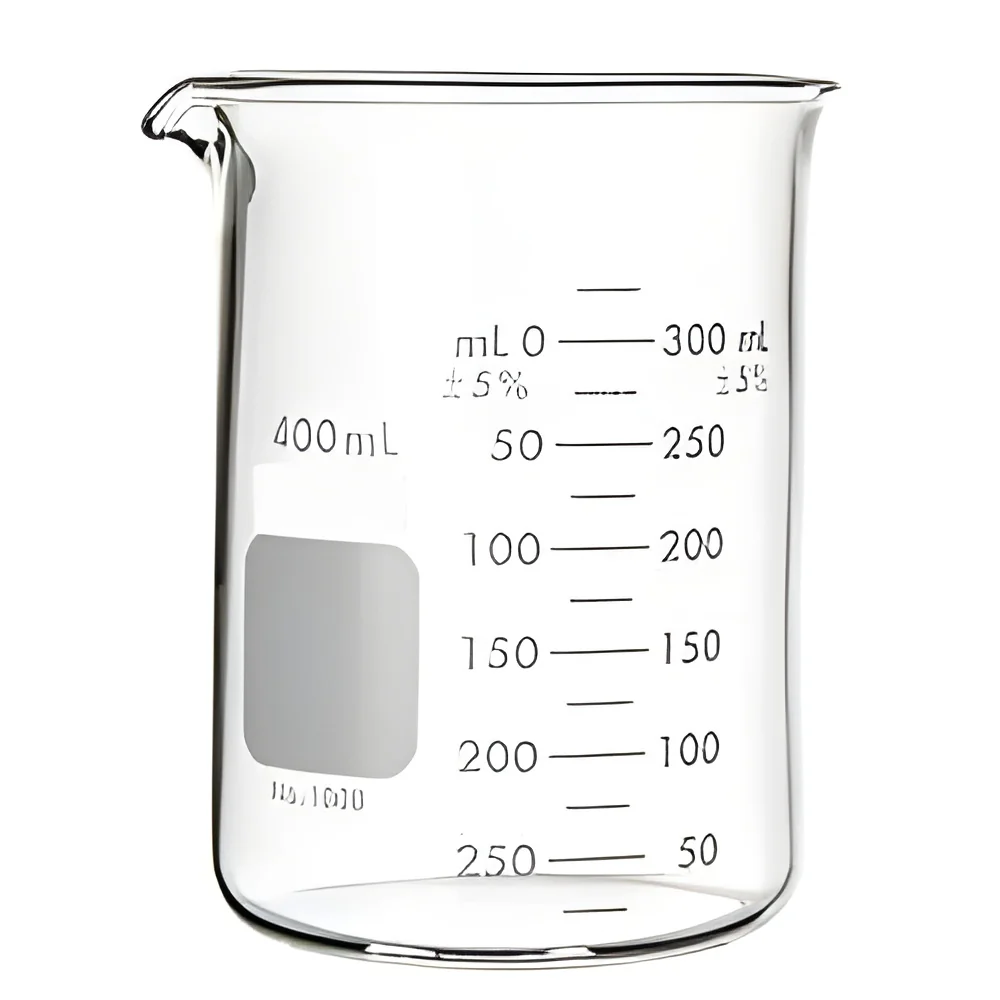
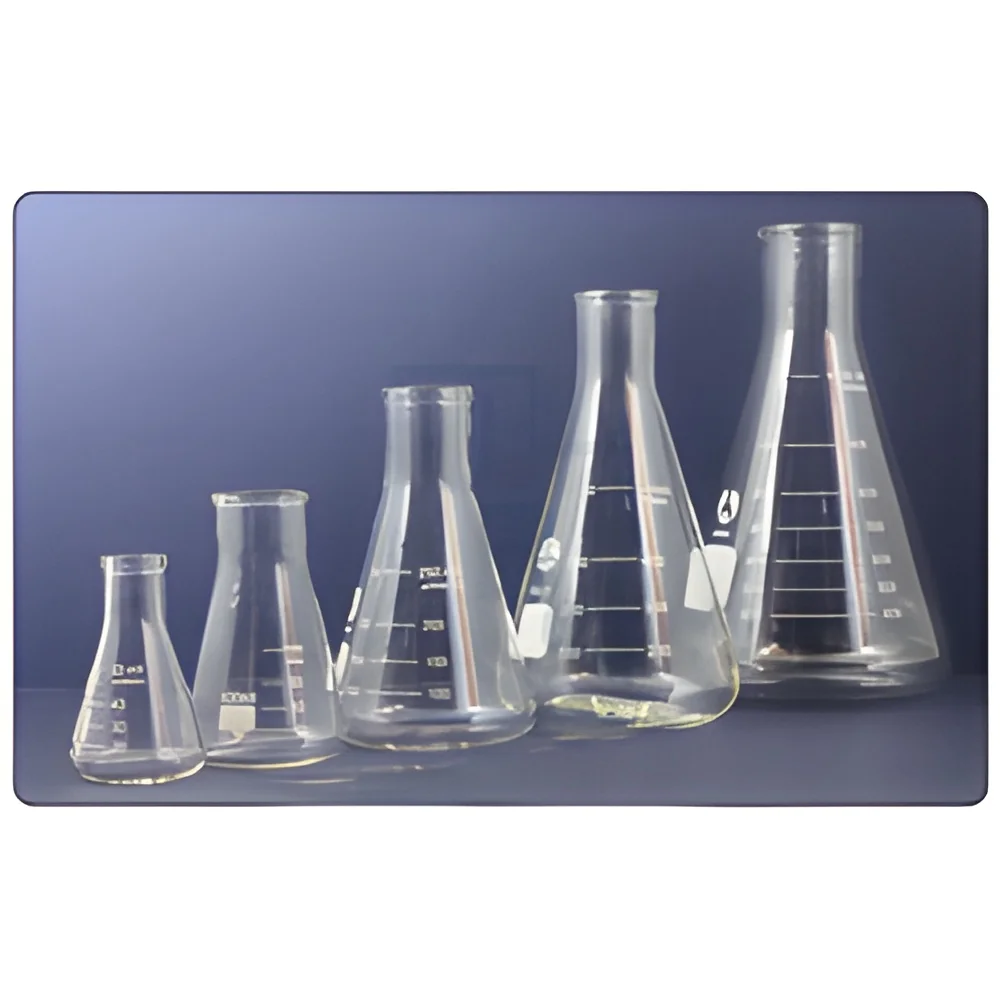
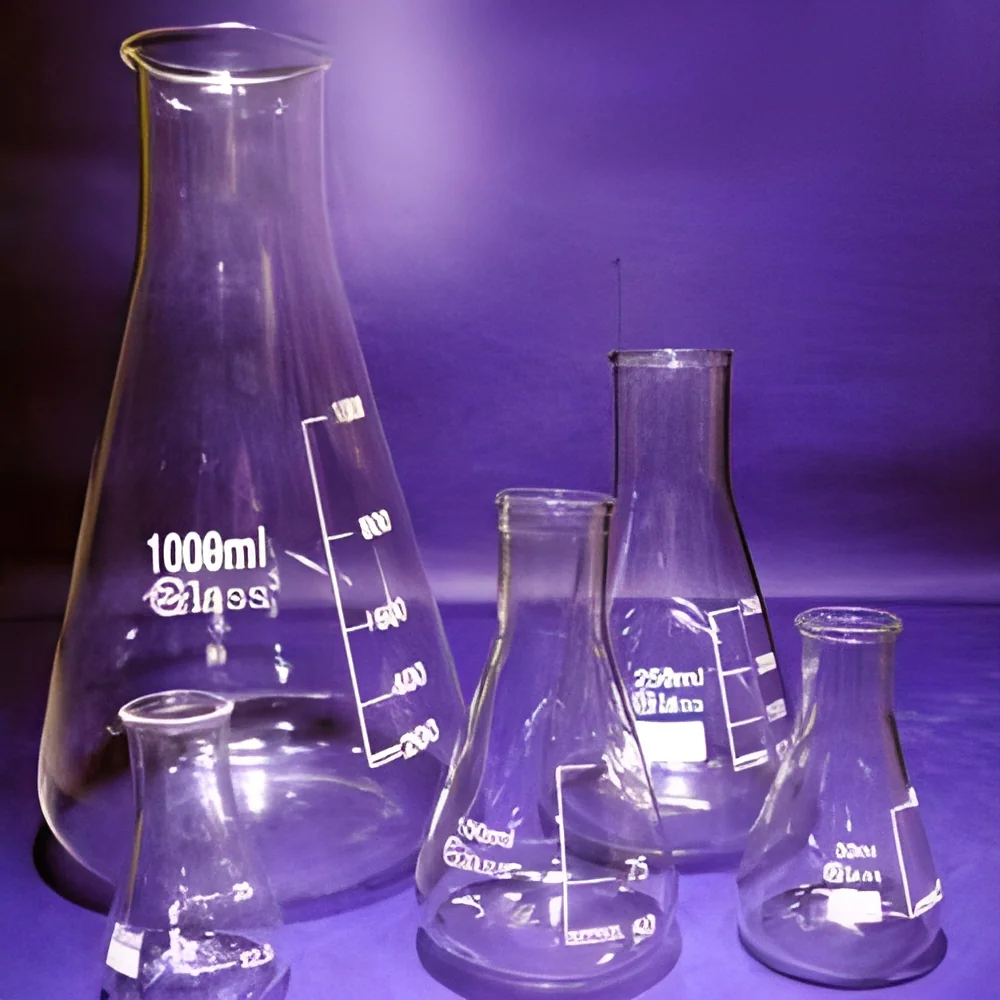
- Many containers feature graduated markings for accurate measurements.
- Calibration can be in metric or imperial units.
4. Heat Resistance
- Designed to withstand temperature changes without breaking.
- Borosilicate glass can typically handle temperatures up to 500 degrees Celsius.
5. Autoclavable
- Many glassware items are autoclavable for sterilization purposes.
- Ensures safety in biological and chemical applications.
6. Resistance to Chemical Corrosion
- Suitable for various corrosive substances.
- Borosilicate glass is preferred for its durability against acids and bases.
7. Compatibility with Laboratory Equipment
- Designed to fit standard laboratory apparatus.
- Seamless integration with stirrers, heaters, and centrifuges.
8. Safety Features
- Some glassware includes protective features, like rounded edges.
- Reduces the risk of breakage during handling.
These specifications highlight the importance of choosing the right laboratory glassware and containers to ensure safety, accuracy, and reliability in laboratory environments.
𝗖𝗼𝗺𝗺𝗼𝗻 𝗔𝗽𝗽𝗹𝗶𝗰𝗮𝘁𝗶𝗼𝗻𝘀 𝗮𝗻𝗱 𝗨𝘀𝗲 𝗖𝗮𝘀𝗲𝘀
Laboratory glassware and containers are utilized across various industries for diverse applications.
1. Pharmaceutical Industry: Used for drug formulation, quality testing, and chemical analysis in drug development processes.
2. Biotechnology: Essential for culturing cells, preparing reagents, and conducting experiments in genetic research.
3. Food and Beverage: Employed in quality assurance testing, including microbiological analysis and ingredient measurement.
4. Environmental Testing: Used for sample collection and analysis of water, soil, and air quality.
5. Academic Research: Vital tools in educational institutions for conducting experiments and teaching scientific principles.
6. Chemical Manufacturing: Utilized in the production and testing of chemicals, ensuring quality control and safety.
7. Clinical Laboratories: Important for diagnostics, including sample analysis and reagent preparation.
These applications demonstrate the versatility and necessity of laboratory glassware and containers in supporting various scientific endeavors.
𝗣𝗿𝗼𝗱𝘂𝗰𝘁 𝗩𝗮𝗿𝗶𝗮𝗻𝘁𝘀 𝗮𝗻𝗱 𝗦𝘂𝗯𝗰𝗮𝘁𝗲𝗴𝗼𝗿𝗶𝗲𝘀
Laboratory glassware and containers come in a variety of forms to meet specific needs within laboratories.
Beakers
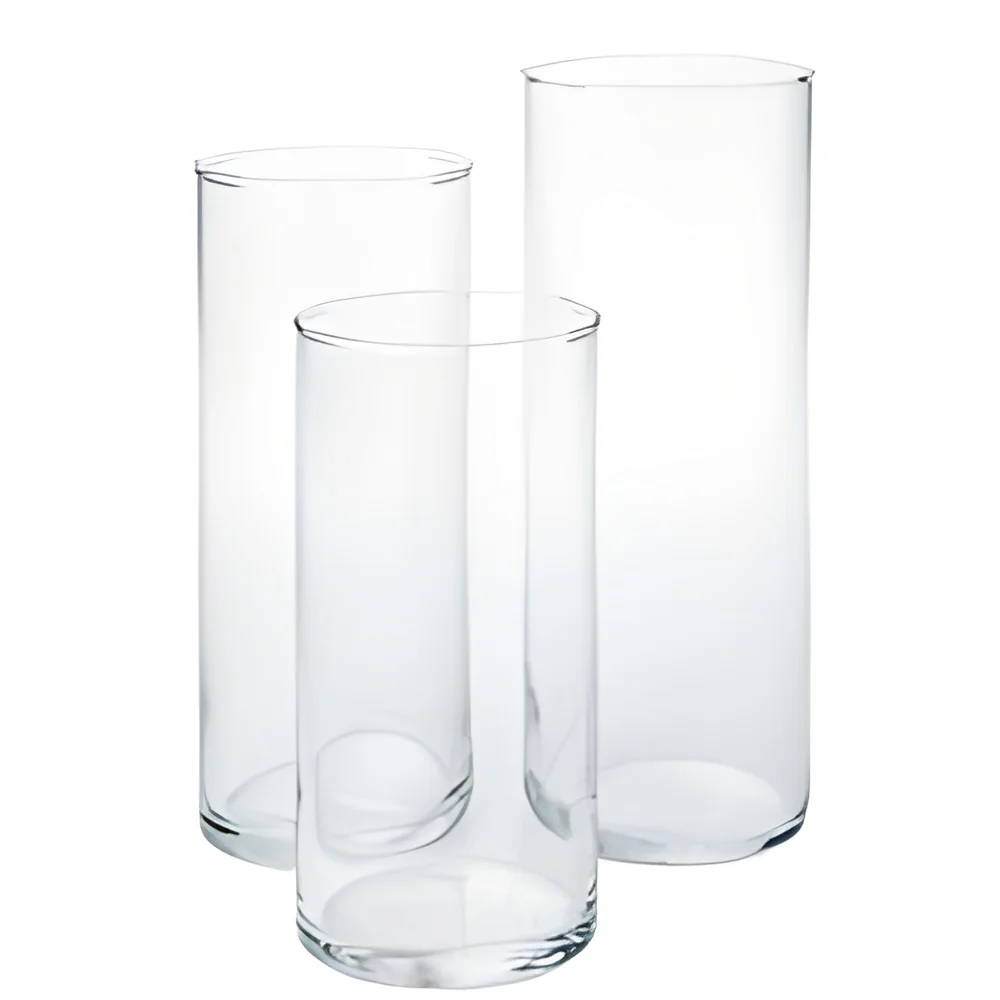
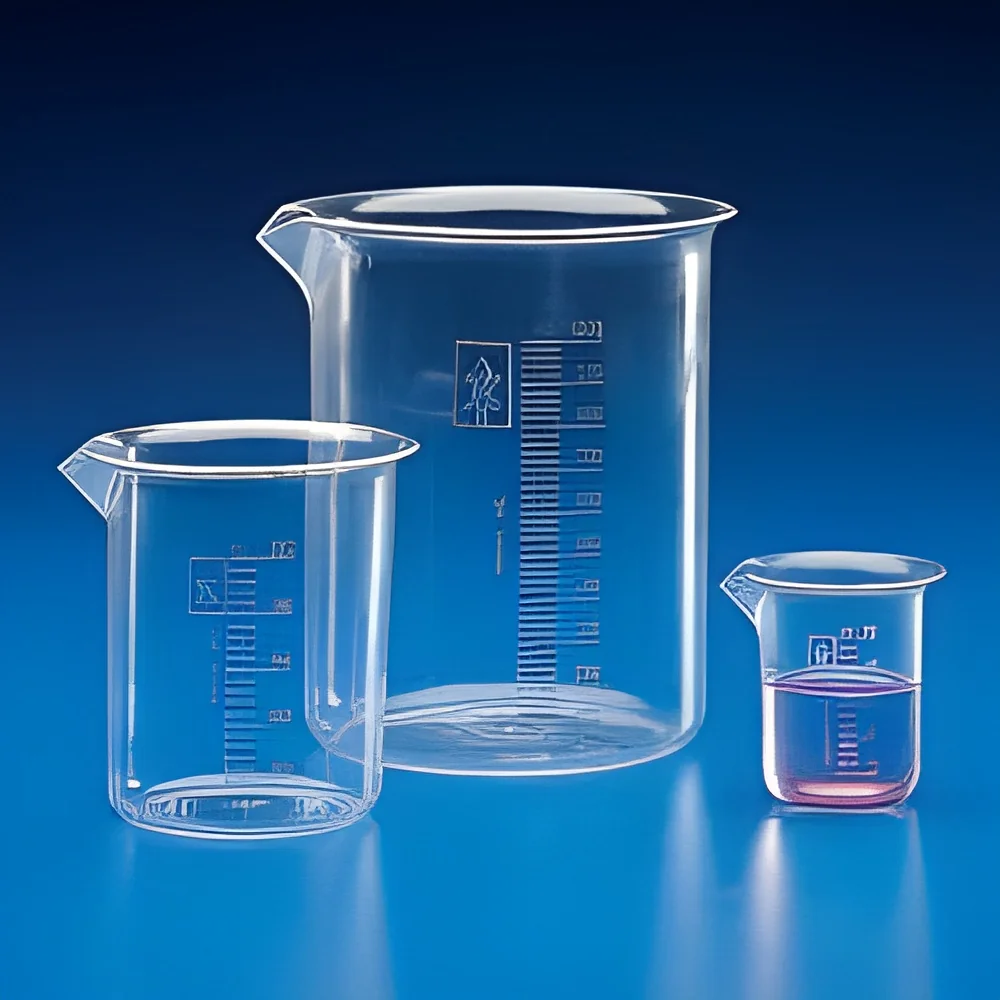
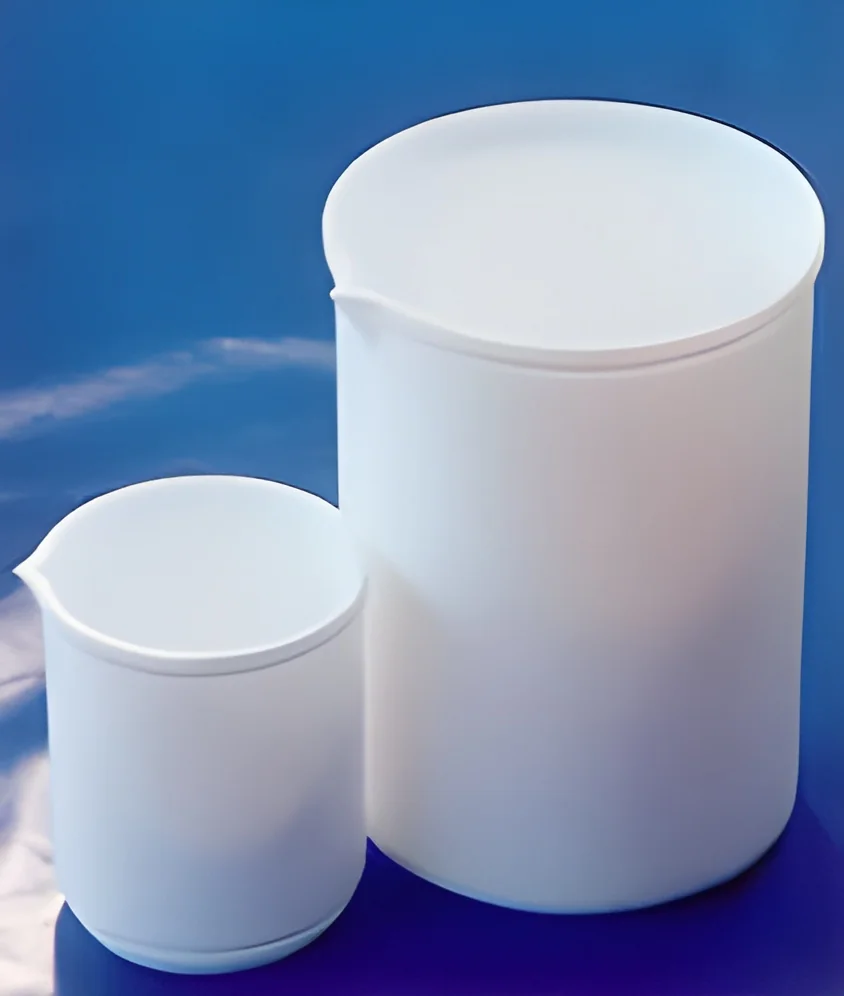
Beakers are cylindrical containers with a spout, primarily used for mixing, heating, and measuring liquids. They come in various sizes and are marked with graduated lines for easy volume measurement.
Flasks
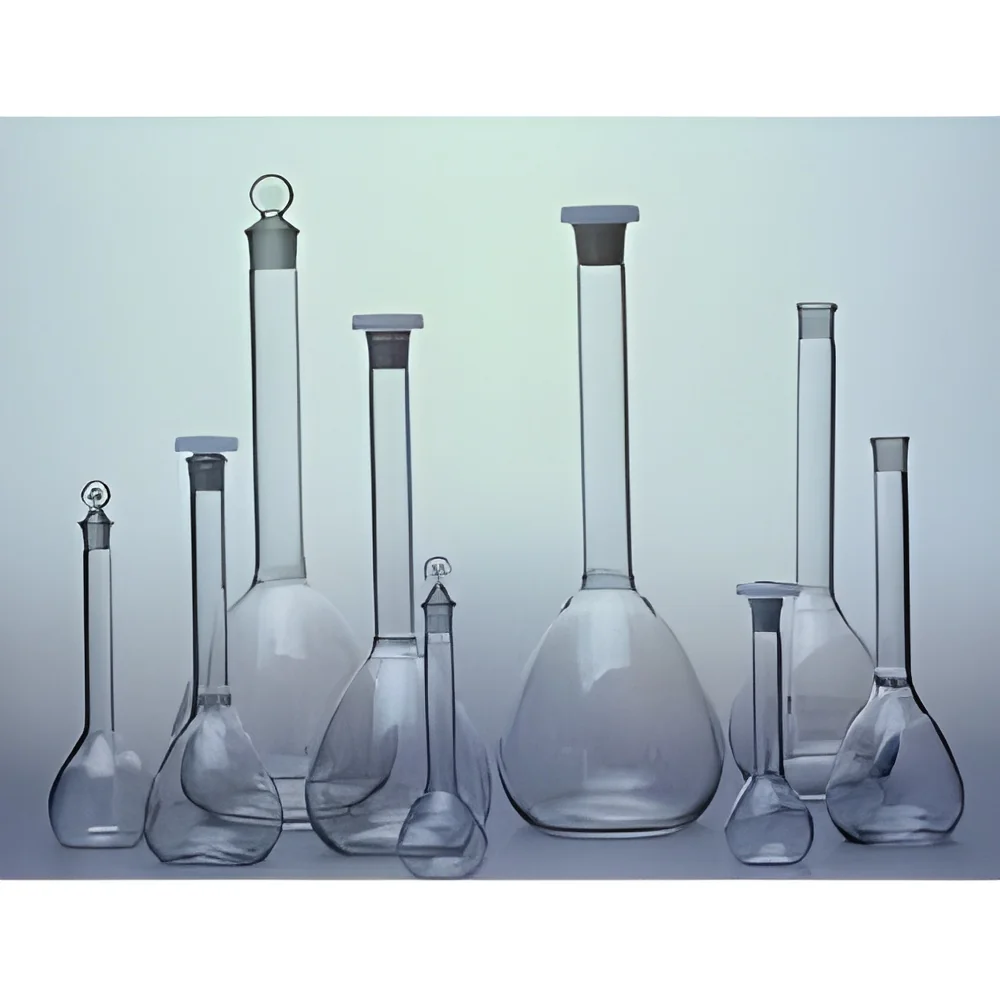
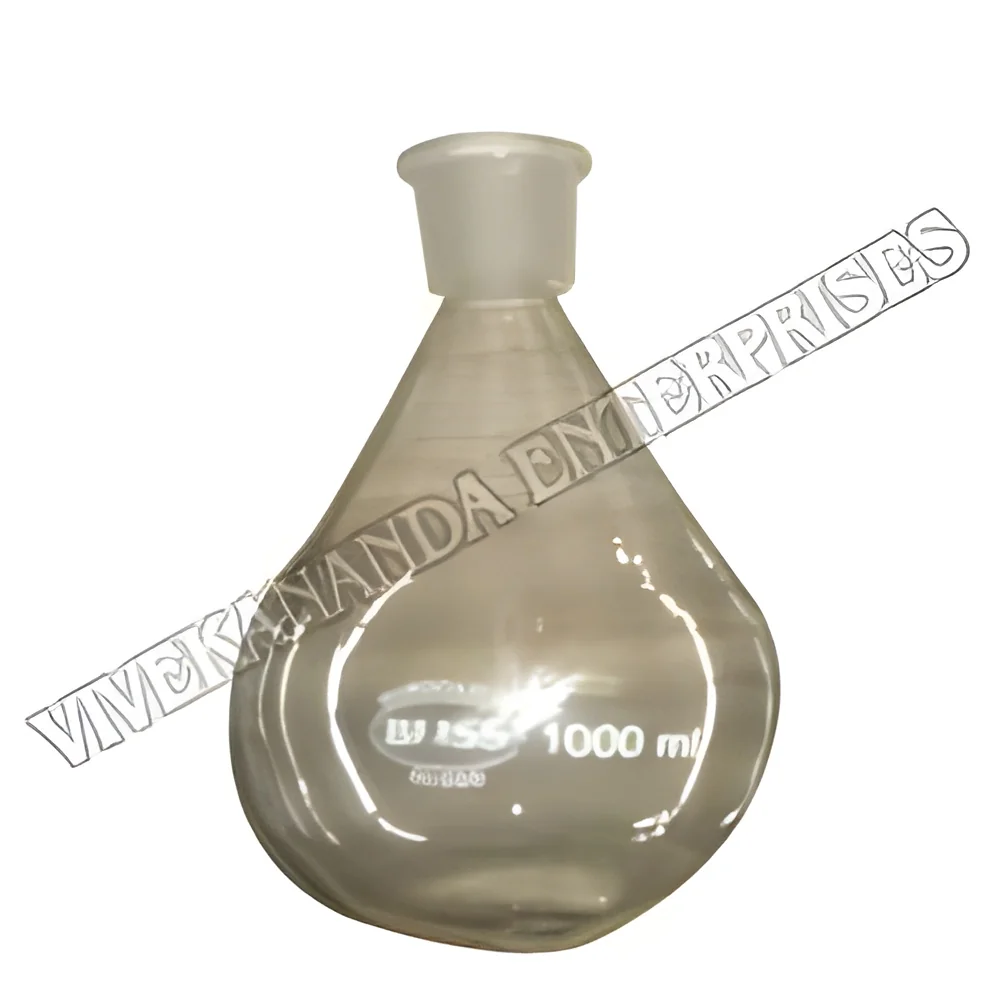
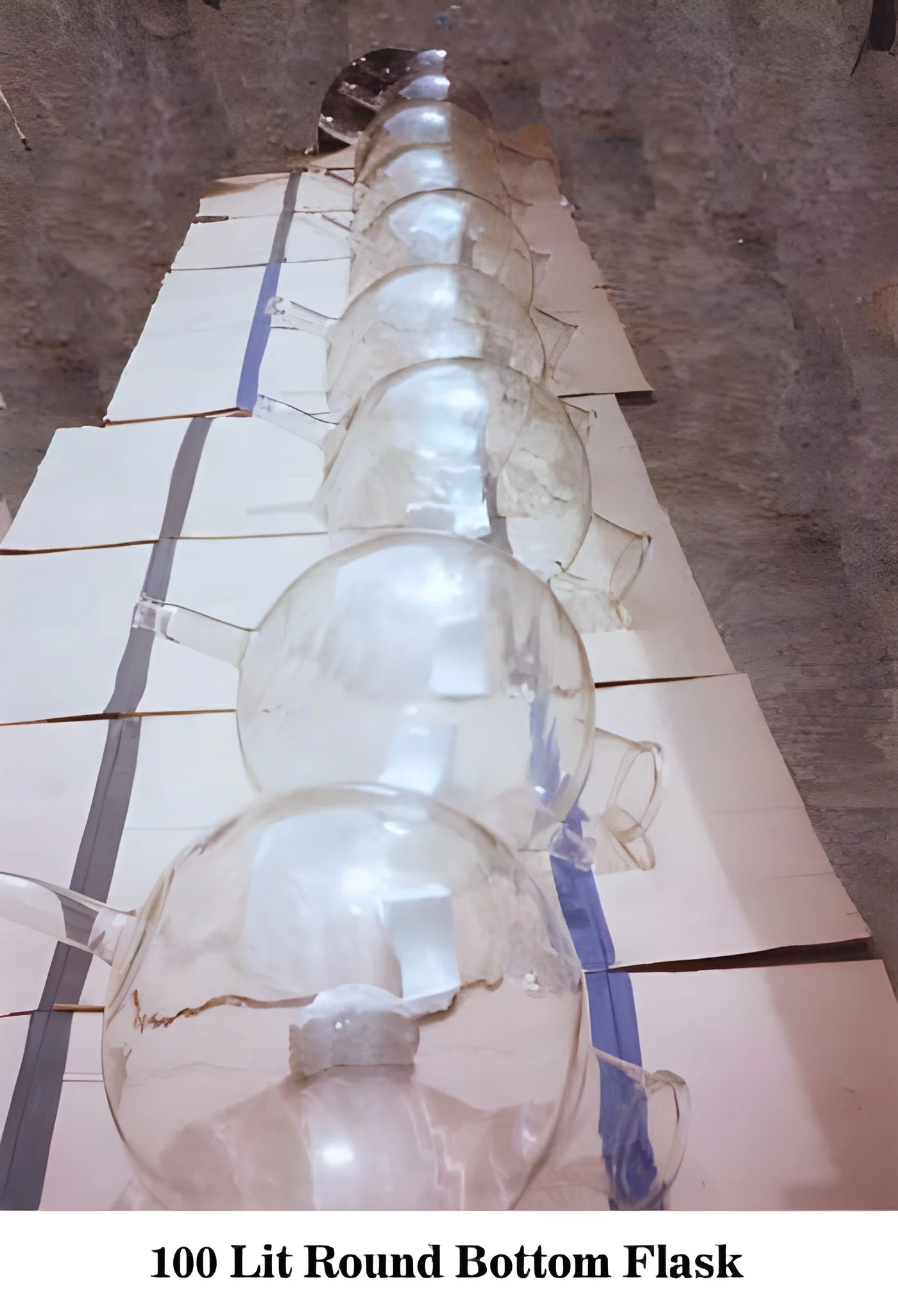
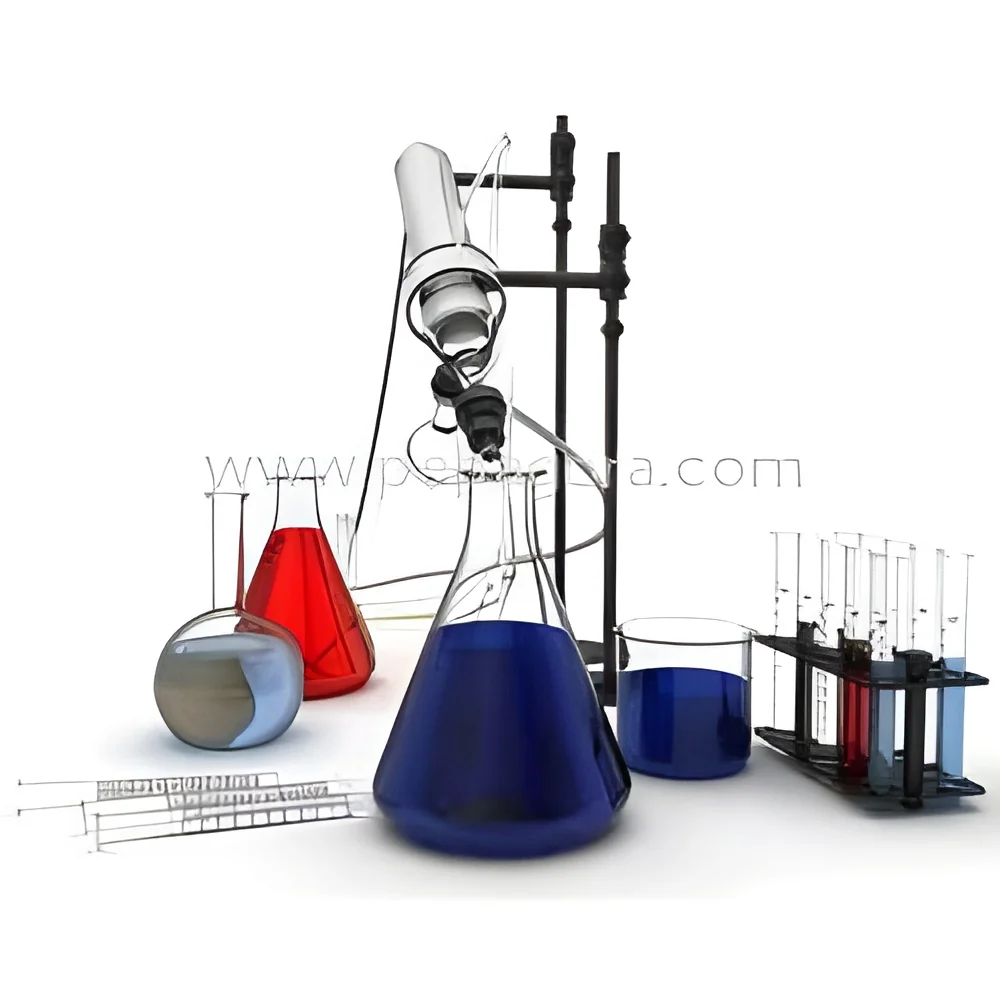
Flasks, including Erlenmeyer and volumetric flasks, are designed for mixing and heating substances. Their narrow necks help minimize evaporation and spillage, making them ideal for titrations and chemical reactions.
Test Tubes
Test tubes are used for holding small samples during experiments. They are often used in conjunction with test tube racks for organization and ease of use.
Petri Dishes
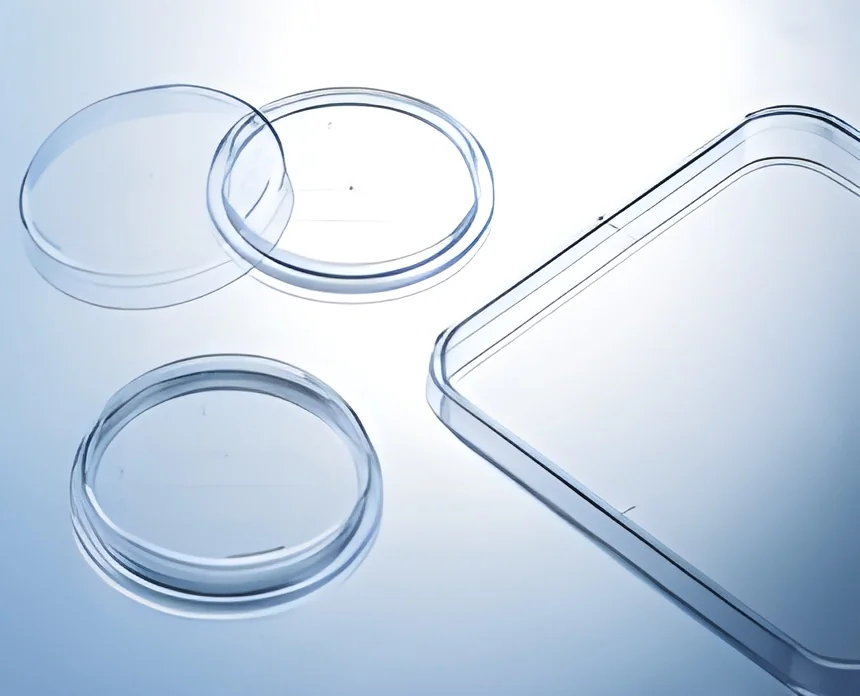
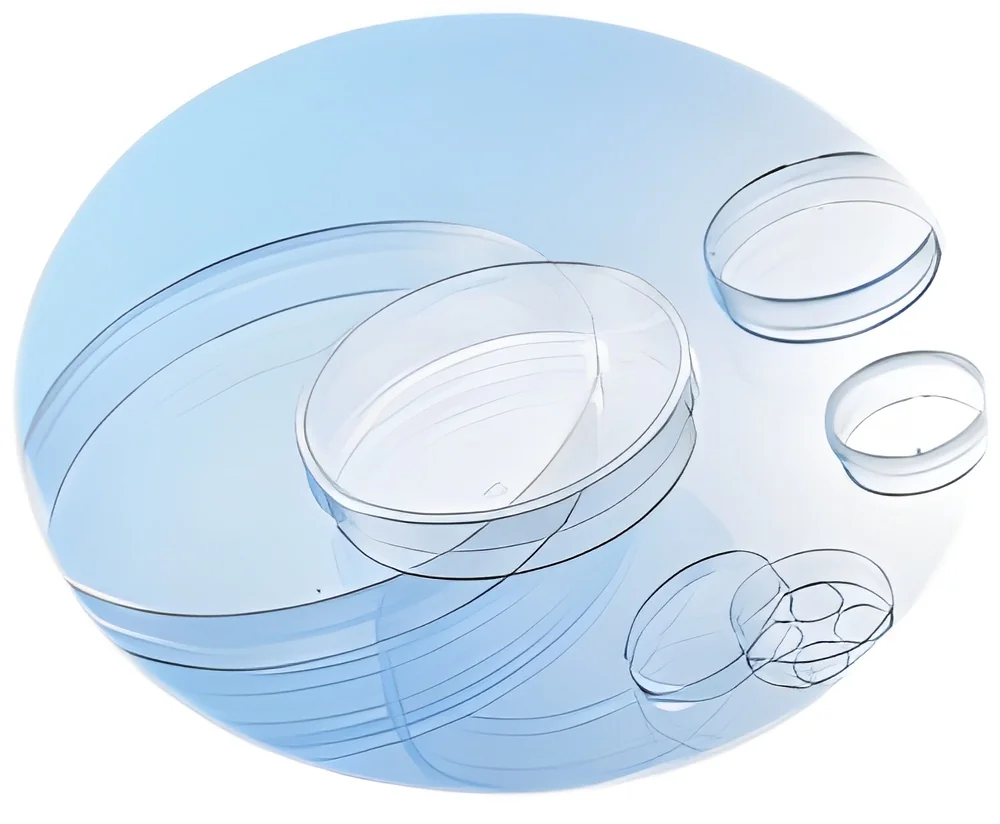
Petri dishes are flat, shallow containers used primarily for culturing microorganisms. They are typically made of glass or plastic and provide an ideal environment for growth.
Volumetric Flasks
These flasks are calibrated for precise measurement of liquid volumes. They are essential for preparing solutions with accurate concentrations.
𝗕𝗲𝗻𝗲𝗳𝗶𝘁𝘀 𝗮𝗻𝗱 𝗔𝗱𝘃𝗮𝗻𝘁𝗮𝗴𝗲𝘀
Laboratory glassware and containers offer numerous benefits that enhance laboratory efficiency and safety.
1. High Durability: Glassware is resistant to heat and chemical corrosion, ensuring a long lifespan and reliable use.
2. Accuracy in Measurement: Graduated markings and calibrated designs allow for precise liquid measurements, crucial in experimental settings.
3. Autoclavable: Many glass containers can be sterilized, making them suitable for biological applications and maintaining lab hygiene.
4. Versatile Applications: Glassware can be used across various industries, from pharmaceuticals to environmental testing, supporting diverse research needs.
5. Eco-Friendly: Glass is recyclable and reduces environmental impact compared to plastic alternatives.
6. Cost-Effectiveness: High-quality glassware, though initially more expensive, often proves to be more economical over time due to its durability and reusability.
𝗕𝘂𝘆𝗶𝗻𝗴 𝗚𝘂𝗶𝗱𝗲 𝗳𝗼𝗿 𝗕𝟮𝗕 𝗕𝘂𝘆𝗲𝗿𝘀
When sourcing laboratory glassware and containers, it is important to consider several key factors to ensure quality and suitability for your needs.
1. Quality Assessment: Evaluate the materials used in glassware, ensuring they meet industry standards for durability and safety. Look for products made from borosilicate glass for enhanced thermal and chemical resistance.
2. Supplier Verification: Vet suppliers by checking their certifications and reputation in the market. Reliable suppliers should provide clear information regarding product quality and compliance.
3. Pricing and MOQ: Consider the cost per unit and any minimum order quantities (MOQ) set by suppliers. Negotiate pricing based on bulk orders to ensure budget compliance.
4. Delivery and Lead Times: Assess the supplier's ability to meet your delivery requirements. Timely delivery is crucial for maintaining laboratory operations.
5. Compliance Requirements: Ensure that the products meet relevant regulatory standards and certifications, such as CE, to comply with safety and quality mandates in your industry.
𝗖𝗼𝗺𝗽𝗹𝗶𝗮𝗻𝗰𝗲 𝗮𝗻𝗱 𝗖𝗲𝗿𝘁𝗶𝗳𝗶𝗰𝗮𝘁𝗶𝗼𝗻𝘀
Laboratory glassware and containers are subject to various compliance standards and certifications, ensuring they meet safety and quality requirements.
Relevant quality standards include ISO 9001, which focuses on quality management systems, ensuring products are produced consistently to high standards. HACCP (Hazard Analysis Critical Control Point) is also relevant in industries like food and beverage, emphasizing safety in processes.
Industry certifications such as CE indicate that the products meet European safety standards. This certification is crucial for products used in laboratories to ensure they are safe for handling and use.
Safety and testing requirements are vital, particularly for products used in laboratories that handle hazardous materials. Regular testing for durability and chemical resistance is essential to ensure compliance with safety regulations.
Regional compliance considerations may vary, so it is important for suppliers to understand and meet local regulations to ensure that their laboratory glassware and containers are suitable for use in specific markets.
𝗪𝗵𝘆 𝗦𝗼𝘂𝗿𝗰𝗲 𝗟𝗮𝗯𝗼𝗿𝗮𝘁𝗼𝗿𝘆 𝗚𝗹𝗮𝘀𝘀𝘄𝗮𝗿𝗲 & 𝗖𝗼𝗻𝘁𝗮𝗶𝗻𝗲𝗿𝘀 𝗳𝗿𝗼𝗺 𝗣𝗲𝗽𝗮𝗴𝗼𝗿𝗮?
Pepagora provides a trusted platform for sourcing laboratory glassware and containers, ensuring buyers receive quality products with several key advantages.
Verified Supplier Network: Pepagora connects buyers with a network of verified suppliers who meet stringent quality and compliance standards. This ensures that all products sourced through the platform are reliable and safe for laboratory use.
Streamlined RFQ Process: The Request for Quotation (RFQ) system simplifies the sourcing process. Buyers can easily submit their requirements and receive competitive quotes from multiple suppliers, facilitating informed purchasing decisions.
Trade Assurance and Support: Pepagora offers trade assurance, providing buyers with protection in their transactions. This adds a layer of confidence when sourcing laboratory products from various suppliers.
Regional Coverage: With a strong presence in regions such as India, the GCC, and Southeast Asia, Pepagora provides extensive geographic reach. This ensures that buyers can find suitable suppliers regardless of their location, enhancing accessibility to quality laboratory glassware and containers.
By choosing Pepagora, businesses can simplify their procurement process while ensuring they obtain high-quality laboratory glassware and containers that meet their specific needs.

 IN
IN