What are Burettes?
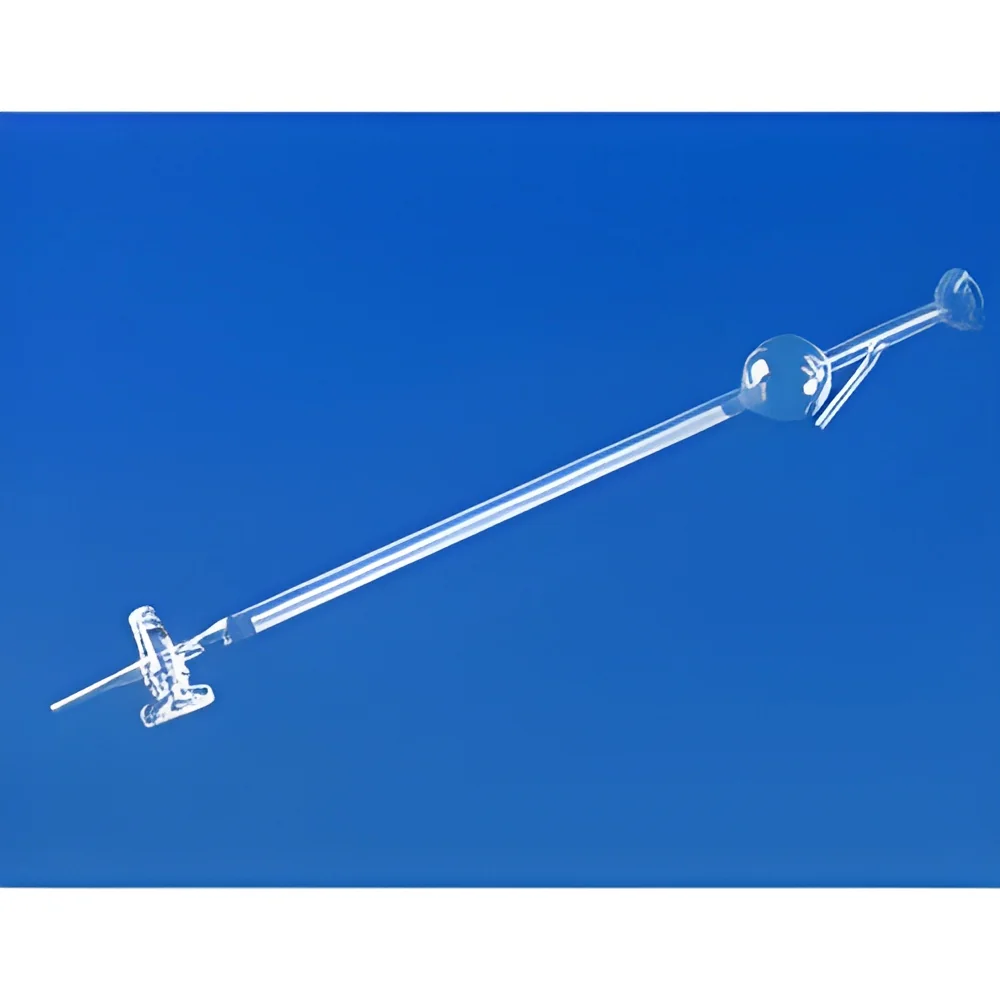
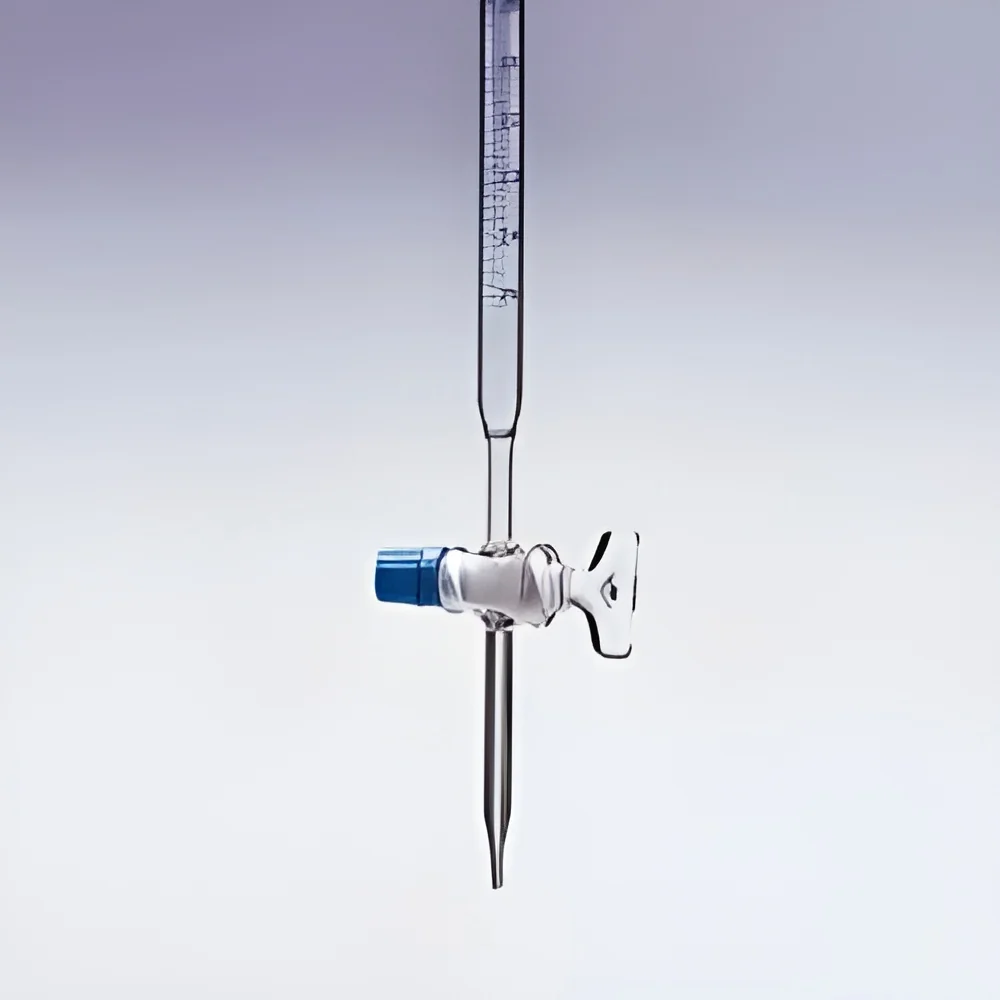
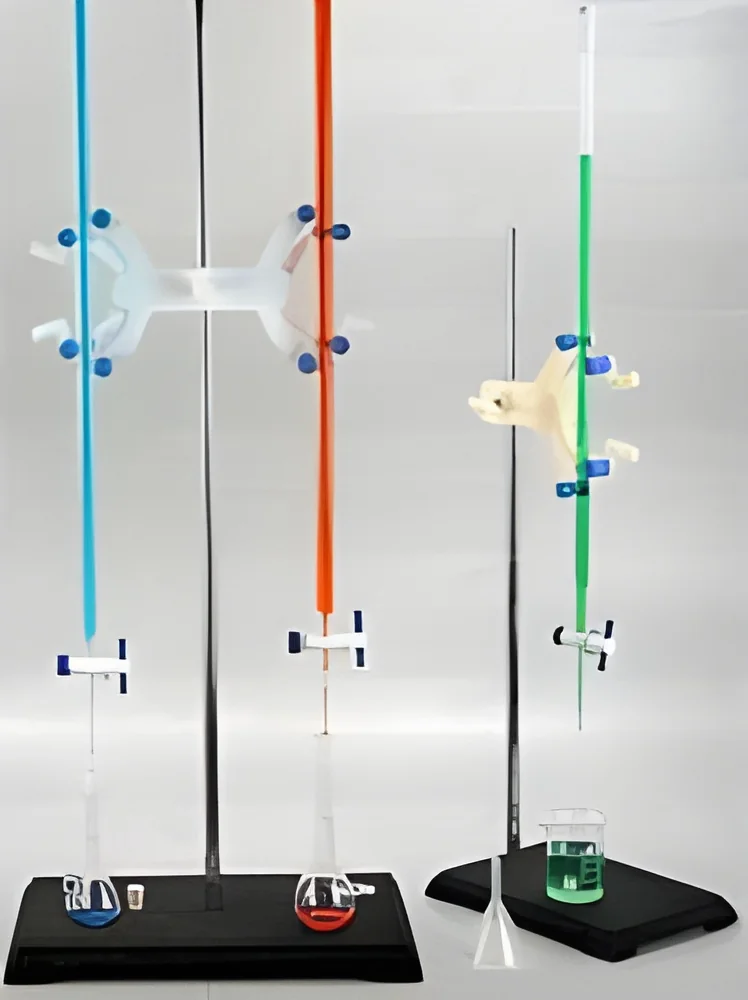
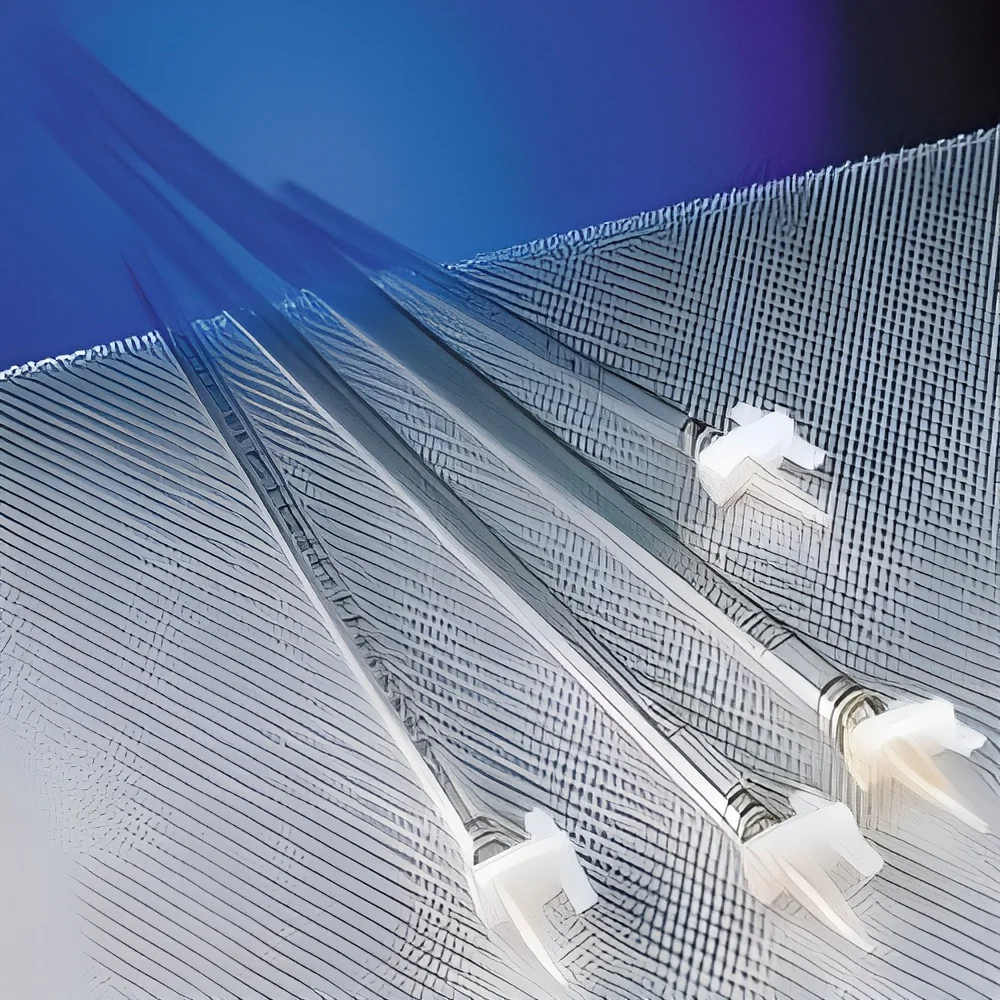
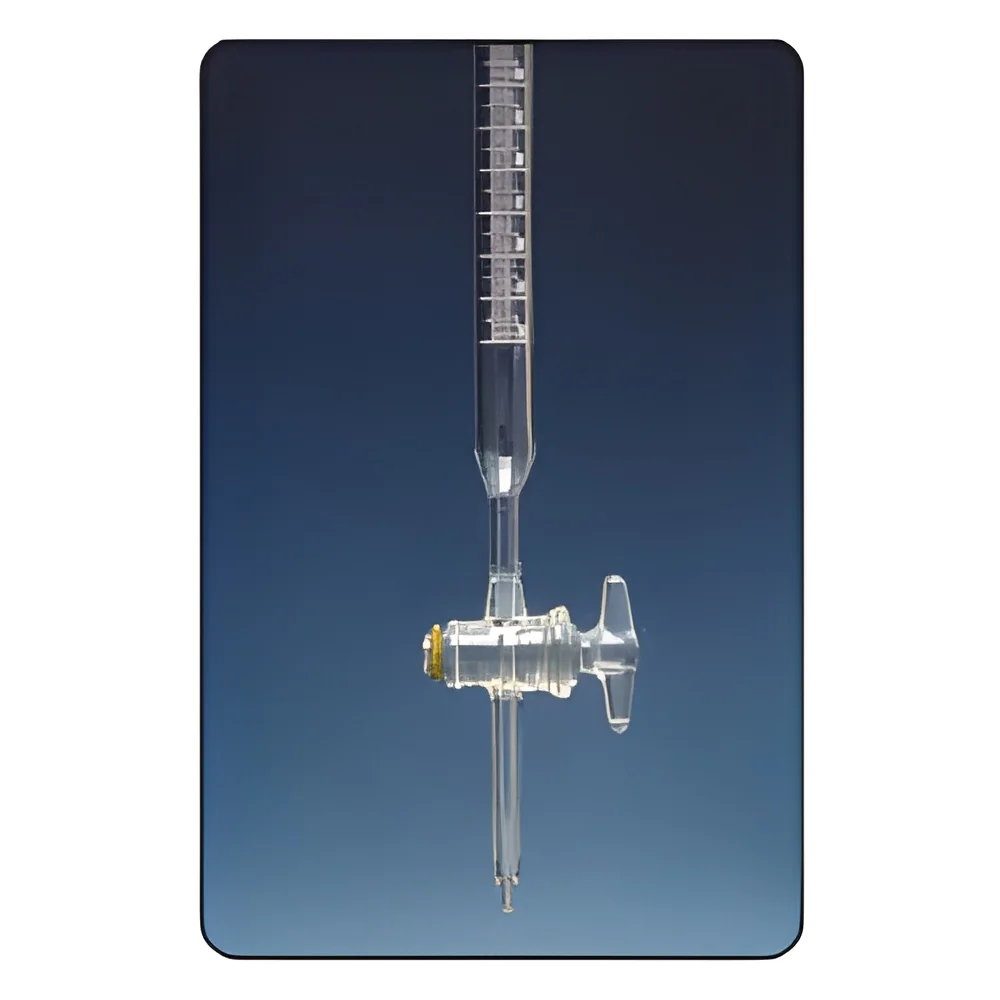
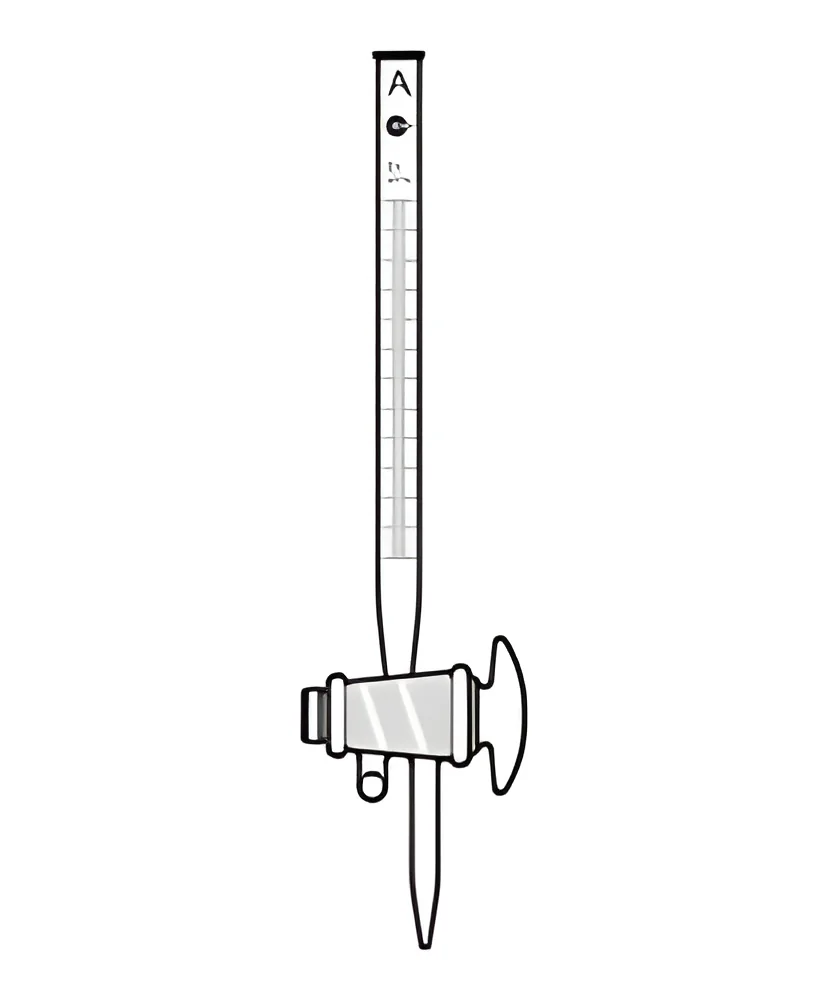
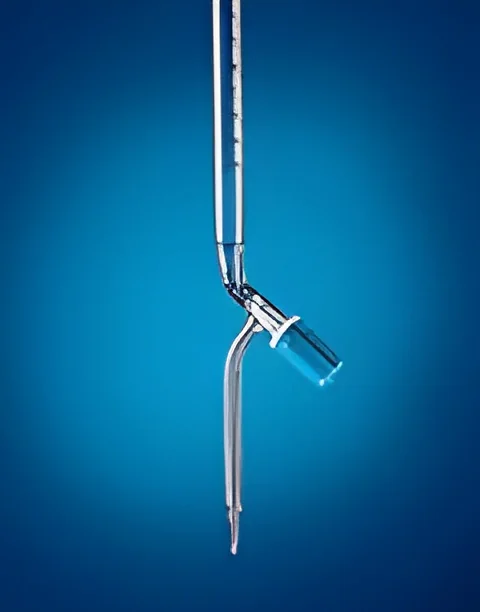
Burettes are precise volumetric instruments used in laboratories for dispensing specific volumes of liquid. They typically consist of a long, graduated glass or plastic tube with a stopcock at the bottom that allows for controlled release of the liquid. Burettes are essential tools for titration processes, where accurate measurement of liquid reagents is critical for determining concentrations in chemical solutions.
The primary uses of burettes span across various scientific disciplines, including chemistry, biology, and environmental science. They are commonly employed in titrations to analyze the concentration of solutions, making them invaluable in educational institutions, research laboratories, and industrial settings. Burettes ensure high levels of accuracy and reproducibility, which are crucial for experiments, quality control, and product formulation.
In the context of industry relevance, burettes play a significant role in fields such as pharmaceuticals, food and beverage, and chemical manufacturing. The global market for laboratory equipment continues to grow, driven by advancements in research and development, increasing laboratory activities, and a rising demand for quality control processes. As such, burettes remain a key component in achieving precise measurements and maintaining high quality in various applications.
Key Features and Specifications
Burettes come with several features that make them suitable for precise liquid dispensing. They are designed to provide accurate measurements and are available in various sizes and materials to suit different applications. Understanding the specifications is essential for selecting the right burette for your needs.
Key specifications include:
1. Material
- Burettes are typically made of glass or plastic.
- Glass burettes are chemically resistant and provide better accuracy.
2. Volume Capacity
- Common capacities range from 25 mL to 100 mL.
- Larger capacities are available for specific applications.
3. Graduation
- Graduated markings for precise volume measurements.
- Standard graduation intervals are 0.1 mL or 0.01 mL.
4. Stopcock Type
- Common types include glass stopcocks and PTFE (Teflon) stopcocks.
- PTFE stopcocks offer better chemical resistance.
5. Design
- Some burettes feature a built-in leveling device for enhanced accuracy.
- Others may include anti-drip designs to prevent wastage.
6. Compatibility
- Certain burettes are compatible with automated titration systems.
- Consideration of the chemical compatibility is crucial.
7. Temperature Resistance
- Data not available for specific temperature ranges.
In summary, selecting a burette involves evaluating its material, capacity, graduation, and design features to ensure it meets the requirements of your application.
Common Applications and Use Cases
Burettes are utilized across a variety of industries, reflecting their versatility and importance in precise measurement.
1. Chemical Manufacturing: Burettes are used for titrations to ensure accurate formulation of chemical products, which is vital for quality control.
2. Pharmaceuticals: In drug formulation and testing, burettes help in accurately measuring reagents, thereby ensuring the efficacy and safety of medications.
3. Food and Beverage: Burettes are employed in laboratories to test the acidity and other chemical properties of food products, ensuring compliance with regulatory standards.
4. Environmental Testing: Burettes are used in water quality analysis, where precise measurement of reagents is critical for detecting contaminants.
5. Educational Institutions: In chemistry labs, burettes are fundamental tools for teaching students about titration and quantitative analysis.
6. Petrochemicals: Burettes assist in measuring the precise amounts of solvents and reagents during the analysis of petroleum products.
7. Biotechnology: In biomanufacturing processes, burettes are essential for accurately dispensing media and reagents.
Product Variants and Subcategories
Burettes are available in various forms to meet specific user requirements. Each variant is tailored for different applications, ensuring users have the right tool for their needs.
Standard Glass Burette: This variant is commonly used in laboratories and features a clear graduated scale for easy reading. It is ideal for most titration applications due to its accuracy and chemical resistance.
Plastic Burette: Designed for use in environments where breakage is a concern, plastic burettes are lightweight and suitable for less corrosive solutions. They offer ease of handling and durability.
Digital Burette: This advanced variant incorporates electronic components to provide digital readings of liquid levels. It is beneficial for users who require high precision and ease of use in their measurements.
Manual Burette: A traditional option that requires manual operation for dispensing liquids. It is a cost-effective choice for educational settings or low-volume applications.
Benefits and Advantages
Using burettes offers several benefits that enhance laboratory and industrial processes.
1. Precision: Burettes provide high accuracy in liquid measurement, which is crucial for experiments and formulations.
2. Reproducibility: The consistent design allows for repeated measurements, ensuring reliable results across multiple tests.
3. Versatility: Suitable for various applications across multiple industries, burettes can be adapted to meet specific needs.
4. Ease of Use: The design of burettes includes features that facilitate straightforward operation, making them user-friendly.
5. Chemical Resistance: Many burettes are made from materials resistant to a wide range of chemicals, ensuring longevity and reliability.
6. Cost-Effectiveness: Burettes are available in various price ranges, making them accessible for different budgets while still offering quality performance.
Buying Guide for B2B Buyers
When sourcing burettes, businesses should consider several key factors to ensure they select the best product for their needs.
1. Quality Assessment: Evaluate the quality of burettes by reviewing manufacturer specifications and certifications. Look for products that meet industry standards for accuracy and reliability.
2. Supplier Verification: Ensure that suppliers are reputable and have a history of providing high-quality laboratory equipment. Check for customer reviews and industry accreditations.
3. Pricing and MOQ: Compare prices among different suppliers and consider the minimum order quantities (MOQ). This can impact both budgeting and inventory management.
4. Delivery and Lead Times: Assess the supplier’s ability to meet delivery deadlines. Understanding lead times is crucial for maintaining laboratory workflow and project timelines.
5. Compliance Requirements: Verify that the burettes comply with relevant industry regulations and standards. This is especially important in regulated industries like pharmaceuticals and food production.
Compliance and Certifications
Burettes must adhere to specific quality standards to ensure their effectiveness and safety in laboratory applications. Common quality standards include ISO 9001, which focuses on quality management systems, and HACCP, which ensures food safety. Additionally, many burettes carry the CE mark, indicating compliance with European safety standards.
The safety and testing requirements for burettes involve rigorous evaluations to ensure they can withstand various laboratory conditions without failure. This includes assessments for chemical resistance and precision.
Regional compliance considerations can vary, so it is essential for businesses to be aware of local regulations that may impact the use of laboratory equipment. Ensuring compliance not only protects the integrity of experiments but also safeguards against legal and financial repercussions.
Why Source Burettes from Pepagora?
Pepagora offers a trusted platform for sourcing burettes, providing several key advantages for B2B buyers.
Verified Supplier Network: Pepagora has a robust network of verified suppliers, ensuring that businesses can find quality burettes from reputable sources. This verification process helps mitigate risks associated with supplier reliability.
Streamlined RFQ Process: The request for quotation (RFQ) system simplifies the sourcing process. Buyers can easily compare prices and specifications from multiple suppliers, making informed decisions quickly.
Trade Assurance and Support: Pepagora provides trade assurance measures that protect buyers throughout the purchasing process. This includes support for resolving issues and ensuring that orders meet expectations.
Regional Coverage: With a focus on markets in India, the Gulf Cooperation Council (GCC), and Southeast Asia, Pepagora offers extensive geographic reach. This allows businesses to access a wide variety of products while benefiting from local market knowledge.

 IN
IN