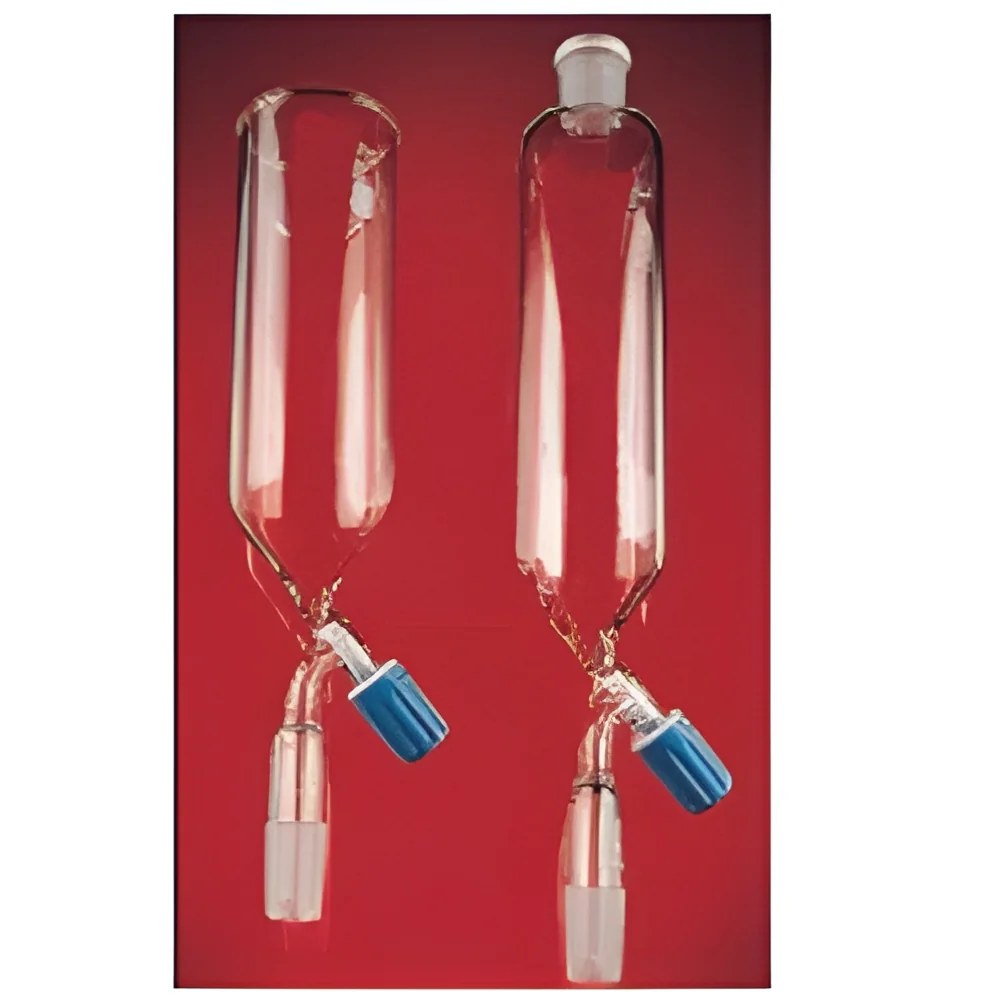
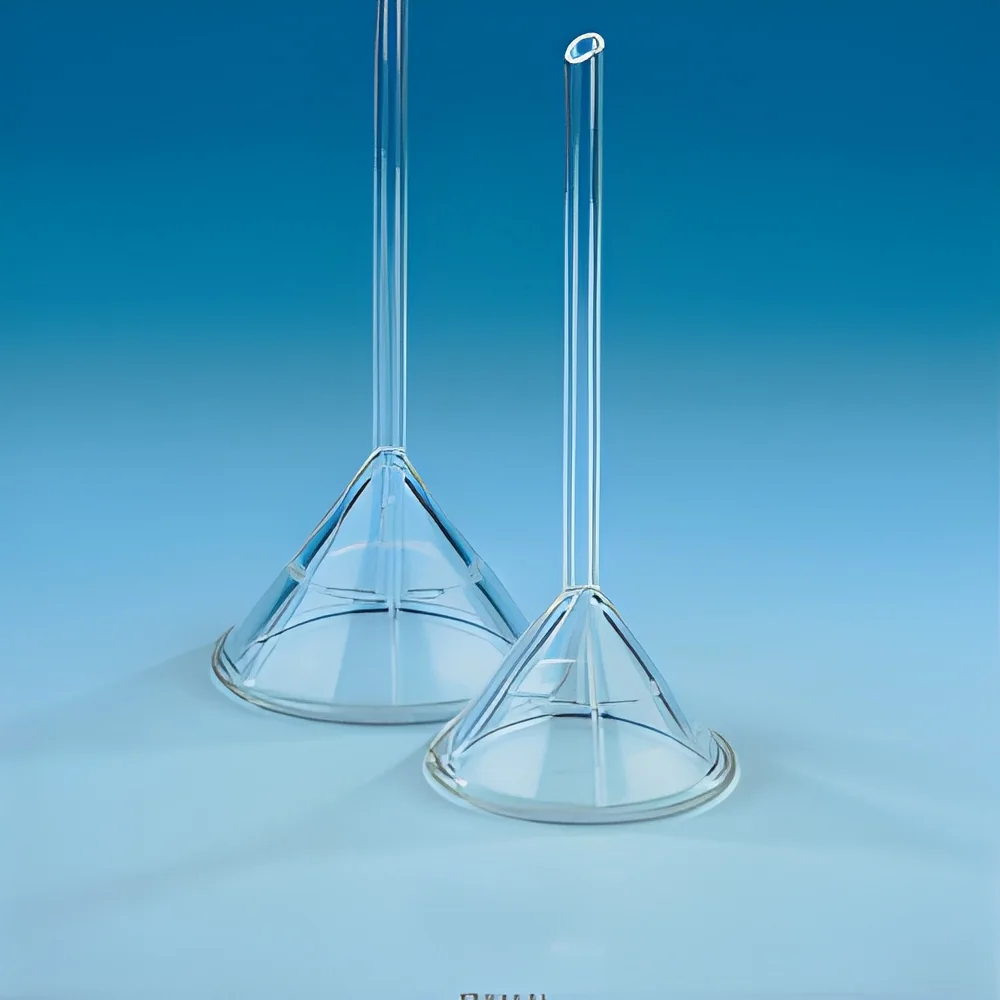
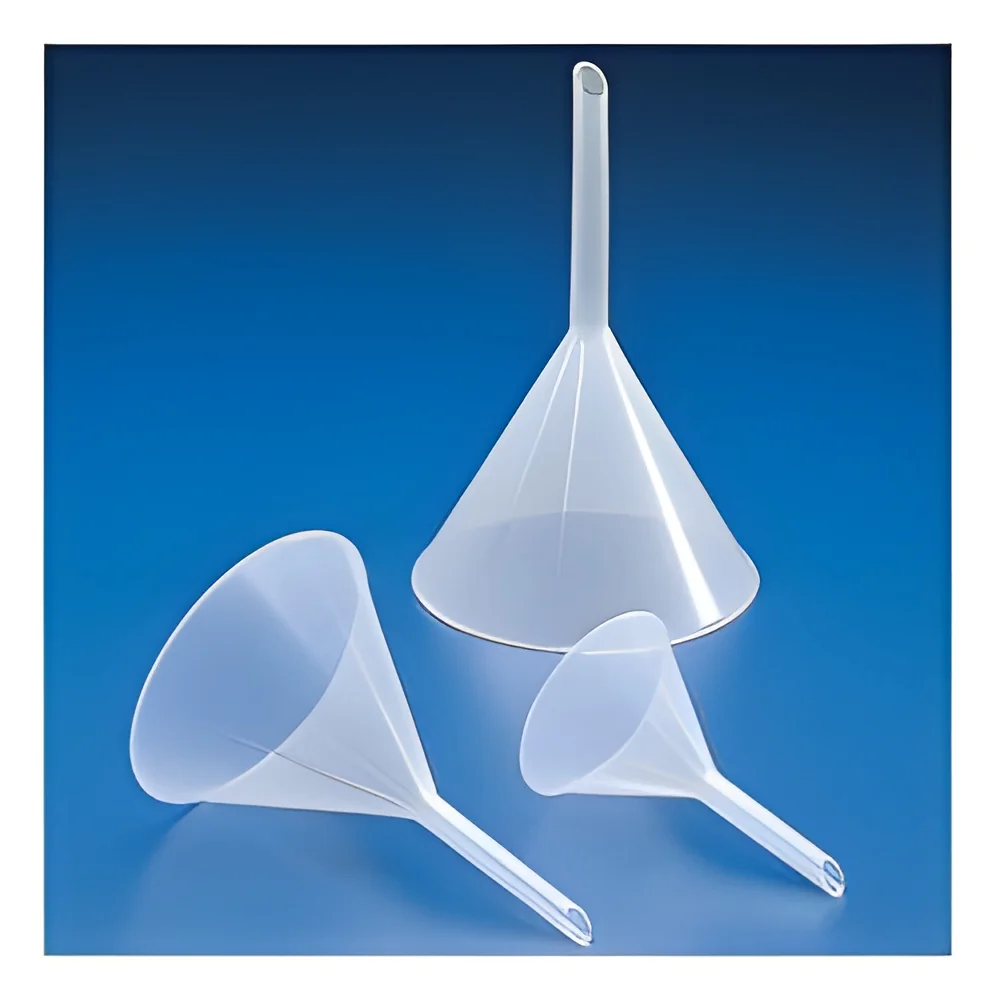
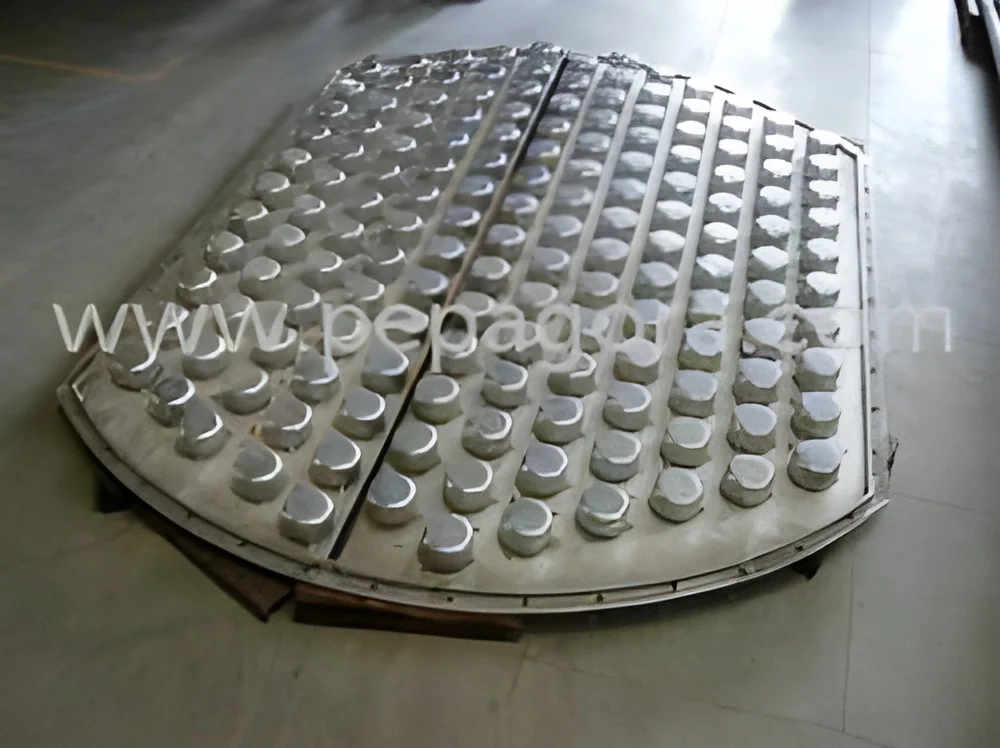
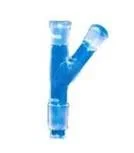
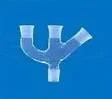
What are Funnels?
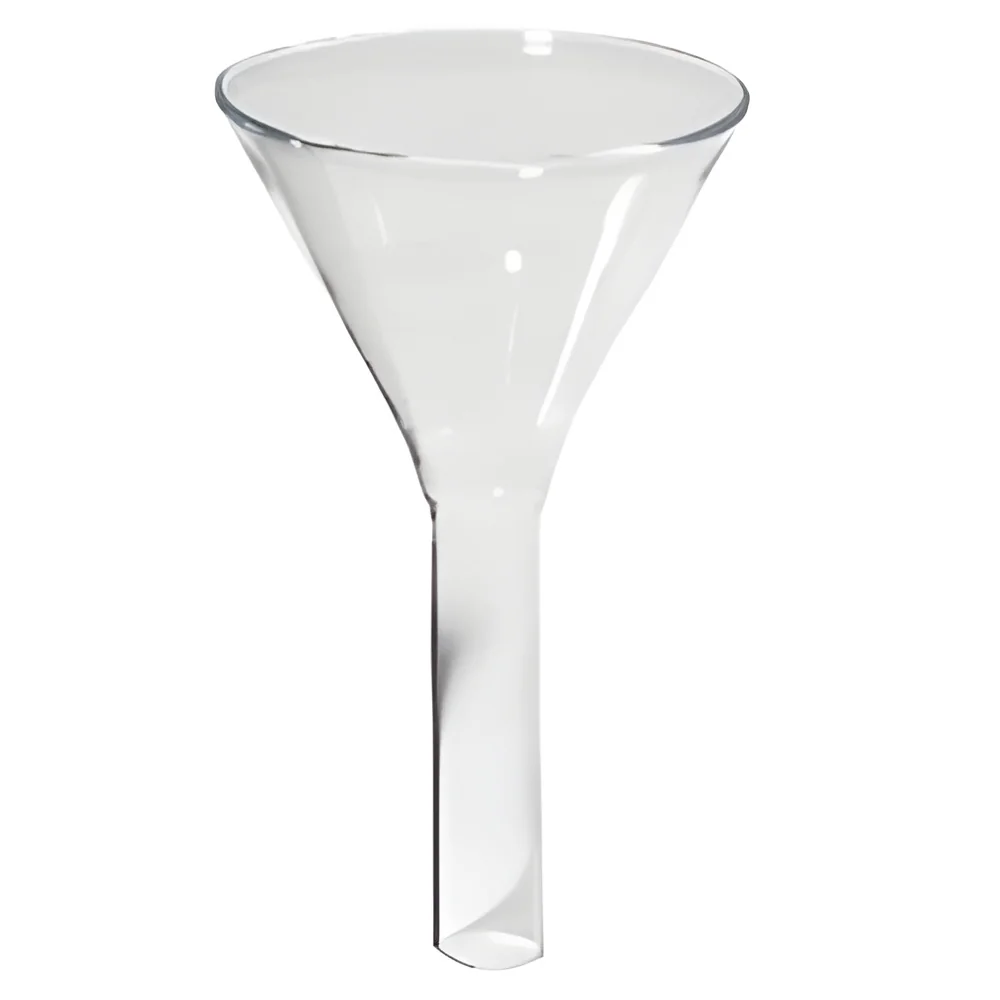
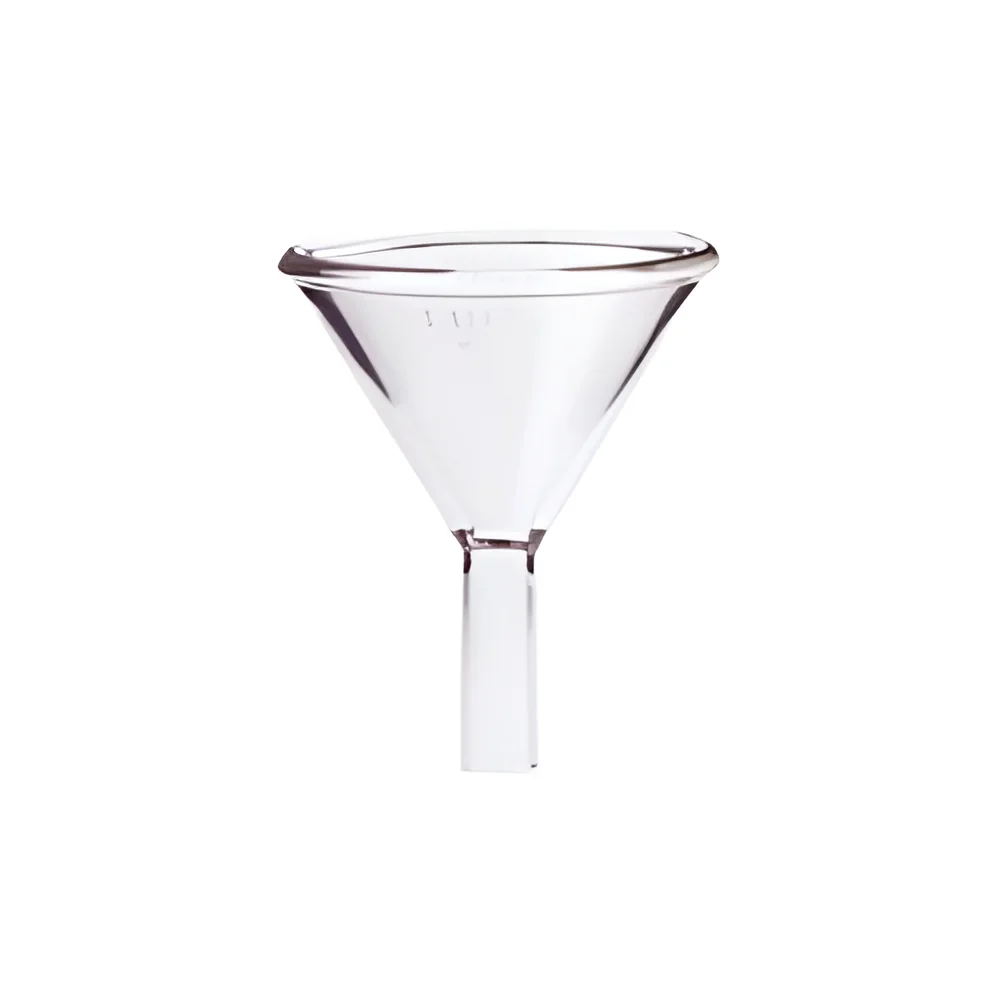
Funnels are essential tools used in various industries for the efficient handling and transfer of liquids and gases. They are typically conical in shape, designed to channel materials from a larger opening to a smaller one, thereby facilitating a smooth flow. Funnels can be made from a variety of materials, including metal, plastic, and glass, depending on the specific requirements of the application.
The primary uses of funnels span across manufacturing, food processing, pharmaceuticals, and chemical industries. In these sectors, funnels are used to aid in the accurate pouring and transfer of substances while minimizing spillage and waste. They are critical for ensuring safety and efficiency in operations, especially when dealing with hazardous materials. The market for funnels is robust, driven by the need for precision in industrial processes and the growing emphasis on workplace safety and compliance.
Given their widespread applications, funnels are integral to maintaining productivity and quality in industrial operations. Various designs and sizes cater to different requirements, making them a versatile solution in both small-scale and large-scale production environments.
Key Features and Specifications
Funnels come equipped with several features that enhance their functionality across different applications. Understanding these specifications helps buyers select the right product for their needs.
Key specifications include:
1. Material Composition
- Options include stainless steel, plastic, and glass.
- Each material offers unique advantages in terms of durability and chemical resistance.
2. Size and Capacity
- Funnels are available in various sizes to accommodate different volumes.
- Common sizes range from small (100ml) to large (5L and above).
3. Spout Design
- The spout can vary in diameter and length.
- A narrower spout allows for more precise pouring.
4. Temperature Resistance
- Some funnels are designed to withstand extreme temperatures.
- This is crucial for applications involving hot liquids or chemicals.
5. Surface Finish
- Options may include polished, matte, or coated surfaces.
- The finish can affect both aesthetics and ease of cleaning.
6. Compliance Standards
- Many funnels adhere to safety and quality standards such as CE certification.
- Compliance ensures reliability and performance.
7. Customization Options
- Some manufacturers offer funnels tailored to specific applications.
- Customization can include size, material, and spout design.
8. Ease of Cleaning
- Funnels designed for food or pharmaceutical use often have smooth surfaces for easy cleaning.
- This feature is essential for maintaining hygiene standards.
In summary, the choice of funnel features and specifications significantly impacts their performance and suitability for specific tasks.
Common Applications and Use Cases
Funnels serve various industries, each benefiting from their unique features and functions.
1. Food Industry: In food processing, funnels are used for transferring liquids like sauces and oils. They help maintain hygiene and prevent contamination during the pouring process.
2. Pharmaceutical Sector: Funnels play a vital role in dispensing medications and chemicals accurately. Their design minimizes spillage, ensuring precise dosages.
3. Chemical Manufacturing: In this industry, funnels facilitate the safe transfer of hazardous materials. Their durability and resistance to chemicals are crucial for operational safety.
4. Automotive: Funnels are commonly used in oil changes and fluid transfers within vehicles. Their design allows for easy handling and minimizes mess.
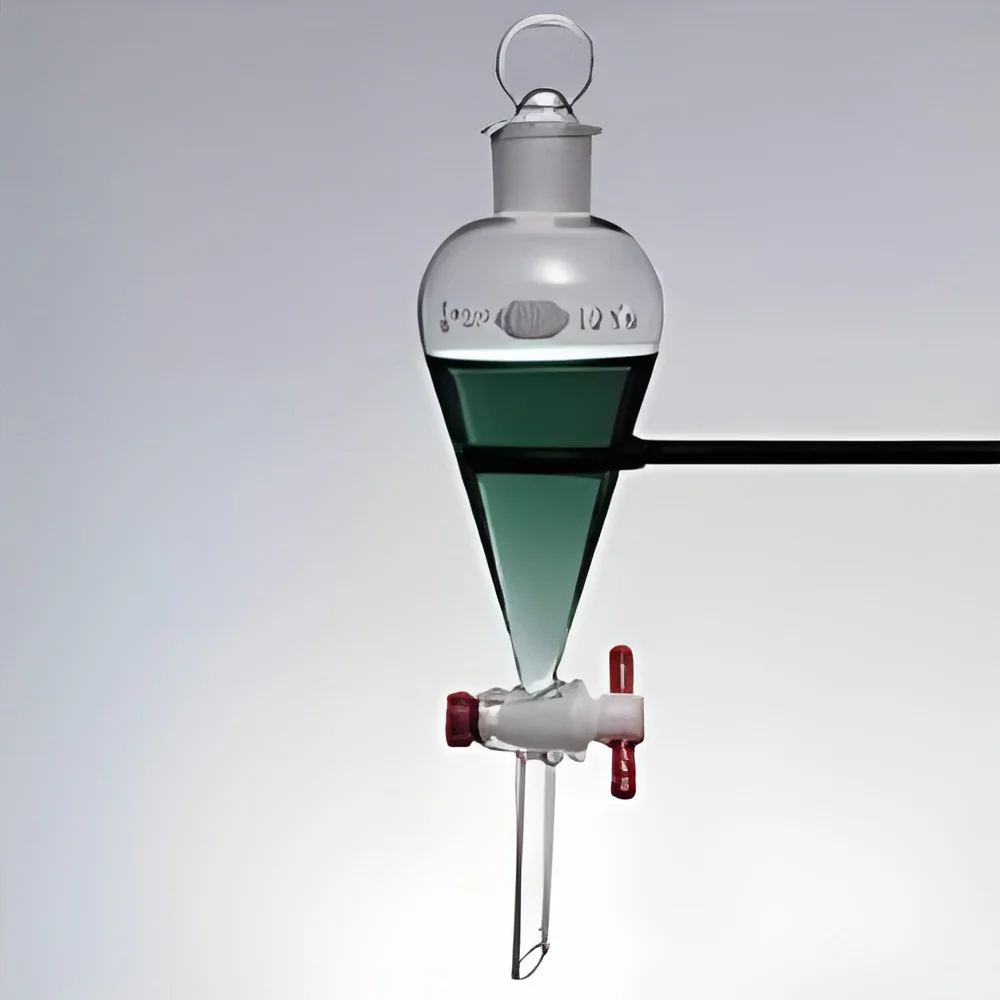
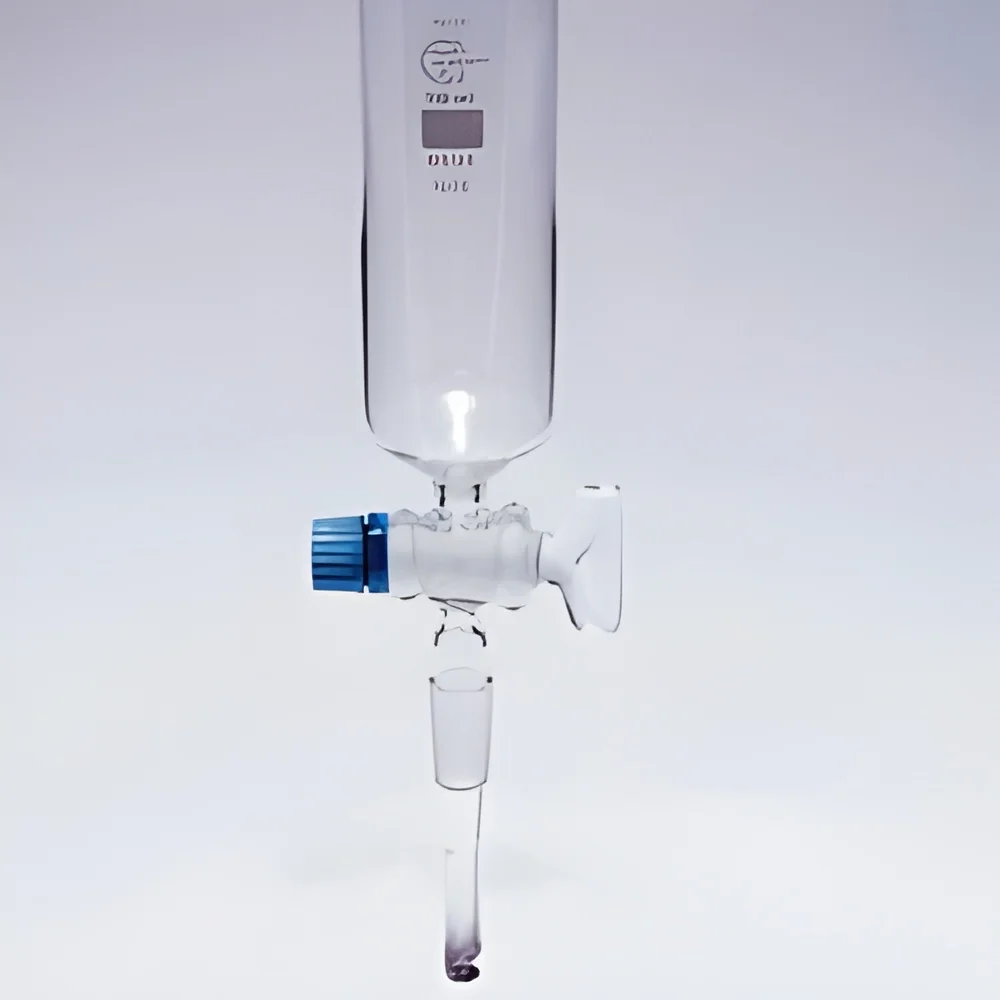
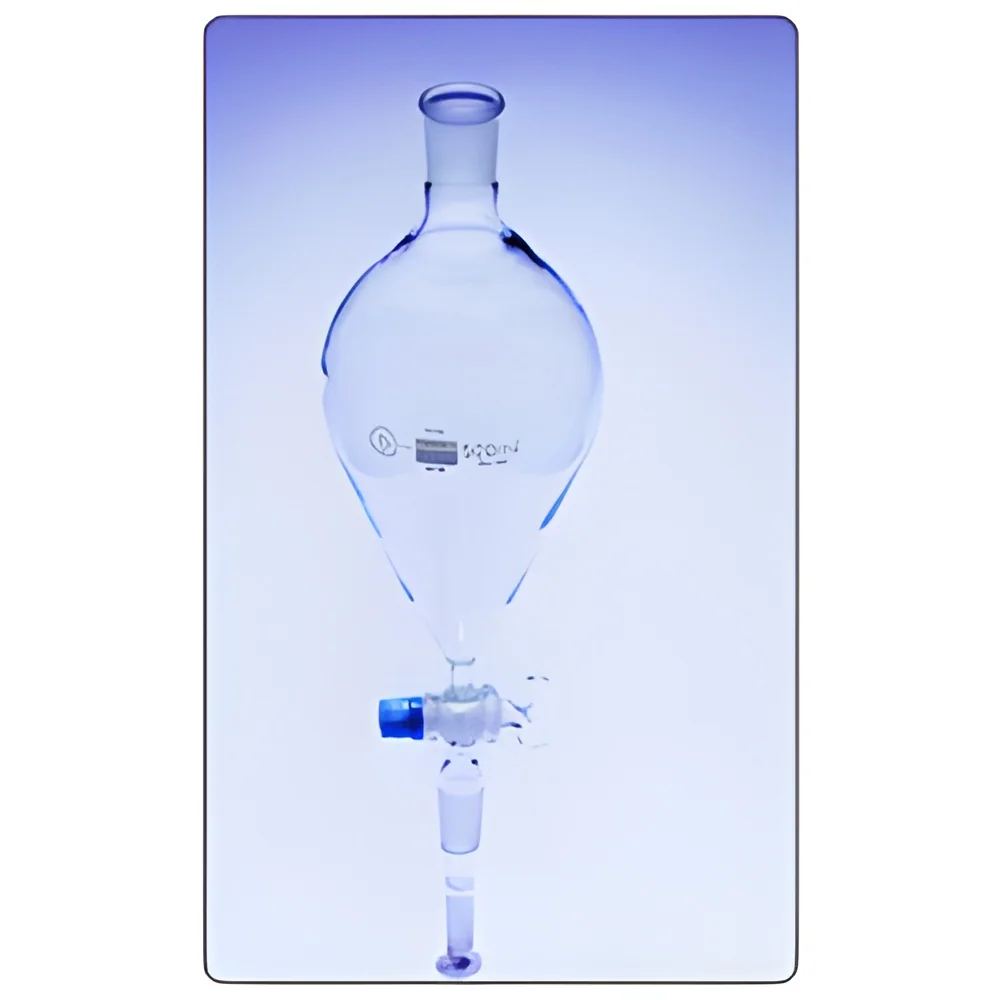
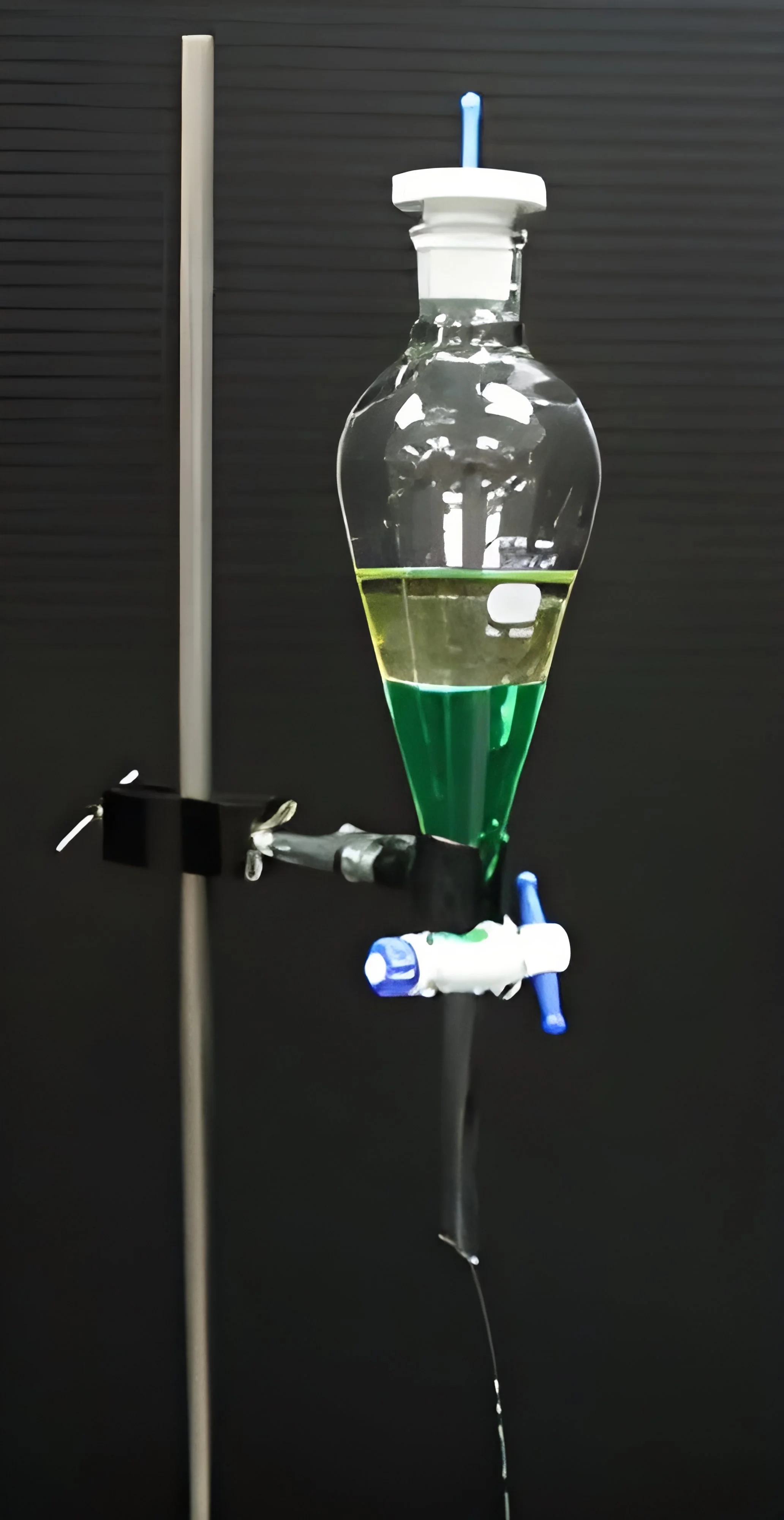
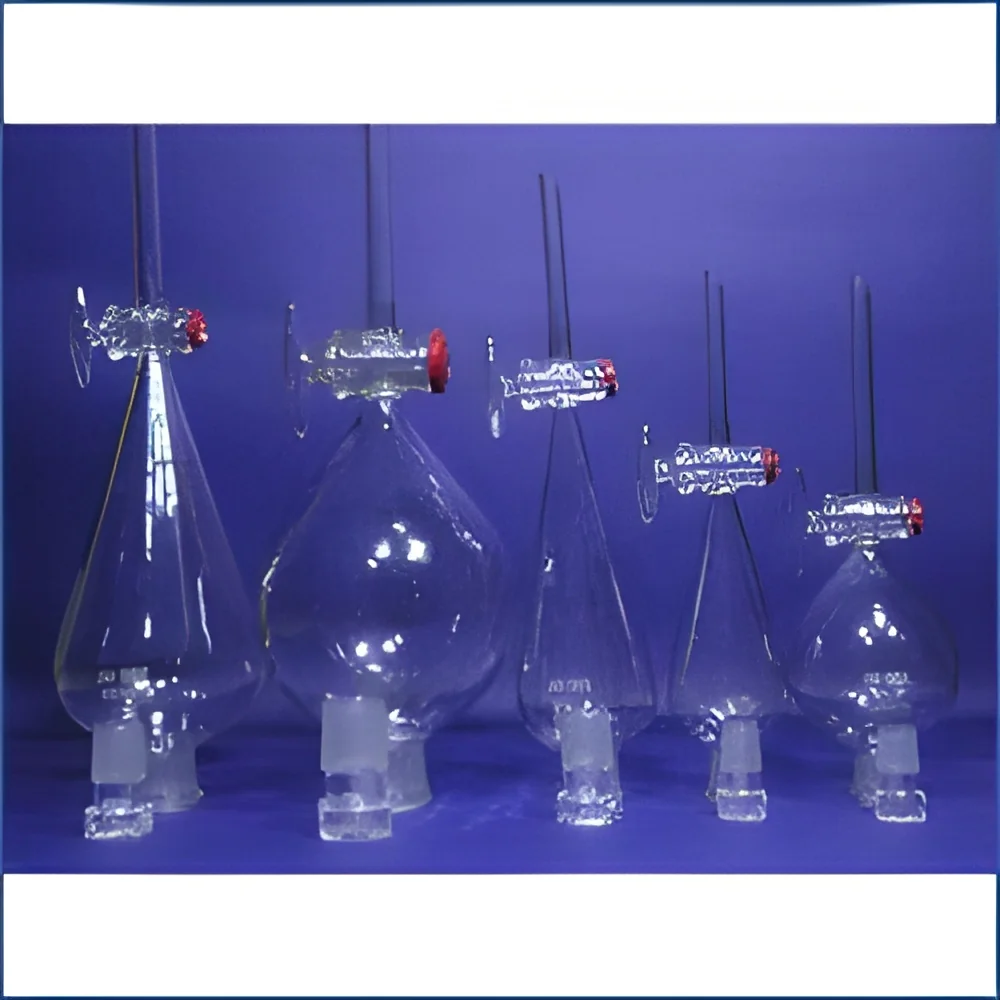
5. Laboratory Use: In laboratories, funnels are essential for transferring liquids between containers safely. They often come with filters for separating solids from liquids.
6. Construction: Funnels assist in pouring concrete and other materials, ensuring accurate placement and reducing waste.
7. Beverage Production: In beverage manufacturing, funnels are utilized for filling bottles and cans efficiently, ensuring minimal spillage during the process.
Product Variants and Subcategories
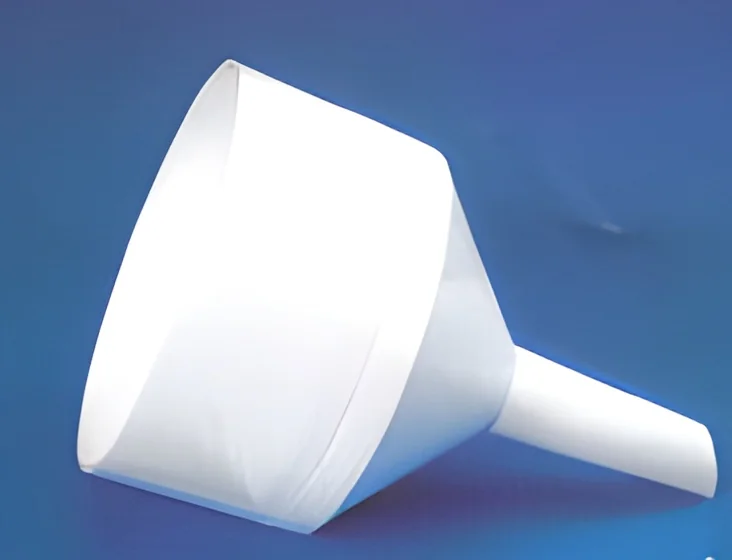
Funnels come in various forms, each designed to meet specific needs within different industries.
Standard Funnel
This is the most common type, suitable for general use in various applications. It is versatile and easy to handle.
Collapsible Funnel
Designed for space-saving, this funnel can be collapsed when not in use. It is ideal for mobile operations and small storage areas.
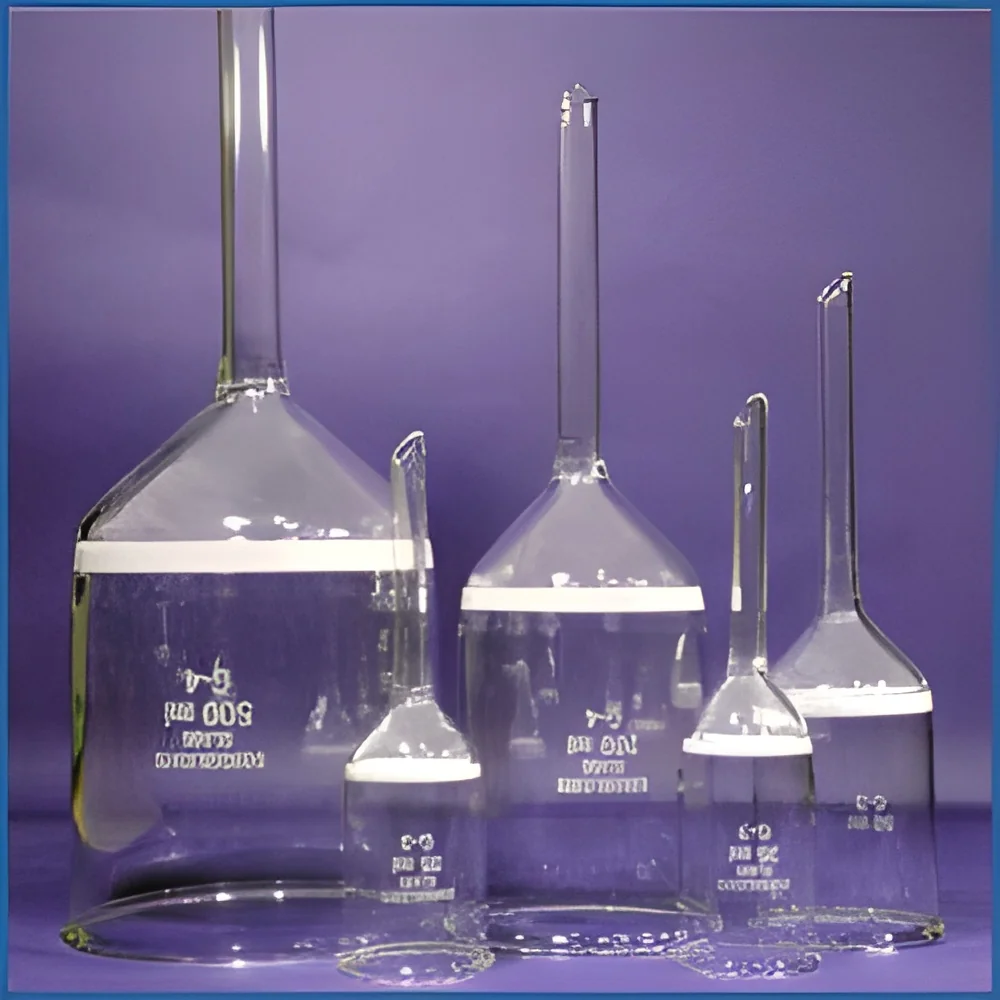
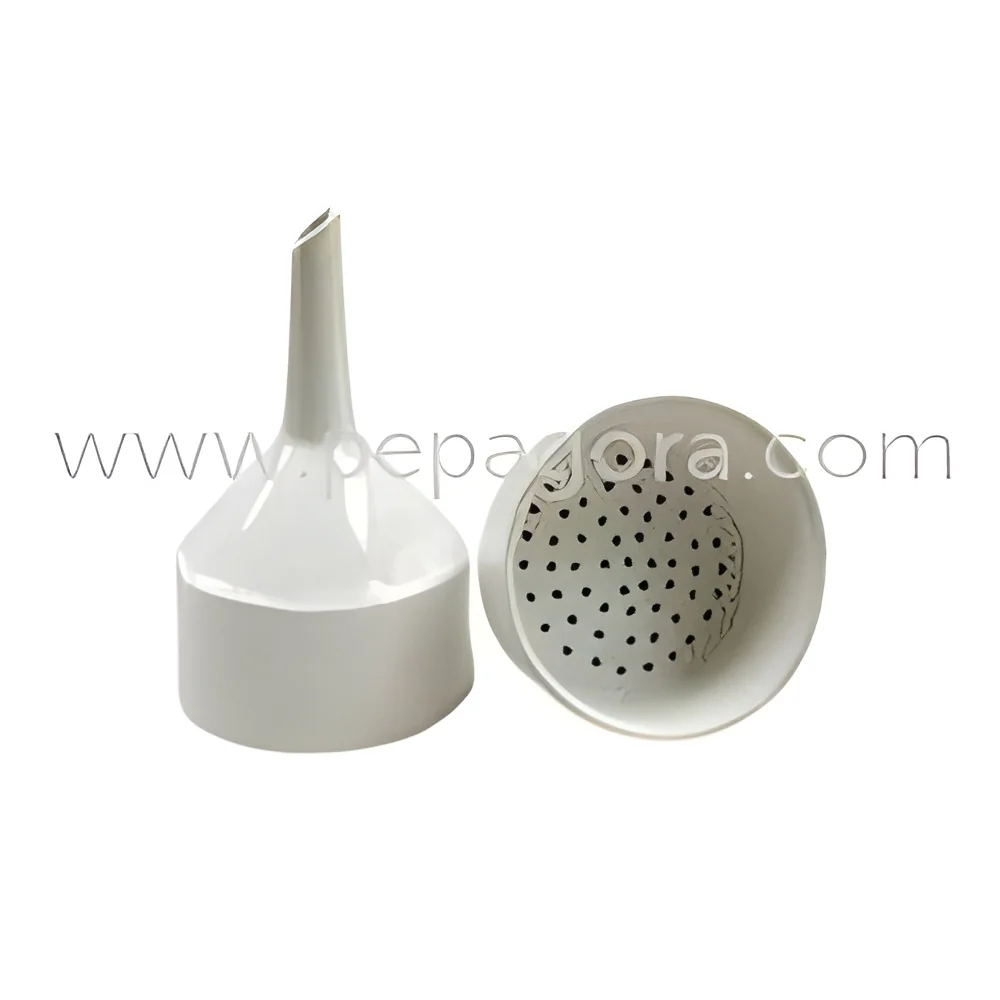
Filtering Funnel
This variant includes a built-in filter, making it perfect for separating solids from liquids in laboratories and food applications.
Wide-Mouth Funnel
With a larger diameter, this funnel is designed for transferring bulk materials quickly. It is often used in construction and food industry applications.
Benefits and Advantages
Funnels offer numerous advantages that enhance operational efficiency and safety.
1. Precision Pouring: Funnels allow for controlled pouring, reducing the risk of spills and waste.
2. Improved Safety: They help in minimizing exposure to hazardous materials, ensuring a safer working environment.
3. Versatility: Available in various sizes and materials, funnels can be used across multiple industries and applications.
4. Easy Handling: The design of funnels makes them easy to use, even in tight spaces.
5. Cost-Effective: By reducing waste and improving efficiency, funnels can lead to lower operational costs.
6. Hygiene Compliance: Funnels designed for food and pharmaceutical use meet stringent hygiene standards, ensuring safe transfer of materials.
Buying Guide for B2B Buyers
When sourcing funnels, it is essential to consider several key factors to ensure the best fit for your needs.
1. Quality Assessment: Evaluate the material and construction quality of the funnels. Look for certifications that indicate compliance with industry standards.
2. Supplier Verification: Vet suppliers to ensure they have a reputation for reliability and quality. Check reviews and past performance.
3. Pricing and MOQ: Understand the pricing structure and minimum order quantities. Compare different suppliers to find the best deal.
4. Delivery and Lead Times: Assess the supplier's ability to meet your delivery timelines. Timely delivery is crucial for maintaining production schedules.
5. Compliance Requirements: Ensure that the funnels meet any relevant industry regulations and safety standards. This is particularly important in food and pharmaceutical applications.
Compliance and Certifications
Compliance with industry standards is vital for ensuring the quality and safety of funnels.
Many funnels adhere to quality standards such as ISO 9001, which ensures consistent quality management systems. Additionally, HACCP (Hazard Analysis Critical Control Point) standards are crucial in food processing, providing guidelines to ensure food safety.
In terms of certifications, CE marking indicates that products meet European health and safety requirements. This is especially relevant for products used in the European market.
Safety and testing requirements are also essential, particularly in industries dealing with hazardous materials. Regular inspections and compliance checks help ensure that funnels perform safely and effectively.
Regional compliance considerations may vary, so it is important to understand the specific regulations applicable in your region, especially when exporting or importing funnels.
Why Source Funnels from Pepagora?
Pepagora offers a reliable platform for sourcing funnels, providing several key advantages to B2B buyers.
Verified Supplier Network: Pepagora ensures that all suppliers are thoroughly vetted, providing buyers with confidence in the quality and reliability of the products they source.
Streamlined RFQ Process: The request for quotation (RFQ) system simplifies the purchasing process, allowing buyers to receive competitive quotes from multiple suppliers quickly.
Trade Assurance and Support: Pepagora provides trade assurance, protecting buyers from risks associated with transactions. This includes support for any issues that may arise during the purchasing process.
Regional Coverage: With a strong presence in India, the GCC, and Southeast Asia, Pepagora offers extensive geographic coverage, making it easier for businesses to source funnels from reputable suppliers in their region.

 IN
IN