What are Petri Dish?
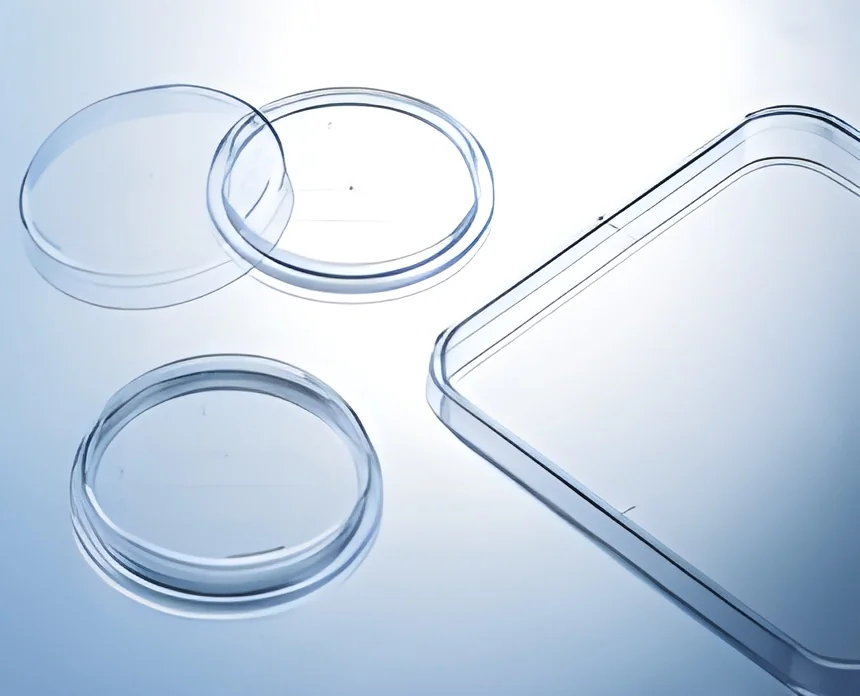
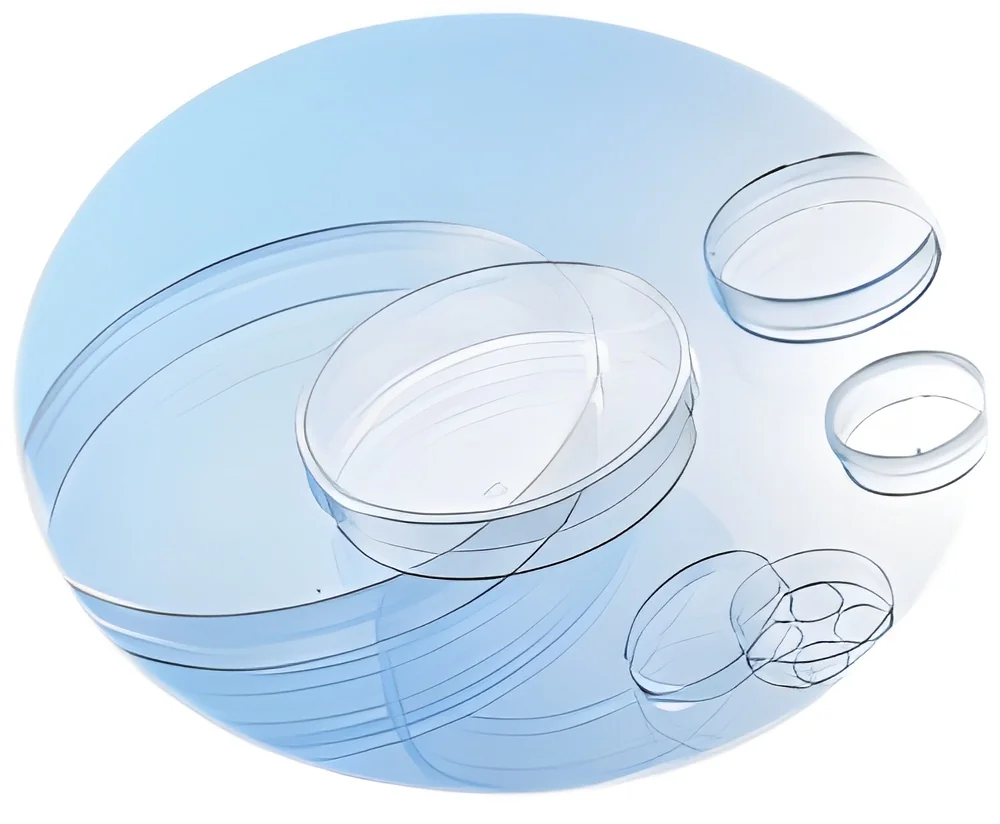
A Petri dish is a shallow, flat, cylindrical, and typically made of glass or plastic container that is used in laboratories for the culture of microorganisms. Named after the German bacteriologist Julius Richard Petri, these dishes are designed to provide a controlled environment for the growth of bacteria, fungi, and other microorganisms. The lid of the dish allows it to be covered, reducing the risk of contamination while still allowing for gas exchange.
Petri dishes primarily serve scientific and industrial purposes across various fields, including microbiology, molecular biology, and environmental testing. They are essential for conducting experiments, isolating microbial colonies, and performing sensitivity tests to antibiotics. In the business context, these dishes are widely utilized in pharmaceutical companies, food safety laboratories, and research institutions, making them a crucial component for quality control and scientific research.
In the market, Petri dishes are available in various sizes and materials, catering to specific needs and applications within the life sciences industry. As the demand for microbiological testing continues to grow, the market for Petri dishes remains robust, driven by advancements in research and the need for stringent quality standards in product testing and validation.
Key Features and Specifications
Petri dishes come with several key features and specifications that make them suitable for laboratory use. These specifications are critical for ensuring accurate results in microbial culture and experimentation.
Key specifications include:
1. Material
- Typically made from glass or polystyrene
- Glass dishes are reusable and autoclavable, while plastic dishes are often single-use
2. Size
- Common sizes include 60 mm, 90 mm, and 100 mm in diameter
- Specific sizes can accommodate different volumes of media
3. Lid Design
- Dishes may have a vented lid for gas exchange or a solid lid to minimize evaporation
- Some designs feature a locking mechanism to prevent contamination
4. Sterility
- Available in sterile or non-sterile options
- Sterile dishes are gamma-irradiated or ethylene oxide treated
5. Graduations
- Some variants include graduated markings on the side for easy measurement
- Useful for precise media dispensing
6. Color
- Clear options for visibility or colored variants for specific applications
- Color can aid in differentiating between types of media or organisms
7. Compatibility
- Designed to be compatible with various types of culture media
- Can be used for both solid and liquid media applications
8. Temperature Resistance
- Suitable for incubations generally up to 60 degrees Celsius
- Glass dishes can withstand higher temperatures compared to plastic
These specifications ensure that Petri dishes meet the rigorous demands of laboratory environments, enhancing reliability and reproducibility in experimental procedures.
Common Applications and Use Cases
Petri dishes serve various industries, each utilizing them for specific applications.
1. Microbiology: In microbiology labs, Petri dishes are essential for isolating and culturing bacterial and fungal strains. They allow researchers to study microbial growth patterns and antibiotic resistance.
2. Pharmaceutical: Pharmaceutical companies use Petri dishes for quality control testing of raw materials and products. They are crucial in the development of new drugs and vaccines.
3. Food Safety: In food safety laboratories, Petri dishes help assess the microbial load in food products. They are used for testing food samples for pathogens and spoilage organisms.
4. Environmental Testing: Environmental scientists utilize Petri dishes to monitor microbial contamination in soil and water samples, ensuring environmental safety and compliance with regulations.
5. Clinical Research: In clinical laboratories, Petri dishes are used to culture samples from patients. This helps in diagnosing infections and determining appropriate treatments.
6. Biotechnology: Biotechnological research often involves the use of Petri dishes for genetic engineering and cell culture experiments, playing a vital role in advancing biopharmaceuticals.
7. Education: Educational institutions use Petri dishes in biology classes to teach students about microbiology and laboratory techniques, fostering practical learning experiences.
Product Variants and Subcategories
Petri dishes come in various types and variants to meet diverse laboratory needs.
Standard Petri Dish: The most common type, made from glass or plastic, suitable for a wide range of applications including microbial culture and experimentation. These dishes are available in sterile or non-sterile options.
Vented Petri Dish: These dishes feature a lid designed with vents to allow for gas exchange while maintaining sterility. They are particularly useful for long-term cultures and minimizing evaporation.
Disposable Petri Dish: Made from plastic, these dishes are designed for single use to prevent cross-contamination. Ideal for fieldwork or high-throughput environments where sterility is paramount.
Reinforced Petri Dish: These dishes have thicker walls to prevent breakage during handling. They are suitable for applications requiring more durability, such as in busy laboratory settings.
Benefits and Advantages
Petri dishes offer numerous benefits that make them indispensable in laboratory environments.
1. Versatility: Suitable for various applications, from microbiological research to clinical diagnostics, Petri dishes are adaptable to different laboratory needs.
2. Sterility Assurance: Sterile options ensure a contamination-free environment for cultures, which is crucial for accurate experimental results.
3. Cost-Effectiveness: Disposable plastic dishes are economical, reducing cleaning and sterilization costs associated with glass dishes.
4. Ease of Use: Petri dishes are designed for easy handling and stacking, facilitating efficient use in laboratory settings.
5. Clear Visibility: Transparent materials allow for easy observation of cultures, enhancing monitoring and analysis during experiments.
6. Compatibility: Designed to work with various media types, Petri dishes can be utilized for both solid and liquid cultures, providing flexibility in experimental design.
Buying Guide for B2B Buyers
When sourcing Petri dishes, several factors should be considered to ensure the best choice for your laboratory needs.
1. Quality Assessment: Evaluate the quality of the materials used in the Petri dishes. Look for certifications such as CE to ensure compliance with industry standards.
2. Supplier Verification: Vet suppliers by checking their reputation and reliability in the market. Consider their experience and customer feedback to ensure they meet your quality expectations.
3. Pricing and MOQ: Compare prices across different suppliers and be aware of the minimum order quantities. This will help you find the best deal while meeting your laboratory's requirements.
4. Delivery and Lead Times: Ensure that the suppliers can meet your delivery timelines. Consider logistics capabilities and past performance in fulfilling orders on time.
5. Compliance Requirements: Verify that the products meet relevant regulatory standards and quality guidelines necessary for your industry, such as ISO or HACCP.
Compliance and Certifications
Compliance with quality standards and regulations is crucial for Petri dishes used in laboratory settings. Common standards include ISO 9001, ensuring a consistent quality management system.
Many Petri dishes are certified with CE marking, indicating they meet European safety and health requirements. This certification is important for laboratories in Europe and those exporting products to European markets.
Additionally, safety and testing requirements must be adhered to, particularly in industries like pharmaceuticals and food safety. Regular testing for sterility and material integrity is essential to maintain compliance.
Regional compliance considerations may vary, so it is important for buyers to be aware of local regulations regarding laboratory equipment in their specific regions.
Why Source Petri Dish from Pepagora?
Pepagora provides a trusted platform for sourcing Petri dishes, offering several key advantages for B2B buyers.
Verified Supplier Network: Pepagora has a robust network of verified suppliers, ensuring that you receive high-quality products from reputable manufacturers. This network facilitates trust and reliability in sourcing.
Streamlined RFQ Process: The platform features an efficient request for quotation (RFQ) process that simplifies procurement. Buyers can easily submit their requirements and receive competitive quotes from multiple suppliers.
Trade Assurance and Support: Pepagora offers trade assurance to protect buyers from potential issues during transactions. This includes support for dispute resolution and ensuring that orders are fulfilled as promised.
Regional Coverage: With a broad geographic reach, Pepagora connects buyers in India, the GCC, and Southeast Asia to a variety of suppliers. This regional presence allows for greater accessibility and convenience in sourcing Petri dishes.

 IN
IN