What are Beakers?
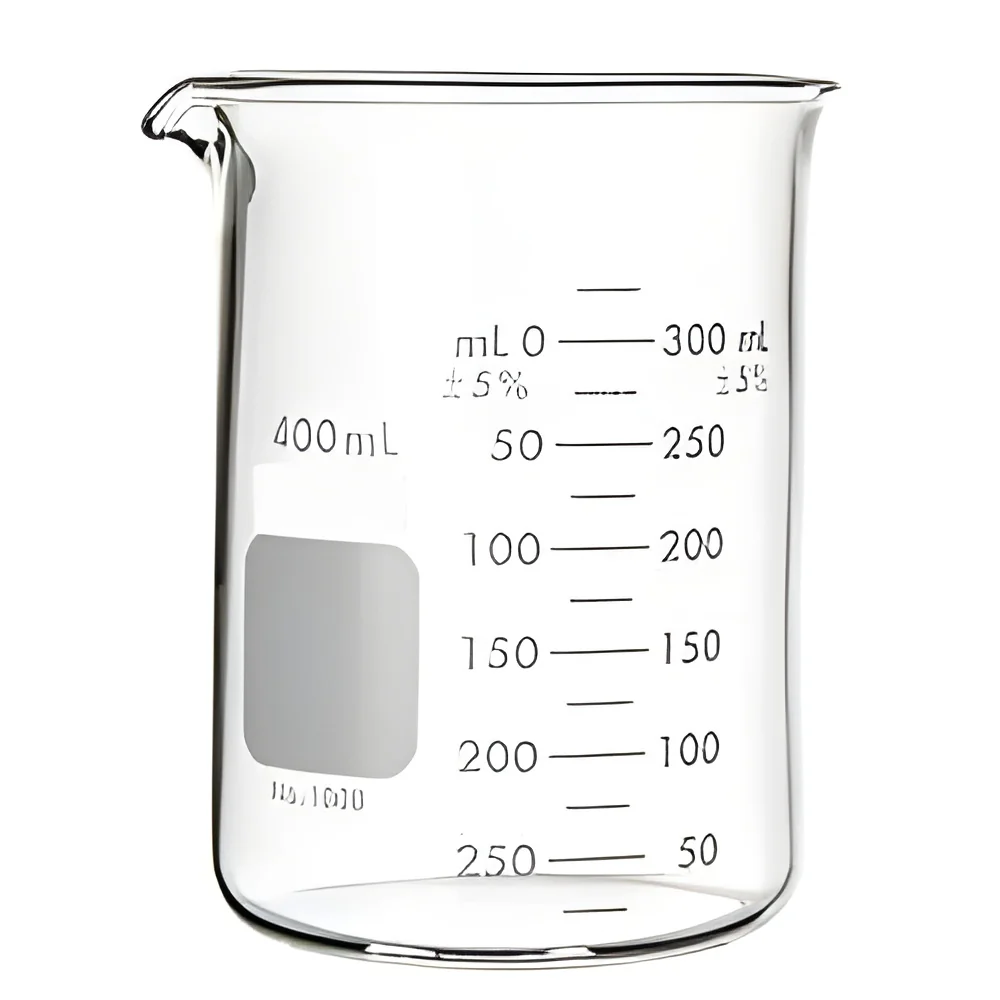
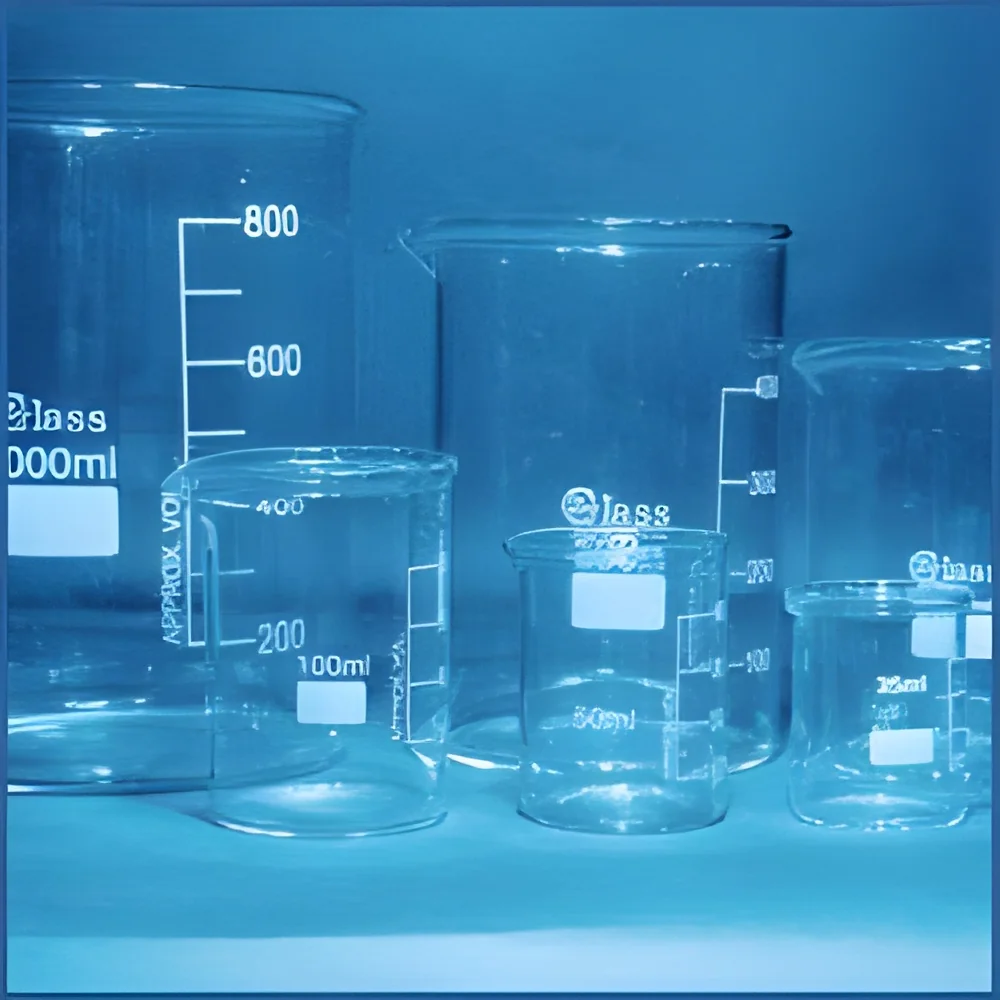
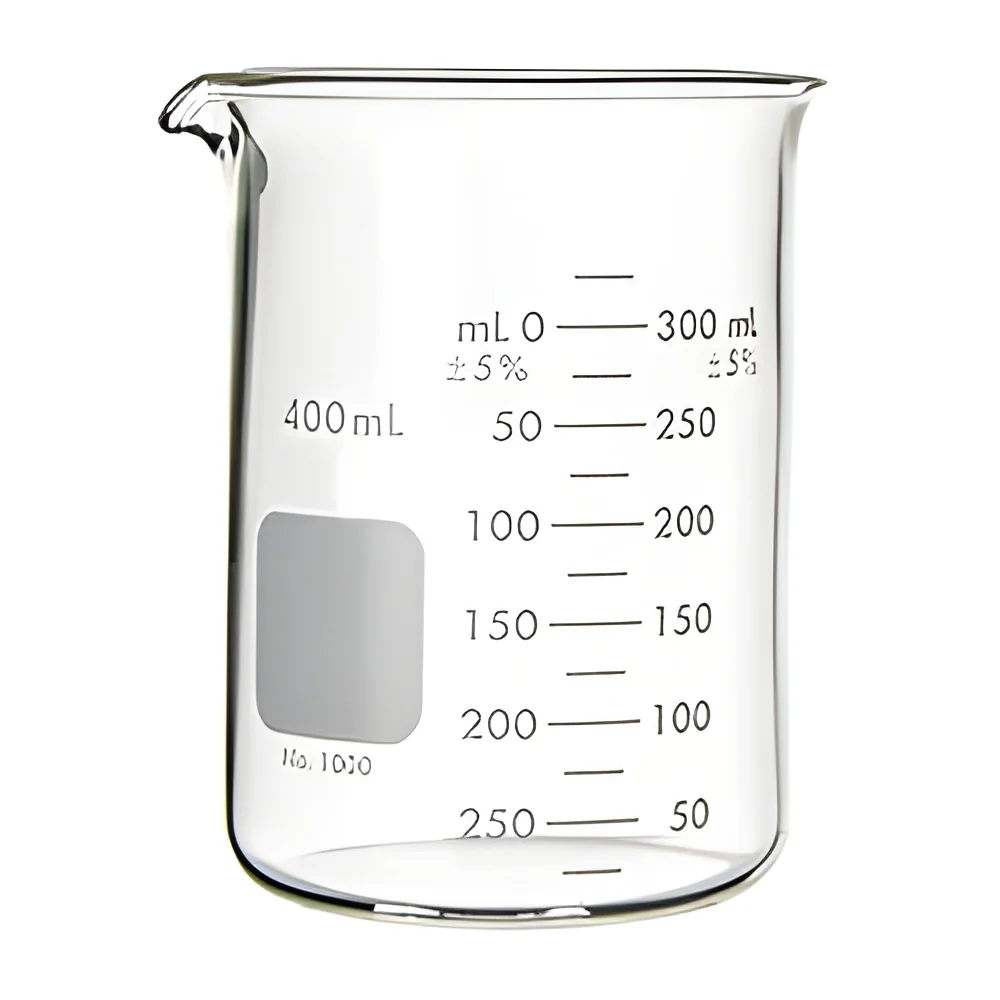
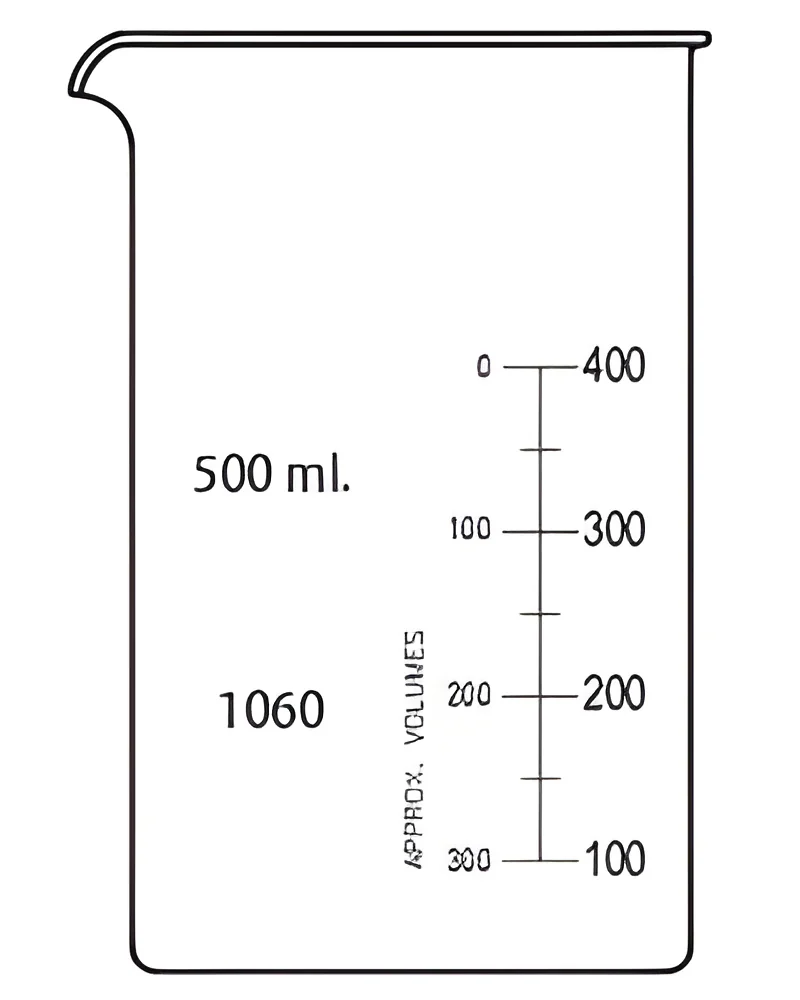
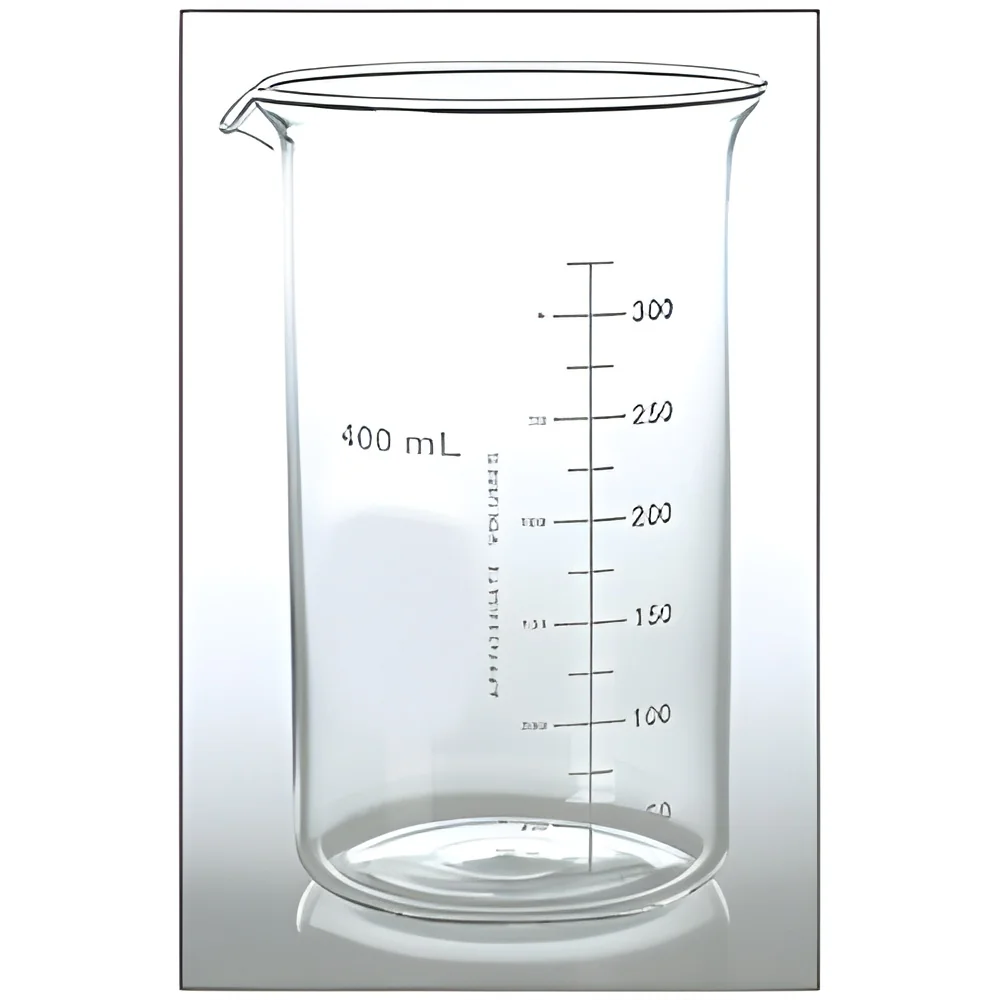
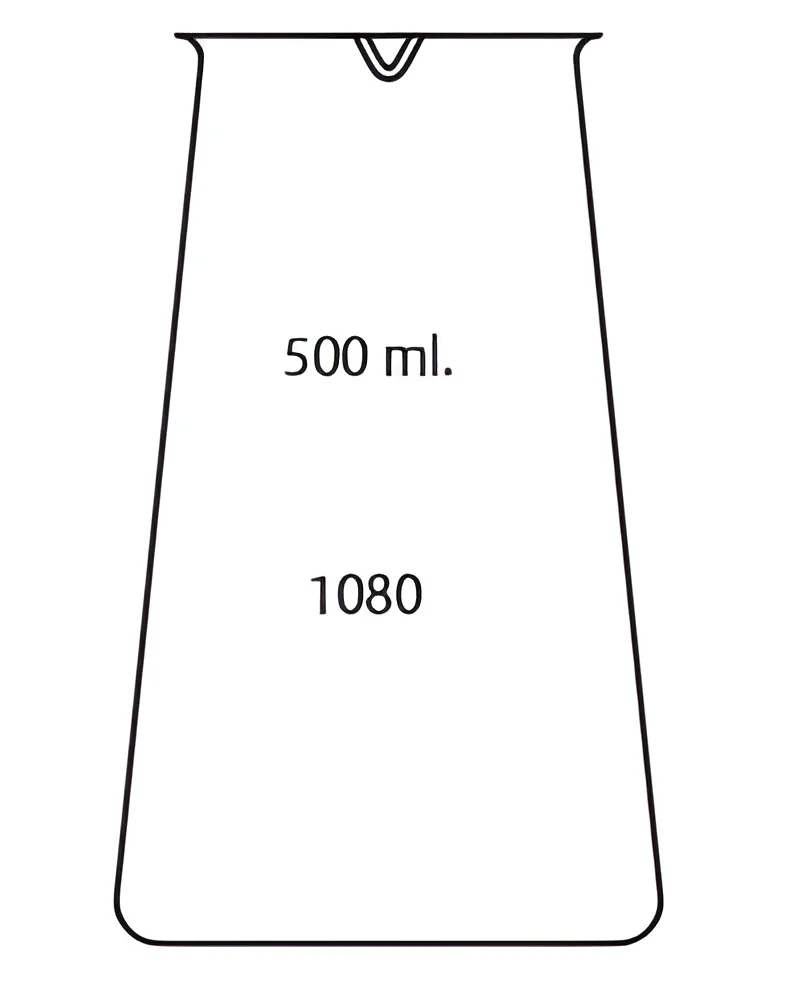
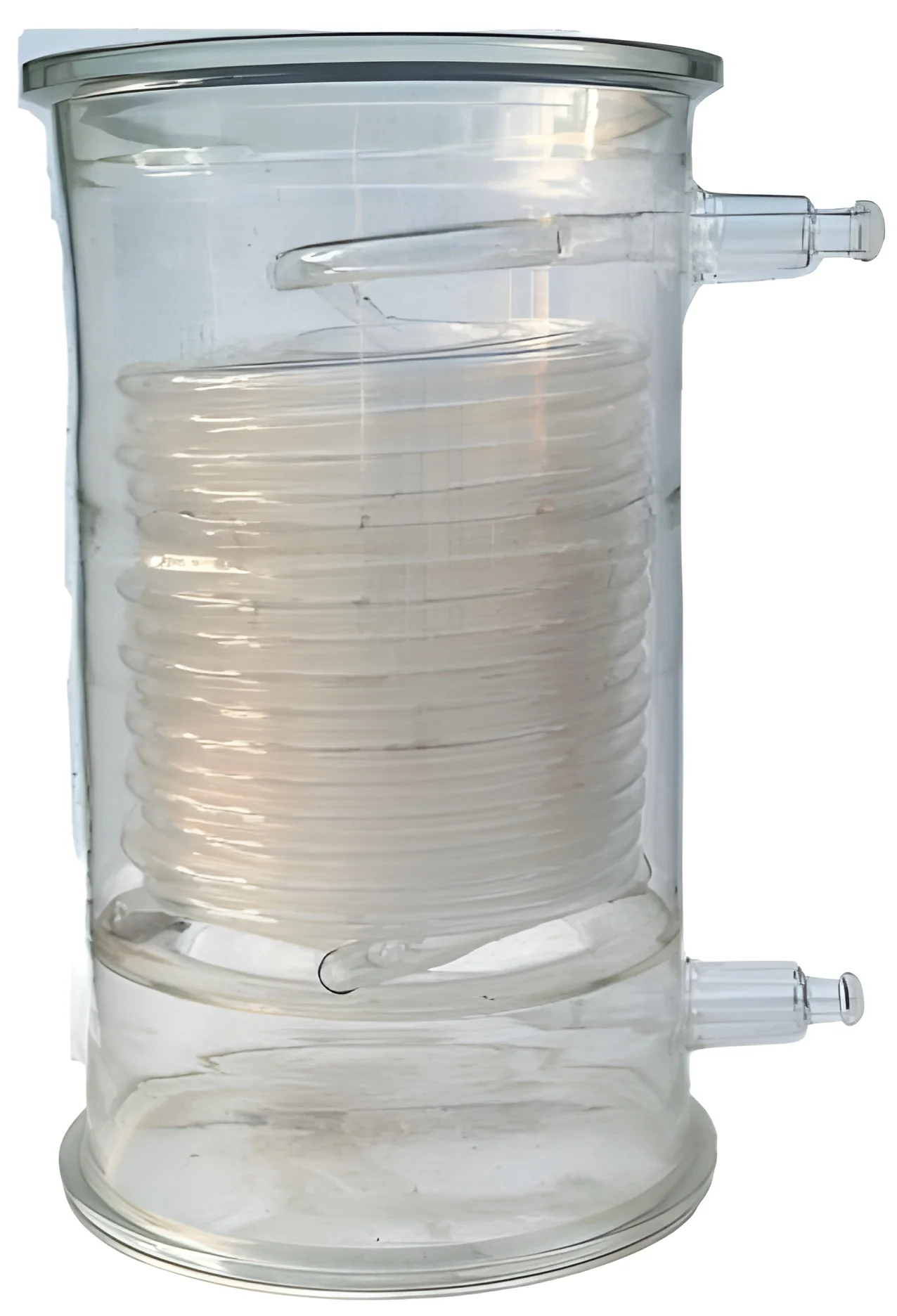
Beakers are cylindrical containers commonly used in laboratories for mixing, heating, and storing liquids. Typically made from glass or plastic, they feature a flat bottom and a spout to facilitate pouring. Their design allows for easy measurement of liquid volumes, making them essential tools in scientific and industrial settings.
In terms of applications, beakers are widely utilized in various fields, including chemistry, biology, and engineering. They are fundamental in conducting experiments, preparing solutions, and performing analyses. As versatile containers, beakers support both educational institutions and industrial laboratories, reinforcing their significance in research and development.
The market for beakers continues to expand as scientific research grows globally. Industries such as pharmaceuticals, environmental testing, and food and beverage rely heavily on beakers for precise measurements and experimentation. With advancements in materials and manufacturing processes, beakers are becoming increasingly durable and versatile, catering to a range of laboratory needs.
Key Features and Specifications
Beakers are designed with specific features that cater to various laboratory requirements. Understanding these specifications can help buyers make informed decisions.
Key specifications include:
1. Material
- Typically made from borosilicate glass or high-density polyethylene (HDPE)
- Resistant to thermal shock and chemicals
2. Volume Capacity
- Available in sizes ranging from 50 mL to several liters
- Standard sizes include 100 mL, 250 mL, 500 mL, and 1000 mL
3. Graduated Markings
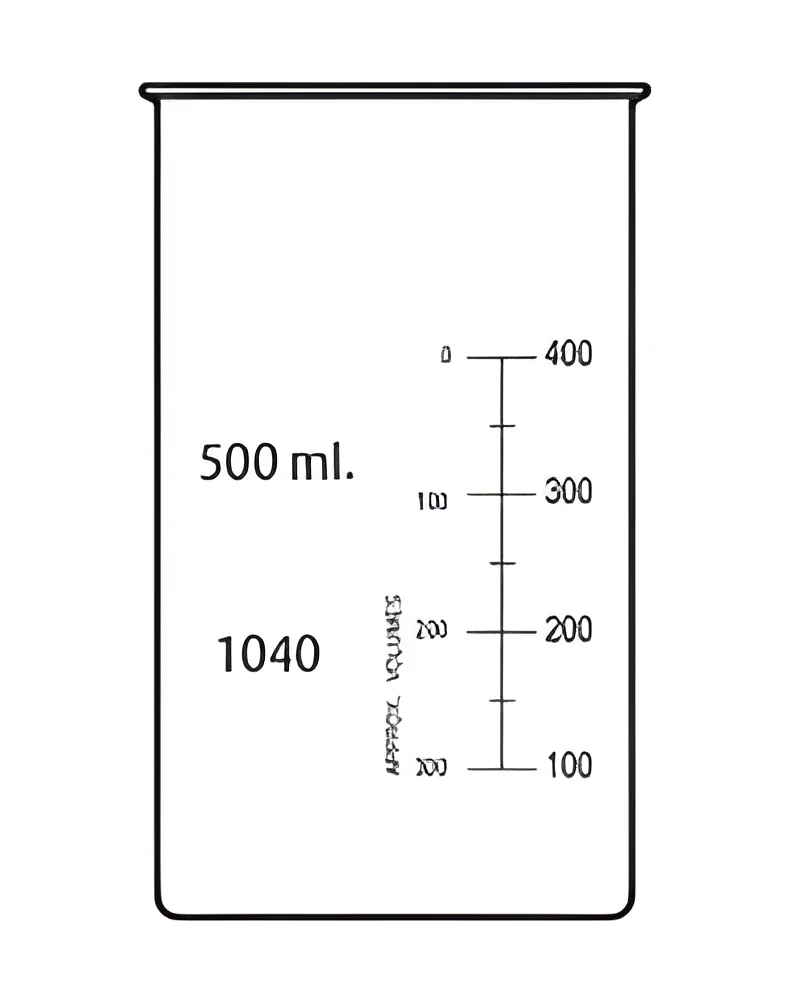
- Markings on the side for easy volume measurement
- Graduations may vary in precision
4. Spout Design
- Features a spout for controlled pouring
- Minimizes spills and ensures accuracy
5. Heat Resistance
- Glass beakers can withstand high temperatures
- Suitable for heating applications on a Bunsen burner or hot plate
6. Compatibility
- Can be used with various laboratory equipment
- Suitable for stirring, mixing, and reaction processes
7. Durability
- Glass beakers are robust but can break if mishandled
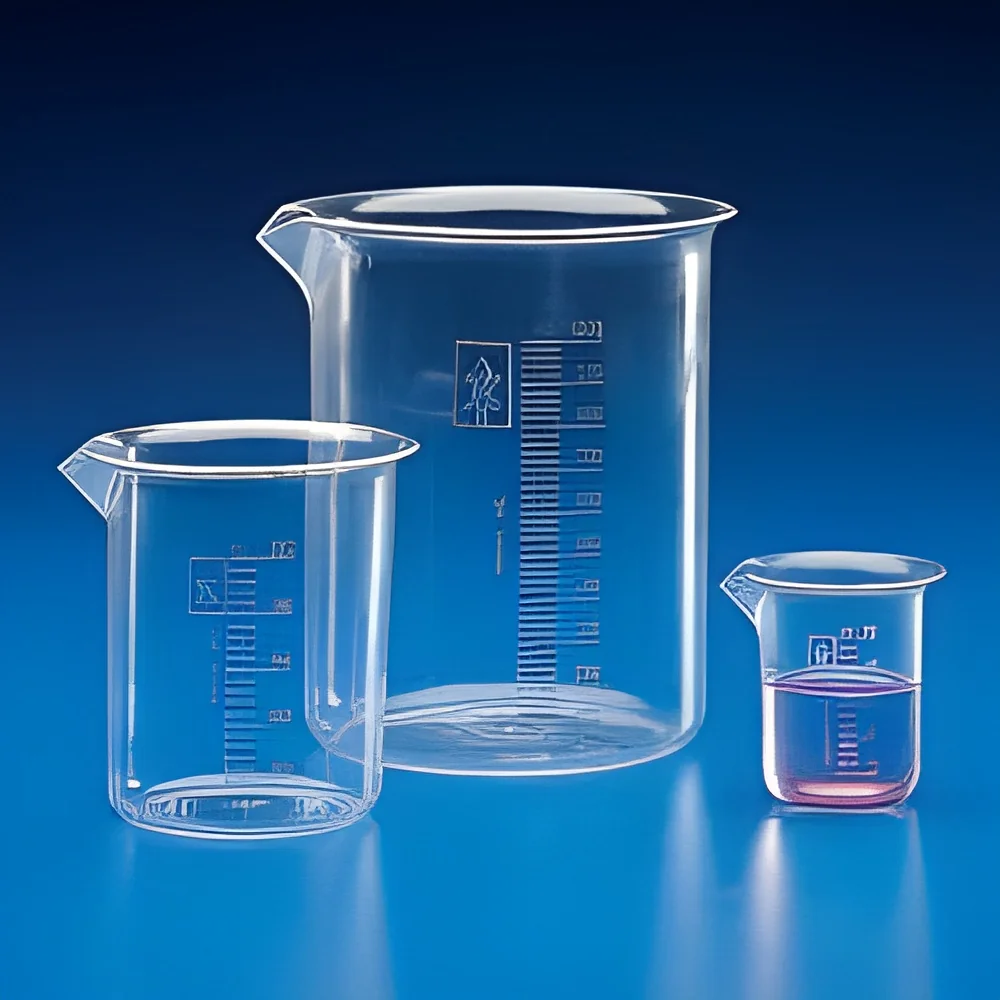
- Plastic variants offer increased durability and shatter resistance
8. Certification
- Many beakers comply with industry standards such as CE certification
In summary, beakers are versatile laboratory tools characterized by their material, volume capacity, and design features. Understanding these specifications helps ensure the right selection for specific applications.
Common Applications and Use Cases
Beakers serve a multitude of purposes across various industries, demonstrating their versatility.
1. Chemical Laboratories: Beakers are essential for mixing chemicals, conducting reactions, and preparing solutions. Their graduated markings allow for precise measurements in experiments.
2. Educational Institutions: Schools and universities use beakers in science classes for demonstrations and hands-on experiments. They provide students with practical experience in handling laboratory equipment.
3. Pharmaceutical Industry: Beakers are used in drug formulation and testing. They help in accurately measuring and mixing compounds essential for creating medications.
4. Food and Beverage: In quality control labs, beakers are utilized for testing ingredients and monitoring production processes. They ensure compliance with safety standards.
5. Environmental Testing: Beakers play a critical role in analyzing water and soil samples. They provide a controlled environment for conducting tests to assess pollution levels.
6. Biotechnology: Researchers use beakers for preparing culture media and conducting experiments involving biological samples. Their design supports various laboratory processes.
7. Oil and Gas: Beakers are used in laboratories for sample analysis and testing. They help in understanding the properties of different substances extracted from the earth.
Product Variants and Subcategories
Beakers come in diverse forms to meet various laboratory needs. Understanding these variants can help buyers select the right product.
Glass Beakers: Made from borosilicate glass, these beakers are heat-resistant and ideal for high-temperature applications. They are commonly used in chemical laboratories for mixing and heating substances.
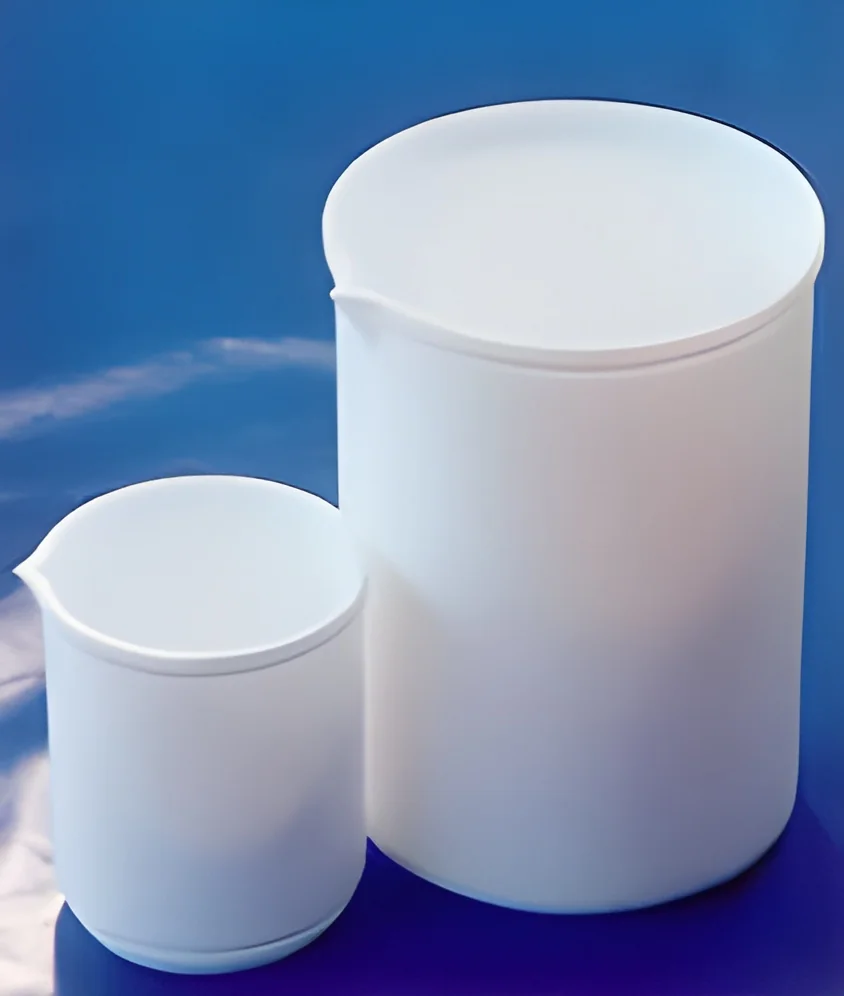
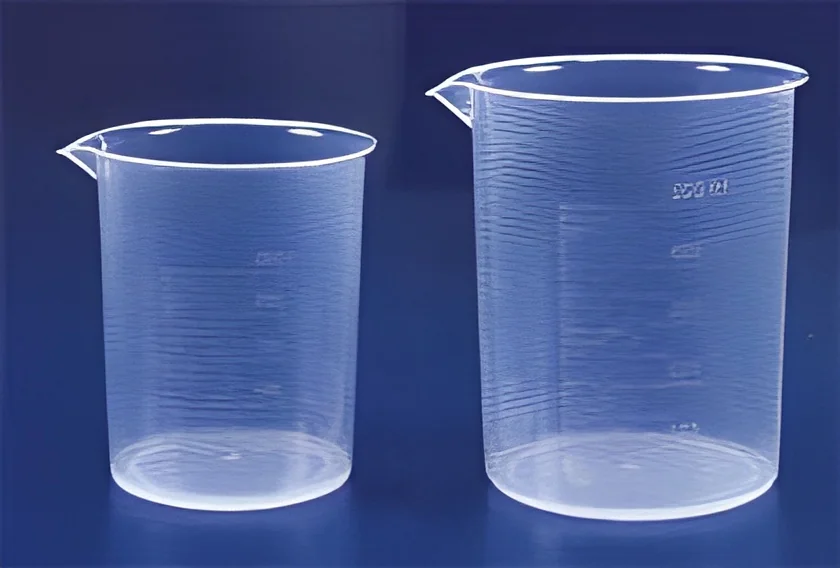
Plastic Beakers: Constructed from durable HDPE, plastic beakers are shatter-resistant and suitable for various laboratory environments. They are often used in educational settings and for handling less hazardous materials.
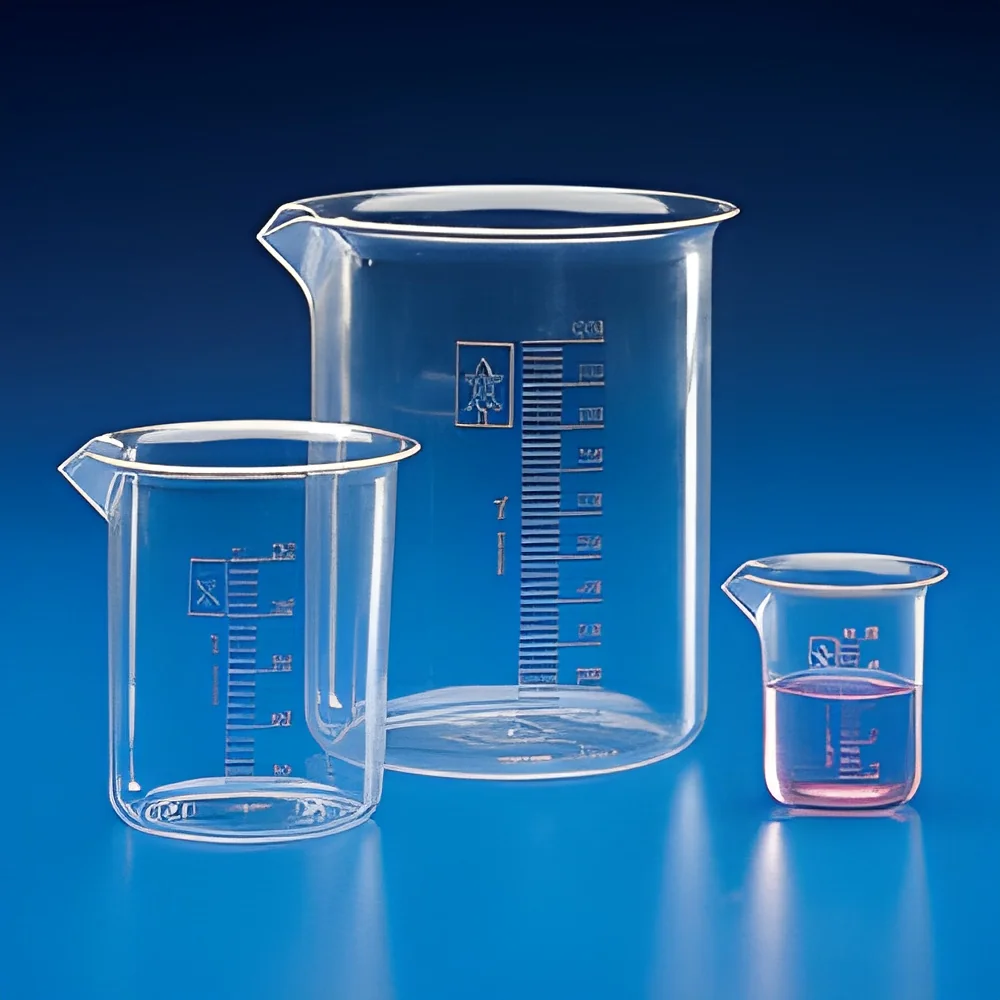
Graduated Beakers: These beakers feature graduated markings for precise measurements, making them essential for accurate liquid dispensing in experiments and formulations.
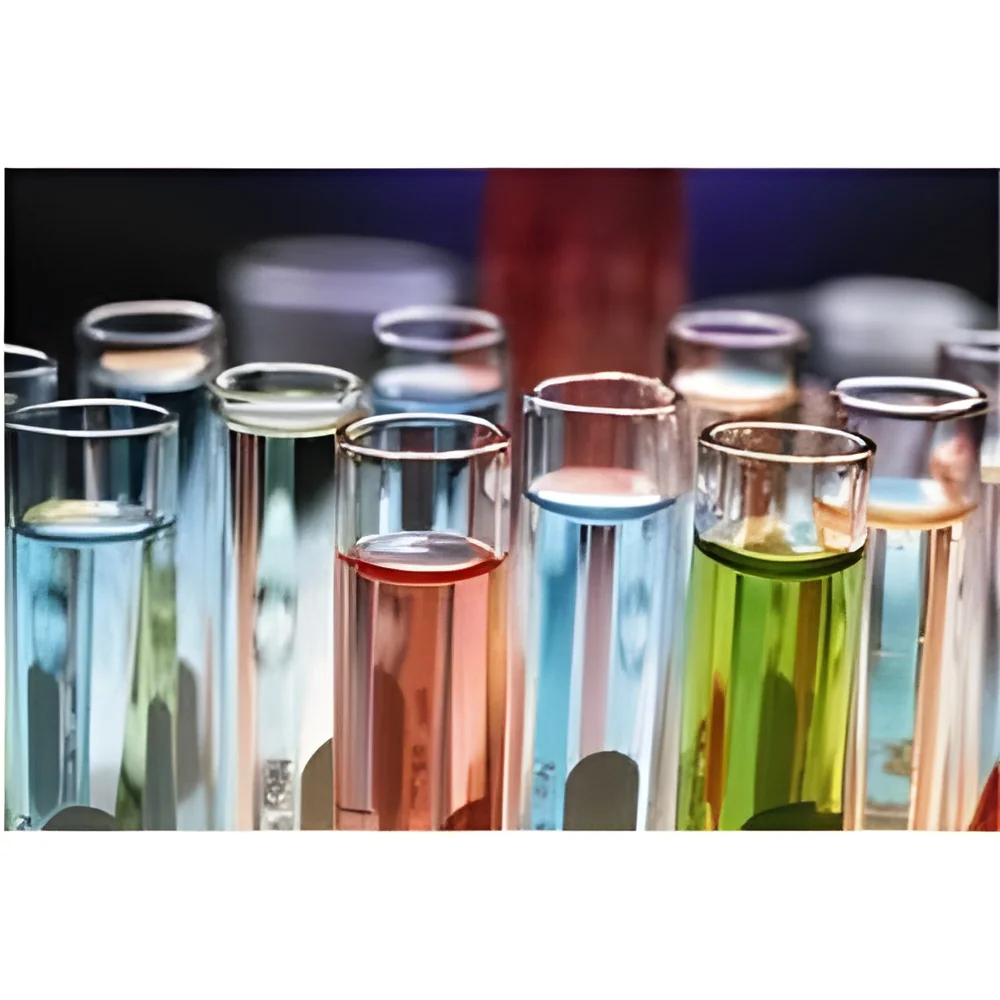
Colored Beakers: Available in various colors, these beakers help in organizing and identifying different liquids. They are often used in educational environments to enhance learning.
Benefits and Advantages
Investing in quality beakers provides numerous advantages for businesses and laboratories.
1. Accuracy: Beakers with graduated markings ensure precise measurements, reducing errors in experiments.
2. Versatility: Suitable for a range of applications, beakers can be used in various fields, enhancing their utility.
3. Durability: Depending on the material, beakers can withstand high temperatures and chemical exposure, ensuring longevity.
4. Ease of Use: The design of beakers makes them easy to handle, pour, and clean, improving laboratory efficiency.
5. Cost-Effectiveness: Beakers are available in various price ranges, allowing buyers to select options that fit their budgets without sacrificing quality.
6. Compliance: Many beakers meet industry standards and certifications, assuring users of their safety and reliability.
Buying Guide for B2B Buyers
When sourcing beakers, several factors should be considered to ensure the right choice for laboratory needs.
1. Quality Assessment: Evaluate the material and construction of the beakers. Look for products made from high-quality glass or plastic that meet industry standards for durability and safety.
2. Supplier Verification: Vet suppliers to ensure they have a reliable track record and can provide consistent quality. Check for customer reviews and their adherence to quality certifications.
3. Pricing and MOQ: Consider the cost of beakers and the minimum order quantity (MOQ). Compare prices from different suppliers to find the best value while ensuring quality.
4. Delivery and Lead Times: Inquire about delivery options and lead times. Timely delivery is crucial for maintaining laboratory operations and project timelines.
5. Compliance Requirements: Understand the regulatory standards applicable to your industry. Ensure that the beakers comply with necessary safety and quality certifications.
Compliance and Certifications
Beakers must adhere to various compliance and certification standards to ensure safety and reliability in laboratory settings. Relevant quality standards include ISO 9001, which focuses on quality management systems, ensuring that manufacturers maintain high production standards.
Additionally, certifications such as CE indicate that the beakers meet European safety and health requirements. This is particularly important for laboratories operating in regions with strict regulatory frameworks.
Safety and testing requirements are also critical. Beakers should be tested for thermal resistance, chemical compatibility, and mechanical strength. Manufacturers must provide documentation to confirm compliance with these safety standards.
Moreover, regional compliance considerations may vary. Buyers should be aware of specific regulations applicable in their geographical area to ensure that the products they source meet local laws and standards.
Why Source Beakers from Pepagora?
Pepagora provides a trusted platform for sourcing beakers, offering several key advantages for B2B buyers.
Verified Supplier Network: Pepagora has established a network of verified suppliers, ensuring that buyers can source high-quality beakers from reputable manufacturers. This reduces the risk of substandard products.
Streamlined RFQ Process: The request for quotation (RFQ) process on Pepagora is designed to be straightforward and efficient. Buyers can easily submit their requirements and receive competitive quotes from multiple suppliers.
Trade Assurance and Support: Pepagora offers trade assurance, providing buyers with protection throughout the sourcing process. This includes support for quality issues and timely delivery.
Regional Coverage: With a strong presence in India, GCC, and Southeast Asia, Pepagora connects buyers with suppliers across these regions. This geographic reach facilitates access to a wide range of beakers suited to diverse laboratory needs.

 IN
IN