What are Flasks?
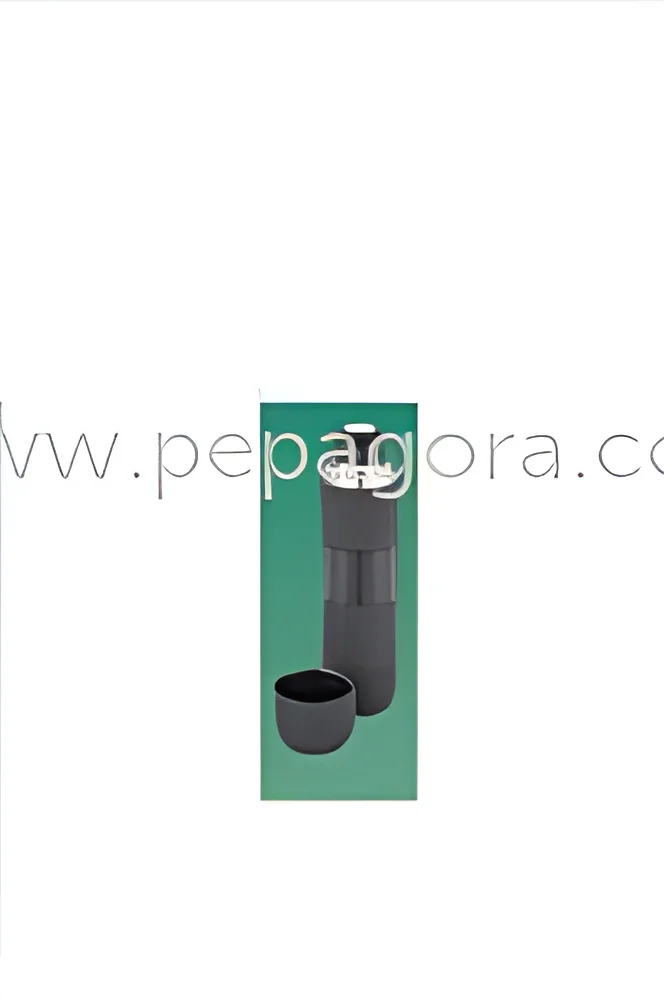
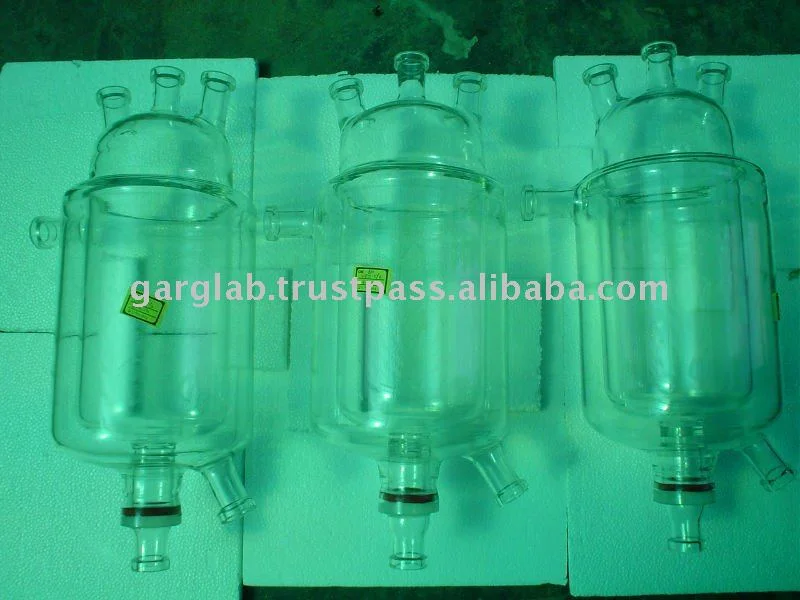
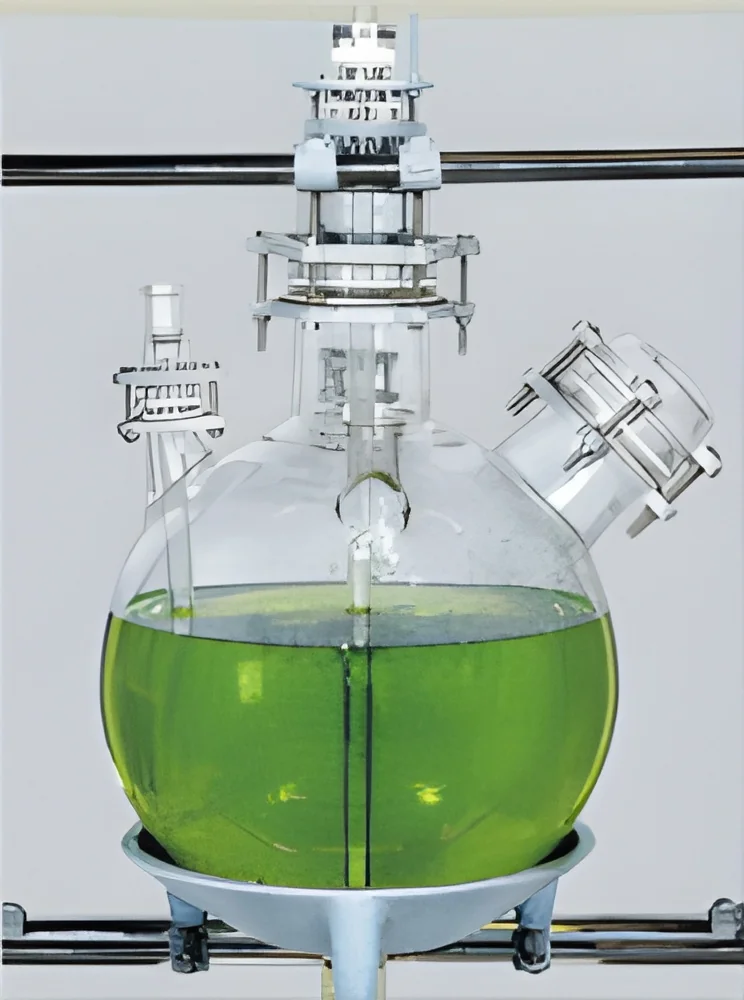
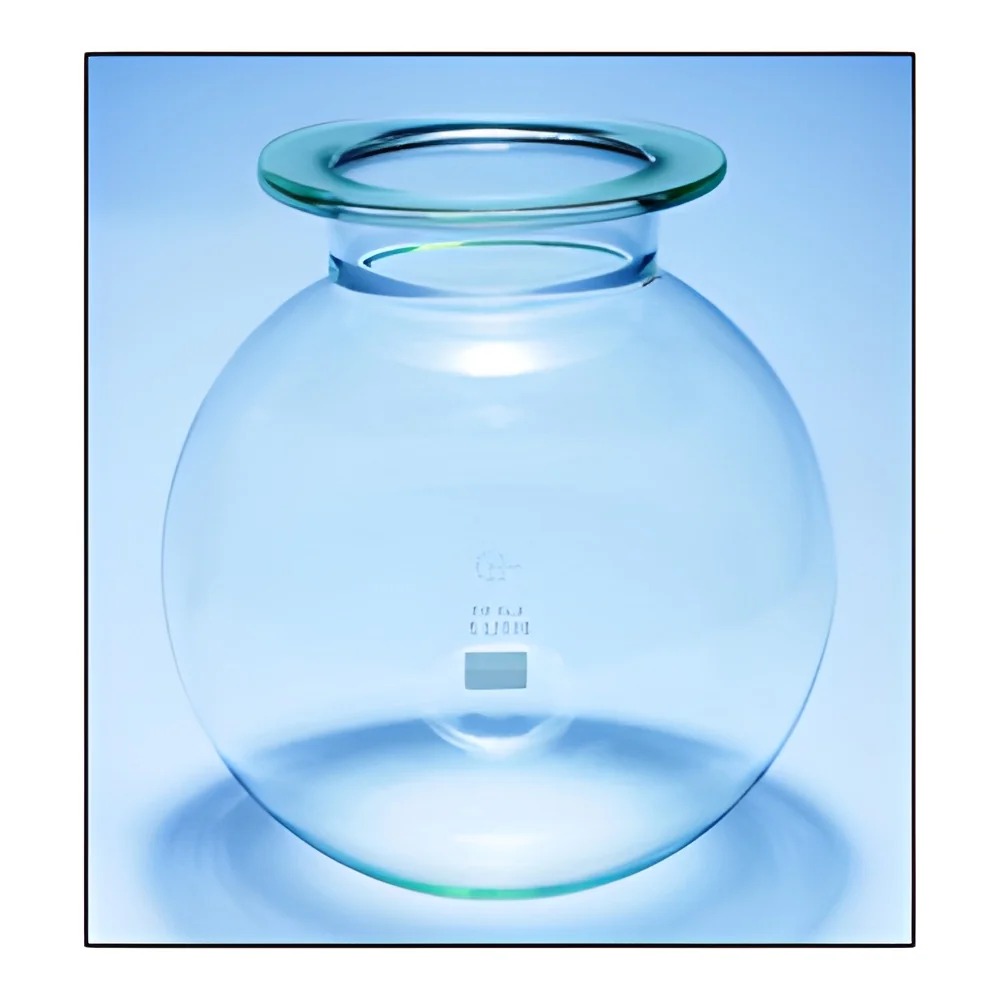
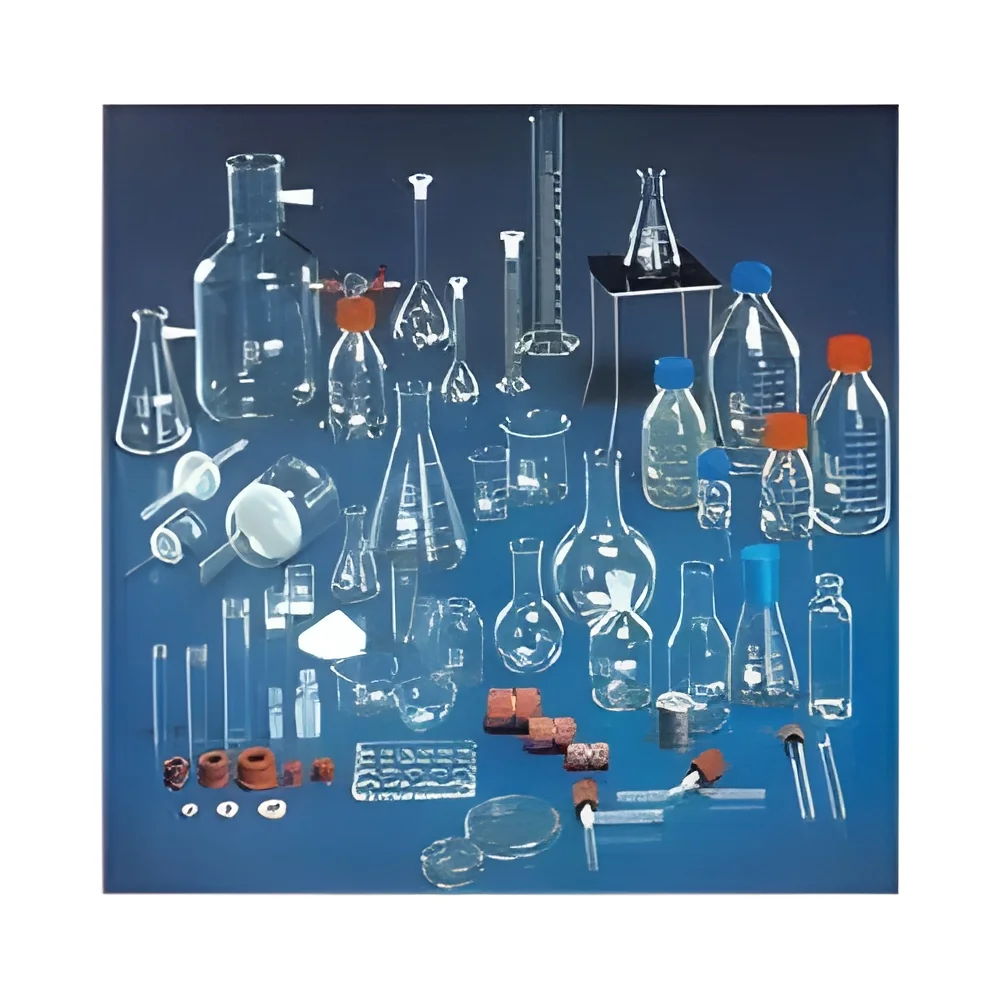
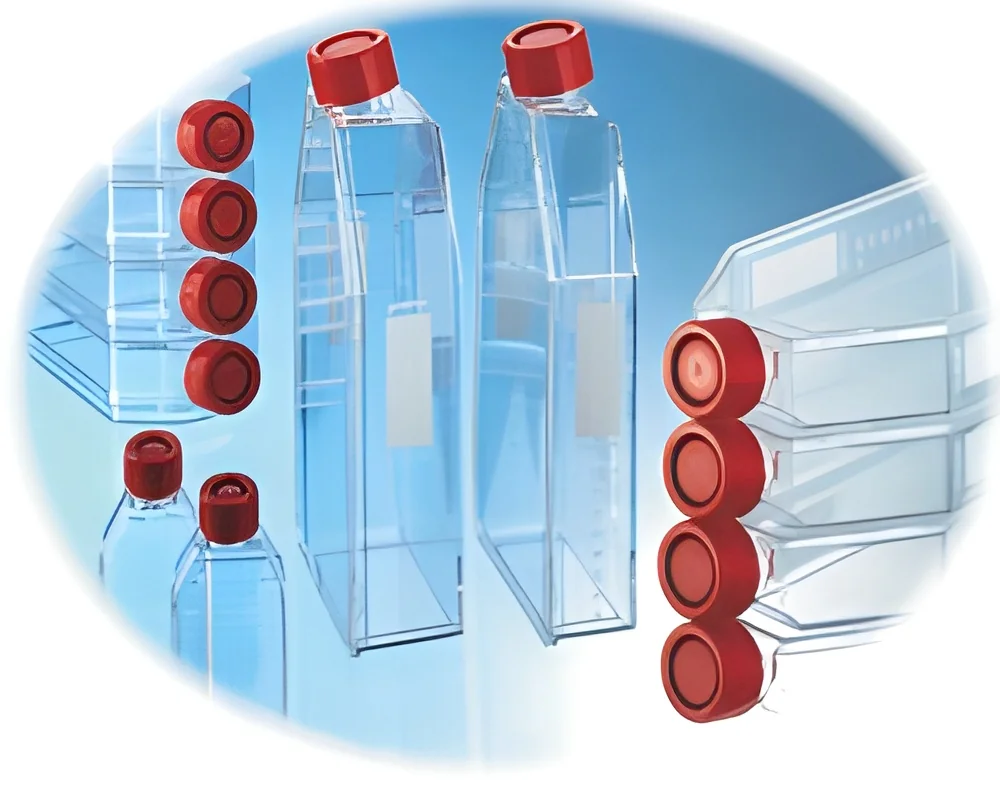
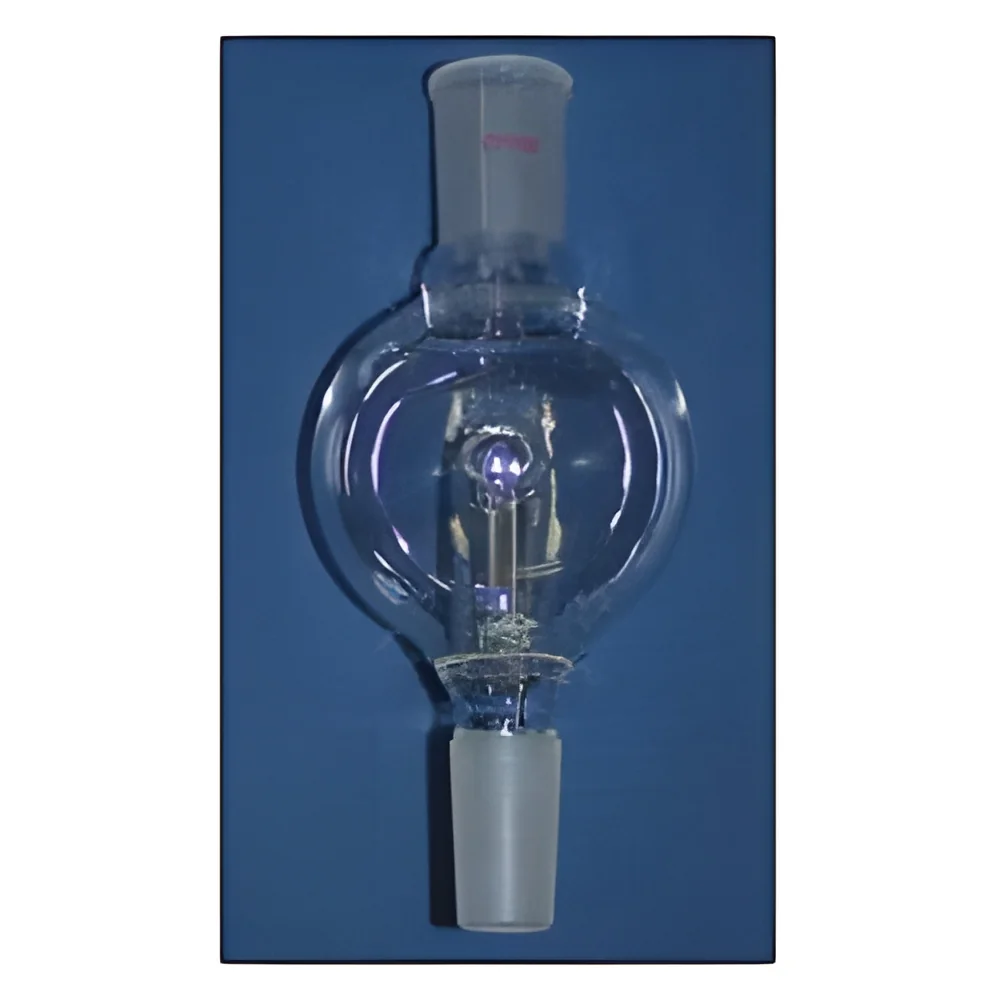
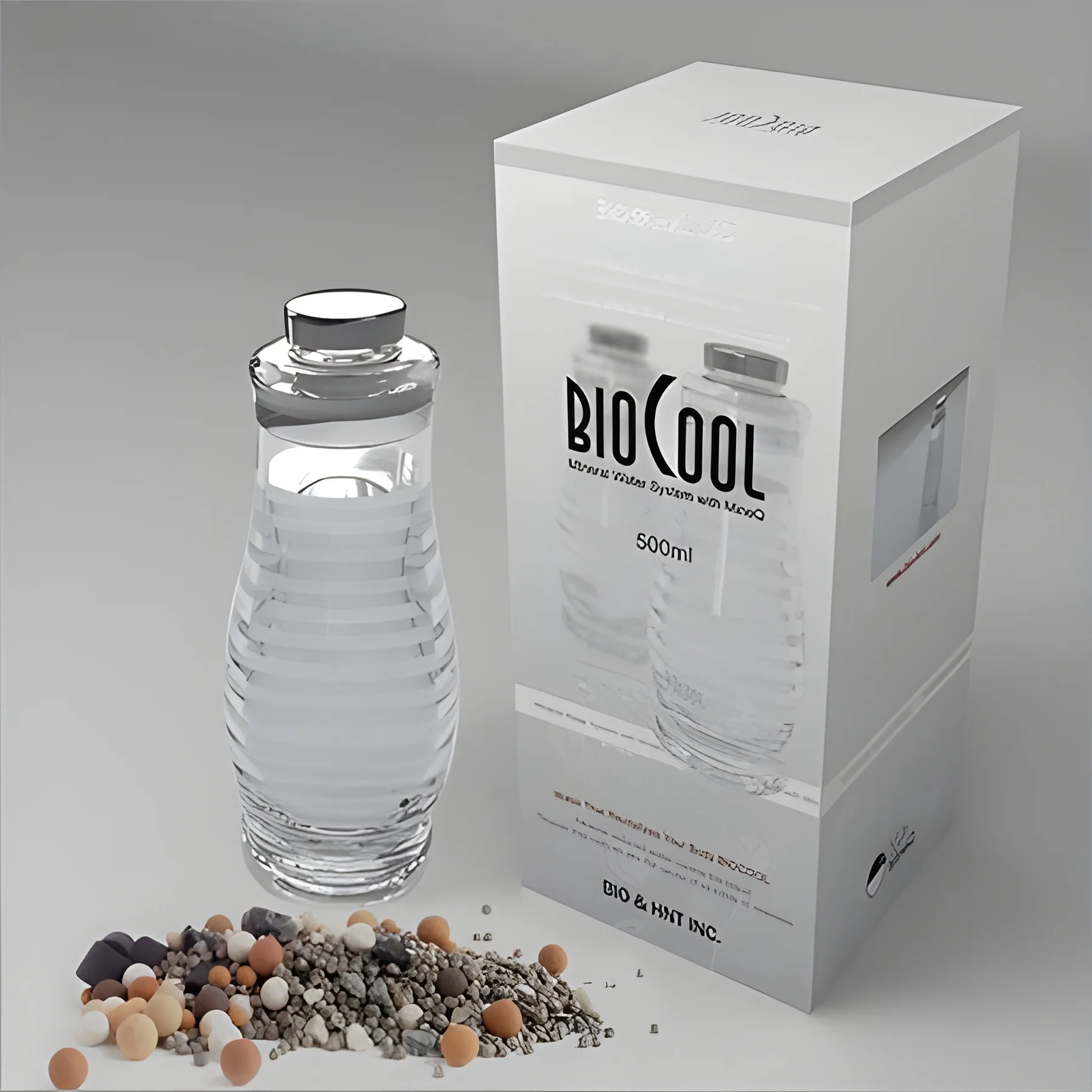
Flasks are specialized containers used primarily for storing and transporting liquids, particularly in industrial and laboratory settings. They come in various shapes and sizes, designed to meet different storage and handling needs. Flasks are typically made from durable materials such as glass or high-quality plastics, which ensure that they are resistant to chemical reactions, temperature fluctuations, and physical impacts.
The primary uses of flasks extend across various sectors, including pharmaceuticals, food and beverage, chemical manufacturing, and laboratory research. In these industries, flasks are essential for the safe handling of substances, ensuring that they remain uncontaminated and stable. Their importance is further underscored by the need for precise measurements and monitoring in laboratory environments, where accuracy is critical for experiments and quality control.
In the current market, flasks are relevant due to the growing emphasis on safety, efficiency, and compliance with industry regulations. As businesses seek to enhance operational workflows and maintain product integrity, the demand for high-quality flasks continues to grow. Understanding the specifications and applications of flasks is crucial for businesses looking to invest in reliable storage solutions.
Key Features and Specifications
Flasks are designed with several key features that enhance their functionality and usability in various environments. These features ensure that they meet the diverse needs of industries while maintaining quality and safety standards.
Key specifications include:
1. Material
- Commonly made from glass or high-grade plastics
- Resistant to chemical corrosion and thermal changes
2. Capacity
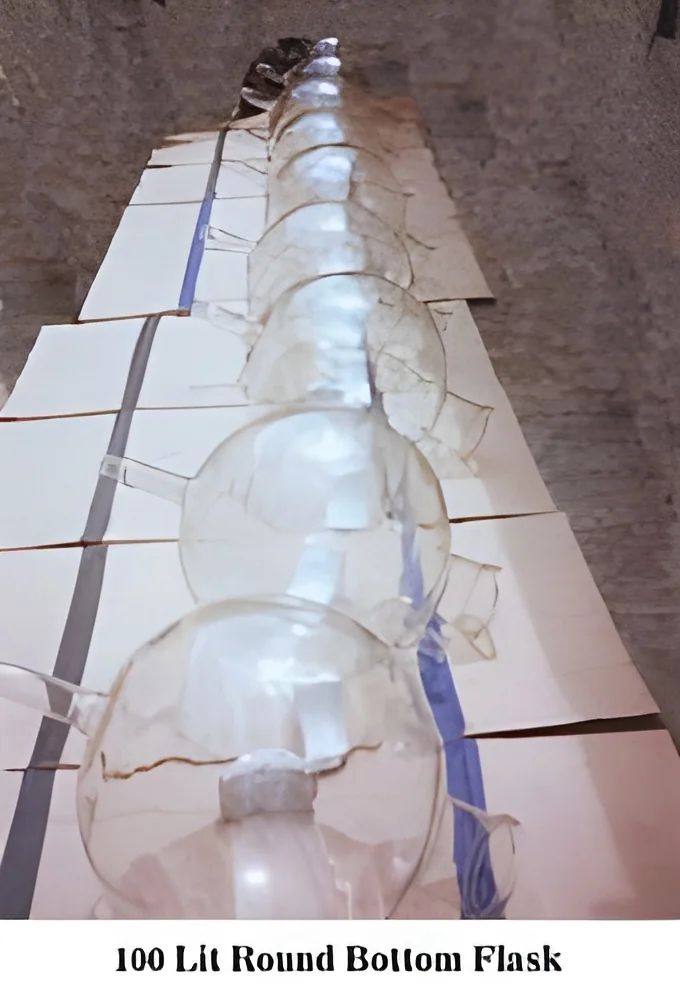
- Available in various sizes, from small (100 ml) to large (10 L)
- Suitable for different storage needs
3. Closure Type
- Options include screw caps, cork stoppers, or sealed lids
- Ensures leak-proof storage
4. Temperature Resistance
- Designed to withstand a range of temperatures
- Suitable for both freezing and heating applications
5. Surface Finish
- Available in polished or frosted finishes
- Enhances visibility and ease of cleaning
6. Certification
- CE certified for safety and quality assurance
- Compliance with relevant industry standards
In summary, the specifications of flasks play a vital role in determining their suitability for various applications, making it essential for buyers to consider these factors when making a purchase.
Common Applications and Use Cases
Flasks serve various industries, each with specific applications that highlight their versatility.
1. Pharmaceutical Industry: Flasks are used for storing and transporting chemicals and biological samples. They ensure that substances remain uncontaminated during testing and production.
2. Food and Beverage: Flasks are essential for holding liquids like oils, juices, and sauces. They help maintain product quality and safety during storage and distribution.
3. Chemical Manufacturing: Flasks are utilized for mixing, storing, and transporting chemicals. Their robust design allows for safe handling in potentially hazardous environments.
4. Laboratory Research: Flasks are crucial for experiments, providing accurate measurement and sample storage. They help researchers manage various reagents and solutions effectively.
5. Educational Institutions: Flasks are used in science labs for demonstrations and experiments, allowing students to engage with practical applications of their studies.
6. Environmental Testing: Flasks are used for collecting samples from various environments for analysis, ensuring that contaminants do not interfere with testing results.
7. Cosmetic Industry: Flasks are used for storing essential oils and other liquid products, ensuring that they remain stable and effective over time.
Product Variants and Subcategories
Flasks come in various forms to cater to specific needs and applications. Each variant offers unique features that enhance usability and efficiency.
Standard Flask
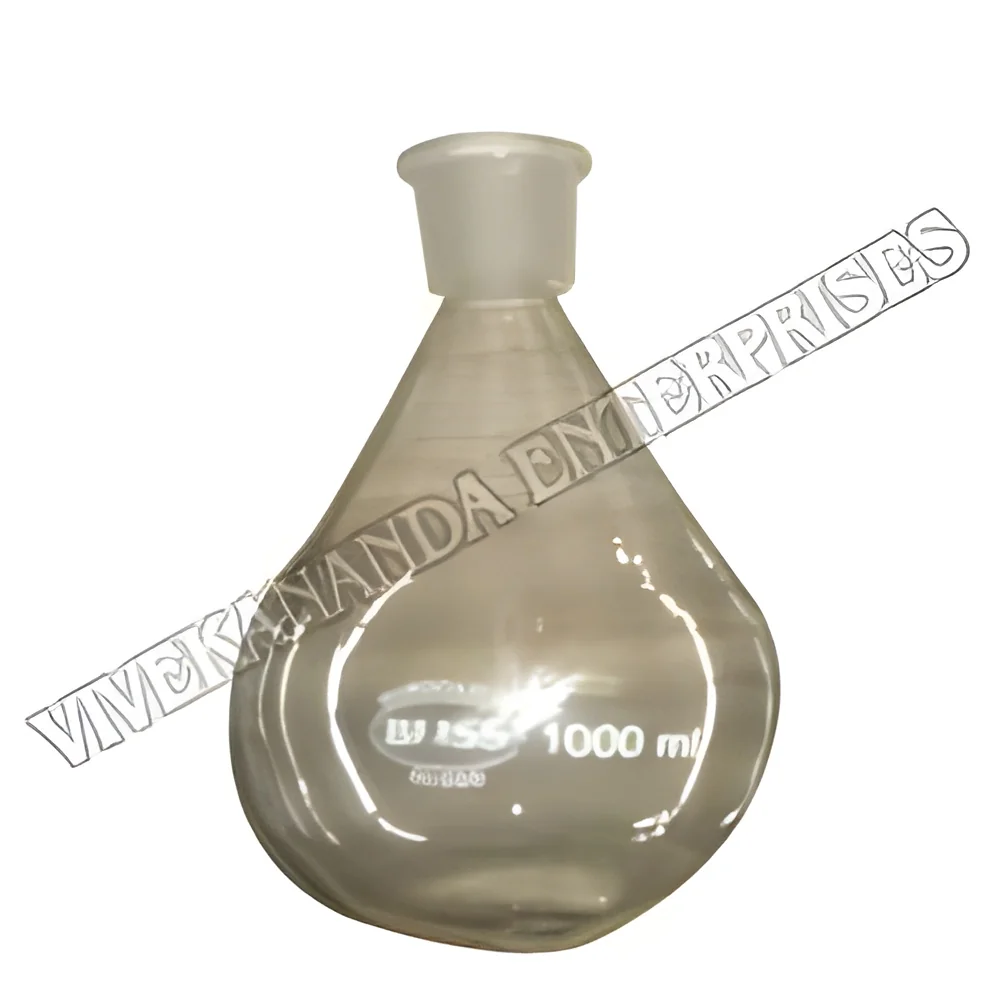
This variant is designed for general use, suitable for a wide range of liquids. It typically features a wide mouth for easy filling and cleaning, making it ideal for laboratories and industrial applications.
Reagent Flask
Designed for laboratory use, the reagent flask is ideal for storing chemicals and compounds. It often comes with a secure closure to prevent contamination and evaporation, ensuring the integrity of the substances within.
Volumetric Flask
This type is used for precise measurements in laboratory settings. It features graduated markings and is designed to hold a specific volume of liquid, making it crucial for accurate dilutions and concentrations.
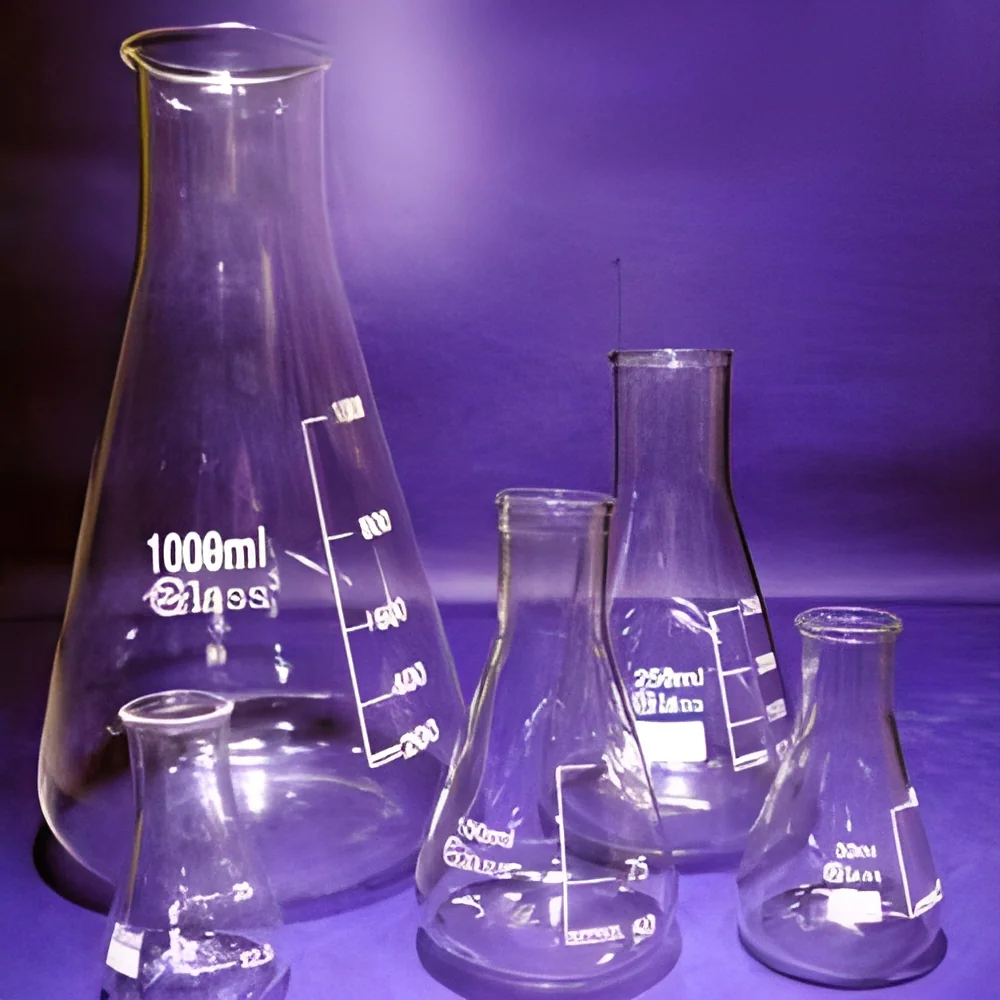
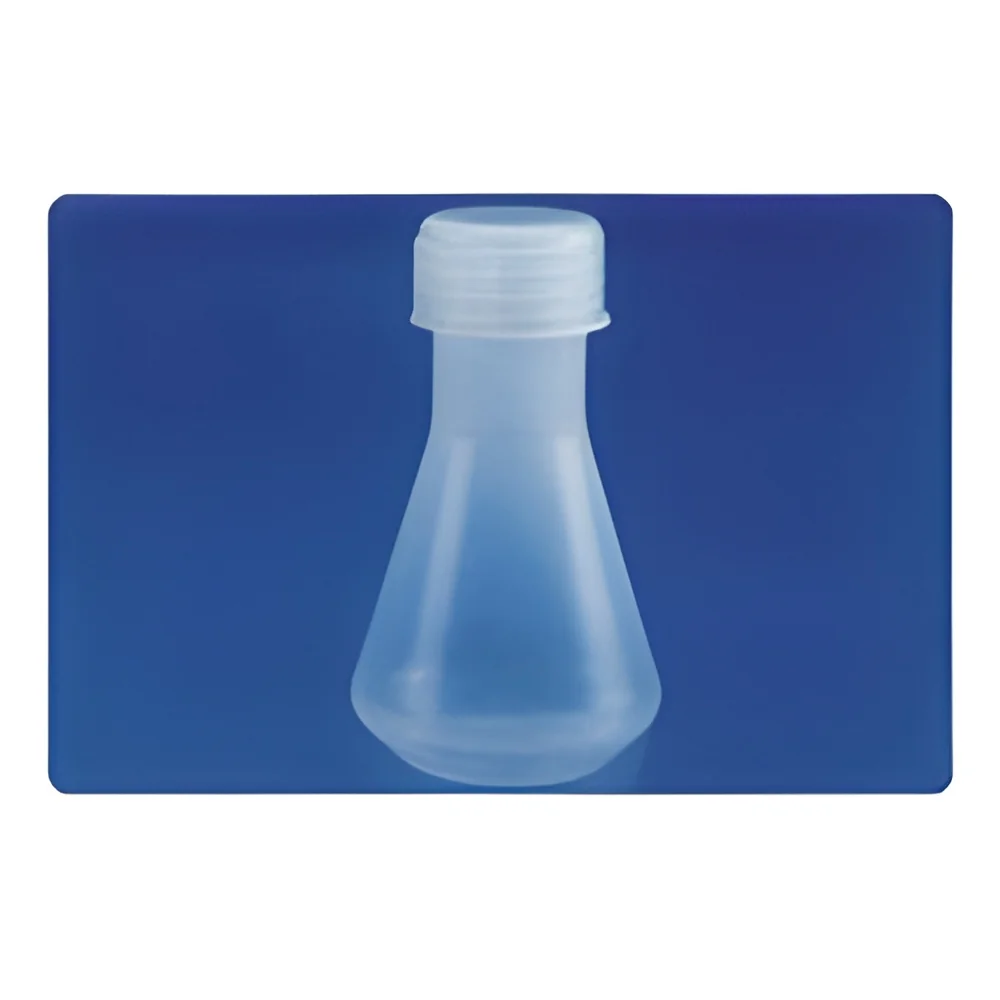
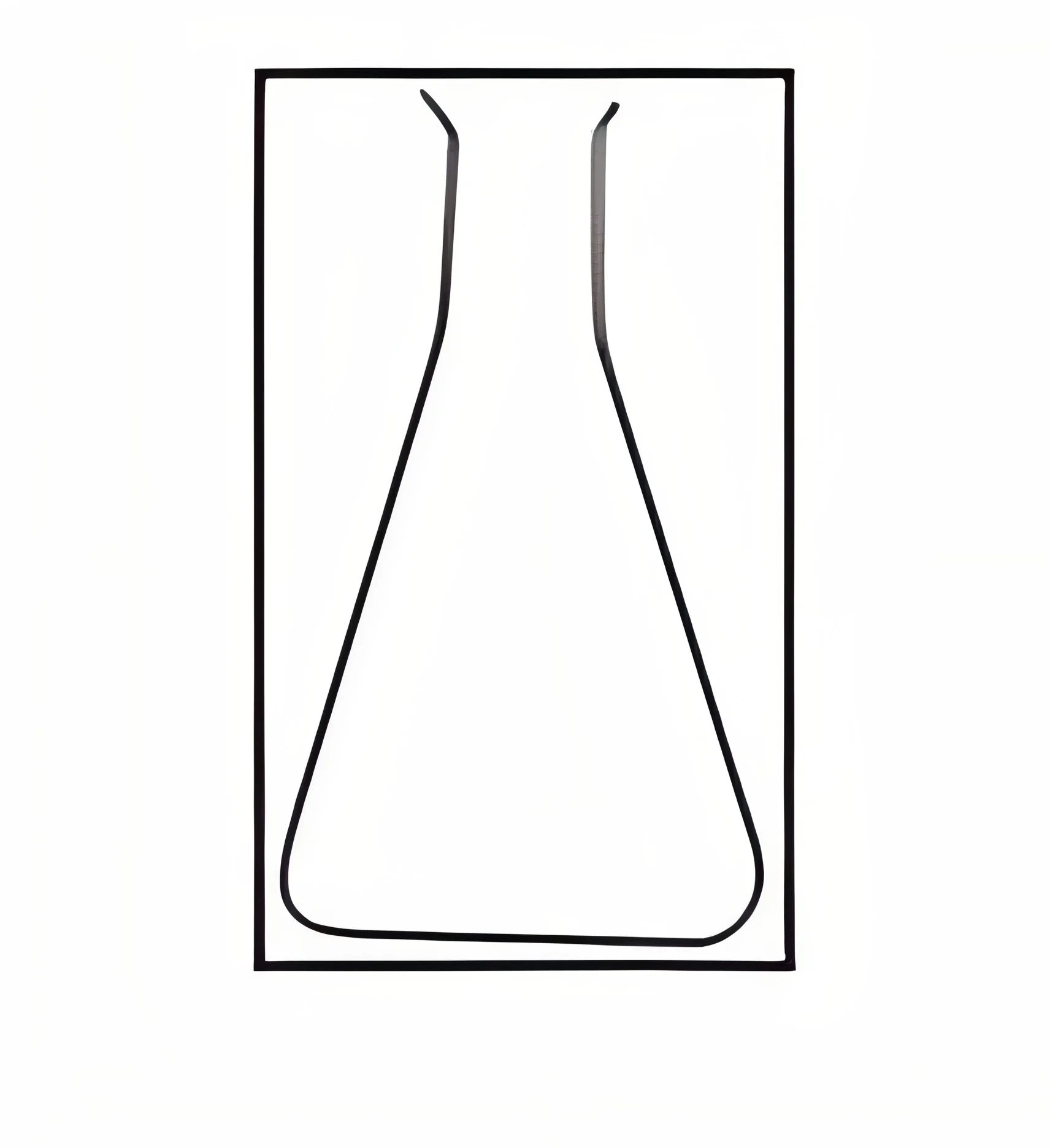
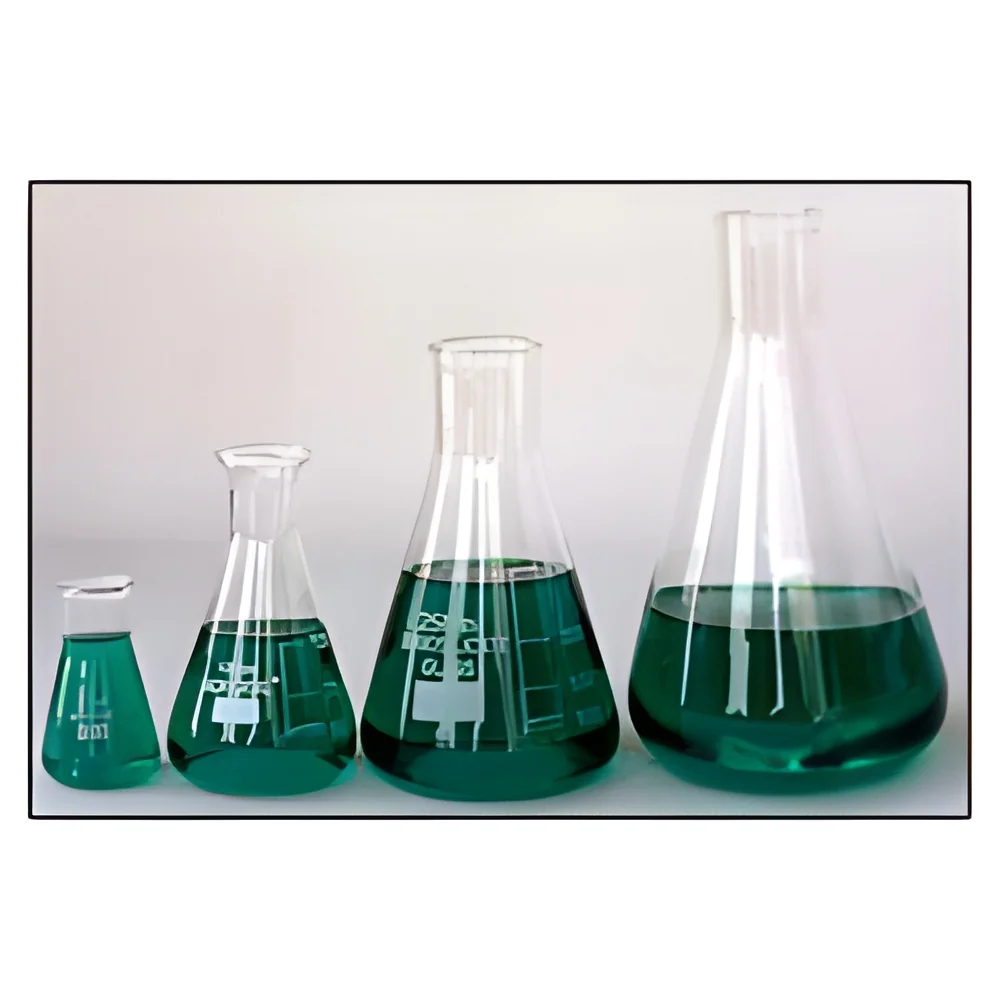
Erlenmeyer Flask
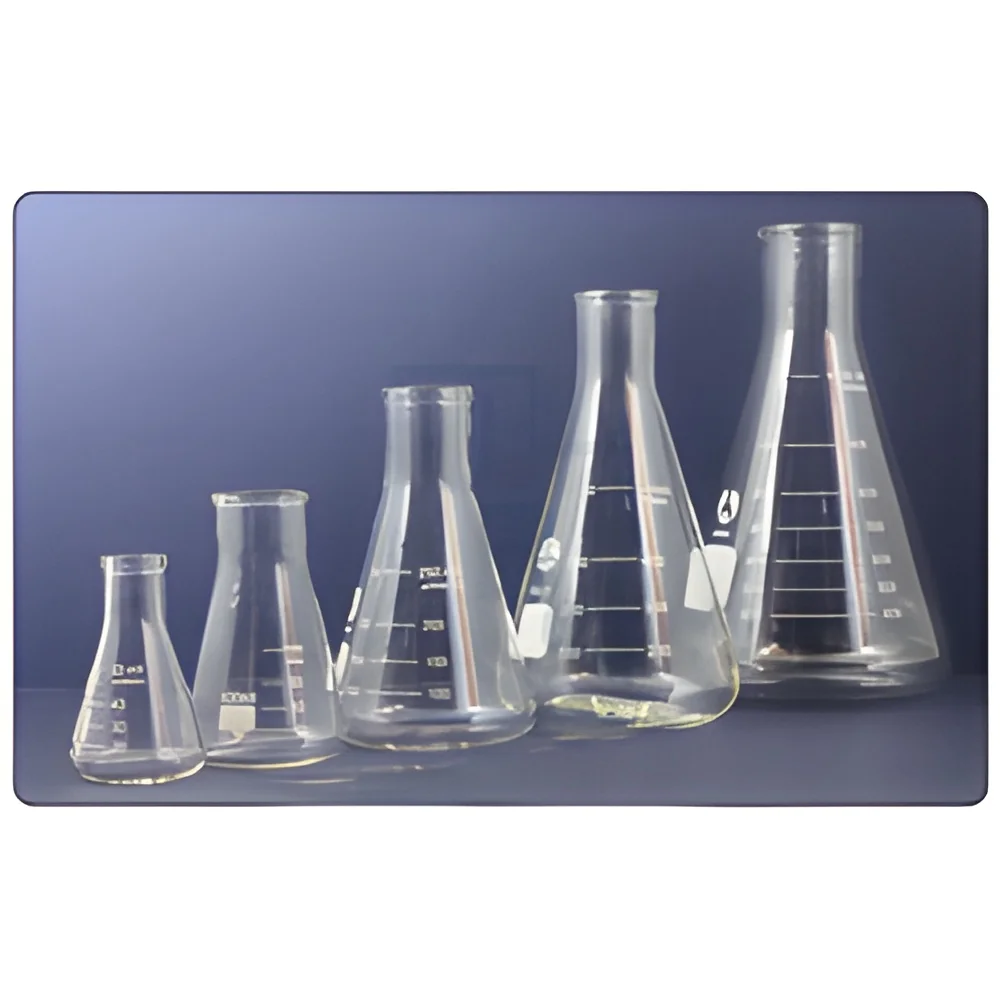
Characterized by its conical shape, the Erlenmeyer flask is commonly used in laboratories for mixing and heating solutions. Its wide base provides stability, while the narrow neck allows for easy pouring.
Benefits and Advantages
Flasks offer several benefits that make them invaluable in various industries.
1. Durability: Flasks made from high-quality materials are resistant to breakage and chemical reactions, ensuring longevity and safety in usage.
2. Versatility: Available in various sizes and shapes, flasks can be used for multiple applications across different sectors, enhancing their utility.
3. Safety: The secure closure options prevent leaks and contamination, protecting the contents and ensuring safe handling.
4. Precision: Flasks designed for laboratory use allow for accurate measurements, which is essential for quality control and research.
5. Compliance: Many flasks meet industry standards and certifications, ensuring that they adhere to safety and regulatory requirements.
6. Ease of Use: Flasks are designed for convenience, with features that facilitate easy filling, pouring, and cleaning, making them user-friendly.
Buying Guide for B2B Buyers
When sourcing flasks, several key factors should be considered to ensure that the right products are selected for specific applications.
1. Quality Assessment: Evaluate the materials and manufacturing processes used in the flasks to ensure they meet industry standards and provide the necessary durability.
2. Supplier Verification: Research and vet potential suppliers to confirm their credibility and reliability. Look for certifications and customer reviews that indicate a history of quality service.
3. Pricing and MOQ: Analyze pricing structures and minimum order quantities to find solutions that fit your budget and operational needs.
4. Delivery and Lead Times: Discuss logistics with suppliers to understand delivery timelines and ensure that product availability aligns with your project schedules.
5. Compliance Requirements: Verify that the flasks meet regulatory standards relevant to your industry, including safety and quality certifications.
Compliance and Certifications
Compliance and certifications are critical aspects of flasks that ensure they meet industry standards. Flasks often adhere to quality management systems such as ISO 9001, which outlines criteria for quality assurance and continuous improvement.
Industry certifications, such as CE, indicate that the products conform to European safety and health requirements. This certification is crucial for businesses that operate in markets requiring compliance with stringent regulations.
Safety and testing requirements vary by industry, but they generally include assessments for chemical resistance, temperature stability, and overall durability. Furthermore, regional compliance considerations may differ, so it is essential for businesses to verify that the flasks sourced meet local regulations.
Why Source Flasks from Pepagora?
Pepagora provides a trusted platform for sourcing flasks with several key advantages that benefit B2B buyers.
Verified Supplier Network: Pepagora prioritizes supplier verification, ensuring that businesses can connect with reliable manufacturers and distributors. This network helps buyers access high-quality products with confidence.
Streamlined RFQ Process: The Request for Quotation (RFQ) system simplifies the procurement process, allowing buyers to receive competitive quotes from multiple suppliers. This efficiency helps businesses make informed purchasing decisions quickly.
Trade Assurance and Support: Pepagora offers buyer protection through trade assurance programs, providing peace of mind for businesses engaging in transactions. This support helps mitigate risks associated with sourcing products.
Regional Coverage: With a strong presence in India, the GCC, and Southeast Asia, Pepagora enables businesses to access a wide array of flasks tailored to their specific regional needs, ensuring that they can find suitable products for their applications.

 IN
IN