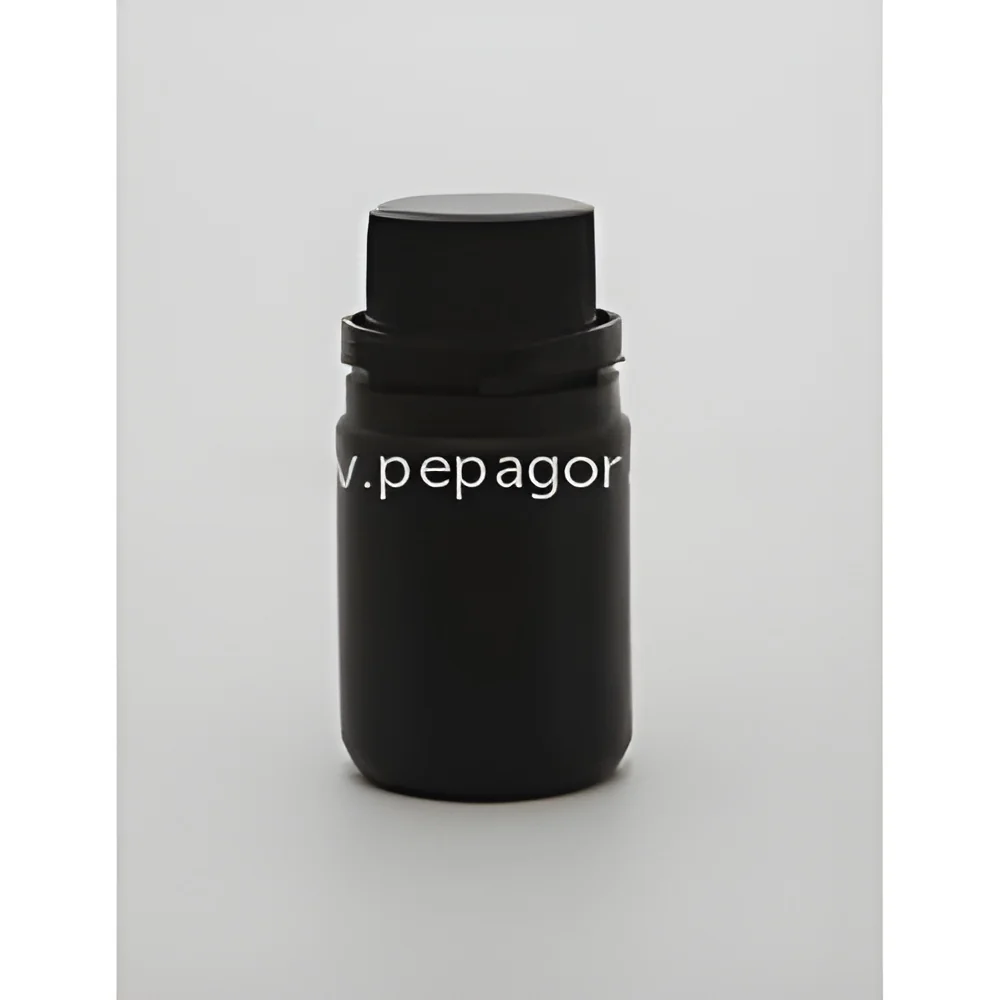
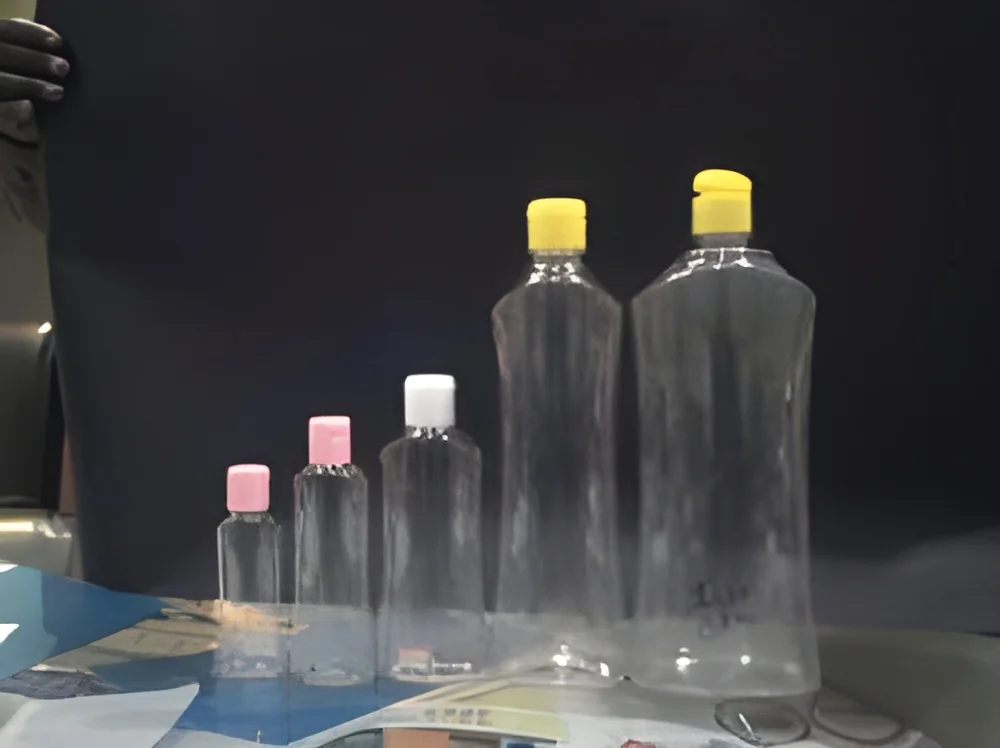
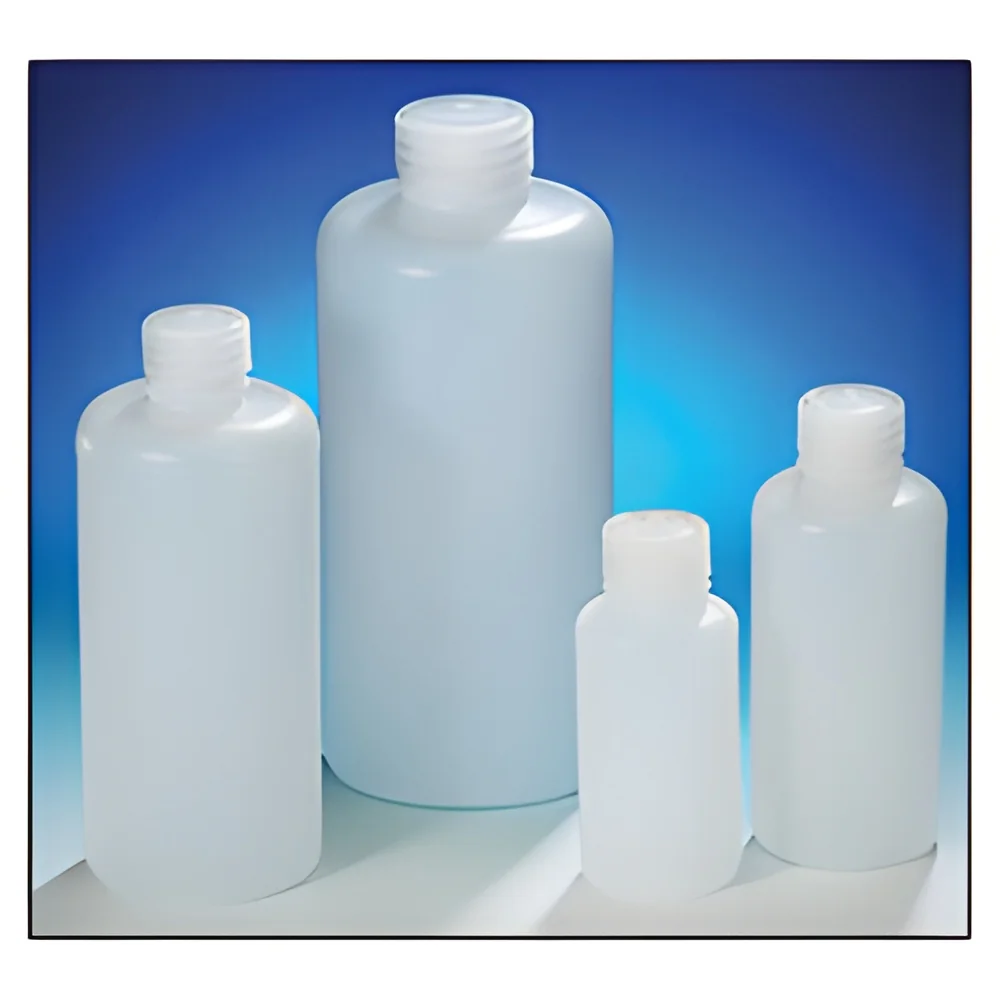
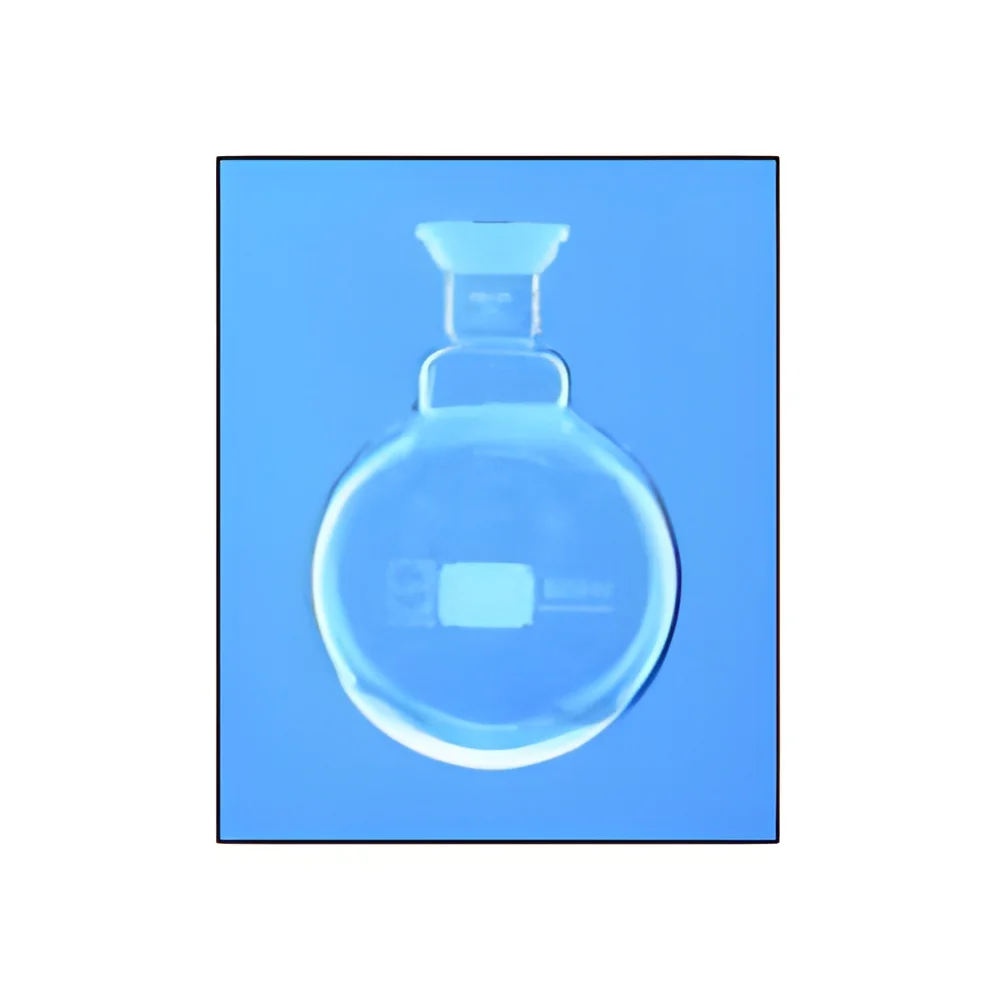
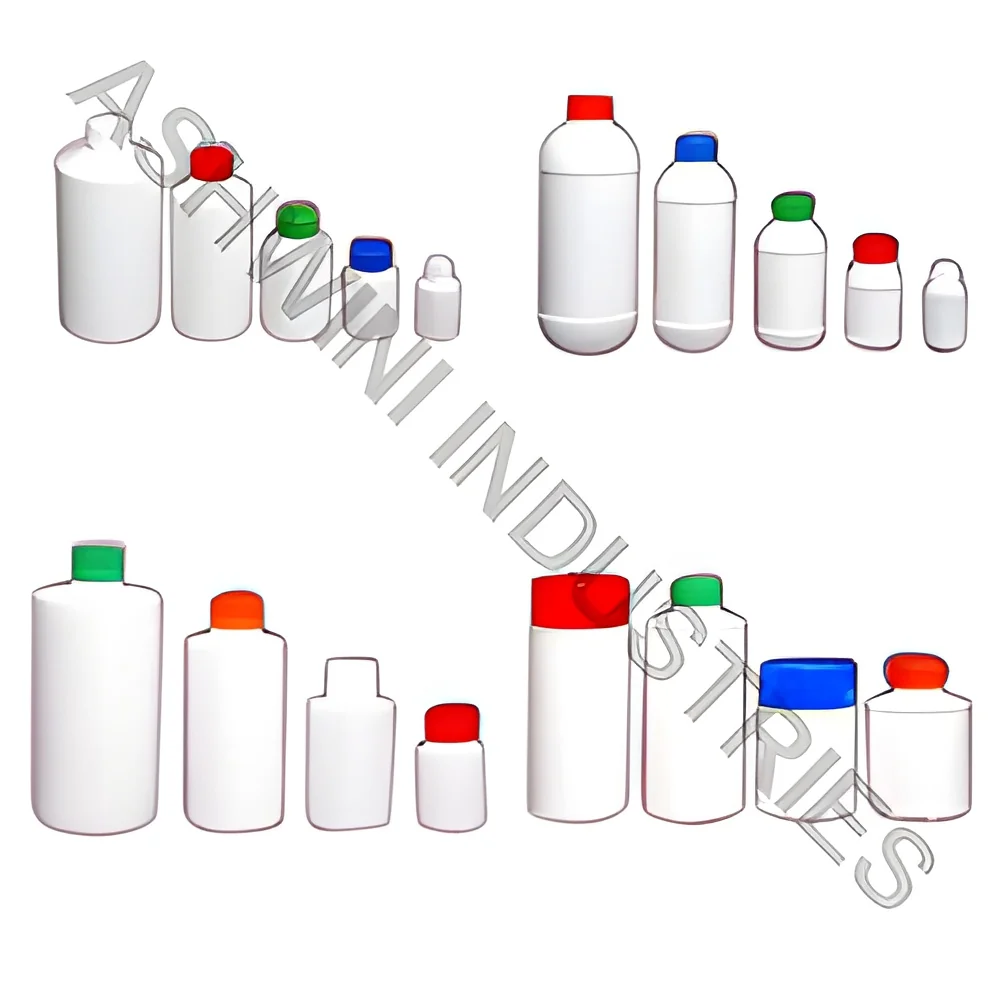
What are Laboratory Bottles?
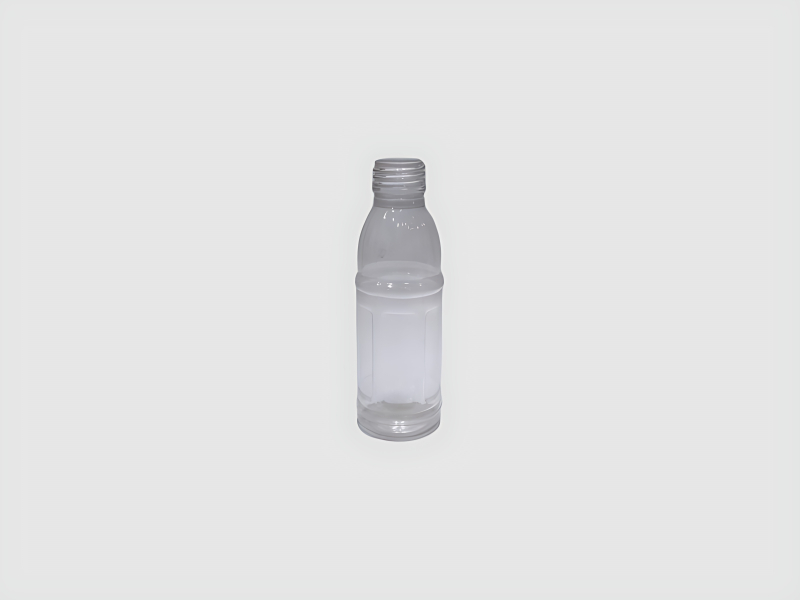
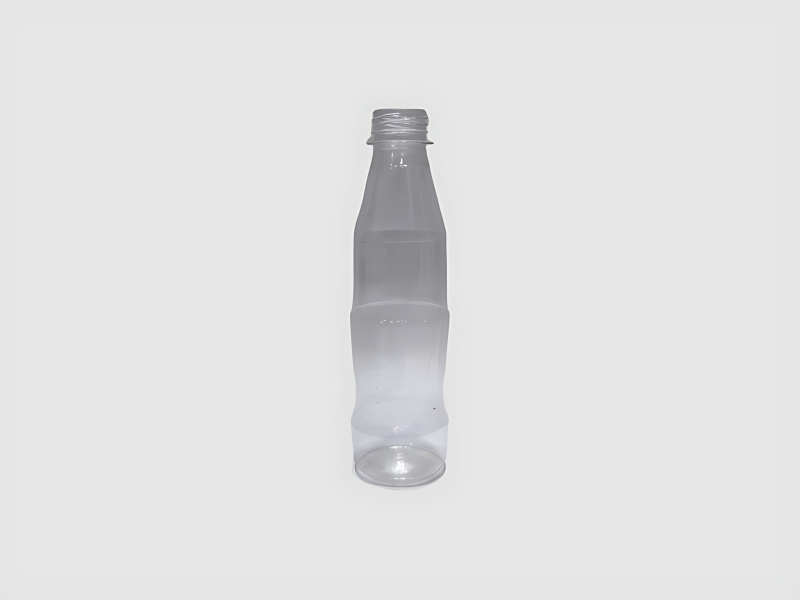
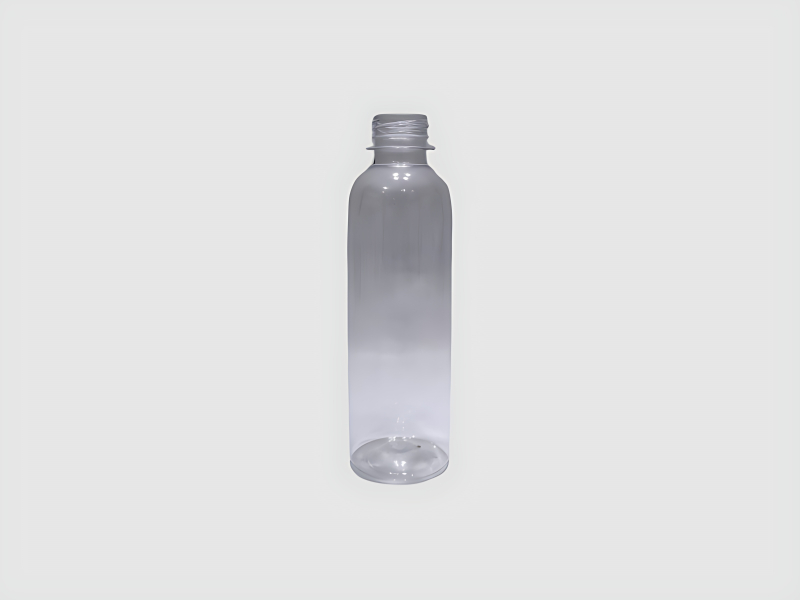
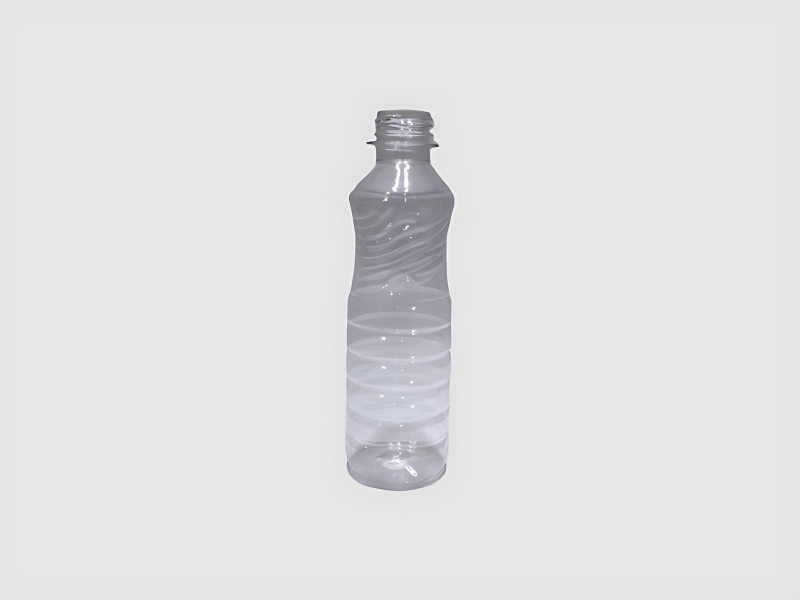
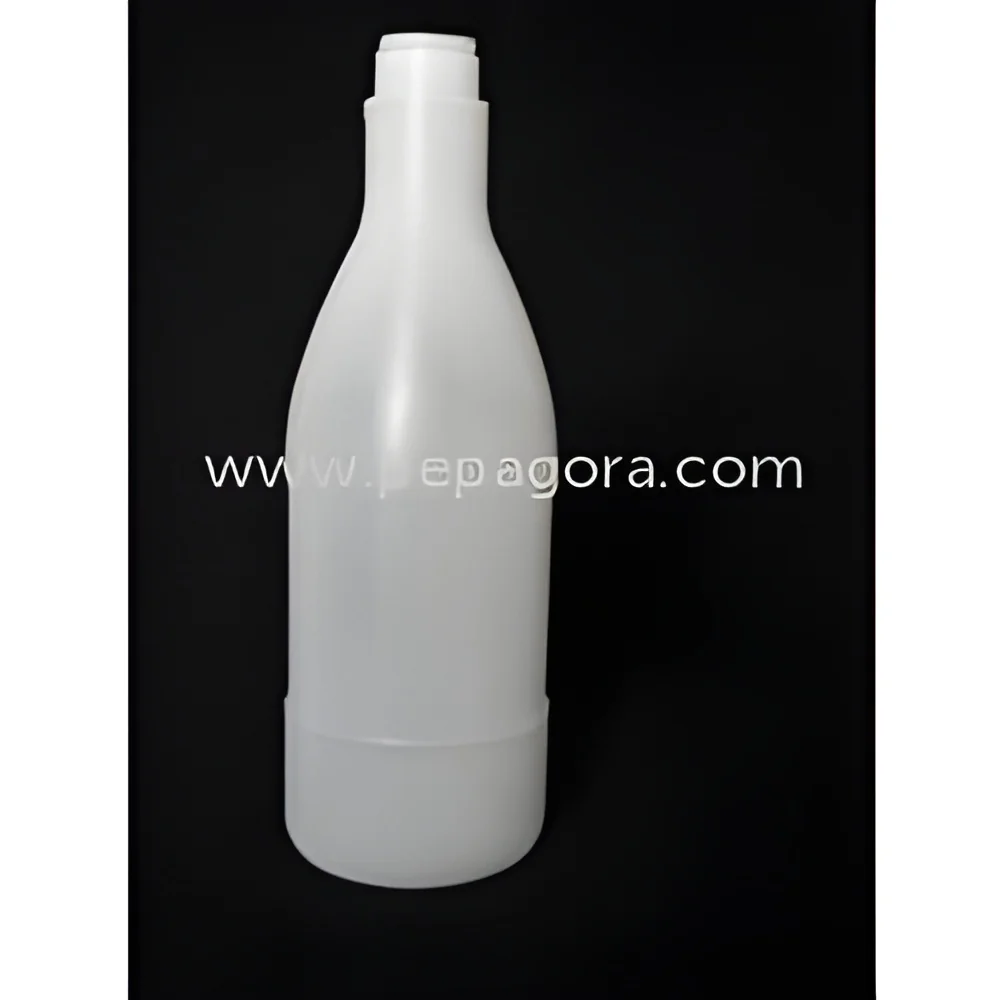
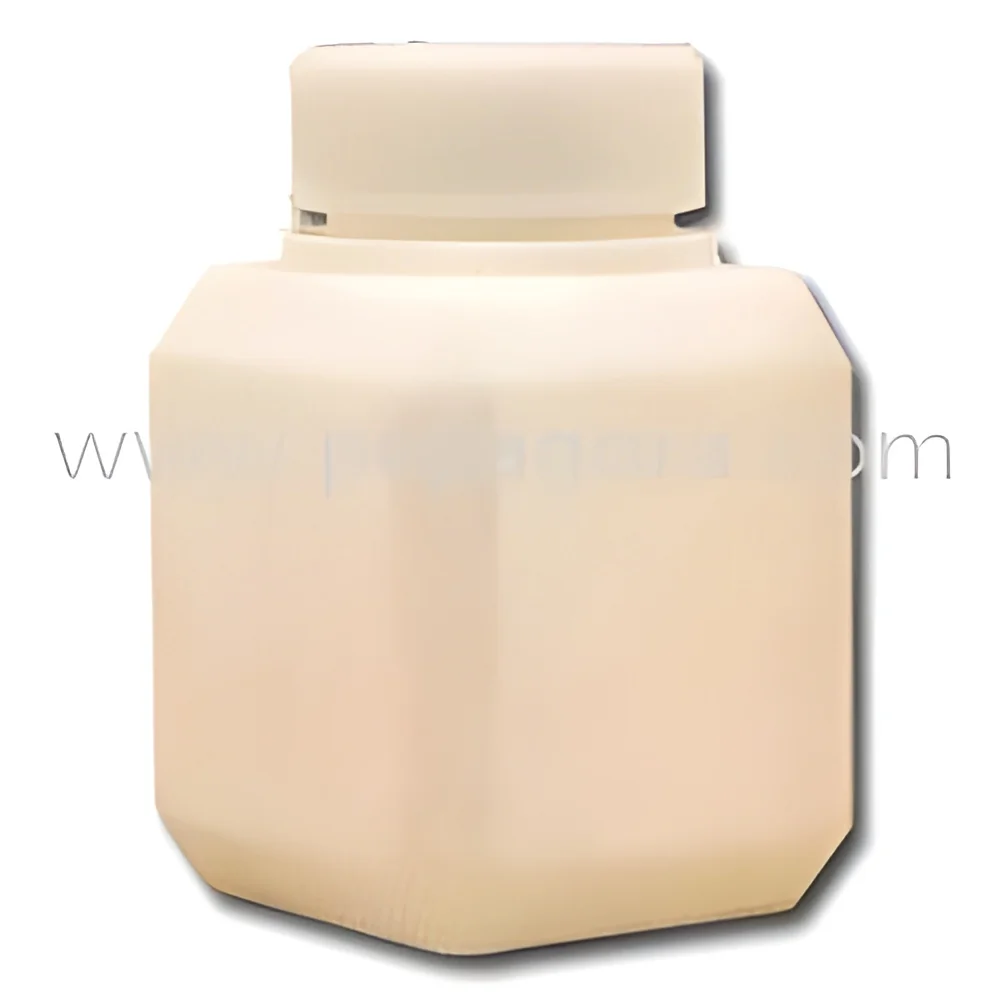
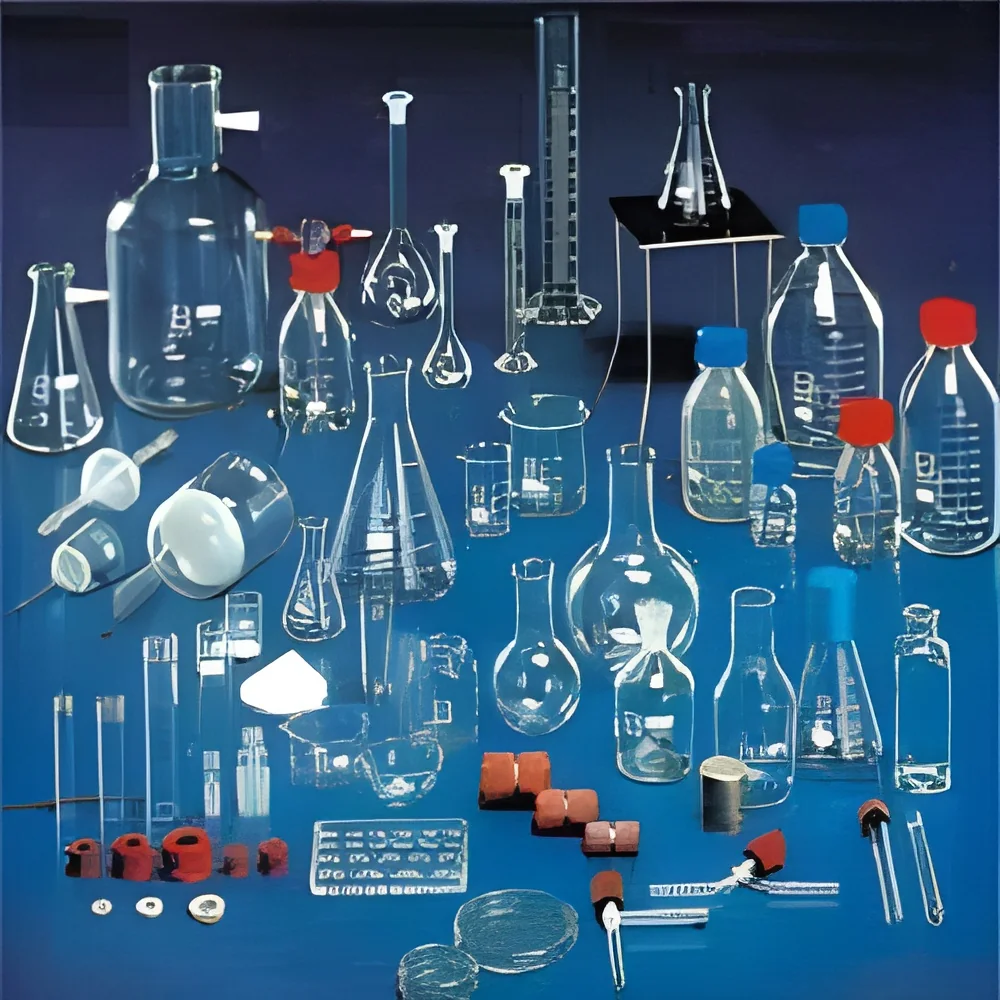
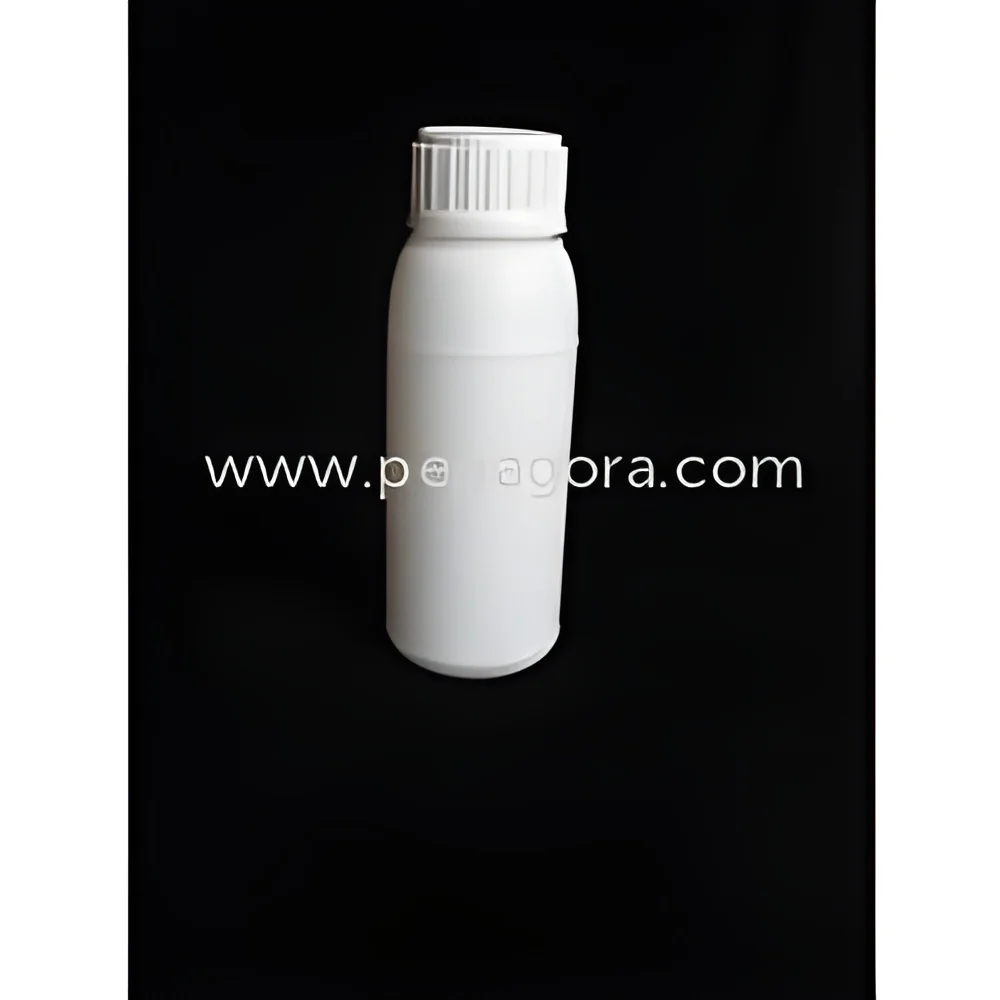
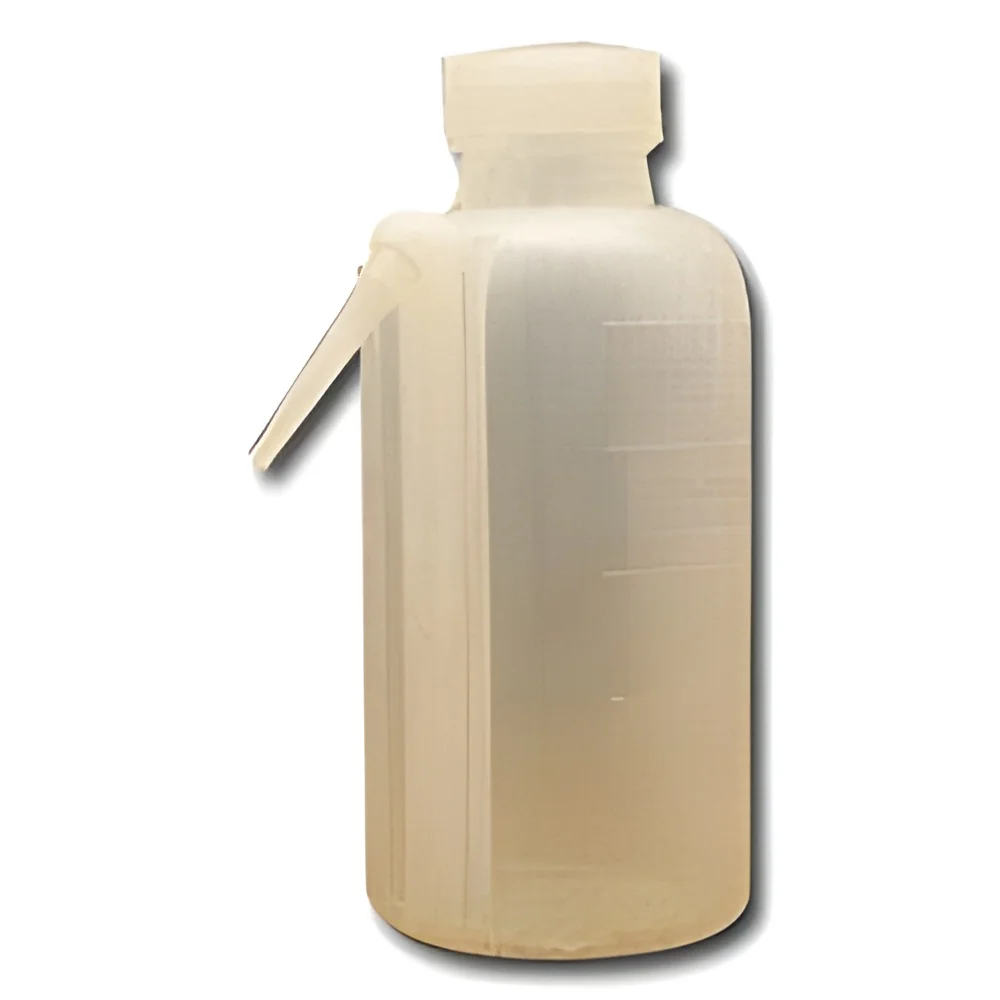
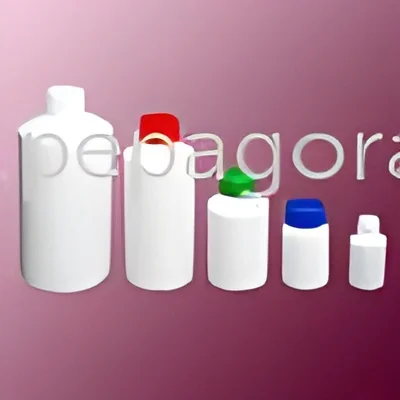
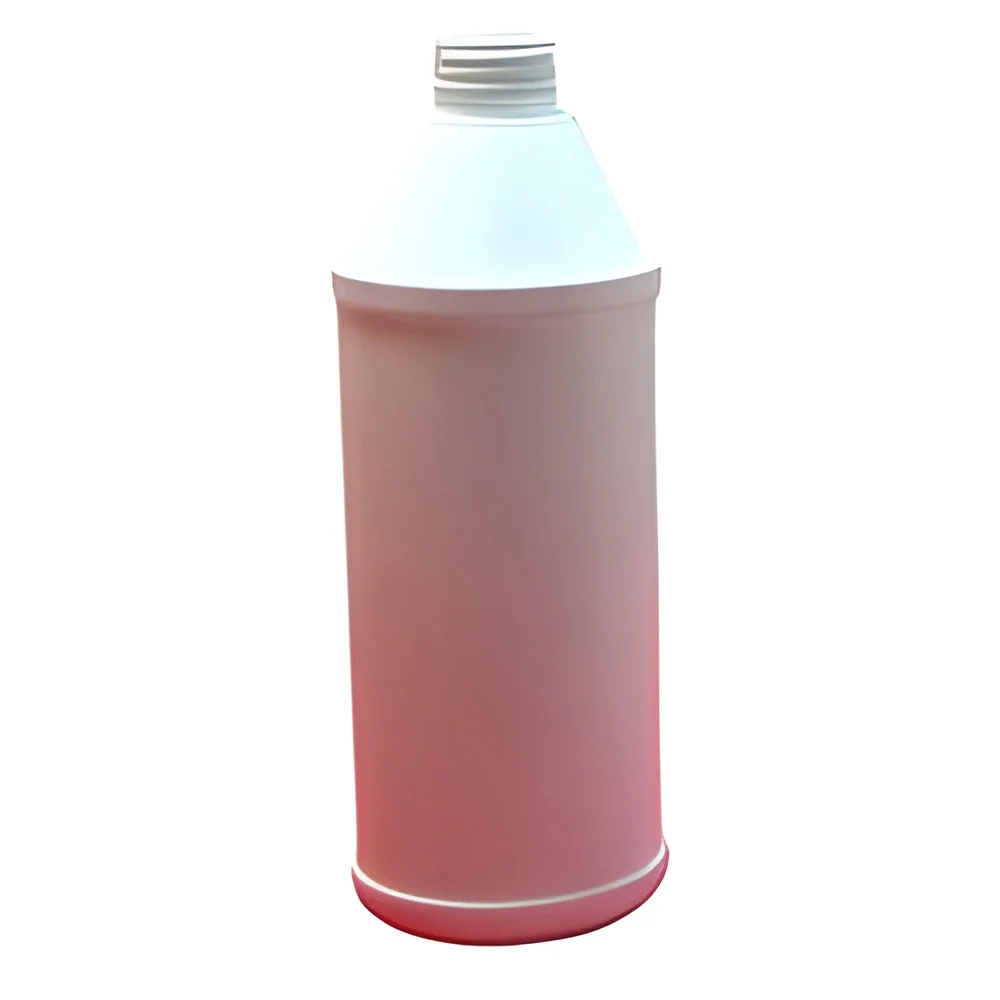
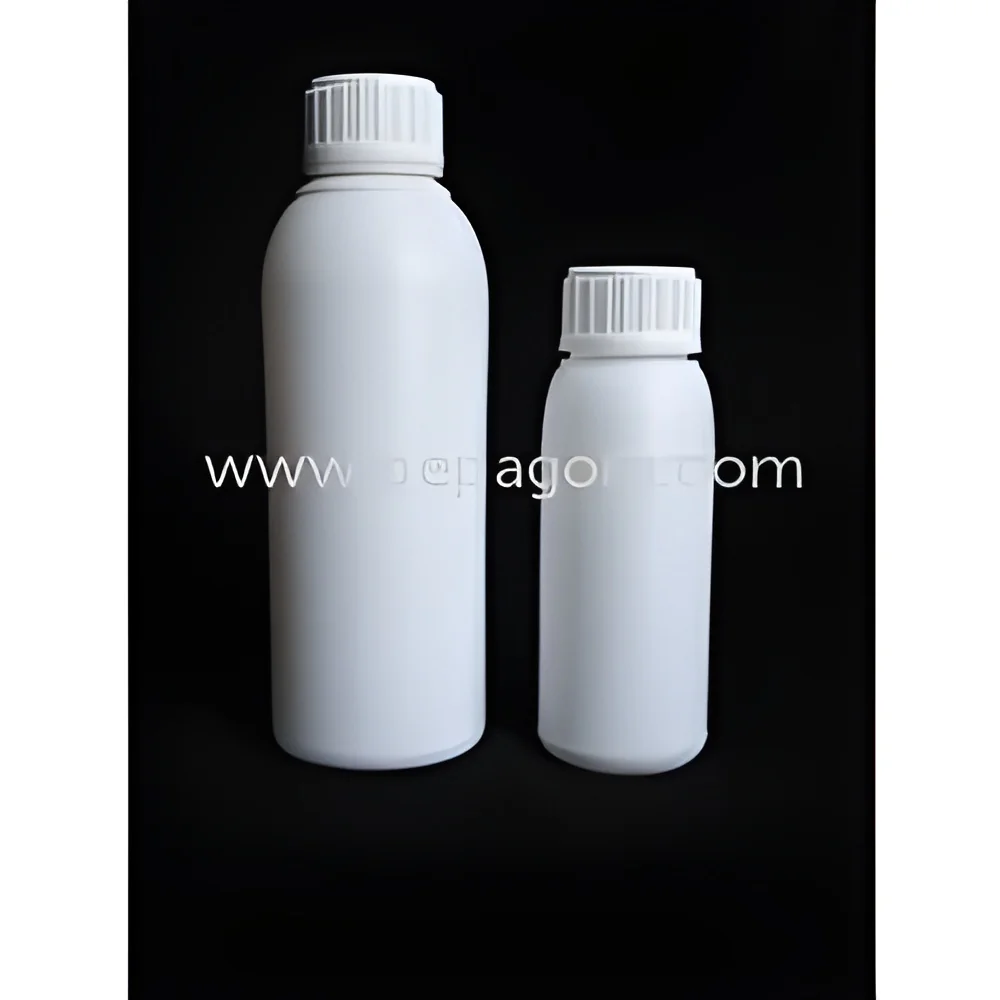
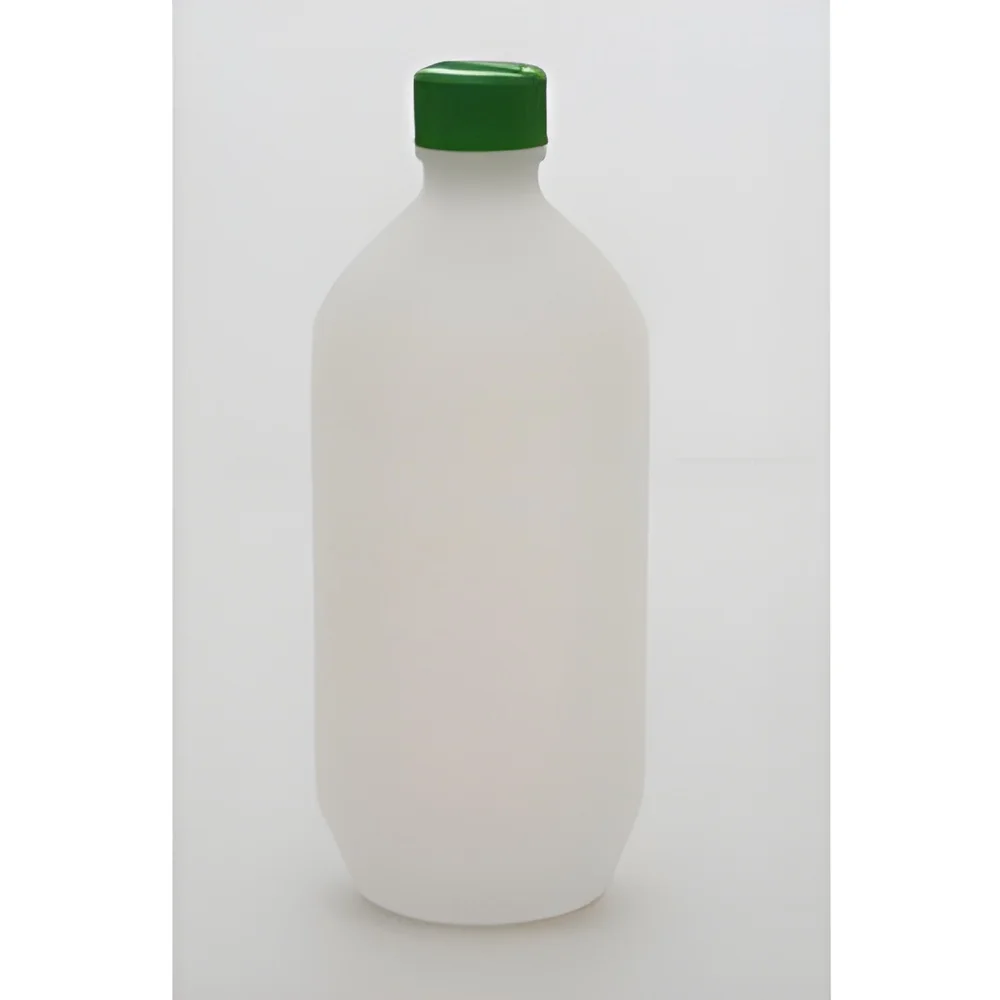
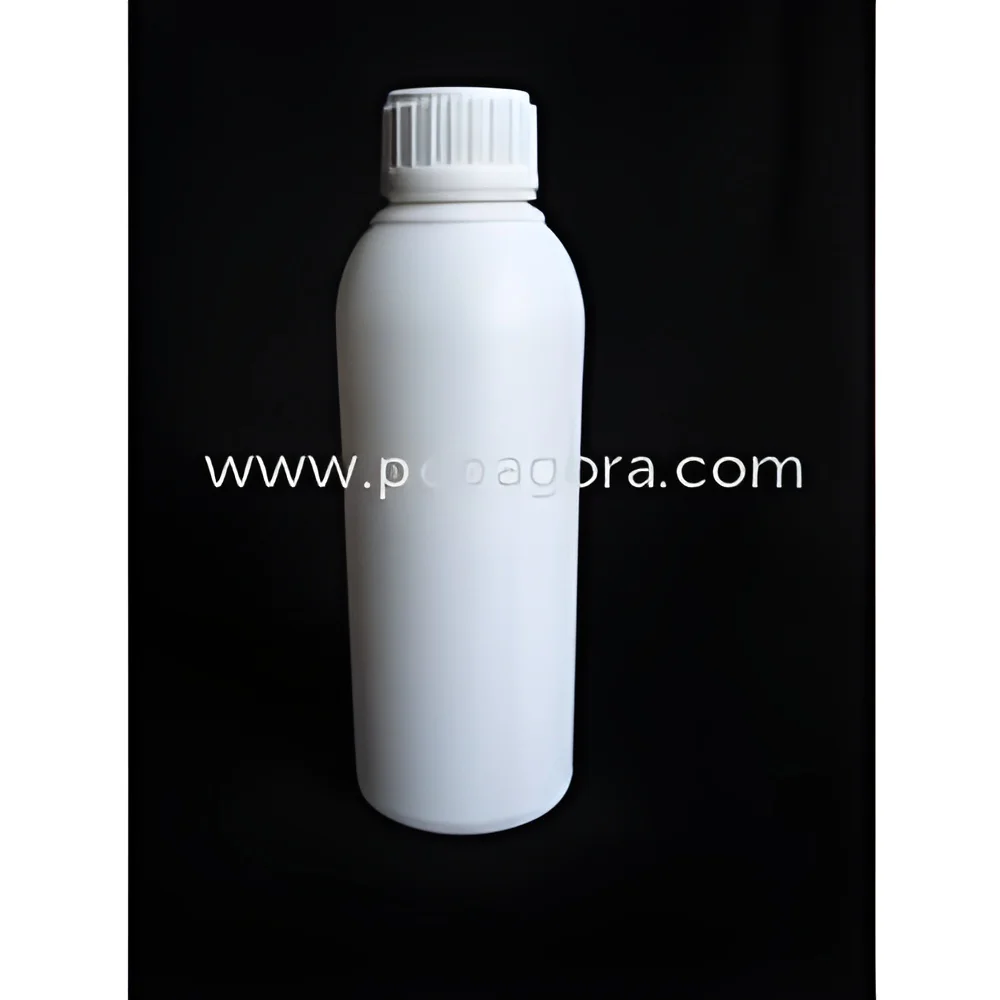
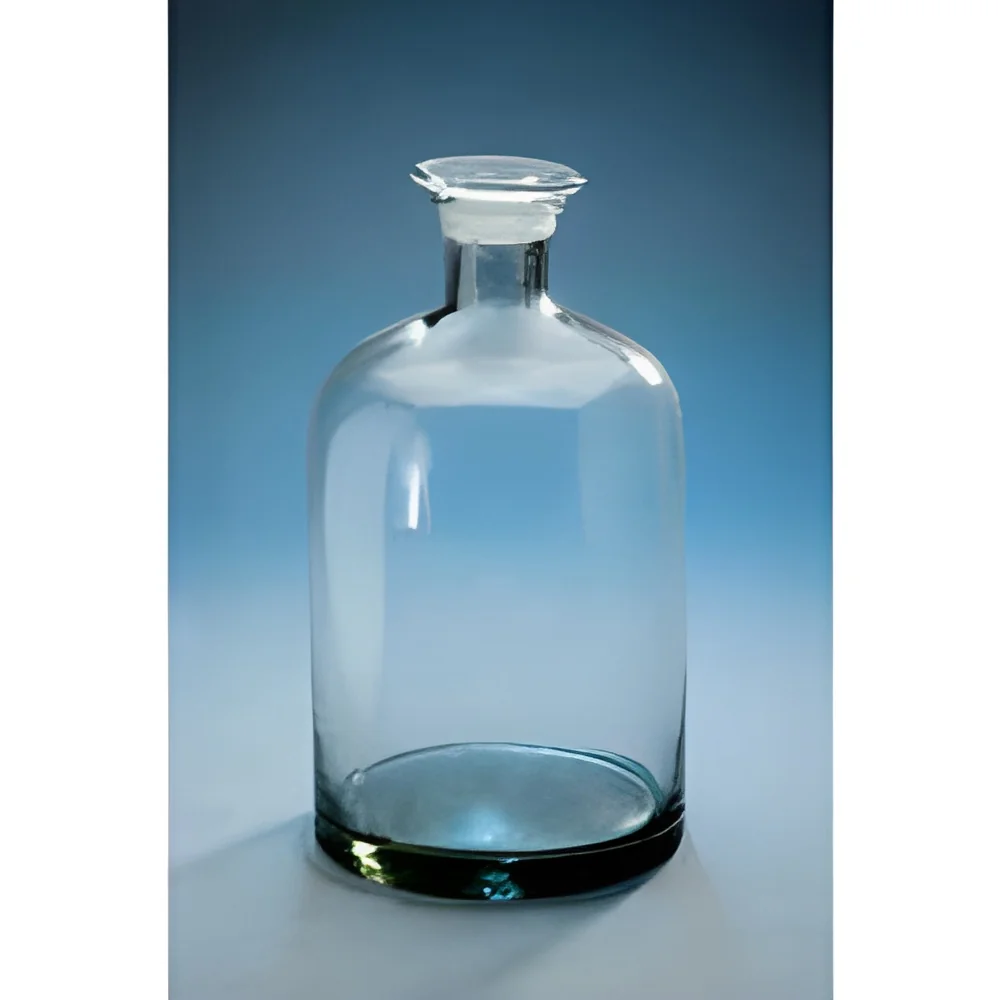
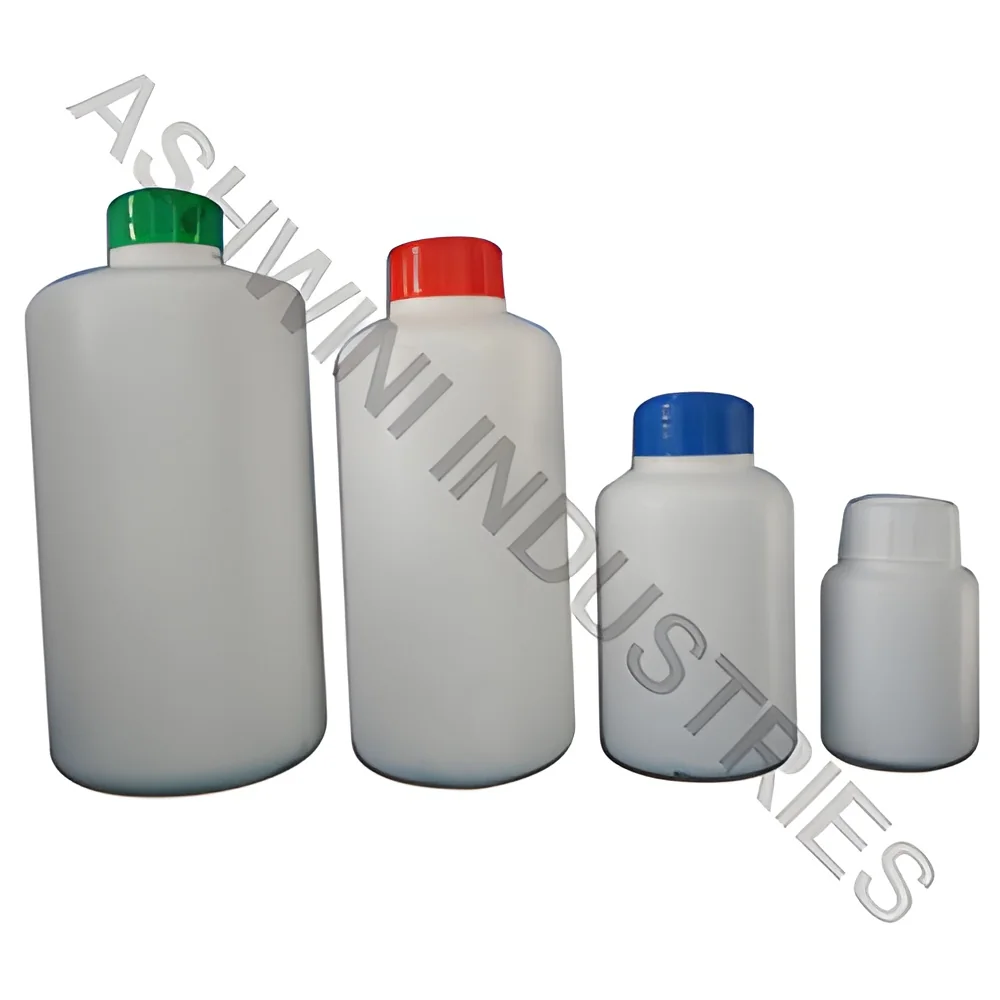
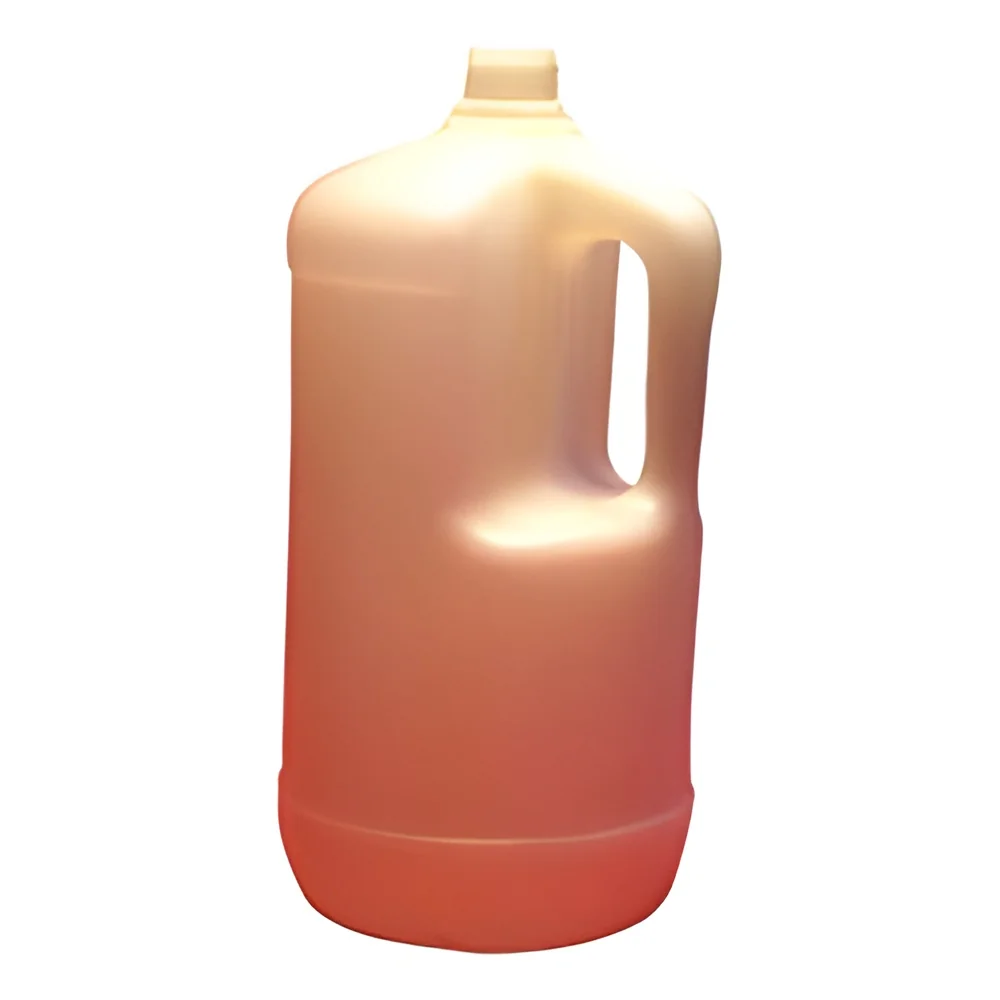
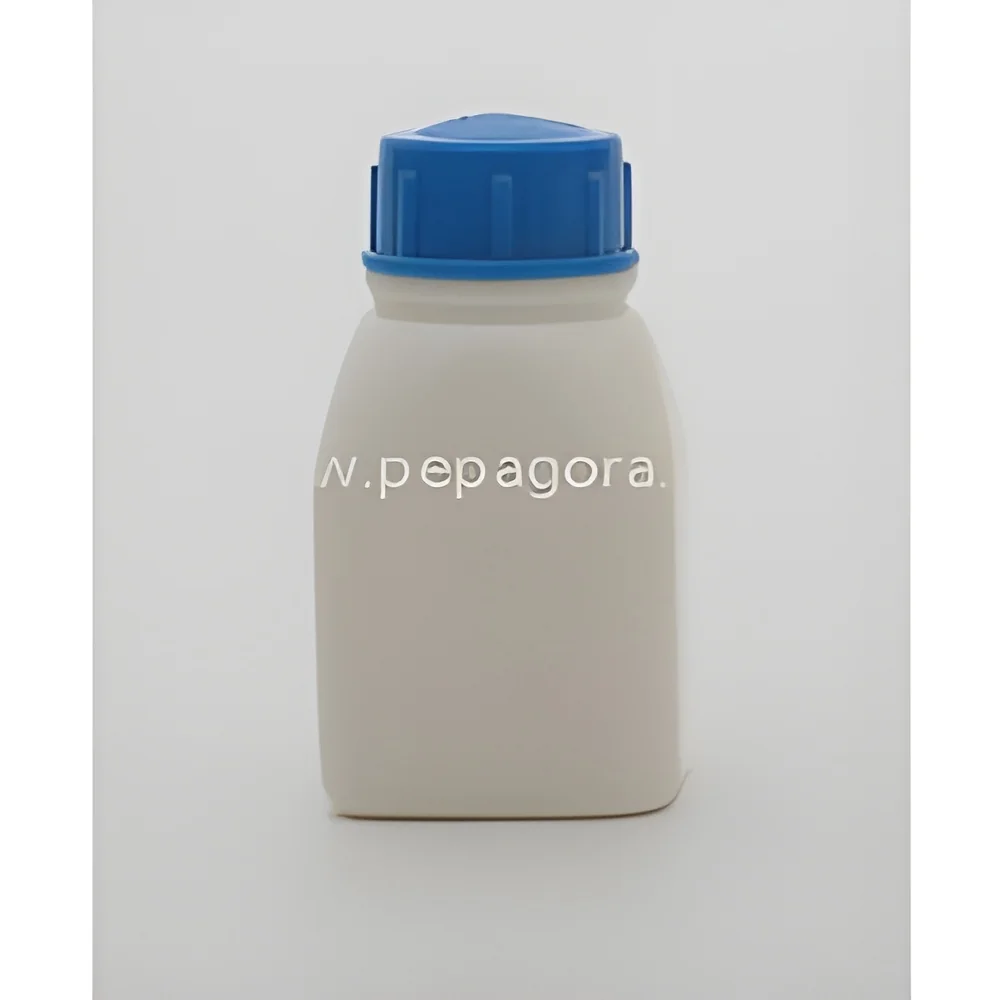
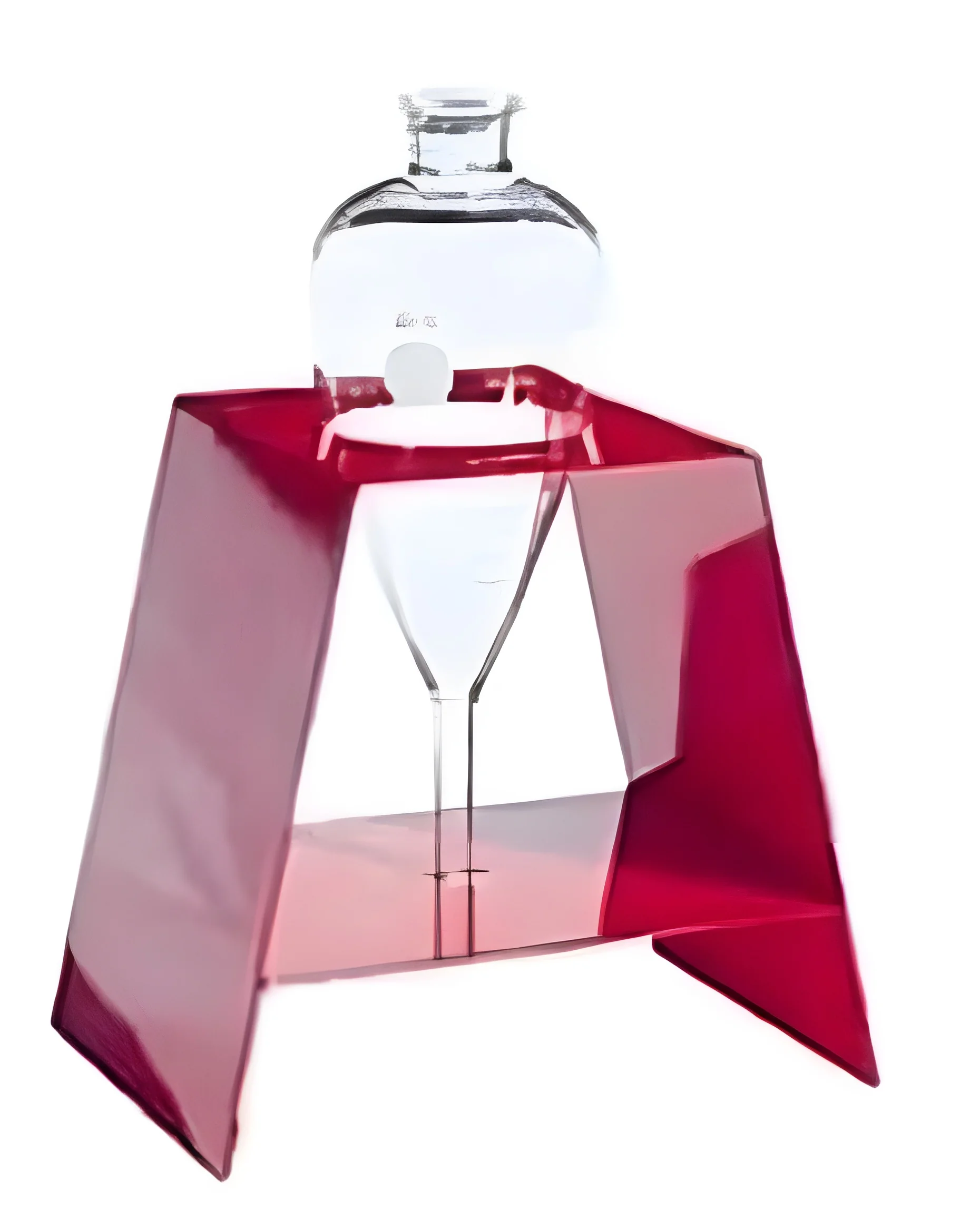
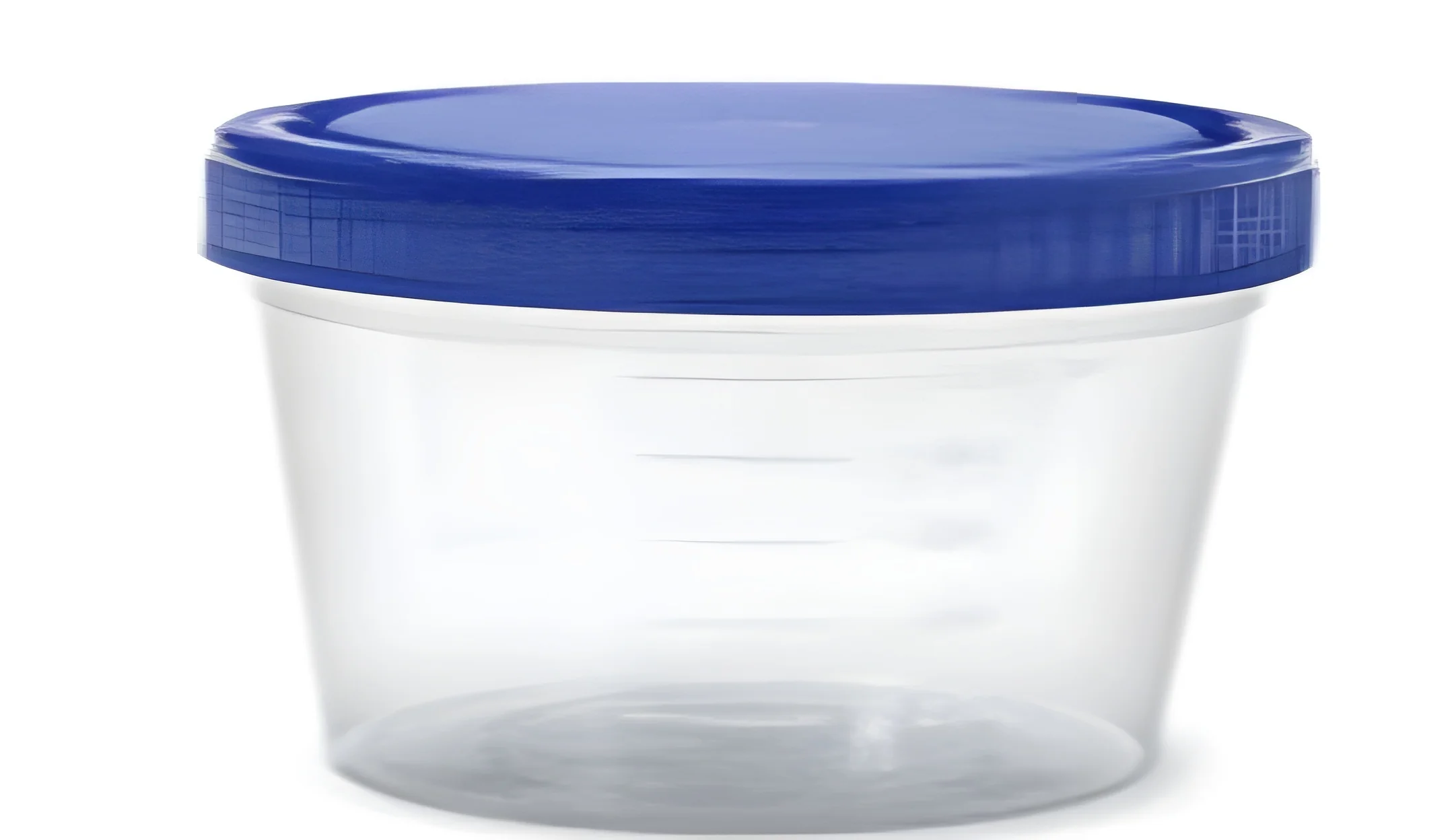
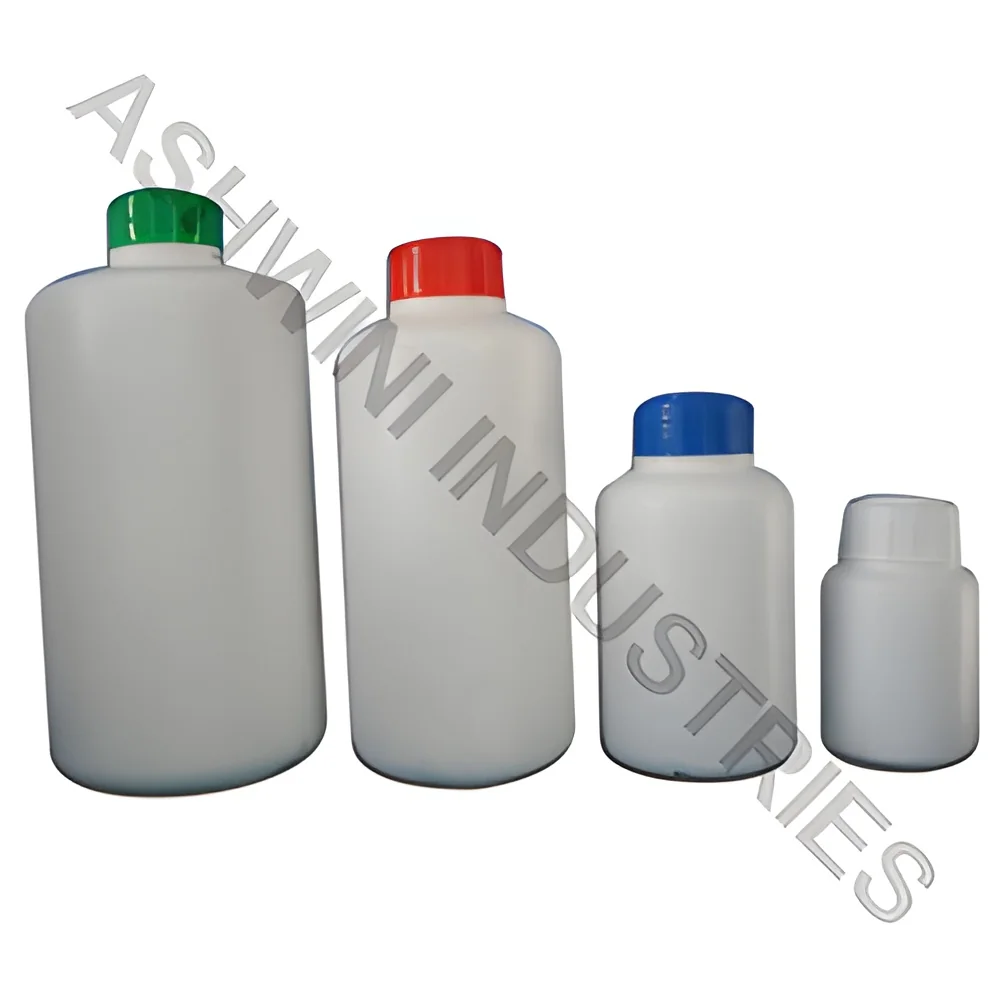
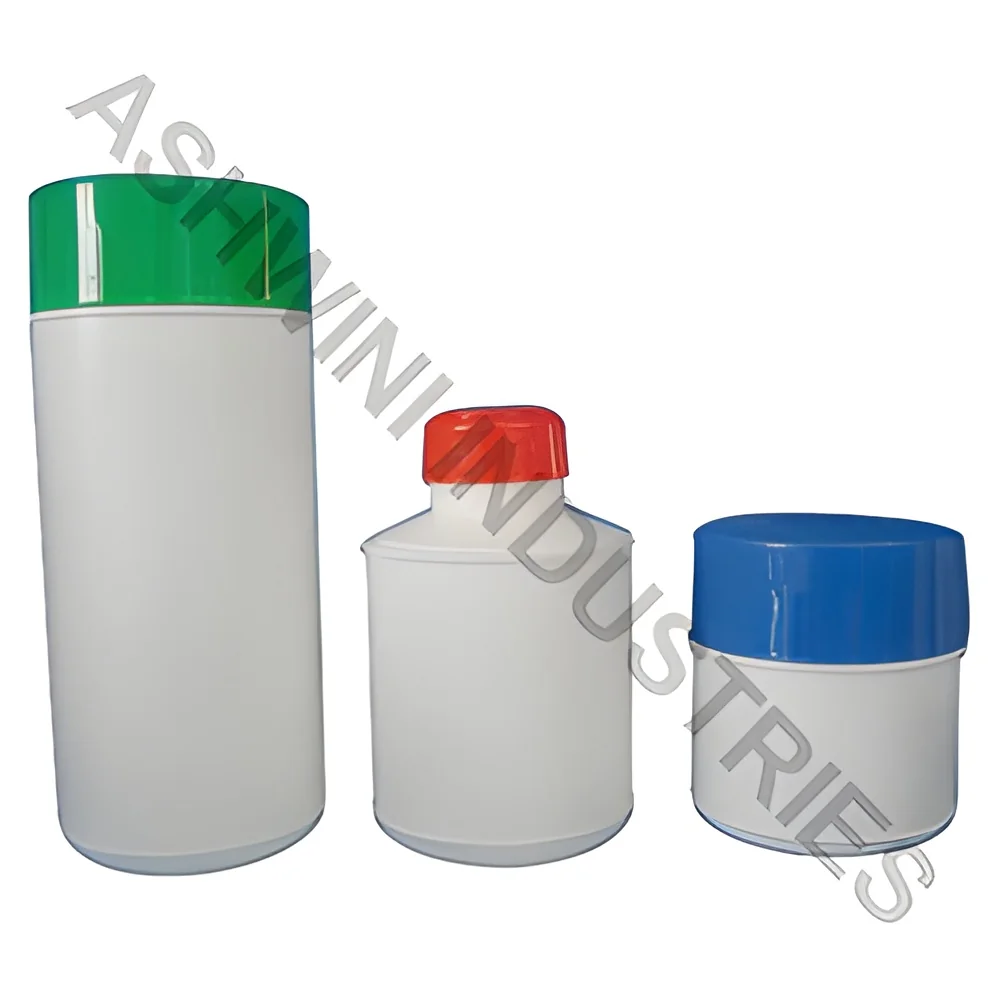
Laboratory bottles are essential containers designed for holding, mixing, and storing various substances used in laboratory environments. These bottles are typically made from materials such as glass or plastic, which provide durability and chemical resistance. They come in various shapes and sizes to accommodate different laboratory needs, ensuring reliability and ease of use in scientific experiments and processes.
Laboratory bottles find primary applications in research, pharmaceuticals, chemical analysis, and educational institutions. They are used for storing reagents, solutions, and samples, making them vital for accurate testing and experimentation. Additionally, their design often includes features such as secure sealing mechanisms and graduated markings, allowing precise measurement and safe handling of materials.
In the industrial context, laboratory bottles are relevant across multiple sectors, including biotechnology, environmental testing, and food safety. The growing demand for laboratory equipment, driven by advancements in research and development, underscores the importance of high-quality laboratory bottles in maintaining operational efficiency and safety standards in laboratories worldwide.
Key Features and Specifications
Laboratory bottles are characterized by several key features that enhance their functionality and usability. Understanding these specifications is crucial for selecting the right bottle for your laboratory needs.
Key specifications include:
1. Material Composition
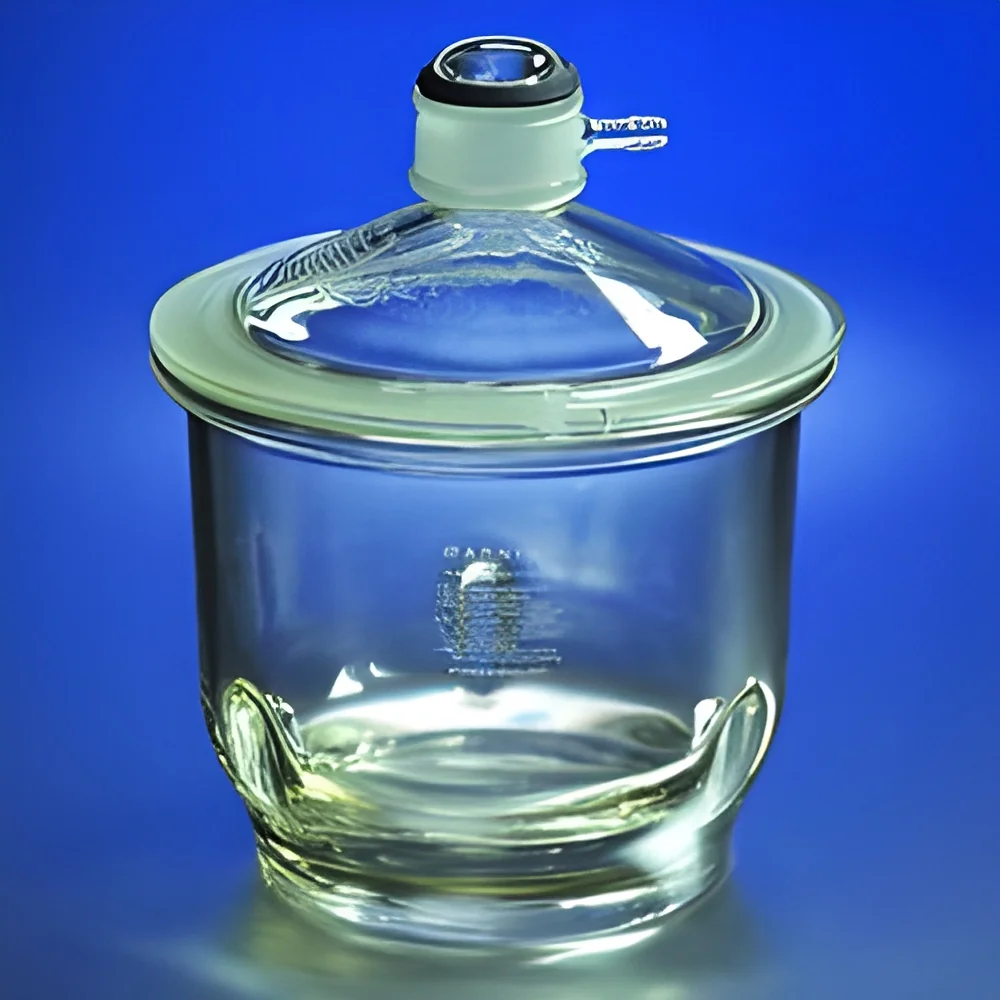
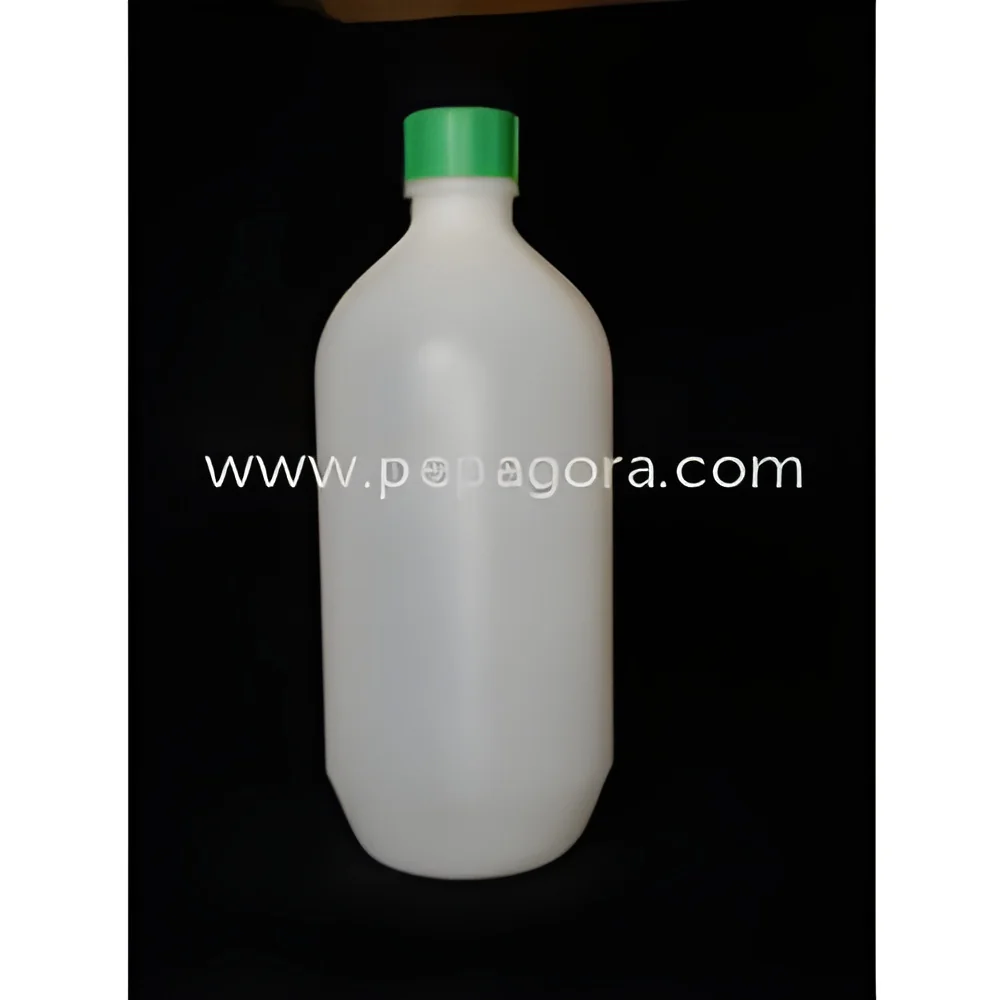
- Made from glass or high-density polyethylene (HDPE)
- Offers chemical resistance and durability
2. Capacity Range
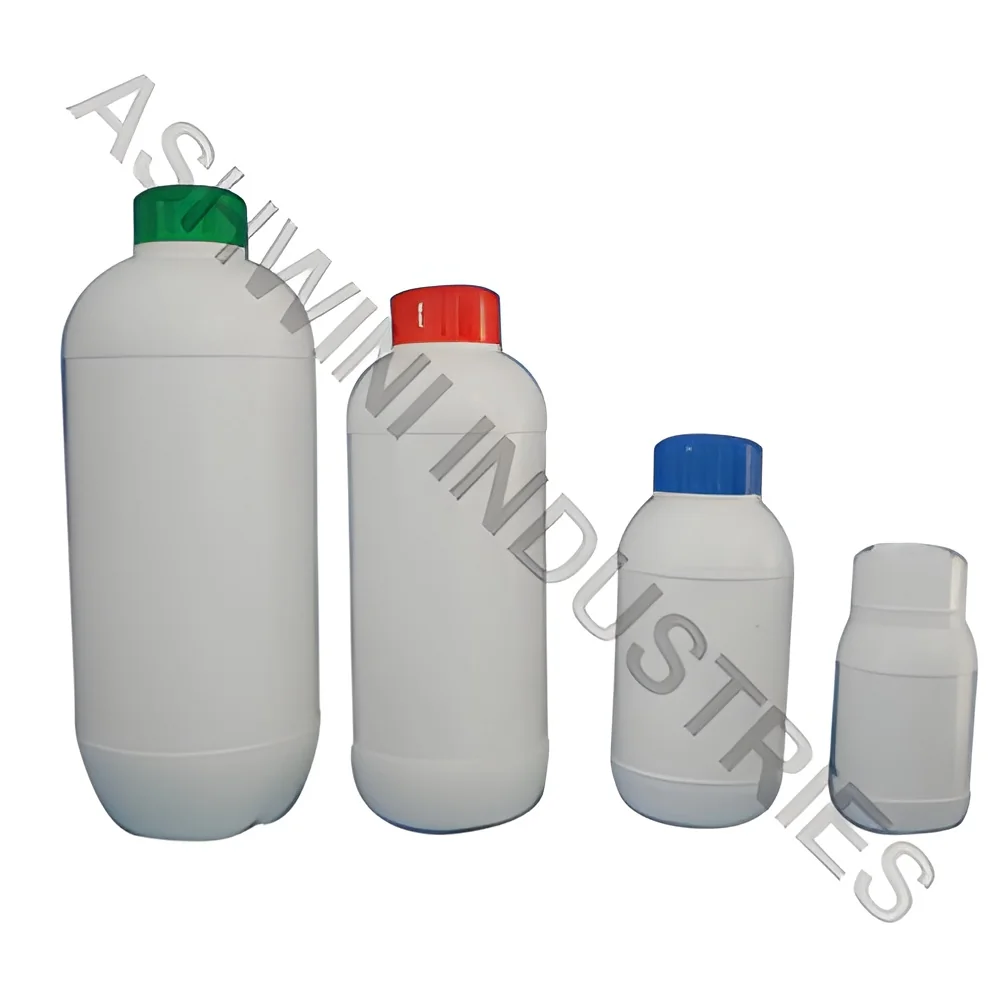
- Available in various sizes, typically from 50 ml to 5000 ml
- Accommodates different volumes based on laboratory requirements
3. Closure Type
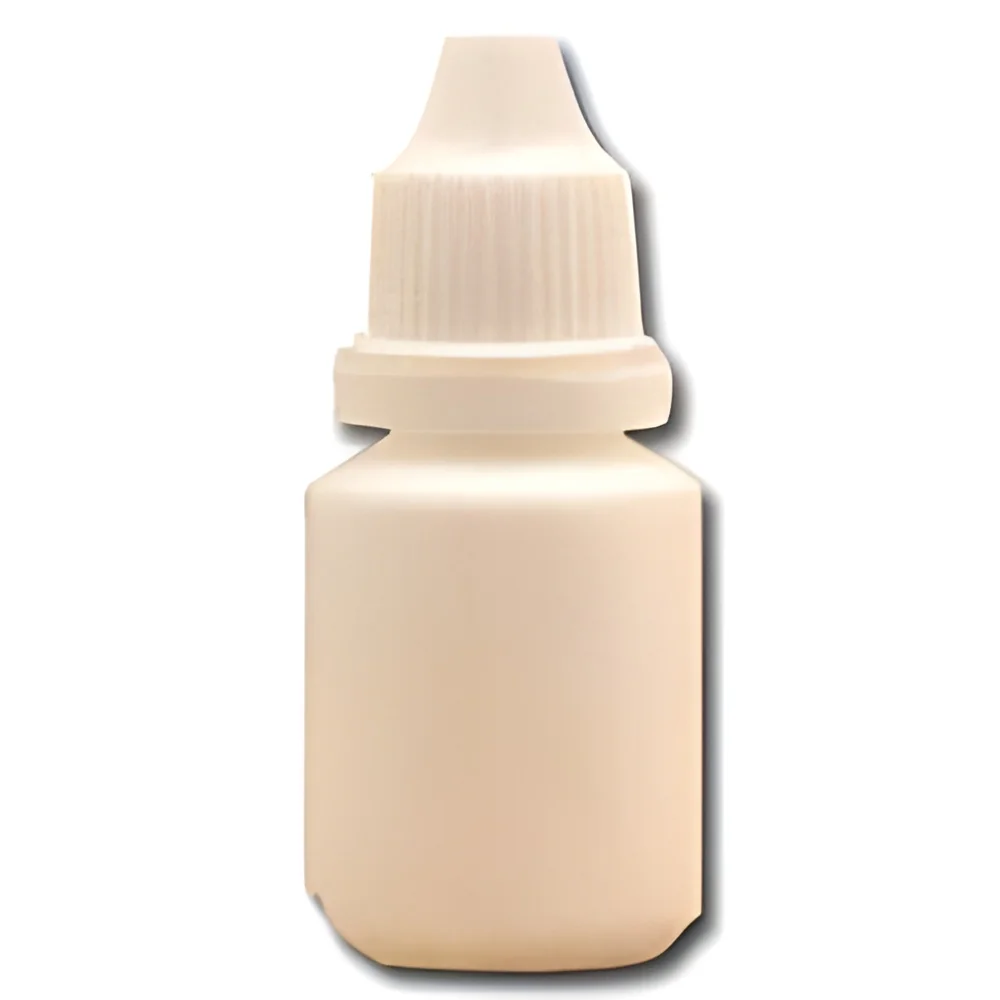
- Options include screw caps, dropper tops, and snap-on lids
- Ensures secure sealing to prevent contamination and evaporation
4. Graduated Markings
- Provides easy measurement and volume tracking
- Supports precise formulation and experimentation
5. Sterilization Compatibility
- Suitable for autoclaving or chemical sterilization
- Ensures safe use in biological applications
6. Temperature Resistance
- Designed to withstand a range of temperatures
- Ensures performance in varying laboratory conditions
7. Compliance Standards
- Adherence to industry regulations and quality standards
- Ensures reliability and safety in laboratory use
8. Customization Options
- Availability of various colors and labeling for easy identification
- Tailored solutions for specific applications
In summary, selecting the right laboratory bottle involves understanding these key features and specifications to ensure they meet your specific laboratory needs.
Common Applications and Use Cases
Laboratory bottles serve a wide range of industries, each with unique applications that underscore their versatility.
1. Pharmaceutical Industry: Laboratory bottles are used to store and mix chemical compounds, ensuring that drugs are formulated accurately and safely.
2. Chemical Analysis: In laboratories conducting chemical tests, these bottles hold reagents and samples, providing secure environments for experimentation.
3. Biotechnology: Laboratory bottles store biological samples and cultures, essential for research and development in genetic engineering and microbiology.
4. Environmental Testing: Used to collect and analyze water and soil samples, laboratory bottles are crucial for monitoring environmental conditions.
5. Educational Institutions: In schools and universities, laboratory bottles are utilized for teaching purposes, allowing students to conduct experiments safely.
6. Food and Beverage: These bottles are employed to test food samples and ingredients, ensuring quality control and safety in production processes.
7. Research Laboratories: Essential for holding various substances, laboratory bottles facilitate research across multiple scientific disciplines.
Product Variants and Subcategories
Laboratory bottles come in various forms, allowing users to select the best fit for their specific applications.
Narrow Mouth Bottles
These bottles are designed for easy pouring and minimizing spillage. They are ideal for storing reagents and chemicals securely.
Wide Mouth Bottles
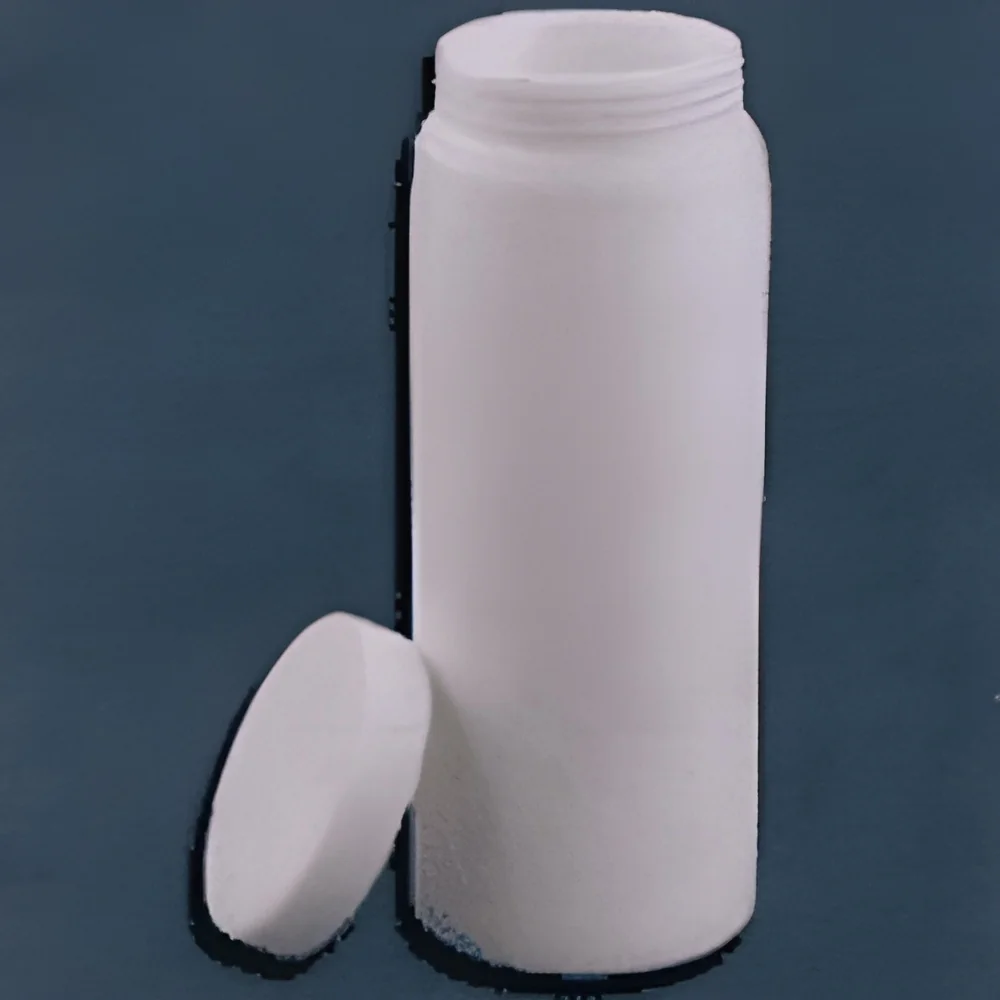
With a larger opening, these bottles facilitate easier filling and cleaning. They are commonly used for storing powders and larger samples.
Reagent Bottles
These specialized bottles come with a secure closure and are designed specifically for storing chemicals and solutions, ensuring safety and integrity.
Storage Bottles
Used for long-term storage of laboratory materials, these bottles are designed to withstand various conditions and are often used in research settings.
Benefits and Advantages
Laboratory bottles offer numerous benefits that enhance their value in laboratory settings.
1. Versatility: These bottles can hold a wide range of substances, making them suitable for diverse laboratory applications.
2. Chemical Resistance: Made from durable materials, laboratory bottles withstand various chemicals, ensuring safety and reliability.
3. Precision: Graduated markings allow for accurate measurements, which is critical in experimental processes.
4. Secure Storage: With various closure options, laboratory bottles provide secure environments for sensitive materials, preventing contamination.
5. Easy Handling: Ergonomically designed for ease of use, these bottles facilitate safe pouring and mixing of liquids.
6. Cost-Effectiveness: Durable construction and reusable options make laboratory bottles a cost-effective choice for long-term laboratory needs.
Buying Guide for B2B Buyers
When sourcing laboratory bottles, it is essential for B2B buyers to consider several key factors to ensure they make informed purchasing decisions.
1. Quality Assessment: Ensure that bottles meet industry standards for quality and safety. Look for certifications and material specifications that guarantee reliability.
2. Supplier Verification: Vet suppliers through background checks and customer reviews. A trustworthy supplier is crucial for maintaining quality in your laboratory.
3. Pricing and MOQ: Assess pricing structures and minimum order quantities. Understanding these factors helps in budgeting and sourcing decisions.
4. Delivery and Lead Times: Consider the supplier's ability to meet delivery timelines. Timely delivery is essential for maintaining laboratory operations.
5. Compliance Requirements: Ensure that the bottles comply with relevant regulations. Familiarity with local and international compliance standards is crucial for avoiding legal issues.
Compliance and Certifications
Laboratory bottles must adhere to various quality standards and certifications to ensure safety and reliability in laboratory environments. Compliance with ISO 9001 ensures that manufacturers maintain high-quality management practices, while HACCP principles help mitigate risks associated with biological hazards.
Additionally, CE certification indicates that the products meet European safety, health, and environmental protection standards. It is essential for buyers to verify that laboratory bottles comply with these certifications, as they reflect the product's quality and safety.
Safety and testing requirements are also vital. Laboratory bottles should be tested for durability, chemical resistance, and functionality to ensure they perform well under laboratory conditions. Furthermore, regional compliance considerations may vary, so understanding local regulations is crucial when purchasing laboratory bottles.
Why Source Laboratory Bottles from Pepagora?
Pepagora provides an excellent platform for sourcing laboratory bottles, offering several key advantages to B2B buyers.
Verified Supplier Network: Pepagora connects buyers with a network of verified suppliers. This ensures that buyers can find high-quality products from reputable manufacturers.
Streamlined RFQ Process: The request for quotation system simplifies the procurement process. Buyers can easily compare prices and specifications from multiple suppliers in one place.
Trade Assurance and Support: Pepagora offers trade assurance, providing buyers with protection throughout the purchasing process. Support services are available to assist with any issues that may arise.
Regional Coverage: With a strong presence in India, the GCC, and Southeast Asia, Pepagora offers extensive regional coverage. This ensures that buyers have access to local suppliers, reducing lead times and enhancing service levels.
Overall, sourcing laboratory bottles from Pepagora simplifies the procurement process while ensuring access to quality products and reliable suppliers.

 IN
IN