
 IN
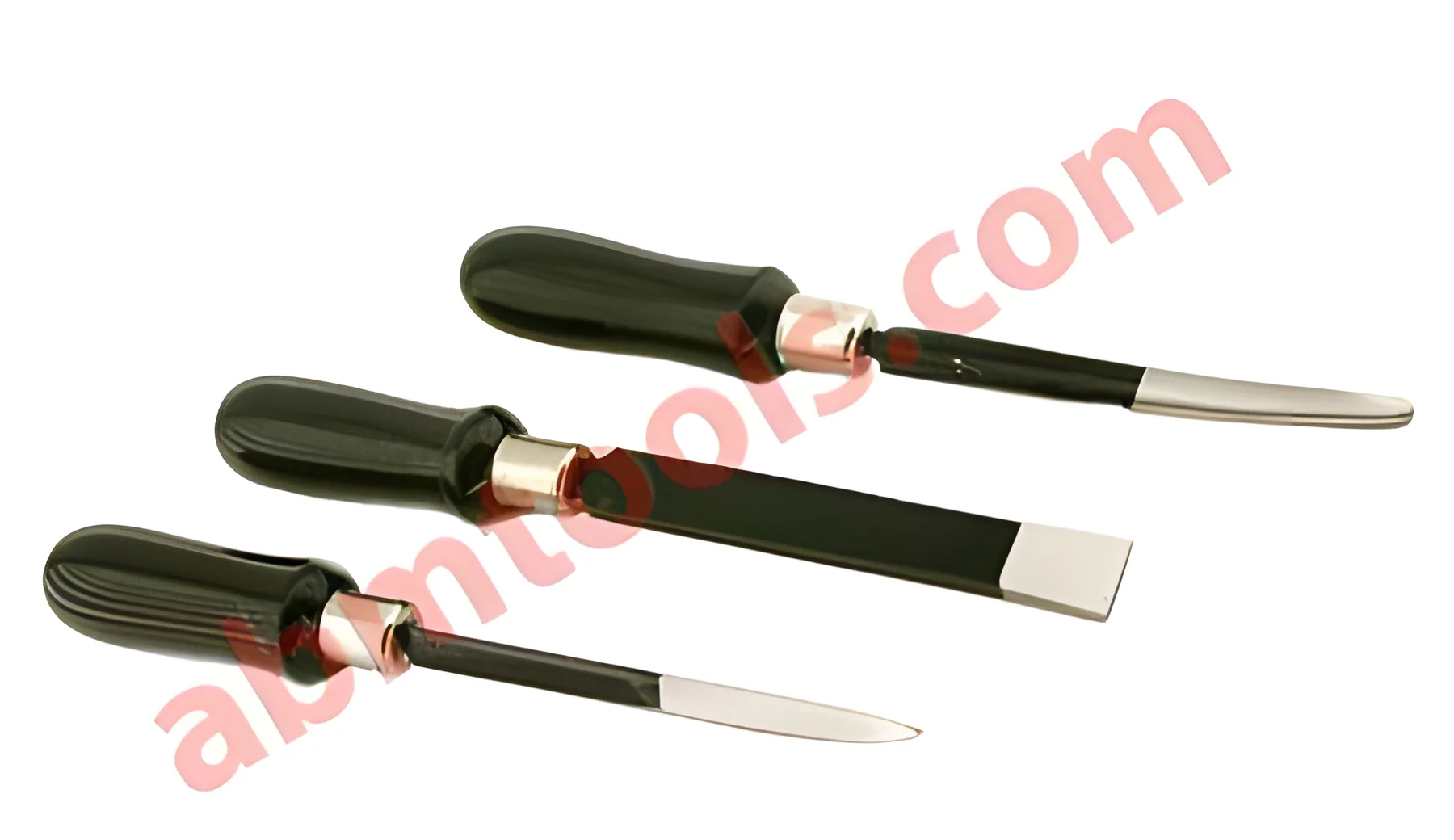
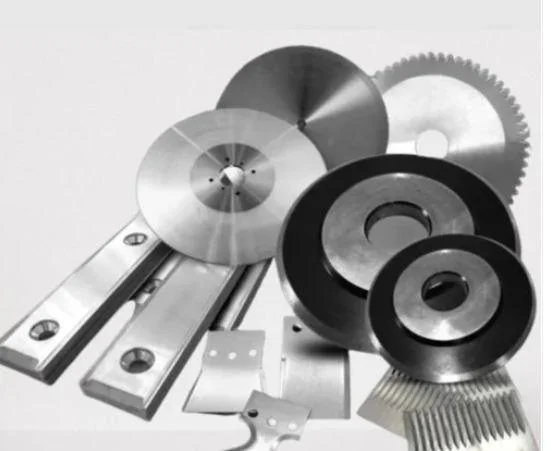
Cutting Tools (Blades, Knives, Scissors)
88 products available
𝗞𝗲𝘆 𝗙𝗲𝗮𝘁𝘂𝗿𝗲𝘀 𝗮𝗻𝗱 𝗦𝗽𝗲𝗰𝗶𝗳𝗶𝗰𝗮𝘁𝗶𝗼𝗻𝘀
Cutting tools are characterized by several key features that determine their performance and suitability for various applications. Understanding these specifications helps buyers make informed decisions when selecting the right tools for their needs.
Key specifications include:
1. Blade Material
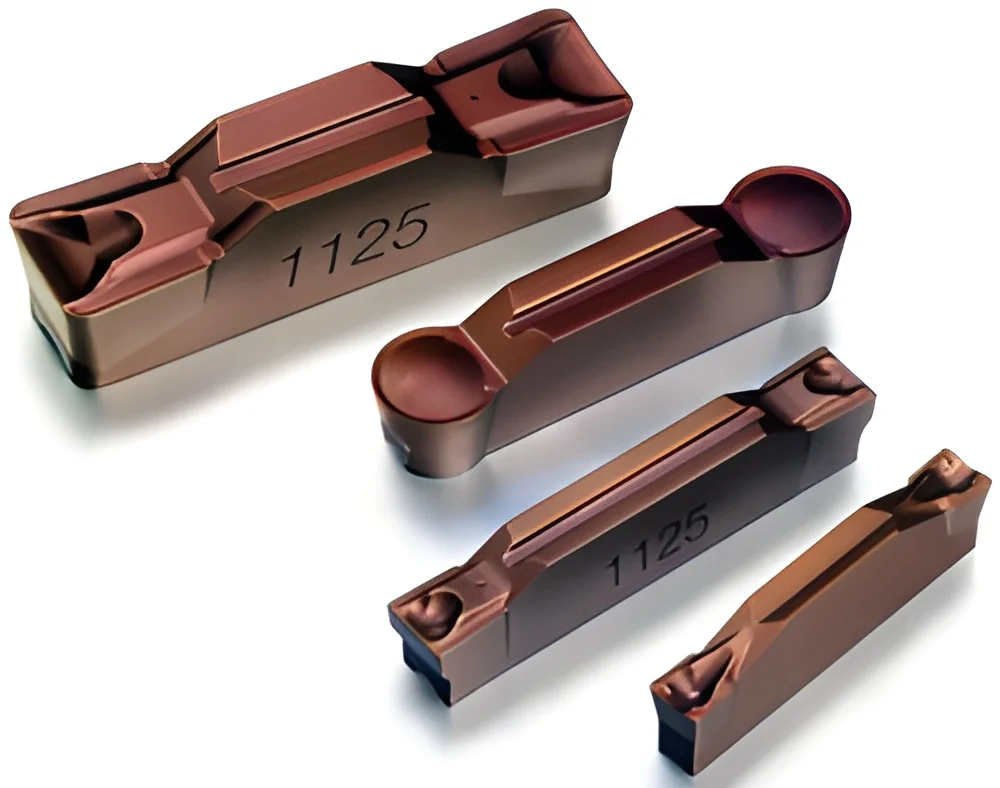
- Common materials include high-carbon steel, stainless steel, and ceramic.
- Each material offers different levels of hardness, durability, and corrosion resistance.
2. Blade Length
- Available lengths vary based on tool type and application.
- Lengths typically range from 2 inches to over 10 inches for industrial blades.
3. Edge Type
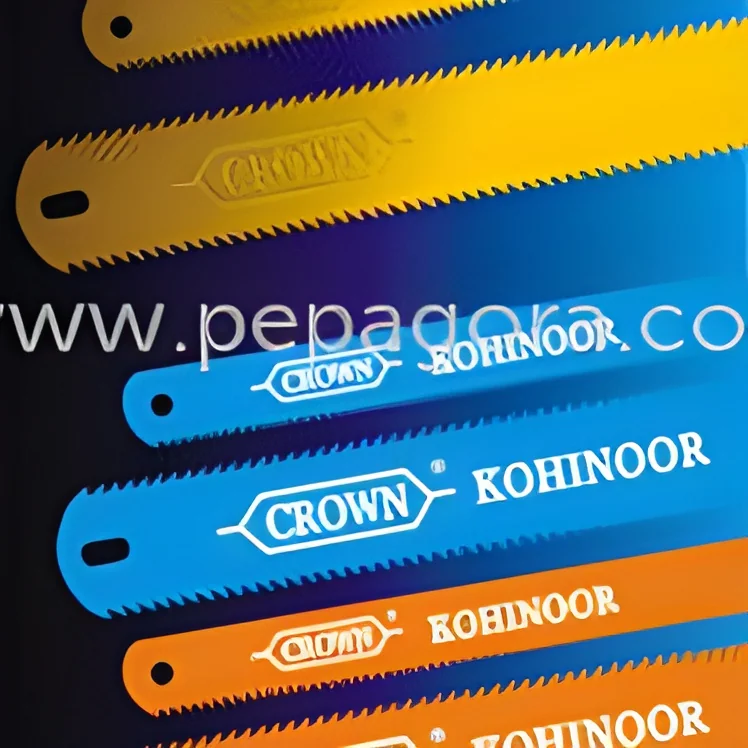
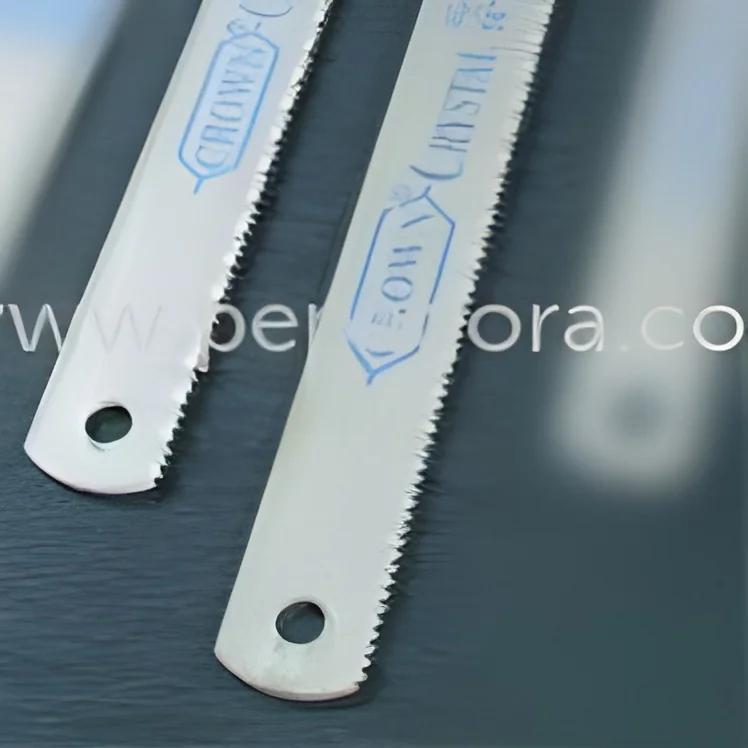
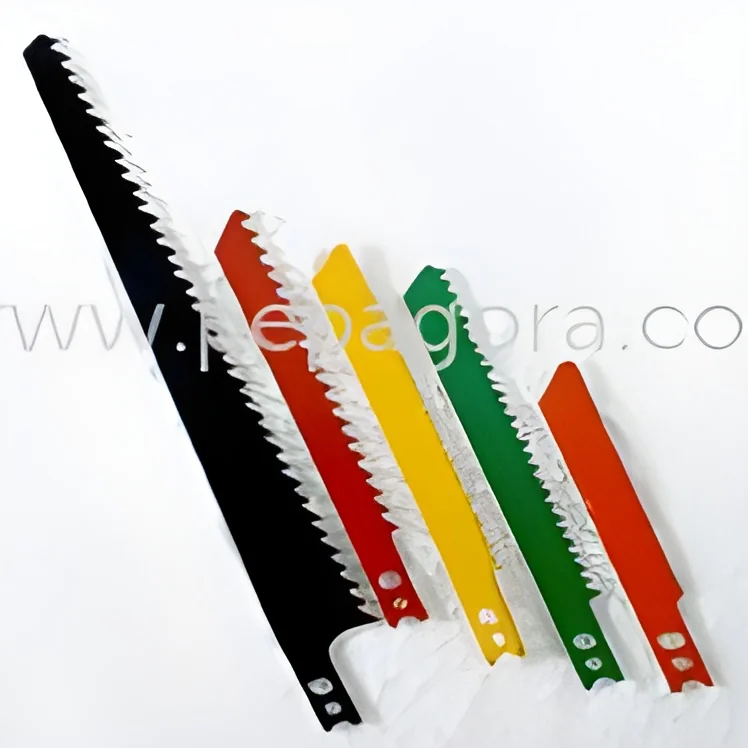
- Types include straight, serrated, and scalloped edges.
- Each edge type serves specific cutting needs, such as slicing or sawing.
4. Handle Design
- Ergonomic handles enhance user comfort and control.
- Materials can include plastic, rubber, or metal for strength and grip.
5. Weight
- The weight of cutting tools affects usability and fatigue during extended use.
- Options range from lightweight for precision tasks to heavier models for robust cutting.
6. Safety Features
- Some tools include safety locks or sheaths to prevent accidents.
- Enhanced designs may offer slip-resistant grips for better handling.
7. Customization Options
- Many suppliers offer customization in terms of size, material, and branding.
- Tailored solutions can meet specific operational requirements.
In summary, understanding these features and specifications allows buyers to select cutting tools that align with their operational needs, ensuring efficiency and effectiveness in their applications.
𝗖𝗼𝗺𝗺𝗼𝗻 𝗔𝗽𝗽𝗹𝗶𝗰𝗮𝘁𝗶𝗼𝗻𝘀 𝗮𝗻𝗱 𝗨𝘀𝗲 𝗖𝗮𝘀𝗲𝘀
Cutting tools serve a wide range of industries, each with specific applications that highlight their versatility.
1. Manufacturing: In manufacturing, cutting tools are essential for processing various materials, including metals and plastics. They are used in assembly lines for precise cuts, shaping, and finishing of products.
2. Food Processing: In the food industry, specialized knives and scissors are crucial for food preparation, portioning, and packaging. They ensure hygiene and efficiency in handling food products.
3. Construction: Cutting tools play a vital role in construction for cutting through materials like wood, drywall, and metal. They are used in both rough and finish work, ensuring accurate measurements and clean edges.
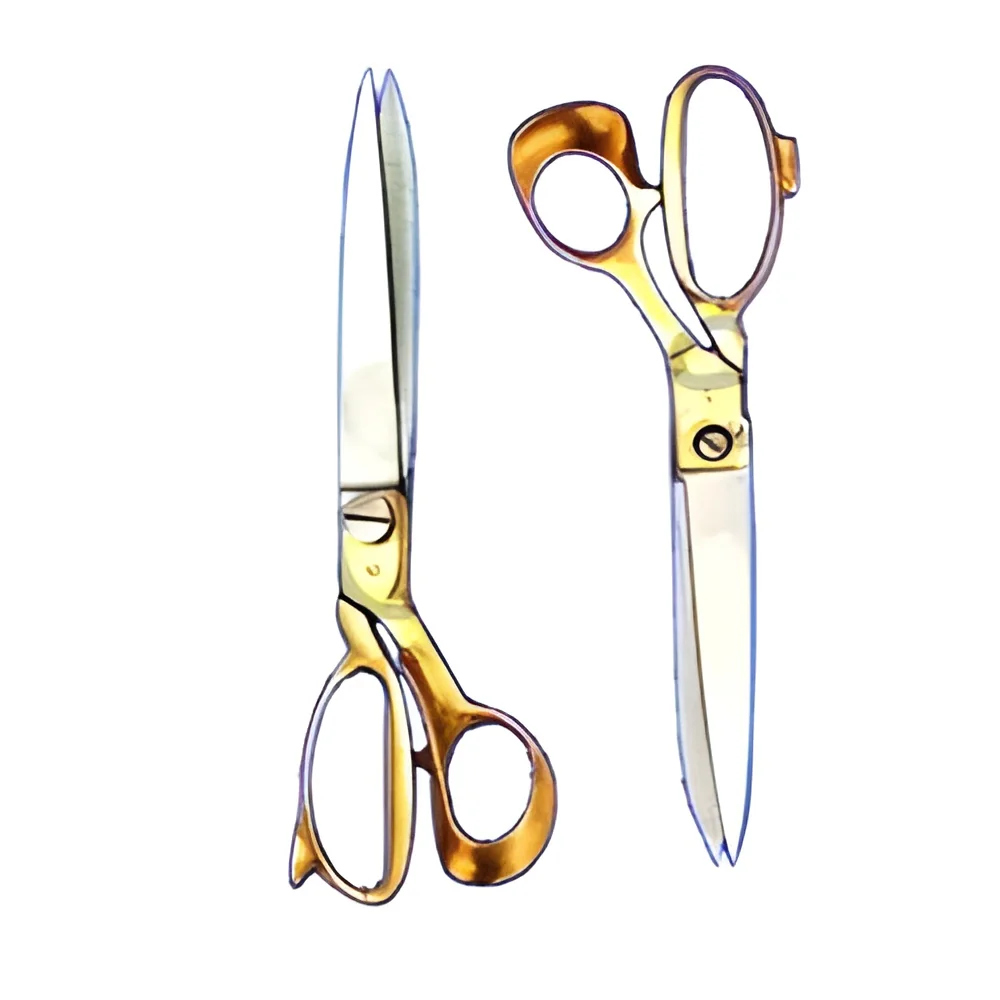
4. Textiles: In the textile industry, scissors and rotary cutters are commonly used for cutting fabric. Precision cutting is essential for garment making and upholstery projects.
5. Craft and Hobby: Cutting tools are popular in craft and hobby sectors for activities such as scrapbooking and model building. They allow for detailed and intricate cuts in various materials.
6. Automotive: In the automotive sector, cutting tools are used for cutting wires, hoses, and other components during assembly and repair work.
7. Electrical: Electricians utilize cutting tools for stripping wires and making precise cuts in electrical installations, ensuring safety and functionality.
𝗣𝗿𝗼𝗱𝘂𝗰𝘁 𝗩𝗮𝗿𝗶𝗮𝗻𝘁𝘀 𝗮𝗻𝗱 𝗦𝘂𝗯𝗰𝗮𝘁𝗲𝗴𝗼𝗿𝗶𝗲𝘀
Cutting tools come in diverse variants to cater to different needs and applications. Each variant is designed with specific features that enhance its functionality.
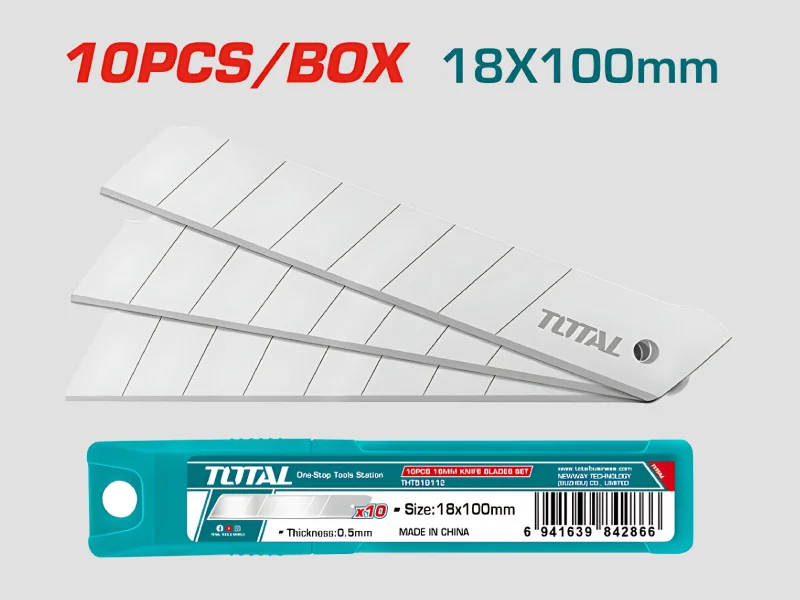
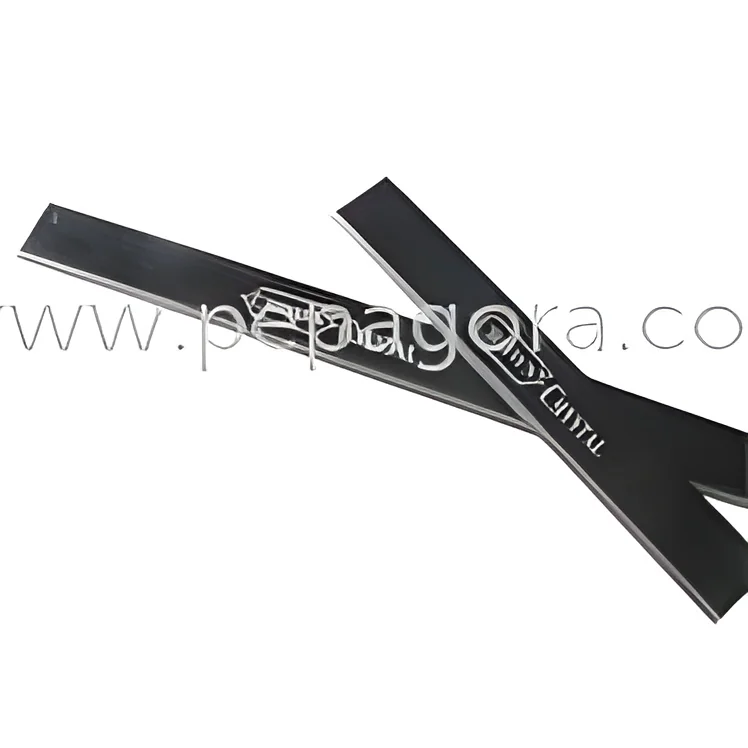
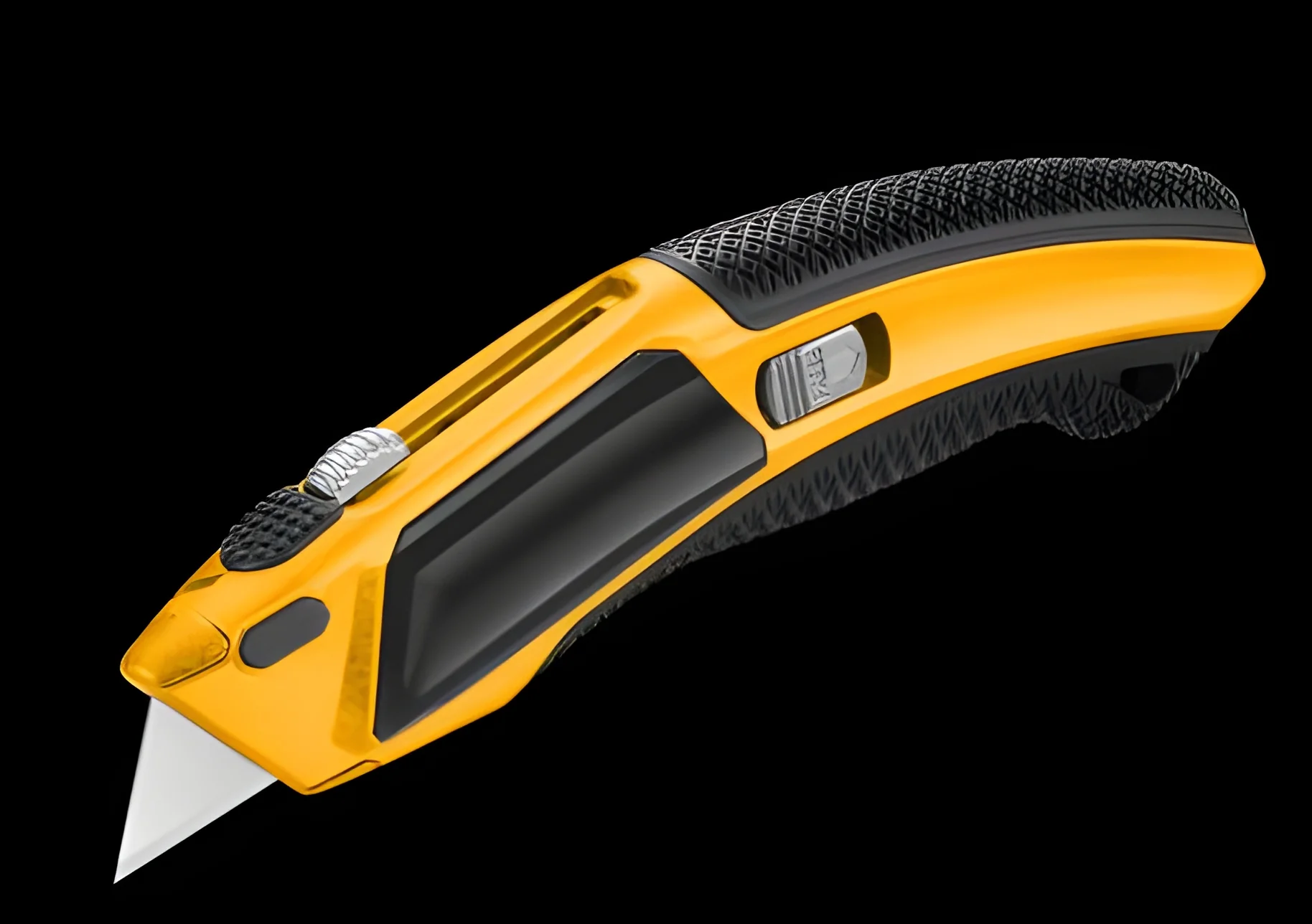
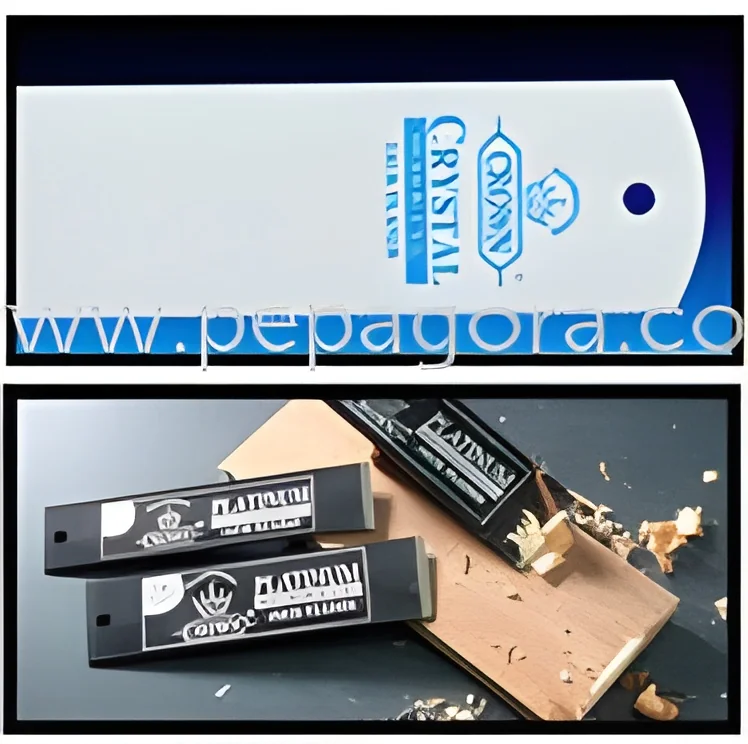
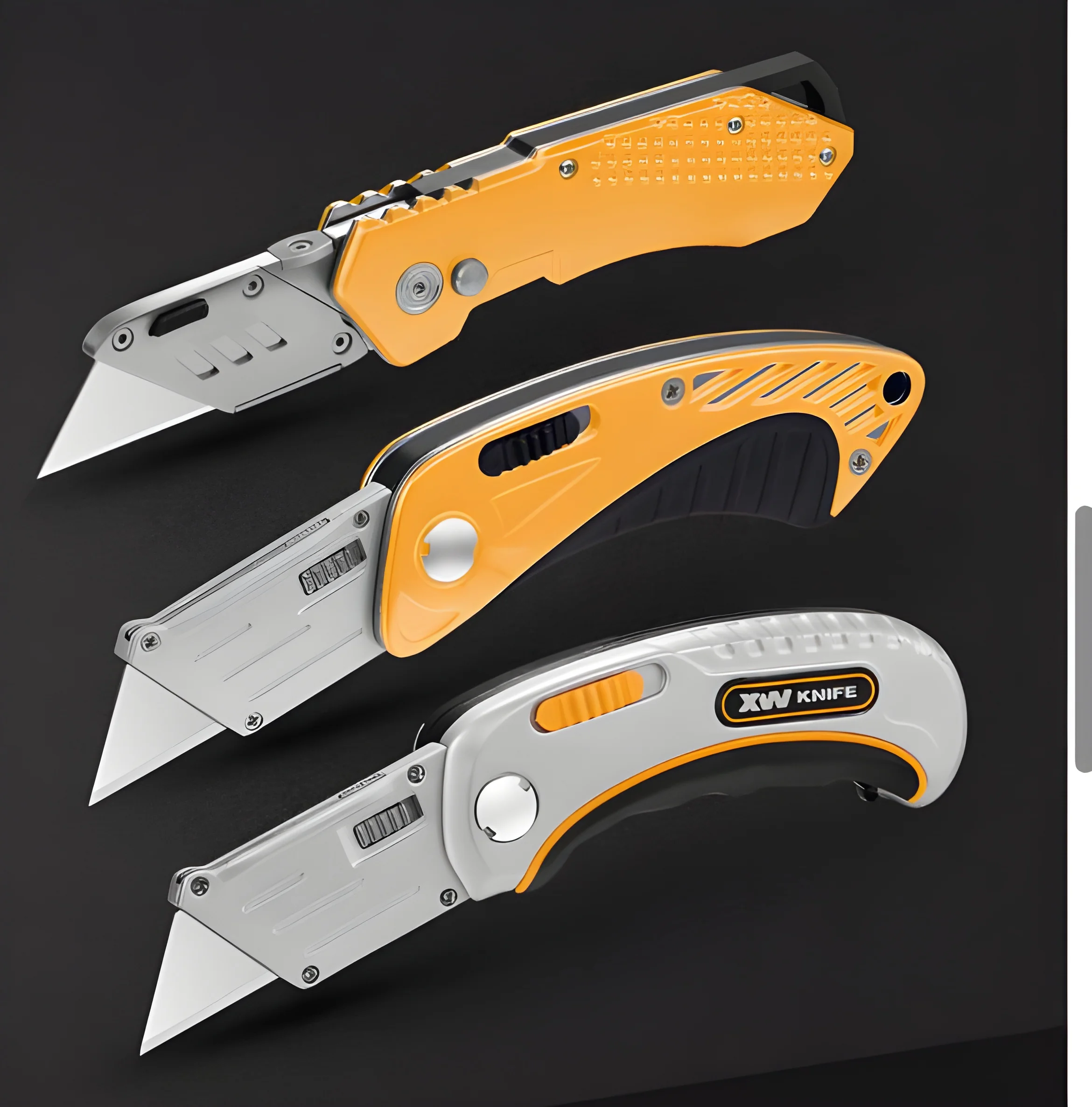
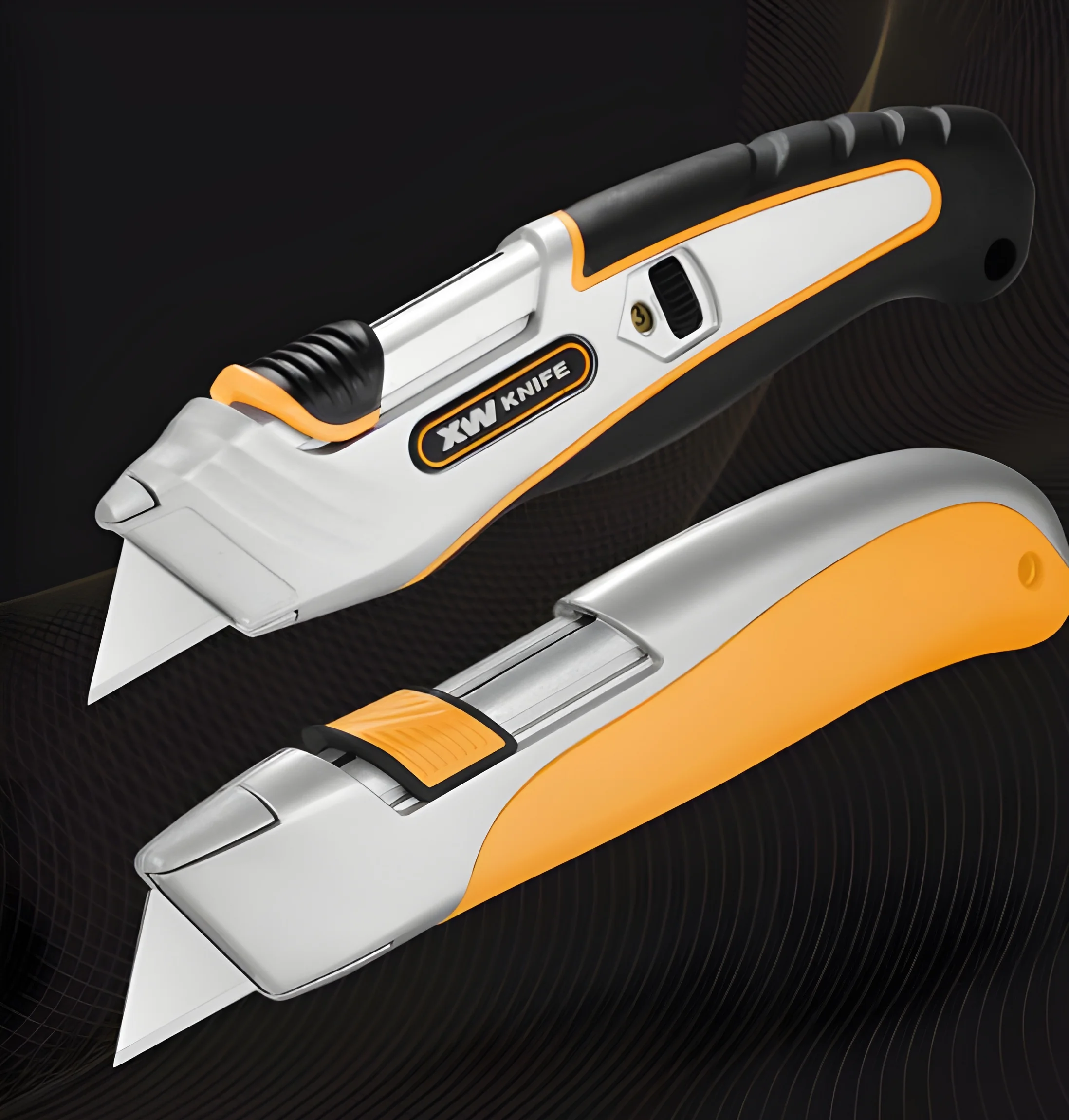
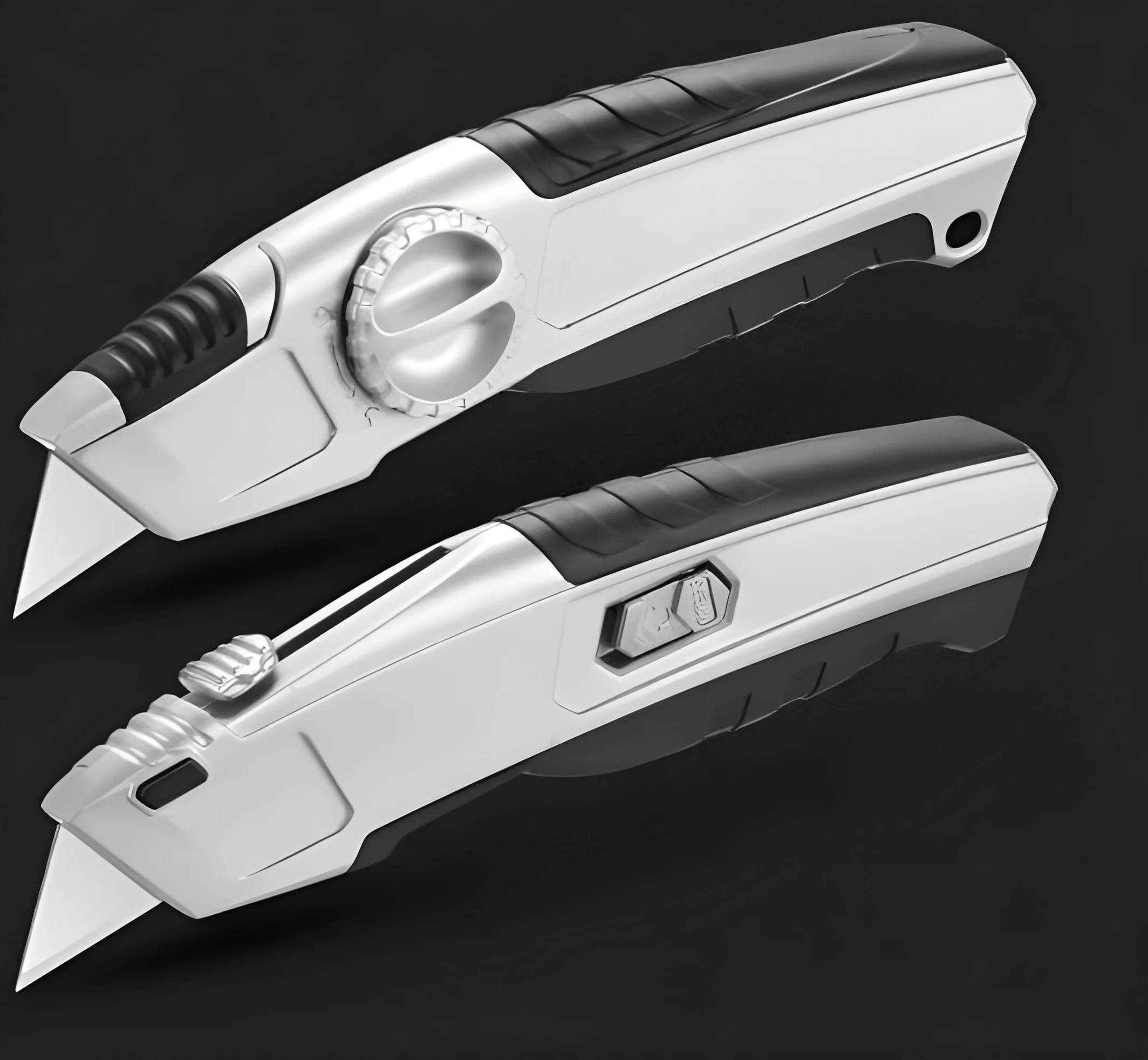
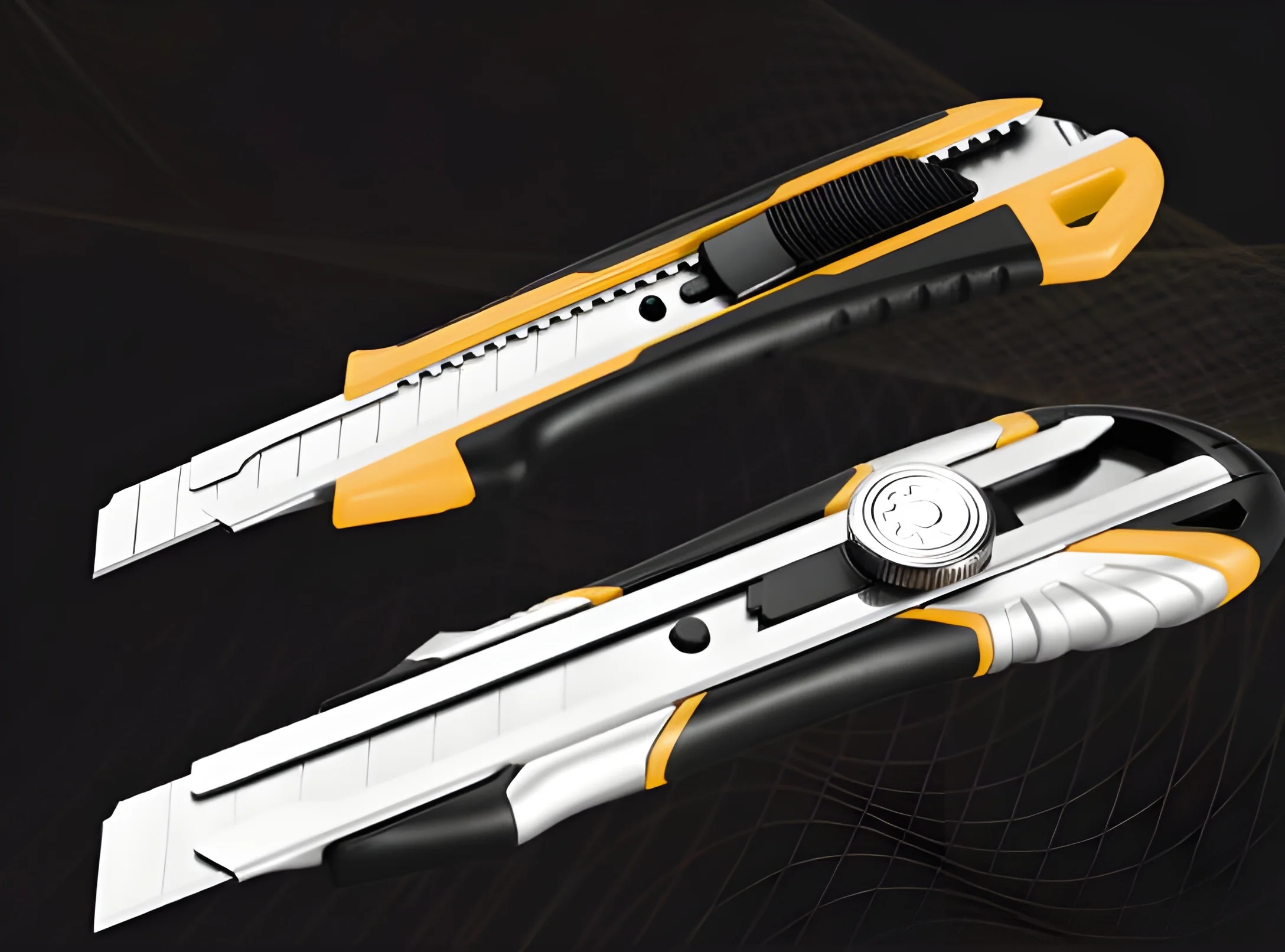
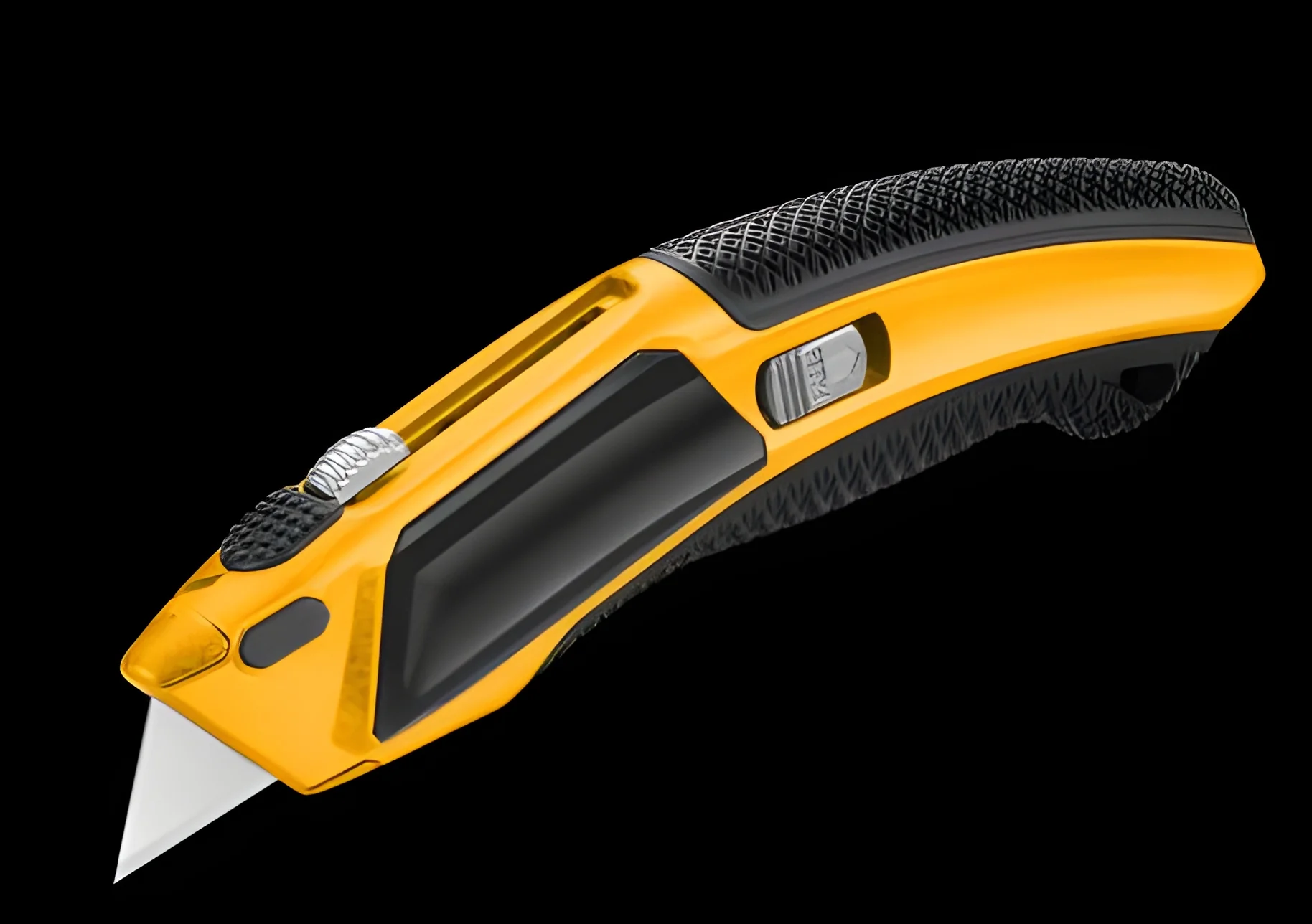
Utility Knife: Utility knives are versatile tools with retractable blades suitable for various cutting tasks, from packaging to light construction work. They often feature replaceable blades for longevity.
Chef's Knife: A staple in culinary settings, chef's knives are designed for versatility in food preparation. Their broad blade allows for chopping, slicing, and dicing, making them essential for chefs.
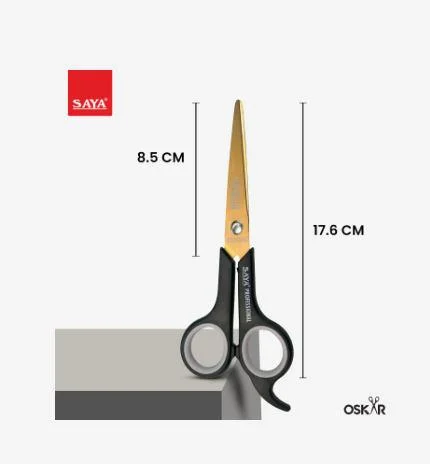
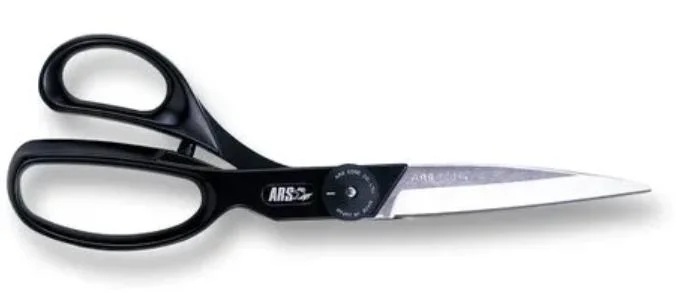
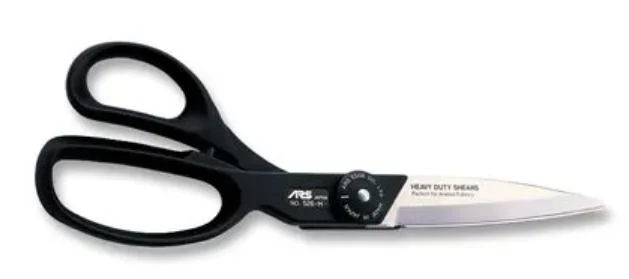
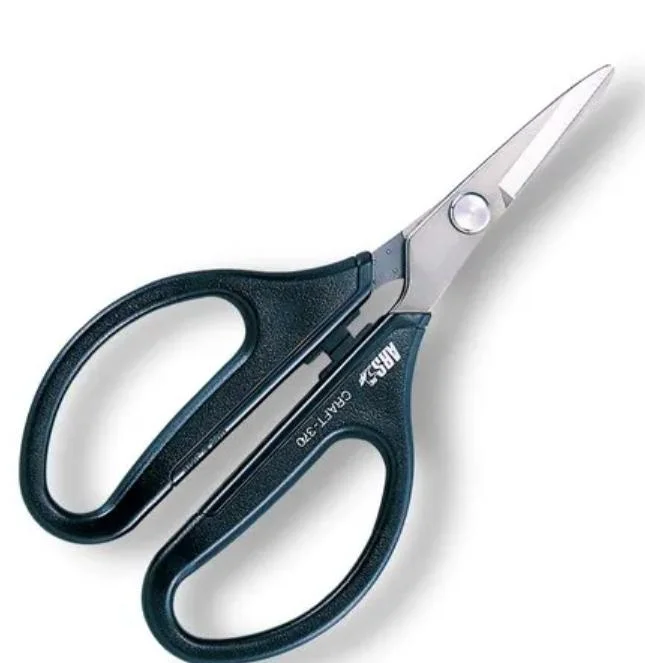
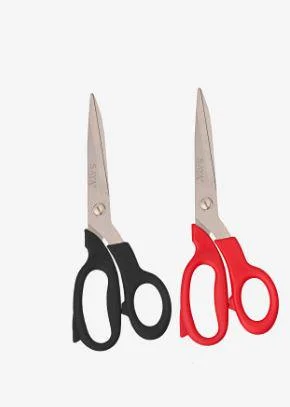
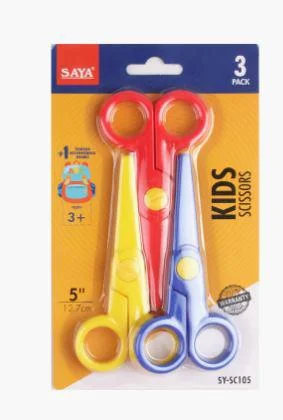
Scissors: Available in various sizes and designs, scissors are widely used in both domestic and industrial settings. They can range from simple paper-cutting scissors to heavy-duty shears for tougher materials.
Box Cutter: Box cutters are specifically designed for cutting through cardboard and packaging materials. Their retractable blades ensure safety and ease of use in shipping and receiving environments.
Craft Knife: Craft knives offer precision cutting for detailed work, making them ideal for artists and crafters. They come with various blade types to accommodate different materials.
𝗕𝗲𝗻𝗲𝗳𝗶𝘁𝘀 𝗮𝗻𝗱 𝗔𝗱𝘃𝗮𝗻𝘁𝗮𝗴𝗲𝘀
Cutting tools provide several advantages that enhance operational efficiency and effectiveness.
1. Precision Cutting: Cutting tools are designed for accuracy, allowing users to achieve clean, precise cuts consistently.
2. Versatility: With various types available, cutting tools can be used across multiple industries and applications, making them a valuable asset.
3. Improved Efficiency: High-quality cutting tools reduce the time and effort needed for cutting tasks, leading to increased productivity.
4. Safety Features: Many cutting tools incorporate safety designs that protect users from accidents, reducing workplace injuries.
5. Durability: Made from robust materials, cutting tools are designed to withstand rigorous use, offering long-term value.
6. Customization: The ability to customize cutting tools ensures they meet specific operational needs, enhancing their effectiveness in various applications.
𝗕𝘂𝘆𝗶𝗻𝗴 𝗚𝘂𝗶𝗱𝗲 𝗳𝗼𝗿 𝗕𝟮𝗕 𝗕𝘂𝘆𝗲𝗿𝘀
When sourcing cutting tools, buyers need to consider several important factors to ensure they select the right products.
1. Quality Assessment: Evaluate the quality of cutting tools by examining materials, craftsmanship, and performance reviews. Look for tools that meet industry standards for durability and precision.
2. Supplier Verification: Vet suppliers by checking their credentials, industry experience, and customer reviews. A reliable supplier ensures consistent quality and support.
3. Pricing and MOQ: Understand pricing structures and minimum order quantities for different cutting tools. Compare offers from multiple suppliers to get the best value for your investment.
4. Delivery and Lead Times: Consider delivery times and logistics when placing orders. Ensure suppliers can meet your project timelines and provide timely updates on shipments.
5. Compliance Requirements: Familiarize yourself with any regulatory requirements applicable to your industry. Ensure suppliers can provide compliant products that meet safety and quality standards.
𝗖𝗼𝗺𝗽𝗹𝗶𝗮𝗻𝗰𝗲 𝗮𝗻𝗱 𝗖𝗲𝗿𝘁𝗶𝗳𝗶𝗰𝗮𝘁𝗶𝗼𝗻𝘀
Compliance and certifications are critical for ensuring that cutting tools meet industry standards and safety requirements. Relevant quality standards include ISO 9001, which outlines quality management systems, ensuring consistent product quality. HACCP is essential in food-related applications, focusing on food safety management.
Many cutting tools are also certified by CE, indicating compliance with European health, safety, and environmental protection standards. This certification is crucial for products sold in the European market.
Safety and testing requirements are paramount in the manufacturing of cutting tools. Regular testing ensures that tools perform reliably and safely under expected conditions. Regional compliance considerations may vary, so it is essential to understand local regulations and standards that apply to cutting tools, especially in industries such as food processing and manufacturing.
Why Source Cutting Tools (Blades, Knives, Scissors) from Pepagora?
Pepagora offers a trusted platform for sourcing cutting tools with numerous advantages for B2B buyers.
Verified Supplier Network: Pepagora ensures that all suppliers within its network are thoroughly vetted for quality and reliability. This verification process gives buyers confidence in the products they are sourcing.
Streamlined RFQ Process: The Request for Quotation (RFQ) system simplifies the procurement process, allowing buyers to easily compare offers from multiple suppliers. This streamlined approach saves time and enhances decision-making.
Trade Assurance and Support: Pepagora provides robust buyer protection through trade assurance. This support minimizes risks and ensures that buyers receive the products they expect.
Regional Coverage: With a strong presence in India, the GCC, and Southeast Asia, Pepagora offers extensive geographic reach. This regional coverage ensures that buyers can access a diverse range of cutting tools tailored to their specific market needs.
By choosing Pepagora, businesses can efficiently source high-quality cutting tools while benefiting from a reliable support system and a network of trusted suppliers.









Frequently Asked Questions
What are Cutting Tools (Blades, Knives, Scissors)?
Cutting Tools (Blades, Knives, Scissors) are implements designed to cut various materials using a sharp edge or blade. They are used in numerous industries, including manufacturing, construction, and culinary arts, each tailored for specific cutting tasks.
What are the different types of Cutting Tools (Blades, Knives, Scissors)?
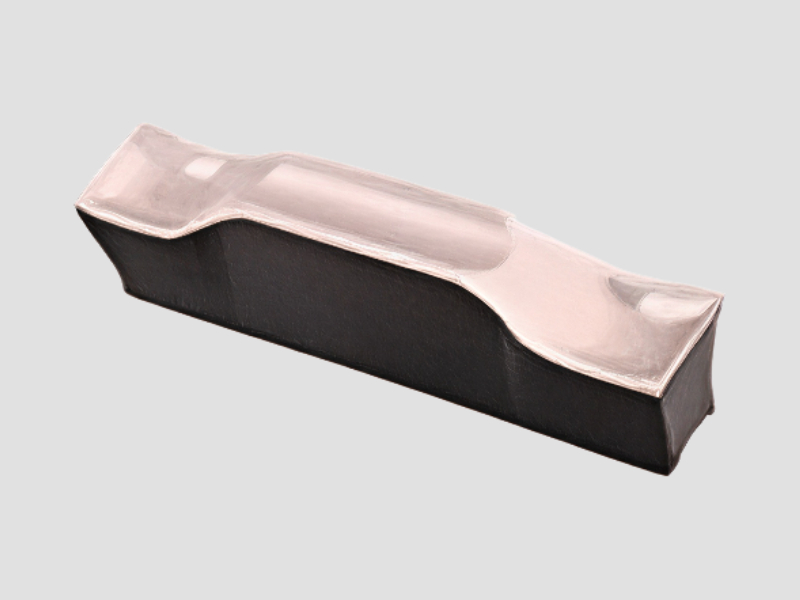
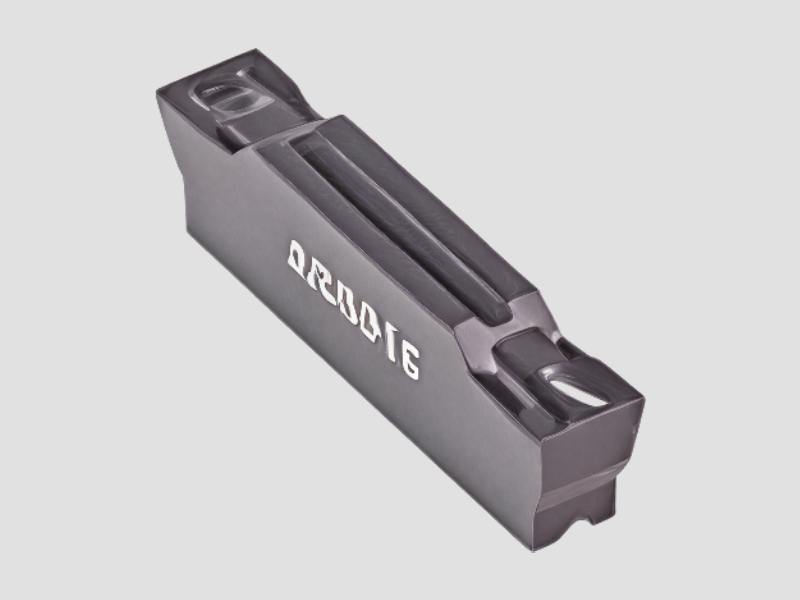
There are several types of Cutting Tools, including utility knives, chef knives, scissors, and industrial blades. Each type serves unique purposes, such as precision cutting, general use, or heavy-duty tasks, and is designed with specific features to enhance performance.
How do I choose the right Cutting Tools (Blades, Knives, Scissors)?
Selecting the right Cutting Tools involves considering the material you will be cutting, the precision required, and the frequency of use. Assessing ergonomic design and blade material can also ensure better performance and comfort during use.
What are the standard specifications for Cutting Tools (Blades, Knives, Scissors)?
Standard specifications for Cutting Tools typically include blade length, material type, hardness, and design features such as serration or straight edges. These specifications can vary widely based on the intended application and industry standards.
What is the price range for Cutting Tools (Blades, Knives, Scissors)?
The price range for Cutting Tools can vary from a few hundred to several thousand Indian Rupees, depending on the type, brand, and quality of the tool. Generally, utility knives and basic scissors are more affordable, while specialized industrial blades may be on the higher end.
What quality standards apply to Cutting Tools (Blades, Knives, Scissors)?
Quality standards for Cutting Tools often include certifications such as ISO or ANSI, which ensure that the tools meet specific safety and performance criteria. Additionally, manufacturers may adhere to industry-specific standards based on the intended application of the tools.
Where can I find Cutting Tools (Blades, Knives, Scissors) suppliers in India?
You can find Cutting Tools suppliers in India through online B2B marketplaces like Pepagora, trade shows, and industry directories. These platforms connect buyers with manufacturers and distributors, providing a wide range of options for sourcing.
Can Cutting Tools (Blades, Knives, Scissors) be customized?
Yes, many manufacturers offer customization options for Cutting Tools to meet specific customer requirements. This can include alterations in blade size, material, and ergonomic design features tailored to particular applications.
What is the typical minimum order quantity for Cutting Tools (Blades, Knives, Scissors)?
The typical minimum order quantity (MOQ) for Cutting Tools varies by supplier and product type, generally ranging from 50 to 100 units. However, for custom orders, the MOQ may be higher depending on the customization specifics.
What is the typical lead time for Cutting Tools (Blades, Knives, Scissors)?
The typical lead time for Cutting Tools can range from a few days to several weeks, depending on the supplier, product availability, and order specifications. Custom orders may require additional time for production and quality checks.
Why Businesses Trust Pepagora
Thousands of companies trust Pepagora to source smarter and sell faster
Expand Your Sales Globally

Source Smarter,Grow Faster
