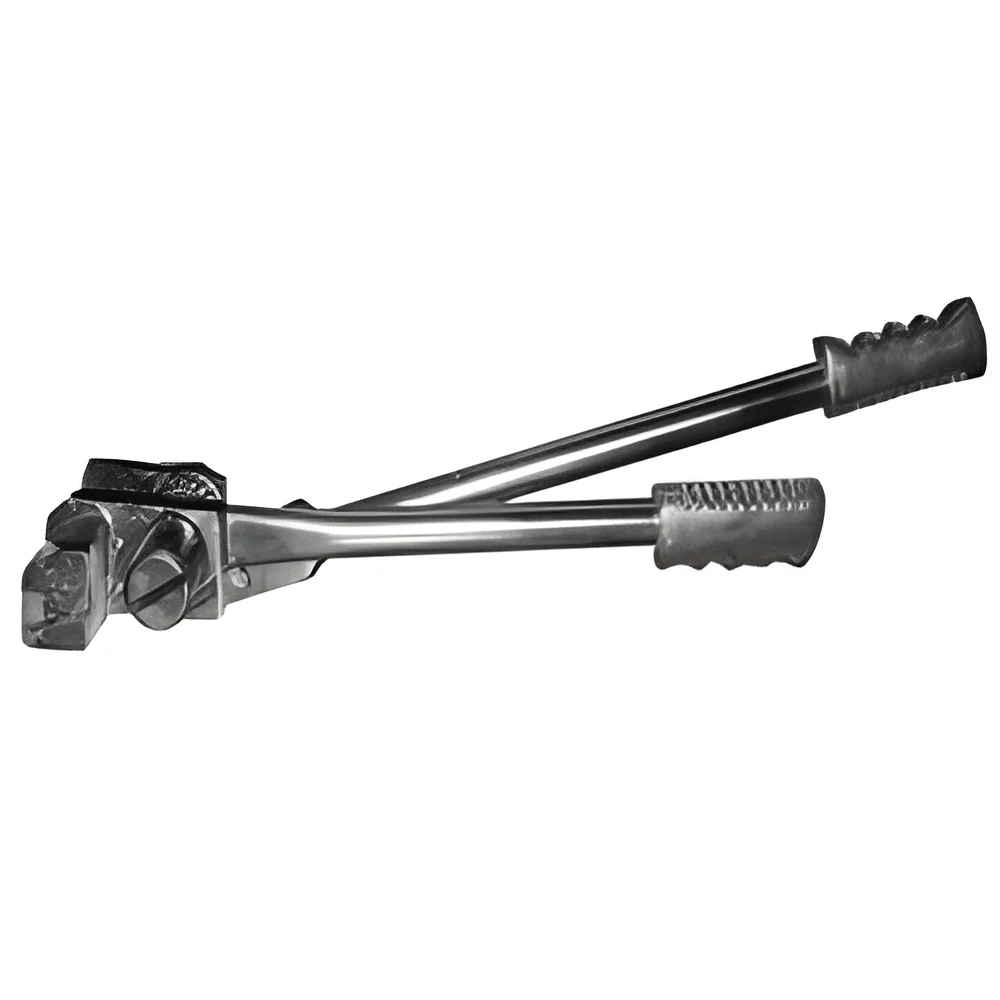
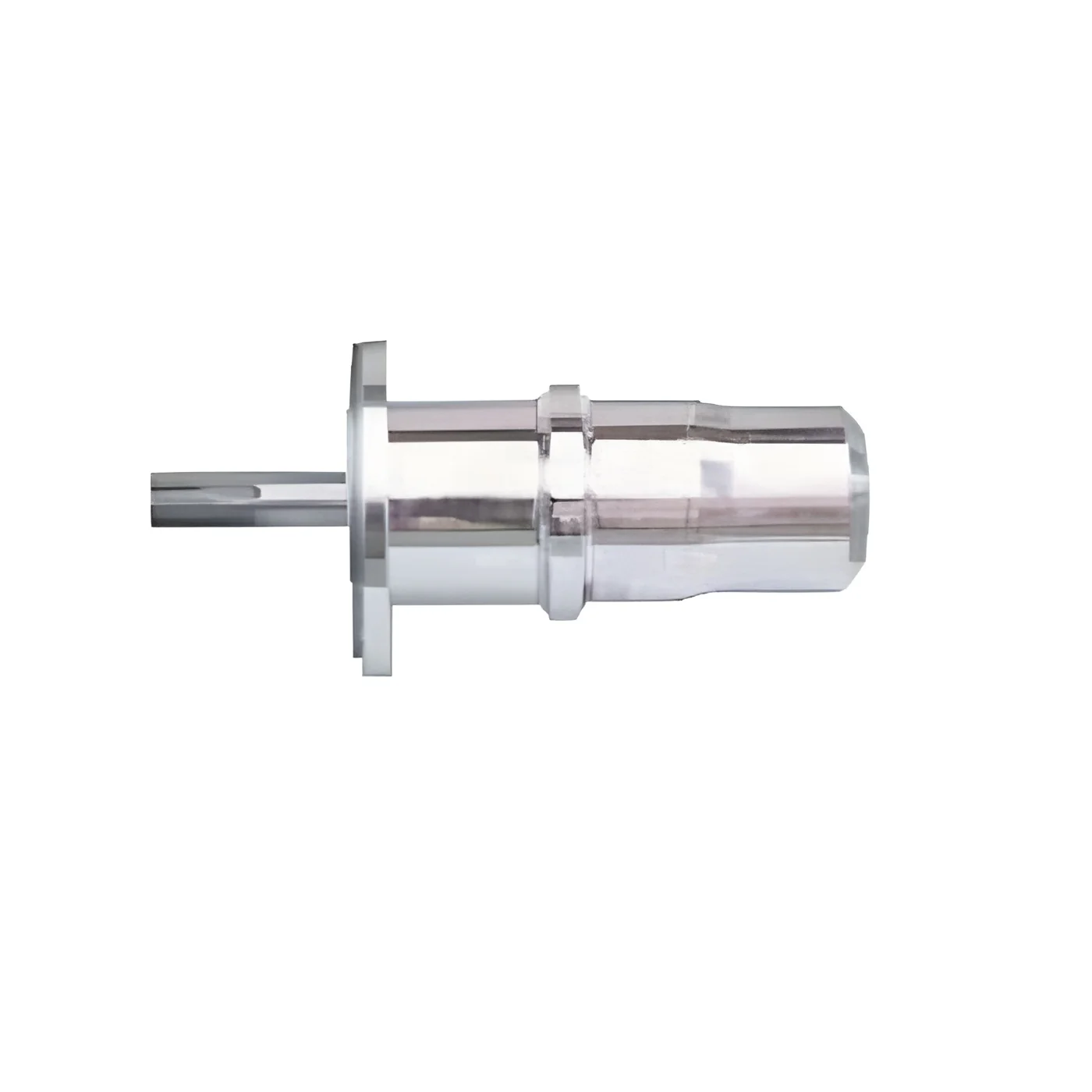
What are Pipe Cutters?
Pipe cutters are specialized tools designed for cutting various types of pipes efficiently and accurately. These tools are essential in industries that require precise pipe cutting, such as plumbing, HVAC, and construction. Pipe cutters can come in manual or powered versions, depending on the scale of the project and the type of pipes being cut. They provide a clean and straight cut, minimizing the need for additional finishing work.
The primary uses of pipe cutters extend across multiple business applications, including installation, repair, and maintenance tasks. Contractors and technicians rely on pipe cutters to ensure that pipes fit correctly during assembly, helping to prevent leaks and other issues. In addition, using a pipe cutter can enhance safety, as they are designed to reduce the risk of injury compared to traditional cutting methods, such as hacksaws. As industries evolve and demand for efficient tools increases, pipe cutters have gained relevance, becoming a staple in many operations.
The market for pipe cutters is growing, driven by advancements in manufacturing technology and increasing demand for plumbing and construction services. With the rise of new construction projects and renovations, businesses are on the lookout for high-quality, reliable pipe cutting solutions to meet their operational needs.
Key Features and Specifications
When evaluating pipe cutters, it is important to consider their key features and specifications. These factors can greatly influence the performance and usability of the tools in various applications. Pipe cutters are designed with precision and efficiency in mind, catering to professional users who require dependable equipment.
Key specifications include:
1. Cutting Capacity
- This refers to the maximum diameter of the pipe that the cutter can handle, typically ranging from 1/8 inch to over 6 inches.
2. Material Compatibility
- Many pipe cutters are designed to cut specific materials, such as copper, PVC, or stainless steel, ensuring optimal performance.
3. Blade Type
- The blade design can vary, with options including circular blades or rotary cutting wheels that provide different cutting mechanisms.
4. Handle Design
- Ergonomic handles are crucial for comfort during use, especially for extended periods, and may include features like grips or adjustable lengths.
5. Weight
- The weight of the pipe cutter can affect portability and ease of use, with lighter models being easier to maneuver.
6. Construction Material
- Durable materials, such as high-carbon steel or aluminum, enhance the longevity and robustness of the tool.
7. Safety Features
- Many models come with safety guards or locking mechanisms to prevent accidental cuts when not in use.
8. Warranty
- A good warranty can provide assurance of quality and reliability, often ranging from one year to a lifetime guarantee.
In summary, understanding these specifications helps buyers select the right pipe cutter for their specific needs, ensuring efficient and effective operation.
Common Applications and Use Cases
Pipe cutters are utilized in a variety of industries, each with unique requirements for pipe cutting.
1. Plumbing: In plumbing, pipe cutters are used to prepare pipes for installation, ensuring clean cuts that fit together seamlessly and reduce the risk of leaks.
2. HVAC: Heating, ventilation, and air conditioning professionals rely on pipe cutters to work with ductwork and refrigerant lines, requiring precision cuts for optimal performance.
3. Construction: In general construction, pipe cutters are essential for managing pipes during building projects, enabling quick adjustments and installations.
4. Automotive: Automotive repair shops use pipe cutters for exhaust systems and fuel lines, allowing for precise modifications and repairs.
5. Manufacturing: In manufacturing settings, pipe cutters are used for producing components in various products, ensuring accuracy in assembly lines.
6. Oil and Gas: The oil and gas industry requires robust pipe cutters for managing pipelines, where durability and precision are paramount.
7. Electrical: Electricians use pipe cutters for conduit and wiring installations, ensuring proper fit and safety.
Product Variants and Subcategories
Pipe cutters come in diverse variants tailored to meet specific needs and applications. This diversity allows businesses to select the most suitable tool for their operations.
Manual Pipe Cutters
Manual pipe cutters are operated by hand, providing portability and ease of use. They are ideal for smaller projects and offer precise cutting without the need for electrical power.
Power Pipe Cutters
Power pipe cutters are electrically or hydraulically operated, designed for heavy-duty applications. They are suitable for larger diameter pipes and high-volume cutting tasks, enhancing productivity in industrial settings.
Rotary Pipe Cutters
Rotary pipe cutters feature a circular blade that rotates around the pipe, delivering clean cuts with minimal effort. They are often used in tight spaces where traditional cutters may not fit.
Chain Pipe Cutters
Chain pipe cutters use a chain mechanism to encircle the pipe and create a cut. They are versatile and can handle various pipe sizes and materials, making them suitable for construction and repair work.
Benefits and Advantages
Investing in quality pipe cutters offers several advantages that can enhance business operations.
1. Precision Cutting: Pipe cutters provide accurate cuts, reducing the need for additional finishing work and ensuring a better fit during installation.
2. Increased Safety: Designed with safety features, pipe cutters minimize the risk of injury compared to traditional cutting methods.
3. Enhanced Efficiency: These tools allow for faster cutting, helping professionals complete jobs more quickly and effectively.
4. Versatility: With options available for different materials and sizes, pipe cutters can be used in various applications across multiple industries.
5. Durability: High-quality pipe cutters are built to withstand rigorous use, providing long-term reliability and performance.
6. Cost-Effectiveness: Investing in a reliable pipe cutter can lead to time savings and reduced labor costs, ultimately improving the bottom line.
Buying Guide for B2B Buyers
When sourcing pipe cutters, businesses should consider several critical factors to ensure they make informed purchasing decisions.
1. Quality Assessment: Evaluate the quality of materials and construction, looking for reputable brands known for their reliability and performance.
2. Supplier Verification: Vet potential suppliers by checking their credentials, reviews, and ability to provide support and service post-purchase.
3. Pricing and MOQ: Understand the pricing structure, including any minimum order quantities that may apply, ensuring it aligns with budget constraints.
4. Delivery and Lead Times: Consider logistics and delivery timelines, particularly if the project has tight deadlines requiring prompt access to tools.
5. Compliance Requirements: Ensure that the pipe cutters meet any relevant industry standards and regulations, such as safety certifications, to guarantee compliance.
Compliance and Certifications
Compliance and certifications are essential aspects of pipe cutter manufacturing, ensuring that products meet industry standards for quality and safety. Relevant quality standards, such as ISO 9001, signify that manufacturers follow stringent processes in their production. This enhances product reliability and consistency.
In addition to quality standards, industry certifications like CE indicate that the products conform to European health, safety, and environmental protection standards. This certification is crucial for companies operating in or exporting to European markets.
Safety and testing requirements are also important, as pipe cutters must be tested for their cutting capabilities and durability to ensure they can withstand rigorous use. Regional compliance considerations may vary, so it is essential for businesses to be aware of local regulations that apply to their industry.
Why Source Pipe Cutters from Pepagora?
Pepagora provides a trusted platform for sourcing pipe cutters with several key advantages.
Verified Supplier Network: Pepagora boasts a network of verified suppliers, ensuring that buyers can find high-quality pipe cutters from reputable manufacturers. This verification process helps mitigate risks associated with sourcing from unverified sources.
Streamlined RFQ Process: The request for quotation (RFQ) system on Pepagora simplifies the procurement process, allowing buyers to compare quotes from multiple suppliers quickly. This efficiency can save time and help secure the best pricing.
Trade Assurance and Support: Buyers are protected through trade assurance programs that provide security on transactions and support throughout the purchasing process, enhancing buyer confidence.
Regional Coverage: Pepagora offers a broad geographic reach, serving markets in India, the GCC, and Southeast Asia. This regional coverage ensures that businesses can access quality pipe cutters tailored to their operational needs, regardless of location.

 IN
IN