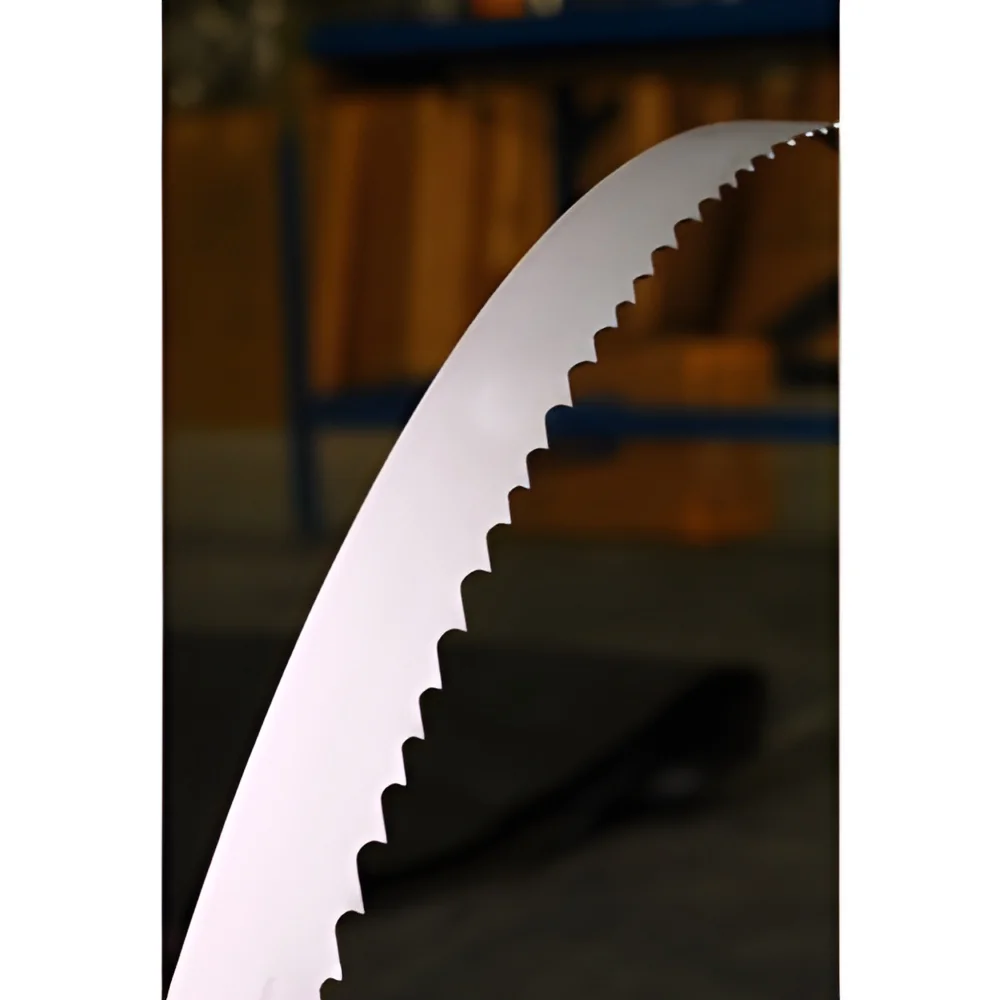
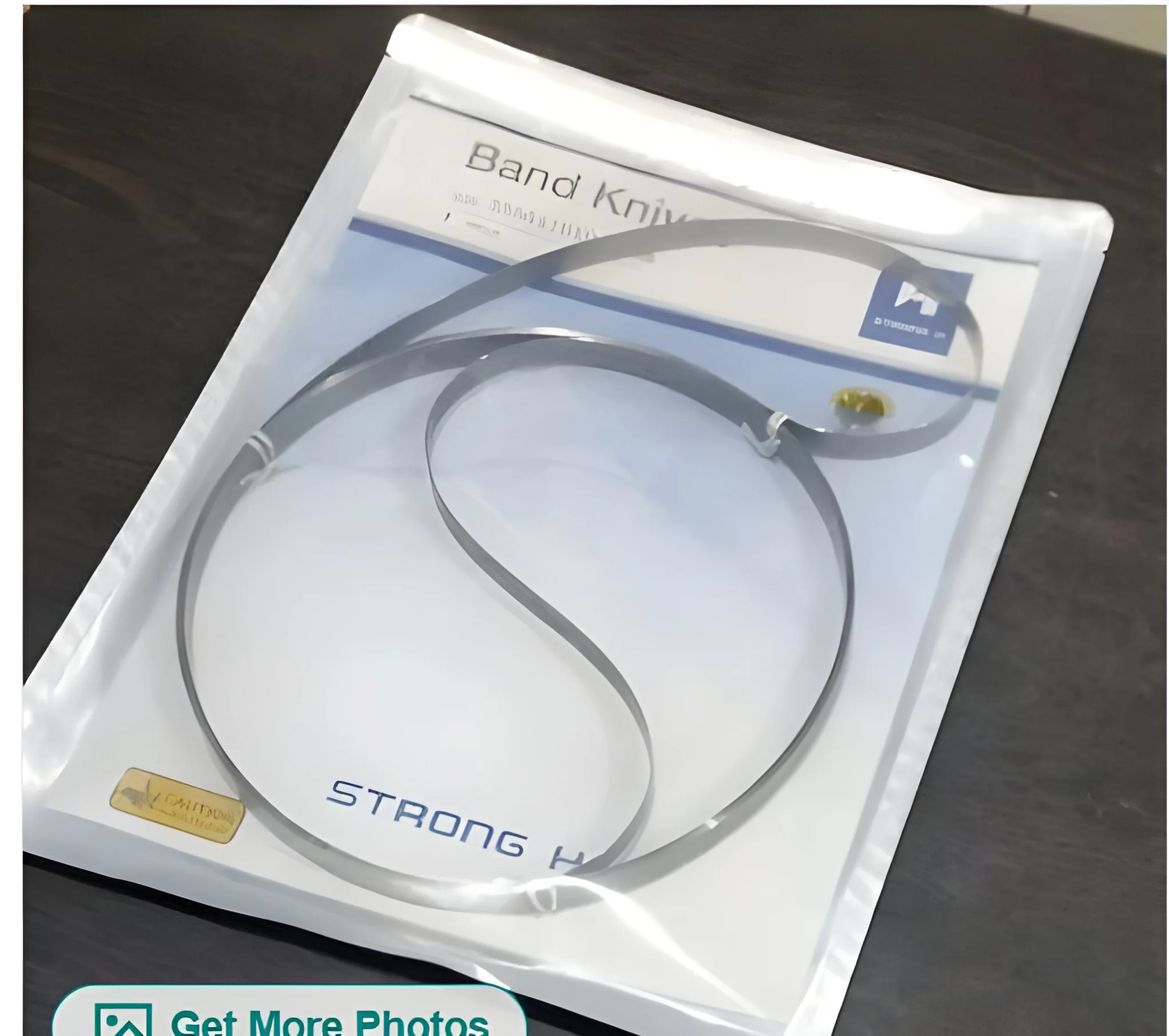
What are Bandsaw Blades?
Bandsaw blades are specialized cutting tools designed for use with bandsaws, which are machines that employ a continuous band of metal with teeth to cut various materials. These blades are uniquely engineered to provide precision cutting and are available in various sizes and tooth configurations. The design of a bandsaw blade allows for intricate cuts, making them suitable for a range of applications.
In industrial settings, bandsaw blades are primarily used for cutting wood, metal, plastic, and other materials. Their ability to make straight and curved cuts makes them particularly valuable in woodworking, metalworking, and manufacturing industries. Businesses rely on bandsaw blades for tasks such as resawing lumber, cutting metal stock, and producing intricate shapes in various materials. The relevance of bandsaw blades in the industry is underscored by their widespread use in manufacturing settings, where efficiency and precision are critical to maintaining production standards.
Key Features and Specifications
When selecting bandsaw blades, it is essential to understand their key features and specifications. These characteristics not only determine the blade's performance but also its suitability for specific applications.
Key specifications include:
1. Blade Width
- Ranges from 1/8 inch to 1 inch
- Influences the type of cuts achievable and the materials that can be processed
2. Tooth Pitch
- Commonly available pitches include 3, 4, 6, 8, and 10 teeth per inch
- Affects the blade's cutting speed and smoothness of cut
3. Tooth Configuration
- Variants include regular, skip, and hook tooth designs
- Determines the blade's ability to handle different materials and cutting conditions
4. Material Composition
- Blades are typically made from high-speed steel, bi-metal, or carbide-tipped materials
- Influences blade durability and heat resistance
5. Blade Thickness
- Typically ranges from 0.025 inches to 0.050 inches
- Affects the blade's rigidity and cutting performance
6. Coating Options
- Some blades come with coatings such as titanium or chrome
- Enhances wear resistance and extends blade life
In summary, understanding these specifications can help buyers select the right bandsaw blades for their specific cutting needs.
Common Applications and Use Cases
Bandsaw blades are versatile tools that serve various industries effectively.
1. Woodworking: Bandsaw blades are essential for cutting lumber, veneers, and intricate shapes in wood, allowing for precision in furniture manufacturing and cabinetry.
2. Metalworking: In metal fabrication shops, bandsaw blades are used to cut metal sheets and bars, providing efficient solutions for creating metal components.
3. Plastics Industry: Bandsaw blades are increasingly utilized to cut various plastic materials, enabling manufacturers to produce parts for multiple applications.
4. Food Processing: Some bandsaw blades are designed for cutting meat and other food products, ensuring hygiene and efficiency in food manufacturing.
5. Construction: In the construction industry, bandsaw blades are used to cut materials like drywall and insulation, facilitating the building process.
Product Variants and Subcategories
Bandsaw blades come in various types to cater to specific cutting needs.
Standard Bandsaw Blades: These are the most common type, designed for general-purpose cutting in woodworking and metalworking. They provide a balance of durability and cutting efficiency.
Specialty Bandsaw Blades: These blades are tailored for specific materials or applications, such as blades designed for cutting hard metals or those optimized for intricate woodwork.
Variable Pitch Bandsaw Blades: Designed with a mix of tooth sizes, these blades reduce vibration and allow for smoother cuts across varied materials.
Benefits and Advantages
Choosing the right bandsaw blades offers significant advantages to businesses.
1. Precision Cutting: Bandsaw blades provide accurate and clean cuts, which is essential for quality control in manufacturing processes.
2. Versatility: These blades can cut through a wide range of materials, offering flexibility for businesses with diverse production needs.
3. Enhanced Efficiency: The right bandsaw blades improve cutting speed and reduce waste, leading to increased productivity in operations.
4. Cost-Effective: Investing in high-quality bandsaw blades can lead to lower maintenance and replacement costs over time.
5. Customization: Many suppliers offer options for customized blade sizes and tooth configurations, allowing businesses to meet their specific requirements.
Buying Guide for B2B Buyers
When sourcing bandsaw blades, there are several critical factors to consider for making an informed purchase.
1. Quality Assessment: Evaluate the material and construction of the bandsaw blades. Look for reputable manufacturers that adhere to industry standards to ensure durability and performance.
2. Supplier Verification: Conduct thorough research on potential suppliers. Check for reviews, certifications, and their track record in the industry to ensure reliability.
3. Pricing and MOQ: Understand the pricing structure and minimum order quantities. Compare costs among different suppliers to find a balance between quality and affordability.
4. Delivery and Lead Times: Consider the supplier's logistics capabilities and the expected lead times for delivery. Timely receipt of blades is crucial for maintaining production schedules.
5. Compliance Requirements: Ensure that the bandsaw blades meet local and international regulatory standards, such as safety and performance certifications.
Compliance and Certifications
Compliance with quality standards is vital in the production of bandsaw blades. Many manufacturers adhere to ISO 9001, which ensures consistent quality management systems. This certification helps in maintaining high production standards and meeting customer expectations.
Additionally, bandsaw blades may carry the CE mark, indicating they comply with European safety and health regulations. This certification is essential for businesses that operate in or export to European markets.
Safety and testing requirements also play a critical role in the manufacturing process. Bandsaw blades must undergo rigorous testing to ensure they can withstand operational stresses and maintain performance standards.
Regional compliance is another aspect to consider. Depending on the geographical location, different regulations may apply, influencing the choice of suppliers and products.
Why Source Bandsaw Blades from Pepagora?
Pepagora provides a trusted platform for sourcing bandsaw blades with several key advantages for B2B buyers.
Verified Supplier Network: Pepagora connects buyers with a network of verified suppliers, ensuring access to high-quality products and reliable service. This verification process builds trust between buyers and suppliers, facilitating smoother transactions.
Streamlined RFQ Process: The request for quotation (RFQ) system on Pepagora simplifies the procurement process. Buyers can easily compare quotes from multiple suppliers, helping them make informed decisions based on pricing and specifications.
Trade Assurance and Support: With trade assurance, buyers are protected against potential risks, such as product quality issues or delivery delays. Pepagora offers support throughout the purchasing process, ensuring a seamless experience.
Regional Coverage: Pepagora's reach extends across India, the GCC, and Southeast Asia, allowing businesses to source bandsaw blades from local and international suppliers. This geographic coverage enhances options for buyers, enabling them to find the best products available in their region.

 IN
IN