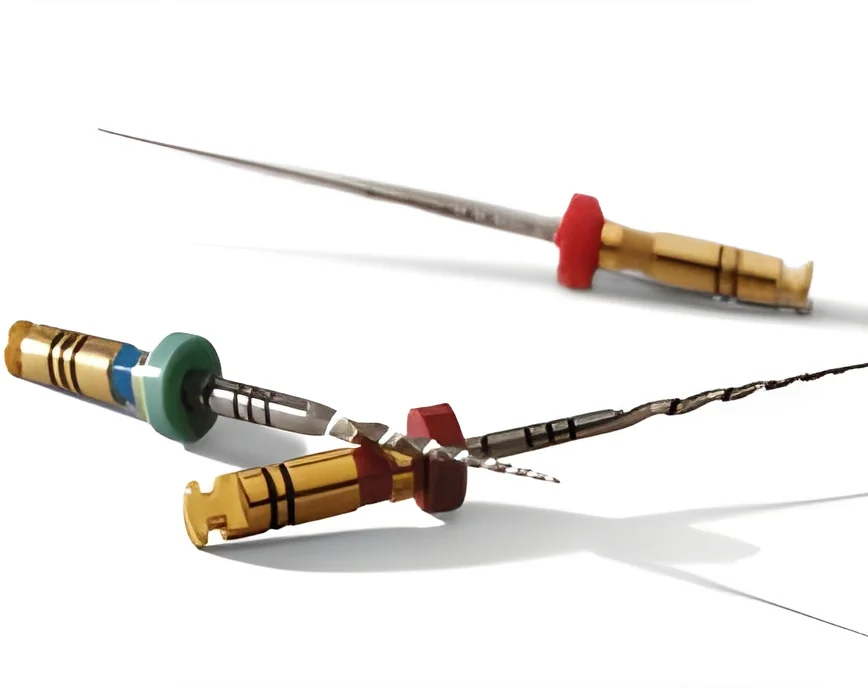
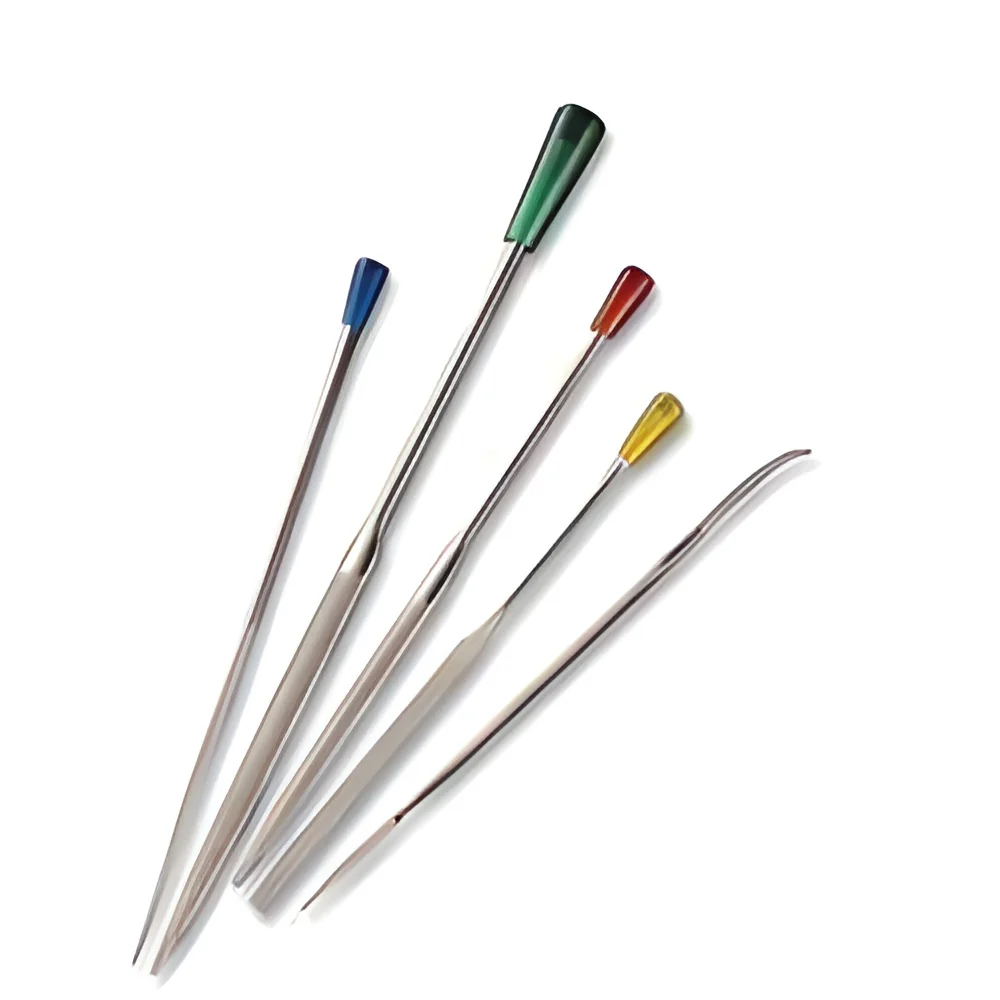
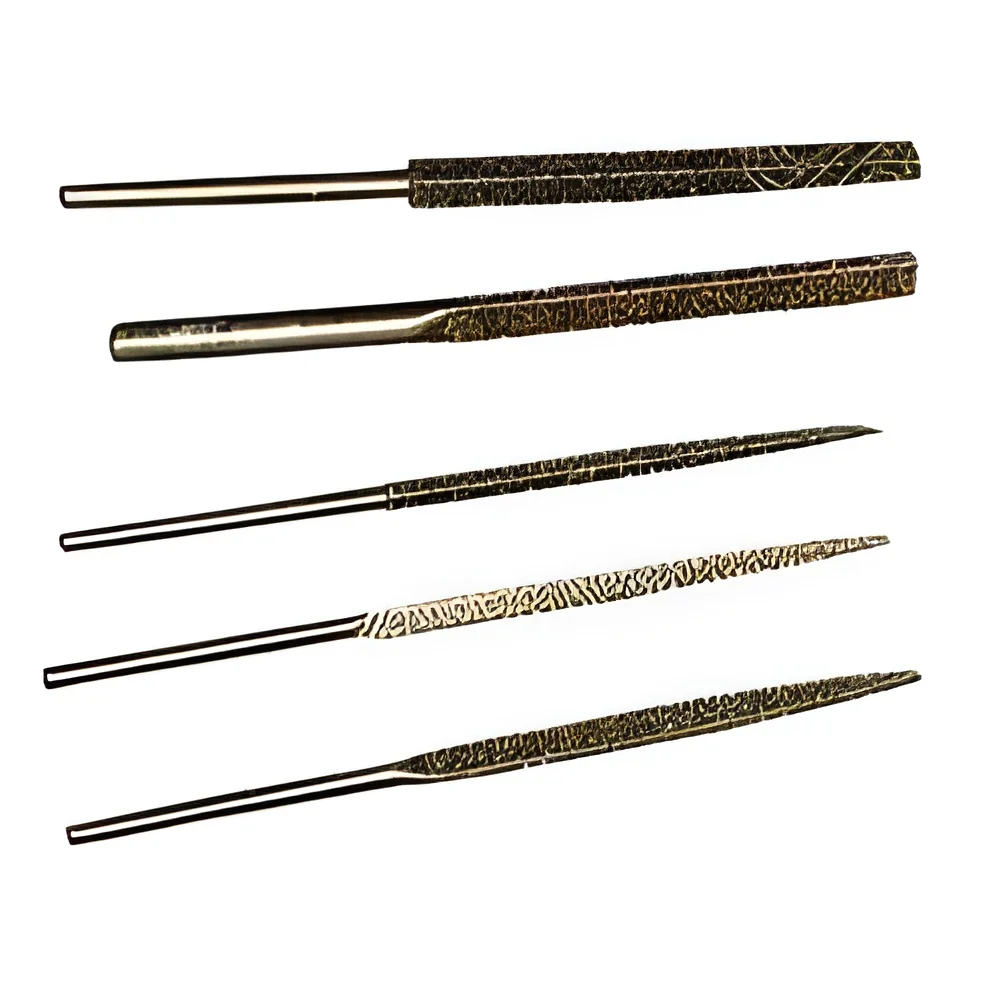
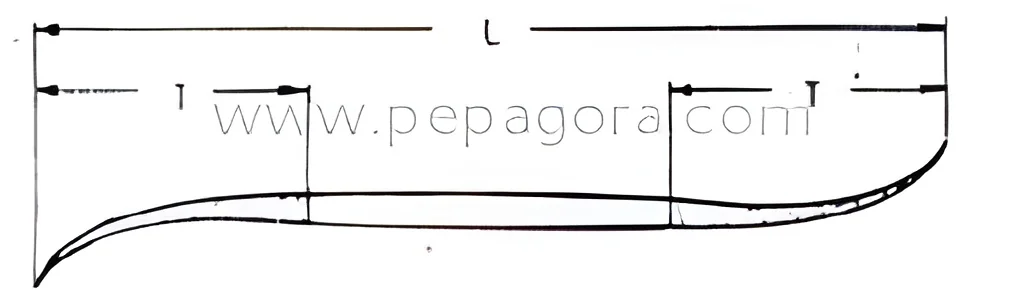
What are Files & Rasps for Cutting?
Files and rasps are essential hand tools used for shaping, smoothing, and finishing materials such as wood, metal, and plastic. A file typically features a smooth cutting surface, while a rasp is characterized by its coarse texture, making it suitable for more aggressive material removal. These tools come in various shapes and sizes, allowing for precision work in tight spaces or larger areas, depending on the needs of the user.
In various industries, files and rasps are indispensable. They are commonly used in woodworking, metalworking, and automotive applications, where precision and surface finish are crucial. Businesses rely on these tools for tasks such as deburring edges, fitting components, and refining surfaces to achieve desired finishes. The relevance of files and rasps extends beyond simple hand tools; they are integral to quality control and craftsmanship in manufacturing processes across multiple sectors.
Key Features and Specifications
Files and rasps offer several key features that enhance their performance and usability. Understanding these specifications can help businesses select the right tool for their applications.
Key specifications include:
1. Cutting Surface Type
- Files have smooth cutting surfaces for fine finishing.
- Rasps have rough surfaces for rapid material removal.
2. Material Composition
- Typically made from high-carbon steel or stainless steel for durability.
- Some variants may feature coatings to increase resistance to wear and corrosion.
3. Shape Variants
- Flat, round, half-round, and triangular shapes cater to different applications.
- Shapes affect the precision and type of work that can be performed.
4. Length Variations
- Common lengths range from 6 inches to 14 inches.
- Longer files are suitable for larger areas, while shorter ones are better for detailed work.
5. Cut Type
- Single cut files have one set of parallel teeth for finer work.
- Double cut files have two sets of teeth for quicker material removal.
6. Handle Design
- Ergonomic handles improve grip and reduce fatigue during prolonged use.
- Some files come with replaceable handles for added convenience.
7. Teeth Per Inch (TPI)
- TPI varies between files and rasps, affecting their cutting aggressiveness.
- Higher TPI files are used for finishing, while lower TPI rasps are used for shaping.
8. Compliance with Standards
- Files and rasps may adhere to various industry standards, ensuring quality and safety.
These specifications provide insight into how files and rasps can meet specific cutting and shaping needs.
Common Applications and Use Cases
Files and rasps are versatile tools used in various industries for a wide range of applications.
1. Woodworking: In carpentry and cabinet-making, files and rasps are used to shape wood, smooth edges, and refine joints to ensure a perfect fit.
2. Metalworking: In machining and fabrication, these tools help in deburring edges, fitting parts, and finishing surfaces to meet tight tolerances.
3. Automotive: Files and rasps are employed in vehicle maintenance for tasks such as bodywork, engine repairs, and fitting components with precision.
4. Jewelry Making: Artisans use fine files to shape and finish intricate designs in metals and gemstones, ensuring high-quality craftsmanship.
5. Mold Making: In the plastics industry, files and rasps are used to refine mold surfaces, contributing to the quality of finished products.
6. Leatherworking: Craftsmen utilize these tools to shape and smooth leather edges, enhancing the quality of leather goods.
7. Construction: Files are used to smooth rough edges on construction materials, ensuring safety and quality in building projects.
Product Variants and Subcategories
Files and rasps come in various types to meet different cutting and shaping needs. Each variant is designed with specific features for targeted applications.
Flat File: This type features a flat surface, ideal for smoothing and finishing flat surfaces. It is commonly used in woodworking and metalworking.
Round File: Known for its cylindrical shape, a round file is perfect for enlarging holes or shaping curves in materials. It is widely used in metal and woodworking tasks.
Half-Round File: This variant combines a flat and round surface, making it versatile for both flat and curved surfaces. It is popular in automotive and metalworking industries.
Square File: With a square cross-section, this file is used for making square holes and finishing edges. It is often used in metalworking applications.
Rasp: Coarser than files, rasps are used for rapid shaping of wood and soft materials. They are commonly used in woodworking and sculpting.
Benefits and Advantages
Using files and rasps for cutting and shaping offers several key benefits to businesses.
1. Precision: These tools allow for detailed work, ensuring accuracy in shaping and finishing materials.
2. Versatility: Files and rasps can be used on various materials, including wood, metal, and plastic, making them suitable for multiple applications.
3. Durability: High-quality materials and construction ensure that files and rasps withstand regular use and maintain their effectiveness over time.
4. Ergonomic Design: Many models come with ergonomic handles that enhance user comfort and reduce fatigue during extended use.
5. Cost-Effectiveness: Files and rasps are typically affordable tools that provide significant value in terms of performance and longevity.
6. Easy Maintenance: These tools can be easily cleaned and maintained, ensuring they remain effective for longer periods.
Buying Guide for B2B Buyers
When sourcing files and rasps for cutting, businesses should consider several critical factors.
1. Quality Assessment: Look for tools made from high-quality materials that adhere to industry standards. Consider customer reviews and performance ratings to assess quality.
2. Supplier Verification: Vet suppliers thoroughly by checking their credentials, customer feedback, and compliance with necessary certifications. This ensures reliability in sourcing.
3. Pricing and MOQ: Understand the pricing structure and minimum order quantities (MOQ) from suppliers. Compare prices to ensure competitive rates while considering overall value.
4. Delivery and Lead Times: Evaluate suppliers' logistics capabilities to ensure timely delivery. Consider lead times in relation to project schedules and production timelines.
5. Compliance Requirements: Confirm that the files and rasps meet relevant safety and quality standards. This is crucial for maintaining compliance in regulated industries.
Compliance and Certifications
Compliance and certifications play a vital role in ensuring the quality and safety of files and rasps. Relevant quality standards such as ISO 9001 help organizations maintain effective quality management systems. This ensures that products consistently meet customer and regulatory requirements.
In addition to quality standards, industry certifications like CE indicate that the products meet European health, safety, and environmental protection standards. This is essential for businesses operating in or exporting to Europe.
Safety and testing requirements are also critical. Files and rasps should undergo rigorous testing to ensure they perform effectively without compromising user safety.
Furthermore, regional compliance considerations may vary. Businesses must be aware of local regulations regarding tool safety and quality standards to ensure compliance in their respective markets.
Why Source Files & Rasps for Cutting from Pepagora?
Pepagora offers a trusted platform for sourcing files and rasps for cutting, providing several key advantages to businesses.
Verified Supplier Network: Pepagora connects buyers with a network of verified suppliers, ensuring that the products meet quality standards and regulatory compliance. This reduces the risk associated with sourcing tools.
Streamlined RFQ Process: The request for quotation (RFQ) process on Pepagora is designed to be efficient, allowing buyers to easily compare prices and specifications from multiple suppliers. This simplifies the procurement process.
Trade Assurance and Support: Buyers benefit from trade assurance measures that protect their investments. Pepagora provides buyer support to address any concerns or issues during the purchasing process.
Regional Coverage: With a strong presence in India, the GCC, and Southeast Asia, Pepagora enables businesses to access a wide range of products while ensuring regional compliance and support. This geographic reach enhances sourcing opportunities for companies in various markets.

 IN
IN