
 IN
Sharpening Stones & Tools
1 products available
What are Sharpening Stones & Tools?
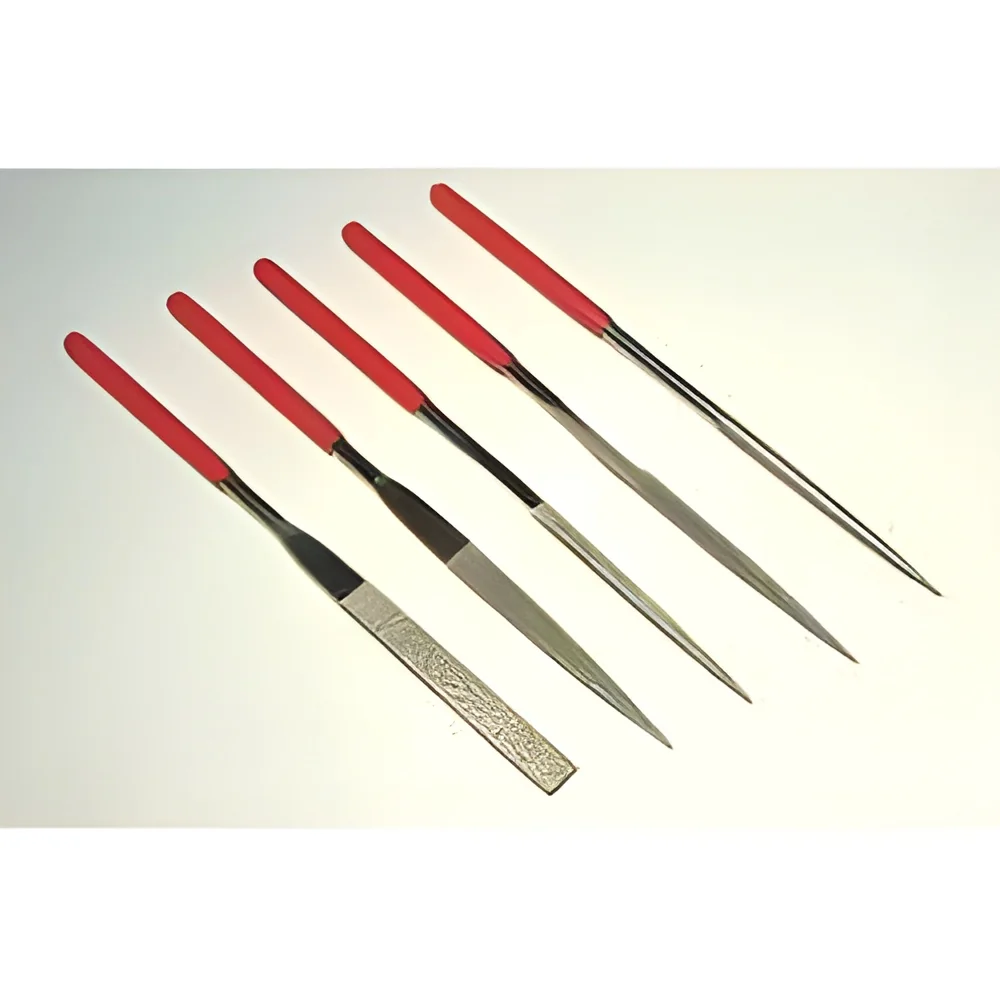
Sharpening stones and tools are essential implements used to refine and maintain the cutting edges of various tools and instruments. These products can be made from a variety of materials, including natural stones, synthetic abrasives, and diamond particles. Sharpening stones are typically flat and come in different grits, allowing users to achieve specific levels of sharpness and smoothness on blades or edges.
Primarily, sharpening stones and tools are used in industries that require precision in cutting, such as manufacturing, construction, and culinary sectors. They are crucial for keeping tools like knives, chisels, and blades in optimal working condition. Regular maintenance using sharpening stones prolongs the lifespan of tools and enhances performance, making them indispensable in many professional settings.
In the current market, the relevance of sharpening stones and tools is significant, as the demand for high-quality cutting instruments continues to rise. As industries evolve, the need for efficient and effective sharpening solutions grows, leading to innovations and diversification of products. This contributes to a competitive landscape where businesses seek reliable sources for quality sharpening tools to ensure operational efficiency.
Key Features and Specifications
Sharpening stones and tools come with various features that cater to different applications across industries. Understanding these specifications can help buyers make informed decisions when sourcing these products.
Key specifications include:
1. Material Composition
- Common materials include natural stones, ceramic, and diamond.
- Each material offers different levels of abrasiveness and durability.
2. Grit Levels
- Grit refers to the coarseness of the stone.
- Available grits range from coarse (60-200) for repairing edges to fine (1000-8000) for honing.
3. Size and Shape
- Stones vary in size from portable handheld models to larger bench stones.
- Shapes include rectangular, triangular, or circular depending on the intended use.
4. Water or Oil Usage
- Some stones require lubrication with water or oil to prevent clogging.
- Others are designed to be used dry for convenience.
5. Durability and Longevity
- High-quality stones feature extended lifespan with consistent sharpening performance.
- Indicators of quality may include resistance to wear and chipping.
6. Safety Features
- Certain tools may include ergonomic designs to prevent user fatigue.
- Non-slip bases enhance stability during sharpening.
7. Portability
- Some stones are designed for easy transport, suitable for fieldwork or remote locations.
In summary, sharpening stones and tools are characterized by their material composition, grit levels, size, and usability features. Choosing the right specifications is crucial for achieving desired sharpening results.
Common Applications and Use Cases
Sharpening stones and tools serve a wide range of industries, each with specific applications that highlight the importance of these products.
1. Culinary Industry: Professional chefs and cooks utilize sharpening stones to maintain the sharpness of kitchen knives, ensuring precision in food preparation.
2. Woodworking: Carpenters and woodworkers rely on sharpening tools to keep chisels and plane blades in optimal condition for fine woodworking tasks.
3. Metalworking: In metal fabrication, machinists use sharpening stones to maintain the edges of cutting tools and instruments, which enhances accuracy and reduces waste.
4. Textile Industry: Tailors and seamstresses sharpen scissors to ensure clean cuts on fabrics, improving the quality of finished products.
5. Landscaping: Gardeners and landscapers use sharpening tools for lawnmower blades and pruning shears, maximizing efficiency and performance in their work.
6. Automotive: Mechanics sharpen tools and blades used for cutting and shaping automotive parts, ensuring precision and reliability in repairs.
7. Crafting: Hobbyists and artisans use sharpening stones for various crafting tools, enhancing the quality of handmade items.
Product Variants and Subcategories
The diversity of sharpening stones and tools allows for tailored solutions across different needs.
Natural Stones
Natural sharpening stones are prized for their ability to provide a fine edge while retaining the character of the blade. They are often favored by professionals who appreciate traditional methods of sharpening.
Synthetic Stones
Synthetic sharpening stones are engineered to offer consistent performance and durability. They are available in a range of grits and are often more affordable, making them a popular choice for both amateurs and professionals.
Diamond Stones
Diamond sharpening tools provide rapid sharpening with minimal wear. They are ideal for hard steels and are commonly used in industrial applications where efficiency is critical.
Benefits and Advantages
Sharpening stones and tools offer numerous advantages that enhance their value in various applications.
1. Cost-Effectiveness: Regular use of sharpening tools extends the lifespan of blades, reducing the need for frequent replacements and saving costs.
2. Precision: These tools allow users to achieve precise angles and sharpness, which is essential for professional quality in cutting tasks.
3. Versatility: Sharpening stones can be used on a wide range of tools across different industries, making them a versatile investment.
4. Improved Safety: Well-maintained cutting tools are safer to use, as they require less force and reduce the risk of accidents.
5. Environmentally Friendly: Many sharpening stones are made from natural materials, reducing the need for disposable products.
6. Easy Maintenance: Sharpening stones are straightforward to use and maintain, making them accessible even for those with limited experience.
Buying Guide for B2B Buyers
When sourcing sharpening stones and tools, several factors should be considered to ensure optimal purchasing decisions.
1. Quality Assessment: Look for products that meet industry standards and have positive reviews from other users. Consider testing samples before bulk purchases.
2. Supplier Verification: Ensure suppliers have a reputable history and can provide references or certifications. This helps avoid issues with product quality.
3. Pricing and MOQ: Compare prices across different suppliers, but also consider the minimum order quantities required to meet your business needs.
4. Delivery and Lead Times: Understand the supplier's logistics and estimated lead times to avoid disruptions in your operations. Confirm shipping options.
5. Compliance Requirements: Be aware of any regulatory standards that may apply to sharpening tools in your industry, ensuring that products are compliant.
Compliance and Certifications
Sharpening stones and tools are subject to various quality standards and certifications that ensure safety and performance.
Relevant quality standards include ISO 9001, which focuses on quality management systems. This certification guarantees that suppliers maintain consistent quality in their products and services.
Industry certifications such as CE indicate compliance with European health, safety, and environmental protection standards. This is particularly important for businesses operating in or exporting to European markets.
Safety and testing requirements can vary by industry, but they often include assessments for durability, performance, and user safety. Manufacturers must adhere to these regulations to ensure their products are safe for consumer use.
Regional compliance considerations may also apply, depending on the region of operation. Businesses should verify compliance with local regulations to avoid legal issues.
Why Source Sharpening Stones & Tools from Pepagora?
Pepagora is a trusted platform for sourcing sharpening stones and tools, offering several key advantages for B2B buyers.
Verified Supplier Network: Pepagora ensures that all suppliers within its network are thoroughly vetted, providing buyers with confidence in the quality of products they purchase.
Streamlined RFQ Process: The platform simplifies the request for quotation process, allowing buyers to easily compare offerings and negotiate terms with suppliers.
Trade Assurance and Support: Pepagora provides trade assurance, protecting buyers from potential disputes and ensuring a secure purchasing experience.
Regional Coverage: With a presence in India, the GCC, and Southeast Asia, Pepagora offers extensive geographical reach, facilitating access to a diverse range of suppliers and products. This makes it easier for businesses to find the right sharpening solutions for their needs.

Frequently Asked Questions
What are Sharpening Stones & Tools?
Sharpening Stones & Tools are devices used to grind, hone, or sharpen the edges of various cutting implements. They come in different materials and grit levels, allowing for precise maintenance of tools such as knives, chisels, and blades.
What are the different types of Sharpening Stones & Tools?
There are several types of Sharpening Stones & Tools, including water stones, oil stones, diamond stones, and ceramic stones. Each type has unique properties suited for specific tasks, such as rapid sharpening or fine honing.
How do I choose the right Sharpening Stones & Tools?
Choosing the right Sharpening Stones & Tools depends on the type of tool you need to sharpen and the desired finish. Consider the material of the sharpening stone, the grit size, and whether you require a stone for coarse or fine sharpening.
What are the standard specifications for Sharpening Stones & Tools?
Standard specifications for Sharpening Stones & Tools include dimensions, grit size, and material composition. Common grit sizes range from coarse (around 200) to fine (up to 8000), affecting the sharpening outcome.
What is the price range for Sharpening Stones & Tools?
The price range for Sharpening Stones & Tools can vary widely based on material, size, and brand. Generally, you can find basic stones starting from a few hundred rupees to premium models priced at several thousand rupees.
What quality standards apply to Sharpening Stones & Tools?
Quality standards for Sharpening Stones & Tools often include durability, effectiveness in sharpening, and consistency in grit. Look for products that meet industry standards or have certifications to ensure quality.
Where can I find Sharpening Stones & Tools suppliers in India?
You can find Sharpening Stones & Tools suppliers in India through online B2B marketplaces like Pepagora.com, trade shows, or industry directories. It's advisable to check reviews and ratings before making a selection.
Can Sharpening Stones & Tools be customized?
Yes, many manufacturers offer customization options for Sharpening Stones & Tools, including size, grit, and branding. It's best to discuss specific requirements with suppliers to explore available options.
What is the typical minimum order quantity for Sharpening Stones & Tools?
The typical minimum order quantity (MOQ) for Sharpening Stones & Tools can vary by supplier and product type. Generally, MOQs can range from a few pieces to larger bulk orders, depending on the manufacturer.
What is the typical lead time for Sharpening Stones & Tools?
The typical lead time for Sharpening Stones & Tools usually ranges from a few days to several weeks, depending on the supplier, order quantity, and customization requirements. Always confirm lead times before placing an order.
Why Businesses Trust Pepagora
Thousands of companies trust Pepagora to source smarter and sell faster
Expand Your Sales Globally

Source Smarter,Grow Faster
