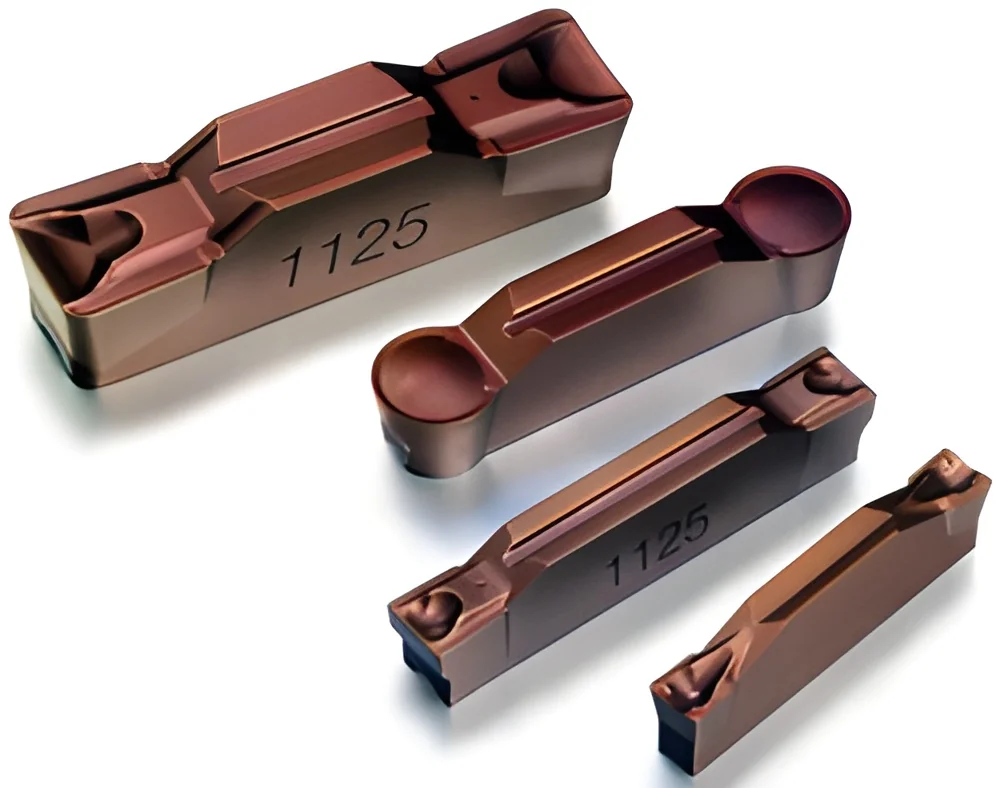
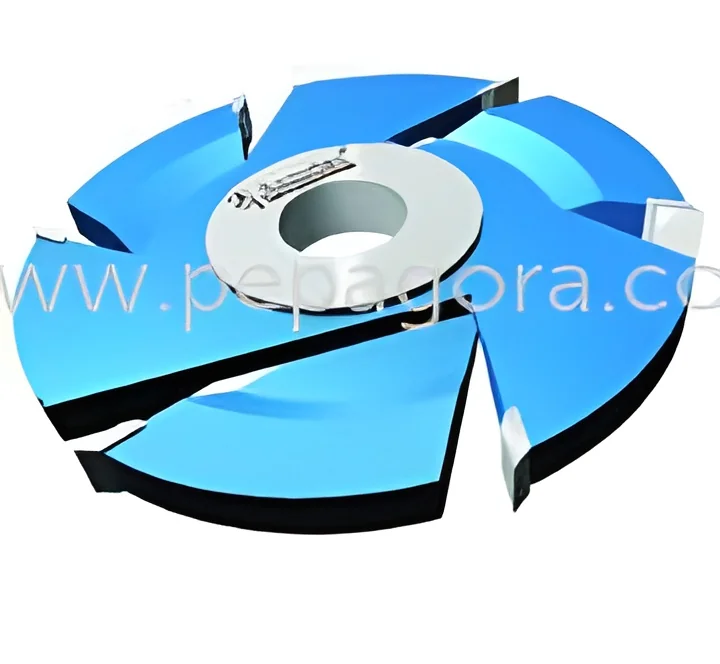
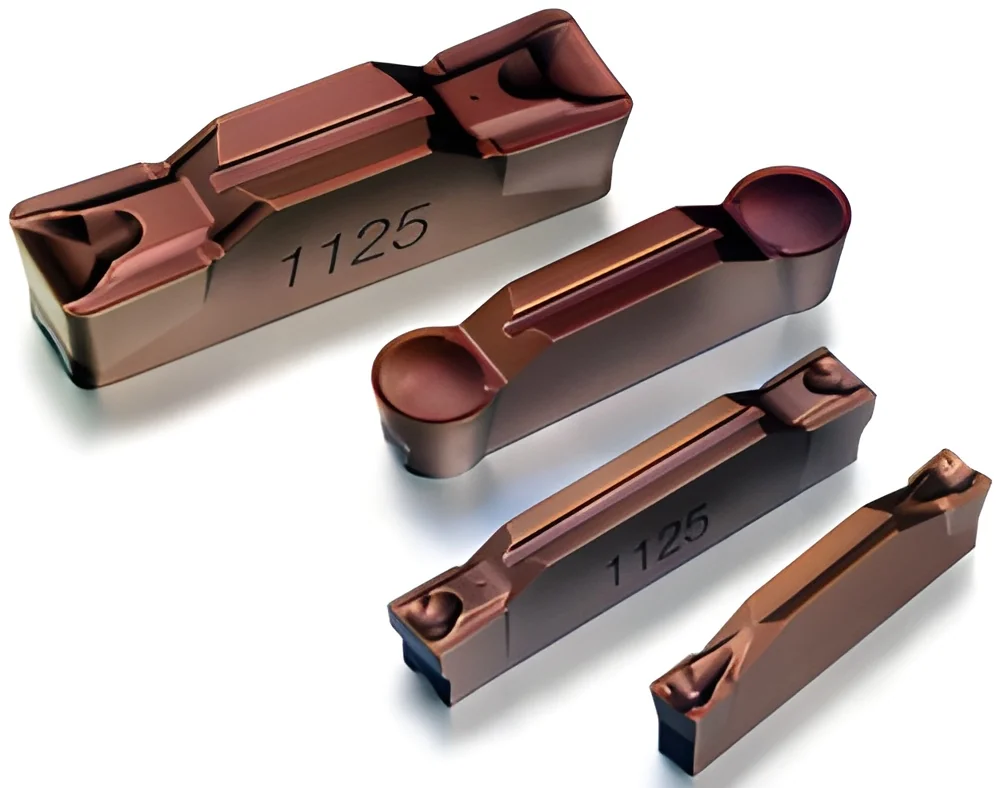
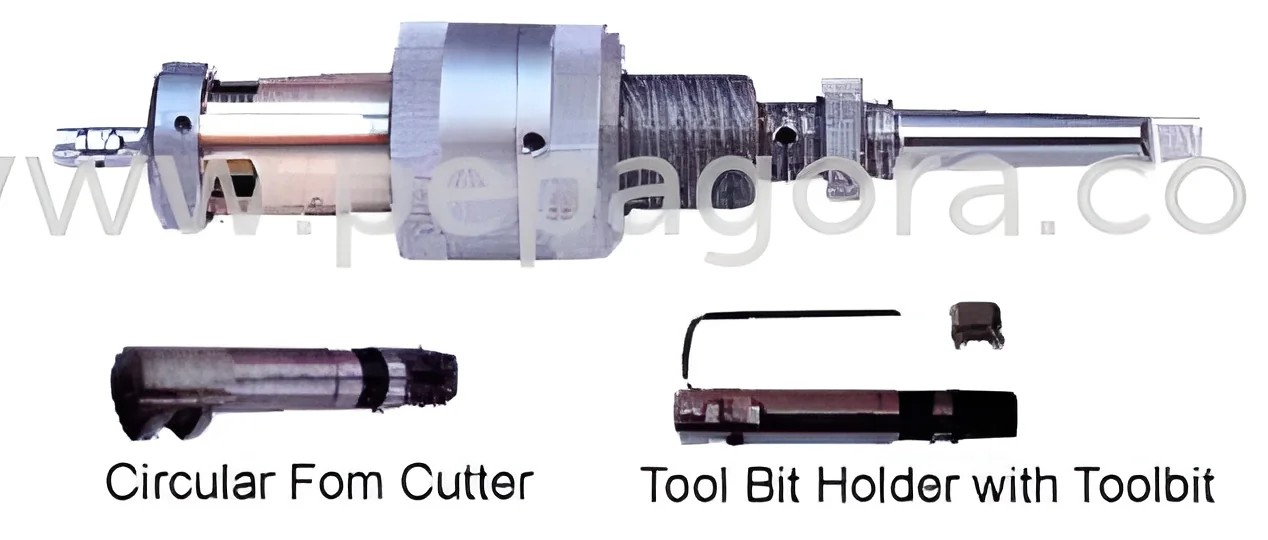
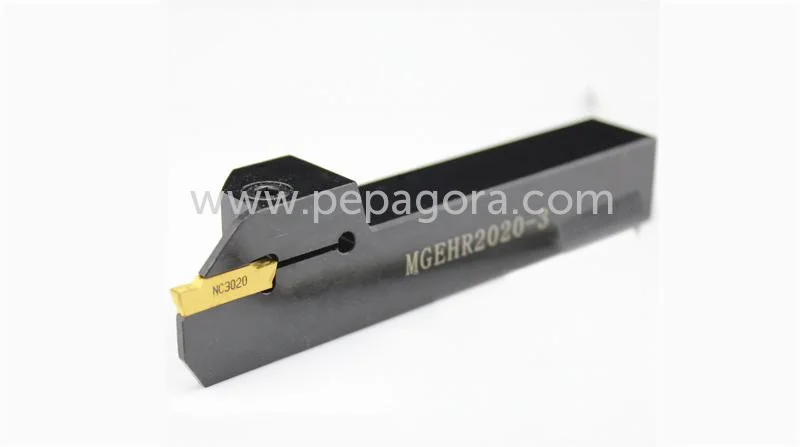
What are Grooving Tools?
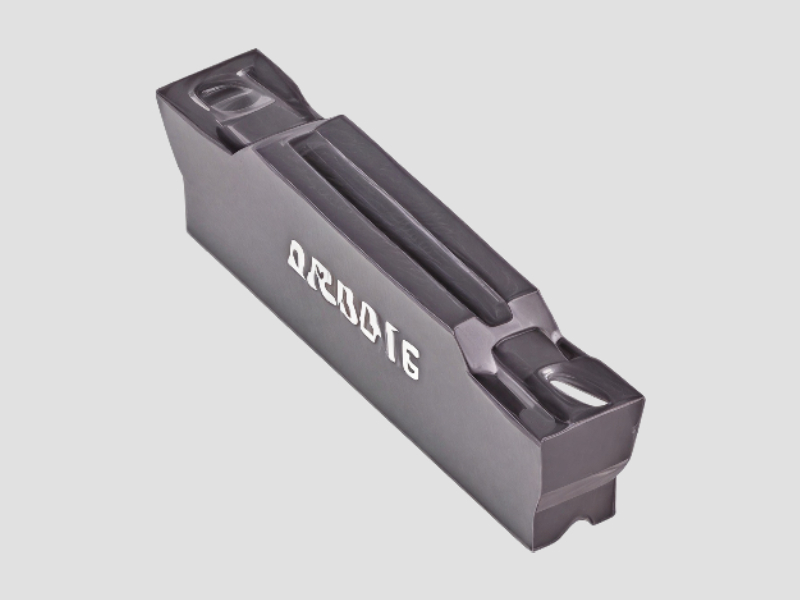
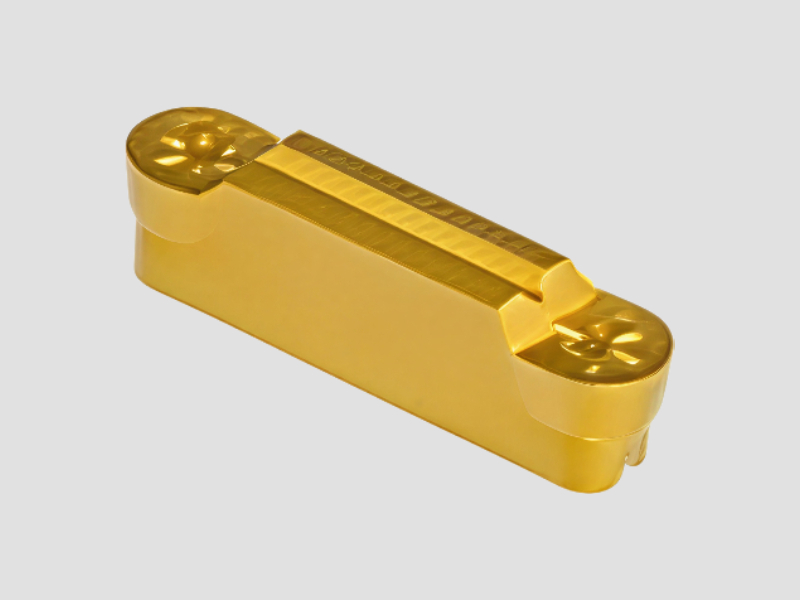
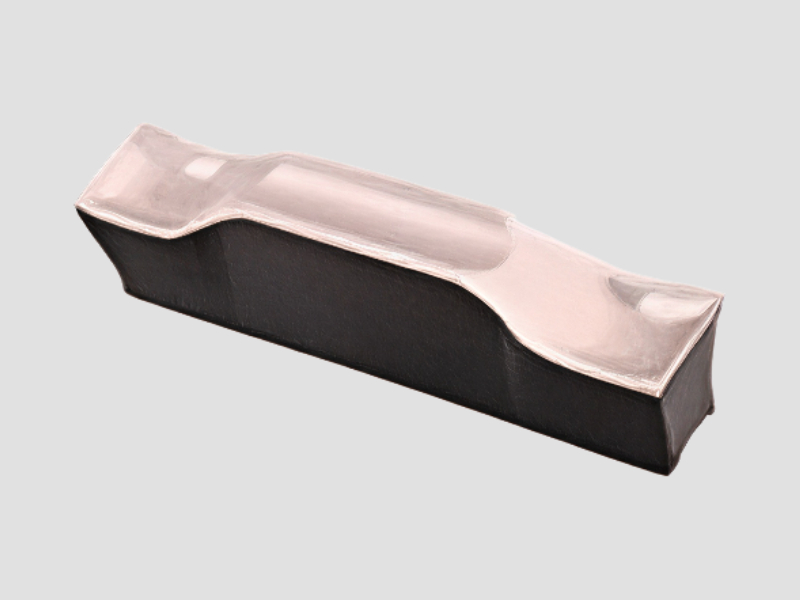
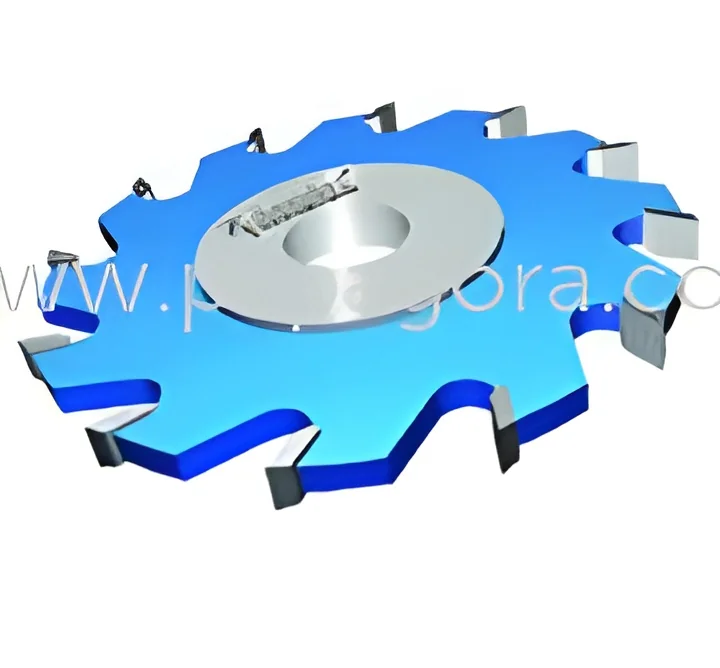
Grooving tools are specialized cutting instruments used in various machining processes to create grooves or channels in workpieces. These tools are designed to remove material from a surface, allowing for precise shaping and sizing. The cutting edges of grooving tools can be configured in various shapes and sizes to accommodate different applications, making them versatile for different machining needs.
Primarily, grooving tools are used in industries such as manufacturing, automotive, aerospace, and construction. They are essential in processes like turning, milling, and drilling, where creating accurate grooves is necessary for the assembly of parts or for enhancing the functionality of components. The importance of grooving tools is underscored by their ability to improve efficiency and reduce waste in production cycles.
In the current market, grooving tools are highly relevant due to the increasing demand for precision-engineered components across multiple sectors. As industries evolve and adopt new technologies, the need for advanced cutting tools, including grooving tools, continues to grow. This trend is driven by the push for higher productivity and quality in manufacturing processes.
Key Features and Specifications
Grooving tools come with several critical features and specifications that enhance their performance in various applications. Understanding these specifications is essential for selecting the right tool for specific tasks.
Key specifications include:
1. Tool Material
- Typically made from high-speed steel (HSS) or carbide.
- Offers durability and resistance to wear.
2. Cutting Edge Configuration
- Available in various shapes including straight, angled, and radius edges.
- Different configurations allow for specific groove shapes and sizes.
3. Shank Size
- Standard shank sizes available to fit different tool holders.
- Ensures compatibility with various machinery.
4. Diameter Range
- Grooving tools come in a range of diameters to accommodate different workpiece sizes.
- Common diameters include from 2 mm to 20 mm.
5. Coating Options
- Some tools feature coatings such as TiN or TiAlN for enhanced performance.
- Coatings provide increased hardness and reduce friction.
6. Chip Control Features
- Designed with specific geometries to optimize chip removal.
- Effective chip control enhances tool life and production efficiency.
7. Precision Tolerance
- Grooving tools are manufactured to tight tolerances for consistent results.
- Ensures high precision in groove dimensions.
8. Application Versatility
- Suitable for use in various materials including metals, plastics, and composites.
- Adaptable for different machining operations.
In summary, understanding the key features and specifications of grooving tools is essential for effective application in various industries, ensuring precision and efficiency in machining processes.
Common Applications and Use Cases
Grooving tools are utilized across a wide range of industries for various applications.
1. Automotive: In the automotive industry, grooving tools are used to create channels for seals and O-rings, ensuring proper fitting in engine components.
2. Aerospace: These tools are essential for machining components that require precise grooves for assembly and structural integrity in aircraft.
3. Manufacturing: In general manufacturing, grooving tools are used for creating grooves in shafts, housings, and brackets to facilitate assembly and functionality.
4. Construction: Grooving tools are applied in construction to create grooves in materials for anchoring and joining components together.
5. Electronics: In the electronics sector, they are used to create grooves for housing and mounting electronic components securely.
6. Medical Devices: Grooving tools are essential for producing intricate grooves in medical instruments that require precise measurements for functionality.
7. Oil and Gas: These tools are employed in the oil and gas industry to create grooves in drilling equipment and piping systems for secure connections.
Product Variants and Subcategories
Grooving tools come in various forms to cater to specific machining needs.
Standard Grooving Tools
These tools are designed for general grooving applications and are available in numerous sizes and configurations. They are suitable for a wide range of materials, making them a go-to choice for many industries.
Parting Grooving Tools
Parting tools are specifically designed to cut off parts from a workpiece. They provide clean cuts and are commonly used in lathe operations where precision is paramount.
Internal Grooving Tools
These tools are crafted for creating grooves inside a workpiece, ideal for applications that require internal features to be machined with high accuracy.
External Grooving Tools
External grooving tools are used to create grooves on the outer surfaces of workpieces. They are widely used in manufacturing cylindrical parts and components.
Benefits and Advantages
The use of grooving tools offers several significant advantages in machining processes.
1. Enhanced Precision: Grooving tools allow for precise cuts and grooves, ensuring high accuracy in machining operations.
2. Increased Efficiency: Their design optimizes material removal, leading to faster machining times and improved productivity.
3. Versatility: Grooving tools can be used on a variety of materials, making them suitable for multiple applications across different industries.
4. Cost-Effectiveness: By improving machining efficiency, grooving tools can reduce material waste and overall production costs.
5. Improved Tool Life: Quality materials and coatings extend the lifespan of grooving tools, resulting in fewer replacements and lower operational costs.
6. Customization: Many grooving tools can be tailored to meet specific application needs, providing flexibility in production processes.
Buying Guide for B2B Buyers
When sourcing grooving tools, it is essential to consider several key factors to ensure the right choice for your business needs.
1. Quality Assessment: Evaluate tools based on material quality, durability, and performance standards. High-quality tools will provide better machining results and longevity.
2. Supplier Verification: Research and vet suppliers to ensure they are reputable and provide reliable products. Look for suppliers with positive reviews and a proven track record in the industry.
3. Pricing and MOQ: Consider the cost of grooving tools and the minimum order quantities. This will help you manage your budget and ensure a good return on investment.
4. Delivery and Lead Times: Assess the logistics involved in acquiring the tools. Make sure the supplier can meet your delivery timelines to maintain your production schedules.
5. Compliance Requirements: Check for any industry-specific compliance standards that the tools must meet. Ensure that your chosen supplier adheres to these regulations for safety and quality assurance.
Compliance and Certifications
Grooving tools must adhere to various compliance and certification standards to ensure safety and quality in manufacturing.
Quality standards such as ISO 9001 are crucial as they outline requirements for a quality management system. Adhering to these standards ensures that grooving tools are manufactured under controlled processes, leading to consistent quality.
Additionally, industry certifications like CE mark signify that the tools meet European safety, health, and environmental protection standards. Compliance with these certifications is vital for tools used in international markets.
Safety and testing requirements are also critical. Grooving tools should undergo rigorous testing to ensure they perform safely and effectively in their intended applications.
Moreover, regional compliance considerations must be taken into account, as different regions may have specific regulations that govern the manufacturing and distribution of cutting tools.
Why Source Grooving Tools from Pepagora?
Pepagora is a trusted platform for sourcing grooving tools, offering several key advantages to B2B buyers.
Verified Supplier Network: Pepagora connects buyers with a network of verified suppliers, ensuring that all listed products meet high-quality standards. This network facilitates the sourcing process, providing peace of mind to buyers.
Streamlined RFQ Process: The platform features an efficient Request for Quotation (RFQ) system that simplifies the procurement process. Buyers can easily obtain quotes from multiple suppliers, allowing for informed purchasing decisions.
Trade Assurance and Support: Pepagora offers trade assurance to protect buyers from potential issues during transactions. This includes support throughout the sourcing process, ensuring a smooth experience.
Regional Coverage: With a strong presence in India, the GCC, and Southeast Asia, Pepagora provides broad geographic reach. This ensures that businesses can access quality grooving tools regardless of their location, facilitating international trade and collaboration.

 IN
IN