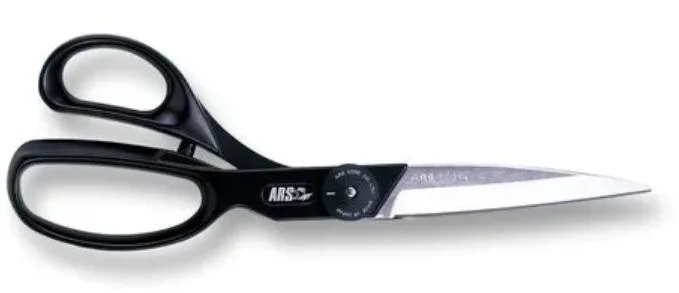
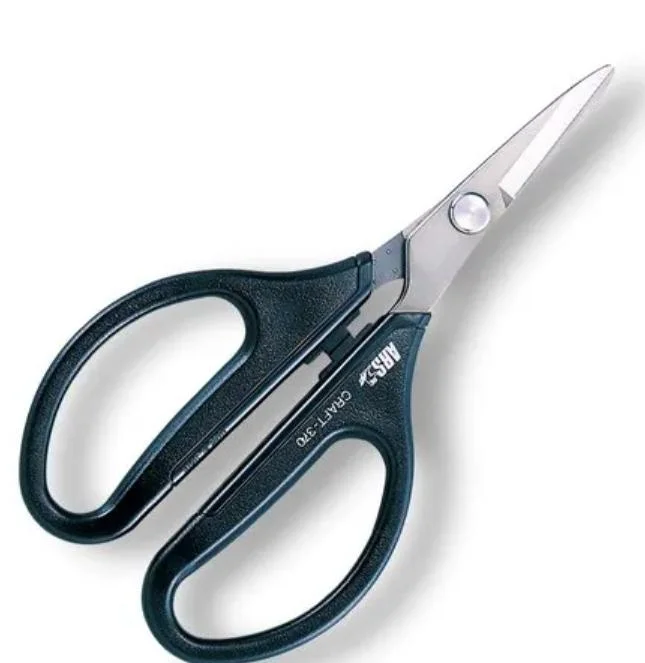
Key Features and Specifications
Metal shears are equipped with several key features that enhance their performance and usability. Understanding these specifications is essential for making informed purchasing decisions.
Key specifications include:
1. Cutting Capacity
- Determines the maximum thickness of metal the shear can cut.
- Ranges typically start from 1 mm to over 10 mm, depending on the model.
2. Blade Material
- High-carbon steel or carbide blades are common for durability and sharpness.
- Blade quality impacts cutting efficiency and longevity.
3. Power Source
- Manual shears rely on human force, while electric models use motors.
- Electric models may have varying power ratings, influencing their performance.
4. Weight
- The weight of the shear affects portability and ease of use.
- Generally ranges from lightweight models (under 5 kg) to heavier industrial versions (over 20 kg).
5. Safety Features
- Includes guards, emergency stops, and ergonomic designs.
- Essential for preventing accidents during operation.
6. Speed
- Electric shears often have adjustable speeds for different cutting tasks.
- Speed can affect the quality of the cut and efficiency.
7. Warranty
- Varies by manufacturer, typically ranging from 1 to 5 years.
- A good warranty indicates manufacturer confidence in the product's durability.
8. Certifications
- Look for CE certification, indicating compliance with European safety standards.
- Ensures the product meets essential quality and safety requirements.
In summary, knowing these key features and specifications helps buyers select metal shears that meet their specific operational needs and standards.
Common Applications and Use Cases
Metal shears are utilized in a variety of industries, reflecting their adaptability and importance in industrial processes.
1. Manufacturing: In manufacturing, metal shears are used for cutting sheets into specific dimensions for various products, including appliances and automotive components.
2. Construction: In the construction sector, shears help cut metal framing and roofing materials, ensuring accurate fitting and assembly on job sites.
3. Metalworking: Metalworking shops rely on shears for fabricating parts, where precision cutting is crucial for creating components that fit together seamlessly.
4. HVAC: In HVAC applications, metal shears are used to cut ductwork and other metal components, aiding in the installation and maintenance of heating and cooling systems.
5. Shipbuilding: The shipbuilding industry uses metal shears to cut large metal sheets into parts needed for ship construction, where precision is vital for safety and performance.
6. Aerospace: Aerospace manufacturers use metal shears to create lightweight and strong parts from aluminum and other materials, essential for aircraft performance.
7. Automotive: In automotive production, these tools are vital for cutting sheet metal used in vehicle bodies, frames, and various components.
Product Variants and Subcategories
Metal shears come in diverse variants tailored to different cutting needs and environments. Each variant offers unique features suited for specific applications.
Manual Metal Shears: These shears are operated by hand and are ideal for smaller projects or environments where power sources may not be available. They provide precision and control, making them suitable for detailed work on lighter materials.
Electric Metal Shears: Electric models are designed for high-volume cutting tasks. They offer greater speed and efficiency compared to manual options. These shears are best suited for industrial applications where productivity is a priority.
Pneumatic Metal Shears: Utilizing compressed air, pneumatic shears provide powerful cutting capabilities with minimal physical exertion. They are favored in high-demand environments like manufacturing lines.
Cordless Metal Shears: These portable shears allow for flexibility and convenience, making them suitable for onsite jobs where mobility is essential. They combine the benefits of electric shears without the need for a power outlet.
Benefits and Advantages
Investing in metal shears brings numerous advantages to businesses across various sectors.
1. Precision Cutting: Metal shears provide clean and accurate cuts, reducing the need for additional finishing processes.
2. Versatility: They can handle different types of metals and thicknesses, making them suitable for diverse applications.
3. Increased Efficiency: Electric models can cut metal faster than manual shears, enhancing productivity in high-volume settings.
4. Safety Features: Modern metal shears are equipped with safety mechanisms that help protect operators from accidents during use.
5. Cost-Effective: Durable and reliable, metal shears reduce maintenance costs and downtime associated with equipment failure.
6. Portability: Many models are lightweight and easy to transport, allowing for use in various locations without hassle.
Buying Guide for B2B Buyers
When sourcing metal shears, businesses should consider several critical factors to ensure they select the right equipment.
1. Quality Assessment: Evaluate the materials and build quality of the shears. Look for reputable brands known for durability and performance.
2. Supplier Verification: Vet suppliers thoroughly. Ensure they have a track record of reliability and positive customer feedback to avoid procurement issues.
3. Pricing and MOQ: Consider the pricing structure and minimum order quantity. Compare quotes from different suppliers to find the best value for your budget.
4. Delivery and Lead Times: Inquire about lead times for delivery. Timely delivery is crucial to maintain production schedules and project timelines.
5. Compliance Requirements: Ensure that the shears meet relevant safety and quality standards. Check for certifications that guarantee compliance with industry regulations.
Compliance and Certifications
Metal shears are subject to various quality and safety standards that ensure their reliability in industrial applications. One important standard is ISO 9001, which pertains to quality management systems. This certification is essential for manufacturers striving to improve product quality and customer satisfaction.
Additionally, CE certification is crucial for products sold in the European market. It ensures that the metal shears comply with health, safety, and environmental protection standards set by the European Union. This certification provides assurance to buyers regarding the product's safety and efficacy.
Safety and testing requirements also play a significant role in the manufacturing of metal shears. Manufacturers must adhere to strict guidelines to ensure their products are safe for operation. Regional compliance considerations may vary, so businesses should be aware of local regulations affecting their operations.
Why Source Metal Shears (Manual, Electric) from Pepagora?
Pepagora offers a reliable platform for sourcing metal shears, backed by several key advantages that set it apart from competitors.
Verified Supplier Network: Pepagora connects buyers with a network of verified suppliers who have undergone thorough checks to ensure their credibility. This reduces the risk associated with procurement.
Streamlined RFQ Process: The platform features an easy-to-use Request for Quotation (RFQ) system, allowing buyers to receive competitive quotes from multiple suppliers quickly. This efficiency saves time and facilitates better decision-making.
Trade Assurance and Support: Pepagora provides trade assurance, offering buyers protection and support throughout the purchasing process. This assurance fosters confidence in transactions and product quality.
Regional Coverage: With a strong presence in India, the GCC, and Southeast Asia, Pepagora provides extensive geographic reach, making it easier for businesses to find the right metal shears tailored to their regional needs.
By choosing Pepagora, businesses can ensure they are making informed decisions when sourcing metal shears, ultimately enhancing their operational efficiency and productivity.

 IN
IN