
 IN
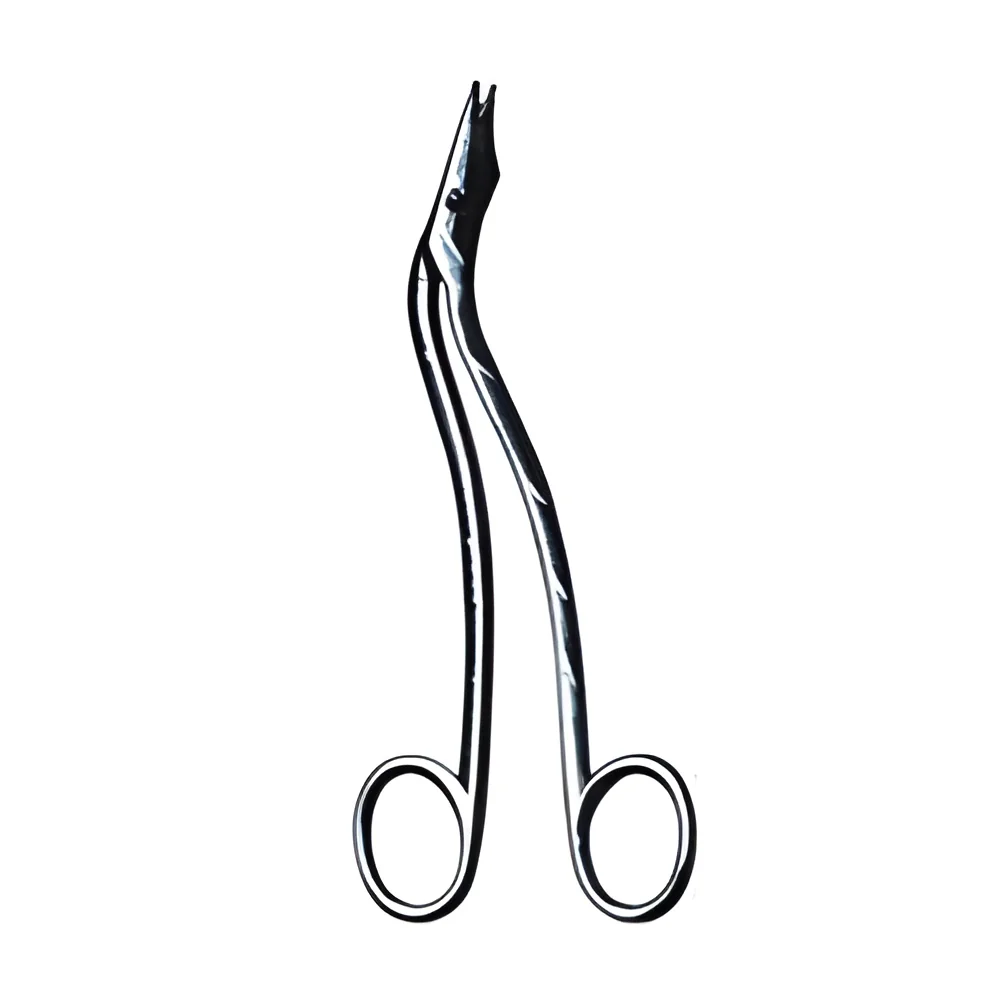
Scissors (Industrial, General Purpose)
5 products available
Key Features and Specifications
Industrial scissors are designed with specific features that cater to various cutting needs. Understanding these features helps buyers make informed decisions.
Key specifications include:
1. Blade Material
- Typically constructed of high-carbon stainless steel for durability and resistance to corrosion.
- Offers a sharp, long-lasting cutting edge.
2. Handle Design
- Ergonomically designed handles for comfort during extended use.
- Often made from materials such as rubber or plastic for improved grip.
3. Size Variations
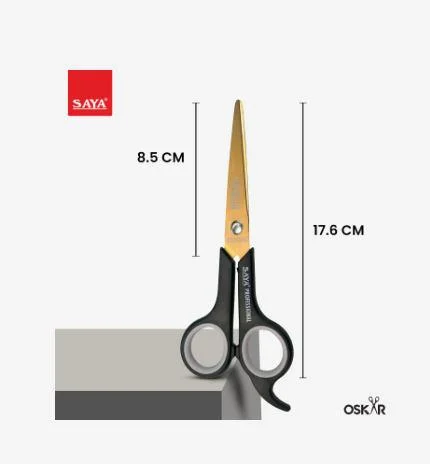
- Available in multiple sizes, typically ranging from 8 to 12 inches.
- Size selection based on specific cutting tasks and user preferences.
4. Cutting Capacity
- Capable of cutting through various materials, including fabric, plastic, and cardboard.
- Performance varies based on the thickness and type of material.
5. Weight
- Generally lightweight for ease of handling, often weighing between 200 to 400 grams.
- Weight distribution designed for optimal control during use.
6. Blade Type
- Available in straight blades, serrated blades, or specialty shapes depending on application.
- Different types cater to specific cutting tasks, enhancing versatility.
7. Safety Features
- Some models include locking mechanisms to prevent accidental opening.
- Designed with rounded tips for safe handling in industrial settings.
In summary, the key features of industrial scissors highlight their durability, comfort, and versatility, making them a valuable tool in various industries.
Common Applications and Use Cases
Industrial scissors serve numerous industries, providing essential cutting solutions.
1. Textile Industry: Widely used for cutting fabric and patterns, ensuring precision in garment production.
2. Construction Industry: Employed to trim insulation, plastic sheeting, and other materials commonly used on job sites.
3. Automotive Industry: Useful for cutting wires, cables, and upholstery materials in vehicle assembly.
4. Food Processing: Applied in food packaging and preparation, allowing for efficient cutting of materials like plastic wrap and cardboard.
5. Manufacturing: Essential in various manufacturing processes for cutting components and materials as part of assembly lines.
6. Arts and Crafts: Utilized in creative environments for cutting paper, vinyl, and other craft materials.
7. Office Use: Commonly found in office environments for general cutting tasks, including paper and cardboard.
Product Variants and Subcategories
Industrial scissors come in various types, each tailored for specific uses.
Heavy-Duty Scissors
These scissors are designed for cutting thicker materials, such as cardboard and heavy fabric. They often feature reinforced blades and comfortable grips for prolonged use. Heavy-duty scissors are ideal for construction and industrial applications.
Precision Scissors
These are designed for intricate cutting tasks, often used in textile and crafting industries. Precision scissors have finely honed blades that allow for detailed work, making them essential for fashion designers and artisans.
Children's Safety Scissors
These are specifically designed with safety features, making them suitable for educational environments. They often have rounded tips and are made from lightweight materials to promote ease of use while ensuring safety.
Benefits and Advantages
Using industrial scissors provides numerous benefits that enhance operational efficiency.
1. Durability: Constructed from high-quality materials, ensuring a long lifespan and reduced need for frequent replacements.
2. Comfort: Ergonomic designs minimize hand fatigue, allowing users to perform cutting tasks for extended periods without discomfort.
3. Versatility: Suitable for a wide range of materials and applications, making them a multifunctional tool in various industries.
4. Precision: Sharp blades provide clean cuts, enhancing the quality of work in manufacturing and crafting.
5. Safety Features: Designed with user safety in mind, many models include features that prevent accidental injuries.
6. Cost-Effectiveness: Investing in durable scissors reduces maintenance and replacement costs over time, providing better value for businesses.
Buying Guide for B2B Buyers
When sourcing Scissors (Industrial, General Purpose), several factors should be considered to ensure the best purchasing decision.
1. Quality Assessment: Evaluate the materials used in the scissors' construction, focusing on blade quality and handle ergonomics. Look for brands that are known for their durability and performance.
2. Supplier Verification: Vet suppliers to ensure they provide reliable products. Check for reviews and certifications to confirm their reputation in the market.
3. Pricing and MOQ: Compare prices from different suppliers while considering the minimum order quantity. Ensure the price aligns with your budget and needs.
4. Delivery and Lead Times: Discuss logistics and confirm delivery timelines. Timely delivery is crucial for maintaining production schedules.
5. Compliance Requirements: Ensure that the scissors meet industry standards and regulations, including safety and quality certifications.
Compliance and Certifications
Compliance is critical when sourcing industrial scissors. Key quality standards include ISO 9001, which ensures quality management processes are in place. This certification is essential for maintaining consistent product quality.
Additionally, industry certifications such as CE indicate that products meet safety and performance standards within the European market. Safety and testing requirements are paramount, especially in industries where tool reliability is vital.
Regional compliance considerations may vary, and businesses should be aware of local regulations affecting their operations and product use. Understanding these factors helps ensure that the scissors meet necessary legal and safety requirements.
Why Source Scissors (Industrial, General Purpose) from Pepagora?
Pepagora offers a reliable platform for sourcing Scissors (Industrial, General Purpose) with distinct advantages for B2B buyers.
Verified Supplier Network: Pepagora provides access to a network of verified suppliers, ensuring that buyers can source high-quality products from reputable manufacturers. This verification process helps to mitigate risks associated with sourcing.
Streamlined RFQ Process: The request for quotation (RFQ) system simplifies the procurement process, allowing buyers to receive competitive quotes from multiple suppliers. This efficiency saves time and helps businesses make informed purchasing decisions.
Trade Assurance and Support: Pepagora offers buyer protection through trade assurance, ensuring that transactions are secure. This support builds trust between buyers and suppliers, facilitating smoother negotiations.
Regional Coverage: With a strong presence in India, GCC, and Southeast Asia, Pepagora caters to a wide geographical market. This coverage enables businesses in diverse regions to access essential industrial tools, including scissors, with ease.
In conclusion, choosing Pepagora as your sourcing partner for industrial scissors enhances procurement efficiency and ensures access to high-quality products tailored to various business needs.


Frequently Asked Questions
What are Scissors (Industrial, General Purpose)?
Scissors (Industrial, General Purpose) are cutting tools designed for various applications in industrial and general use. They typically feature two sharp blades that pivot on a central point, allowing for precise cutting of materials such as paper, fabric, and other lightweight materials.
What are the different types of Scissors (Industrial, General Purpose)?
The different types of scissors (Industrial, General Purpose) include straight scissors, left-handed scissors, pinking shears, and utility scissors. Each type is designed for specific cutting tasks, such as decorative cutting or heavy-duty applications.
How do I choose the right Scissors (Industrial, General Purpose)?
To choose the right scissors, consider the material you will be cutting and the frequency of use. Ergonomics, blade length, and the type of handle are also important factors to ensure comfort and efficiency during use.
What are the standard specifications for Scissors (Industrial, General Purpose)?
Standard specifications for scissors typically include blade length, overall length, blade material (such as stainless steel), and handle design. Additionally, some scissors may have specific coatings for enhanced durability and cutting performance.
What is the price range for Scissors (Industrial, General Purpose)?
The price range for scissors (Industrial, General Purpose) can vary widely based on brand, quality, and specifications. Generally, prices can start from around INR 100 and go up to several thousand rupees for specialized or high-quality models.
What quality standards apply to Scissors (Industrial, General Purpose)?
Quality standards for scissors may include compliance with ISO or ASTM standards, which ensure that the products meet specific performance and safety criteria. Manufacturers often conduct tests for sharpness, durability, and ergonomics to meet these standards.
Where can I find Scissors (Industrial, General Purpose) suppliers in India?
You can find scissors (Industrial, General Purpose) suppliers in India through various online B2B marketplaces, industry directories, and trade shows. Websites like Pepagora.com offer a platform to connect with reliable manufacturers and suppliers across the country.
Can Scissors (Industrial, General Purpose) be customized?
Yes, many manufacturers offer customization options for scissors (Industrial, General Purpose). Customizations can include specific blade lengths, handle designs, and branding options to suit particular needs.
What is the typical minimum order quantity for Scissors (Industrial, General Purpose)?
The typical minimum order quantity (MOQ) for scissors (Industrial, General Purpose) can vary by supplier but usually ranges from 50 to 100 units. It's advisable to check with the specific supplier for their MOQ requirements.
What is the typical lead time for Scissors (Industrial, General Purpose)?
The typical lead time for scissors (Industrial, General Purpose) can range from 2 to 4 weeks, depending on the supplier and the order specifications. Custom orders may take longer, so it's important to confirm the lead time when placing an order.
Why Businesses Trust Pepagora
Thousands of companies trust Pepagora to source smarter and sell faster
Expand Your Sales Globally

Source Smarter,Grow Faster
