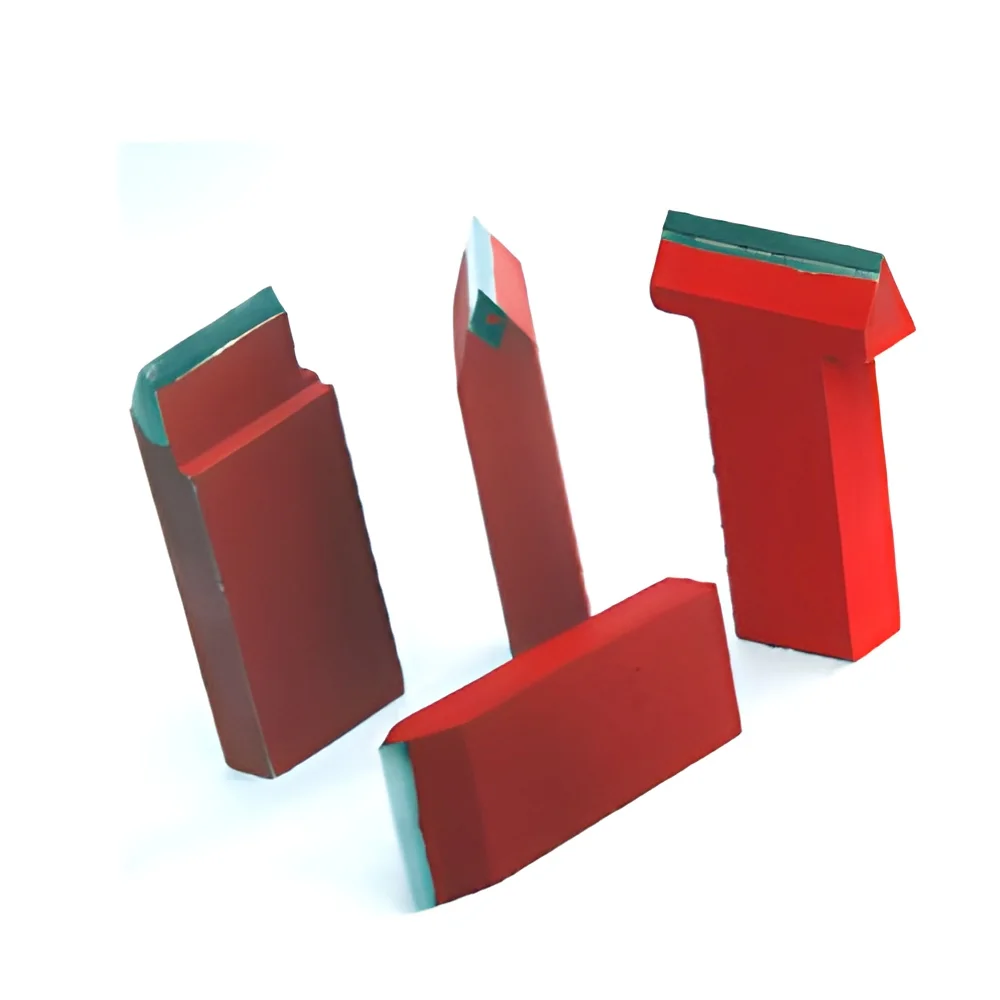
Key Features and Specifications
When selecting chisels, understanding their key features and specifications is vital. These specifications directly impact their performance, durability, and suitability for specific tasks.
Key specifications include:
1. Blade Material
- High-carbon steel or alloy steel is common for durability.
- Stainless steel is often used for rust resistance in metal chisels.
2. Blade Width
- Varies from 1/4 inch to 2 inches depending on the chisel type.
- Wider blades are suited for larger cuts, while narrow blades offer precision.
3. Handle Material
- Common materials include hardwood, plastic, or rubber for comfort and grip.
- Ergonomically designed handles reduce hand fatigue during extended use.
4. Blade Shape
- Flat, beveled, or pointed tips are available based on the application.
- Each shape offers different cutting capabilities and precision.
5. Overall Length
- Typically ranges from 4 to 12 inches.
- Longer chisels provide better leverage for tougher materials.
6. Weight
- Weight varies based on design and material, impacting handling and control.
- Heavier chisels may be more effective for tough materials, while lighter ones allow for finesse.
7. Edge Angle
- Common angles include 25 to 35 degrees for various applications.
- The edge angle affects cutting efficiency and durability.
8. Certification
- Many chisels meet CE safety and quality standards.
- Compliance with industry regulations ensures reliability and safety.
These specifications are crucial for ensuring that the right chisels are selected for specific tasks, which in turn enhances efficiency and output quality.
Common Applications and Use Cases
Chisels serve various industries, each requiring specific applications that highlight their versatility.
1. Woodworking: In this industry, chisels are used for joinery, intricate carvings, and creating smooth surfaces. They are essential for both fine woodworking and larger construction projects.
2. Metalworking: Metal chisels are utilized for shaping, cutting, and finishing metal parts. They play a vital role in manufacturing processes, including assembly and repair.
3. Masonry: Stone chisels are essential for cutting and shaping stone materials. They are commonly used in construction, masonry work, and stone sculpture.
4. Automotive: In the automotive industry, chisels assist in precise metal shaping and bodywork. They are crucial for repairs and modifications.
5. Sculpting: Artists use chisels for shaping stones and creating detailed sculptures. Their precision allows for intricate detailing in artistic works.
6. Construction: Chisels are used for various applications in construction, such as creating grooves or removing excess material from building components.
7. Furniture Making: In furniture production, chisels help in crafting joints and fittings. They ensure high-quality finishes and structural integrity.
Product Variants and Subcategories
Chisels come in several variants, each tailored for specific applications and material interactions.
Wood Chisels
Wood chisels are designed specifically for woodworking tasks. They typically have sharp, beveled edges and come in various widths. These chisels are ideal for precise joinery, carving, and smoothing edges in wooden projects.
Metal Chisels
Metal chisels are made from tougher materials to withstand the hardness of metals. They often feature a durable cutting edge and are used for cutting, shaping, and finishing metal components. Their robustness makes them essential in metalworking trades.
Stone Chisels
Stone chisels are designed for use on hard surfaces like granite or marble. Their sturdy construction allows for effective sculpting and shaping of stone materials. These chisels are vital in masonry and artistic stonework.
Benefits and Advantages
Sourcing chisels offers numerous benefits for businesses seeking quality tools.
1. Precision Cutting: Chisels provide enhanced control, allowing for intricate cuts and fine details. This precision is essential in high-quality craftsmanship.
2. Versatility: Available in various types, chisels can be used across multiple materials and industries, making them a valuable addition to any toolkit.
3. Cost-Effectiveness: High-quality chisels are durable and long-lasting, providing good value for investment compared to cheaper, less effective tools.
4. Ease of Use: Chisels are straightforward to operate, requiring minimal training for effective use. This accessibility is beneficial for both experienced and novice users.
5. Enhanced Productivity: By enabling efficient cutting and shaping, chisels help streamline workflows, increasing overall productivity in various trades.
6. Customization: Many suppliers offer customization options, allowing businesses to select chisels that meet their specific needs and preferences.
Buying Guide for B2B Buyers
When sourcing chisels, businesses should consider several critical factors to ensure they choose the right tools.
1. Quality Assessment: Evaluate the quality of chisels by examining material composition and construction. High-quality chisels are made from durable materials and exhibit precision in design.
2. Supplier Verification: Vet suppliers to ensure they provide reliable products. Check for reviews, certifications, and industry reputation to select trustworthy partners.
3. Pricing and MOQ: Understand pricing structures and minimum order quantities (MOQ) to align purchases with budget constraints and project needs.
4. Delivery and Lead Times: Discuss logistics with suppliers to understand delivery times and ensure timely availability of tools for project requirements.
5. Compliance Requirements: Be aware of any regulatory standards that apply to chisels in your region. Compliance with safety and quality regulations is crucial for operational integrity.
Compliance and Certifications
Compliance and certifications play a vital role in ensuring the quality and safety of chisels. Relevant quality standards, such as ISO 9001, indicate that products meet rigorous management and quality assurance protocols.
Industry certifications like CE signify that chisels conform to European safety, health, and environmental protection standards. These certifications help buyers ensure that they are sourcing reliable and safe tools for their operations.
Additionally, safety and testing requirements are crucial in the manufacturing process of chisels. Suppliers must adhere to testing protocols that verify the durability and performance of their products.
Regional compliance considerations may vary, so it is essential for buyers to understand local regulations and ensure that their chosen chisels meet these requirements.
Why Source Chisels (Wood, Metal, Stone) from Pepagora?
Pepagora provides a trusted platform for sourcing chisels with several key advantages for B2B buyers.
Verified Supplier Network: Pepagora features a network of verified suppliers, ensuring that buyers can access high-quality chisels from reputable manufacturers. This verification process provides assurance of product quality and supplier reliability.
Streamlined RFQ Process: The platform simplifies the request for quotation (RFQ) process, allowing buyers to easily compare offers from multiple suppliers. This streamlined approach helps businesses make informed purchasing decisions.
Trade Assurance and Support: Pepagora offers trade assurance, providing buyers with protection against fraud and ensuring that they receive the products as promised. Their support team is available to assist with any inquiries or issues that may arise.
Regional Coverage: With a wide geographic reach, including India, the GCC, and Southeast Asia, Pepagora connects buyers with suppliers across various regions. This extensive coverage ensures that businesses can find the right chisels regardless of their location.

 IN
IN